


The cheetah stands as nature’s supreme sprinter, capable of accelerating from 0 to 60 mph in just three seconds—faster than most sports cars. These remarkable big cats have evolved over millions of years into perfect running machines, with specialized adaptations that allow them to reach speeds of up to 70 mph (113 km/h), making them the fastest land animals on Earth. While most people know cheetahs for their speed, few understand the fascinating combination of anatomical features, physiological systems, and hunting behaviors that enable these extraordinary velocities. From their flexible spine to their enlarged heart and lungs, every aspect of the cheetah’s biology contributes to its unparalleled acceleration and sprinting capabilities. Let’s explore the remarkable science behind how cheetahs achieve their record-breaking speeds and what makes these magnificent predators the ultimate velocity specialists of the animal kingdom.
The Evolutionary Path to Speed

Cheetahs evolved their remarkable speed over millions of years as a specialized hunting strategy. Unlike other big cats that rely on stealth and power, cheetahs developed speed as their primary advantage. Fossil records show that modern cheetahs (Acinonyx jubatus) evolved from a common ancestor they shared with pumas and jaguars about 6.7 million years ago. During the late Miocene and Pliocene epochs, cheetahs faced intense competition from other predators, prompting the evolution of their speed-focused hunting strategy. This evolutionary path led to the loss of certain features typical in other big cats—like fully retractable claws—in favor of adaptations that enhanced running ability. The cheetah’s specialized evolution represents one of nature’s most successful examples of adaptation to fill a specific ecological niche: the high-speed pursuit predator.
Streamlined Body Structure
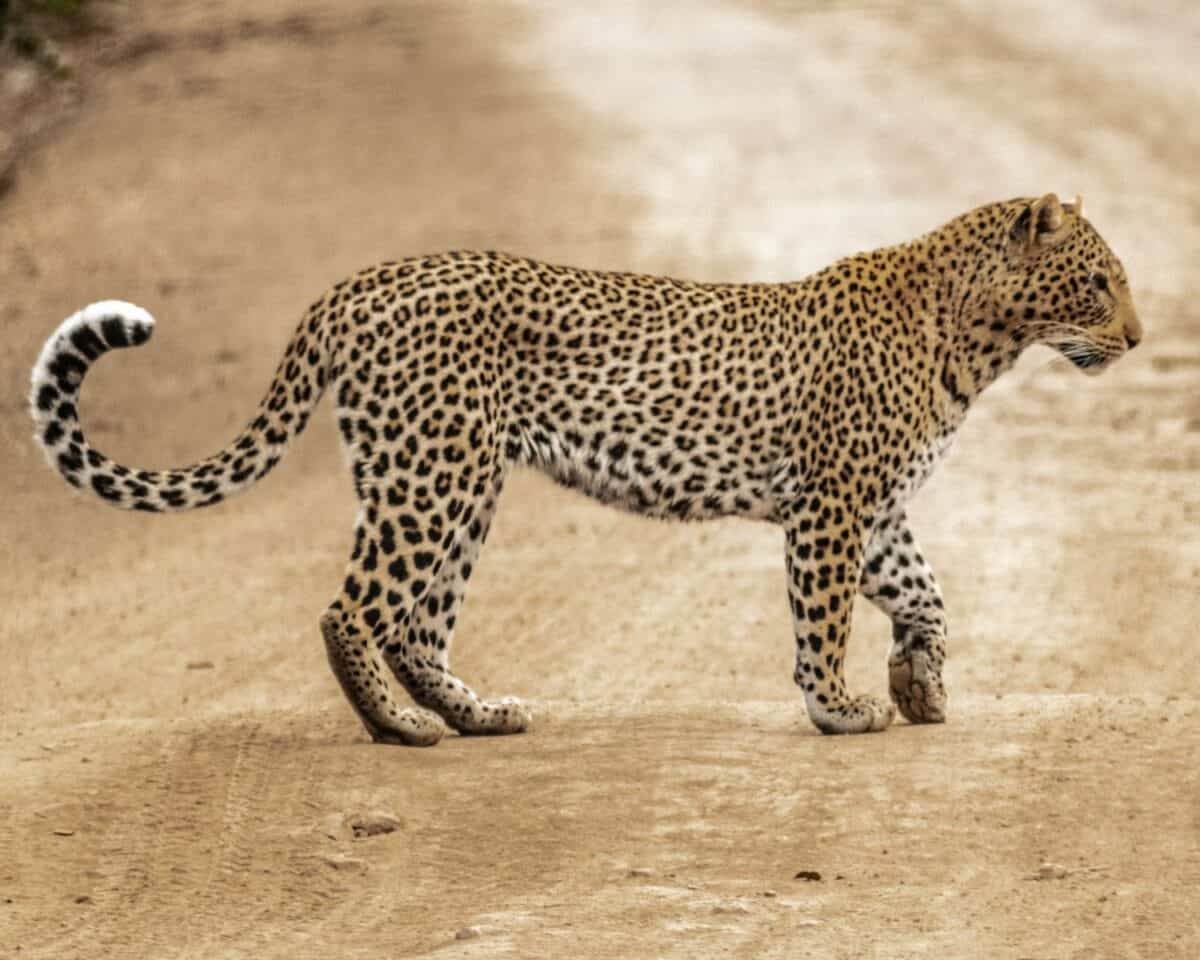
The cheetah’s body resembles a finely tuned racing machine, with every feature optimized for speed and aerodynamics. Standing 30 inches tall at the shoulder but weighing only 80-140 pounds, cheetahs are remarkably light for their size. Their slender build includes a narrow waist, deep chest, and long legs—all contributing to their streamlined profile. Unlike the bulkier builds of lions or tigers, the cheetah sacrifices raw power for speed and agility. Their small, flat head reduces air resistance during high-speed chases, while their lightweight frame allows for rapid acceleration. Even the cheetah’s extraordinarily long tail—which can measure nearly 3 feet—acts as a crucial rudder for balance when making sharp turns at high speeds. This perfect combination of lightweight construction and aerodynamic design is essential for achieving and maintaining their record-breaking velocities.
The Power of the Spine

The cheetah’s incredibly flexible spine serves as the secret engine behind its extraordinary speed. Unlike most mammals, the cheetah possesses a spine that can flex and extend dramatically with each stride, essentially functioning as a powerful spring. This flexibility allows for a running style known as “galloping,” where all four feet leave the ground simultaneously during what’s called the “flight phase.” During a chase, the spine compresses and then extends with each bound, increasing stride length to an impressive 20-25 feet—roughly four times the length of the cheetah’s body. High-speed photography reveals that cheetahs spend more than half of each sprint completely airborne. This remarkable spinal flexibility, combined with specialized muscle attachments, enables the cheetah to cover more ground with each stride than any other land animal, directly contributing to its unmatched acceleration and top speed.
Specialized Leg Adaptations

A cheetah’s legs represent an evolutionary masterpiece of design for speed. Unlike other cats, cheetahs have long, slender limbs proportionally longer than those of any other big cat, allowing for extended stride length. Their leg muscles are dense with fast-twitch fibers that contract rapidly for explosive acceleration but fatigue quickly—explaining why cheetahs can maintain top speeds for only short distances. Perhaps most distinctive are their semi-retractable claws, which differ from the fully retractable claws of other cats. These partially exposed claws function similarly to track spikes, providing crucial traction during high-speed pursuits. The pads of their feet are harder than those of other cats, offering better grip on various terrains. Additionally, the cheetah’s ankle joints have evolved exceptional rotational capabilities that allow for improved stability and grip when making sharp turns during high-speed chases, effectively preventing dangerous slips or falls that could be fatal at such velocities.
Cardiovascular Superiority

The cheetah’s cardiovascular system stands as a marvel of biological engineering specifically adapted for short bursts of extreme exertion. Their heart, proportionally larger than those of other big cats, can rapidly increase from a resting rate of 120 beats per minute to nearly 250 beats per minute during a chase. This dramatic cardiac output efficiently delivers oxygen-rich blood to the muscles powering their sprint. Their large nostrils and expanded nasal passages allow for increased oxygen intake, while their oversized lungs and enhanced respiratory capacity ensure maximum oxygen extraction during high-speed pursuits. Interestingly, cheetahs also have higher red blood cell counts than most mammals, further improving oxygen transport efficiency. This remarkable cardiopulmonary system comes with a tradeoff: after a high-speed chase, cheetahs require significant recovery time—often up to 30 minutes—while their body temperature normalizes and oxygen debt is repaid. This cardiovascular limitation explains why cheetahs must succeed quickly in their hunts or risk losing their prey.
The Science of Acceleration

The cheetah’s acceleration capabilities truly separate it from all other land animals. Reaching 0 to 60 mph in just three seconds, cheetahs accelerate faster than most sports cars and all other land animals. This remarkable acceleration comes from several specialized adaptations working in concert. During initial acceleration, cheetahs employ an asymmetrical gait where their front and back legs move in coordinated pairs rather than alternating, maximizing forward thrust. Their powerful hip flexor muscles, specialized for explosive movement, generate tremendous force with each stride. Scientific studies using high-speed cameras have revealed that cheetahs can increase their stride frequency to nearly four strides per second during acceleration, with each powerful bound propelling them forward. Additionally, their lightweight frame requires less energy to accelerate than bulkier predators. The cheetah’s ability to rapidly change pace during a chase—accelerating, decelerating, and changing direction in response to prey movements—demonstrates not only raw speed but also remarkable agility that makes them among nature’s most effective pursuit predators.
Breathing and Temperature Regulation

A cheetah’s respiratory system has evolved specific adaptations to support their extreme speed requirements. During a sprint, cheetahs employ a unique breathing pattern synchronized with their stride: one breath per stride cycle helps maximize oxygen intake while maintaining rhythm. Their expanded nasal passages, large lungs, and enhanced diaphragm facilitate rapid oxygen absorption during intense activity. However, this incredible exertion generates substantial heat that must be managed. Unlike many mammals that cool primarily through panting, cheetahs employ multiple cooling strategies. Their thin, lightweight coat provides minimal insulation, allowing heat to dissipate more effectively. Additionally, specialized blood vessels near the surface of their skin help release heat quickly. Despite these adaptations, body temperature management remains a limiting factor in cheetah hunts—their temperature can rise dramatically during a chase, from a normal 100.5°F to over 105°F, forcing them to stop and recover regardless of hunting success. This physiological constraint explains why most cheetah hunts cover distances of less than 500 yards and last under a minute.
The Role of the Tail

The cheetah’s distinctive long tail serves as much more than a decorative feature—it functions as a crucial counterbalance and steering mechanism during high-speed pursuits. Measuring nearly 3 feet in length, the tail acts as a rudder when the cheetah makes sharp turns, allowing for precise directional changes without losing balance or momentum. High-speed video analysis shows that cheetahs swing their tail in the opposite direction of a turn, creating a counterbalance that prevents dangerous rolling or spinning that could occur at such high velocities. Additionally, the tail provides crucial stabilization during the “flight phase” when all four feet are off the ground. Researchers studying cheetah biomechanics have noted that injuries to a cheetah’s tail can significantly impair their hunting success by reducing their turning ability and overall stability. This specialized appendage represents yet another example of how every aspect of the cheetah’s anatomy has been optimized through evolutionary processes to support their unique high-speed hunting strategy.
Visual and Neural Adaptations

The cheetah’s exceptional speed would be useless without the neural and visual systems to control and direct it effectively. Their enlarged optic nerves and visual cortex areas provide superior visual processing capabilities crucial for high-speed hunting. With a specialized area in their retina called the visual streak, cheetahs maintain sharp panoramic vision that allows them to spot prey at distances exceeding 5 kilometers. During a chase, their head remains remarkably stable due to specialized neural connections between their inner ear and eye muscles, ensuring clear vision despite the rapid movement. This adaptation, similar to the vestibulo-ocular reflex in humans but far more developed, prevents the blurring that would otherwise occur at high speeds. Additionally, their central nervous system features enhanced connections between visual processing centers and motor control regions, allowing for near-instantaneous reactions to prey movements. Research has demonstrated that cheetahs can process visual information and execute corresponding muscle movements in as little as 20 milliseconds—roughly three times faster than human reaction capabilities—allowing them to make split-second adjustments during high-speed pursuits.
Hunting Strategy and Speed Application

The cheetah’s extraordinary speed serves a singular purpose: successful hunting in open grasslands where stealth alone is insufficient. Unlike ambush predators like lions or leopards, cheetahs rely on a calculated pursuit strategy. They typically begin by carefully stalking prey from around 100 meters, using available cover and their camouflaged coat to close distance without detection. Once within 60-70 meters, they launch their explosive sprint. Interestingly, studies tracking wild cheetahs have revealed that they rarely reach their maximum theoretical speed of 70 mph during actual hunts; most successful hunts involve speeds between 40-50 mph sustained for 20-30 seconds. This is because maneuverability often proves more crucial than raw speed. The most critical phase occurs when closing in on prey, where cheetahs display remarkable cognitive and physical coordination, anticipating prey movements and using their specialized paws to trip running animals. Their hunting success rate—approximately 50% for experienced adults—ranks among the highest for large predators and demonstrates how effectively their speed-based strategy has been optimized for their ecological niche.
Speed Limitations and Tradeoffs

The cheetah’s exceptional speed comes with significant biological tradeoffs and limitations. Perhaps most notably, cheetahs can maintain their top speeds for only 20-30 seconds before risking dangerous overheating or complete exhaustion. This brief sprint window means they must catch prey quickly or abandon the chase. The massive energy expenditure of high-speed pursuit requires cheetahs to rest for 15-30 minutes after a sprint while their body recovers and temperature normalizes. Another significant tradeoff involves physical build—the lightweight, slender physique that enables their speed makes them vulnerable to larger predators like lions and hyenas, which frequently steal their kills. The evolutionary specialization for speed has also resulted in reduced jaw strength compared to other big cats, limiting their prey options. Additionally, the high-stress lifestyle of a sprint predator contributes to their relatively short lifespan in the wild, typically 10-12 years compared to 15-18 years for lions. These biological compromises illustrate the extreme evolutionary specialization cheetahs have undergone to occupy their unique ecological niche as the world’s fastest land predator.
Measuring and Documenting Cheetah Speeds

The scientific documentation of cheetah speeds has evolved significantly over decades, providing increasingly accurate data about their remarkable abilities. The commonly cited top speed of 70 mph (113 km/h) was first reliably documented in 1965 by car-based pursuit studies conducted by wildlife filmmaker Des Bartlett. More precise measurements came in the 1990s when the National Geographic Society used high-speed cameras and specialized timing equipment at the Cincinnati Zoo, recording speeds of 64 mph (103 km/h). The most detailed analysis has come from recent studies employing GPS-accelerometer collars on wild cheetahs in Botswana and Namibia. These sophisticated devices, recording 5-40 measurements per second, have provided comprehensive data on real-world hunting speeds, acceleration rates, and turning forces. One landmark 2013 study in Nature documented cheetahs reaching 58 mph (93 km/h) in natural hunting conditions while executing turns with lateral acceleration exceeding 13 m/s²—forces that would challenge even professional race car drivers. These advanced measurement techniques have confirmed the cheetah’s status as the fastest land animal while providing new insights into how they apply their speed strategically during actual hunts rather than in straight-line tests.
Conservation and the Future of Speed

The future of the world’s fastest land animal hangs in a precarious balance. With fewer than 7,000 cheetahs remaining in the wild—down from approximately 100,000 in 1900—this speed specialist faces serious extinction risk. Habitat loss represents the most significant threat, as the open grasslands cheetahs need for successful hunting increasingly disappear due to agricultural expansion and human development. Their specialized hunting strategy, requiring large territories and open spaces, makes them particularly vulnerable to these landscape changes. Climate change poses an additional challenge, as rising temperatures in their African and Asian ranges could further strain their already limited heat tolerance during high-speed pursuits. Conservation efforts focus on establishing protected corridors between habitat fragments, working with local communities to reduce human-wildlife conflict, and maintaining genetic diversity in remaining populations. Several specialized conservation organizations, including the Cheetah Conservation Fund, employ innovative approaches like training guard dogs to protect livestock from predators, reducing retaliatory killings of cheetahs. The preservation of sufficient suitable habitat will ultimately determine whether future generations will witness the extraordinary spectacle of the world’s most perfectly adapted speed specialist in full sprint.
The Enduring Marvel of Nature’s Speedster
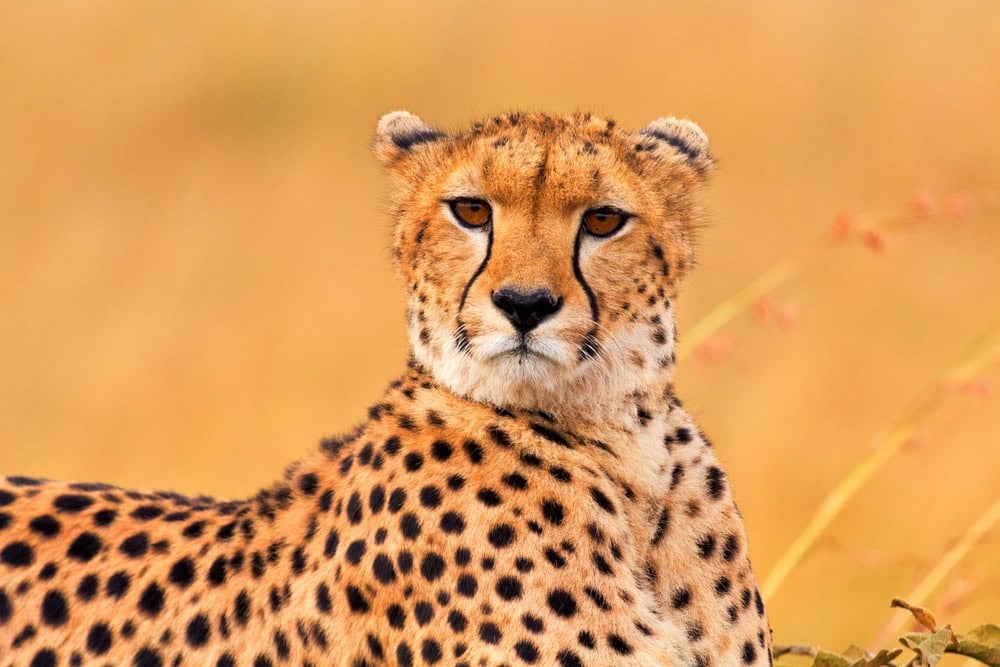
The cheetah stands as one of nature’s most remarkable evolutionary achievements, representing the perfect marriage of form and function in the pursuit of speed. Every aspect of its biology—from its flexible spine and semi-retractable claws to its enlarged heart and specialized visual system—works in precise harmony to create the fastest land animal our planet has ever known. This extraordinary specialization allows the cheetah to occupy a unique ecological niche that would otherwise be unavailable, demonstrating the incredible adaptability of life through natural selection. As we continue to study and understand the biomechanical and physiological systems that enable the cheetah’s record-breaking speed, we gain not only scientific knowledge but also deeper appreciation for the complex and beautiful adaptations that evolution can produce. Whether the cheetah’s remarkable speed adaptations will continue to serve them in an increasingly human-dominated world remains an open question, but their story stands as an enduring testament to the wonders that can emerge through millions of years of evolutionary refinement.

- How Crickets Chirp Using Their Wings - July 20, 2026
- The Largest Sea Turtle Ever Rescued Off North Carolina - July 20, 2026
- The Ocean’s Escape Artist: Why Octopuses Outsmart Us All - July 20, 2026