

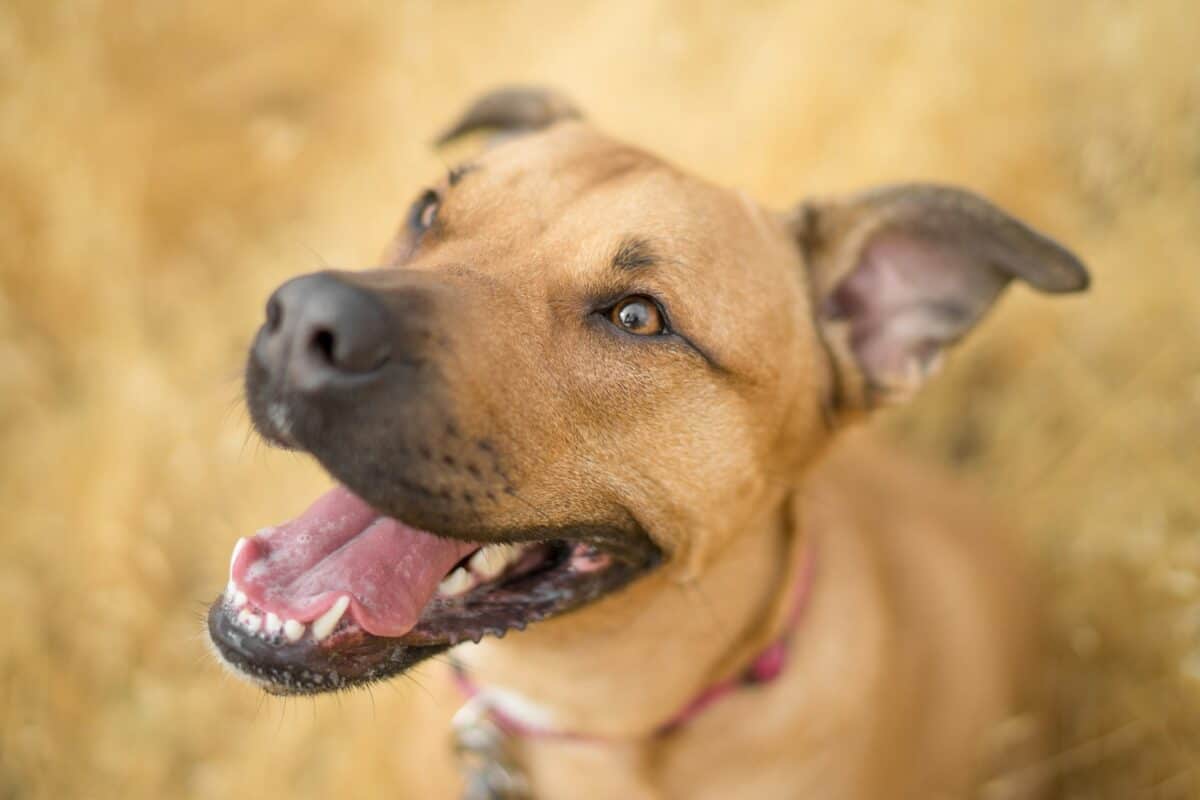
Every Fourth of July, New Year’s Eve, or any celebration involving pyrotechnics, millions of dog owners face the same challenge: comforting their terrified pets during fireworks displays. Dogs trembling under beds, frantically pacing, or exhibiting signs of extreme distress have become an unfortunate hallmark of these festivities. But what exactly causes this profound fear? The answer lies in a complex interplay of biology, psychology, and evolutionary factors that make fireworks particularly distressing for our canine companions. Let’s explore the science behind why dogs hate fireworks and what we can do to help them cope.
The Sensory Overload: A Dog’s Superior Hearing

The primary reason behind a dog’s fear of fireworks lies in their extraordinary hearing abilities. Dogs can hear sounds at frequencies much higher than humans – up to 65,000 Hz compared to our maximum of about 20,000 Hz. This heightened auditory sensitivity means fireworks don’t just sound loud to dogs; they’re experienced as physically painful.
A typical firework explosion registers at 150-175 decibels, while a dog’s hearing discomfort begins at just 85-90 decibels. For perspective, that’s similar to the difference between conversation-level sound and standing next to a jet engine. Dogs’ ears also have 18 muscles (compared to our 6), allowing them to detect sounds from much greater distances and with more precision, making the sudden, unpredictable booms of fireworks particularly jarring to their sensory system.
The Unpredictability Factor

Unlike thunderstorms, which often come with atmospheric pressure changes and other warning signs dogs can detect, fireworks occur with no natural warning. This unpredictability is a crucial factor in their fear response. In the animal world, sudden, loud noises typically signify danger – a predator attacking or a tree falling.
Dogs have no framework to understand that fireworks are celebratory rather than threatening. The random timing and irregular patterns of fireworks explosions make it impossible for dogs to acclimatize or prepare themselves, keeping their nervous systems in a constant state of high alert. This unpredictability triggers their fight-or-flight response repeatedly, exhausting their stress coping mechanisms and potentially leading to long-term anxiety issues.
Evolutionary Instincts and Survival Mechanisms
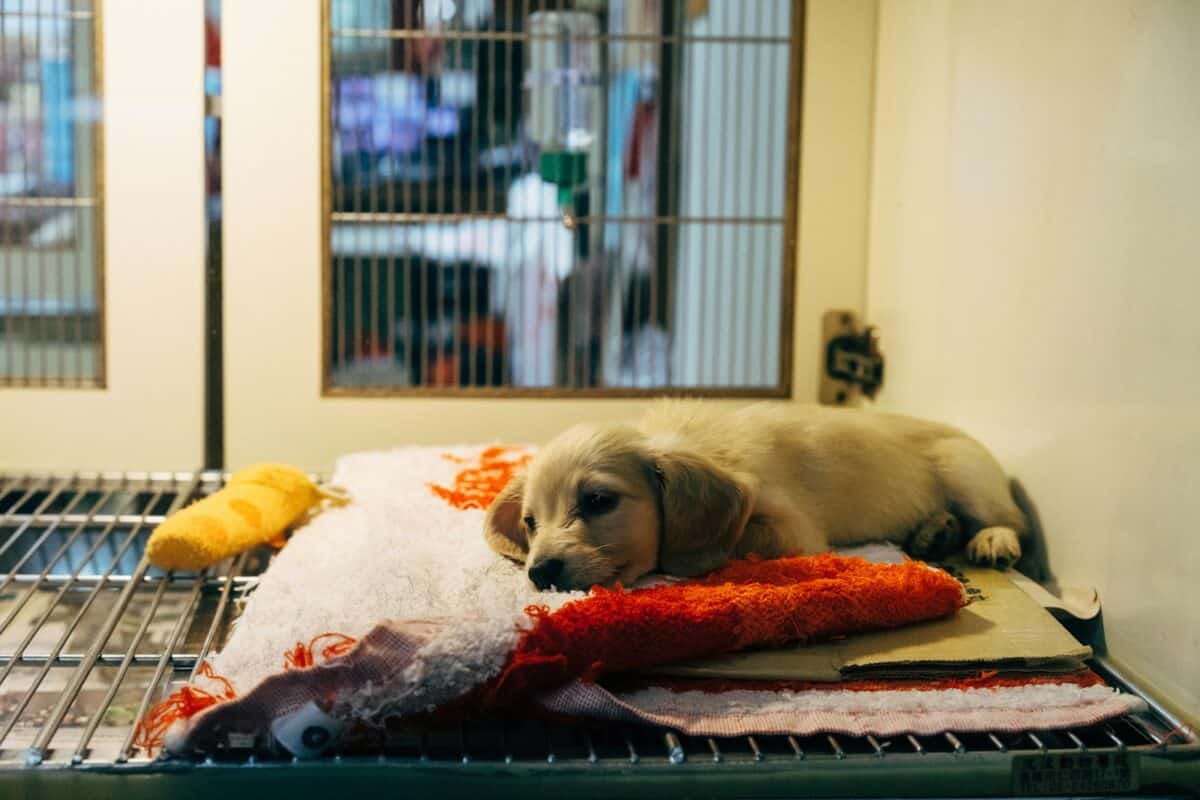
From an evolutionary perspective, dogs’ reactions to fireworks make perfect sense. Their ancestors developed acute sensitivity to environmental threats for survival in the wild. Loud, explosive sounds would naturally trigger an immediate fear response, as they could indicate natural disasters, predator attacks, or other life-threatening events.
Despite thousands of years of domestication, these deeply ingrained survival instincts remain hardwired in our pets’ brains. When fireworks explode, they activate primitive brain regions responsible for processing fear and triggering protective responses. This explains why even the most well-trained, normally calm dogs can exhibit extreme behaviors during fireworks displays – they’re responding to ancient programming that once kept their species alive.
The Multi-Sensory Assault

While the sound is the primary trigger, fireworks present a multi-sensory assault on dogs. The bright flashes of light can be disorienting, especially at night when dogs’ eyes are adjusted to darkness. The smell of gunpowder and chemicals in the air can also be distressing to dogs, whose sense of smell is 10,000 to 100,000 times more sensitive than humans’.
Research has shown that dogs can detect scents in parts per trillion – meaning they don’t just hear and see fireworks, they experience them through a powerful olfactory dimension that humans cannot perceive. This combination of sensory inputs creates a perfect storm of stimuli that can overwhelm even the most resilient canine temperament, making fireworks an incredibly distressing experience from multiple sensory angles.
The Cortisol Connection: How Fear Affects Dog Physiology

When dogs experience the stress of fireworks, their bodies undergo significant physiological changes. Studies have shown that cortisol (the primary stress hormone) levels can increase by 50-160% during fireworks exposure. This hormonal flood puts their bodies in a state similar to humans experiencing panic attacks – elevated heart rate, increased blood pressure, and digestive disturbances.
One research study found that dogs’ heart rates can increase from a normal 60-100 beats per minute to 160-220 beats per minute during fireworks events. This physical stress can be particularly dangerous for elderly dogs or those with pre-existing heart conditions. The cortisol release also suppresses immune function, potentially making dogs more susceptible to illness in the days following exposure to fireworks, demonstrating that the impact isn’t just psychological but has tangible physical consequences.
Breed-Specific Sensitivity Differences

Not all dogs react equally to fireworks, and genetics plays a significant role in determining sensitivity. Herding breeds like Border Collies and Australian Shepherds, bred for heightened environmental awareness, often show greater reactivity to loud noises. Similarly, sporting dogs with exceptional hearing for hunting, such as Retrievers and Spaniels, frequently demonstrate more pronounced fear responses.
A comprehensive study by the University of Bristol found that noise sensitivity varies significantly by breed, with 30% of Labrador Retrievers showing fireworks fear compared to 75% of Border Collies. This genetic predisposition combines with individual temperament and past experiences to determine how severely a particular dog will react. Some working breeds historically kept near gunfire, like certain Retrievers or Hounds, may show less reactivity, though individual differences always exist within breeds.
The Role of Early Experiences and Socialization

A dog’s past experiences significantly influence their reaction to fireworks. Puppies exposed to various sounds during their critical socialization period (3-14 weeks) often develop better noise tolerance as adults. However, a traumatic noise experience during this same period can have the opposite effect, creating lifelong phobias. Research from the Journal of Veterinary Behavior found that dogs who had positive exposures to recorded fireworks sounds at low volumes during puppyhood showed 41% less anxiety during actual fireworks events as adults.
Conversely, dogs who experienced a frightening noise event without support during their first year showed three times higher likelihood of developing noise phobias. This highlights the importance of thoughtful early socialization and creating positive associations with potentially frightening stimuli during a puppy’s developmental windows.
The Contagious Nature of Fear

Dogs are remarkably attuned to human emotions, and our reactions to their fear can either help or hinder their coping mechanisms. Studies in canine cognition have demonstrated that dogs can detect subtle changes in our facial expressions, body language, and even scent changes that occur when we’re anxious. When owners become visibly worried about their dog’s distress during fireworks, dogs often interpret this as confirmation that something is truly threatening.
Conversely, remaining calm and providing reassurance in a matter-of-fact manner can help reduce a dog’s anxiety levels. A study at the University of Lincoln found that dogs whose owners maintained relaxed, positive demeanors during loud noise events showed cortisol levels approximately 20% lower than dogs whose owners displayed anxiety or over-concern. This doesn’t mean ignoring a dog’s distress, but rather providing steady, calm support without reinforcing fearful behaviors.
The Long-Term Psychological Impact

For many dogs, fireworks fears don’t end when the displays finish. Repeated exposure to fireworks without proper management can lead to generalized anxiety disorders, noise phobias that expand to other sounds, and even post-traumatic stress responses. Veterinary behaviorists report that approximately 40% of dogs with severe fireworks phobias will develop additional noise sensitivities over time if their initial fear isn’t addressed.
The psychological impact can manifest in behavioral changes that persist long after fireworks events, including increased startle responses, reluctance to walk in areas where fireworks were previously heard, and heightened general anxiety. Some dogs develop anticipatory anxiety, becoming stressed at environmental cues that previously preceded fireworks, such as nightfall on holidays or seeing neighbors gathering outdoors. This highlights the importance of addressing fireworks fears promptly rather than assuming dogs will “get used to it” over time.
Effective Management Strategies

Managing fireworks anxiety requires a multi-faceted approach tailored to each dog’s needs. Creating a safe space—often called a “den”—gives dogs a secure retreat during frightening events. This space should be insulated from noise and light, perhaps in an interior bathroom or basement, with familiar bedding and comfort items. Sound masking with white noise, specially designed calming music for dogs, or television can help reduce the impact of explosions.
Compression garments like Thundershirts have shown efficacy in reducing anxiety symptoms in approximately 80% of dogs by applying gentle, constant pressure that activates calming neurological pathways. Natural supplements containing L-theanine, tryptophan, or specific milk proteins have demonstrated moderate success in clinical trials for reducing situational anxiety. For severe cases, veterinarian-prescribed medications like trazodone, alprazolam, or dexmedetomidine may be necessary to prevent extreme distress. The most effective management combines several approaches and begins before anxiety escalates to panic levels.
The Training Approach: Desensitization and Counterconditioning

Behavior modification offers the most promising long-term solution for fireworks phobias. Desensitization involves gradually exposing dogs to recorded fireworks sounds at very low volumes that don’t trigger fear, then incrementally increasing volume as the dog remains calm. Counterconditioning pairs these sounds with highly positive experiences—usually involving exceptional treats, favorite games, or meals. This systematic approach works by rewiring the dog’s emotional response to associate fireworks with positive feelings rather than fear.
A study in Applied Animal Behaviour Science found that dogs who underwent an 8-week desensitization and counterconditioning program showed an average 70% reduction in fireworks fear behaviors. This training requires patience and consistency, ideally beginning months before anticipated fireworks events. Professional guidance from a certified animal behaviorist can significantly improve outcomes, especially for severe cases where dogs may be too frightened to accept food rewards during initial training stages.
Conclusion: Supporting Our Canine Companions
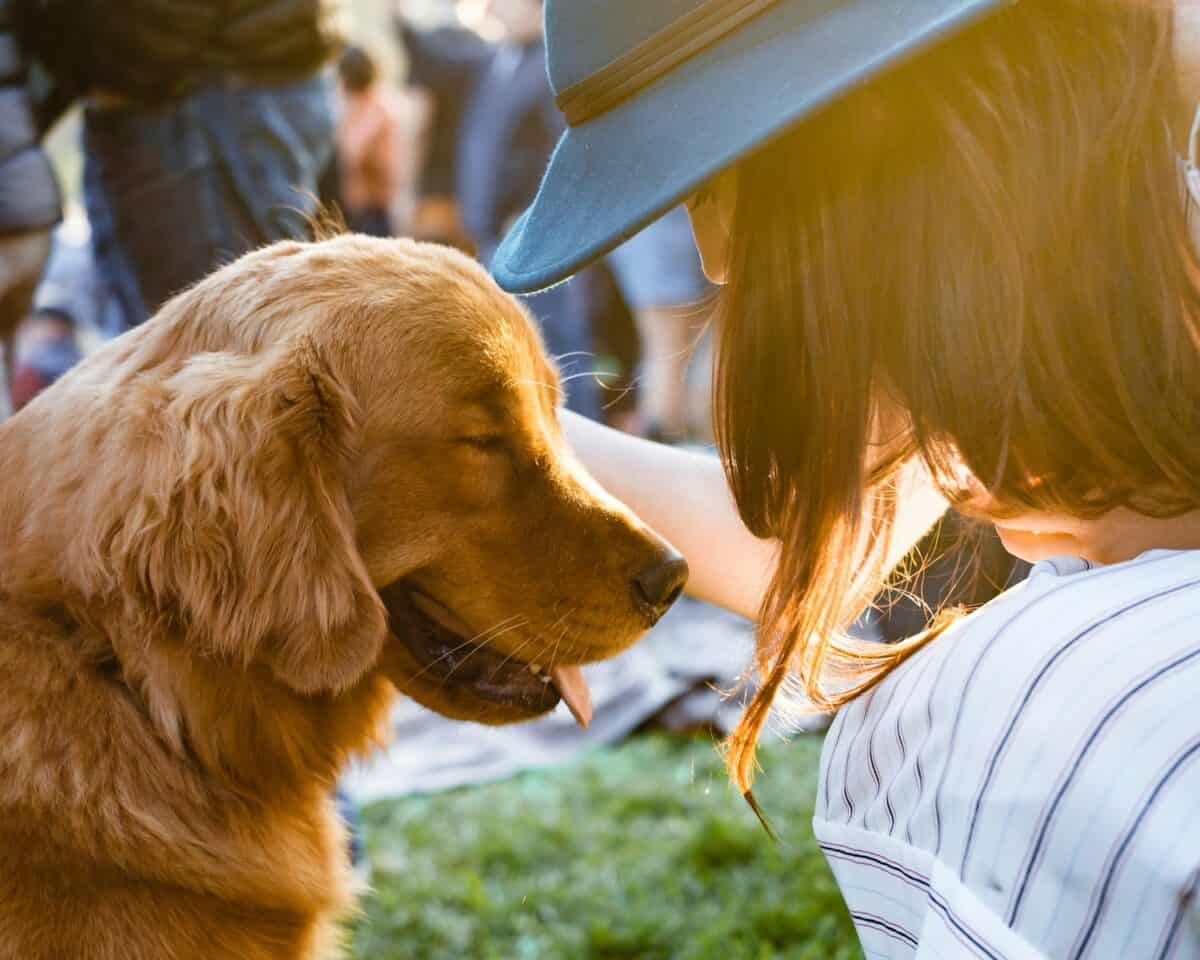
Understanding why dogs hate fireworks is the first step toward helping them cope with these frightening events. The combination of their exceptional hearing, evolutionary instincts, and inability to comprehend the non-threatening nature of celebrations creates a perfect storm of fear factors that many dogs simply cannot overcome without our help.
Rather than dismissing their fears as irrational or expecting them to “get used to it,” recognizing the legitimate biological and psychological basis of their distress allows us to respond with appropriate compassion and effective interventions. By implementing management strategies, training techniques, and sometimes medication under veterinary guidance, we can significantly reduce our dogs’ suffering during fireworks events. As responsible pet owners, acknowledging and addressing this common fear is part of the commitment we make to ensure our canine companions’ well-being in a human world that sometimes conflicts with their natural sensitivities.

From exploring the marine wonders in the Azores and witnessing the vast savannas of Kenya, to delving deep into the rich biodiversity of South Africa and traversing iconic landscapes in Australia and the US like Yellowstone, Chris's experiences are vast.
With a penchant for diving alongside sharks, the ocean holds a special place in his heart.
Through his academic insights, he champions wildlife conservation, striving with 'Animals Around The Globe' to cultivate a profound connection between humans and animals, enhancing our mutual appreciation.
Connect with him at Feedback@animalsaroundtheglobe.com.
- This Monkey Has a Mustache - July 21, 2026
- How Steve Irwin Changed the World’s View of Wildlife - July 21, 2026
- The Catfish That Caused Earthquakes in Japanese Folklore - July 21, 2026