


Long before humans developed seismographs and early warning systems for earthquakes, numerous animal species were already displaying remarkable abilities to detect these natural disasters. Throughout history, unusual animal behaviors before earthquakes have been documented across cultures and continents, forming the basis of traditional warning systems in many earthquake-prone regions. This article explores the fascinating world of animal earthquake prediction, examining the species that appear to sense impending seismic activity, the scientific theories behind their abilities, and how this knowledge continues to influence both research and cultural practices today.
The Historical Documentation of Animal Earthquake Prediction

References to animals sensing earthquakes before they occur date back thousands of years. Chinese records from 373 BCE mention rats, snakes, and weasels fleeing their homes days before a devastating earthquake struck Helice. Similar observations appear in ancient Greek, Roman, and Japanese texts. In 1975, officials in Haicheng, China, ordered an evacuation based partly on reports of unusual animal behavior, potentially saving thousands of lives when a 7.3 magnitude earthquake struck hours later.
These historical accounts aren’t merely folklore—they represent consistent cross-cultural observations spanning millennia that suggest certain animals possess sensitivities humans traditionally lacked. The persistence of these observations across disparate cultures and time periods provides compelling evidence that these behaviors represent real biological phenomena rather than mere superstition.
Toads: The Amphibian Predictors

One of the most documented cases of animal earthquake prediction involves common toads (Bufo bufo) before the 2009 L’Aquila earthquake in Italy. Researchers observed that 96% of male toads abandoned their breeding site five days before the 6.3 magnitude quake—extraordinary behavior during peak breeding season. Even more remarkably, the toads only returned after the last significant aftershock.
Biologist Dr. Rachel Grant, who documented this behavior, suggested the amphibians might be detecting chemical changes in groundwater or released charged particles (ions) that precede seismic activity. Toads, with their permeable skin and dual-habitat lifestyle, may be particularly sensitive to subtle environmental changes that humans cannot perceive, making them effective bioindicators for seismic activity.
Dogs and Their Heightened Sensory Abilities

Dogs have repeatedly demonstrated pre-earthquake behaviors that have saved human lives. Before the 1964 Alaska earthquake, many dogs refused to go outdoors and showed extreme anxiety. Similar behaviors were reported prior to earthquakes in China, Japan, and California. Dogs possess hearing capabilities far beyond humans—they can detect sounds at frequencies up to 65,000 Hz (compared to humans’ 20,000 Hz), potentially allowing them to hear the high-frequency sounds of breaking rock or shifting earth before a tremor.
Their olfactory system, with up to 300 million scent receptors (compared to humans’ 6 million), may detect gases released from the earth before quakes. Additionally, their sensitive paws might feel subtle ground vibrations imperceptible to humans. These combined sensory advantages make dogs particularly adept at detecting pre-earthquake signals, explaining their prominence in historical accounts of animal prediction.
Snakes and Their Ground Sensitivity

Snakes demonstrate some of the most dramatic pre-earthquake behaviors. In February 1975, snake species in Haicheng, China emerged from hibernation and froze on the snow-covered ground during winter, days before a significant earthquake. This extreme behavior—emerging during conditions that would normally be fatal—suggests they were responding to a powerful environmental trigger. Snakes possess extraordinary sensitivity to ground vibrations through their bellies, jaw bones, and inner ears.
This specialized anatomy allows them to detect minute seismic waves and ground movements typically imperceptible to other animals. Additionally, certain snake species can detect electromagnetic field changes, which some scientists believe precede earthquakes. Their unusual behaviors before seismic events—including abandoning hibernation, unusual movement patterns, or agitation—have been observed across multiple continents and may represent one of the most reliable biological indicators of impending earthquakes.
Fish and Aquatic Responses to Seismic Activity

Aquatic environments can amplify certain seismic precursors, making fish particularly responsive to pre-earthquake signals. Before the 2011 Tohoku earthquake in Japan, fishermen reported catches with unusually high numbers of deep-sea fish like oarfish, which rarely approach the surface. Similar observations occurred before earthquakes in Chile, Peru, and Mexico. Water efficiently transmits pressure changes, electrical signals, and chemical alterations—all potential earthquake precursors.
Fish possess a lateral line system—specialized sensory organs running along their bodies that detect water pressure and movement changes with extraordinary sensitivity. Some species can also detect electromagnetic changes through specialized receptors. The documented behavior of fish—including erratic swimming patterns, schooling abnormalities, and unusual depth changes—before seismic events suggests their aquatic environment provides unique information about impending earthquakes that land-dwelling animals might not access.
Cattle, Horses, and Large Mammal Reactions
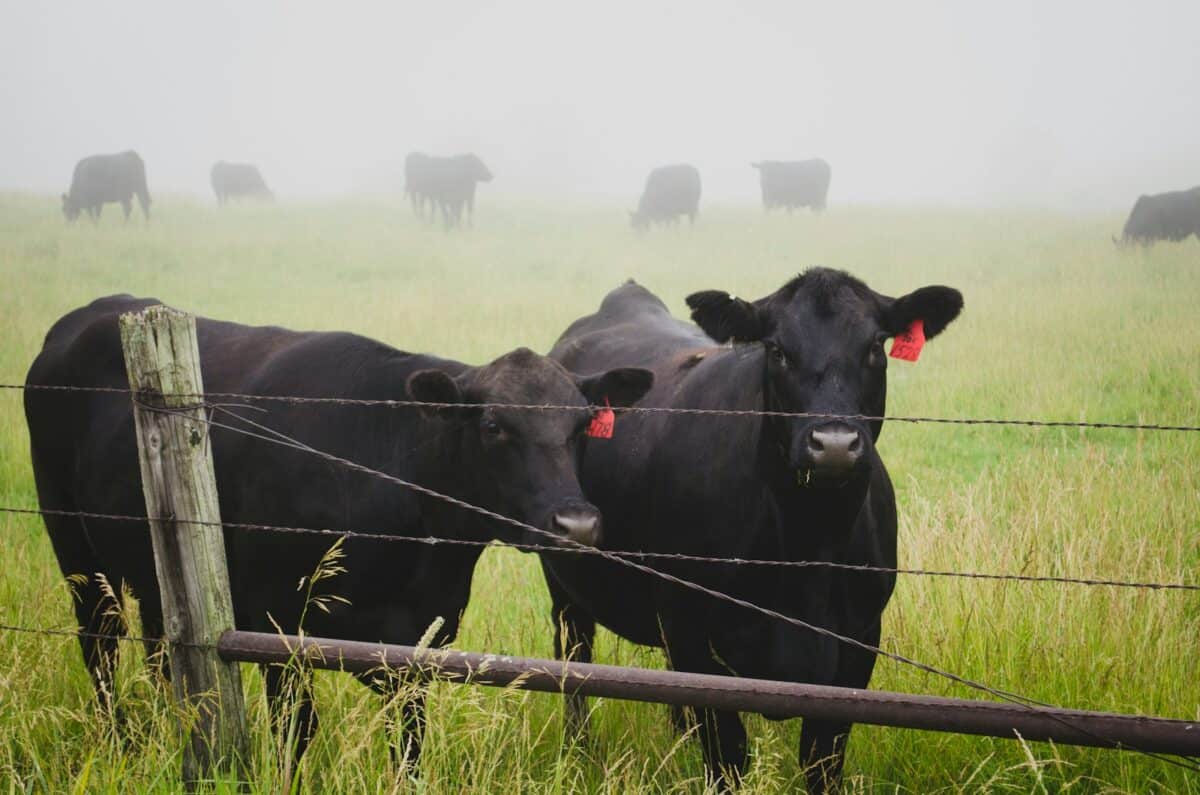
Large mammals, particularly domesticated livestock, have displayed consistent pre-earthquake behaviors that humans have recognized throughout history. Cattle and horses often become highly agitated, refuse to enter barns, break their tethers, or stampede before earthquakes. Before the 1949 Ambato earthquake in Ecuador, cattle reportedly jumped, ran in circles, and made unusual sounds hours before the disaster.
Similar behaviors have been documented in sheep, goats, and other livestock worldwide. The large body mass of these animals may help them detect P-waves (primary seismic waves) that travel through the ground before the more destructive S-waves that cause major shaking. Additionally, their specialized hooves, which contain sensitive structures for feeling ground vibrations while running, may detect subtle tremors. Their low center of gravity and direct ground contact may also give them advantages in sensing imminent seismic activity through multiple physical channels.
Birds and Their Aerial Perspective

Bird behavior before earthquakes often includes abnormal flight patterns, abandonment of nests, and unusual vocalizations. Before the 2011 Christchurch earthquake in New Zealand, residents reported birds falling silent and disappearing from the area. Similar observations occurred before earthquakes in California, Japan, and Italy. Birds’ specialized respiratory systems—which include air sacs throughout their bodies—may make them particularly sensitive to air pressure changes or airborne chemicals released before seismic events.
Their ability to detect infrasound (low-frequency sound below human hearing) could allow them to hear the acoustic emissions that sometimes precede earthquakes. Additionally, migratory species use the Earth’s magnetic field for navigation, potentially making them sensitive to electromagnetic anomalies associated with pre-earthquake activity. Their aerial perspective might also provide birds with a broader awareness of environmental changes occurring across a landscape before seismic events.
Insects and Their Microscopic Sensitivity

Despite their small size, insects demonstrate remarkable sensitivity to pre-earthquake conditions. Ant colonies have been observed moving eggs to the surface and shifting colony structures days before earthquakes in different regions. Bees sometimes leave hives en masse or display agitated behavior before seismic events. Insects possess extraordinarily sensitive mechanoreceptors—tiny sensory organs that detect vibration, air movement, and pressure changes.
These receptors can identify vibrations at the microscopic level, potentially detecting subtle ground movements days before major seismic activity. Some insects also respond to electromagnetic field fluctuations and atmospheric electrical charges, both of which may change before earthquakes. Their short lifespans and rapid reproduction have allowed insects to evolve highly specialized sensory systems adapted to their local environments, potentially including adaptation to seismic activity in earthquake-prone regions.
The Scientific Mechanisms Behind Animal Prediction

Scientists have proposed several mechanisms that might explain animal earthquake prediction abilities. The leading theories include: detection of P-waves (primary seismic waves that travel faster than the destructive S-waves); sensitivity to released gases like radon; perception of electromagnetic field changes that precede earthquakes; detection of positive airborne ions; and sensing of infrasound waves produced by rocks under pressure.
Research at the University of California found that animals might detect magnetic field changes caused by the piezoelectric effect—where compressed quartz-bearing rocks generate electric charges. A 2020 study in Ethology analyzed 729 reports of abnormal animal behavior before earthquakes, finding correlations between behavior changes and seismic activity, with the strongest responses occurring near the epicenter and shortly before the event. While no single mechanism explains all observed behaviors, the scientific consensus increasingly acknowledges that animals can detect multiple subtle environmental changes that humans cannot perceive without technology.
Modern Research and Validation Studies

Modern scientific studies are increasingly validating traditional observations of animal earthquake prediction. The Yanachaga National Park project in Peru uses hidden cameras to monitor wildlife before seismic events, documenting mass movements of animals hours before humans detect earthquakes. In Taiwan, a dedicated research center combines wildlife monitoring with seismic data to establish correlations between animal behavior and earthquake precursors. Statistical analyses from the USGS have found significant correlations between reported unusual animal behavior and subsequent earthquake occurrence in specific regions.
Additionally, laboratory studies demonstrate that animals can detect seismic P-waves, ground tilts of microscopic degrees, and minute changes in water chemistry—all potential earthquake precursors. While challenges remain in distinguishing coincidental behaviors from true prediction, modern research techniques, including continuous automated wildlife monitoring, machine learning analysis, and correlation with geophysical measurements, are creating a more rigorous framework for understanding and potentially utilizing animal earthquake prediction abilities.
Cultural Integration of Animal Prediction Systems

Many cultures have incorporated animal earthquake prediction into traditional warning systems. In Japan, the catfish (namazu) has been culturally associated with earthquakes since at least the 17th century, based on observations of their agitated behavior before seismic events. Folk traditions in parts of China and Taiwan include monitoring chicken, pig, and snake behavior as part of community earthquake preparedness. Indigenous communities in the Pacific Northwest have traditional knowledge systems that include animal behavior observation as earthquake indicators.
In parts of Central America, residents report monitoring toads, birds, and insect patterns based on generational knowledge passed down through communities. These cultural systems often combine multiple animal indicators with traditional knowledge of landscape changes, creating integrated warning networks that remain relevant even alongside modern technology. The persistence of these cultural practices highlights their practical value and represents an important bridge between traditional ecological knowledge and contemporary scientific understanding.
The Limitations and Controversies

Despite compelling evidence, animal earthquake prediction has significant limitations and faces scientific skepticism. The primary challenge is reproducibility—while many observations exist, controlled studies are difficult to design and implement. Confirmation bias represents another obstacle, as humans may selectively remember unusual animal behaviors that preceded earthquakes while forgetting identical behaviors that weren’t followed by seismic activity. False positives occur frequently, as animals display unusual behaviors for many reasons unrelated to earthquakes.
The inconsistency between species and individuals presents another challenge—not all animals of the same species respond identically to the same seismic precursors. The scientific community remains divided, with some researchers emphasizing the statistical significance of behavioral observations across many events, while critics point to the lack of a comprehensive biological mechanism and the difficulty of distinguishing correlation from causation. These limitations explain why, despite thousands of years of observations, animal earthquake prediction has not been fully integrated into official early warning systems in most countries.
Conclusion: The Future of Animal Earthquake Prediction

The relationship between animals and earthquake prediction represents a fascinating intersection of biology, geology, traditional knowledge, and modern science. While technology has given humans unprecedented abilities to detect and measure seismic activity, the natural sensory capabilities of various species continue to demonstrate sensitivities we have yet to fully understand or replicate.
Modern research increasingly suggests that rather than choosing between technological and biological warning systems, the most effective approach may be integration—combining the precision of seismographs with the sensitivity of biological indicators. As climate change potentially increases seismic activity in some regions and populations grow in earthquake-prone areas, understanding all available warning mechanisms becomes increasingly crucial. The species that predicted earthquakes before technology may still have much to teach us about living safely with the dynamic forces that shape our planet—if we maintain the humility and curiosity to continue learning from them.

From exploring the marine wonders in the Azores and witnessing the vast savannas of Kenya, to delving deep into the rich biodiversity of South Africa and traversing iconic landscapes in Australia and the US like Yellowstone, Chris's experiences are vast.
With a penchant for diving alongside sharks, the ocean holds a special place in his heart.
Through his academic insights, he champions wildlife conservation, striving with 'Animals Around The Globe' to cultivate a profound connection between humans and animals, enhancing our mutual appreciation.
Connect with him at Feedback@animalsaroundtheglobe.com.
- 12 Creatures That Look Out of This World - July 25, 2026
- The World’s Largest Flightless Bird Was Even Bigger Than an Ostrich - July 25, 2026
- The Most Electro-Sensitive Animal Can Detect Prey Without Seeing - July 25, 2026