

Have you ever watched your dog perform an elaborate spinning ritual before settling down for a nap? This curious behavior, where dogs turn in circles before lying down, is both adorable and fascinating. While it might seem like a quirky canine habit or unnecessary dance, this pre-sleep routine actually has deep evolutionary roots and serves several practical purposes. From ancestral instincts to physical comfort considerations, there are numerous explanations for why our four-legged companions engage in this spinning behavior. Let’s explore the fascinating science and reasoning behind why dogs spin in circles before lying down, uncovering the mysteries of this seemingly simple yet complex behavior that connects our domesticated pets to their wild ancestors.
The Ancestral Nest-Making Instinct
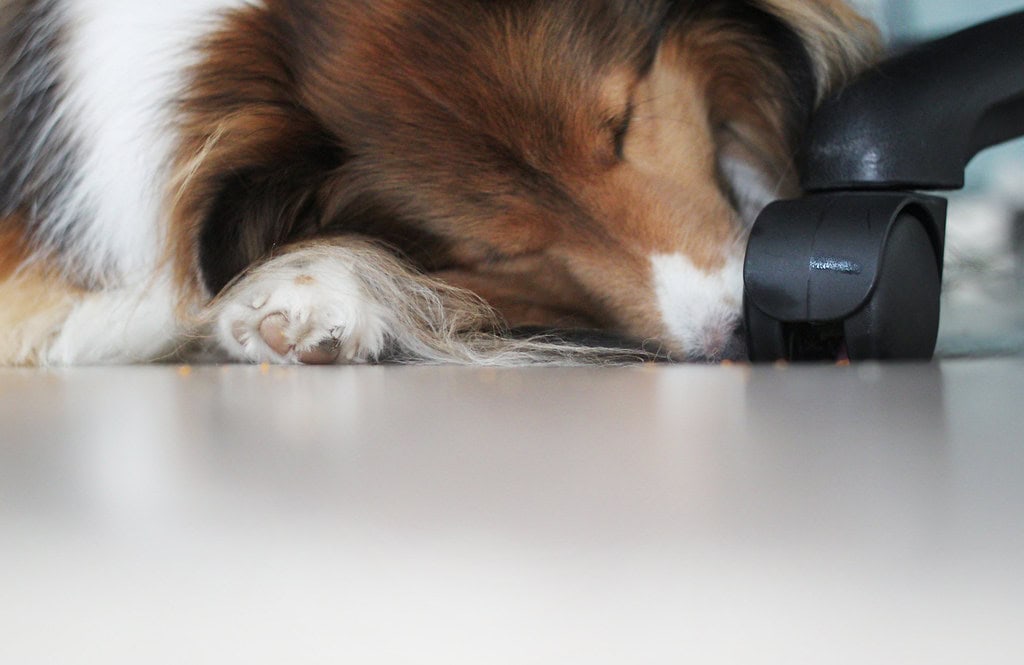
One of the primary reasons dogs spin before lying down dates back to their wild ancestors. In the wild, wolves and wild dogs would trample down tall grass, leaves, or snow by circling to create a makeshift nest or bed. This trampling served multiple purposes – it created a more comfortable surface by flattening vegetation, removed sharp objects like sticks or rocks, and helped form a shallow depression that would cradle their body while resting. This nest-making behavior provided both physical comfort and some protection from the elements, especially in harsh weather conditions.
The spinning behavior we see in our domestic dogs today is essentially this same nest-making instinct, preserved through thousands of years of evolution despite the fact that most pets now sleep on comfortable beds or couches. Even though modern dogs don’t need to create a safe sleeping spot in the wilderness, this ancient instinct remains encoded in their DNA. The next time you see your dog performing circles before lying down, you’re witnessing an evolutionary behavior that helped their ancestors survive for countless generations.
Temperature Regulation Strategy
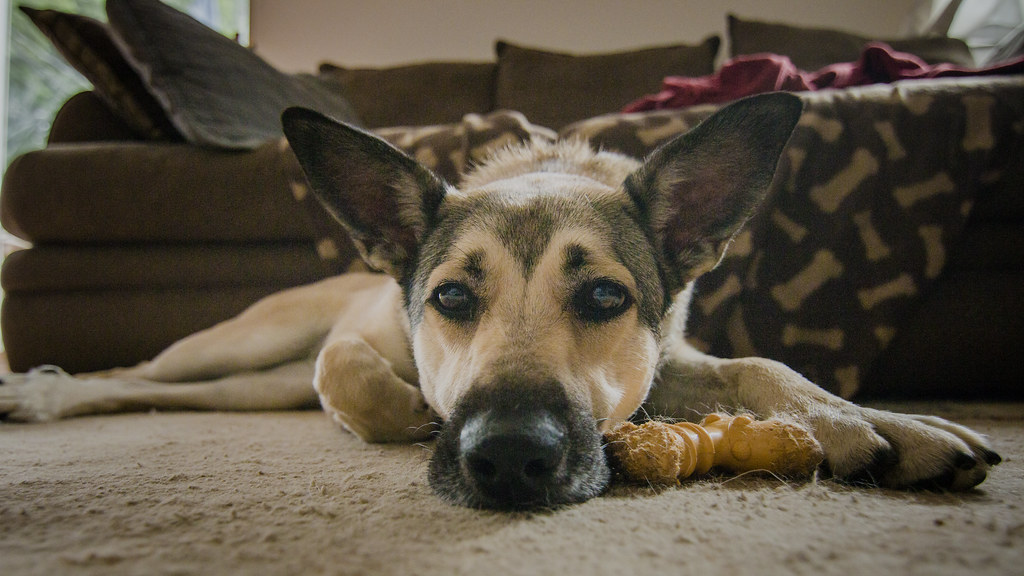
Another practical explanation for the spinning behavior involves temperature regulation. In the wild, circling helps wild canids adjust the temperature of their resting spot. During colder weather, the spinning motion can help compress and flatten bedding material, creating a warmer, more insulated nest against the cold ground. In warmer conditions, the circling behavior might help expose cooler earth beneath surface vegetation, providing a more comfortable resting temperature.
Domestic dogs have inherited this temperature-regulating behavior. You might notice your dog performs more spins during colder weather or when sleeping on cooler surfaces like tile or hardwood floors. Conversely, on hot days, some dogs may dig or scratch at their bedding before spinning, attempting to expose a cooler layer underneath. This instinctual behavior demonstrates how dogs naturally seek to create the optimal thermal environment for rest, even when living in temperature-controlled homes.
Security and Threat Assessment
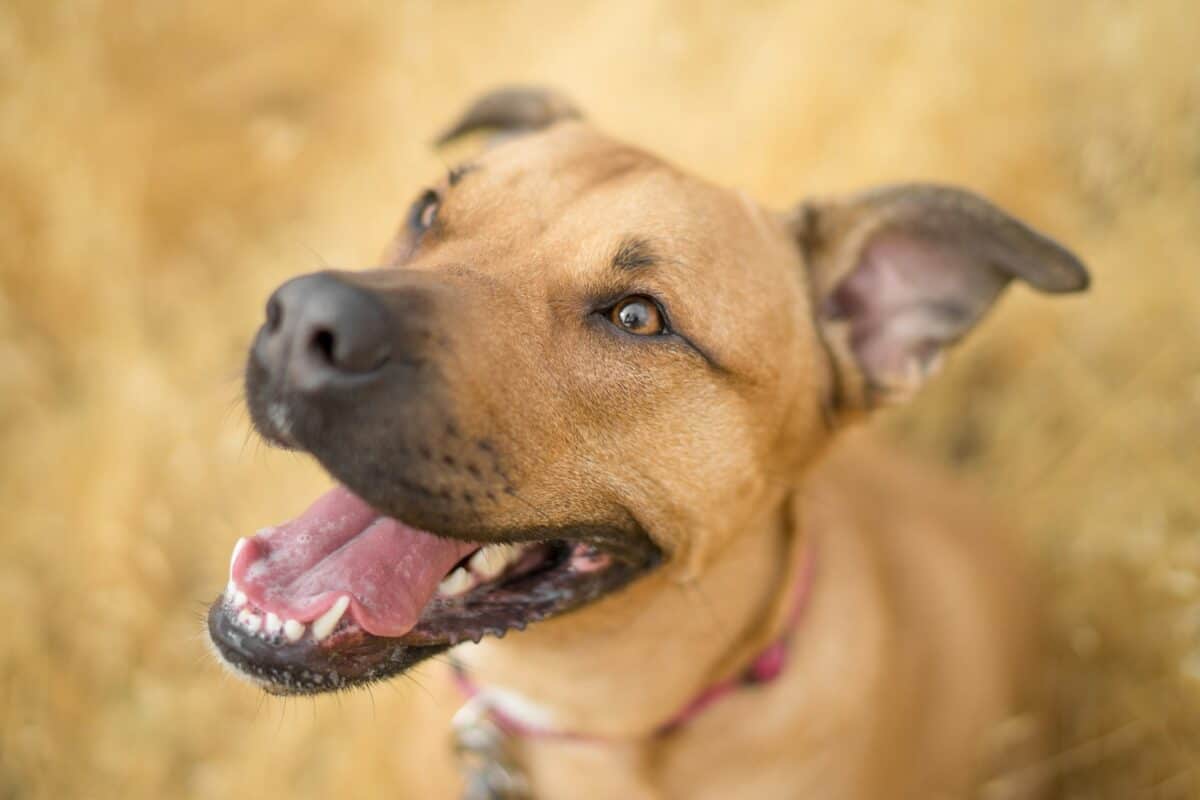
Dogs are naturally vigilant animals, and the spinning ritual serves as a final security check before they enter a vulnerable sleeping state. By turning in circles, dogs get a complete 360-degree view of their surroundings, allowing them to scan for potential threats or predators. This behavior made perfect sense for their wild ancestors, who needed to ensure their resting area was safe before letting their guard down.
Even in the safety of our homes, dogs retain this security-conscious behavior. The circling allows them to visually inspect their environment one last time before settling down. This explains why some dogs perform more circles in new or unfamiliar environments compared to their regular sleeping spots at home. It’s a natural risk assessment behavior that has been preserved through evolution, demonstrating how deeply ingrained survival instincts remain in our domesticated companions despite generations of selective breeding.
Wind Direction Detection

Wild canids, including wolves and feral dogs, often position themselves according to wind direction when settling down to rest. By circling before lying down, they can assess which way the wind is blowing and position themselves accordingly. This positioning serves an important survival function – it allows them to catch scents carried by the wind even while resting, alerting them to approaching predators or potential prey.
Though our domestic dogs live in environments where wind direction has little practical importance, this instinctual behavior persists. Some dogs may still circle until they find a position that allows them to face into the prevailing air currents in the home, such as those created by heating and cooling systems. This behavior demonstrates how deeply ingrained sensory awareness remains in dogs, connecting them to their ancestors’ survival strategies even in the comfort of modern homes.
Territorial Marking Behavior

The circling behavior before lying down also relates to dogs’ territorial instincts. When dogs spin in circles, they’re pressing down their scent from the glands in their paw pads onto their resting area. This essentially marks the spot as their territory through both physical compression and scent marking. In the wild, this would communicate to other animals that the area was claimed, potentially preventing territorial disputes.
Even domesticated dogs retain this territorial marking instinct. By circling and pressing their paws into their bed or sleeping area, they’re creating a space that smells distinctly like them. This explains why dogs often prefer their own beds or specific spots in the house – these areas carry their scent and provide a sense of security and ownership. When introducing a new dog bed, your pet may spend extra time circling and “claiming” it before they consider it truly theirs.
Checking for Dangers and Pests
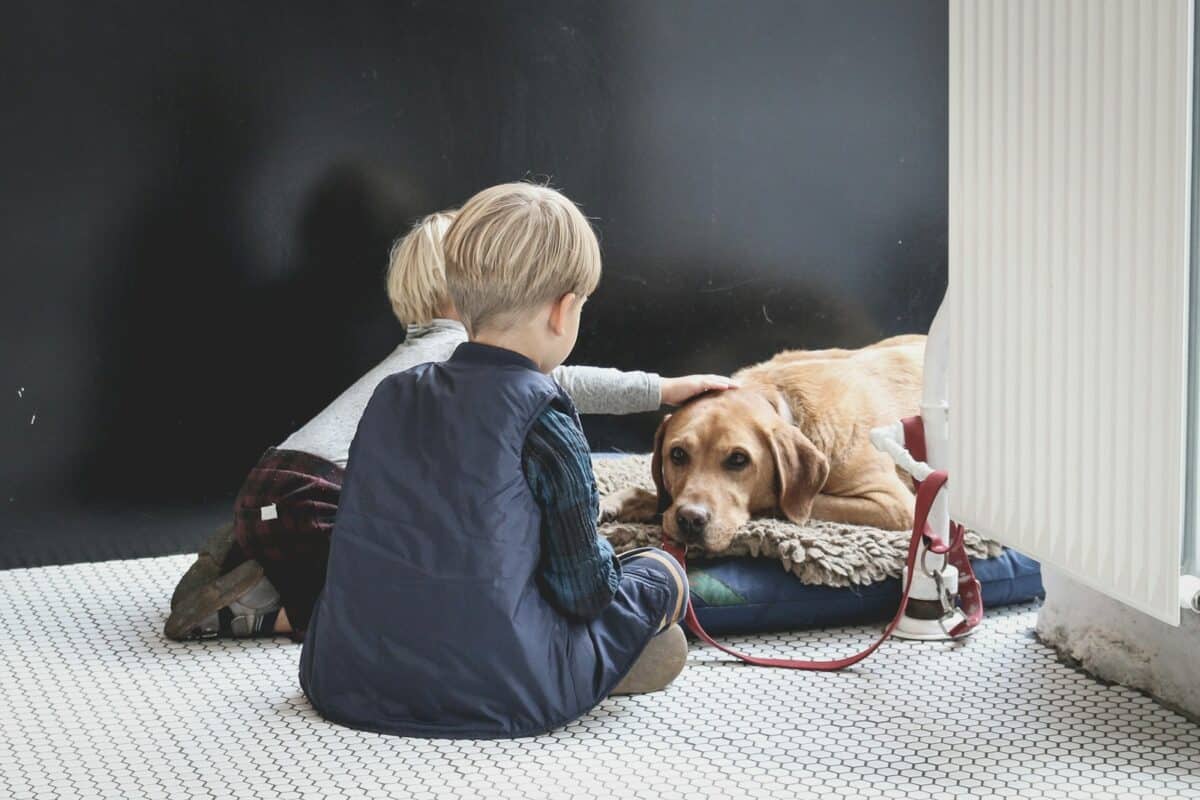
The spinning ritual serves as a practical way for dogs to check their resting area for potential dangers or pests. In natural environments, circling helps flush out hidden insects, snakes, or other small creatures that might be concealed in grass or undergrowth. This behavior was crucial for wild canids to avoid being bitten or stung while sleeping, which could lead to injury or infection.
Though most domestic dogs don’t face these specific threats, the instinct to check their sleeping area remains active. The circling motion allows them to physically disturb their resting spot, potentially revealing anything unusual that might be present. This explains why dogs sometimes appear particularly thorough in their circling when in outdoor settings or unfamiliar environments where the risk of encountering insects or other unwanted surprises might be higher. It’s another example of how ancestral survival behaviors persist in our domesticated companions.
Physical Comfort and Positioning

Beyond ancestral instincts, dogs may spin before lying down simply to find the most comfortable position. The circling helps them determine the optimal way to arrange their body based on the surface they’re resting on. This is particularly noticeable when dogs are settling onto an uneven surface or a bed with raised edges. The spinning allows them to test different positions until they find one that properly supports their body.
This behavior becomes even more important as dogs age or if they have joint issues. Senior dogs or those with conditions like arthritis may circle more deliberately, taking time to find a position that puts minimal pressure on painful joints or muscles. Some dogs will also scratch or “fluff” their bedding during this process, further customizing their sleeping surface for maximum comfort. This practical aspect of the spinning behavior highlights how dogs instinctively work to ensure their rest will be as comfortable and restorative as possible.
Ritualistic Behavior and Routine
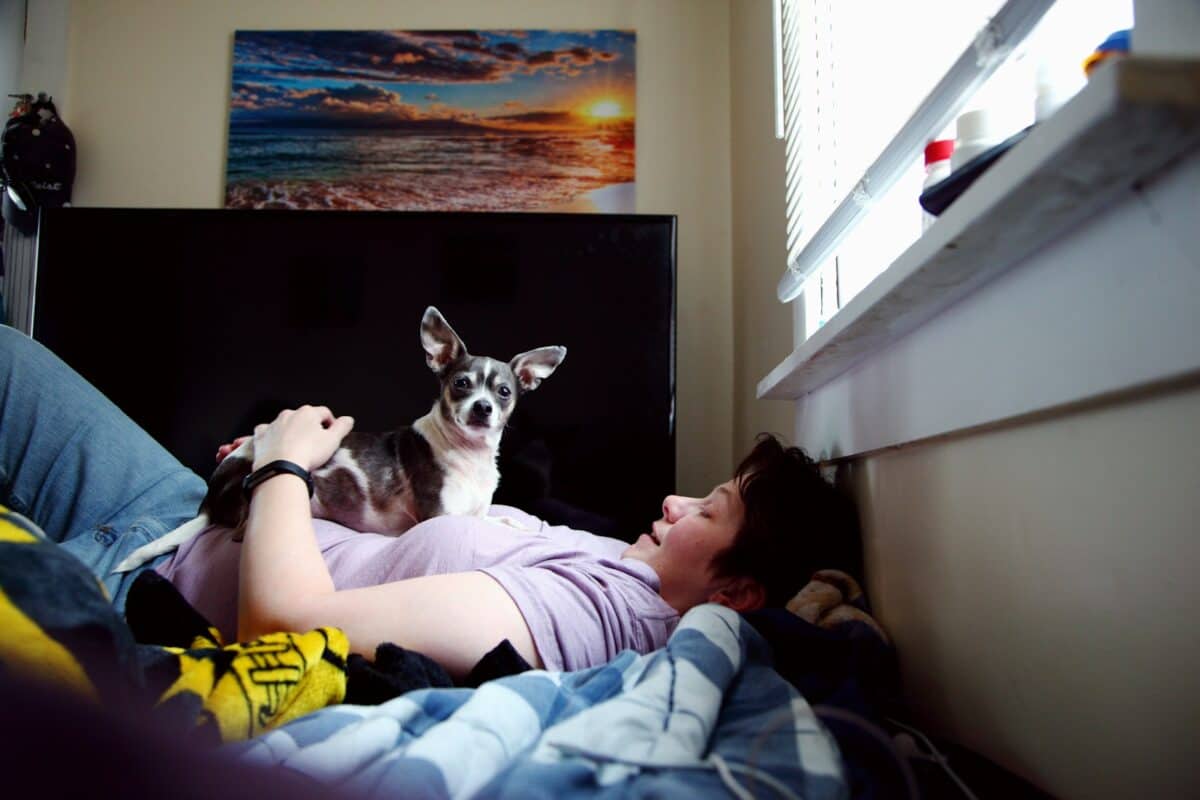
Dogs are creatures of habit who thrive on routine, and the pre-sleep spinning ritual may simply become part of their established bedtime routine. Just as humans have bedtime rituals like brushing teeth or reading before sleep, dogs develop their own consistent pre-sleep behaviors. The spinning ritual signals to their brain that it’s time to transition from activity to rest, essentially serving as a self-soothing behavior that prepares them mentally for sleep.
Over time, this behavior can become more pronounced through reinforcement. If the spinning routine consistently leads to comfortable sleep, the behavior becomes more deeply ingrained through positive association. Some dogs may even elaborate on their routines, adding additional elements like scratching, pawing at bedding, or vocalizations before finally settling down. Far from being meaningless, these rituals demonstrate the complex psychological processes involved in canine rest behaviors and their need for predictable patterns.
Breed-Specific Variations

The intensity and elaborateness of spinning behavior can vary significantly between dog breeds, reflecting their different evolutionary histories and breeding purposes. Breeds with strong ancestral connections to wild canids, such as huskies, malamutes, and other northern breeds, often display more pronounced circling behaviors. These breeds, which were historically kept outdoors in harsh environments, retained more of their natural nest-making instincts than breeds with longer histories of indoor living.
Similarly, breeds that were developed for hunting or living independently (like terriers or hounds) may show more thorough checking behaviors before lying down compared to breeds historically kept as companion animals. Working breeds with strong herding or guarding instincts might be more vigilant in their pre-sleep assessments. These variations remind us that modern dog breeds represent different pathways from wolf to domestic companion, with selective breeding emphasizing different aspects of their ancestral behaviors depending on their working roles throughout history.
When Spinning Becomes Excessive

While the spinning behavior is normal and instinctual, excessive or compulsive circling may indicate an underlying health issue that requires attention. Dogs with neurological conditions, inner ear infections, or cognitive dysfunction in senior dogs may show abnormal circling patterns that extend beyond the typical pre-sleep ritual. The key difference is in the duration, frequency, and context of the behavior – normal pre-sleep circling has a clear purpose and endpoint, while pathological circling may seem aimless or continuous.
Other red flags include a sudden increase in spinning behavior, circling that occurs throughout the day rather than just before rest, or spinning accompanied by other concerning symptoms like disorientation, loss of balance, or apparent discomfort. If your dog’s spinning behavior changes dramatically or seems compulsive, it’s important to consult with a veterinarian. Conditions ranging from anxiety disorders to physical pain to neurological issues could be responsible, and early intervention can help address the underlying cause before it progresses.
Individual Personality Factors
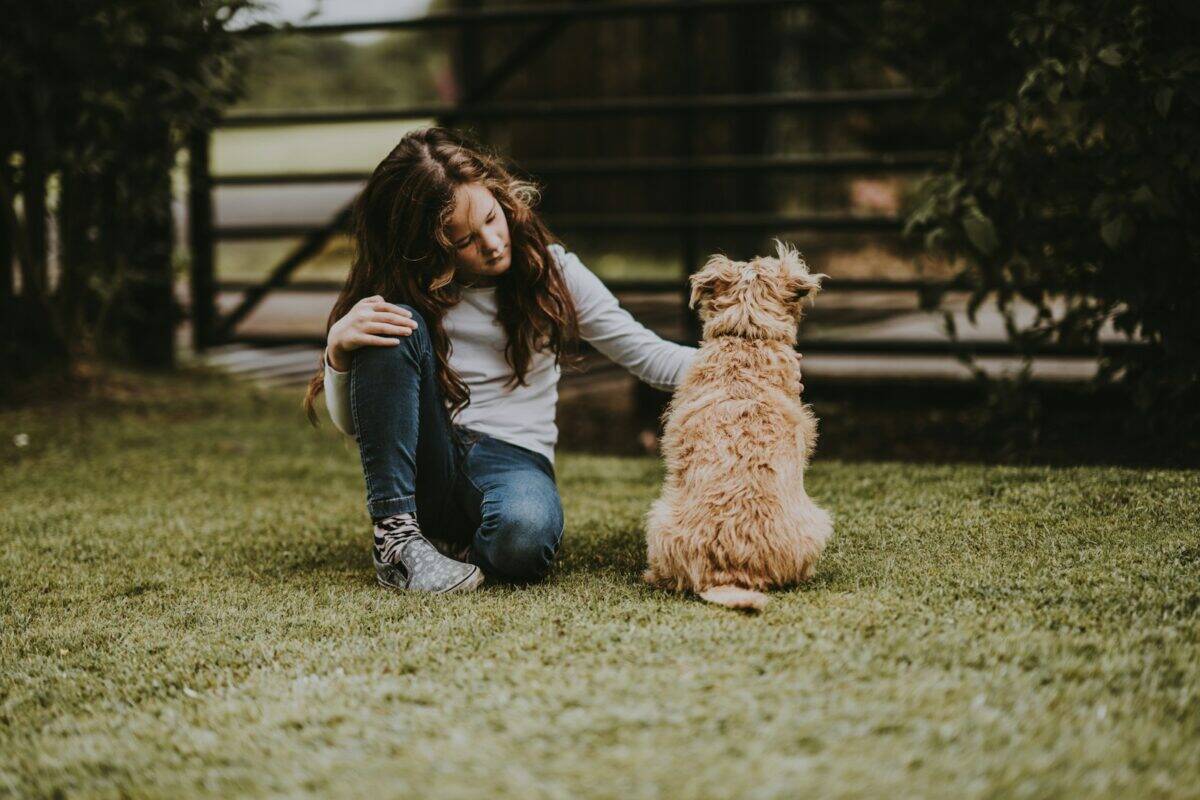
Just as humans have individual bedtime preferences and routines, dogs display unique personality traits in their pre-sleep behaviors. Some dogs are methodical in their spinning, performing a precise number of rotations before settling down. Others may be more casual or inconsistent in their approach. These differences reflect individual temperament, past experiences, and learned behaviors specific to each dog.
A dog’s personal history can significantly influence their spinning behavior. Dogs who spent time in shelters or experienced housing insecurity may display more pronounced nesting behaviors. Similarly, dogs who experienced a frightening event while sleeping might perform more thorough security checks before lying down. Through observing your dog’s specific spinning routine, you can gain insights into their personality and potentially their past experiences. These individual variations remind us that while the spinning behavior has universal roots, each dog expresses it in ways that reflect their unique character and life history.
Conclusion: The Beautiful Complexity of Canine Behavior
The simple act of a dog spinning before lying down reveals the beautiful complexity of canine behavior, representing a fascinating blend of ancient instincts and practical considerations that have survived millennia of domestication. This behavior connects our household pets to their wild ancestors, demonstrating how evolutionary adaptations remain relevant even in modern environments. Understanding these spinning rituals helps us appreciate the rich inner world of our canine companions and the sophisticated behaviors that have helped their species thrive throughout history.
As pet owners, recognizing the purpose behind these behaviors allows us to better meet our dogs’ needs by providing appropriate sleeping surfaces and respecting their natural routines. Rather than discouraging these spinning rituals, we can appreciate them as windows into our dogs’ evolutionary past and expressions of their natural instincts. The next time you witness your dog performing their bedtime circles, take a moment to marvel at this living connection to the wild canids who came before them, and the remarkable journey from wolf to beloved companion that has preserved these fascinating behaviors across time.

- The Bird That Can Recognize More Faces Than a Human - July 29, 2026
- How Army Ants Coordinate Massive Raids Without a Leader - July 29, 2026
- 13 Largest Horses in the World - July 29, 2026