

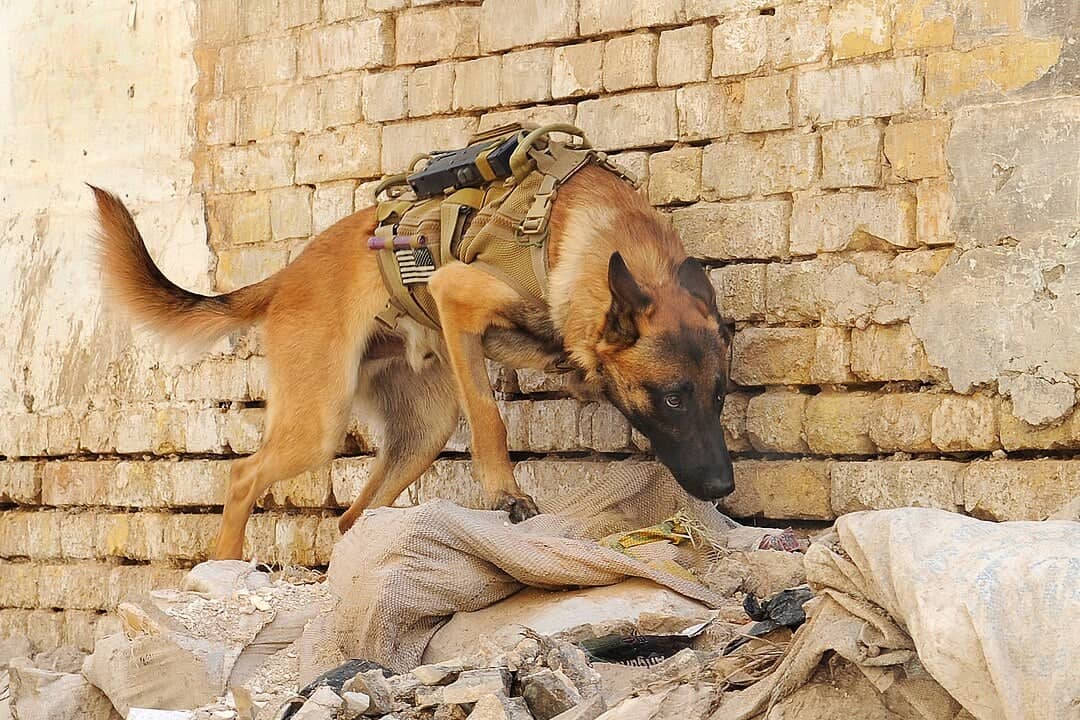
Throughout history, humans have recognized that courage and valor on the battlefield aren’t traits exclusive to our species. From the trenches of World War I to modern military operations, animals have served alongside soldiers, demonstrating extraordinary bravery, intelligence, and loyalty. These remarkable creatures have saved countless human lives, delivered critical messages through enemy lines, detected explosives, and provided comfort in the darkest hours of conflict. Their contributions haven’t gone unnoticed, with many nations creating special military decorations to honor these four-legged, feathered, and sometimes unexpected heroes. This article explores the fascinating stories of animals who received medals and commendations for their service in battle, highlighting their incredible feats and the special bond formed between soldiers and their animal companions in the theater of war.
The Dickin Medal: The Animal Victoria Cross
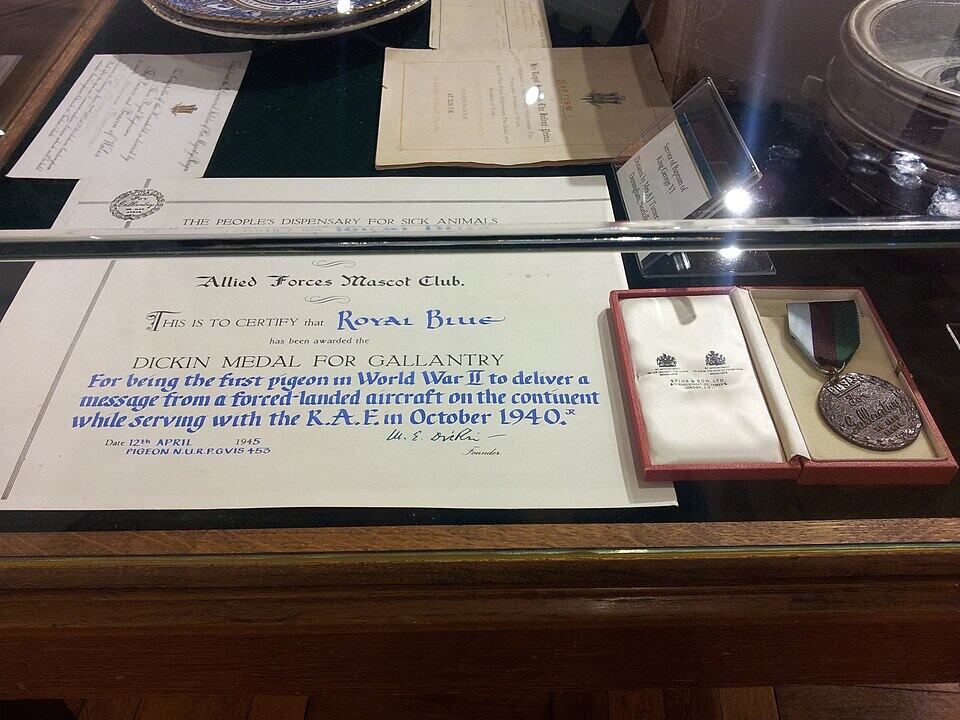
The most prestigious decoration for animal valor is the PDSA Dickin Medal, often referred to as the “Animal Victoria Cross.” Established in 1943 by Maria Dickin, founder of the People’s Dispensary for Sick Animals (PDSA), this bronze medallion bears the inscriptions “For Gallantry” and “We Also Serve.” The medal was created specifically to recognize the bravery and devotion of animals serving in military conflict. Since its inception, the Dickin Medal has been awarded to 74 animals: 37 dogs, 32 pigeons, 4 horses, and 1 cat. Recipients are selected based on extraordinary acts of courage and devotion while serving with military forces or civil defense units. The awarding of this medal represents society’s acknowledgment that animals have made significant, life-saving contributions during wartime, often at great personal risk.
Carrier Pigeons: Winged Messengers of War
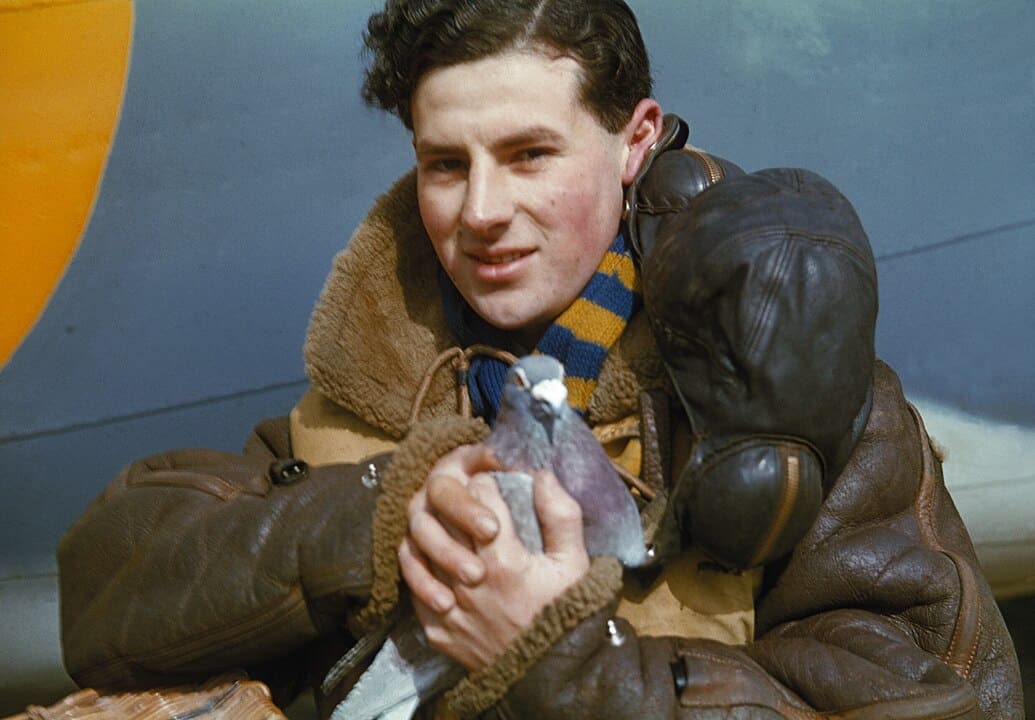
Carrier pigeons played a crucial role in both World Wars, delivering vital messages across enemy lines when all other communication methods failed. Perhaps the most famous medal recipient was a pigeon named Cher Ami, who served with the U.S. Army Signal Corps during World War I. On October 4, 1918, Cher Ami delivered a message from a trapped battalion under friendly fire, saving nearly 200 American soldiers. Despite being shot through the breast, blinded in one eye, and having a leg nearly severed, the pigeon completed its 25-mile mission. For this extraordinary feat, Cher Ami received the French Croix de Guerre with Palm. Another remarkable pigeon, G.I. Joe, saved the lives of at least 100 Allied soldiers in Italy during World War II by delivering a message to cancel an air strike on a village that had just been recaptured. G.I. Joe flew 20 miles in 20 minutes, arriving just as bombers were preparing to take off. In 1946, he became the first non-British animal to receive the Dickin Medal.
Sergeant Stubby: America’s Most Decorated War Dog
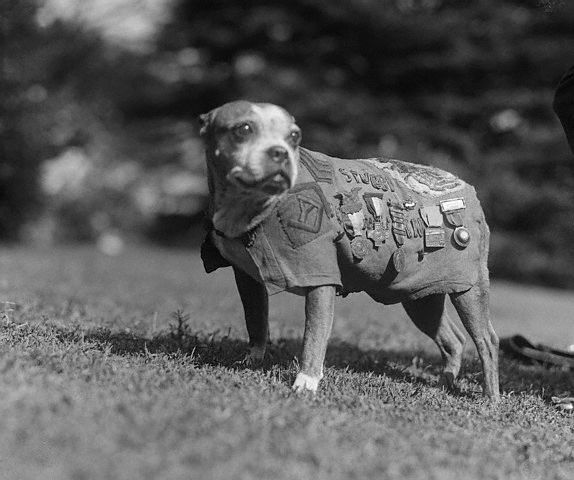
Sergeant Stubby, a Boston Terrier mix, is widely regarded as the most decorated war dog of World War I and the only dog to be nominated for rank and promoted to sergeant through combat. Found as a stray wandering the Yale campus in 1917, Stubby was smuggled to France by Corporal Robert Conroy of the 102nd Infantry Regiment. During 18 months of combat, Stubby participated in 17 battles, warned his unit of poison gas attacks, located wounded soldiers in no man’s land, and even captured a German spy by biting and holding onto the seat of his pants until American soldiers arrived. After being wounded by a grenade, Stubby wore a specially designed coat decorated with Allied medals and ribbons. Following the war, he met three sitting U.S. presidents and became the mascot of Georgetown University. Though he never received the Dickin Medal (which wasn’t established until after his death), Stubby was awarded numerous medals for his service, including the Purple Heart, and his preserved remains are on display at the Smithsonian’s National Museum of American History.
Horses of Valor: Equine Heroes on the Battlefield
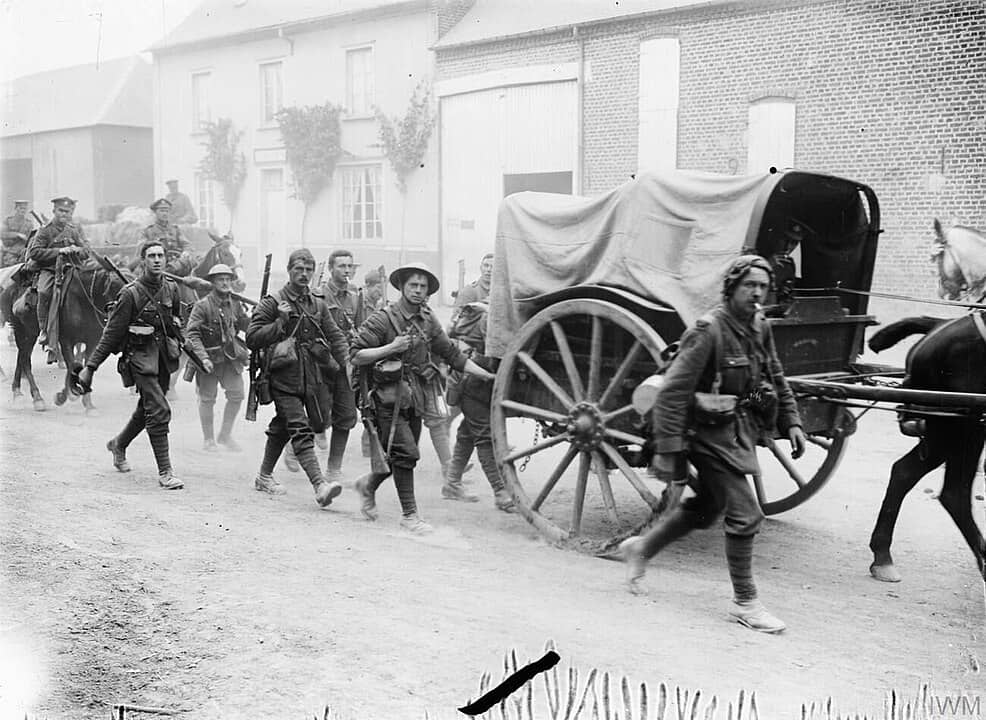
Horses have been integral to warfare for millennia, carrying soldiers into battle, transporting supplies, and evacuating the wounded. Among the most celebrated was Warrior, known as “the horse the Germans couldn’t kill,” who served on the Western Front throughout World War I with General Jack Seely. Warrior survived numerous close calls, including being buried under debris after a shell hit his stable, being trapped in burning stables twice, and charging through gunfire during the Battle of the Somme. In 2014, Warrior was posthumously awarded an honorary Dickin Medal, representing all animals that served in World War I. Another remarkable equine, a Mongolian mare named Reckless, served with the U.S. Marine Corps during the Korean War. During the Battle of Outpost Vegas in 1953, Reckless made 51 solo trips carrying ammunition to the front lines and wounded soldiers back, covering more than 35 miles while enduring enemy fire. For her extraordinary service, she was promoted to Staff Sergeant and awarded two Purple Hearts, a Marine Corps Good Conduct Medal, and several other decorations.
Judy: The Only Official Canine Prisoner of War
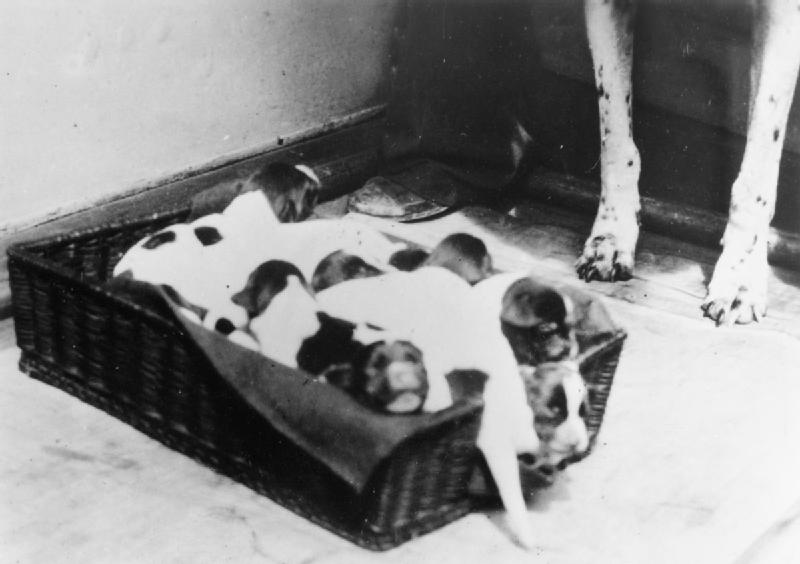
Judy, an English Pointer, holds the distinction of being the only official canine prisoner of war in World War II. Initially serving on HMS Gnat and HMS Grasshopper as a ship’s dog, Judy’s acute hearing allowed her to detect approaching enemy aircraft before human lookouts. After their ship was sunk in 1942, Judy helped survivors locate fresh water on an uninhabited island. When the group was captured by Japanese forces, Leading Aircraftman Frank Williams convinced the camp commandant to officially register Judy as a prisoner of war, giving her the same status as the human prisoners and potentially saving her life. Throughout their three years in captivity, Judy protected prisoners from beatings, found food, and boosted morale. She survived multiple hardships, including a shipwreck when the transport vessel carrying prisoners was torpedoed. After the war, Judy was awarded the Dickin Medal in May 1946, with her citation reading: “For magnificent courage and endurance in Japanese prison camps, which helped maintain morale among her fellow prisoners and also for saving many lives through her intelligence and watchfulness.” Her collar is displayed at the Imperial War Museum in London.
Simon: The Only Feline Dickin Medal Recipient
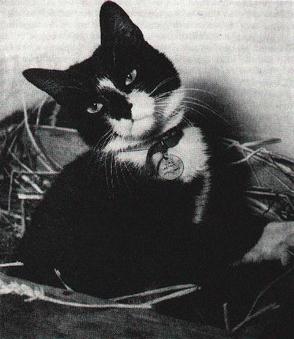
Simon, a black and white ship’s cat aboard HMS Amethyst, remains the only cat to have received the Dickin Medal. In 1949, during the Yangtze Incident, the British frigate came under fire from Chinese Communist forces while traveling up the Yangtze River. Simon was severely wounded by shrapnel when the bridge was hit, suffering burns and having shrapnel embedded in his body. Despite his injuries, Simon continued his duties controlling the rat population, which had grown considerably after damage to the ship’s food stores. Beyond his practical role, Simon provided invaluable moral support to the surviving crew members, visiting injured sailors in the sick bay and sleeping on their beds. His perseverance and affection earned him the nickname “Able Seacat Simon.” After the ship’s escape and return to the UK, Simon was quarantined but fell ill due to complications from his war wounds and viral infection. He died shortly before his scheduled award ceremony. In November 1949, Simon was posthumously awarded the Dickin Medal, with his citation reading: “For distinguished and meritorious service… in getting rid of many rats though wounded by shell blast.” He was buried with full naval honors, and his grave at the PDSA Animal Cemetery in Ilford carries a headstone reading: “Throughout the Yangtze Incident his behavior was of the highest order.”
Wojtek: The Bear Soldier of World War II
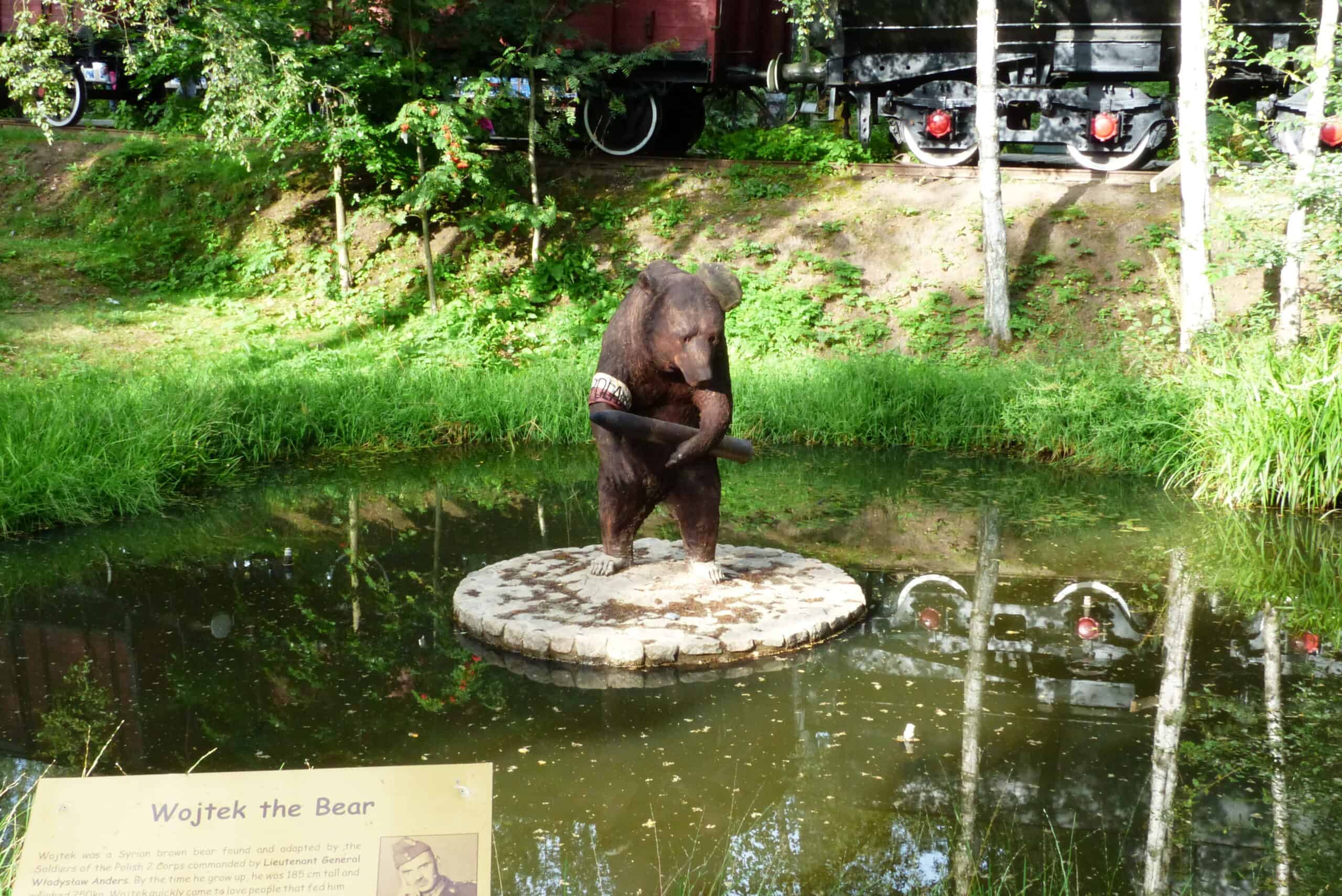
Perhaps one of the most unusual military animals was Wojtek, a Syrian brown bear adopted as a cub by Polish II Corps soldiers during World War II. Wojtek (meaning “happy warrior” in Polish) was purchased as a small cub in Iran and grew up among the soldiers, developing a taste for beer, cigarettes, and wrestling with his human comrades. When the Polish II Corps was deployed to Italy, regulations prohibited pets on transport ships. To circumvent this rule, the soldiers officially enlisted Wojtek into the Polish Army as a private, complete with his own pay book and service number. During the Battle of Monte Cassino in 1944, Wojtek helped transport ammunition, carrying heavy crates of artillery shells that would normally require four men to lift. Though Wojtek never received a formal military decoration, his service was recognized with a promotion to the rank of corporal, and his image carrying an artillery shell became the official emblem of the 22nd Artillery Supply Company. After the war, Wojtek was housed at Edinburgh Zoo until his death in 1963. Multiple monuments to this unusual soldier stand today in Poland, Scotland, and Italy, commemorating the bear who became a symbol of Polish solidarity and courage.
Rob: The Special Air Service Parachuting Dog
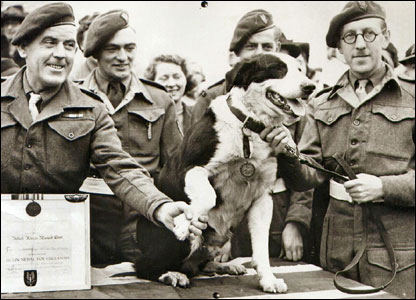
Rob, a black and white collie, served with the Special Air Service (SAS) during World War II, becoming the only dog to make parachute jumps during combat operations in the conflict. Trained to locate enemy positions and guards, Rob completed over 20 parachute descents during operations in North Africa and Italy. On several occasions, he warned Allied troops of approaching enemy forces, saving numerous lives. In addition to his parachuting expertise, Rob served as a messenger dog, carrying vital communications across battlefields when radio silence was necessary. For his remarkable service, Rob was awarded the Dickin Medal in January 1945. His citation highlighted not only his parachuting achievements but also his work in patrol, noting that he “assisted in the capture of enemy troops.” What makes Rob’s story even more extraordinary is that he began his military career as an ordinary farm dog from Shropshire, England, volunteered for war service by his owner. Rob’s adaptability, intelligence, and courage exemplify the exceptional bond between humans and canines even under the most extreme conditions of warfare.
Modern Military Working Dogs: From Vietnam to Afghanistan
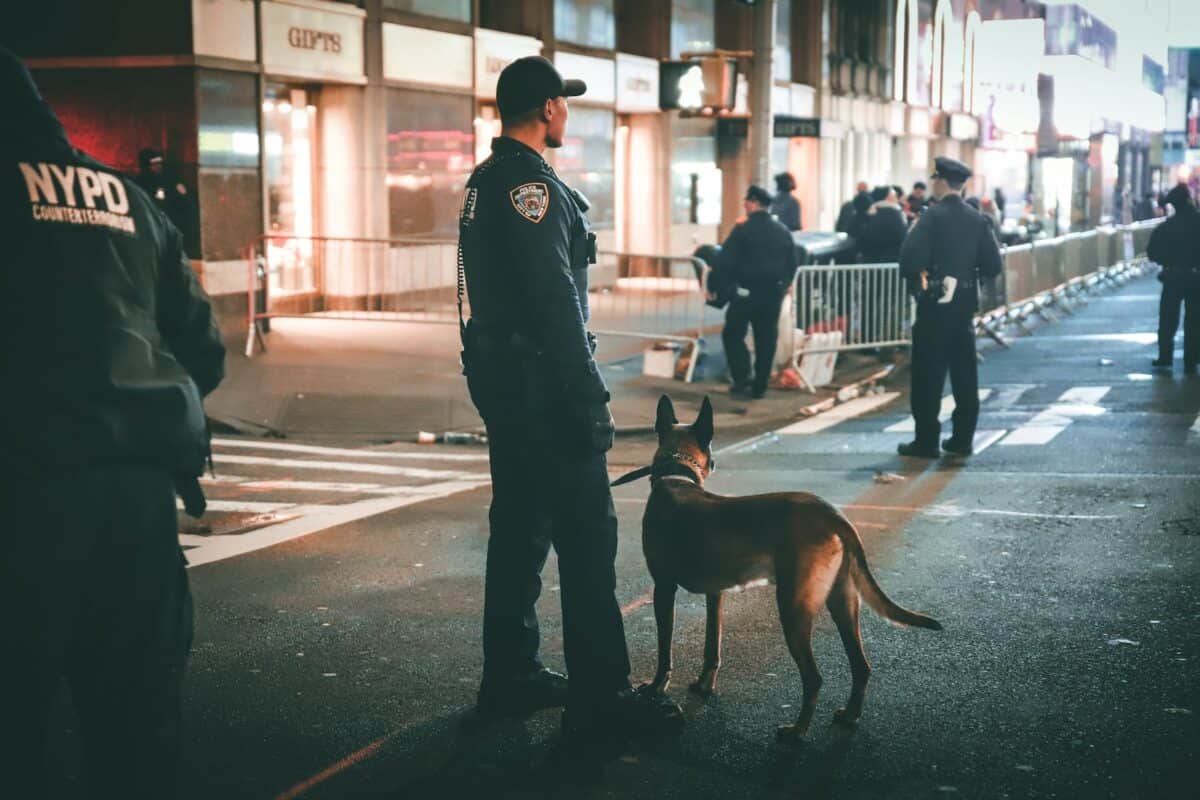
Military working dogs have evolved significantly since World Wars I and II, with specialized training for roles in detection, patrol, and even tactical operations. One notable recipient of the Dickin Medal is Treo, a black Labrador who served with the British Army in Afghanistan. Between 2008 and 2009, Treo discovered multiple complex roadside bombs and improvised explosive devices (IEDs), saving countless lives. He received his medal in 2010, with his citation noting his “heroic actions.” From the American side, Cairo, a Belgian Malinois, gained recognition for his participation in Operation Neptune Spear—the mission that resulted in the death of Osama bin Laden in 2011. While Cairo didn’t receive a formal medal, he was personally commended by President Barack Obama. In Vietnam, scout dogs like Nemo A534 demonstrated extraordinary devotion. In 1966, after both he and his handler were wounded during an attack on Tan Son Nhut Air Base, Nemo crawled on top of his injured handler to protect him until medical help arrived, despite being shot in the eye. For his actions, Nemo was returned to the United States and retired with full military honors, becoming the first sentry dog officially retired from active service in the U.S. military.
Lucca: K9 Hero of Iraq and Afghanistan
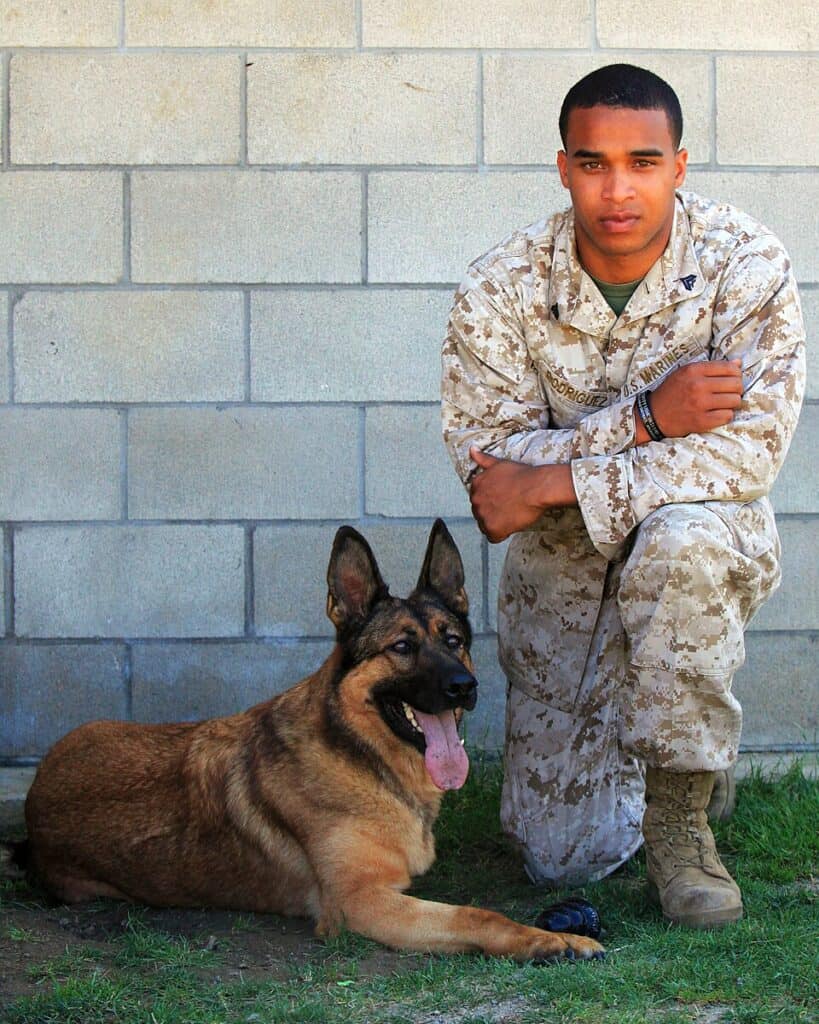
Lucca, a German Shepherd/Belgian Malinois cross, served with the U.S. Marine Corps for six years, completing over 400 missions across Iraq and Afghanistan as a specialized search dog. During her service, Lucca led over 400 patrols, detecting explosives and preventing any casualties among the troops she accompanied. In 2012, while on patrol in Afghanistan, Lucca discovered a 30-pound improvised explosive device. As she searched for additional threats, a second IED detonated beneath her. The explosion took Lucca’s front left leg and severely burned her chest, but thanks to the quick action of her handler, Corporal Juan Rodriguez, and the medical team, she survived. After months of rehabilitation, Lucca retired from service and was adopted by her first handler, Gunnery Sergeant Chris Willingham. In 2016, Lucca became the first U.S. Marine Corps dog to receive the Dickin Medal. Her citation reads: “For tireless service to the military communities of the United States of America and coalition partners from 2006 to 2012, across Iraq and Afghanistan… Her actions were conducted in the face of insurgent fighters and improvised explosive devices, mortars and rocket-propelled grenades.” Lucca’s story exemplifies the incredible bond between handlers and their military working dogs, as well as the life-saving capabilities these animals bring to modern warfare.
Heroism Beyond Traditional Military Animals
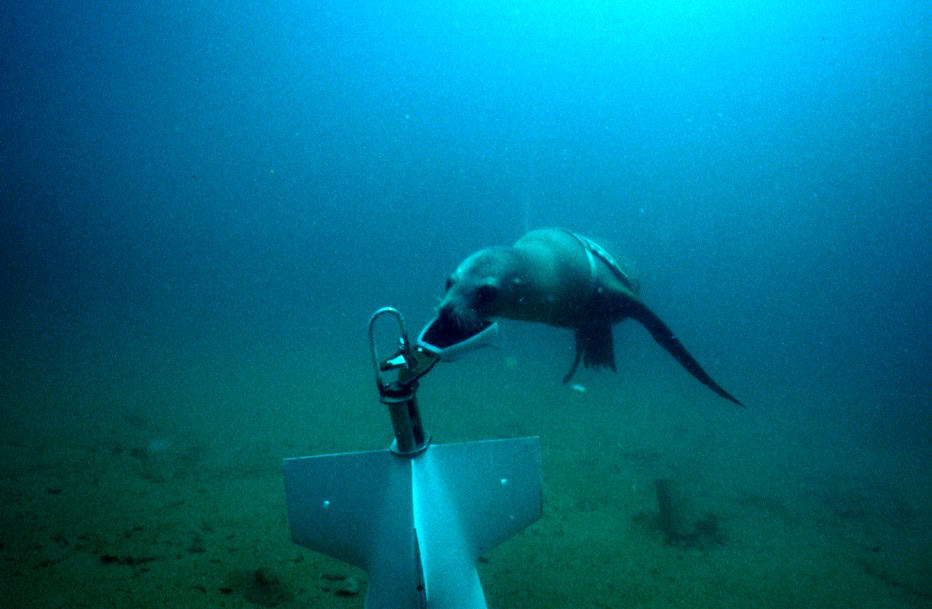
While dogs, horses, and pigeons receive most of the recognition for battlefield bravery, other species have also made significant contributions to military efforts. Dolphins and sea lions have been trained by the U.S. Navy Marine Mammal Program since the 1960s to locate underwater mines and recover equipment. Though these marine mammals don’t typically receive medals, their work has saved countless lives and vessels. In World War I, glowworms were used by soldiers in the trenches to provide light for reading maps and letters in the darkness, while gas-detecting canaries warned of the presence of poison gas. During the Crimean War in the 1850s, a cat named Tom was reportedly awarded a medal for catching rats on naval vessels, protecting food supplies and preventing the spread of disease. More recently, rats trained by the non-profit organization APOPO have been used to detect landmines in former conflict zones. These “HeroRATs” can search an area the size of a tennis court in 30 minutes, a task that would take a human deminer with metal detectors up to four days. Though they don’t serve in active combat, their post-conflict work has humanitarian implications directly related to the aftermath of battle.
The Purple Heart and Other American Honors
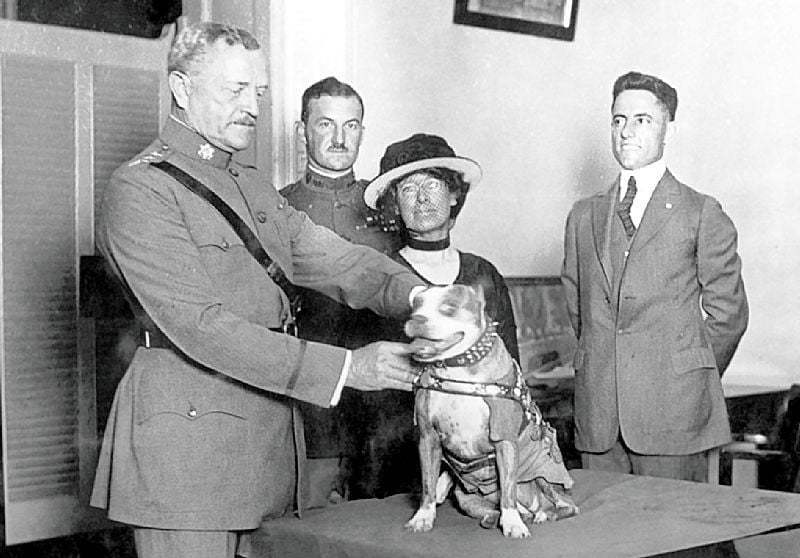
The United States has had a complex relationship with formal recognition for military animals. Unlike the British Dickin Medal, the U.S. military does not have an official decoration specifically for animals, though individual military working dogs have received unofficial Purple Hearts and other commendations. During World War I and II, some animals did receive Purple Hearts, including Sergeant Stubby and a carrier pigeon named President Wilson. However, in 1943, the U.S. War Department forbade the practice of awarding Purple Hearts to animals. Despite this restriction, many handlers have unofficially presented their fallen or wounded canine partners with Purple Hearts, acknowledging their sacrifice. In 2016, the United States passed the Military Working Dog Teams National Monument bill, establishing a monument at Lackland Air Force Base in San Antonio, Texas, to honor all dogs who have served in the U.S. armed forces. Additionally, organizations like the American Humane Association have created the K-9 Medal of Courage, awarded annually to military working dogs for exceptional service. Recipients include dogs like Irak, who conducted more than 300 combat missions in Iraq, and Matty, who carried out dangerous building searches during the Iraq War.
The Legacy of Animal Valor in Warfare
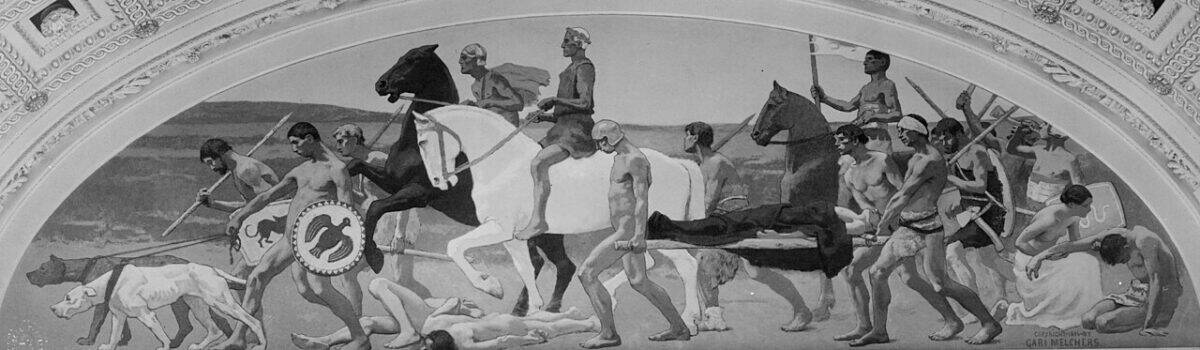
The stories of animals awarded medals for bravery in battle represent more than just historical curiosities—they reflect humanity’s evolving understanding of the animal-human bond in the most extreme circumstances. These decorations acknowledge that courage, loyalty, and sacrifice are not uniquely human traits. Since ancient times, animals have played crucial roles in warfare, but it wasn’t until the 20th century that formal recognition systems developed to honor their contributions. Today, military working animals continue to serve alongside human counterparts, with more sophisticated training and better care than their predecessors. Modern military veterinary medicine has advanced significantly, improving survival rates for injured animals and their quality of life after service. Many nations have also implemented retirement programs ensuring these veterans receive proper care after their military careers end. The medals and honors bestowed upon these remarkable creatures serve as tangible reminders of the diverse ways in which animals have shaped human history, particularly during times of conflict. They also highlight an ethical dimension of our relationship with animals—recognizing their capacity for extraordinary actions deserving of our respect and gratitude.

- This Lizard Can Breathe Underwater - July 22, 2026
- The Wild Horses of North Carolina’s Coast - July 22, 2026
- These Creatures Can Freeze Themselves to Survive - July 22, 2026