


Just like humans, our beloved pets can experience a wide range of emotions, including sadness and depression. While they may not express their feelings in the same way we do, animals can undergo emotional challenges that affect their overall well-being and quality of life. Recognizing the signs of depression in your pet is crucial for providing the support and care they need during difficult times. This article explores the reality of pet depression, its potential causes, symptoms to watch for, and effective ways to help your furry companion regain their joy and vitality.
Understanding Pet Depression: Is It Real?

Yes, pet depression is indeed real, though it differs somewhat from human depression. Veterinary behaviorists and animal psychology experts acknowledge that animals can experience states similar to depression, characterized by persistent low mood, decreased interest in activities they once enjoyed, and changes in normal behavior patterns. While pets don’t ruminate on negative thoughts or contemplate the future in the way humans do, they can develop emotional responses to changes, losses, or stressors in their environment. The concept of pet depression has gained increased recognition in veterinary medicine as our understanding of animal cognition and emotional capacity has expanded. Dogs, cats, birds, and even smaller pets like guinea pigs or rabbits can all experience depression-like states that may require intervention and support.
The Science Behind Animal Emotions
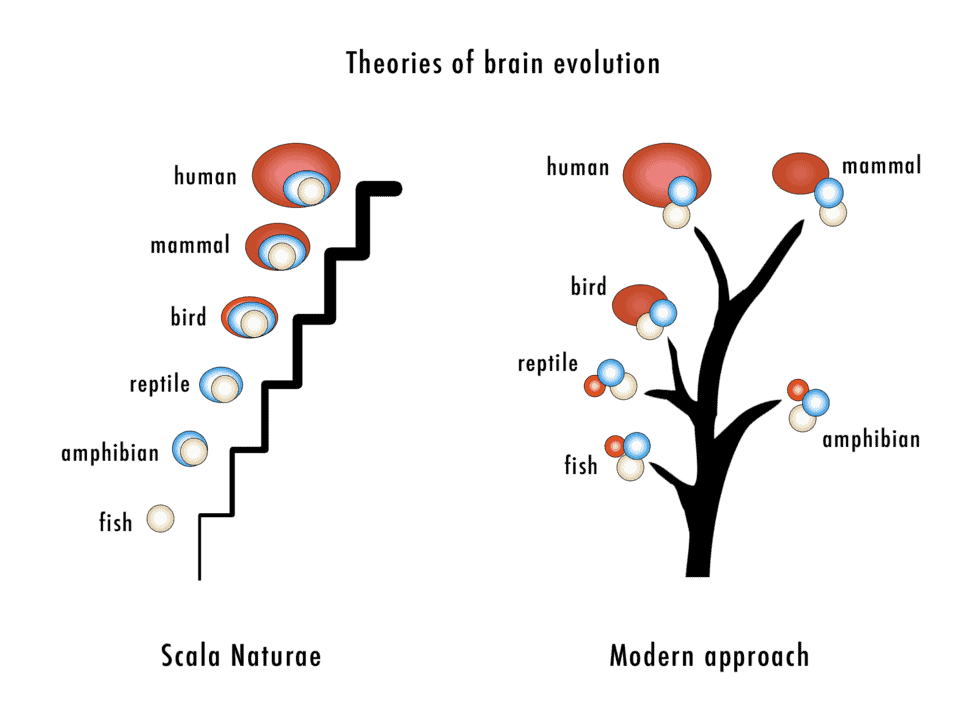
Research into animal emotions has advanced significantly in recent decades. Studies show that many animals, particularly mammals, have neurological structures and hormone systems similar to those that regulate human emotions. For example, pets produce cortisol during stress and oxytocin during positive social interactions – the same “feel-good” hormone humans release when bonding. Animals also possess a limbic system, the brain’s emotional processing center, though less complex than humans’. Brain imaging studies have shown that dogs, in particular, process emotions in ways similar to humans, activating similar neural pathways when experiencing happiness, fear, or sadness. This neurological evidence supports what many pet owners have long suspected: our animal companions have rich emotional lives. While we should be careful not to anthropomorphize their experiences completely, the scientific consensus acknowledges that animals can experience emotional states comparable to basic forms of joy, fear, anxiety, and yes—depression.
Common Signs Your Pet May Be Depressed

Depression in pets typically manifests through behavioral changes that deviate from their normal patterns. In dogs, signs may include lethargy, loss of interest in walks or playtime, excessive sleeping, decreased appetite, hiding or seeking isolation, and reduced interaction with family members. Cats may stop grooming themselves, resulting in an unkempt appearance, or conversely, may groom excessively to the point of creating bald spots. They might also show less interest in play, avoid social interaction, or display changes in vocalization patterns. Birds might pluck their feathers, become quieter, or show less interest in toys or interaction. Across species, changes in eating habits are common—some depressed pets eat less, while others may eat more as a comfort-seeking behavior. Unusual aggression, house-soiling despite being properly trained, destructive behaviors, or excessive clingy behavior can also signal emotional distress. It’s important to note that these symptoms can also indicate physical illness, so veterinary evaluation should always be the first step when you notice concerning changes in your pet’s behavior.
Common Triggers for Pet Depression
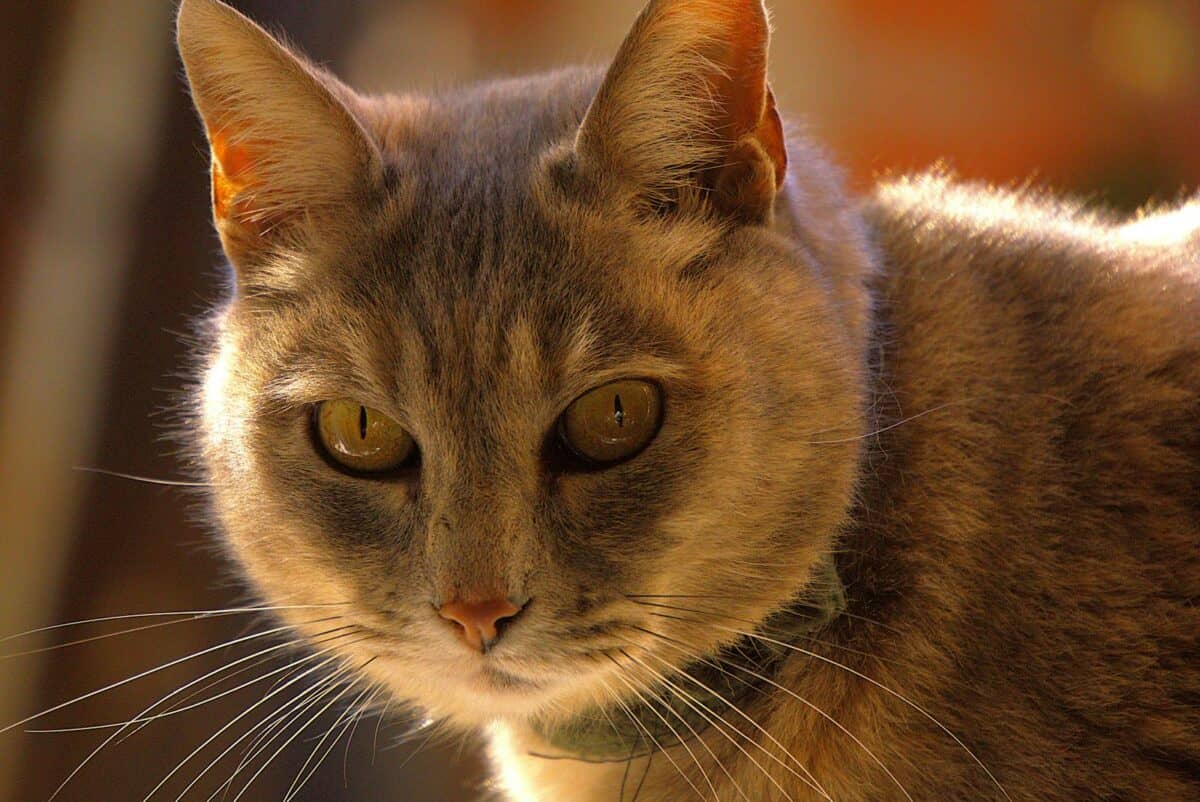
Several circumstances can trigger depression-like states in pets. One of the most common is the loss of a human or animal companion. Pets form strong attachments and can grieve deeply when someone they’ve bonded with is no longer present. Major household changes, such as moving to a new home, renovation projects, or the arrival of a new baby or pet, can disrupt your pet’s sense of security and routine. Environmental changes like seasonal variations in daylight (similar to Seasonal Affective Disorder in humans) or being confined indoors after enjoying outdoor freedom can impact mood. Physical health issues are another significant trigger—pets experiencing pain, hormonal imbalances, or the side effects of medication may develop secondary depression. Even changes in their human’s emotional state can affect sensitive pets, as they often pick up on and mirror their owners’ emotions. Additionally, boredom and lack of mental stimulation, particularly in intelligent breeds, can lead to depression-like symptoms. Animals with a history of trauma or neglect may be especially vulnerable to developing depression when faced with new stressors.
The Importance of Veterinary Diagnosis

Before concluding that your pet is suffering from depression, a proper veterinary evaluation is essential. Many symptoms that resemble depression—such as lethargy, appetite changes, or decreased activity—can actually stem from physical illnesses. Conditions like hypothyroidism, chronic pain, neurological issues, and various infections can mimic signs of depression. Your veterinarian will likely perform a thorough physical examination and may recommend blood tests, urinalysis, or other diagnostics to rule out medical causes. Be prepared to discuss any recent changes in your household, your pet’s environment, and when you first noticed behavioral changes. Provide details about your pet’s eating, sleeping, and elimination habits, as well as any unusual behaviors. If physical health issues are ruled out, your veterinarian may diagnose situational depression or refer you to a veterinary behaviorist for more specialized evaluation. Some veterinarians now recognize forms of clinical depression in pets that may require medical intervention alongside behavioral approaches. This comprehensive diagnostic approach ensures that the underlying cause of your pet’s symptoms is properly identified and appropriately addressed.
Depression in Different Pet Species
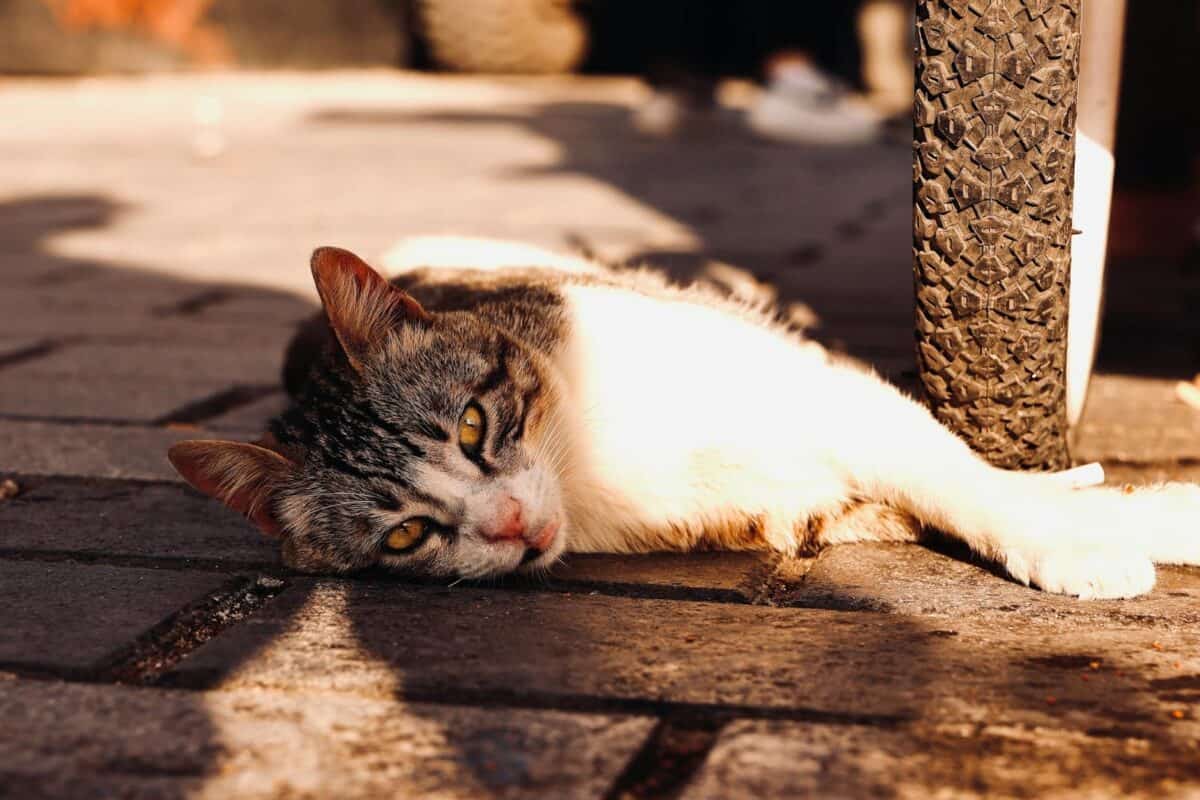
Depression manifests differently across various pet species. Dogs, as highly social animals, often show their emotional distress through obvious behavioral changes like refusing walks or toys they previously enjoyed, withdrawing from family interactions, or displaying destructive behaviors when left alone. Cats may become more withdrawn and spend excessive time hiding in unusual locations, or conversely, become unusually clingy. Their fastidious grooming habits often change noticeably—either stopping completely or becoming obsessive. Birds display depression through reduced singing or talking, feather-plucking, decreased movement, or sitting fluffed up for extended periods. Small mammals like rabbits or guinea pigs might show reduced activity, decreased appetite, or aggressive behaviors toward cage-mates or owners. Horses may display depression through stance changes (hanging their heads lower than usual), lack of interest in surroundings, or reduced appetite. The social structure and natural behaviors of each species influence how they express emotional distress, making it important for owners to understand what constitutes normal behavior for their specific type of pet to recognize meaningful deviations.
Environmental Enrichment as Treatment
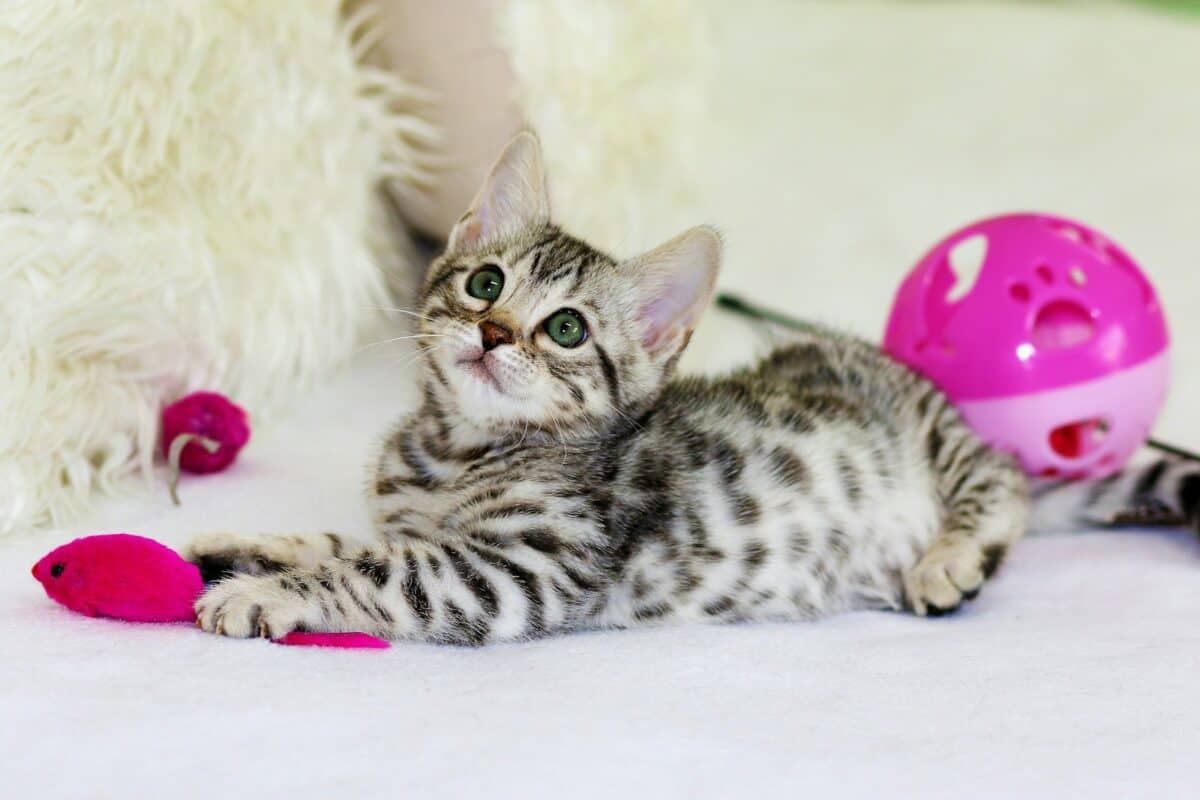
Environmental enrichment is a powerful approach to treating pet depression by stimulating your pet’s mind and encouraging natural behaviors. For dogs, this might include new puzzle toys that dispense treats, regular walks in different locations to provide novel sensory experiences, training sessions that teach new commands, or arranged playdates with compatible canine friends. Cats benefit from vertical spaces like cat trees, scratching posts of various textures, hiding spots, hunting-simulation toys, and window perches to observe outdoor activity. Birds need a variety of toys that allow chewing, foraging, and problem-solving, along with frequent rotation to maintain interest. Small pets like rabbits or guinea pigs enjoy tunnels, chewing items, foraging opportunities, and safe exploration time outside their cages. For all pets, maintaining a consistent daily routine provides security, while gradually introducing positive changes prevents boredom. Interactive toys that move unpredictably or dispense food challenge your pet’s natural instincts and cognitive abilities. The goal is to create an environment that engages your pet’s senses and instincts, encouraging physical activity and mental stimulation that can naturally elevate mood and reduce symptoms of depression.
The Healing Power of Exercise

Physical activity is one of the most effective natural antidepressants for both humans and animals. Regular exercise stimulates the release of endorphins—nature’s mood elevators—in your pet’s brain, creating feelings of pleasure and reducing stress. For dogs, increasing the frequency, duration, or intensity of walks can make a significant difference. Consider hiking new trails, swimming sessions, or games of fetch that incorporate training elements. Cats benefit from interactive play sessions using wand toys, laser pointers (always ending with a catchable toy), or toys that simulate prey movements. Even indoor cats can get exercise through cat wheels, obstacle courses, or climbing structures. For smaller pets, providing larger exercise spaces or exercise wheels appropriate to their species can help, as can supervised “free-range” time in a safe, enclosed area. The key is consistency—aim for multiple short sessions throughout the day rather than one long session. Exercise not only improves physical health but also provides mental stimulation through new sights, sounds, and smells. Additionally, the bonding that occurs during interactive play strengthens the human-animal relationship, providing emotional security that can help alleviate depression.
Social Connections and Companionship
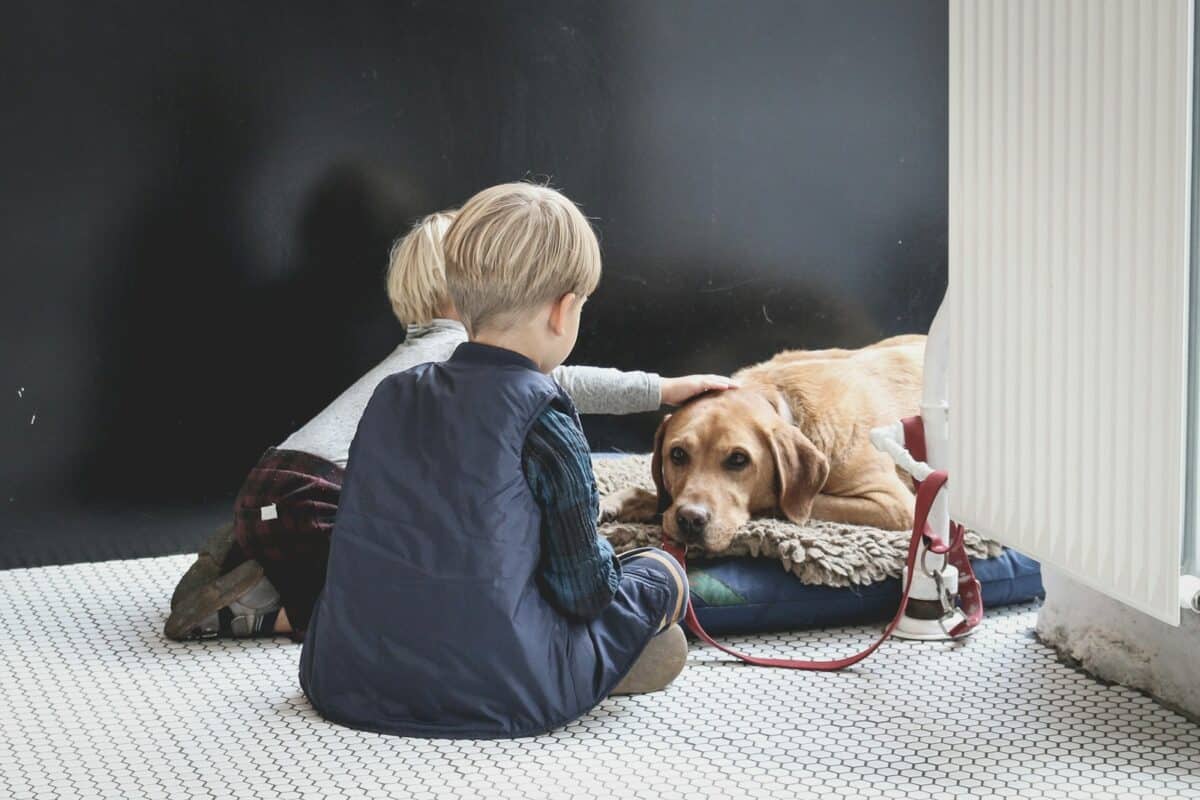
Many pets, particularly dogs and certain species of birds, are highly social creatures that thrive on interaction. When a pet becomes depressed, increasing positive social experiences can be tremendously beneficial. For some pets, this might mean more quality time with their human family members—not just physical presence, but engaged interaction through gentle talking, petting, grooming, or play. If your schedule limits interaction time, consider arranging pet sitting visits during the day or enrolling your dog in a reputable daycare facility where they can socialize safely with other animals. In multi-pet households, creating positive associations between pets through parallel feeding of special treats or simultaneous play can strengthen their bond. For pets grieving the loss of an animal companion, the question of whether to adopt another pet is complex and depends on your specific pet’s personality and needs—some animals rebound well with a new friend, while others need time to process their loss. Even the company of different species can provide enrichment; for example, some cats enjoy watching fish tanks or bird feeders from a window. The goal is to prevent isolation and provide regular, positive social connections that give your pet a sense of belonging and security.
When Medication Might Be Necessary

In some cases, environmental changes and behavioral approaches alone may not be sufficient to address severe or prolonged pet depression. Veterinary behaviorists now recognize that some pets may benefit from pharmacological intervention, particularly when depression is causing significant suffering or dangerous behaviors. Medications similar to those used in humans, such as selective serotonin reuptake inhibitors (SSRIs) or tricyclic antidepressants, may be prescribed in appropriate veterinary formulations and dosages. These medications work by balancing neurotransmitters in the brain that affect mood and behavior. Common veterinary medications include fluoxetine (Prozac), clomipramine, and amitriptyline, though the specific choice depends on your pet’s species, health status, and symptoms. Medication is never prescribed in isolation but as part of a comprehensive treatment plan that includes behavioral modification and environmental enrichment. Your veterinarian will establish a monitoring protocol to assess effectiveness and watch for potential side effects, with regular follow-up appointments to adjust dosage if needed. The goal is typically not lifelong medication but rather short-term support while addressing underlying issues and implementing behavioral strategies. It’s critical never to give your pet human medications or adjust dosages without veterinary guidance, as improper medication can be dangerous or even fatal.
Creating Consistency and Security

Pets thrive on predictability, making consistent routines fundamental to emotional well-being. Establishing and maintaining regular schedules for feeding, walks, play, and sleep helps your pet feel secure by knowing what to expect throughout their day. This predictability is particularly important during times of transition or stress. When major changes are necessary, implementing them gradually allows your pet time to adjust—for example, slowly rearranging furniture before a move or gradually introducing a new family member. Creating designated safe spaces where your pet can retreat when feeling overwhelmed provides emotional security. These should be quiet, comfortable areas with familiar bedding, toys, and perhaps items carrying your scent. Using pheromone products like Adaptil for dogs or Feliway for cats can chemically signal safety and reduce anxiety in the environment. Consistent training with positive reinforcement rather than punishment builds trust and confidence. Even your own emotional consistency matters—pets are sensitive to human emotions and can become anxious when their owners display unpredictable mood swings. By creating an environment characterized by predictable routines, clear boundaries, and positive interactions, you provide the sense of security that helps prevent or alleviate depression in your pet.
When to Seek Professional Help
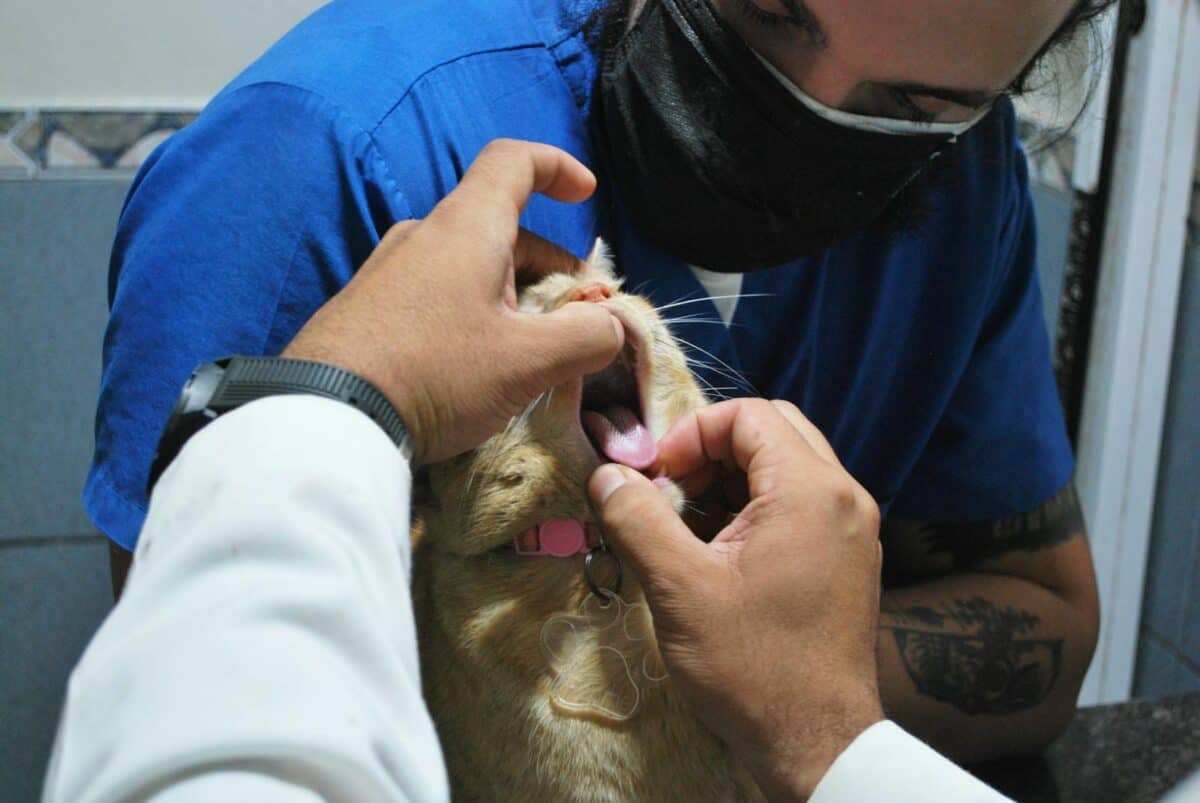
While mild cases of pet depression often respond well to home interventions, certain situations warrant professional assistance. Seek veterinary help immediately if your pet shows severe symptoms like complete refusal to eat for more than 24 hours, aggressive behavior that poses a safety risk, self-harming behaviors like excessive licking or chewing that causes wounds, or if depression is accompanied by concerning physical symptoms like vomiting or difficulty breathing. Professional intervention is also appropriate when depression persists despite your best efforts at home, recurs frequently, or significantly impacts your pet’s quality of life. Beyond your regular veterinarian, specialized help is available from certified veterinary behaviorists (the animal equivalent of psychiatrists) who have advanced training in animal behavior and mental health. Professional animal trainers with expertise in positive reinforcement techniques can help implement behavior modification plans. Some areas also offer animal grief counselors who specialize in helping pets cope with loss. When seeking professional help, look for credentials and experience with your specific species of pet, and be prepared to provide detailed information about your pet’s history, environment, and the timeline of behavioral changes. Early intervention often leads to better outcomes, so don’t hesitate to reach out when you’re concerned about your pet’s emotional well-being.
Pet depression, while challenging, is often temporary and treatable with the right approach and understanding. Recognizing that our animal companions have emotional lives worthy of attention and care is the first step toward helping them through difficult periods. By combining veterinary guidance, environmental enrichment, consistent routines, and plenty of love and patience, most pets can recover their joy and enthusiasm for life. Remember that your relationship with your pet is reciprocal—the time and effort you invest in supporting their emotional health strengthens the bond between you and enhances your shared quality of life. Just as they provide us with unconditional love and companionship during our own dark times, we have the privilege and responsibility of helping them navigate their emotional challenges with compassion and understanding.

- Cuddling for Warmth: How Meerkats Stay Cozy - July 18, 2026
- This U.S. Lake Is Mysteriously Disappearing—Here’s What Scientists Say - July 18, 2026
- This Jellyfish Hunts in Packs - July 18, 2026