
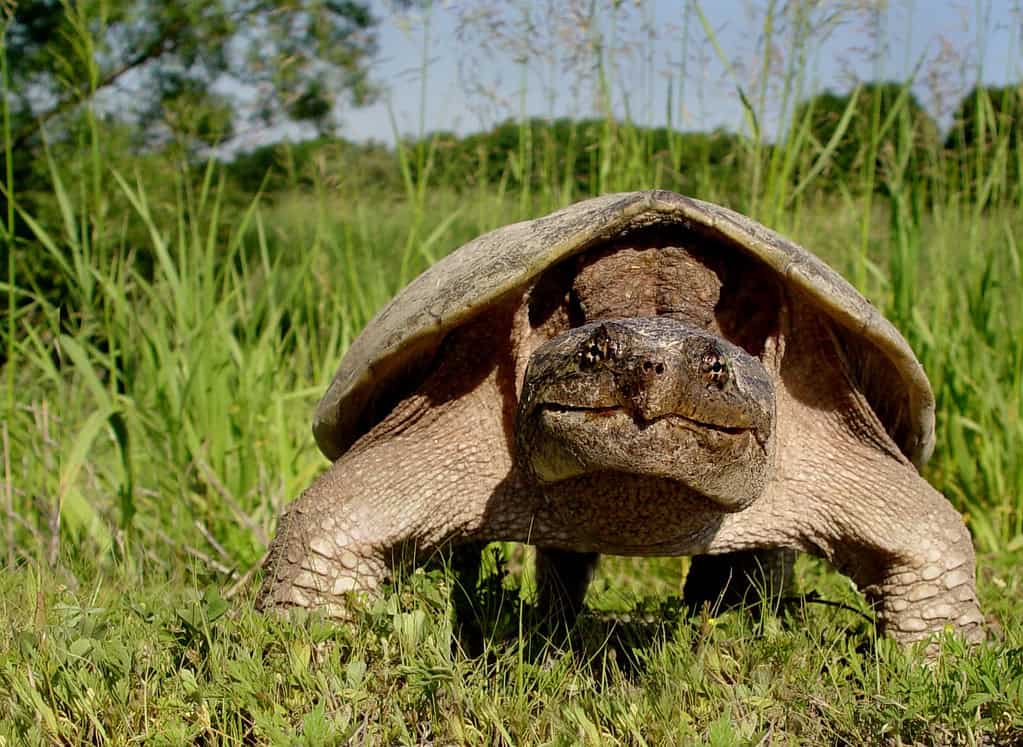
Along the winding rivers and murky wetlands of Texas, an ancient reptilian survivor has been quietly defying the odds. The alligator snapping turtle, a prehistoric-looking creature that has remained largely unchanged for millions of years, has become an unexpected success story in wildlife conservation. Once facing the grim prospect of extinction due to habitat loss, pollution, and overharvesting, these remarkable Texas natives have demonstrated extraordinary resilience. Through a combination of evolutionary adaptations, conservation efforts, and their own remarkable biological tenacity, these ancient snappers have managed to outsmart extinction. Their story represents not just the triumph of a single species, but offers valuable insights into effective conservation strategies and the remarkable adaptability of nature when given even the slightest chance to recover.
The Ancient Origins of Texas Snappers
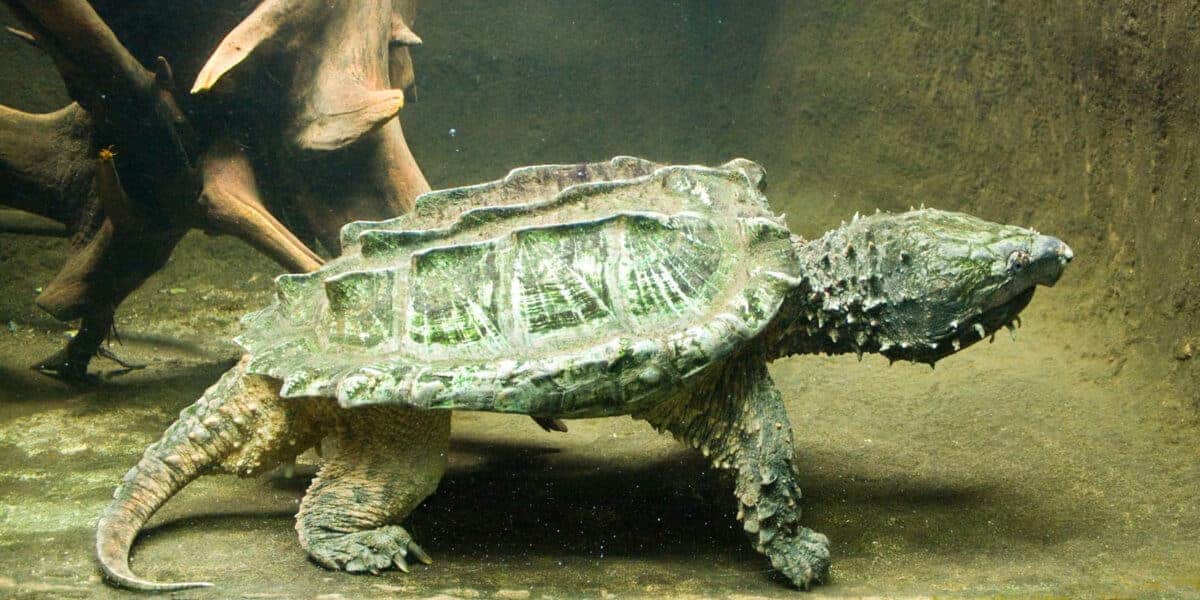
The alligator snapping turtle (Macrochelys temminckii) is truly a living fossil, with an evolutionary lineage stretching back over 90 million years. These remarkable reptiles were already ancient when dinosaurs roamed the Earth, and their basic body plan has remained largely unchanged through countless geological epochs. In Texas, these turtles have been part of the ecosystem since time immemorial, adapting to the changing landscape as rivers formed and reformed across the state’s varied terrain. Paleontological evidence suggests that their ancestors were even more widespread throughout what would become North America, showing that the current Texas population represents a resilient remnant of a once-greater distribution. This deep evolutionary history has equipped them with unique survival adaptations that have proven crucial in their recent comeback from the brink of extinction.
Identifying the Texas Snappers

Texas is home to two distinct snapping turtle species: the alligator snapping turtle and the common snapping turtle (Chelydra serpentina). The alligator snapper is the larger and more primitive-looking of the pair, often described as “dinosaur-like” due to its spiked shell, powerful jaws, and prehistoric appearance. Adult males can reach weights of over 200 pounds, making them the largest freshwater turtles in North America. Their most distinctive feature is a textured shell resembling tree bark, complete with three prominent ridges that run lengthwise along the carapace. The alligator snapper also possesses a unique pink, worm-like appendage on its tongue that serves as a lure for fish—a remarkable example of evolutionary adaptation. Their common snapping cousins are smaller, with smoother shells and more active hunting strategies. Both species call Texas waterways home, but it’s the alligator snapper that has faced the most serious conservation challenges.
The Near-Extinction Crisis

By the late 20th century, alligator snapping turtle populations across Texas had plummeted to dangerous levels. Multiple factors contributed to this decline, creating a perfect storm of threats. Commercial harvesting for turtle meat, particularly for turtle soup—once considered a delicacy—removed countless adult turtles from the wild. This was especially devastating because alligator snappers are slow to reach sexual maturity, taking up to 20 years before they can reproduce. Habitat destruction also played a major role, as wetlands were drained, rivers channelized, and water quality degraded through pollution. Dam construction further fragmented populations by creating impassable barriers between turtle habitats. By the 1980s, surveys indicated population declines of over 95% in some Texas watersheds. The situation was so dire that biologists feared the species might disappear entirely from much of its historic range within a generation. It was clear that without significant intervention, these ancient creatures would soon be gone forever from Texas waters.
Evolutionary Advantages That Saved the Species

Despite the overwhelming challenges, alligator snapping turtles possessed several evolutionary advantages that ultimately contributed to their survival. Their exceptionally long lifespan—up to 100 years in some cases—meant that even small numbers of surviving adults could potentially rebuild populations if given sufficient protection. Their remarkable bite force, measuring up to 1,000 pounds of pressure, along with their camouflaged appearance and patient hunting strategy, allowed them to remain efficient predators even in degraded habitats. Additionally, female snappers can store sperm for extended periods, enabling them to produce fertile eggs for several years after a single mating—a crucial adaptation when population densities are low. Perhaps most importantly, their generalist diet, which includes fish, amphibians, smaller turtles, carrion, and even some plant matter, allowed them to adapt to changing food availability in their ecosystems. This combination of longevity, reproductive flexibility, and dietary adaptability gave the species the biological resilience needed to persevere while conservation efforts took hold.
Texas Conservation Initiatives That Made a Difference

Starting in the early 1990s, Texas Parks and Wildlife Department (TPWD) implemented several crucial conservation measures that helped turn the tide for alligator snappers. In 1992, commercial harvesting of the species was banned entirely in Texas, eliminating one of the most significant threats to adult turtles. This was followed by habitat protection initiatives that preserved critical wetland areas and improved water quality in key turtle habitats. The East Texas Alligator Snapper Recovery Project, launched in 2000, represented a comprehensive approach to conservation, combining population monitoring, habitat restoration, and captive breeding programs. Conservation easements along riverbanks protected nesting sites from development, while educational outreach programs helped raise public awareness about the turtles’ ecological importance and conservation needs. By 2010, these combined efforts had begun to show measurable results, with population surveys indicating slow but steady recovery in several watersheds across eastern Texas.
Head-Starting Programs: Giving Baby Turtles a Chance

One of the most successful conservation strategies employed in Texas has been the implementation of “head-starting” programs for alligator snapping turtles. These initiatives involve collecting eggs from vulnerable wild nests, hatching them under controlled conditions, and raising the hatchlings until they reach a size that significantly improves their survival chances in the wild. At the Caldwell Zoo in Tyler and the Houston Zoo, dedicated facilities have successfully raised thousands of juvenile turtles that would have faced extremely high mortality rates in nature. A typical head-starting program keeps young turtles for 1-2 years until they reach about 6 inches in length—large enough to deter many predators. When released back into appropriate habitats, these head-started turtles have shown impressive survival rates of up to 70%, compared to the estimated 1-5% survival rate for natural hatchlings. Since 2008, over 3,000 head-started alligator snappers have been released into Texas waterways, creating a new generation of reproductive adults that are now contributing to wild population recovery.
The Role of Citizen Science in Tracking Recovery

The comeback of alligator snapping turtles in Texas has been significantly aided by innovative citizen science initiatives that have expanded monitoring capabilities far beyond what professional biologists could accomplish alone. The Texas Turtle Watch program, established in 2012, trains volunteers to identify and report turtle sightings using standardized protocols and a mobile app. This has generated thousands of verified observations across the state, helping scientists track population distributions and identify previously unknown turtle habitats. Anglers have also become important contributors, with the “Angler’s for Conservation” program encouraging responsible catch-and-release when turtles are accidentally hooked, along with photographic documentation that helps track individual turtles through their distinctive shell patterns. These citizen science efforts have not only provided valuable data but have also fostered a sense of public investment in turtle conservation. The engagement of local communities has proven particularly valuable in rural areas where professional monitoring resources are limited but where critical turtle habitats often exist.
Ecological Impact of Recovering Turtle Populations
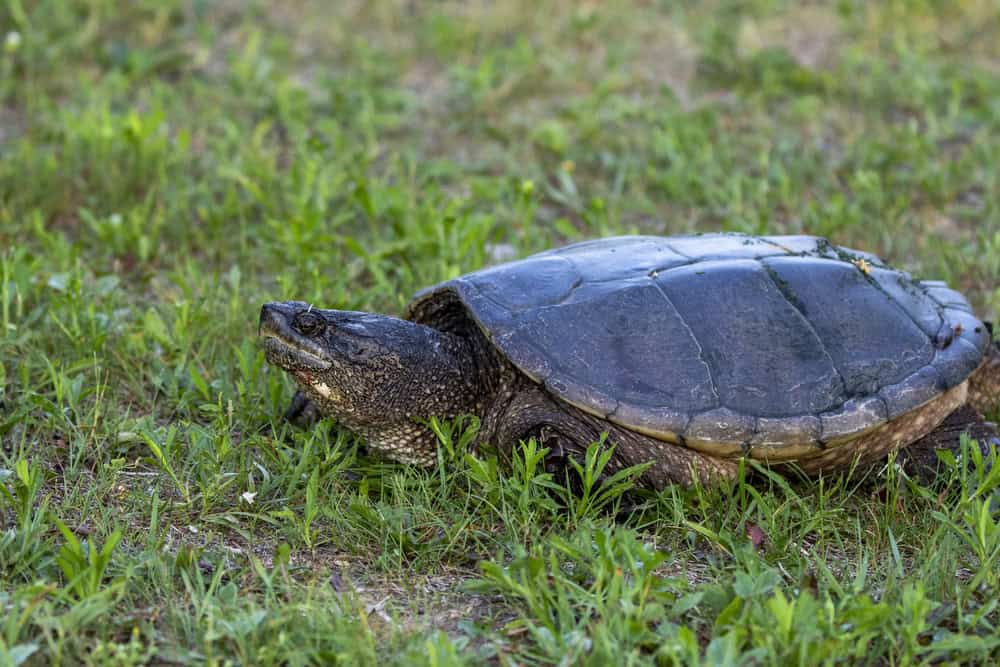
As alligator snapping turtle populations have begun to recover across Texas, scientists have observed ripple effects throughout the ecosystems they inhabit. As apex predators, these turtles help regulate fish populations and remove sick or dying animals through their scavenging behaviors. Their nesting activities also contribute to soil turnover and nutrient cycling along riverbanks. In the Neches River basin, where recovery has been particularly successful, researchers have documented improved water clarity in areas with healthy snapper populations, likely due to their consumption of invasive crayfish species that would otherwise increase turbidity through burrowing activities. The turtles also serve as “ecosystem engineers” by creating depressions on river bottoms that provide microhabitats for smaller aquatic organisms. Long-term studies by the Texas River Systems Institute have shown that watersheds with recovering turtle populations typically display greater overall biodiversity measurements compared to similar systems where snappers remain absent. This ecological importance underscores why the recovery of these ancient reptiles represents far more than just saving a single species—it contributes to the health of entire freshwater ecosystems.
Legal Protections That Fueled the Comeback

Legal frameworks have played a crucial role in the alligator snapping turtle’s Texas comeback story. In addition to the 1992 ban on commercial harvesting, the species received increased protection in 2006 when it was listed as “threatened” under Texas state law. This designation made it illegal to collect, harm, or possess these turtles without specific permits, effectively ending the recreational harvest that had continued to impact some populations. The federal Clean Water Act protections for wetlands indirectly benefited turtles by preserving critical habitat, while the Endangered Species Act provided funding for recovery initiatives even though the species is not yet federally listed. In 2018, Texas strengthened its regulations further by implementing specific protections for nesting sites along public waterways during the breeding season from April through June. Conservation easements with private landowners, facilitated by tax incentives, have protected thousands of acres of riparian habitat critical to turtle survival. This multi-layered legal approach has created the protected space needed for natural populations to slowly rebuild while restoration efforts continue.
The Caddo Lake Success Story

Perhaps the most dramatic example of alligator snapping turtle recovery in Texas can be found at Caddo Lake, a 25,000-acre wetland complex straddling the Texas-Louisiana border. By the early 1990s, turtle surveys suggested that fewer than 50 adult alligator snappers remained in this once-thriving habitat. Beginning in 1997, a comprehensive recovery plan was implemented that combined habitat protection, head-starting programs, and strict enforcement of harvesting bans. The Caddo Lake Institute partnered with federal and state agencies to restore natural water flow patterns that had been disrupted by earlier dam construction. By 2015, population surveys indicated more than 300 adult turtles, with evidence of successful natural reproduction. Nest monitoring programs have documented a steady increase in successful nesting events, from just three documented nests in 2000 to over 25 annually by 2020. Radio telemetry studies have shown that released head-started turtles are establishing territories and integrating successfully with the wild population. The Caddo Lake recovery represents a model for how targeted conservation efforts can reverse the decline of even severely threatened populations when multiple stakeholders work together with clear goals and sustained commitment.
Cultural Significance and Public Engagement

Beyond its ecological importance, the alligator snapping turtle holds significant cultural value in Texas, which has helped drive public support for its conservation. Indigenous Caddo traditions include the turtle as a symbol of longevity and persistence, while East Texas folklore features numerous tales of massive “loggerhead” turtles in local waterways. This cultural significance has been leveraged effectively in conservation education programs. The “Texas Turtles” exhibit at the Texas State Aquarium attracts over 100,000 visitors annually, while the annual “Turtle Fest” in Jefferson, Texas has become a popular event celebrating the species’ recovery in Caddo Lake. Public engagement has extended to the private sector, with several Texas breweries creating turtle-themed conservation beers that donate a portion of proceeds to recovery efforts. School programs across the state now incorporate turtle conservation into science curricula, creating a new generation of conservation-minded citizens. This cultural embrace of the species has transformed the alligator snapper from an obscure reptile to a beloved state wildlife icon, demonstrating how cultural connections can be powerful motivators for conservation action.
Ongoing Challenges and Future Threats

Despite remarkable progress, alligator snapping turtles in Texas still face significant challenges. Climate change represents a looming threat, as rising temperatures can skew sex ratios in turtle eggs—warmer incubation temperatures produce more females, potentially creating reproductive imbalances in future generations. Water management remains problematic, with competing demands for agricultural and urban water use threatening to reduce flow in critical habitats during drought periods. Illegal collection, though reduced, continues to threaten some populations, with international demand for exotic pets driving black market activity. Invasive species like feral hogs damage nesting sites, while introduced fish species compete for food resources. Contaminants, particularly mercury and agricultural runoff, accumulate in long-lived predators like snappers, potentially affecting their reproduction and health. Perhaps most concerning is continued habitat fragmentation as Texas’s population grows and development encroaches on waterways. The turtles’ slow reproduction rate means that even with protection, full recovery will take decades of sustained conservation effort. These challenges necessitate ongoing vigilance and adaptive management strategies to ensure that the gains achieved so far become permanent.
Conclusion: Lessons from the Snappers’ Survival
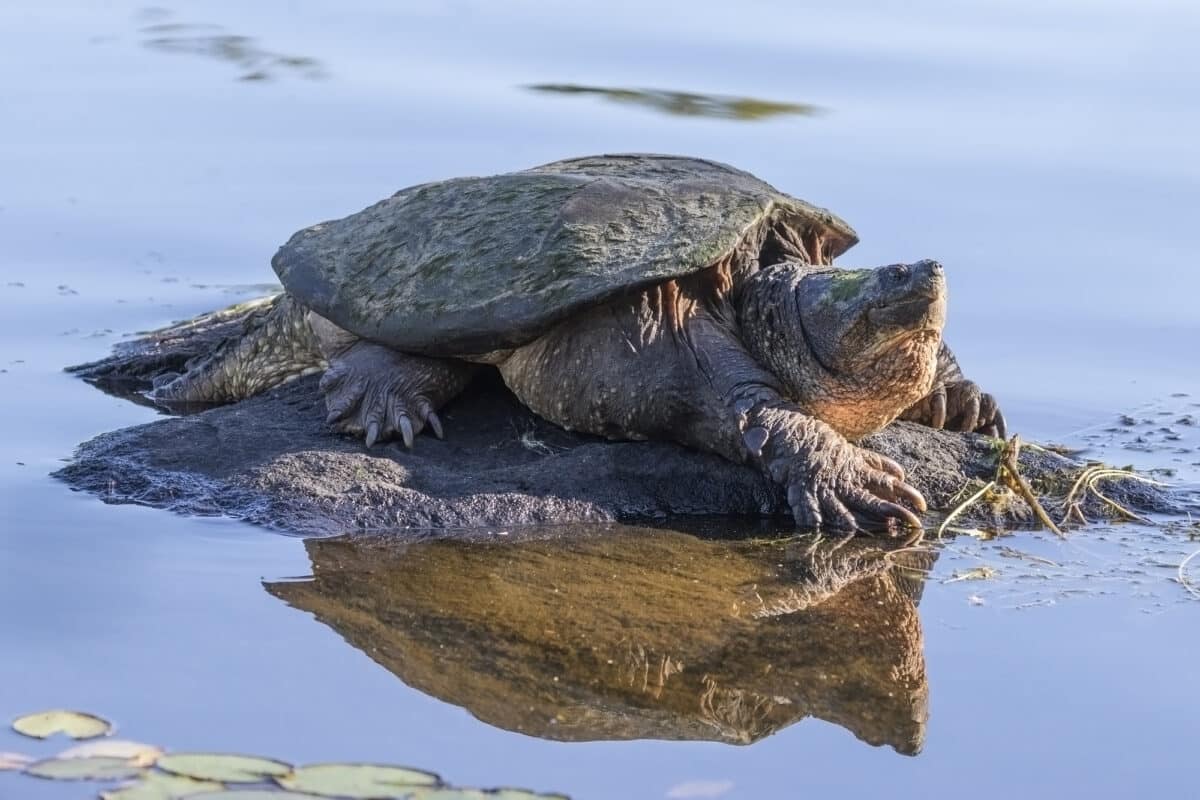
The remarkable comeback of alligator snapping turtles in Texas represents more than just a conservation success story—it offers valuable lessons that extend far beyond a single species. First, it demonstrates that even species pushed to the brink can recover when comprehensive, science-based conservation strategies are implemented with sufficient commitment and resources. Second, the recovery highlights the critical importance of addressing multiple threat factors simultaneously, from direct harvesting to habitat protection and population supplementation. Third, the Texas experience shows that effective conservation requires collaboration across diverse stakeholders, from government agencies and researchers to private landowners and everyday citizens. Finally, and perhaps most importantly, the snapper’s survival reminds us that nature possesses remarkable resilience when given the opportunity to heal and regenerate. As we face growing biodiversity challenges globally, the story of how these ancient Texas turtles outsmarted extinction offers both inspiration and a practical blueprint for conservation success that can be applied to threatened species worldwide.

- The Glasswing Butterfly: Nature’s Invisible Beauty - July 21, 2026
- What Happens If a Whale Dies in the Ocean? - July 21, 2026
- Why You Should Stop Feeding Ducks at the Park - July 21, 2026