


After decades of habitat destruction, pollution, and hunting, otter populations around the world faced devastating declines throughout the 20th century. Several species teetered on the brink of extinction, becoming symbols of environmental degradation. Yet, against significant odds, otters have emerged as one of conservation’s most heartwarming success stories. Their recovery represents not just the resilience of these charismatic mammals but also demonstrates how dedicated conservation efforts, policy changes, and public awareness can reverse the decline of a species. This article explores how otters are making a remarkable comeback across the globe, the challenges they’ve overcome, the work that remains, and what their recovery means for the health of our aquatic ecosystems.
The Historical Decline of Otters

Otters once thrived in waterways across North America, Europe, and Asia, but their numbers plummeted dramatically during the 19th and 20th centuries. The fur trade proved particularly devastating, with the luxuriously dense fur of sea otters—containing up to one million hairs per square inch, the densest of any mammal—making them prime targets for hunters. By the early 1900s, sea otter populations had crashed from an estimated 300,000 individuals to fewer than 2,000 worldwide. River otters faced similar threats, with hunting, trapping, and habitat destruction driving steep declines. In the UK, the European otter (Lutra lutra) had disappeared from 94% of its former range by the 1970s, while in the United States, many states lost their river otter populations entirely. Industrial pollution, particularly PCBs and other persistent chemicals, further devastated remaining populations by contaminating their food sources and affecting reproduction.
Legal Protection: The Foundation of Recovery

The turning point for otter conservation came with crucial legal protections enacted in the mid-to-late 20th century. The International Fur Seal Treaty of 1911 provided the first significant protection for sea otters, while the Marine Mammal Protection Act of 1972 and the Endangered Species Act of 1973 in the United States created robust frameworks for recovery. In Europe, the European otter received protection under the Bern Convention and the EU Habitats Directive. These legal shields ended commercial hunting and created mechanisms to protect critical habitat. Additionally, the Convention on International Trade in Endangered Species of Wild Fauna and Flora (CITES) restricted the international trade of otter pelts and products, addressing a major driver of their decline. These legal frameworks, while not perfect, established the foundation upon which recovery efforts could build, demonstrating the critical role of policy in conservation success stories.
Cleaning Up Our Waterways

The recovery of otter populations is inextricably linked to improvements in water quality over the past several decades. Legislation like the Clean Water Act in the United States (1972) and the Water Framework Directive in Europe (2000) led to significant reductions in industrial pollutants entering waterways. PCBs (polychlorinated biphenyls), which caused reproductive failures in otters, were banned in many countries during the 1970s and 1980s. The results have been dramatic—in the UK, water quality monitoring has shown a strong correlation between improving water conditions and the return of otters. Rivers that were once biologically dead, like the Thames in London, now support otters after being too polluted for decades. This environmental cleanup represents one of the most successful elements of otter conservation, highlighting how ecosystem-wide approaches benefit not just target species but entire communities of aquatic life. The presence of otters, as apex predators in many freshwater systems, now serves as a biological indicator of healthy waterways.
Reintroduction Programs: Bringing Otters Back Home

Strategic reintroduction programs have played a pivotal role in otter recovery, particularly for river otters in North America. Between the 1970s and early 2000s, 21 U.S. states implemented river otter reintroduction programs, releasing more than 4,000 otters into waterways where they had been extirpated. These efforts involved careful planning, including habitat assessments, genetic considerations to maintain diversity, and post-release monitoring. States like Missouri, which released 845 otters between 1982 and 1992, saw such successful population growth that limited trapping seasons were eventually reinstated. In the United Kingdom, natural recolonization was the primary strategy, though otters were reintroduced to East Anglia in the 1980s and 1990s. The success of these programs demonstrates that with suitable habitat and protection, otters can thrive once again in their historic ranges. Reintroduction science has also evolved through these efforts, providing valuable lessons for the restoration of other species.
Sea Otter Recovery: A California Success Story

The recovery of sea otters along the California coast represents one of the most remarkable conservation success stories for the species. By the early 20th century, California’s sea otters were believed extinct—victims of the fur trade. However, in 1938, a small remnant population of about 50 individuals was discovered near Big Sur. From this tiny foundation, and with strict protection, California’s sea otter population has grown to approximately 3,000 individuals today. While still below historic levels and facing ongoing challenges, this represents a significant recovery from near-extinction. The California sea otter’s comeback demonstrates the species’ capacity for recovery when given adequate protection and time. Their return has had profound ecological benefits, including the restoration of kelp forest ecosystems through their predation on sea urchins. The California case also highlights the importance of unexpected discoveries in conservation—the rediscovery of this remnant population provided a second chance that might otherwise have been lost forever.
Habitat Restoration and Connectivity
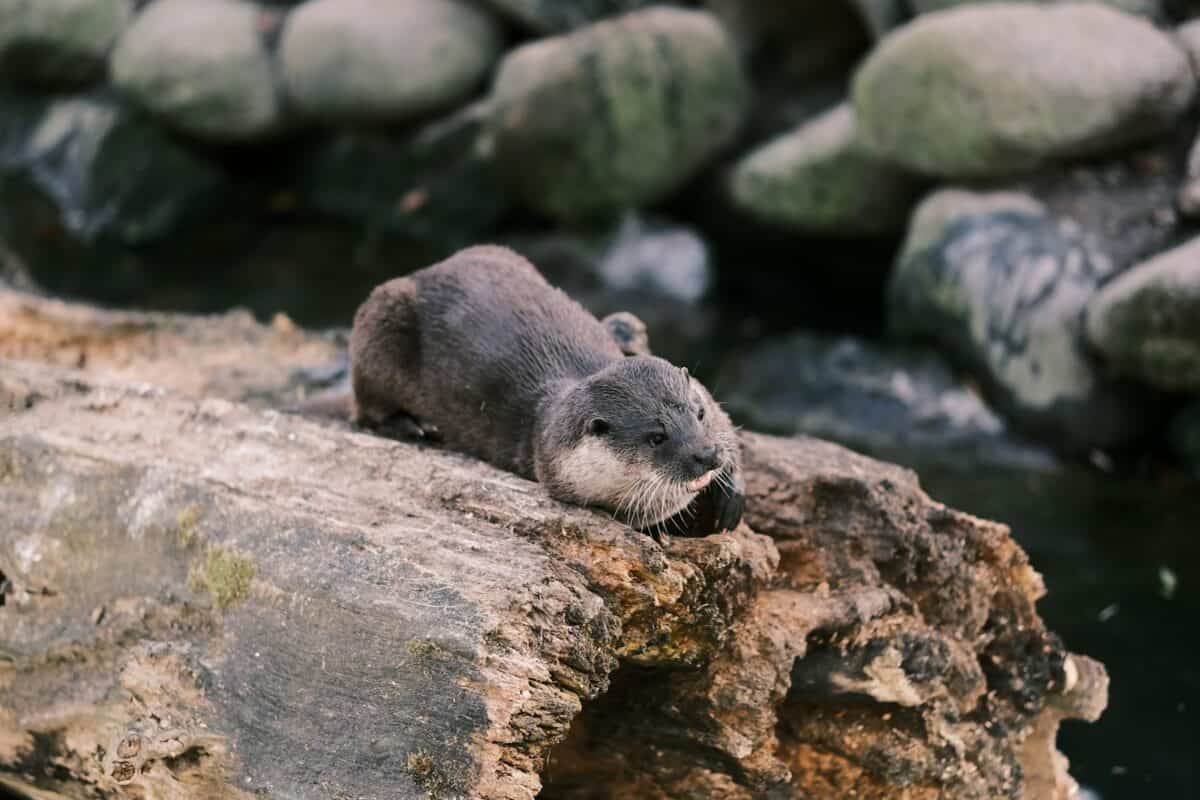
Beyond water quality improvements, active habitat restoration has supported otter recovery in many regions. Riparian (riverside) habitat restoration projects have recreated the natural vegetation and structure that otters need for denning and raising young. In the United Kingdom, the creation of artificial holts (otter dens) has provided crucial shelter in areas where natural options were limited. Perhaps most importantly, conservation efforts have increasingly focused on habitat connectivity—creating wildlife corridors that allow otters to disperse naturally across watersheds. River restoration projects that remove barriers like dams or add fish passages have been particularly beneficial. Organizations like the Wildlife Trusts in the UK have purchased and managed wetland habitats specifically to benefit otters and other aquatic species. These landscape-scale approaches recognize that successful otter conservation requires thinking beyond isolated protected areas to consider how populations can connect and interact across their range.
The Ecological Impact of Returning Otters
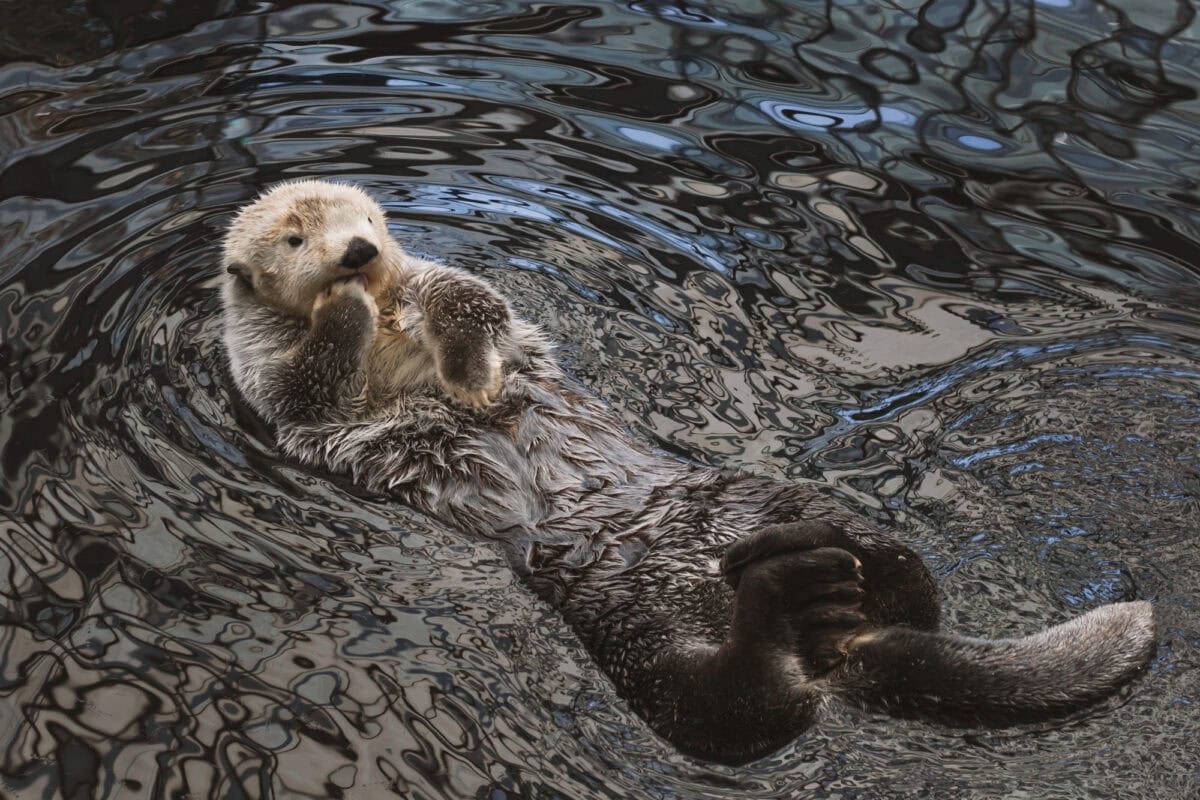
The return of otters to their native habitats has triggered cascading ecological benefits that extend far beyond the species itself. As predators, otters play a crucial regulatory role in aquatic ecosystems. Sea otters’ consumption of sea urchins prevents the formation of “urchin barrens”—areas where unchecked urchin populations have devastated kelp forests. The resulting healthy kelp ecosystems sequester carbon, reduce coastal erosion, and provide habitat for countless marine species. Freshwater otters similarly help maintain balanced fish populations and healthy aquatic communities. Research in the Pacific Northwest has shown that river otters transport marine nutrients to terrestrial environments, enhancing productivity in coastal forests. These ecological interactions highlight otters as “keystone species”—those whose impact on their ecosystem is disproportionately large compared to their abundance. The restoration of these ecological relationships demonstrates the value of conservation beyond saving a charismatic species—it’s about restoring functional ecosystems.
Public Engagement and the Otter Effect

The charismatic nature of otters has made them powerful ambassadors for conservation. Their playful behavior, expressive faces, and tool-using abilities have captured public imagination, helping to build support for broader environmental protection. Conservation organizations have leveraged this appeal through strategic communication, webcams that live-stream otter behavior, and educational programs. The Monterey Bay Aquarium’s sea otter program, for instance, not only rehabilitates orphaned sea otters but uses them as ambassadors to educate over 2 million annual visitors about marine conservation. Social media has amplified this effect, with viral videos of otters holding hands while sleeping or juggling stones generating millions of views and opportunities for conservation messaging. This public engagement has translated into tangible benefits through donations, volunteer efforts, and political support for conservation initiatives. The “otter effect” demonstrates how charismatic species can serve as gateways to broader environmental awareness and action.
Innovative Research and Monitoring Techniques

Scientific advances have significantly enhanced our ability to study and protect otter populations. DNA analysis of otter spraint (feces) now allows researchers to identify individuals, monitor population genetics, and assess diet without invasive methods. Remote cameras and environmental DNA (eDNA) techniques can detect otter presence in waterways even when the animals themselves remain elusive. Satellite tracking has revealed previously unknown aspects of otter behavior and habitat use, particularly for sea otters. The Sea Otter Savvy program in California uses innovative behavioral research to understand and mitigate the effects of human disturbance on sea otters. In the UK, the National Otter Survey has monitored recovery through standardized methods since the 1970s, creating one of the longest-running datasets on carnivore recovery. These scientific advances have improved both our understanding of otter ecology and our ability to develop effective conservation strategies, demonstrating the crucial relationship between research and conservation success.
Ongoing Challenges: The Recovery Is Incomplete

Despite significant progress, otter conservation faces substantial ongoing challenges. Road mortality has emerged as a major threat as recovering populations encounter increasing infrastructure development. Climate change poses multiple risks, including altered precipitation patterns affecting freshwater habitats and ocean acidification impacting shellfish that sea otters depend on. New pollutants, including microplastics and pharmaceutical compounds, have uncertain long-term effects on otter health. Disease threats, such as parasites and viral infections, can spread rapidly through recovering populations with limited genetic diversity. Human-wildlife conflict has also emerged in some areas, with otters occasionally raiding commercial fish farms or private ponds. In Asia, several otter species still face critical threats from poaching for the illegal pet trade and traditional medicine. These ongoing challenges highlight that conservation success is not a fixed endpoint but an ongoing process requiring sustained effort, adaptation to new threats, and continued public support.
Global Perspective: Uneven Recovery
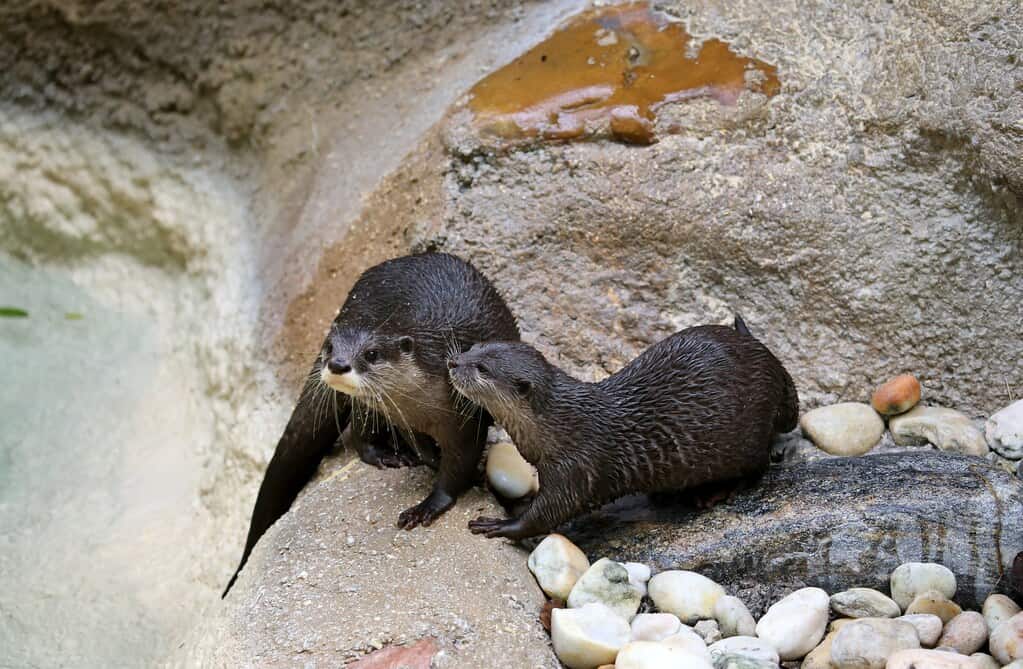
While North American and European otter populations have shown remarkable recovery, the global picture is more complex. Of the 13 otter species worldwide, the IUCN Red List classifies one as Endangered (the hairy-nosed otter), five as Vulnerable, four as Near Threatened, and only three as Least Concern. Asian otter species face particularly severe threats, with habitat loss and poaching driving continued declines. The growing exotic pet trade poses a new threat, with social media driving demand for pet otters, particularly in Japan and Southeast Asia. The small-clawed otter, despite being the most commonly kept pet otter species, is listed as Vulnerable, with populations declining across its range. These disparities highlight how conservation success often reflects regional differences in governance, enforcement capacity, economic pressures, and conservation investment. International cooperation through initiatives like the IUCN Otter Specialist Group is working to address these imbalances, but significant challenges remain in transferring successful conservation models across different cultural and economic contexts.
Community-Based Conservation Approaches
Some of the most promising recent developments in otter conservation involve local communities as active partners rather than passive recipients of conservation directives. In countries like Bangladesh and Indonesia, community-based conservation programs engage local fishers and riverside residents in monitoring and protecting otter populations. These approaches recognize that sustainable conservation must address human needs alongside wildlife protection. In the UK, the Angler’s Monitoring Initiative trains recreational fishers to monitor water quality and report otter sightings, creating a nationwide network of citizen scientists. In parts of South America, ecotourism focused on giant otters provides economic incentives for habitat protection while building local pride in wildlife. These community-based approaches tend to be more resilient and effective in the long term than top-down conservation imposed without local buy-in. They represent an evolution in conservation thinking from purely protectionist models to integrated approaches that recognize humans as part of, rather than separate from, ecological systems.
The remarkable recovery of otter populations in many regions offers valuable lessons for wildlife conservation more broadly. First, legal protection works—when hunting and trapping pressures are removed, and habitat is protected, wildlife can recover. Second, pollution control and ecosystem-wide approaches benefit multiple species simultaneously. Third, public engagement and support are crucial for long-term conservation success. Fourth, patience is essential—otter recovery has taken decades rather than years in most locations. Looking forward, otter conservation must continue to adapt to emerging threats while building on past successes. Integrated approaches that address watershed management, climate resilience, and human-wildlife coexistence will be particularly important. The otter’s comeback from the brink provides hope in an era of biodiversity crisis, demonstrating that even severely depleted species can recover with concerted conservation effort. As we face unprecedented global environmental challenges, such success stories remind us that positive change is possible and provide models for protecting the countless species that still need our help.

- The Truth About Koalas Being “Bears”—They’re Not - July 22, 2026
- The Cultural Significance of Red Pandas in Nepal and China - July 22, 2026
- How Penguins Use Pebbles as Part of Their Courtship Ritual - July 22, 2026