


Turtles have inhabited Earth’s waterways for over 200 million years, quietly playing crucial roles in maintaining healthy aquatic ecosystems. These remarkable reptiles serve as nature’s custodians of rivers, lakes, and wetlands worldwide. Despite their ecological importance, many turtle species face unprecedented threats from habitat loss, pollution, poaching, and climate change. This article explores the vital yet often overlooked ways turtles contribute to keeping our rivers clean and healthy, while highlighting why these ancient creatures desperately need our protection and conservation efforts to continue their ecological services for generations to come.
15. Nature’s Scavengers: Cleaning Decaying Matter
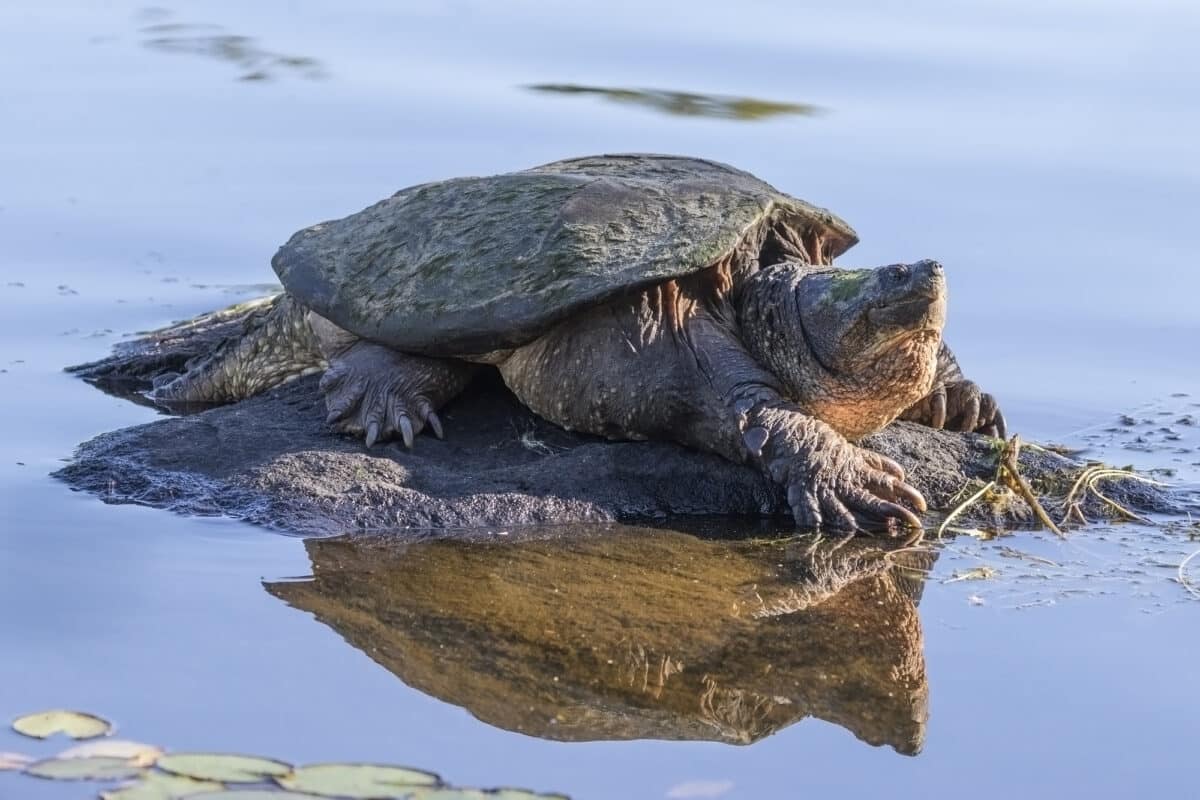
Turtles function as essential scavengers in aquatic ecosystems, consuming dead fish, amphibians, and other organic debris that would otherwise decompose and reduce water quality. Many freshwater species like snapping turtles and softshell turtles eagerly consume carrion they encounter while patrolling rivers and lakes. By removing decaying matter, turtles help prevent excessive nutrient buildup that can lead to dangerous algal blooms and oxygen depletion. Research from the University of Georgia has shown that in some ecosystems, turtles can process up to 45% of naturally occurring carrion, significantly reducing the bacterial load that would otherwise develop during decomposition processes.
14. Aquatic Vegetation Management
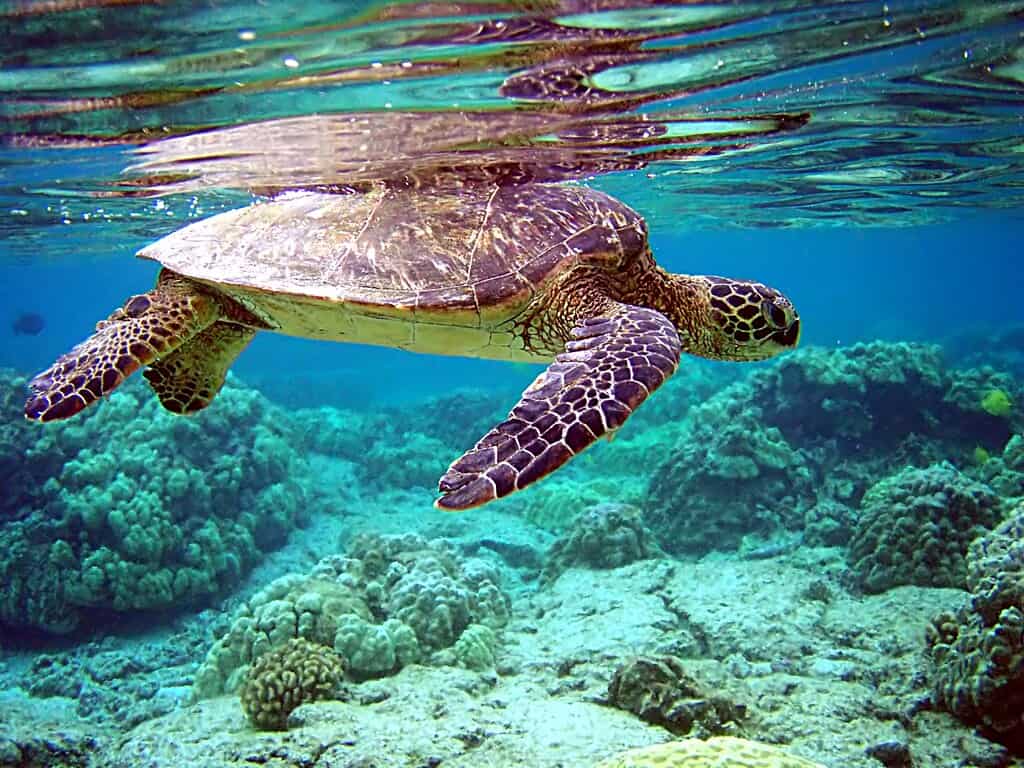
Herbivorous turtles like the red-eared slider and river cooter act as natural lawnmowers for aquatic environments. These species consume significant amounts of aquatic vegetation, preventing overgrowth that could choke waterways and disrupt water flow. By grazing on water plants, turtles maintain open channels that support proper river function and prevent stagnation. Studies have documented individual adult turtles consuming up to 2-4 pounds of vegetation weekly during active seasons. This vegetation management helps maintain diverse plant communities and prevents any single species from dominating the ecosystem, which in turn supports greater biodiversity throughout the food web.
13. Sediment Bioturbation and Aeration

As turtles move along river bottoms foraging for food, they stir up sediments in a process scientists call bioturbation. This activity has multiple benefits for water quality and ecosystem health. The disturbance prevents excessive sediment compaction, aids in nutrient cycling, and increases oxygen penetration into bottom substrates. Mud and musk turtles are particularly effective bioturbators, as they spend considerable time digging through river and lake bottoms in search of invertebrates and organic matter. Research published in the Journal of Freshwater Ecology demonstrated that areas with healthy turtle populations showed improved sediment quality and higher oxygen levels compared to similar habitats where turtles had been removed or depleted.
12. Controlling Insect Populations
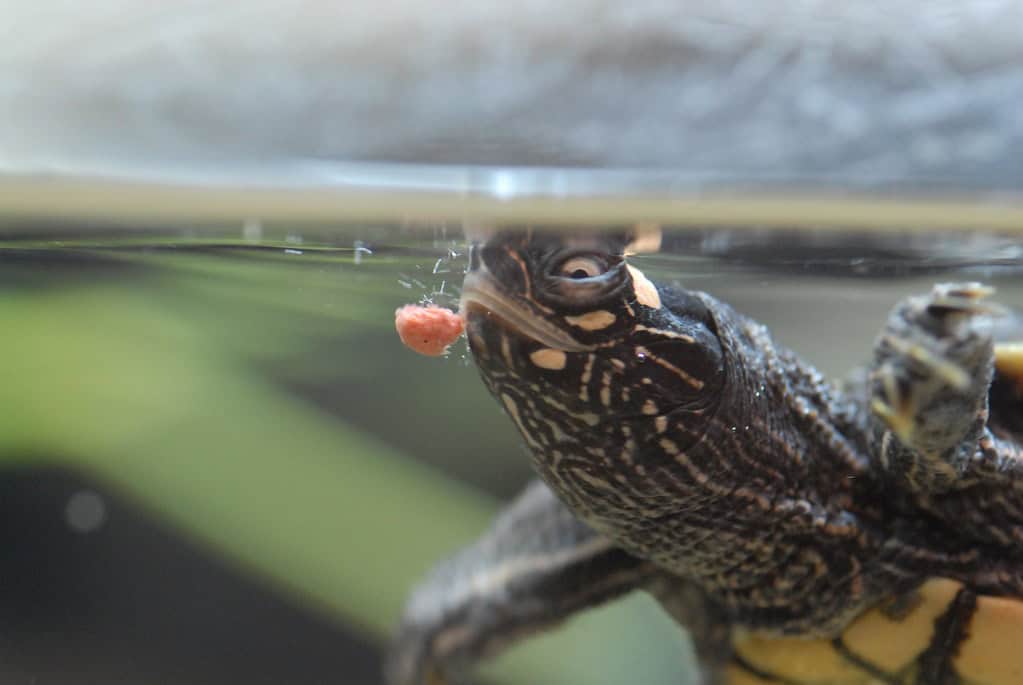
Many freshwater turtles consume aquatic insects and their larvae, including mosquitoes, which can otherwise proliferate in stagnant waters. Species like the painted turtle and map turtle regularly feed on insect larvae, helping to maintain balanced insect populations in and around waterways. This natural pest control service is particularly important in wetlands and slow-moving sections of rivers where mosquitoes and other potential disease vectors breed. A single turtle can consume hundreds of mosquito larvae daily during peak breeding seasons, providing a natural and chemical-free method of controlling these populations that might otherwise require human intervention through potentially harmful insecticides.
11. Seed Dispersal for Riparian Plants
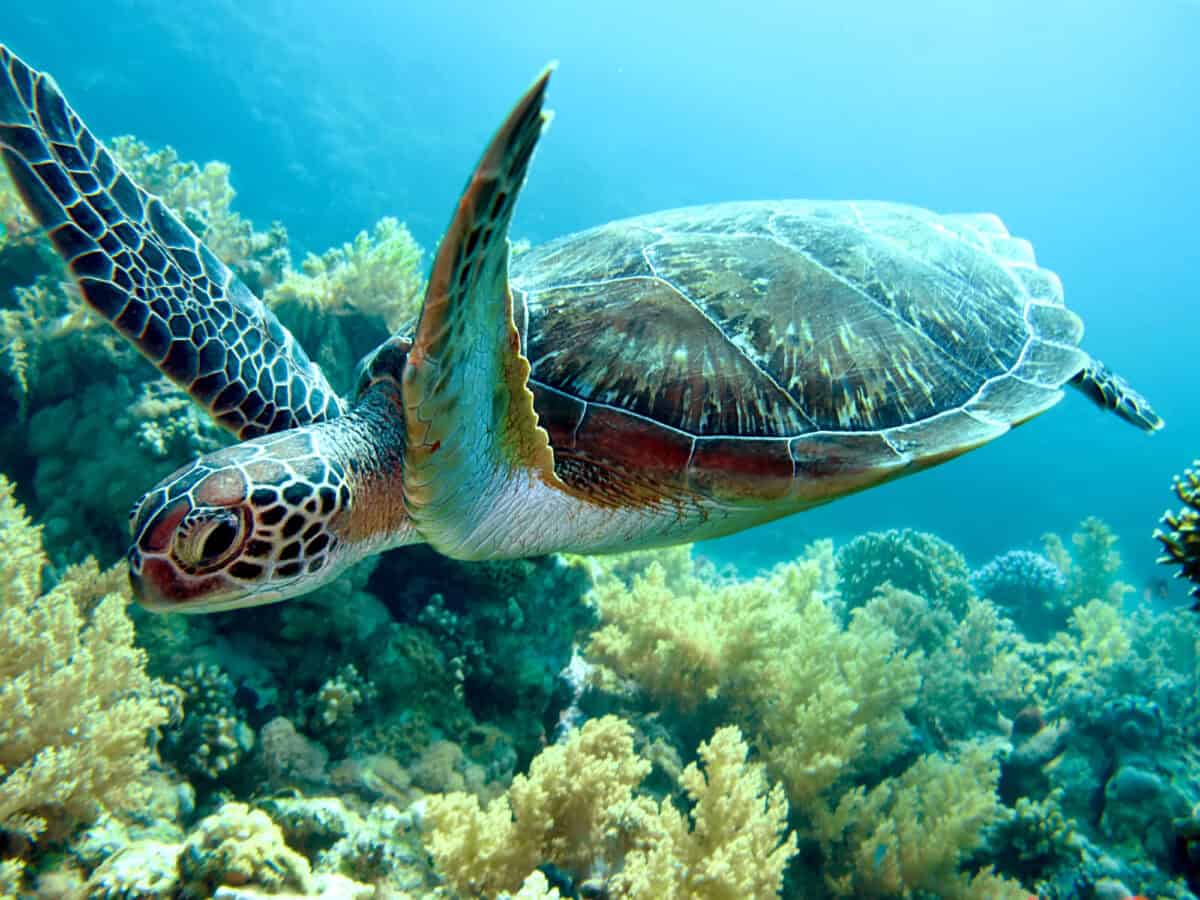
Turtles play a surprising role as seed dispersers for many riparian and aquatic plants. When turtles consume fruits and vegetation along riverbanks, the seeds pass through their digestive systems and are deposited elsewhere, often in ideal germination conditions. This process helps maintain diverse plant communities along river corridors and contributes to habitat connectivity. Research from Brazil’s Amazon basin found that river turtles disperse seeds for over 35 plant species, some of which rely heavily on turtles for their reproductive success. The relatively slow movement patterns and long gut-passage time of turtles create an ideal mechanism for effective seed dispersal within aquatic ecosystems, supporting plant diversity that further contributes to water filtration and bank stabilization.
10. Balancing Aquatic Food Webs

Turtles occupy multiple trophic levels within aquatic food webs, helping to regulate populations of various organisms from algae to small fish. This balancing act prevents any single species from dominating the ecosystem, which could otherwise lead to cascading effects that harm water quality. For example, some turtle species feed on crayfish that, if left unchecked, could overgraze on aquatic plants that filter water. A 2018 study in Ecological Applications demonstrated that the removal of turtles from experimental pond systems led to significant shifts in zooplankton and phytoplankton communities, resulting in decreased water clarity and increased algal blooms. By maintaining these intricate food web relationships, turtles help preserve the natural checks and balances that keep rivers clean.
9. Natural Water Filtration Systems

Some turtle species, particularly softshell turtles, have evolved specialized feeding mechanisms that filter small particles from water. As these turtles feed, they strain water through specialized structures in their throats, removing suspended organic matter, algae, and microorganisms. This natural filtration helps clarify water and remove excess nutrients that might otherwise contribute to water quality issues. Research from the Chinese Academy of Sciences found that areas with healthy populations of Chinese softshell turtles showed measurably clearer water compared to similar habitats where these turtles had been harvested to critically low numbers. While not as efficient as bivalve mollusks like freshwater mussels, turtles nevertheless contribute significantly to water filtration in many river systems.
8. Preventing Algal Overgrowth
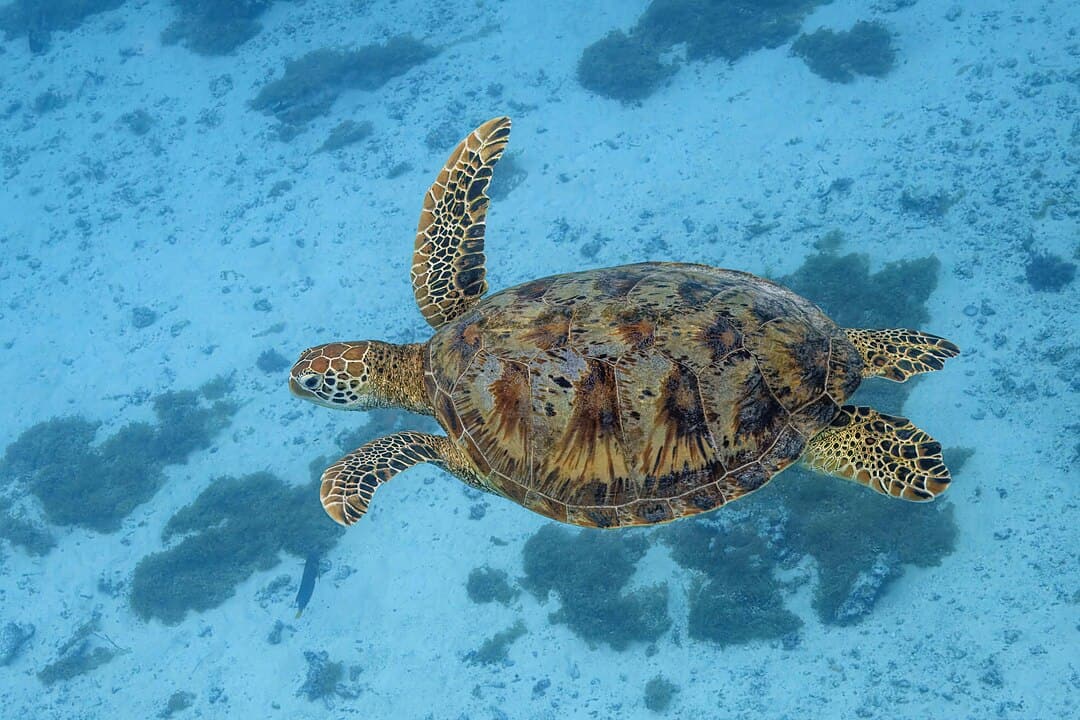
Turtles help prevent excessive algal growth in rivers and lakes through multiple mechanisms. By consuming algae directly, managing nutrient levels through scavenging, and maintaining balanced food webs that include other algae-eating organisms, turtles help prevent the destructive algal blooms that can devastate aquatic ecosystems. Slider turtles and cooters, in particular, include significant amounts of algae in their diets. A 2020 study in Freshwater Biology documented how experimental enclosures with healthy turtle populations maintained significantly lower algal biomass compared to turtle-excluded areas. This algae management is critical for maintaining oxygen levels and water clarity in river systems, especially those affected by agricultural runoff or other nutrient pollution sources.
7. Creating Habitat Complexity
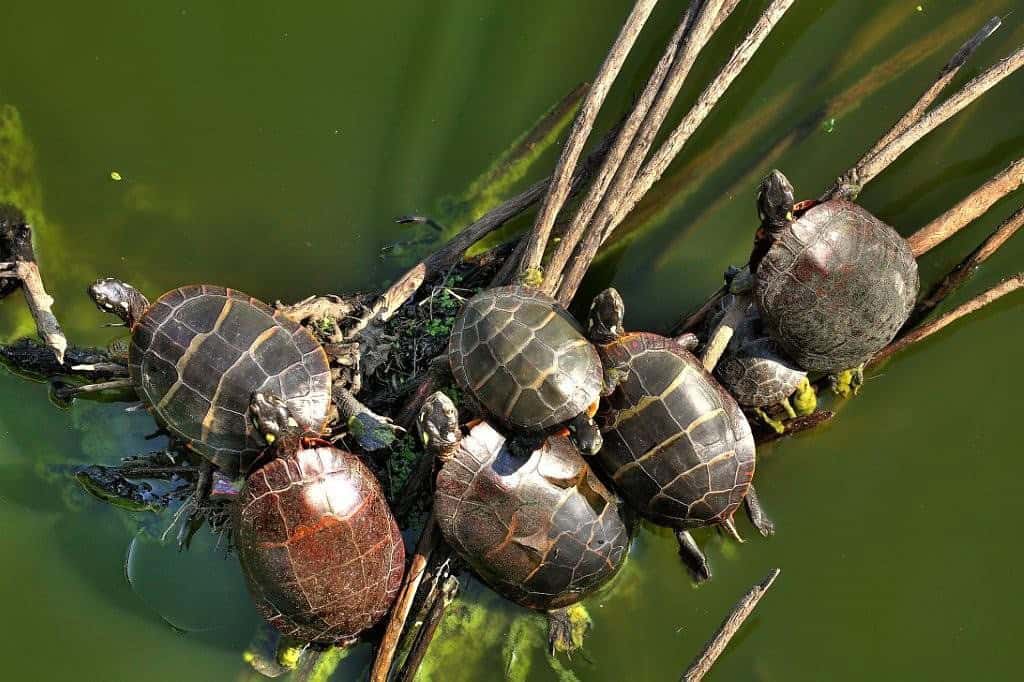
Turtles indirectly improve water quality by contributing to habitat complexity in aquatic ecosystems. As they create nesting sites, resting depressions, and feeding areas, turtles generate microhabitats that support diverse communities of beneficial organisms like aquatic invertebrates that further help filter water. Snapping turtles, for example, often create distinctive depressions in river bottoms that serve as microhabitats for various small organisms. Additionally, the shells of dead turtles persist in aquatic environments for years, providing structural habitat for algae, invertebrates, and small fish that contribute to the biological filtration capacity of the ecosystem. This increase in habitat complexity enhances the overall resilience and self-cleaning capacity of river systems.
6. Nutrient Cycling and Transfer
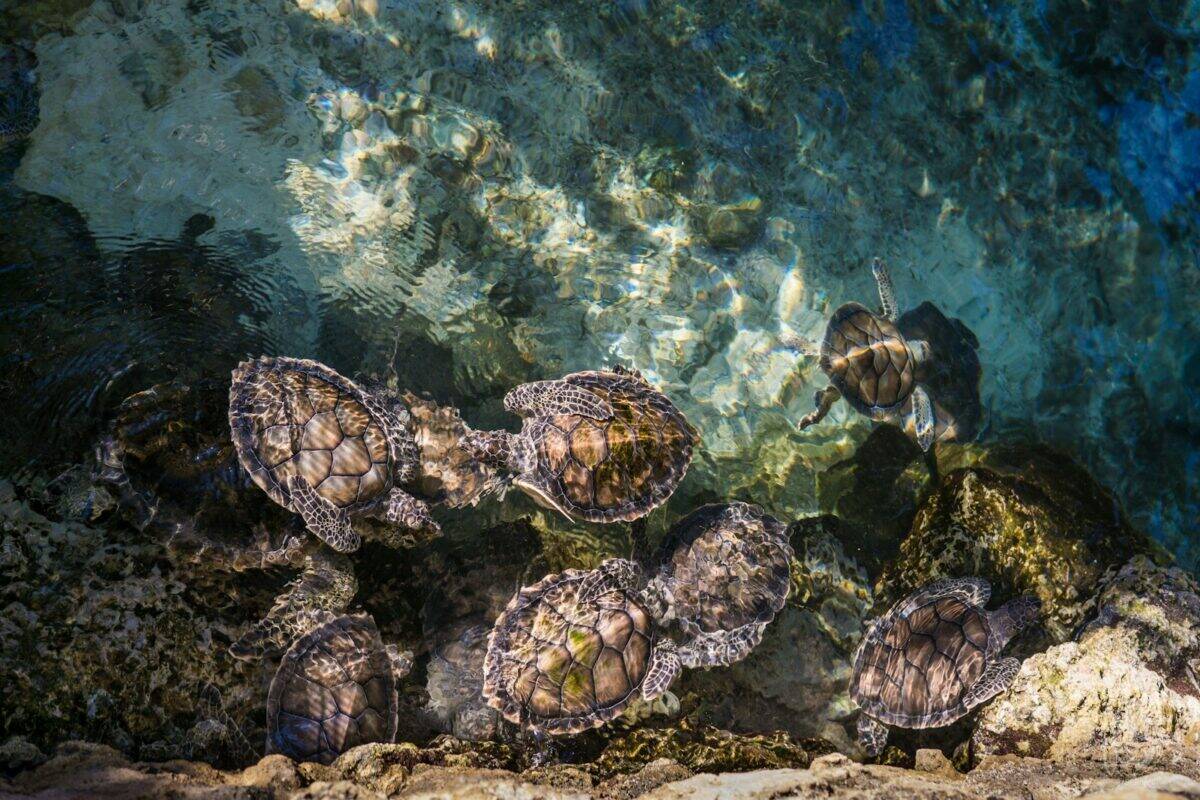
Turtles facilitate critical nutrient cycling between aquatic and terrestrial environments. When female turtles leave water to nest on land, they transfer nutrients from aquatic ecosystems to terrestrial ones. Conversely, hatchlings return nutrients to aquatic systems when they make their journey from nest to water. This bidirectional movement creates important ecological connections between rivers and their surrounding landscapes. Research published in Ecology has shown that turtle nesting areas often show distinctive vegetation patterns due to this nutrient enrichment, which can enhance the stability of riparian zones that filter runoff entering waterways. In some ecosystems, particularly those with large turtle populations, this nutrient transfer can be substantial enough to influence plant community composition along shorelines.
5. Parasite Control in Aquatic Systems

Many turtle species consume snails and other intermediate hosts for parasites that can affect fish, wildlife, and even humans. By controlling these host populations, turtles help break parasite life cycles and reduce overall parasite loads in aquatic ecosystems. This function is especially important in tropical and subtropical river systems, where parasitic diseases present significant public health concerns. Studies in Africa have documented how freshwater turtles help control populations of snails that serve as intermediate hosts for schistosomiasis, a debilitating parasitic disease affecting millions of people worldwide. While not a complete solution to parasite-related diseases, turtles represent an important component of naturally balanced systems that keep parasite populations in check.
4. Bioindicators of River Health

Turtles serve as excellent bioindicators of overall river health and water quality. Because many species are long-lived and accumulate environmental contaminants in their tissues, studying turtle populations provides valuable insights into pollution levels and ecosystem integrity. Scientists often monitor turtle health, reproduction rates, and population dynamics to assess the impacts of environmental changes on aquatic ecosystems. For example, researchers have documented correlations between turtle shell abnormalities and water pollution levels in several river systems across North America. When turtle populations thrive, it generally indicates a functioning, clean aquatic ecosystem; conversely, declining turtle health or numbers often signal broader environmental problems that require attention.
3. Preventing Bacterial Contamination

By consuming dead animals and decaying plant matter, turtles help reduce bacterial contamination in waterways. This scavenging behavior prevents the proliferation of potentially harmful bacteria like E. coli and Salmonella that can multiply in decomposing organic material. Research from Florida’s wetland systems has shown that areas with robust turtle populations maintained lower levels of certain pathogenic bacteria compared to similar habitats with fewer turtles. This benefit extends beyond wildlife health to potential human health implications, as many people use rivers for recreation and, in some regions, as water sources. Though not often recognized for this service, turtles’ continuous removal of organic waste materials represents a significant contribution to maintaining healthier bacterial communities in aquatic systems.
2. Bank Stabilization and Erosion Control
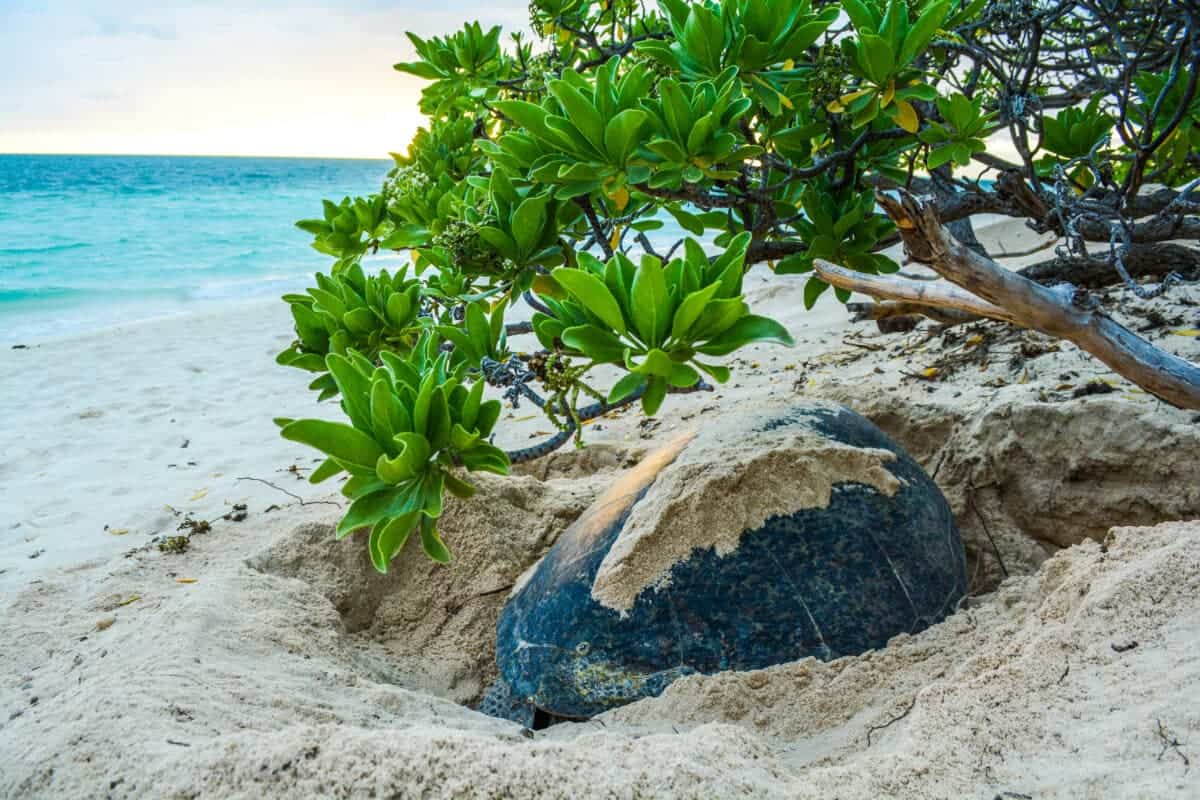
While less direct than other contributions, turtle activities along riverbanks can help stabilize shores and prevent excessive erosion. Their nesting behavior and movement patterns often promote vegetation growth that helps hold soil in place. Additionally, some species like musk turtles create burrows that, counterintuitively, can actually strengthen banks through the creation of root-like structural networks. Studies in the southeastern United States have shown correlations between healthy turtle populations and more stable riverbanks in comparable habitat types. By contributing to bank stability, turtles help prevent excessive sedimentation—a major water quality issue that can smother aquatic habitats, reduce oxygen levels, and impair the reproductive success of fish and other organisms.
1. Cultural and Educational Value

Beyond their direct ecological services, turtles provide invaluable cultural and educational benefits that inspire water conservation efforts. As charismatic and recognizable animals, turtles often serve as flagship species that motivate public interest in river health and water quality issues. Conservation programs centered around turtles frequently lead to broader protection measures for entire watersheds, benefiting countless other species and improving overall water quality. The cultural significance of turtles to many indigenous peoples around the world has also helped preserve traditional knowledge about sustainable river management practices. By capturing public imagination and concern, turtles help translate abstract concepts like “water quality” and “ecosystem health” into tangible conservation actions that benefit entire river systems.
Despite their ecological importance, freshwater turtles are among the most threatened vertebrate groups globally, with over 60% of species at risk of extinction. Habitat destruction, water pollution, climate change, road mortality, and overcollection for pet and food markets have devastated many populations. Turtles’ biological characteristics—including delayed sexual maturity and low reproductive rates—make them particularly vulnerable to these threats and slow to recover from population declines. Without concerted conservation efforts, we risk losing these ancient ecosystem engineers and the valuable water-cleaning services they provide. Supporting turtle conservation through habitat protection, pollution reduction, wildlife-friendly infrastructure, and responsible pet ownership represents an investment not just in turtles, but in the health and cleanliness of our precious freshwater resources for generations to come.

- 11 Smartest Animals on Earth and What Makes Them So Intelligent - June 22, 2026
- Why Some Birds Are Singing Louder in Urban Areas - June 22, 2026
- How Wild Horses Choose Their Leaders - June 22, 2026