
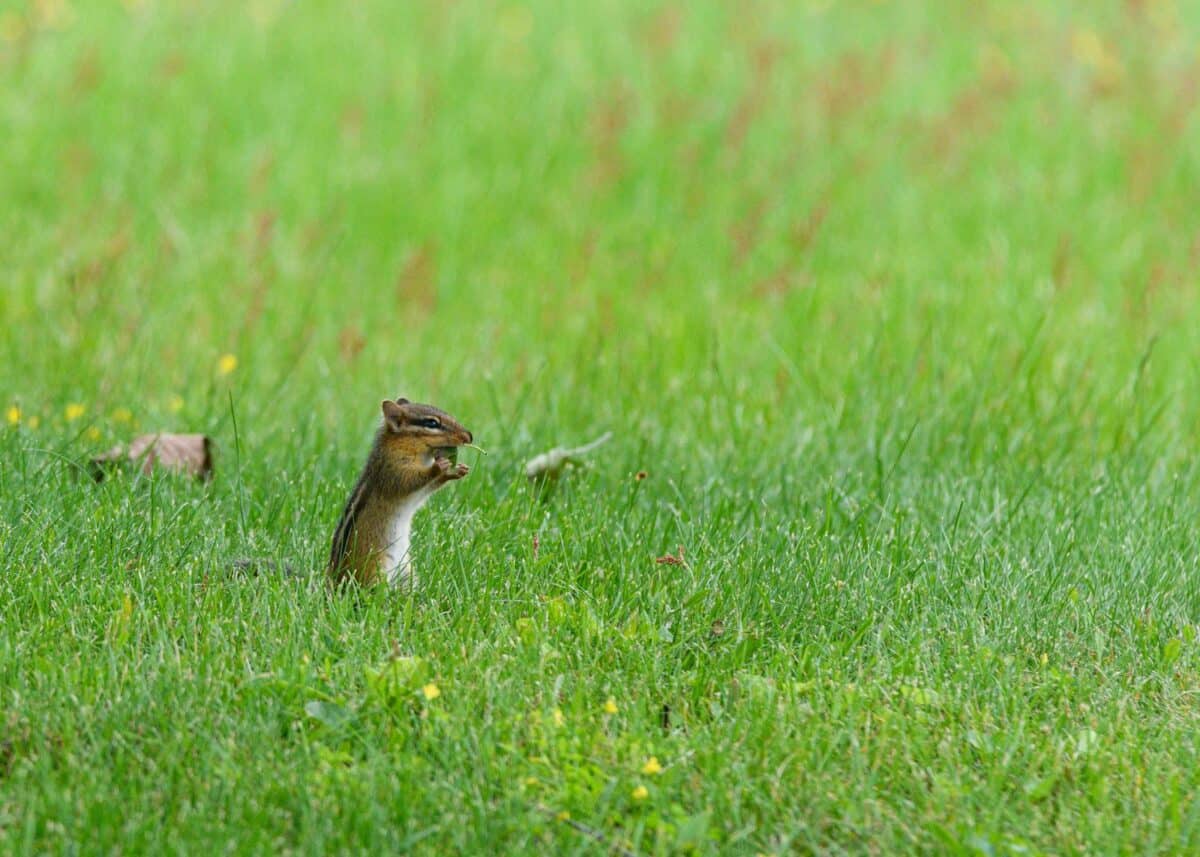
In an age where biodiversity is rapidly declining and natural habitats are disappearing at alarming rates, creating wildlife-friendly spaces has never been more important. One of the most effective ways to support local ecosystems is by growing a meadow. Unlike manicured lawns that offer little ecological value, meadows provide diverse habitats that attract and sustain a wide range of wildlife. From buzzing pollinators to ground-nesting birds, a meadow ecosystem offers food, shelter, and breeding grounds for countless species. This article explores the numerous benefits of transforming even a small portion of your property into a thriving meadow habitat, the positive impact it can have on local wildlife, and practical guidance on how to create and maintain your own wildlife meadow.
Understanding Wildlife Meadows
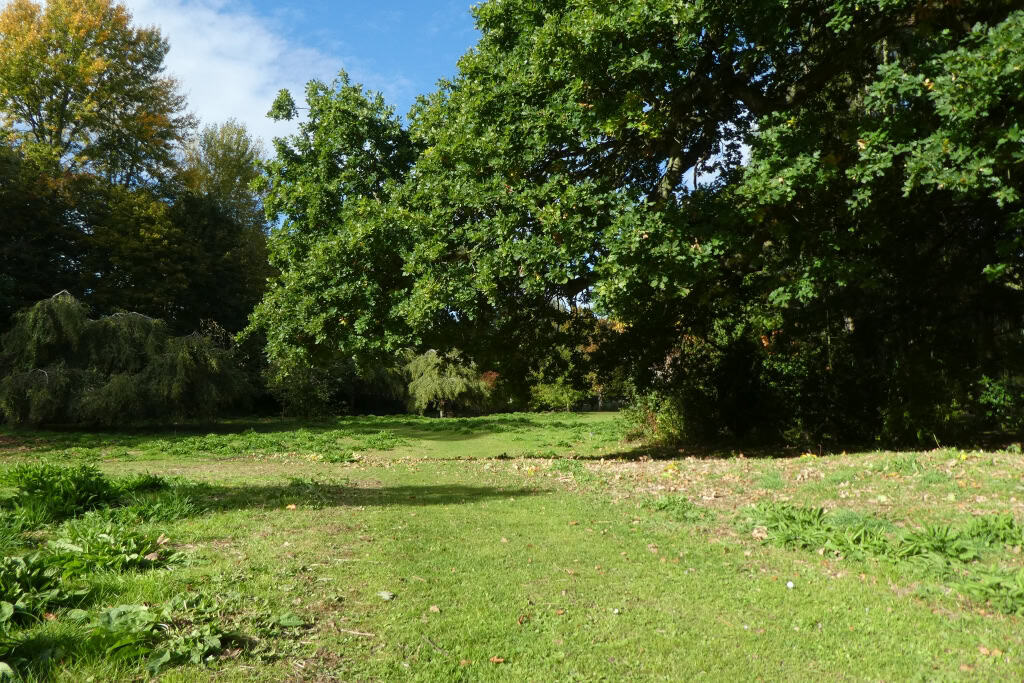
A wildlife meadow is essentially an area of land dominated by native grasses and wildflowers that’s allowed to grow somewhat naturally, with minimal intervention. Unlike traditional lawns that typically feature just one or two grass species mowed to uniform height, meadows embrace diversity and structural variety. They can range from small patches in urban gardens to sprawling acres in rural settings, but all share the common characteristic of supporting multiple plant species that, in turn, support wildlife. Traditional meadows developed over centuries through the interaction of grazing animals and native vegetation, creating complex ecosystems that modern wildlife still depends upon. By recreating these habitats, we can provide vital resources for species that have adapted to these environments over thousands of years but have lost habitat due to agricultural intensification and urban development.
Supporting Crucial Pollinators
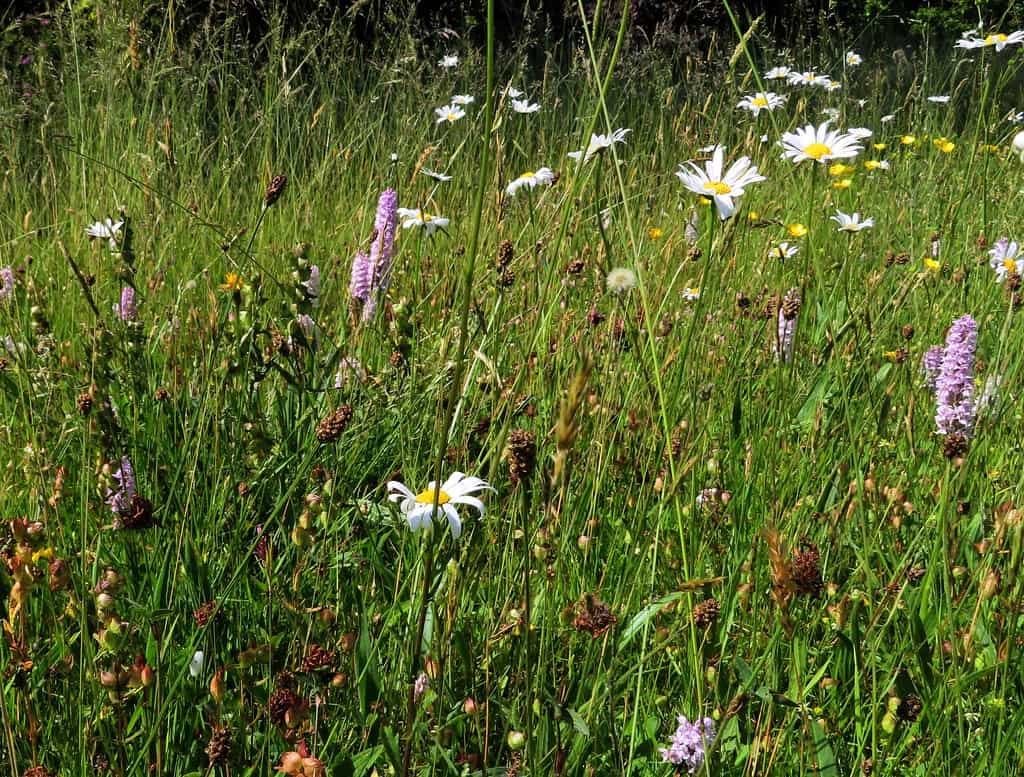
Perhaps the most celebrated benefit of meadows is their support of pollinators, including bees, butterflies, moths, and hoverflies. Research has shown that wildflower meadows can support up to 10 times more pollinators than mown grass. This is crucial considering that approximately 75% of global food crops depend at least partly on pollination. Many pollinator species are in steep decline worldwide, with some native bee populations having decreased by up to 96% in recent decades. Meadows provide these essential creatures with both nectar sources and habitat. Different wildflower species bloom at different times throughout the growing season, offering a continuous food supply from early spring through late fall. Additionally, the stems of meadow plants provide nesting sites for solitary bees, while taller grasses offer shelter for butterflies during inclement weather and places to lay eggs for many species, including the monarch butterfly, which requires milkweed specifically for its caterpillars.
Creating Habitat for Birds
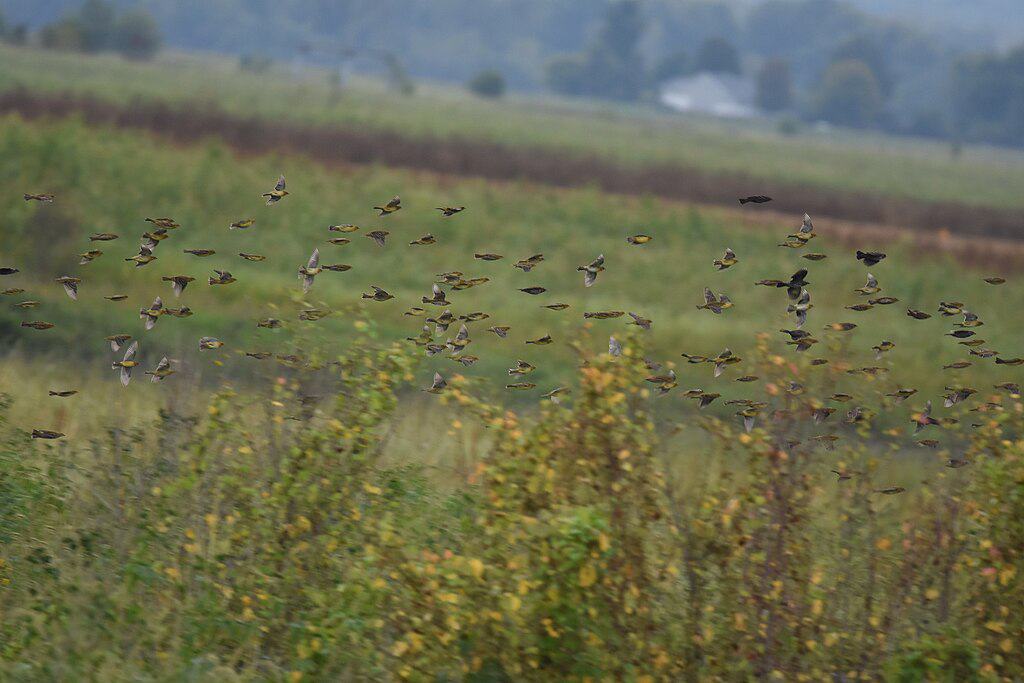
Birds benefit tremendously from meadow habitats in multiple ways. The diverse plant structure provides nesting sites for ground-nesting species like meadowlarks, bobolinks, and certain sparrows that cannot thrive in short grass. During winter, the seed heads of native grasses and wildflowers offer critical food sources when other options are scarce. Studies have shown that meadow areas can increase local bird diversity by up to 60% compared to traditional lawns. Beyond direct habitat, meadows support the insect populations that many bird species rely on for food. A single brood of chickadees, for example, requires thousands of caterpillars during the nesting period – caterpillars that depend on native meadow plants. The structural diversity of a meadow, with varying plant heights and densities, also provides protection from predators and harsh weather conditions, allowing birds to feed, rest, and raise young in relative safety throughout the year.
Supporting Small Mammals

Meadows create ideal habitat for small mammals that form the foundation of many food webs. Field mice, voles, shrews, and rabbits find both food and shelter within the complex vegetation structure of a meadow. These mammals create runways through the grass, construct underground burrow systems, and feed on seeds, fruits, and insects found throughout the habitat. Their presence, in turn, supports predators like foxes, coyotes, hawks, and owls, contributing to a balanced ecosystem. Research indicates that small mammal populations can be up to 5 times higher in meadow areas compared to regularly mowed areas. These mammals also play important ecological roles, including seed dispersal, soil aeration through burrowing, and controlling insect populations. The decomposition of their nests and waste adds nutrients to the soil, further enhancing the meadow ecosystem over time. By supporting these small mammals, meadows help maintain the health of entire food webs and ecological communities.
Attracting Beneficial Insects

Beyond pollinators, meadows attract numerous beneficial insects that provide natural pest control. Predatory insects like ladybugs, ground beetles, and lacewings find ideal hunting grounds in meadow habitats, where they feed on aphids, mites, and other garden pests. A single ladybug can consume up to 5,000 aphids in its lifetime. Parasitoid wasps, which lay their eggs inside pest insects, thrive in diverse meadow habitats and can significantly reduce pest populations naturally. Studies show that properties with meadow areas require up to 50% less pesticide use in adjacent garden areas due to the natural pest control services provided by beneficial insects. The structural complexity of a meadow also supports different life stages of these beneficial insects, providing overwintering habitat in plant stems and leaf litter. By harboring these helpful creatures, meadows create a self-regulating ecosystem that maintains balance without chemical interventions, demonstrating the principle that biodiversity creates resilience against pest outbreaks.
Soil Health and Carbon Sequestration
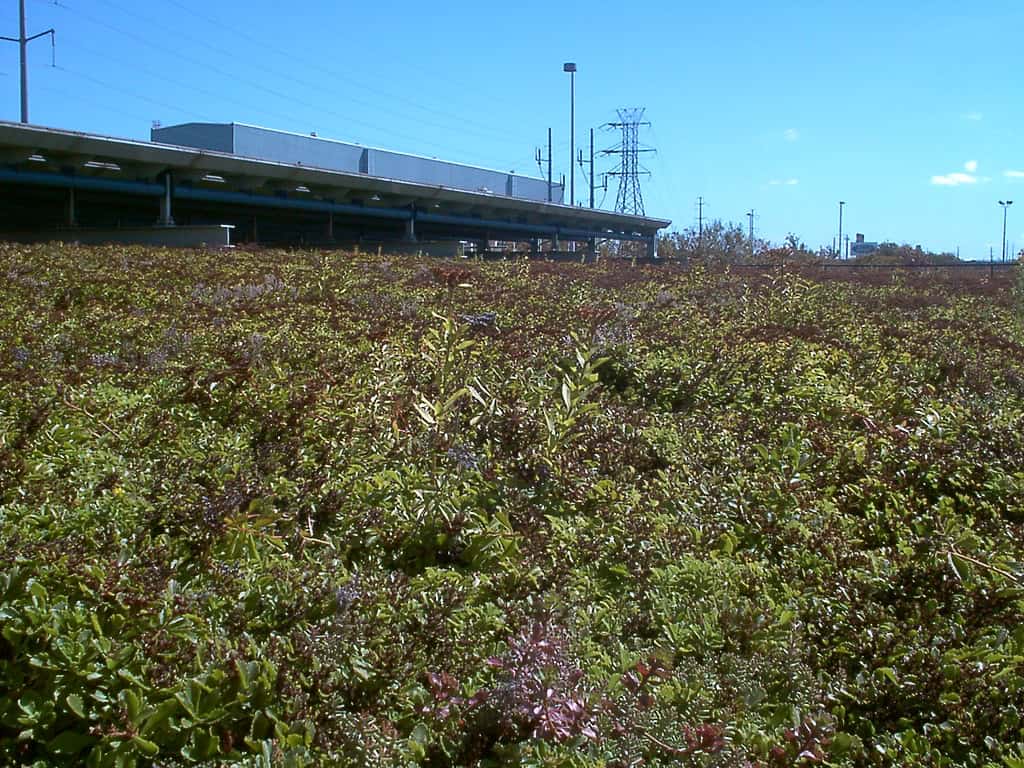
Meadows contribute significantly to soil health through their extensive root systems. Unlike lawn grasses that typically develop shallow roots, meadow plants often grow deep roots that can extend several feet into the soil. These roots break up compacted soil, improve water infiltration, and prevent erosion. As roots die and decompose, they add organic matter to the soil, increasing its carbon content and fertility. Research indicates that converting lawns to native meadows can increase soil carbon sequestration by up to 25%, helping mitigate climate change. The diverse plant community in meadows supports equally diverse soil microbiomes, with greater numbers of beneficial fungi, bacteria, and other microorganisms that cycle nutrients and support plant health. These improved soil conditions increase the land’s resilience to both drought and flooding events by enhancing water absorption and retention capacities. The reduced need for fertilizers in meadow areas also prevents nutrient runoff that can contaminate water bodies, making meadows an environmentally responsible landscape choice.
Water Conservation and Management
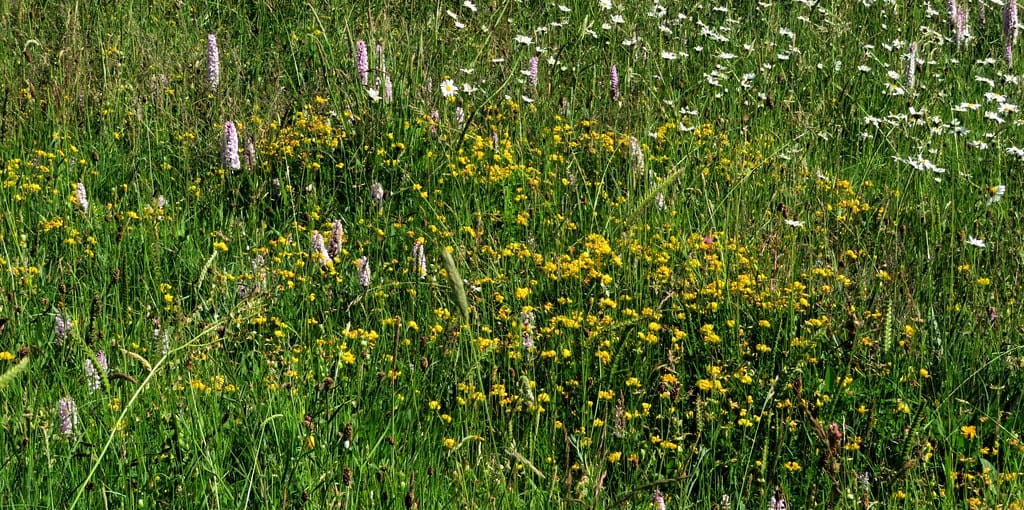
Meadows excel at water management, offering solutions to both drought and flooding concerns. Once established, native meadow plants typically require no supplemental irrigation, having adapted to local rainfall patterns over thousands of years. This can reduce water usage by up to 90% compared to traditional lawns. During heavy rain events, meadow vegetation and root systems slow water movement across the landscape, increasing absorption and reducing runoff that contributes to flooding. Studies show that meadow areas can absorb up to 7 times more rainfall than turf grass areas of the same size. The increased organic matter in meadow soils acts like a sponge, holding moisture during dry periods and releasing it slowly to plants. This improved water retention can reduce irrigation needs in nearby garden areas as well. By capturing rainwater where it falls, meadows help recharge groundwater supplies and filter pollutants before water enters streams and rivers. In urban and suburban settings, strategically placed meadow areas can be particularly effective components of sustainable stormwater management systems.
Reducing Maintenance and Environmental Impact

Converting even a portion of a lawn to meadow significantly reduces the environmental footprint of property maintenance. Traditional lawn care in America consumes nearly 800 million gallons of gasoline annually through mowing alone, with each gas-powered mower producing as much air pollution in one hour as 11 cars. Meadows typically require mowing just once annually, reducing both fuel consumption and air pollution. They also eliminate the need for synthetic fertilizers, which require substantial energy to produce and can contaminate waterways. Pesticide use drops dramatically as well, protecting beneficial insects and the wildlife that feeds on them. The time commitment for meadow maintenance averages 80% less than that required for traditional lawns, freeing property owners from constant mowing schedules. While meadows do require some management to prevent woody plant encroachment and control invasive species, this maintenance is minimal compared to weekly lawn care regimes. For many homeowners, this combination of environmental benefits and reduced maintenance makes meadows an increasingly attractive landscaping option.
Creating Aesthetic Value and Human Well-being
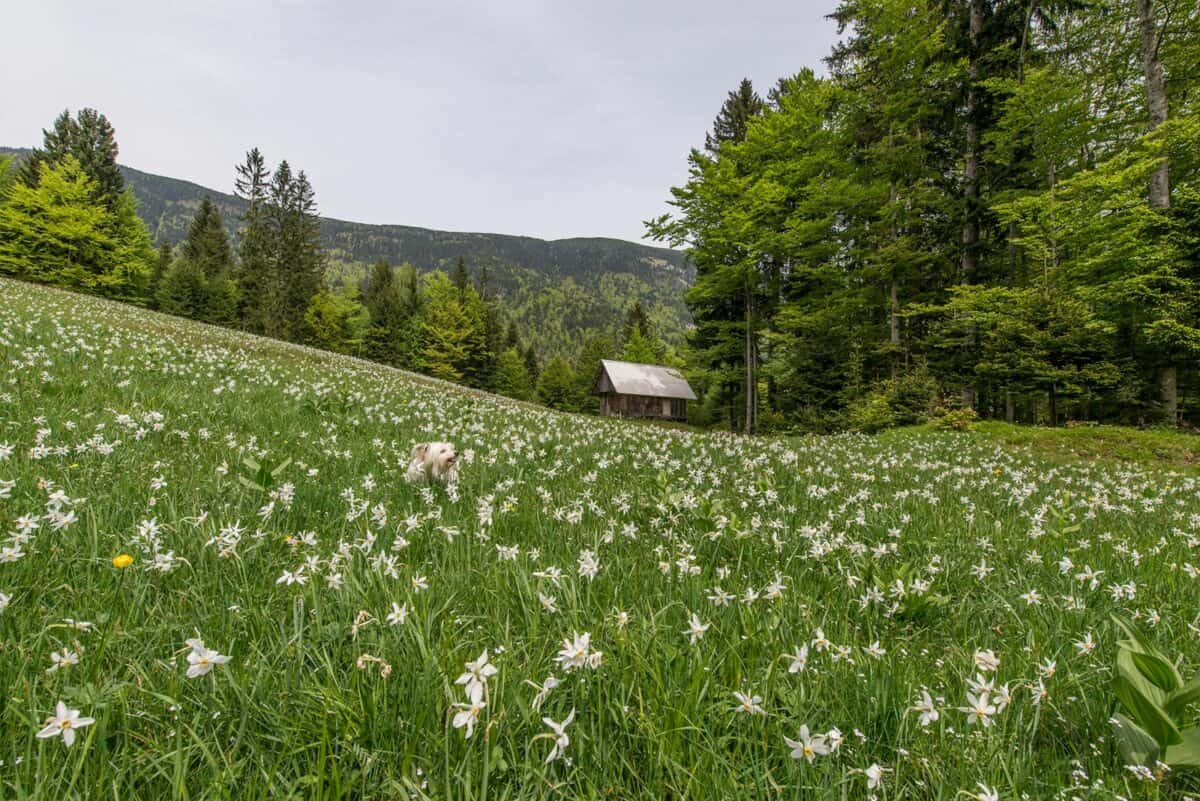
Beyond their ecological benefits, meadows offer aesthetic and psychological advantages for people. Throughout the growing season, meadows present an ever-changing tapestry of colors, textures, and movements as different plants bloom and sway in the breeze. This dynamic quality creates visual interest far exceeding that of uniform lawns. Research in environmental psychology suggests that exposure to biodiverse landscapes like meadows reduces stress and improves mental well-being more effectively than manicured environments. The sensory experience of meadows—including the sounds of buzzing insects and birdsong, the scents of blooming flowers, and the visual stimulation of diverse plant forms—engages people more fully with nature. Educational opportunities abound as well, with meadows serving as living classrooms for learning about native plants, ecological relationships, and seasonal changes. For properties with children, meadows create spaces for exploration and discovery that foster connection with the natural world. Many people report that watching butterflies, birds, and other wildlife visiting their meadow becomes a source of daily joy and connection to the natural rhythms of their local ecosystem.
Getting Started: Site Selection and Preparation
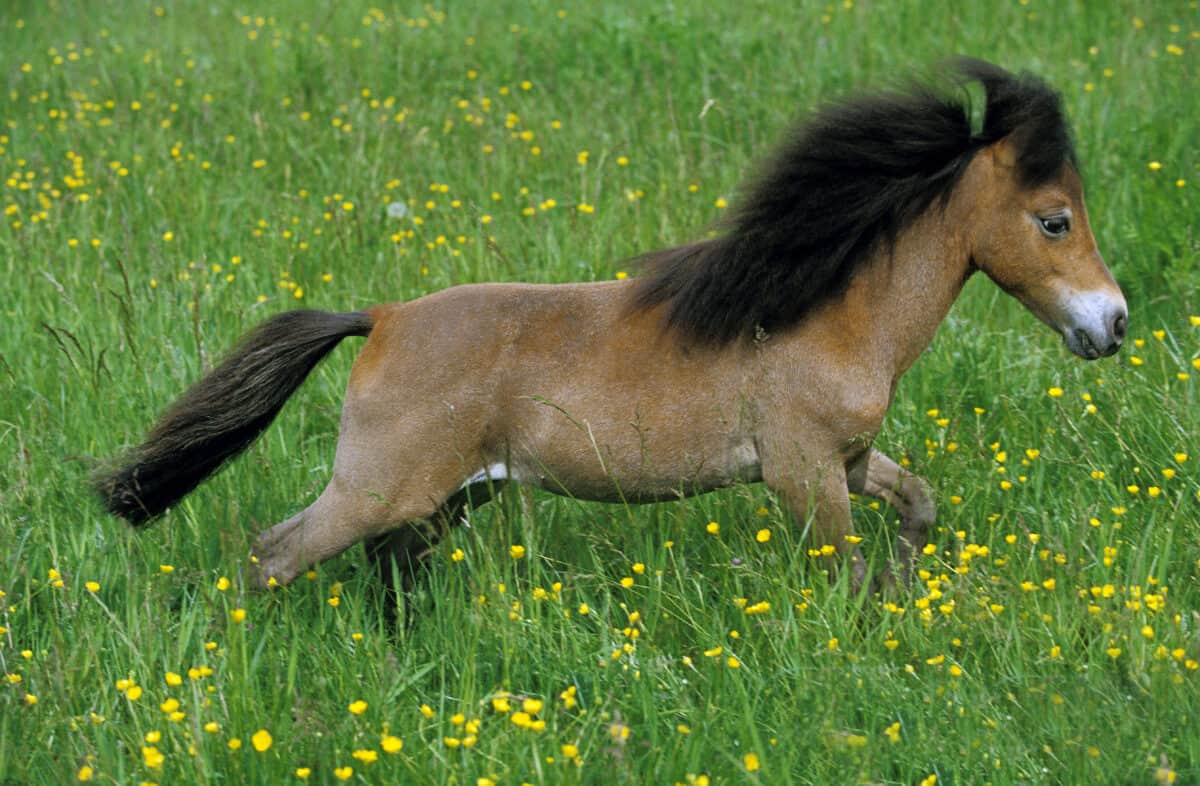
Creating a successful wildlife meadow begins with thoughtful site selection and preparation. Ideal locations receive at least 6 hours of sunlight daily, though some meadow plant communities can thrive in partial shade. When selecting a site, consider visibility from windows and outdoor living spaces to maximize enjoyment of wildlife visits. Soil testing is recommended to understand existing conditions, though native meadow plants generally adapt to a wide range of soil types. The most critical preparation step is removing existing vegetation, particularly aggressive grasses that would otherwise outcompete wildflower seedlings. For small areas, this can be done by removing the top layer of sod or using sheet mulching techniques where cardboard covered with compost smothers existing vegetation over several months. Larger areas may require solarization using clear plastic during hot months or carefully timed herbicide application if other methods aren’t feasible. Preparing the site thoroughly before planting significantly increases success rates and reduces future maintenance needs. For the most natural appearance and ecological benefit, consider the topography of your site and create slight variations in the ground level to create microhabitats that support greater biodiversity.
Selecting the Right Plants for Your Meadow
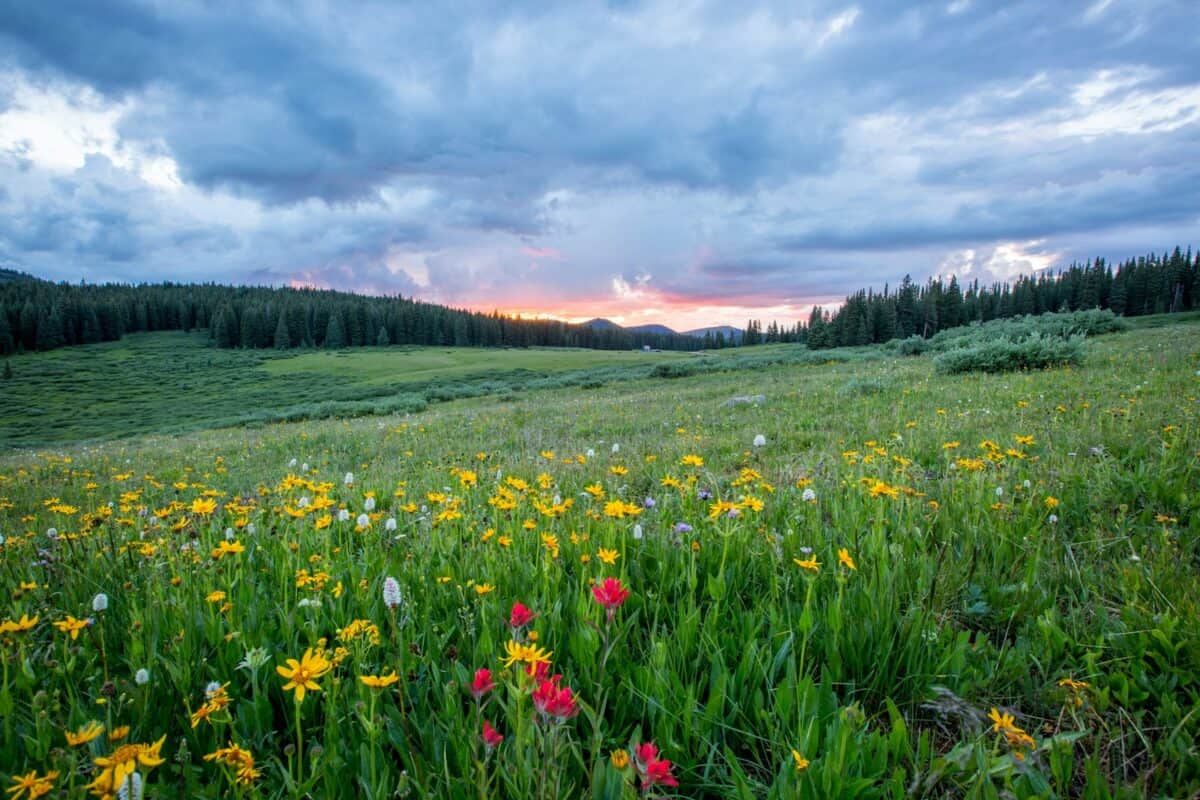
Plant selection is perhaps the most important factor in creating a successful wildlife meadow. Native plants should comprise at least 70% of your meadow, as these species have co-evolved with local wildlife and are best adapted to regional growing conditions. Research shows that native plants support up to 4 times more insect species than non-natives, creating the foundation for diverse food webs. When selecting plants, aim for diversity in several dimensions: bloom time (to provide continuous nectar sources throughout the growing season), plant height (to create structural variety), root depth (for soil health), and plant family (to support different specialist insects). A well-designed meadow typically includes 60-70% native grasses and sedges, which provide structure and habitat, with 30-40% flowering forbs (non-woody broadleaf plants) for color and nectar. Regional native plant societies, extension offices, and specialized nurseries can help identify appropriate species for your specific location. For areas with specific wildlife goals, certain plants are particularly valuable—milkweed for monarchs, native bunch grasses for ground-nesting birds, or asters and goldenrods for late-season pollinators. Sourcing seeds and plants from nurseries specializing in local ecotypes ensures the best adaptation to your specific growing conditions.
Maintaining Your Wildlife Meadow
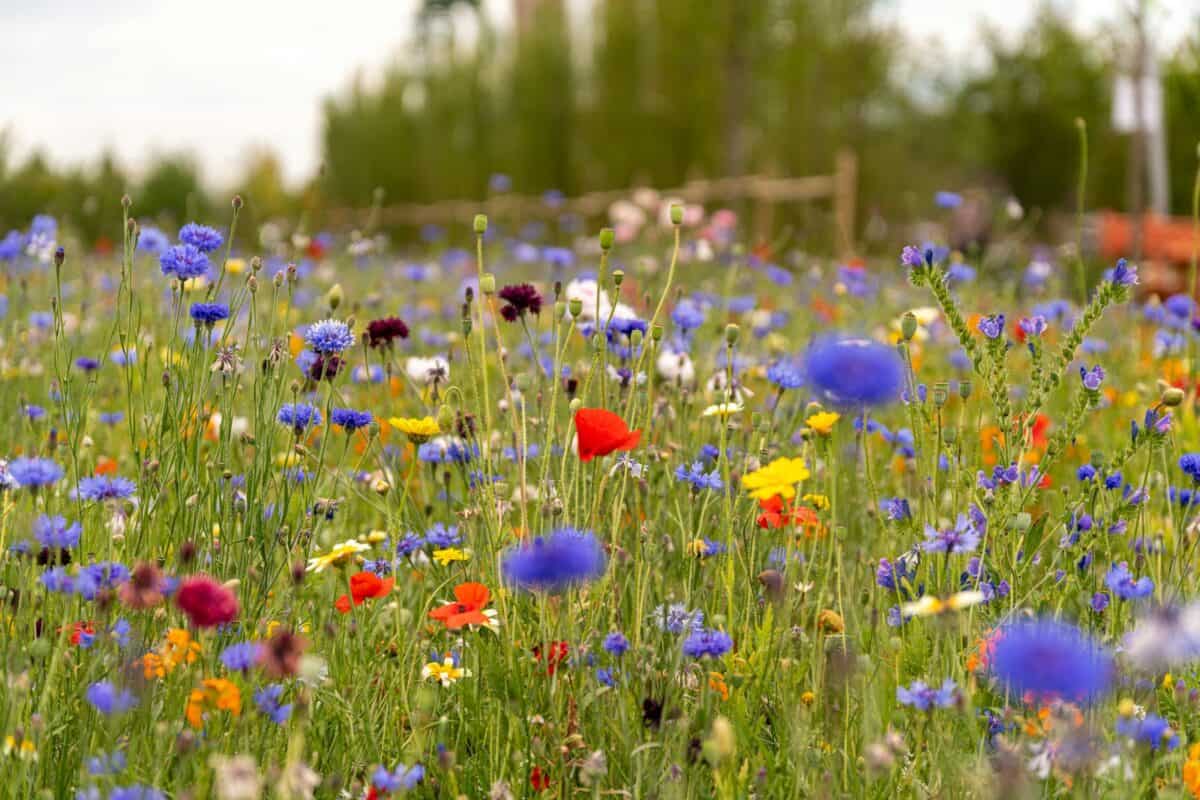
Wildlife Meadow. Image by Openverse.
Proper maintenance ensures your meadow remains a wildlife haven rather than transitioning to shrubland or becoming dominated by invasive species. During the establishment phase (typically the first two years), regular weeding to remove aggressive non-meadow species is essential. Watering may be necessary during this period if rainfall is insufficient, though once established, native meadows rarely require irrigation. The primary long-term maintenance task is annual or biennial mowing, typically performed in late winter or early spring before ground-nesting birds begin breeding activities. This timing allows wildlife to utilize seed heads and plant structures throughout winter while preventing woody plant encroachment. The recommended mowing height is 6-8 inches, which removes dead vegetation while preserving overwintering insects and plant crowns. Rather than removing cut material, allowing it to remain on site returns nutrients to the soil. Some meadow managers adopt a sectional approach, mowing only one-third or one-half of the area each year to ensure continuous habitat availability. Occasional spot-treatment of invasive species may be necessary, but overall, a well-established meadow requires minimal intervention. With proper care, meadows become increasingly diverse and resilient over time as they develop complex soil ecology and seed banks.
Conclusion: A Small Investment with Big Returns
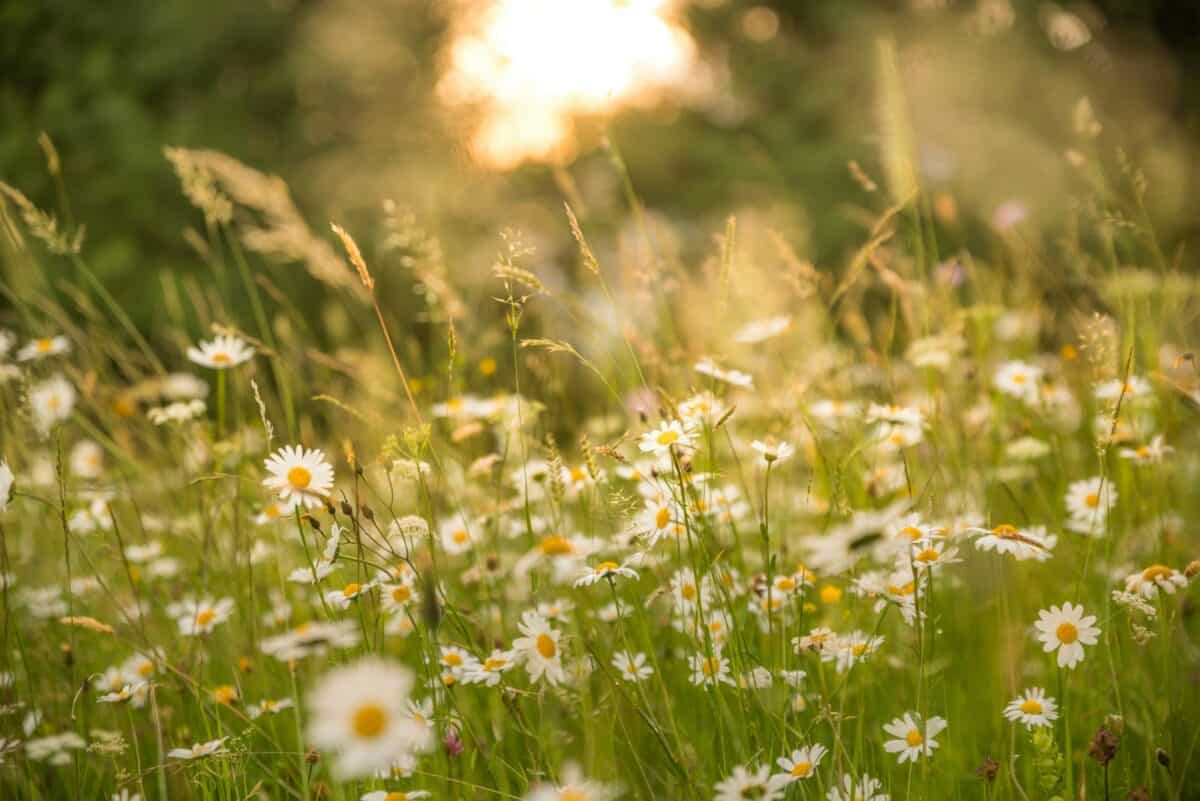
Converting even a portion of your property to a wildlife meadow represents one of the most impactful conservation actions available to individual landowners. The ecological benefits extend far beyond property boundaries as meadows serve as stepping stones and corridors for wildlife moving through fragmented landscapes. By supporting pollinators, birds, beneficial insects, and small mammals, meadows strengthen entire ecosystems and improve resilience against climate change and other environmental challenges. The reduced maintenance requirements translate to time and resource savings while simultaneously decreasing environmental impacts from mowing, fertilizing, and watering. Perhaps most importantly, meadows reconnect people with natural processes and seasonal changes, fostering a deeper appreciation for biodiversity and ecological relationships. As our understanding of ecosystem services grows, the value of these wildlife habitats becomes increasingly clear – not just for the creatures they support, but for the human communities that benefit from improved environmental quality and the joy that comes from stewarding thriving natural spaces.

- What to Do If You Encounter a Bear (And What NOT to Do) - July 23, 2026
- Could the Great Plains Could Welcome Elephants by 2035? - July 23, 2026
- 9 Bizarre Sea Creatures Found Off the Oregon Coastline - July 23, 2026