


America’s national parks preserve some of the most pristine wilderness areas in the country, providing sanctuary for diverse wildlife—including magnificent predators that once roamed freely across the continent. From elusive wolves to mighty grizzly bears, these apex predators play crucial roles in maintaining healthy ecosystems. For wildlife enthusiasts, catching a glimpse of these powerful hunters in their natural habitat can be the highlight of any national park visit. This article explores 15 national parks where your chances of observing predators in the wild are significantly higher, along with tips for responsible wildlife viewing and safety precautions to ensure both your protection and the welfare of these remarkable animals.
Yellowstone National Park Wolf and Bear Country

Yellowstone National Park stands as the premier destination for predator viewing in the United States. The reintroduction of gray wolves in 1995 created one of the most successful wildlife conservation stories in history. Today, approximately 90-100 wolves roam the park in about 8-9 packs, primarily in the Lamar Valley, often called “America’s Serengeti.” Early mornings and evenings in the Lamar and Hayden Valleys offer the best opportunities for wolf sightings. Additionally, Yellowstone houses both grizzly and black bears, with a population of around 700-800 bears throughout the Greater Yellowstone Ecosystem. Dawn and dusk provide optimal viewing times, particularly in spring when bears emerge from hibernation and feed in open meadows. The park’s coyotes, red foxes, and mountain lions further cement its status as predator paradise, though mountain lions remain exceptionally elusive.
Grand Teton National Park Predators with a View
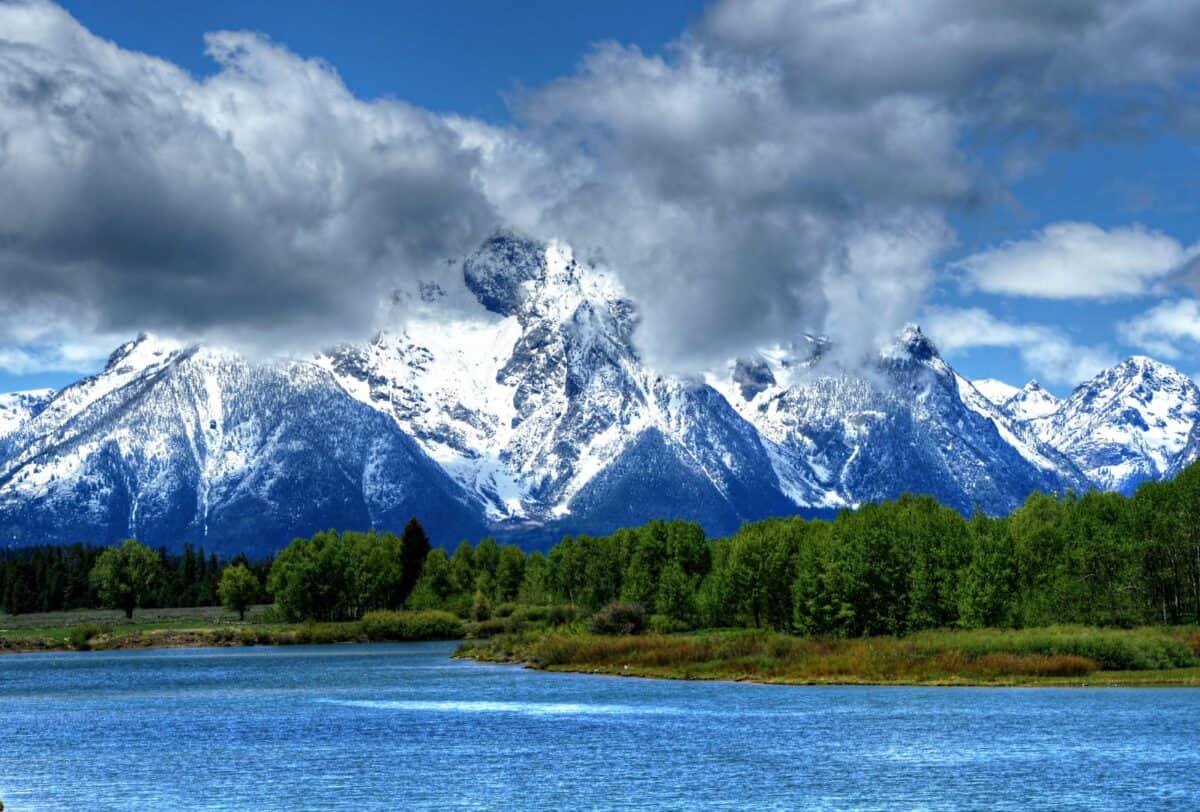
Adjacent to Yellowstone, Grand Teton National Park offers spectacular opportunities to view predators against the backdrop of the magnificent Teton Range. The park shares much of its wildlife with Yellowstone, including grizzly bears, black bears, wolves, and mountain lions. Grizzlies frequently appear in sage flats and meadows during spring and early summer, particularly in the Willow Flats area near Jackson Lake Lodge and along Oxbow Bend. Wolves, while present in smaller numbers than Yellowstone, can occasionally be spotted in the northern sections of the park. Coyotes are ubiquitous throughout Grand Teton, often hunting in open grasslands during morning and evening hours. The park’s river otters provide a different kind of predator viewing experience—these playful mammals can be observed fishing along the Snake River and at Oxbow Bend, demonstrating remarkable aquatic hunting skills.
Denali National Park Alaska’s Predator Showcase

Denali National Park’s vast wilderness encompasses six million acres of untamed Alaska, providing crucial habitat for a complete suite of North American predators. Unlike most parks, Denali maintains healthy populations of all native carnivores, including wolves, grizzly bears, black bears, wolverines, lynx, and red foxes. The park’s limited road system means wildlife viewing often happens from the park shuttle buses that traverse the 92-mile Denali Park Road. Open tundra landscapes improve visibility, with many visitors spotting grizzlies digging for roots or hunting caribou. Wolf sightings, while less predictable than in Yellowstone, still occur regularly, with approximately 70-90 wolves living in about 10 packs throughout the park. Wolverines—perhaps the most elusive large predator in North America—are occasionally spotted crossing the park road or scavenging on carcasses. Denali’s wildlife viewing is most productive in summer months when extended daylight hours maximize opportunities.
Olympic National Park Coastal and Forest Predators
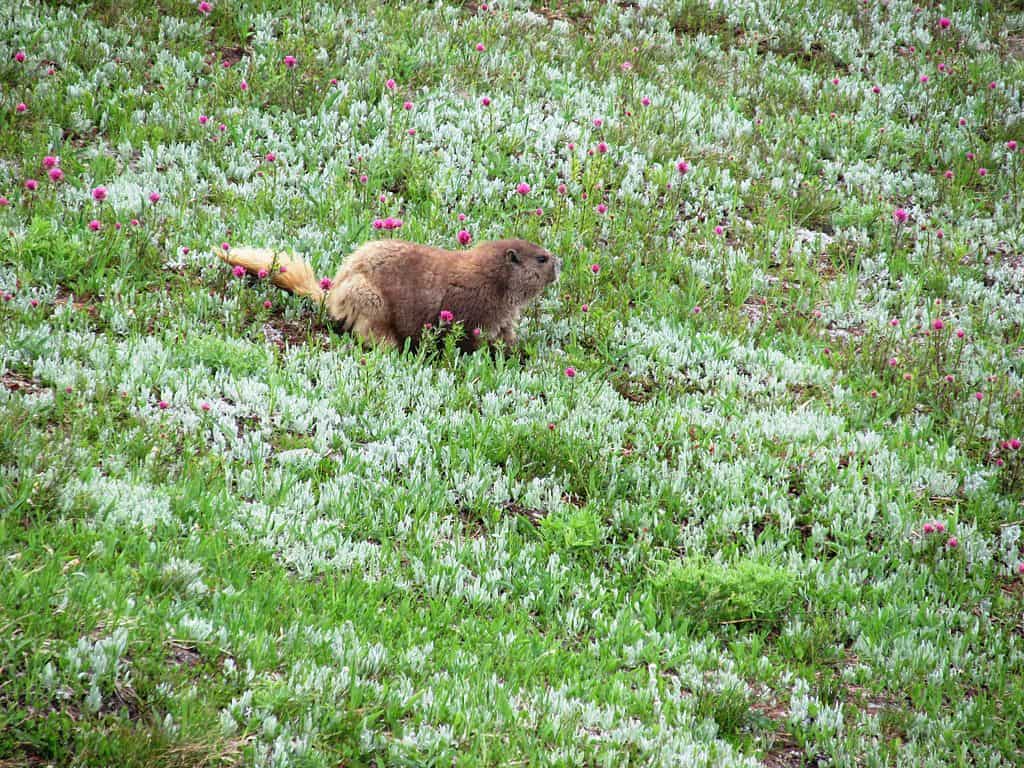
Olympic National Park offers a unique predator-viewing experience across its remarkably diverse ecosystems, from coastal tidepools to temperate rainforests and alpine meadows. Along the Pacific coastline, visitors can observe river otters hunting in tidepools and occasionally spot sea lions patrolling offshore waters. Within the park’s famous temperate rainforests, bobcats and black bears thrive, though dense vegetation makes sightings challenging. The most reliable predator encounters typically occur along the park’s coastal sections and in subalpine meadows during summer months. Black bears are frequently spotted feeding on berries in open areas near Hurricane Ridge and along the Hoh River Trail. Coyotes have expanded their range in the park following wolf extirpation, becoming the dominant canid predator. While rarely seen, Olympic National Park also harbors a small population of mountain lions, though encounters with these stealthy cats remain extremely uncommon. The park’s lack of grizzly bears and wolves makes it an excellent option for visitors more comfortable viewing less intimidating predators.
Katmai National Park Brown Bear Spectacle
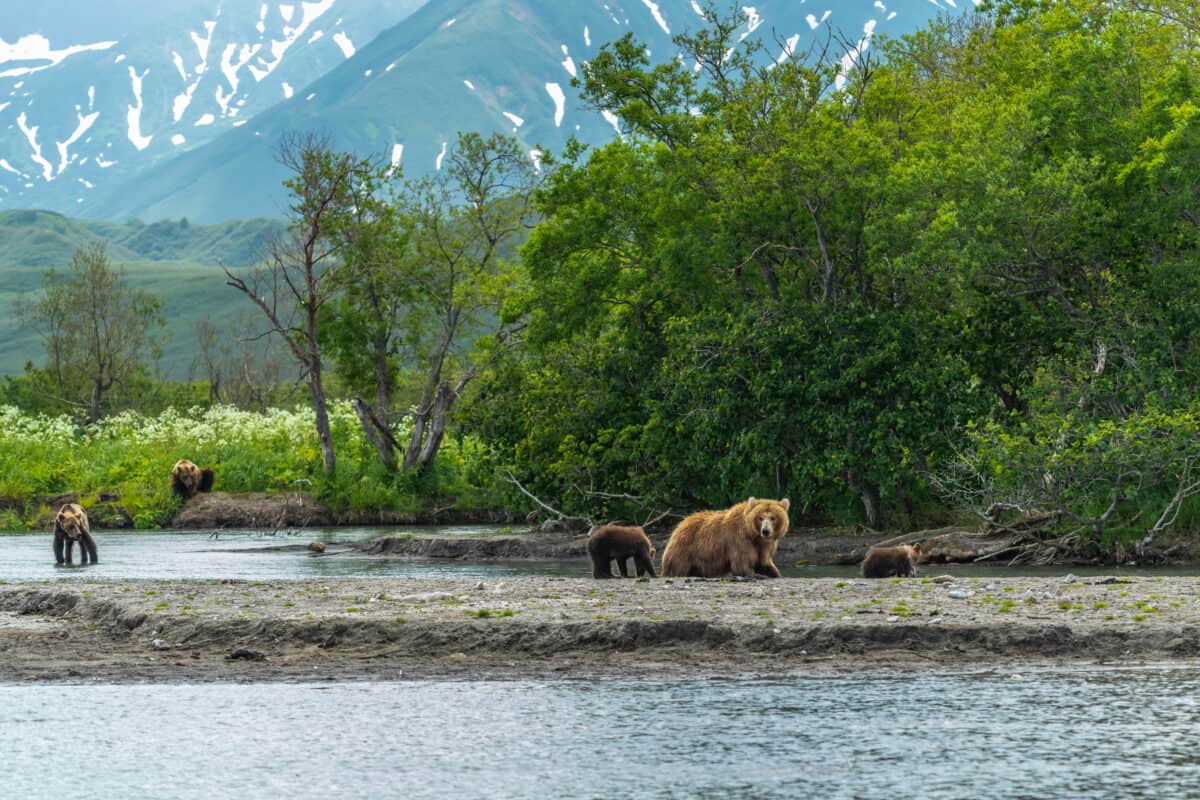
Katmai National Park in Alaska offers perhaps the most reliable bear viewing in the world, with over 2,200 brown bears calling the park home. The famous Brooks Falls provides an unparalleled wildlife spectacle from June through September, when dozens of massive brown bears gather to feast on migrating salmon. Visitors can safely observe from elevated platforms as bears employ various fishing techniques, from patiently waiting at the falls to actively chasing salmon in shallower waters. Cubs learn hunting skills from their mothers, creating memorable wildlife encounters even for experienced nature enthusiasts. Beyond Brooks Falls, the park’s Valley of Ten Thousand Smokes and coastal areas provide additional bear viewing opportunities. While brown bears dominate the predator scene at Katmai, the park also houses wolverines, river otters, lynx, and red foxes. Wolf packs roam the park but are encountered less frequently than bears. Coastal areas offer chances to see sea otters and occasionally killer whales hunting offshore.
Glacier National Park Mountain Predator Haven

Glacier National Park’s rugged landscape along the Continental Divide provides critical habitat for an impressive diversity of predators. The park hosts one of the densest grizzly populations in the lower 48 states, with approximately 300 bears residing within its boundaries. Popular trails like Hidden Lake and Iceberg Lake often yield bear sightings, particularly in summer when bears feed in subalpine meadows. Glacier’s remote North Fork area houses several wolf packs, though viewing them typically requires patience and luck. Mountain lions maintain a significant presence throughout the park but remain challenging to spot due to their secretive nature. The park’s smaller predators include abundant coyotes, occasional bobcats, and the rare wolverine. Glacier’s many lakes and streams support river otters, often seen fishing along the shores of Lake McDonald and St. Mary Lake. The park’s intact predator community reflects its ecological health and connectivity to larger wilderness areas in northern Montana and southern Canada.
Isle Royale National Park Wolf-Moose Dynamics

Isle Royale National Park offers a fascinating glimpse into predator-prey relationships on an isolated island ecosystem in Lake Superior. For decades, the park has been the site of the longest-running predator-prey study in the world, focusing on the relationship between wolves and moose. The wolf population has fluctuated dramatically over the years, reaching a critical low of just two wolves by 2016 due to inbreeding depression. In response, the National Park Service began introducing new wolves from Minnesota, Michigan, and Ontario in 2018 to restore genetic diversity. Currently, approximately 14 wolves inhabit the island. Despite the island’s small size, wolf sightings remain relatively rare, with most visitors more likely to find wolf tracks or hear howling than to directly observe the animals. The island lacks bears and other large predators, making wolves the apex predator in this isolated ecosystem. Winter study tours provide the best opportunity for tracking wolves, though these specialized programs require advance planning and physical preparation for cold conditions.
Everglades National Park Subtropical Predators

Everglades National Park protects the largest subtropical wilderness in the United States, harboring a unique assemblage of predators adapted to its wet, tropical environment. The American alligator serves as the park’s most visible predator, with thousands inhabiting the park’s freshwater marshes and waterways. These prehistoric reptiles can be reliably observed from established trails like Anhinga Trail and the Shark Valley loop. The park’s more secretive predator, the American crocodile, inhabits coastal waters and can occasionally be spotted at Flamingo Marina. The Florida panther, critically endangered with fewer than 200 remaining in the wild, maintains a small presence in the park’s remote backcountry, though sightings are extremely rare. Bobcats occur more frequently throughout the Everglades ecosystem and are occasionally spotted crossing trails early or late in the day. The park’s wetlands support numerous avian predators, including osprey, bald eagles, and various species of hawks, kites, and owls. Shark-viewing opportunities exist in Florida Bay, where bull sharks, lemon sharks, and other species patrol the shallow waters.
Grand Canyon National Park Desert Predators
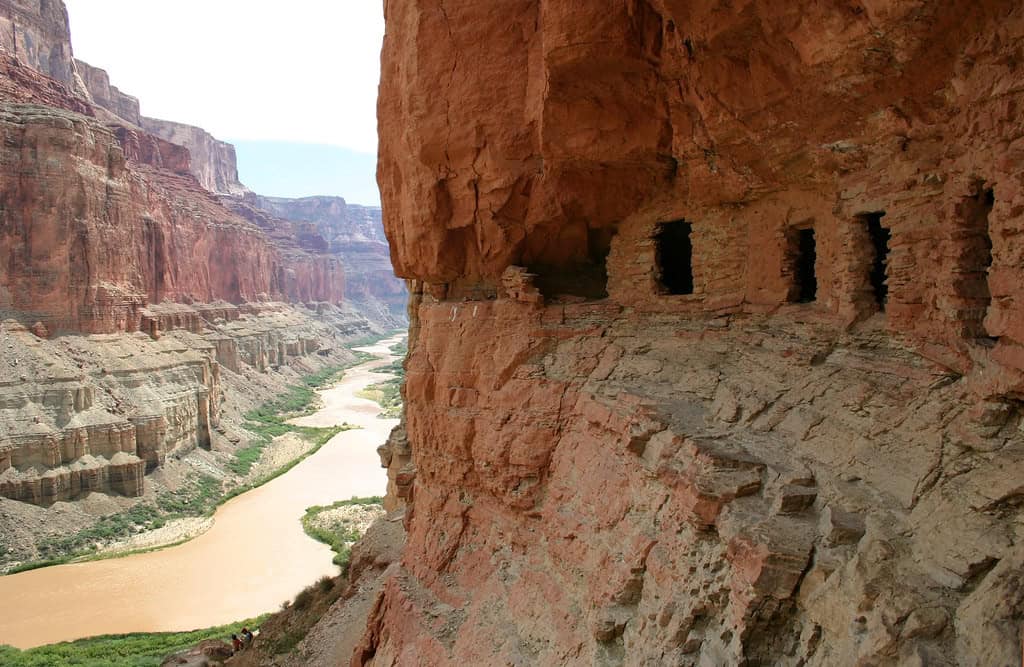
Grand Canyon National Park’s dramatic topography creates diverse microclimates that support a surprising variety of predators across its 1.2 million acres. Mountain lions maintain territories throughout the park, particularly in remote backcountry areas away from heavy visitation. These elusive cats rarely reveal themselves to visitors, but occasionally leave tracks along trails, especially in the park’s more isolated North Rim region. Bobcats occur more commonly and can sometimes be spotted in early morning hours along the rim areas. Coyotes have adapted well to the park’s mixed human presence, frequently appearing at dawn and dusk in both developed areas and wilderness settings. The park also harbors a healthy population of gray foxes, often seen near campgrounds and picnic areas, particularly on the South Rim. Along the Colorado River corridor, visitors on rafting trips might encounter ringtail cats, raccoon-like predators that emerge at night to hunt along the riverbanks. The park’s diverse raptor population includes golden eagles, peregrine falcons, and California condors—the latter reintroduced after nearly going extinct.
Voyageurs National Park Northern Predator Territory
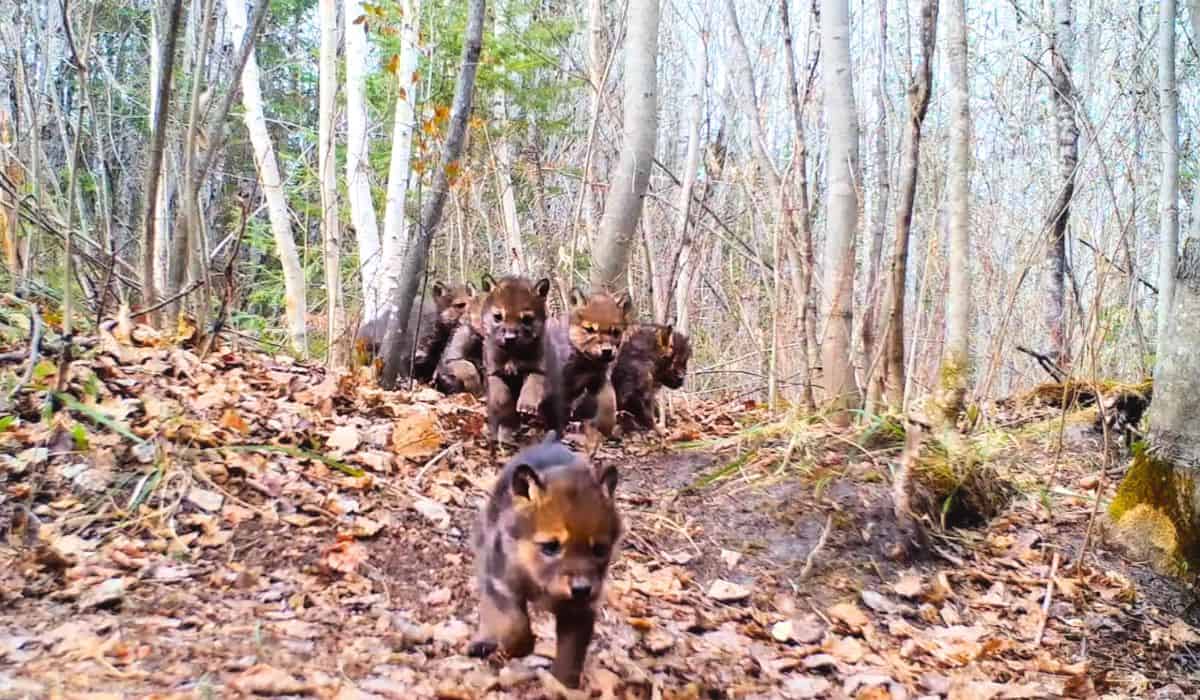
Voyageurs National Park in northern Minnesota preserves a landscape of interconnected waterways and forests that provides ideal habitat for northern predator species. The park hosts approximately 30-40 wolves in several packs, with winter offering the best viewing opportunities when frozen lakes improve visibility and wolves travel more efficiently across the landscape. Black bears thrive throughout the park, with population estimates around 250 individuals. Bear sightings frequently occur near campsites and along hiking trails during summer months when berries ripen. The park’s extensive waterways support river otters, often seen playing and hunting along shorelines throughout the year. Lynx inhabit the park’s more remote sections, though these secretive cats are rarely encountered by visitors. Researchers have confirmed fisher presence throughout Voyageurs, with these medium-sized predators specializing in hunting porcupines and small mammals in dense forest areas. The park’s accessible-only-by-boat nature means predator viewing often occurs from watercraft, offering unique perspectives on wildlife behavior along shorelines.
Channel Islands National Park Island Fox Territory

Channel Islands National Park off the California coast presents a unique predator viewing opportunity centered around the island fox—one of the smallest canid species in the world and found nowhere else on Earth. These diminutive foxes, about the size of a house cat, nearly disappeared from several islands in the 1990s but have rebounded dramatically following intensive conservation efforts. Today, visitors to Santa Cruz, Santa Rosa, and San Miguel islands frequently encounter these curious foxes, which have little fear of humans due to their isolated evolution. The surrounding marine environment supports impressive oceanic predators, including numerous shark species. Seasonal whale watching offers opportunities to observe transient orca pods hunting marine mammals near the islands. Bald eagles have been successfully reintroduced to the islands after disappearing due to DDT contamination, now frequently seen soaring along coastal cliffs. The park’s isolation has created a simplified predator community compared to mainland ecosystems, but this makes viewing the specialized island predators more accessible and provides insight into unique evolutionary adaptations.
Theodore Roosevelt National Park Plains Predators
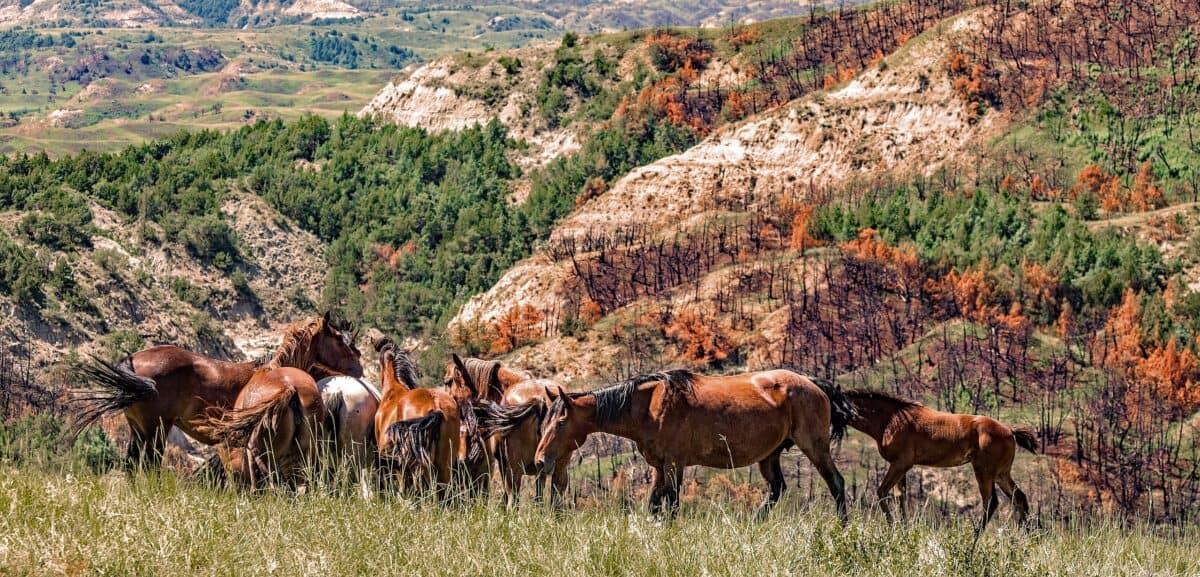
Theodore Roosevelt National Park in North Dakota preserves the rugged landscape that shaped President Roosevelt’s conservation ethic, along with a representative sample of northern Great Plains predators. Coyotes dominate the predator community here, frequently spotted hunting in the park’s open grasslands and badlands formations. Early morning drives along the park’s scenic loops regularly yield coyote sightings, particularly in the South Unit. Bobcats maintain territories throughout the more rugged terrain but remain elusive, occasionally spotted crossing roads at dawn or dusk. The park hosts a modest population of mountain lions that expanded eastward from western states in recent decades, though sightings remain extremely rare. American badgers, tenacious diggers and formidable small predators, can be observed in prairie dog towns throughout the park, where they hunt their colony-dwelling prey. The park’s riparian areas along the Little Missouri River support both red foxes and mink, with the latter occasionally seen swimming and hunting along the riverbanks. Theodore Roosevelt’s open terrain provides excellent visibility for wildlife viewing, making it easier to spot predators than in heavily forested parks.
Great Smoky Mountains National Park Eastern Forest Predators

Great Smoky Mountains National Park, straddling Tennessee and North Carolina, harbors an abundance of eastern forest predators within its ancient Appalachian forests. Black bears represent the park’s signature predator, with approximately 1,900 bears inhabiting the park—one of the highest densities in the eastern United States. Popular areas for bear sightings include Cades Cove, Roaring Fork Motor Nature Trail, and Cataloochee Valley, particularly during early morning and evening hours. The park supports a healthy population of bobcats throughout its diverse habitats, though dense forest cover makes sightings challenging except in open areas like Cades Cove. Red and gray foxes inhabit the park’s varied terrain, with red foxes preferring more open habitats and gray foxes favoring denser woodlands. River otters have been successfully reintroduced to park waterways after being extirpated, now occasionally spotted along larger streams and rivers. Coyotes have naturally expanded into the region in recent decades, filling ecological niches left vacant by the extirpation of red wolves. While still present, eastern coyotes are typically more shy than their western counterparts but can sometimes be observed in open meadows during twilight hours.
Rocky Mountain National Park: Alpine Predator Viewing
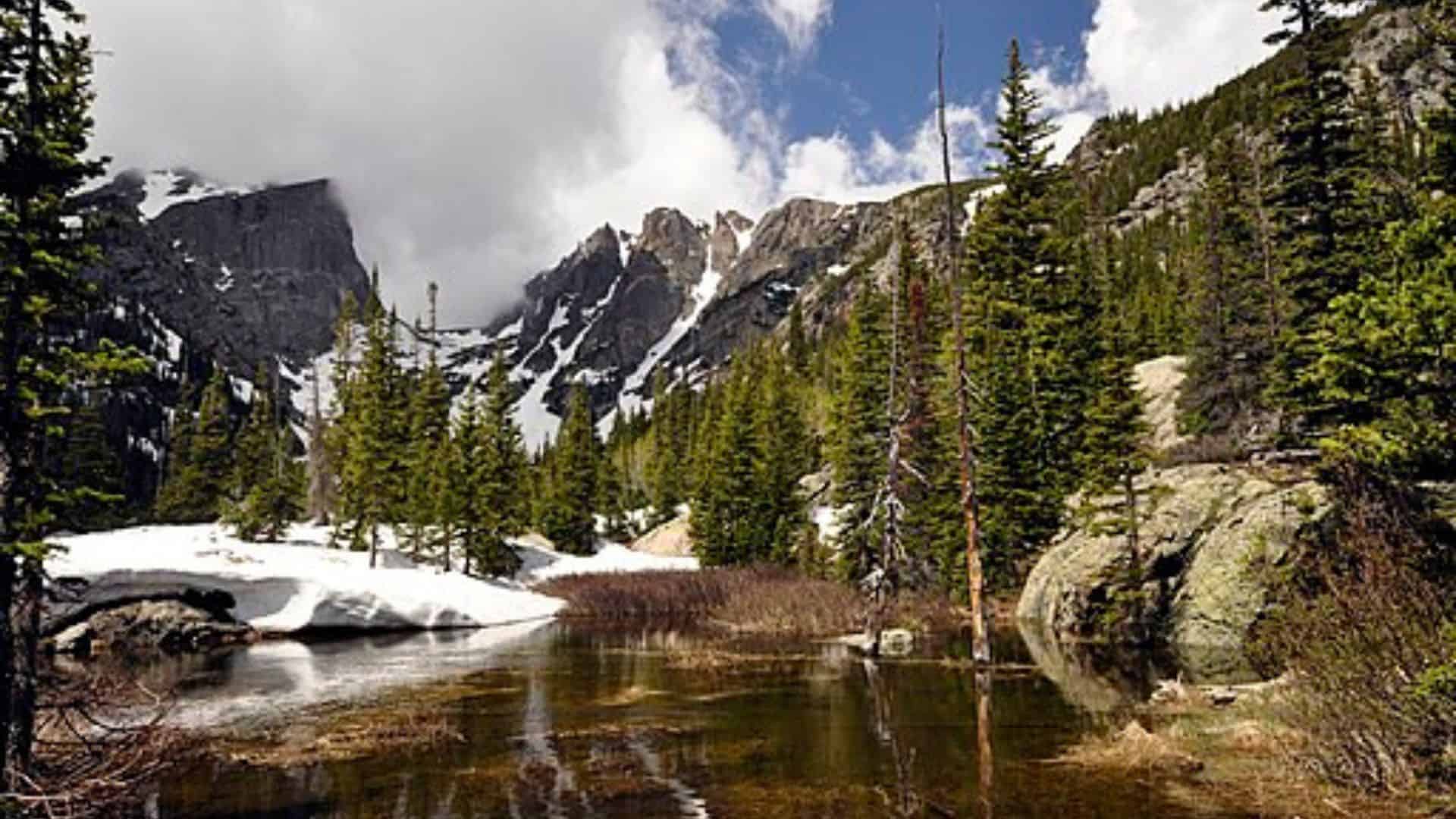
Rocky Mountain National Park’s dramatic elevation gradient supports a diverse predator community across alpine, subalpine, and montane life zones. Black bears maintain a significant presence throughout the park, particularly in forested areas and around berry patches during late summer. Unlike some neighboring parks, Rocky Mountain lacks grizzly bears, making it more comfortable for some wildlife viewers. Mountain lions inhabit all elevations within the park, with an estimated 20-30 cats maintaining territories throughout the region. Though rarely seen, evidence of their presence appears in tracks along snowy or muddy trails. Bobcats and coyotes represent the park’s most frequently observed mammalian predators, with open areas like Moraine Park and Horseshoe Park offering good viewing opportunities. The park’s high country supports a small population of federally threatened Canada lynx, reintroduced to Colorado in the late 1990s, though sightings remain exceptionally rare. Bird enthusiasts can observe numerous raptor species, including golden eagles soaring above alpine ridges and peregrine falcons diving at tremendous speeds. Wildlife viewing conditions peak during early morning and evening hours, with fall rut season increasing predator activity as they target vulnerable young ungulates.
Big Bend National Park Desert and Mountain Predators
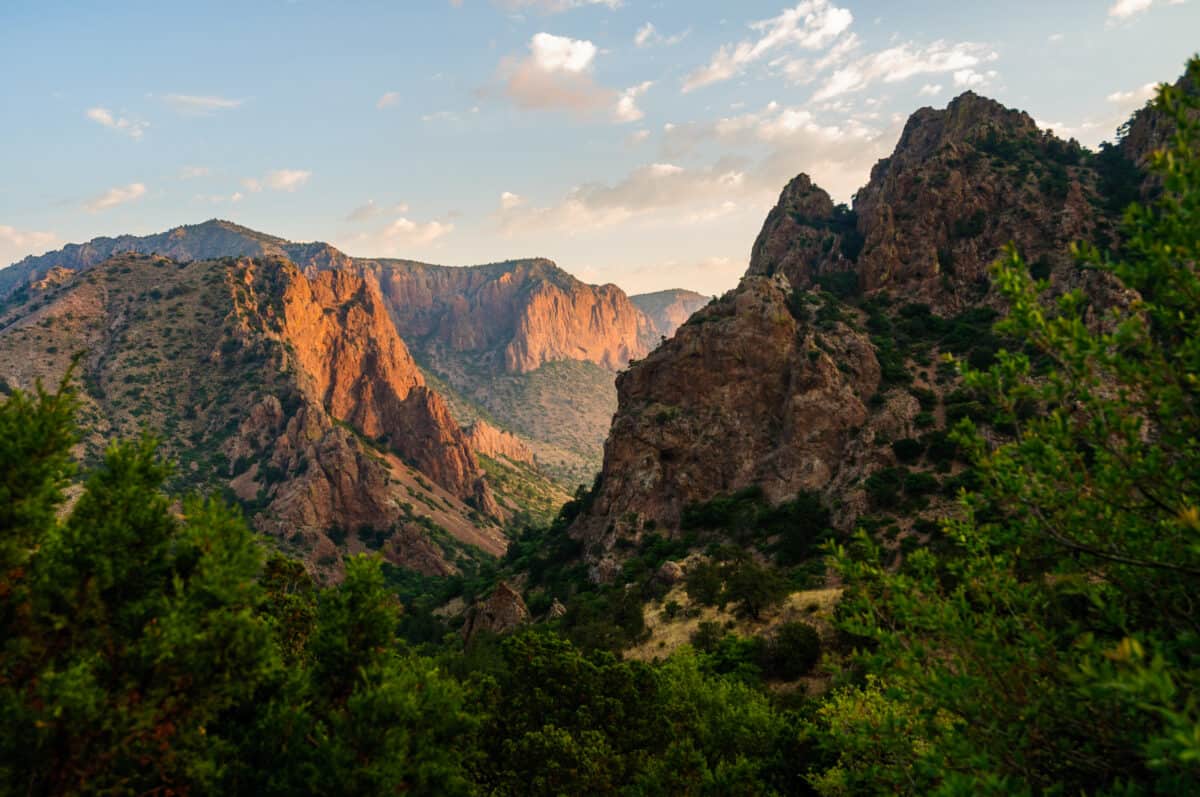
Big Bend National Park in Texas encompasses a remarkable diversity of habitats, from scorching Chihuahuan Desert basins to cool mountain woodlands, supporting a unique assemblage of predators adapted to this harsh environment. Mountain lions maintain one of the healthiest populations in Texas within the park boundaries, with approximately 25 lions roaming the diverse terrain. While sightings remain uncommon, visitors occasionally encounter these magnificent cats in remote areas, particularly along the park’s high-country trails. Bobcats and coyotes represent more frequently observed predators, particularly during cooler morning and evening hours in desert sections. The park serves as important habitat for the rare and elusive black bear, which recolonized the Chisos Mountains in the 1990s after being extirpated from the region. Approximately 30-40 black bears now inhabit the park, primarily in the higher elevations of the Chisos.
Conclusion:

America’s national parks serve as living sanctuaries where predator and prey still engage in ancient cycles, undisturbed by urban sprawl and industrial development. From the salmon-chasing brown bears of Katmai to the desert-stalking mountain lions of Big Bend, each park offers a distinct window into the lives of apex predators and the ecosystems they shape. These predators are more than just thrilling to observe—they are vital to maintaining ecological balance, controlling herbivore populations, and fostering biodiversity. As visitors, we carry a responsibility to observe them with respect, keeping a safe distance and minimizing our impact on their habitat. Whether you’re hoping to witness wolves in Yellowstone or marvel at island foxes on the Channel Islands, these parks offer unforgettable opportunities to connect with nature’s wildest inhabitants. By supporting conservation efforts and practicing responsible wildlife viewing, we help ensure that future generations will also have the chance to experience the awe of seeing predators thrive in the wild.

As a little kid, I fell in love with nature, wildlife, and animals. Living in the USA, South Africa, Italy, China and Germany gave me the opportunity to discover the world's Wildlife. My favorite animals are Mountain Gorillas, Siberian Tigers, and Great White Sharks.
I'm a certified PADI Open Water Diver, went to Everest Base Camp and Trekked Gorillas in Uganda. I hold a Master of Science in Economics and Finance.
Please send any feedback to feedback@animalsaroundtheglobe.com
- The Spiritual Significance of the Eagle as a Spirit Animal - August 2, 2026
- 13 Animals That Changed Science Forever - August 2, 2026
- 8 Things That Draw Sharks In And 3 That Send Them Swimming Away - August 2, 2026