


In the natural world, few abilities are as impressive as the visual systems of raptors—birds of prey that include eagles, hawks, falcons, and owls. While humans have developed remarkable technologies for viewing distant objects and detecting minute details, the visual capabilities of these avian predators remain unmatched by even our most sophisticated equipment. These birds have evolved extraordinary adaptations that allow them to spot tiny prey from incredible heights, perceive ultraviolet light invisible to humans, and process visual information at speeds that would make our most advanced computers seem sluggish. The superiority of raptor vision isn’t just a matter of better resolution—it’s a complex, multifaceted system that represents millions of years of evolutionary refinement specifically tailored for hunting success.
The Remarkable Anatomy of Raptor Eyes

Raptor eyes are marvels of biological engineering, proportionally enormous compared to their skull size. Eagles and hawks have eyes nearly the same size as humans, despite having heads that are a fraction of our size. This disproportionate allocation of head space to visual organs speaks to the evolutionary priority placed on vision.
Their eyes aren’t just bigger—they’re structurally different. The eyeball shape is less spherical and more tubular, creating a telephoto lens effect that magnifies distant images. This specialized shape houses a densely packed retina with an extraordinary concentration of photoreceptors. In golden eagles, this concentration can reach up to 1.2 million photoreceptors per square millimeter—over five times the density found in human retinas. This anatomical advantage provides a foundation for visual acuity that human technology simply cannot replicate in such a compact, energy-efficient package.
Visual Acuity That Defies Technological Comparison

The phrase “eagle-eyed” isn’t just a metaphor—it’s a scientific reality that puts our best optical technologies to shame. Eagles possess visual acuity estimated at 20/5 or better, meaning they can see clearly at 20 feet what humans need to be at 5 feet to see with the same clarity. Some studies suggest that golden eagles can spot a rabbit from up to two miles away.
To put this in technological terms, if we wanted to create a camera with comparable resolution to an eagle’s eye, we would need a sensor with hundreds of megapixels packed into a space the size of a quarter—all while consuming minimal power and functioning in a wide range of lighting conditions. Current camera technology, despite tremendous advances, still falls short of this benchmark. Even our most advanced surveillance systems require much larger optics, greater power consumption, and more processing capability to approach similar performance levels.
The Incredible Fovea: Nature’s Perfect Focus

Central to raptor visual superiority is a specialized region of the retina called the fovea—a pit-like depression packed with cone cells that provides the highest visual acuity. While humans have a single fovea per eye, many raptors possess two. This bifoveate arrangement allows them to maintain both forward vision and a wide field of view simultaneously. The peregrine falcon, for instance, has one fovea oriented forward for binocular vision during high-speed hunting dives, and a second that looks sideways to monitor the broader environment.
The fovea in raptors also contains a higher density of photoreceptors than in any other animal. Some species of hawks have up to five times the density of cone cells in their fovea compared to humans. This remarkable concentration allows them to resolve details from great distances with precision that would require massive telephoto lenses for humans to achieve similar results—and our technology still wouldn’t process the information as efficiently as the raptor brain does.
Ultraviolet Vision: Seeing the Invisible

Many raptors possess the ability to see into the ultraviolet spectrum—a capability that most human technology struggles to incorporate efficiently. Kestrels, for example, can detect the urine trails of rodents, which reflect ultraviolet light. This gives them a distinct hunting advantage, essentially allowing them to see “tracks” that are completely invisible to the human eye. While we have developed specialized UV cameras, they typically require specific lighting conditions and filters to function effectively.
Raptors, by contrast, integrate UV vision seamlessly with their normal vision, processing all wavelengths simultaneously to create a comprehensive picture of their environment. This integration happens instantaneously and requires no special conditions or equipment. The ability to perceive such a broad spectrum of light allows these birds to detect subtle differences in vegetation, identify prey by their UV reflectance patterns, and potentially navigate using UV landmarks—all capabilities that our most advanced multi-spectral imaging technology is still working to replicate with the same efficiency.
Motion Detection: Processing Speed Beyond Computing
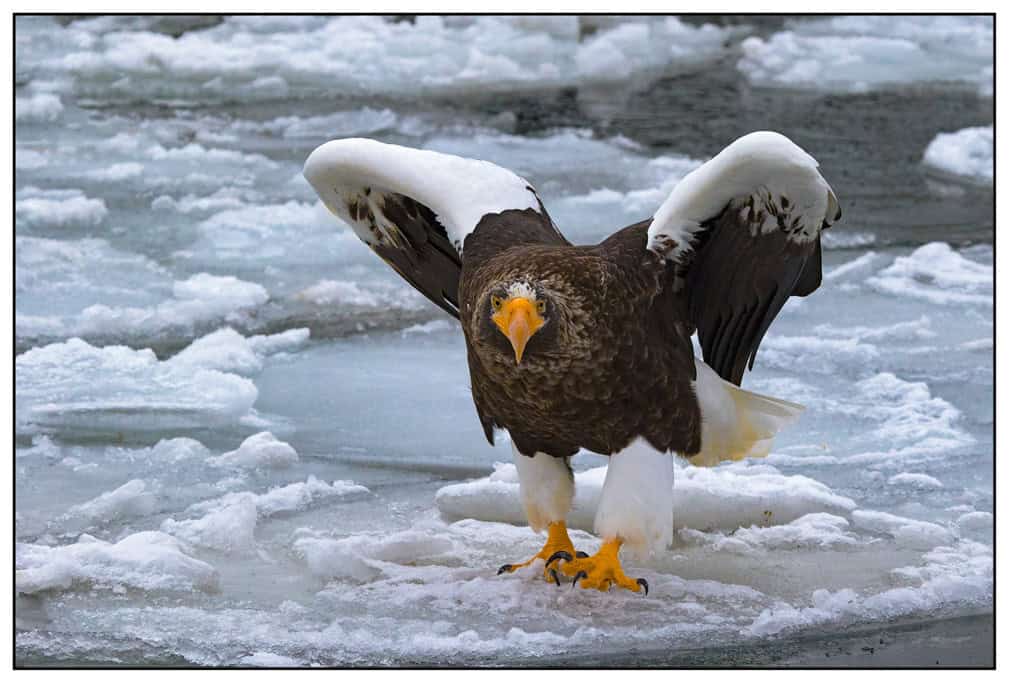
Raptors excel not only in static visual acuity but also in their ability to detect and track motion. The neural pathways in a falcon’s visual system can process images at a rate equivalent to about 100 frames per second—significantly faster than the human visual system, which processes roughly 60 frames per second. This superior temporal resolution allows raptors to track fast-moving prey with extraordinary precision.
The peregrine falcon, the world’s fastest bird, can maintain visual lock on prey while diving at speeds exceeding 200 mph. To achieve this feat, its visual system must make constant, rapid adjustments while processing a changing visual field at incredible speeds. Modern high-speed cameras can capture more frames per second, but they require substantial power, specialized lighting, and significant data storage. Moreover, the processing of this visual information happens instantaneously in the raptor brain—a level of real-time image processing and decision-making that would challenge even our most advanced autonomous systems.
Nocturnal Adaptations: Owls’ Superior Night Vision

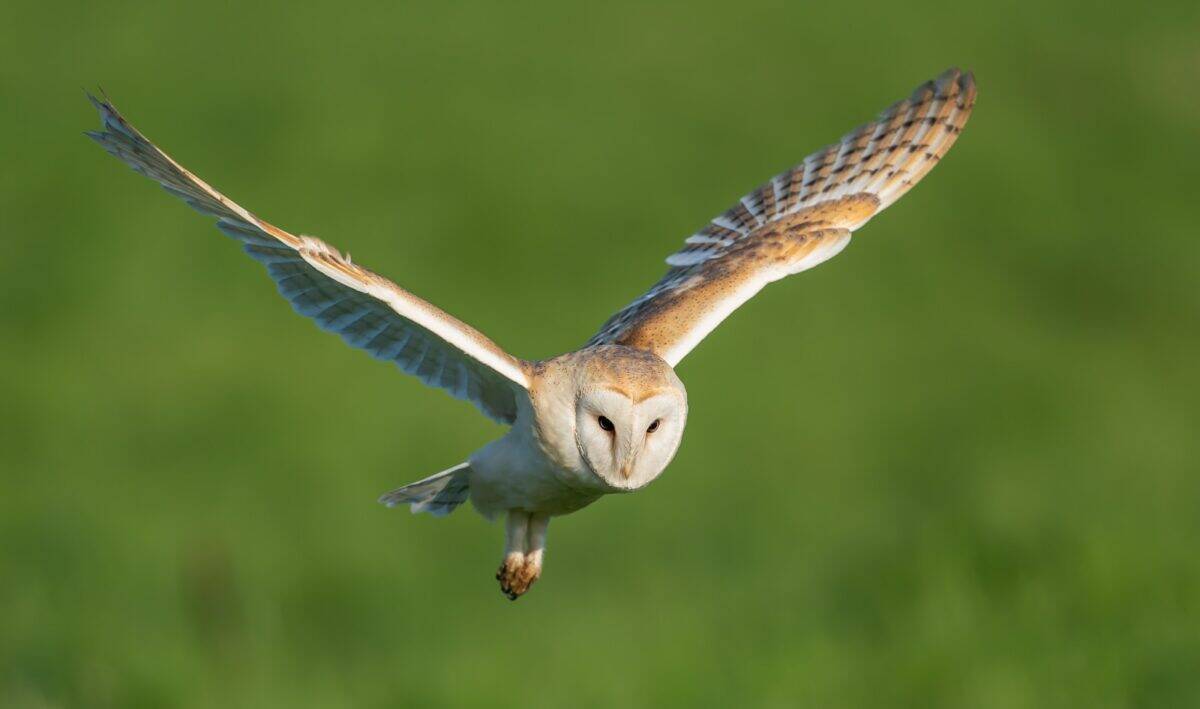
Owls represent another frontier where natural evolution has outpaced human technology. These nocturnal hunters can see in conditions where ambient light is reduced to nearly 1/10,000th of daylight levels—conditions that would render most night vision technology useless without infrared illumination. The owl’s eye contains an extraordinarily high number of rod cells—the photoreceptors responsible for night vision—arranged in a highly organized structure that maximizes light capture.
Additionally, owls possess a specialized reflective layer behind the retina called the tapetum lucidum, which effectively gives photons a “second chance” to be detected, significantly enhancing light sensitivity. While our best night vision devices use similar principles of light amplification, they typically require some minimum light level to function and produce grainy, monochromatic images with limited depth perception. Owls, by contrast, maintain excellent depth perception and can detect subtle movements even in extremely dim conditions—all while operating with remarkable energy efficiency that our technology cannot match.
The Power of Polarized Light Perception

Some raptors, particularly falcons, have demonstrated the ability to detect polarized light patterns in the sky—a capability that gives them navigational advantages and helps them track prey. Polarized light consists of light waves oscillating in a specific orientation, and natural polarization patterns occur in the sky relative to the position of the sun. Falcons can use these patterns as a biological compass, maintaining orientation even when the sun is obscured by clouds.
While humans have developed polarized filters for cameras and specialized instruments to detect polarization, these are typically single-purpose devices. Raptors integrate polarization detection with their normal vision, using it as just one more data stream in their comprehensive visual processing. This ability may also help them spot prey by detecting the distinctive polarization signatures created when light reflects off scales, feathers, or fur—providing yet another hunting advantage that our technology struggles to duplicate in such an integrated, efficient manner.
Raptor Visual Processing: Nature’s Neural Networks

Perhaps the most remarkable aspect of raptor vision isn’t just the optical capabilities but how efficiently their brains process this information. Despite having brains significantly smaller than humans, the visual cortices of raptors are proportionally enormous, dedicated to analyzing the flood of visual data their specialized eyes collect. These neural networks perform instantaneous edge detection, motion prediction, depth perception, and target identification—all with minimal energy consumption.
A hunting osprey can spot a fish underwater, compensate for light refraction at the water’s surface, calculate the fish’s speed and trajectory, and execute a precisely timed dive—all computed in real-time with a brain that weighs less than 10 grams. While we’ve made tremendous strides in artificial intelligence and computer vision, even our most advanced systems require substantial computational resources, energy, and programming to approach similar capabilities. The neural efficiency of raptor visual processing remains a gold standard that artificial systems have yet to match.
Environmental Adaptations: Specialized Vision for Specialized Niches
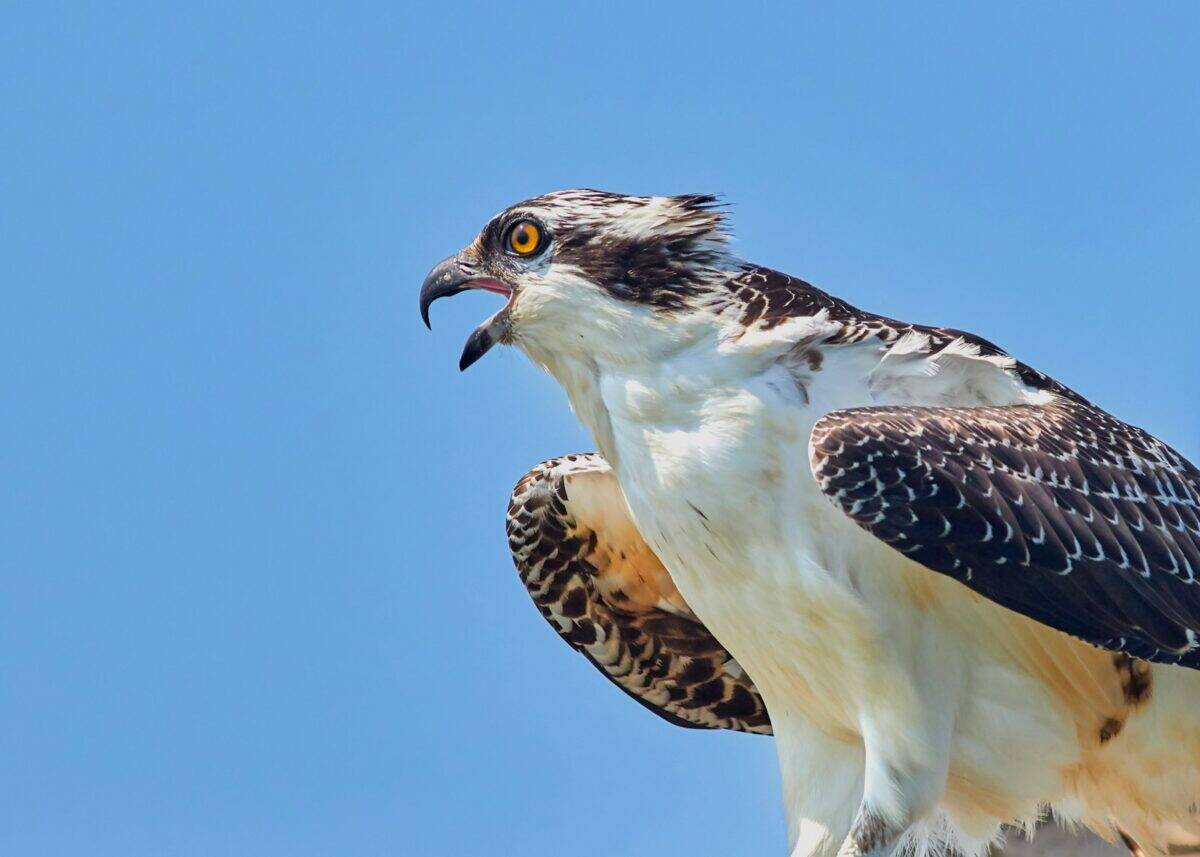
Different raptor species have evolved visual specializations tailored to their specific hunting environments and prey preferences. Ospreys, which hunt fish, have specialized oil droplets in their eyes that reduce glare from water surfaces and enhance contrast for spotting prey beneath the surface. Similarly, desert-dwelling raptors have adaptations to handle extreme brightness and heat while maintaining visual acuity. Northern hawk-owls, which hunt in the challenging light conditions of subarctic regions, have developed unique visual adaptations to function effectively during the brief winter daylight hours.
These specialized adaptations allow each species to excel in its particular ecological niche. While human technology tends toward general-purpose solutions with added filters or settings, raptor vision represents millions of years of evolutionary refinement for specific visual challenges. This specialization produces results that our “one-size-fits-most” technological approaches struggle to match across such diverse environmental conditions.
The Energy Efficiency Advantage
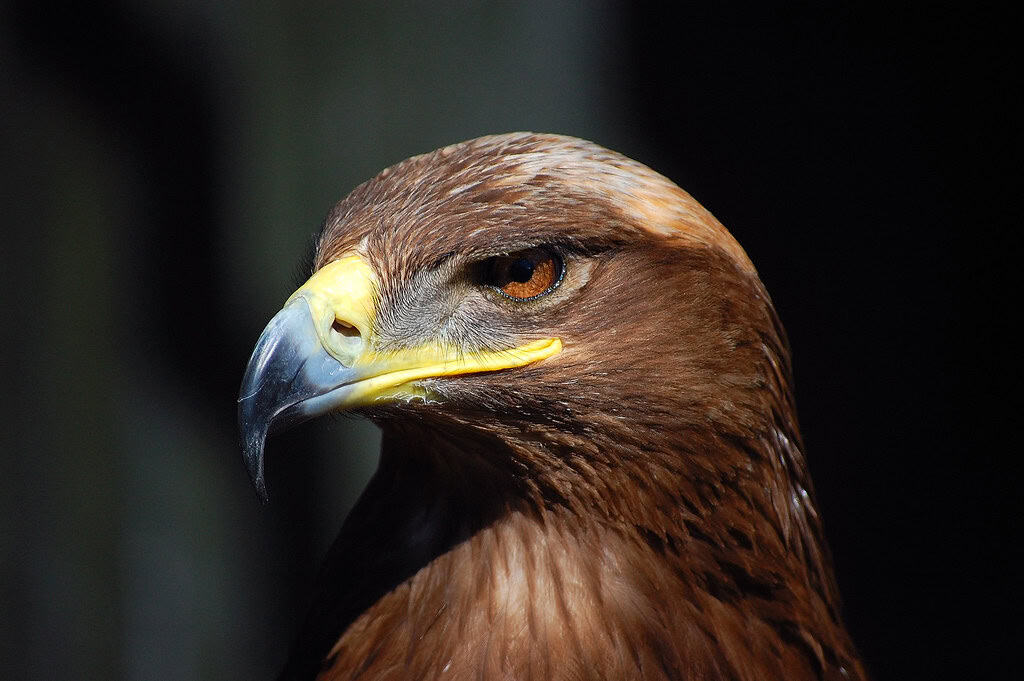
One of the most remarkable aspects of raptor vision that surpasses human technology is its extraordinary energy efficiency. An eagle’s entire visual system—from the eyes to the visual cortex—operates on mere watts of power while delivering performance that would require equipment consuming hundreds or thousands of watts to approximate. This efficiency is critical for flying predators that cannot afford to expend excessive energy. For example, a golden eagle weighing around 12 pounds can spot a rabbit from miles away, track its movement precisely, calculate an intercept course, and execute a successful hunt—all while managing the metabolic demands of flight.
The energy cost of this visual processing is a tiny fraction of the bird’s total energy budget. By contrast, a drone equipped with cameras and processing capabilities to perform similar feats of detection and tracking would require substantially more energy relative to its weight. This biological efficiency represents an advantage that technology has yet to overcome, despite significant advances in low-power computing and sensor design.
Durability and Self-Healing Capabilities
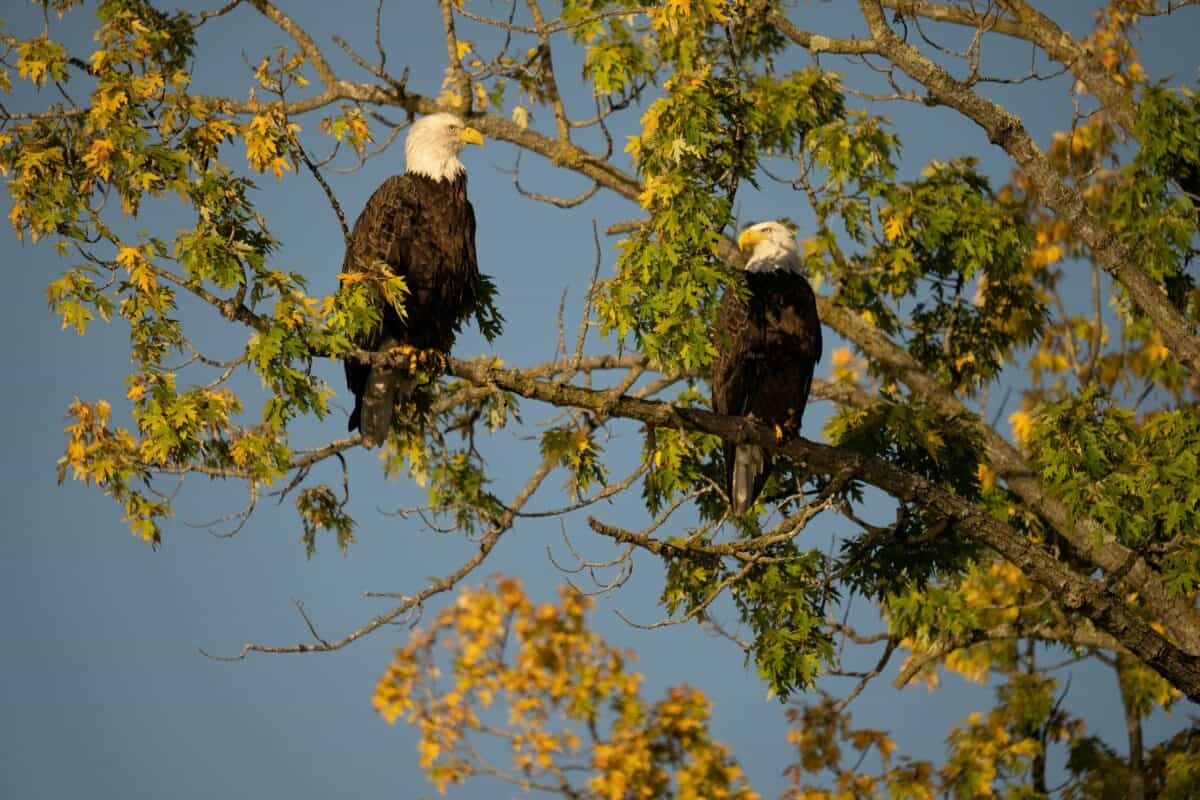
Raptor visual systems demonstrate remarkable durability and self-maintenance capabilities that far exceed our technology. Their eyes can function effectively across temperature ranges from well below freezing to desert heat without requiring special protection or cooling systems. More impressively, these biological visual systems can repair minor damage and maintain themselves over the bird’s lifetime. Raptor eyes continuously replace surface cells and maintain optical clarity through self-cleaning mechanisms like the nictitating membrane—a translucent “third eyelid” that sweeps across the eye to remove debris while maintaining vision.
They also adjust their sensitivity to changing light conditions through biochemical processes that happen automatically. By comparison, our most advanced cameras require careful handling, specific operating conditions, regular maintenance, and have no self-repair capabilities. A scratch on a camera lens remains permanently unless professionally repaired, while a similar minor injury to a raptor’s cornea will often heal naturally. This combination of durability, adaptability, and self-maintenance represents another dimension where biological systems still outperform our best technology.
The Future: Learning from Nature’s Design
As impressive as our technological progress has been, the visual systems of raptors continue to inspire and inform the development of next-generation optical technologies. Researchers in fields ranging from robotics to medical imaging are studying raptor vision to develop better artificial systems. Biomimetic approaches—technologies that imitate nature—are yielding promising advances in camera design, drone navigation systems, and visual processing algorithms. For instance, the bifoveate arrangement found in raptor eyes has influenced the development of dual-resolution imaging systems that can simultaneously maintain wide situational awareness and detailed focus on areas of interest.
Similarly, the neural processing efficiency of raptor brains is informing new approaches to computer vision and AI. While it may be decades or even centuries before our technology can fully match the elegant, efficient, all-in-one visual capabilities of these remarkable birds, each step we take toward understanding their systems brings us closer to developing technologies that can approach their performance. The continued study of raptor vision not only deepens our appreciation for these magnificent predators but also points the way toward technological innovations that might someday rival nature’s achievements.
Conclusion: Nature’s Unmatched Visual Masterpiece

The visual systems of raptors represent the pinnacle of evolutionary refinement, combining optical excellence, neural efficiency, and specialized adaptations into packages that our most advanced technology still cannot match. While we have created impressive devices that exceed raptor capabilities in isolated aspects—such as cameras that can see farther into the infrared spectrum or computers that can process more total information—no human-made system approaches the remarkable integration, efficiency, and effectiveness of raptor vision in its natural context.
These birds demonstrate how millions of years of evolutionary pressure can produce solutions that outperform our most sophisticated designs in many key metrics. As we continue to develop new technologies, the humble raptor remains both an inspiration and a reminder of nature’s engineering prowess. Perhaps the greatest lesson from studying these remarkable visual systems is not just how we might build better cameras or sensors, but how much we still have to learn from the natural world that surrounds us.

From exploring the marine wonders in the Azores and witnessing the vast savannas of Kenya, to delving deep into the rich biodiversity of South Africa and traversing iconic landscapes in Australia and the US like Yellowstone, Chris's experiences are vast.
With a penchant for diving alongside sharks, the ocean holds a special place in his heart.
Through his academic insights, he champions wildlife conservation, striving with 'Animals Around The Globe' to cultivate a profound connection between humans and animals, enhancing our mutual appreciation.
Connect with him at Feedback@animalsaroundtheglobe.com.
- 13 Most Bizarre Things Washed Up on American Beaches - July 26, 2026
- Why More Animals Are Moving Into Urban Areas - July 26, 2026
- The Surprising Intelligence of Octopuses Explained - July 26, 2026