
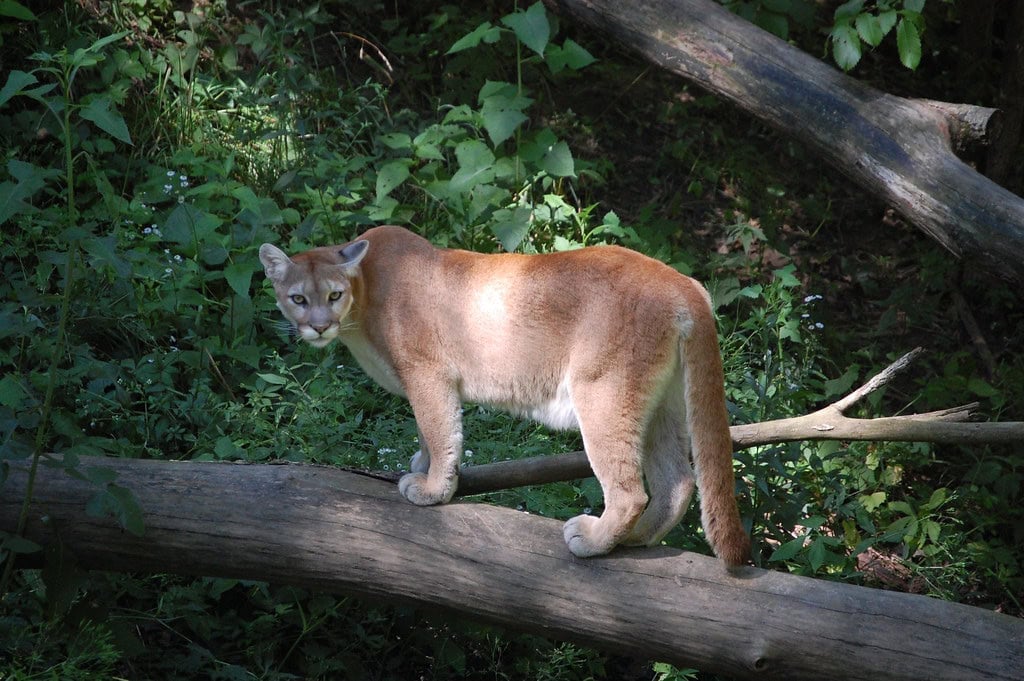
For decades, mountain lions (also known as cougars, pumas, or panthers) were considered virtually extinct in the Midwestern United States, victims of extensive hunting, habitat loss, and systematic predator eradication programs of the early 20th century. The last confirmed breeding populations in most Midwestern states disappeared by the 1920s. However, in recent years, wildlife agencies across the Midwest have documented an increasing number of confirmed mountain lion sightings, raising an intriguing question: are these magnificent apex predators reclaiming their historical territory? This article explores the evidence for mountain lion recovery in the Midwest, the challenges they face, and what their potential return means for ecosystems and human communities alike.
Historical Range and Disappearance

Mountain lions once roamed throughout North America, including virtually all of the Midwestern states. Their adaptability allowed them to thrive in diverse habitats, from forests and prairies to river bottoms and bluffs. These solitary cats were apex predators, primarily hunting deer and other ungulates across their extensive territories. However, as European settlement expanded westward in the 18th and 19th centuries, mountain lions faced increasing pressure. By the early 1900s, state-sponsored bounty programs, unrestricted hunting, deforestation, and the decimation of deer populations (their primary prey) had eliminated breeding populations from most areas east of the Rocky Mountains. By the mid-20th century, mountain lions were officially considered extirpated (locally extinct) throughout the Midwest, with the exception of small remnant populations in the Black Hills of South Dakota.
Recent Confirmed Sightings

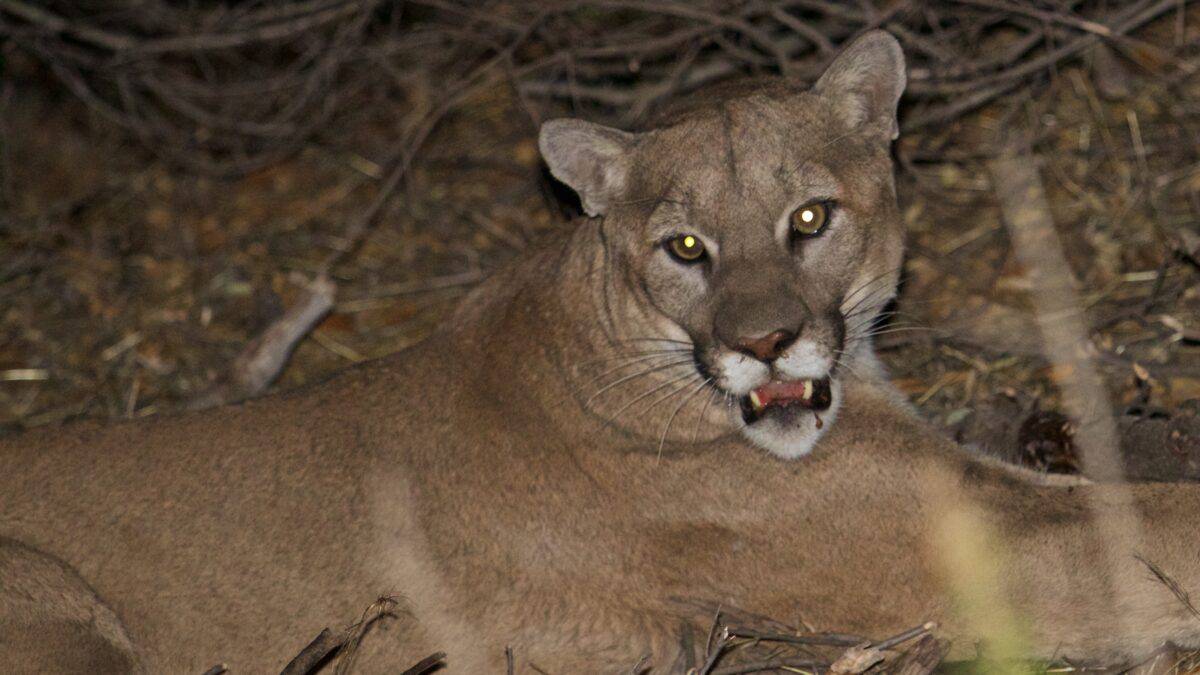
The past two decades have witnessed a remarkable shift in mountain lion presence across the Midwest. Wildlife agencies in Nebraska, Missouri, Iowa, Illinois, Minnesota, Wisconsin, and Michigan have all documented confirmed mountain lion occurrences. These confirmations come through various methods: trail camera photographs, DNA evidence from scat or hair samples, tracks verified by wildlife biologists, and in some cases, actual specimens from roadkill or legally taken animals in states where limited hunting is permitted. Nebraska, which borders the established population in South Dakota’s Black Hills, has recorded over 200 confirmed mountain lion occurrences since 1991. Missouri has confirmed more than 90 mountain lion sightings since 1994, with notable increases after 2010. Even states further east like Illinois and Michigan have recorded multiple confirmed sightings in recent years, indicating a gradual eastward expansion of the species’ range.
Source Populations and Dispersal Patterns

Genetic evidence and tracking studies reveal that most mountain lions appearing in the Midwest originate from established populations in western states. The Black Hills of South Dakota serve as the primary source population, along with breeding populations in Wyoming, Colorado, and Montana. Young male mountain lions typically disperse from their birth territories at 1-2 years of age, sometimes traveling hundreds of miles in search of new territory and mates. These dispersing males make up the vast majority of confirmed Midwestern sightings. GPS-collared lions have demonstrated remarkable mobility, with documented journeys exceeding 1,000 miles. One famous case involved a male mountain lion that traveled more than 1,500 miles from the Black Hills of South Dakota to Connecticut, where it was unfortunately killed by a vehicle in 2011. This represents the longest documented land migration of any mountain lion in North America and illustrates the species’ incredible dispersal capabilities.
Evidence of Breeding Populations

While dispersing males account for most Midwestern mountain lion sightings, the question of establishing breeding populations remains central to understanding their comeback. For a true recovery to occur, resident females must be present, as they typically disperse shorter distances than males. Currently, Nebraska and Missouri show the strongest evidence for potential breeding populations. Nebraska wildlife officials have documented female mountain lions with cubs in the Pine Ridge, Niobrara River Valley, and Wildcat Hills regions, confirming reproduction in the state. In Missouri, while no cubs have been directly observed, genetic evidence and the increasing frequency of sightings suggest the possibility of a small breeding population. Other Midwestern states currently show little evidence of breeding activity, with most confirmed sightings being transient males. For mountain lions to truly reestablish themselves in the Midwest, more female dispersers will need to reach these areas, or resident males will need to attract females from established populations.
Habitat Suitability in the Modern Midwest

The Midwest today presents a complex landscape for potential mountain lion recolonization. On one hand, several factors favor their return: deer populations (their primary prey) have exploded to historically high levels, many rural areas have experienced human depopulation, and second-growth forests have reclaimed previously cleared lands. Studies using habitat suitability models suggest the Midwest contains significant areas of potential mountain lion habitat, particularly in the forested regions of Missouri, Arkansas, Minnesota, Wisconsin, and Michigan. The Missouri Ozarks, in particular, feature the rugged terrain, dense forest cover, abundant prey, and limited human disturbance that mountain lions prefer. Conversely, the region’s fragmented nature creates challenges. Major highways, rivers, agricultural development, and urban areas create barriers to movement and increase mortality risks. Mountain lions require large territories—males typically range over 150 square miles—making habitat connectivity crucial for population viability.
Legal Status and Protection

The legal status of mountain lions varies significantly across Midwestern states, creating a patchwork of protections and management approaches. In Nebraska, mountain lions are classified as game animals with limited hunting seasons in regions with established populations. Missouri and Iowa protect mountain lions as a species of conservation concern, though both states allow the killing of mountain lions that threaten human safety or livestock. Illinois, Indiana, Michigan, Minnesota, and Wisconsin all afford mountain lions various protected statuses, typically prohibiting hunting and harvesting except in specific human safety situations. This legal variability creates management challenges as lions cross state boundaries. Additionally, mountain lions in the eastern United States were previously considered part of the federally endangered eastern cougar subspecies. However, in 2018, the U.S. Fish and Wildlife Service declared the eastern cougar extinct, acknowledging that modern mountain lions appearing in eastern states represent western populations expanding their range rather than remnants of the original eastern population.
Human-Mountain Lion Interactions

As mountain lions reappear in the Midwest, human-wildlife conflicts become an inevitable concern. Mountain lion attacks on humans remain extremely rare—far less common than injuries from domestic dogs, bee stings, or lightning strikes—but the perceived risk often exceeds the actual danger. In states with confirmed mountain lion presence, wildlife agencies have developed response protocols and public education campaigns to address safety concerns. Most emphasize practical measures: supervising children outdoors, securing pets and livestock, removing attractants like deer feeders, and maintaining awareness in lion habitat. Agricultural impacts represent another dimension of human-lion interaction. While mountain lions occasionally prey on livestock, studies from western states indicate they typically focus on wild prey when available. Nevertheless, some Midwestern states have established compensation programs for verified livestock losses to predators, including mountain lions, to mitigate economic impacts on ranchers and farmers.
Ecological Benefits of Mountain Lion Recovery

Mountain lions’ return to Midwestern ecosystems could provide significant ecological benefits through trophic cascades—chains of effects flowing down through food webs. As apex predators, mountain lions help regulate deer populations not just through direct predation but also by creating a “landscape of fear” that alters deer behavior and distribution. Research from western states shows areas with mountain lions often experience reduced deer browsing pressure on sensitive vegetation, allowing greater plant diversity and improved habitat for other wildlife species. In the Midwest, where deer overpopulation has damaged forest understories, reduced tree regeneration, and altered plant community composition, mountain lions could help restore ecological balance. Additionally, mountain lions may limit mesopredator populations (like coyotes and raccoons), potentially benefiting ground-nesting birds and small mammals. By controlling disease transmission in deer herds through predation on sick individuals, they might also reduce the prevalence of diseases like chronic wasting disease, which threatens deer populations throughout the region.
Public Attitudes and Misconceptions
Public opinion regarding mountain lion recovery in the Midwest spans a wide spectrum. Surveys in several Midwestern states reveal a complex mix of attitudes, often divided along rural-urban lines. Many conservation-minded citizens, wildlife enthusiasts, and urban residents generally support mountain lion recovery, valuing the ecological benefits and the restoration of natural processes. Conversely, some rural residents, hunters, and agricultural producers express concerns about competition for game animals, threats to livestock, and personal safety. Misconceptions about mountain lion behavior and risk often fuel opposition. Common myths include beliefs that mountain lions readily attack humans, deliberately stalk people, or pose a significant threat to children and pets. Wildlife officials work to counter these misconceptions with scientific information about mountain lion behavior, which demonstrates their strong tendency to avoid human contact. Educational outreach emphasizes that mountain lions are naturally wary of humans and that attacks are extraordinarily rare, with fewer than 30 fatal attacks documented in North America in the past 130 years.
Challenges to Long-term Recovery

Despite promising signs, mountain lions face significant challenges to establishing viable populations in the Midwest. Habitat fragmentation ranks among the most serious obstacles. The region’s landscape is bisected by highways, agricultural development, and urban areas that can isolate potential habitat patches and increase mortality risk through vehicle collisions. Genetic isolation also threatens long-term viability, as small, isolated populations face increased risks of inbreeding depression and reduced adaptive capacity. Perhaps most critically, human acceptance represents a limiting factor. Mountain lion recovery depends heavily on public tolerance, particularly in rural communities where direct interactions are most likely. Political pressures often influence management decisions, sometimes resulting in policies that prioritize elimination over coexistence. The experience in states like South Dakota, where expanded hunting significantly reduced mountain lion populations following public pressure, demonstrates how quickly recovery gains can be reversed through policy changes. Conservation success will require balancing ecological goals with human concerns through science-based management, stakeholder involvement, and effective public education.
Conservation and Management Strategies
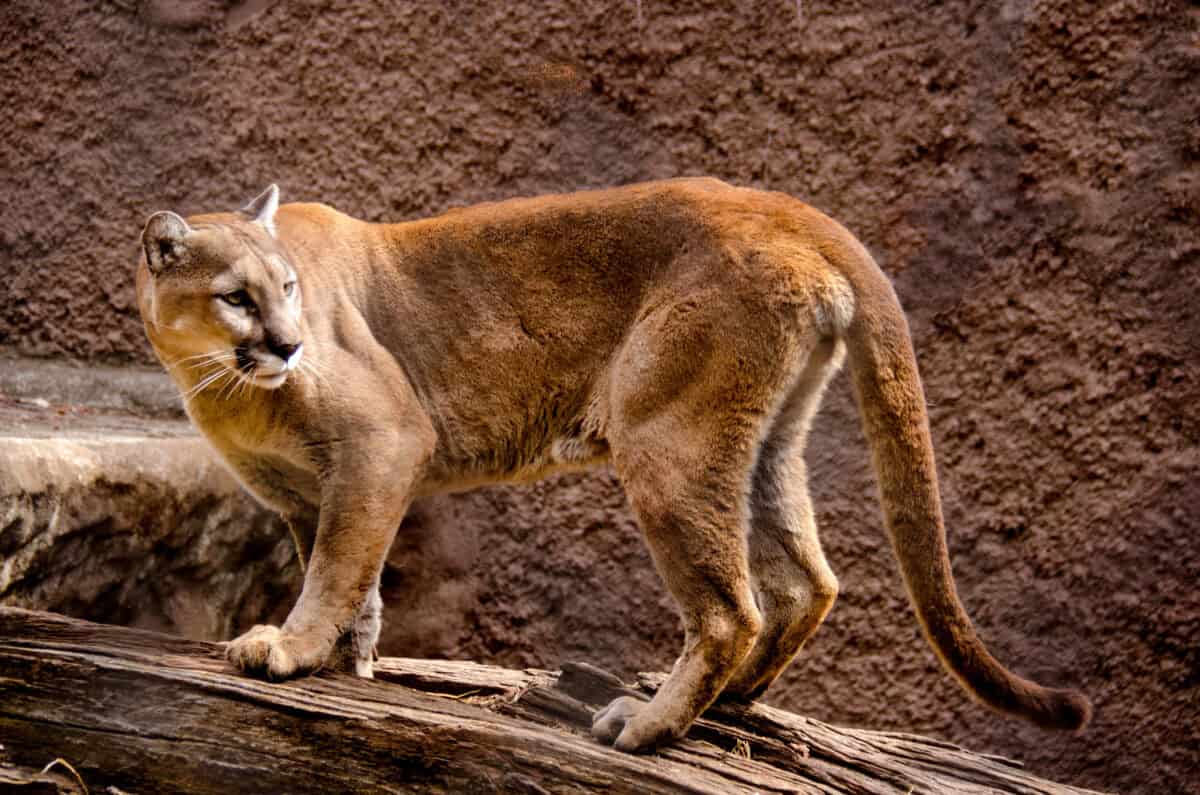
Wildlife agencies across the Midwest have developed various approaches to mountain lion management. Most have established response protocols for confirmed sightings, documentation systems, and public education programs. Nebraska’s management plan exemplifies a comprehensive approach, dividing the state into management units with different objectives based on habitat suitability and established presence. Conservation organizations advocate for several key strategies to facilitate mountain lion recovery: protecting habitat corridors to allow safe movement between suitable habitat patches; implementing wildlife crossing structures at highway hotspots to reduce vehicle mortality; developing compensation programs for verified livestock losses; and investing in research to better understand mountain lion population dynamics, habitat use, and interactions with prey species in the Midwestern context. Collaborative approaches involving multiple stakeholders—including wildlife agencies, conservation organizations, agricultural interests, and hunting groups—show the most promise for developing management frameworks that balance ecological goals with human needs.
The Future of Mountain Lions in the Midwest

Predicting the future of mountain lion recovery in the Midwest involves substantial uncertainty. Population modeling suggests that natural recolonization will likely continue gradually, with different outcomes across the region. Areas closest to source populations in the western states, particularly parts of Nebraska, Missouri, and Iowa, show the highest probability of establishing breeding populations in the near term. More eastern Midwestern states will likely continue to see occasional dispersing individuals, primarily males, but may require decades before breeding populations establish—if they do at all. Human attitudes and management policies will ultimately determine how far this recovery progresses. Climate change introduces additional complexity, potentially altering habitat suitability, prey distribution, and ecological relationships. Wildlife scientists generally agree that while complete restoration to pre-European settlement abundance is unrealistic given current landscape conditions and human population density, mountain lions could establish viable populations in portions of the Midwest with sufficient habitat and prey resources. The coming decades will reveal whether these magnificent predators can successfully navigate the complex landscape of the modern Midwest and reclaim their ecological role in the region.
Conclusion
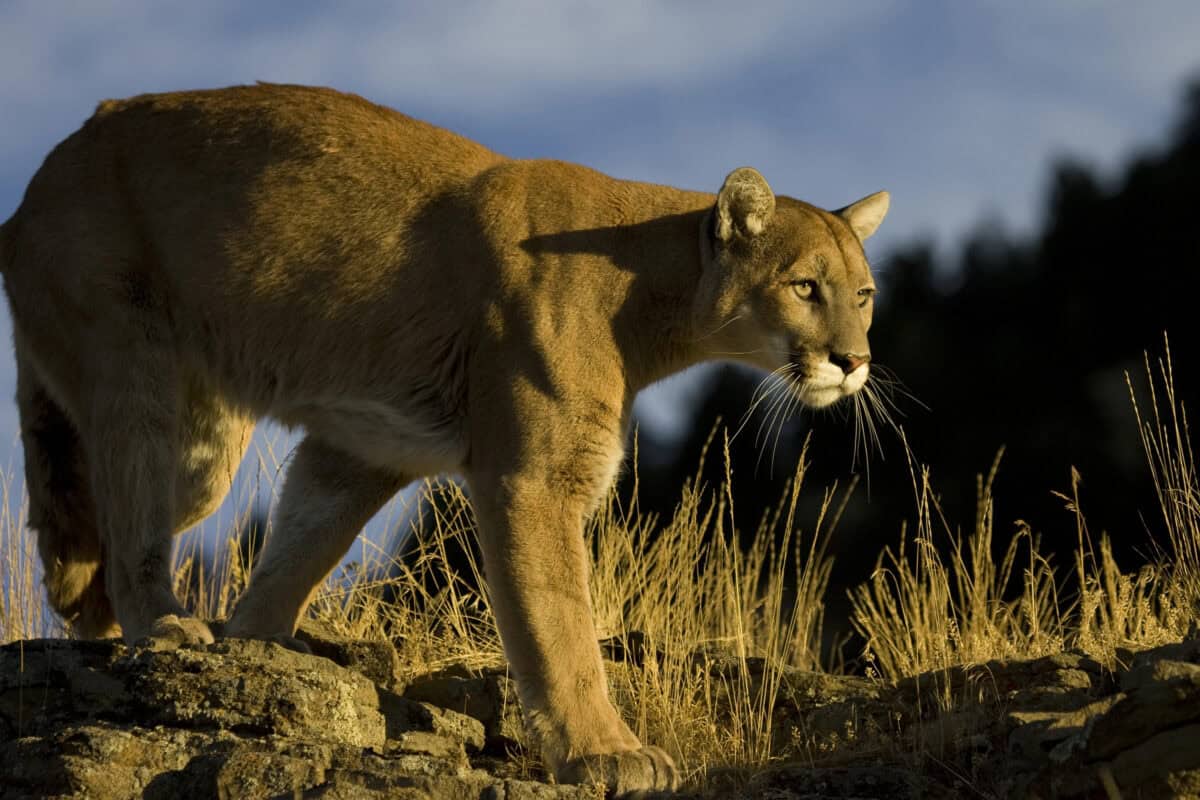
Mountain lions are indeed making a tentative comeback in the Midwest, though the extent and permanence of this recovery remain uncertain. Confirmed sightings have increased dramatically across multiple states, with Nebraska and Missouri showing the strongest evidence for potential breeding populations. This natural recolonization process represents both an ecological opportunity and a social challenge, requiring thoughtful management approaches that balance conservation goals with human concerns. The success of mountain lion recovery will ultimately depend on public acceptance, habitat connectivity, and science-based management policies that acknowledge both the ecological value of apex predators and the legitimate concerns of rural communities. As these magnificent cats continue their gradual return to portions of their historical range, they offer a compelling case study in large predator recovery and the complex relationship between humans and wildlife in shared landscapes.

- Wombats Dig Tunnels Like Engineers - June 30, 2026
- What Happens If the Yellowstone Caldera Blows? - June 30, 2026
- The Most Colorful Lizards Found in the Deserts of New Mexico - June 30, 2026