
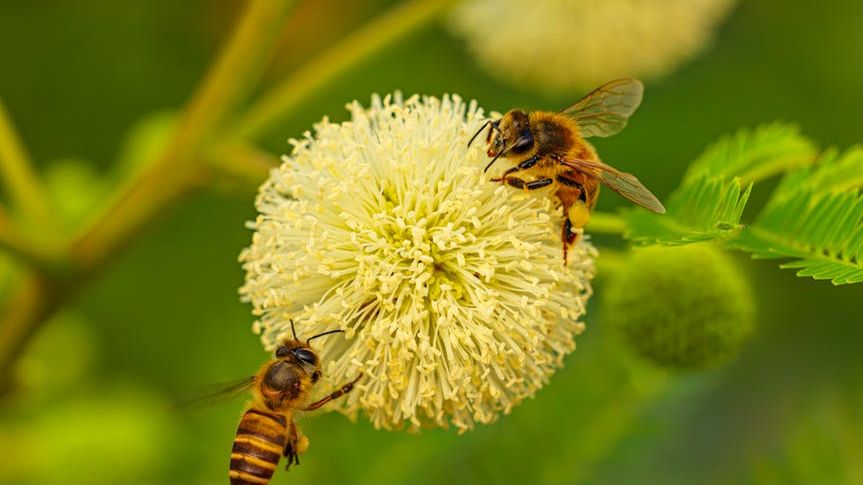
There’s a quiet hum that most gardeners either take for granted or barely notice at all. It floats through lavender, dips into sunflowers, and brushes across clover without asking permission. That hum belongs to one of the most consequential creatures on the planet, and it visits your backyard more often than you might think.
Bees are responsible for the reproduction of over three quarters of the world’s flowering plants, making them essential for biodiversity and food security. That’s not a marginal contribution. That’s the skeleton of the natural world. Yet what most people don’t realize is that the small decisions they make in their own garden, which plants to grow, which chemicals to avoid, whether to leave a patch of wild growth, ripple outward far beyond the fence line.
#1: Bees Are the Engine Behind the Food You Eat Every Day
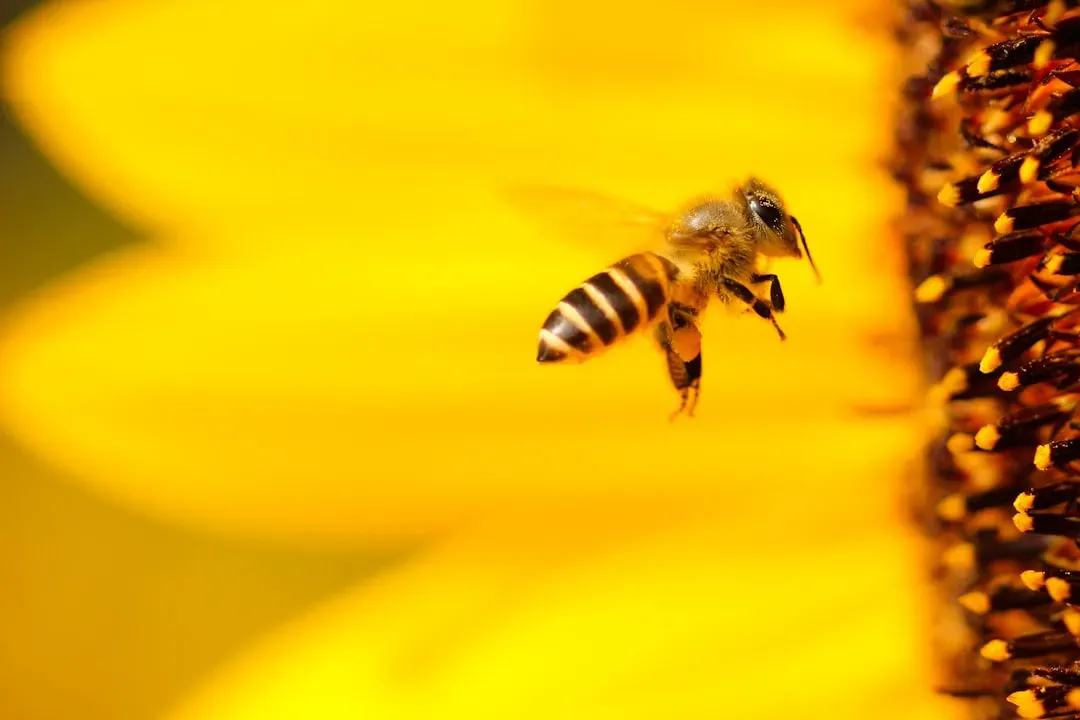
It’s easy to think of bees as honey-makers. They’re so much more than that. Some scientists estimate that one out of every three bites of food we eat exists because of animal pollinators like bees, butterflies and moths, birds and bats, and beetles and other insects. That’s not a small slice of the grocery store. That’s nearly everything colorful on your plate.
Bees contribute to the global food supply by pollinating a wide range of crops, including fruits, vegetables, oilseeds, and legumes. Think almonds, blueberries, apples, avocados, coffee, cocoa. Without the help of bees, the world would be without such well-loved foods as chocolate, coffee, peaches, almonds, tomatoes, blueberries, strawberries, apples, pumpkins, melons, vanilla, and many other fruits, nuts, and vegetables.
Bee pollination improves the quality and quantity of fruits, nuts, and oils. It’s not just about whether a crop exists at all. It’s about how nutritious, how abundant, and how flavorful it turns out to be. Research shows that when bees pollinate apple trees, more of the tree’s flowers become apples. In the case of watermelon, wildlife pollination increases the number of melons and the weight of each melon per plot. On cherry orchards, the weight of an individual cherry can increase by nearly three percent when pollinated by bees. That’s a detail most people never consider standing in the produce aisle.
#2: Bees Hold the Food Chain Together Far Beyond the Garden Fence
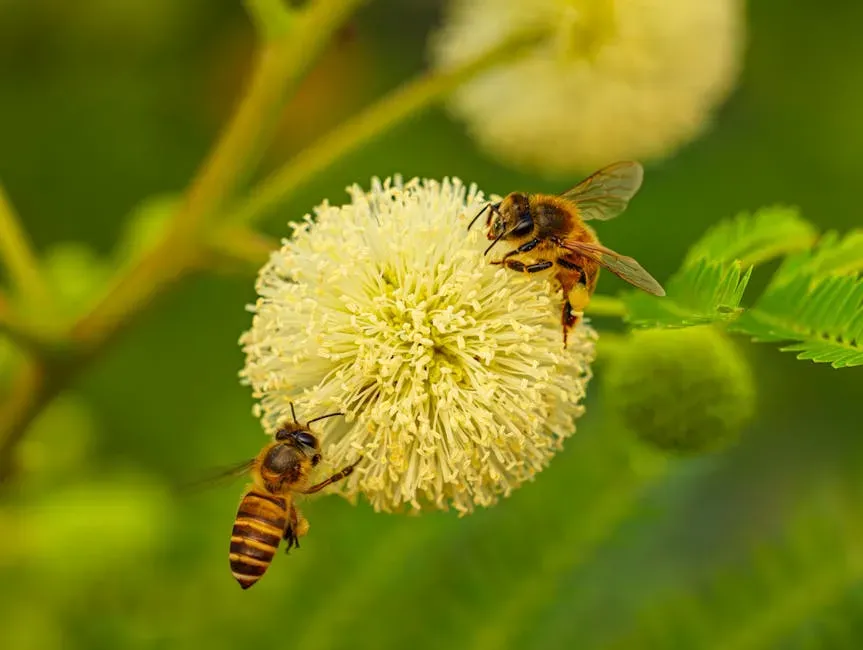
The relationship between bees and the broader ecosystem goes well beyond the plants in your yard. The collapse of bee populations not only affects human food systems but also has cascading effects on ecosystems. Bees are key to the reproduction of plants that provide food and shelter for other animals. Without bees, many of these plants would not be able to reproduce, threatening animal populations that depend on them for survival.
The seeds and fruits produced via pollination serve as food sources for numerous animals such as birds, butterflies, and bats. The availability of fruits and seeds is crucial for herbivorous wildlife, which in turn is a food resource for carnivorous species, thus sustaining intricate food webs. As pollinators, bees help in maintaining healthy plant communities that provide shelter and breeding grounds for a multitude of wildlife species.
If we lose the plants that bees pollinate, that would create trophic cascades when animals that depend on those plants lose their sources of food. A trophic cascade is essentially an ecological domino effect. One species disappears, and the reverberations move up and down the food chain in ways that take decades to fully understand. Animals such as birds, rodents, and even some larger herbivore mammals rely on the fruits, seeds, and plants that bees pollinate. Without bees, the loss of these plants would incur a “domino effect” as various species throughout the food chain topple over.
#3: Bees Improve Soil Health and Support the Ground Beneath Your Feet
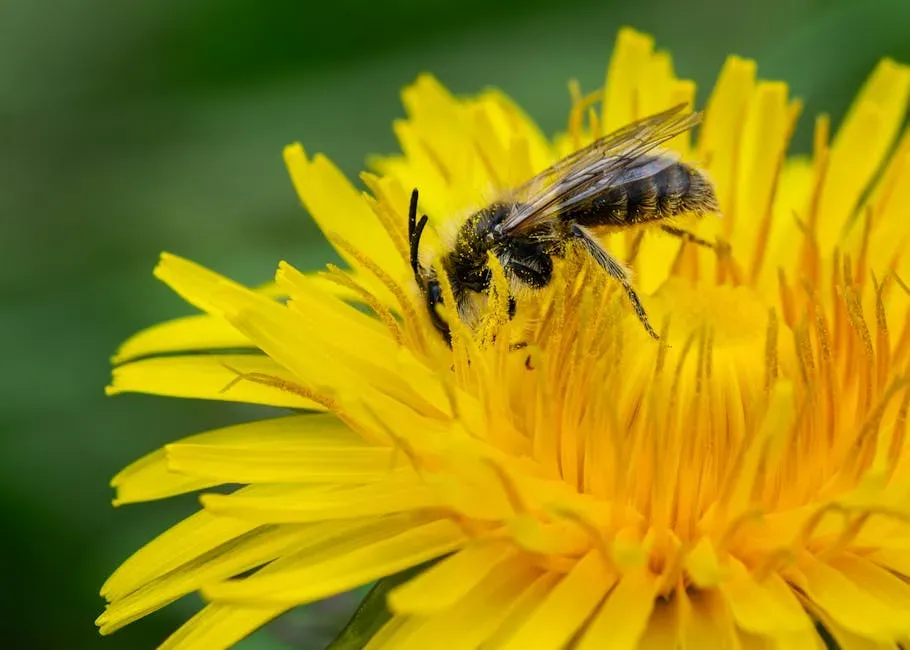
Most people associate bees with flowers and overlook what’s happening underground. Soil health is one of the quieter but genuinely remarkable areas where bees make a difference. When bees visit flowers, they spread pollen and nectar, which can help improve soil microbial activity and nutrient cycling. This helps to make the soil healthier and more fertile.
More than nine out of ten of the world’s bee species are solitary, and many of these nest within the soil. In more arid regions of the world, solitary bee species nest in large, communal aggregations. These gatherings may include hundreds or even thousands of individual bees, whose nests may go many feet into the soil, providing aeration and opportunities for water sequestration. That’s a natural tilling service, happening for free, right beneath the surface of a healthy garden.
Plants help create organic matter, which is essential for soil health and fertility. Healthy soils mean more moisture retention and more support for microbial communities like fungi and bacteria. Their root systems bind soil together, improving structural integrity and reducing the risk of erosion. They also regulate water by improving infiltration and reducing surface runoff, which leads to flooding. Bees are the architects behind those plant communities. Without them, the soil itself begins to suffer.
#4: Bees Are Natural Signals of Ecosystem Health
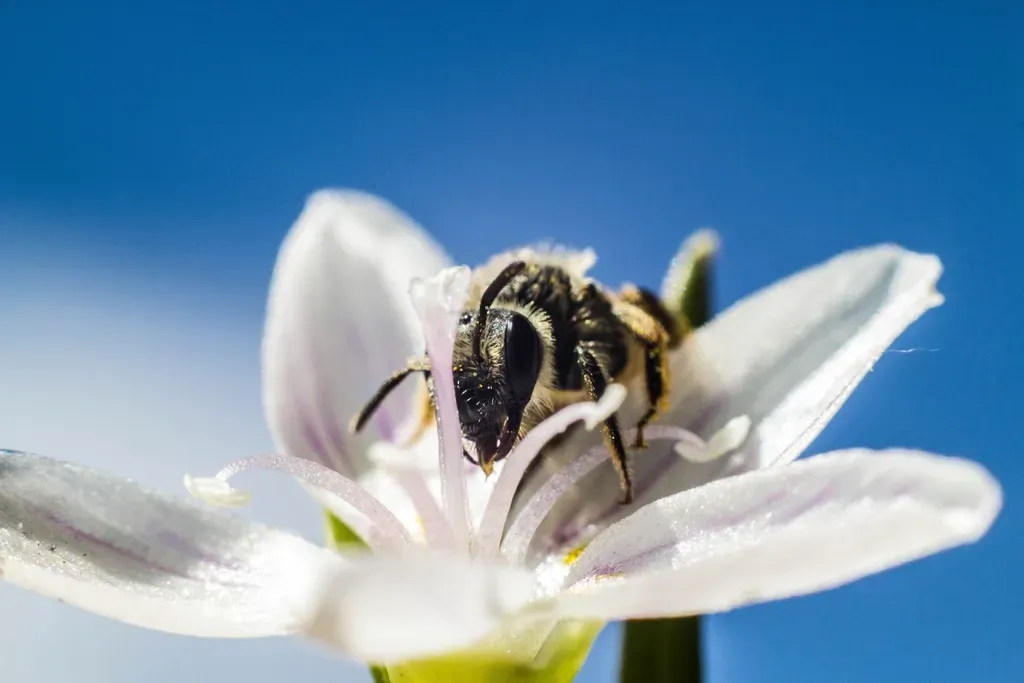
There’s something almost diagnostic about bees. Their presence, or absence, tells you a great deal about the condition of the environment around them. Bees act as natural indicators of environmental health. Their wellbeing reflects the state of the climate, soil fertility, pest levels, and air and water quality in the regions they inhabit. When bee populations decline, it signals broader ecological distress.
Bees are essential for the health and functioning of ecosystems, serving as keystone species for balanced biodiversity and ecological stability. Their pollination activities underpin agricultural productivity and global food security and contribute directly and indirectly to soil health, carbon sequestration, and habitat diversity. A keystone species is one whose removal reshapes the entire system around it. That’s not an exaggeration in the case of bees.
Bee populations have been declining globally over recent decades due to habitat loss, intensive farming practices, changes in weather patterns, and the excessive use of agrochemicals such as pesticides. This in turn poses a threat to a variety of plants critical to human well-being and livelihoods. A quieter garden isn’t just aesthetically duller. It’s a warning. A thriving bee population, along with the presence of birds, wildlife, and fungi, provides a glimpse into the overall health and resilience of the land, indicating the presence of healthy soil, diverse plant life, and a lack of harmful chemicals and pollutants.
#5: Your Garden Can Become a Lifeline for Bee Populations
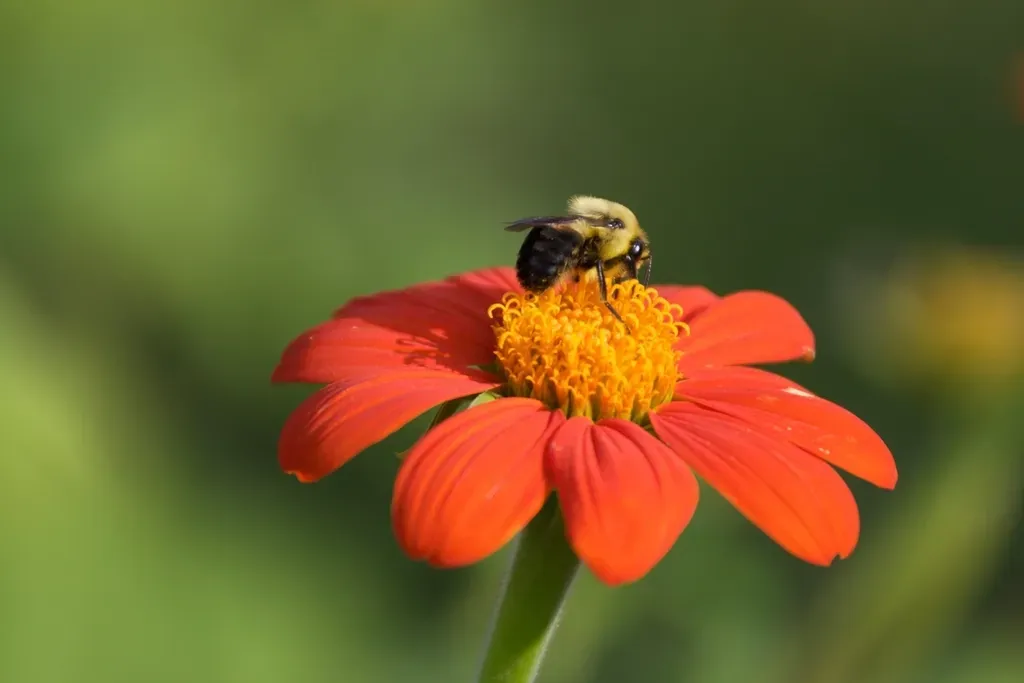
Here’s the part worth sitting with for a moment: the situation is serious, but individual action genuinely matters. The habitats that pollinators need to breed, overwinter, and feed in are shrinking. As native vegetation is replaced by roadways, manicured lawns, and non-native gardens, pollinators lose the food and nesting sites that are necessary for their survival. Your garden is not a small thing in that context. It’s a patch of habitat in a landscape that’s been slowly stripped bare.
Select native flowers such as coneflowers, sunflowers, and wildflowers to provide nectar and pollen. Include flowering herbs like lavender and thyme, which attract bees while enhancing your garden’s beauty. Aim for a variety of shapes and colors in flowers to attract different bee species. Diversity in your garden directly mirrors the diversity you’re supporting in the wider ecosystem. One thoughtful planting decision creates a ripple effect.
Even planting just a few native plant species in a front or back garden and limiting pesticide use can create more pollinator-friendly spaces and support the ecosystem’s health and the economy. Avoiding pesticides is arguably the most urgent step. One type of pesticide known as neonicotinoids is especially harmful because it can remain present in plants, soil, and water for months. Neonicotinoids don’t kill bees directly, but these compounds do impair bees’ immune systems, delay development, and undermine the bees’ ability to navigate and reproduce successfully. Choosing not to use them is a decision with consequences that extend far beyond your property line.
Conclusion: The Garden as a Commitment, Not Just a Hobby
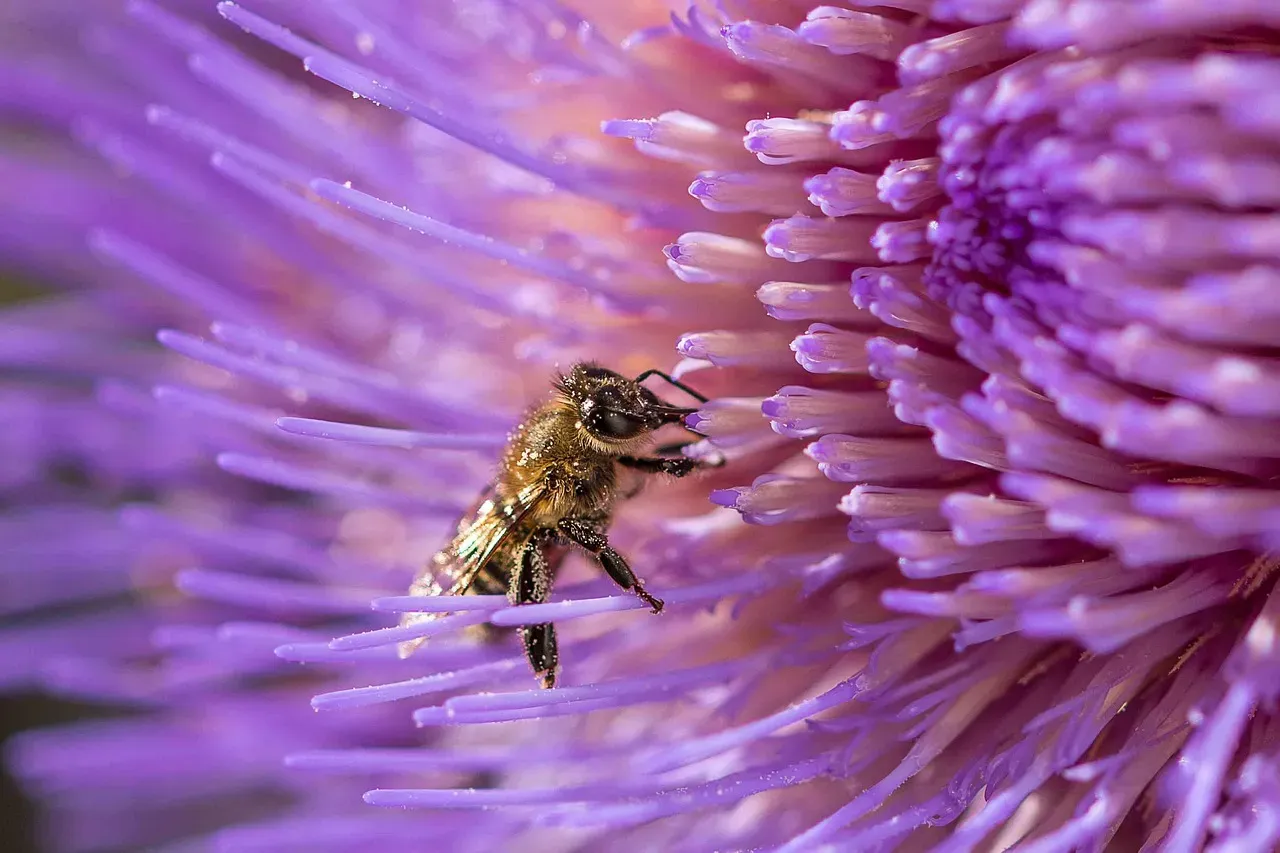
There’s a tendency to frame bee protection as an environmental nicety, a feel-good add-on for people who already care deeply about nature. That framing sells the issue short. According to the Food and Agriculture Organization of the United Nations, the economic value of the relationship of pollinators and global crops is more than $235 billion a year. It is estimated that as much as thirty-five percent of the world’s food crops depend on animal pollinators to reproduce. That’s one out of every three bites of food we consume.
What happens in your garden is not separate from what happens in the broader world. By increasing biodiversity and facilitating the reproduction of diverse plant species, bees help to rebuild ecosystems. This, in turn, creates a positive feedback loop where healthier ecosystems support more robust pollinator populations. That loop begins somewhere. It can begin with a patch of native wildflowers in a suburban backyard.
Protecting bees is, in the end, an act of protecting coherence in the natural world. Every flowering plant left standing, every pesticide bottle left on the shelf, every native species planted instead of an ornamental monoculture, adds one more thread to a web that keeps the whole thing together. The hum in your garden is not background noise. It’s the sound of an ecosystem still functioning. The question worth asking, seriously, is whether we’re willing to keep it that way.

- 14 Tender Signs an Old Dog Is Grateful for Every Day It Spends With You - July 22, 2026
- 14 Signs the Shy Dog at the Shelter Was Only Ever Waiting for You - July 22, 2026
- 14 Signs Your Dog Picked You the Very Day You Two Met - July 22, 2026