

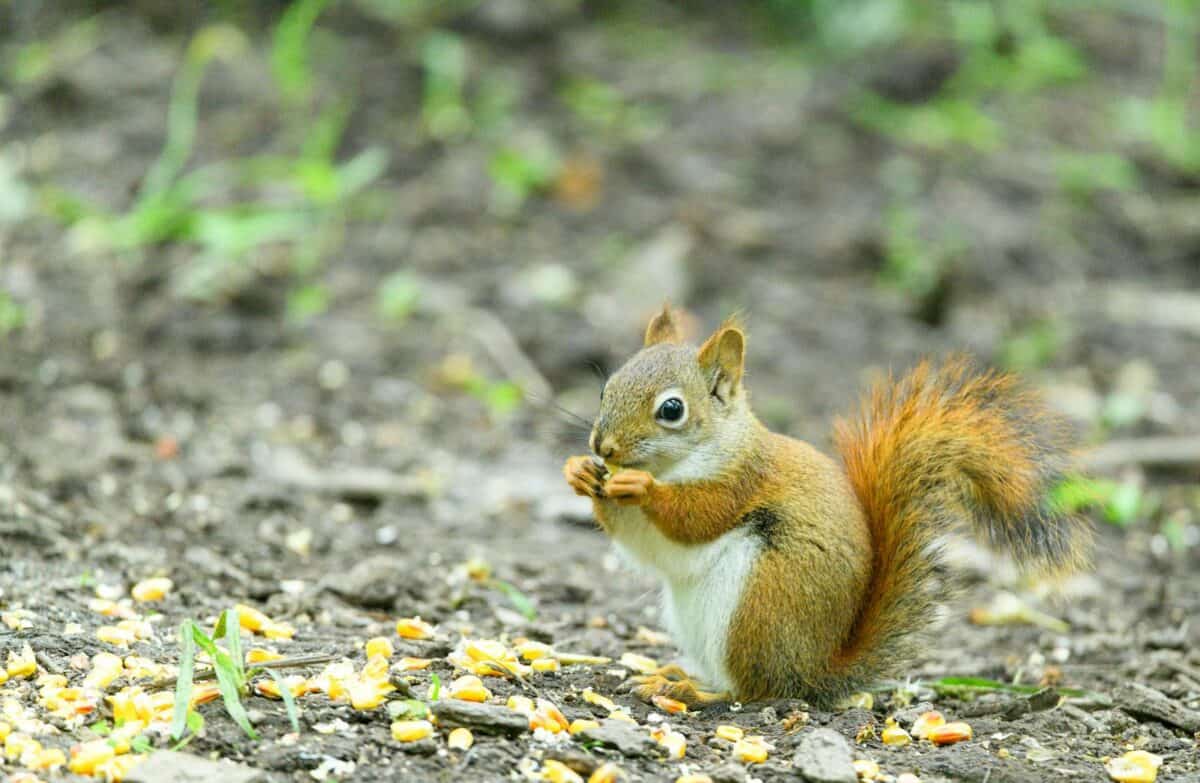
In the wild, securing a consistent food supply is a matter of life and death. Unlike humans who can simply open a refrigerator or pantry, wild animals have developed fascinating and ingenious methods to store and preserve food for times of scarcity. From elaborate caching systems to biochemical adaptations, these survival strategies represent millions of years of evolutionary refinement. This article explores the remarkable ways different species across the animal kingdom ensure they don’t go hungry when food becomes scarce, highlighting nature’s incredible adaptations for survival in unpredictable environments.
The Evolutionary Necessity of Food Storage
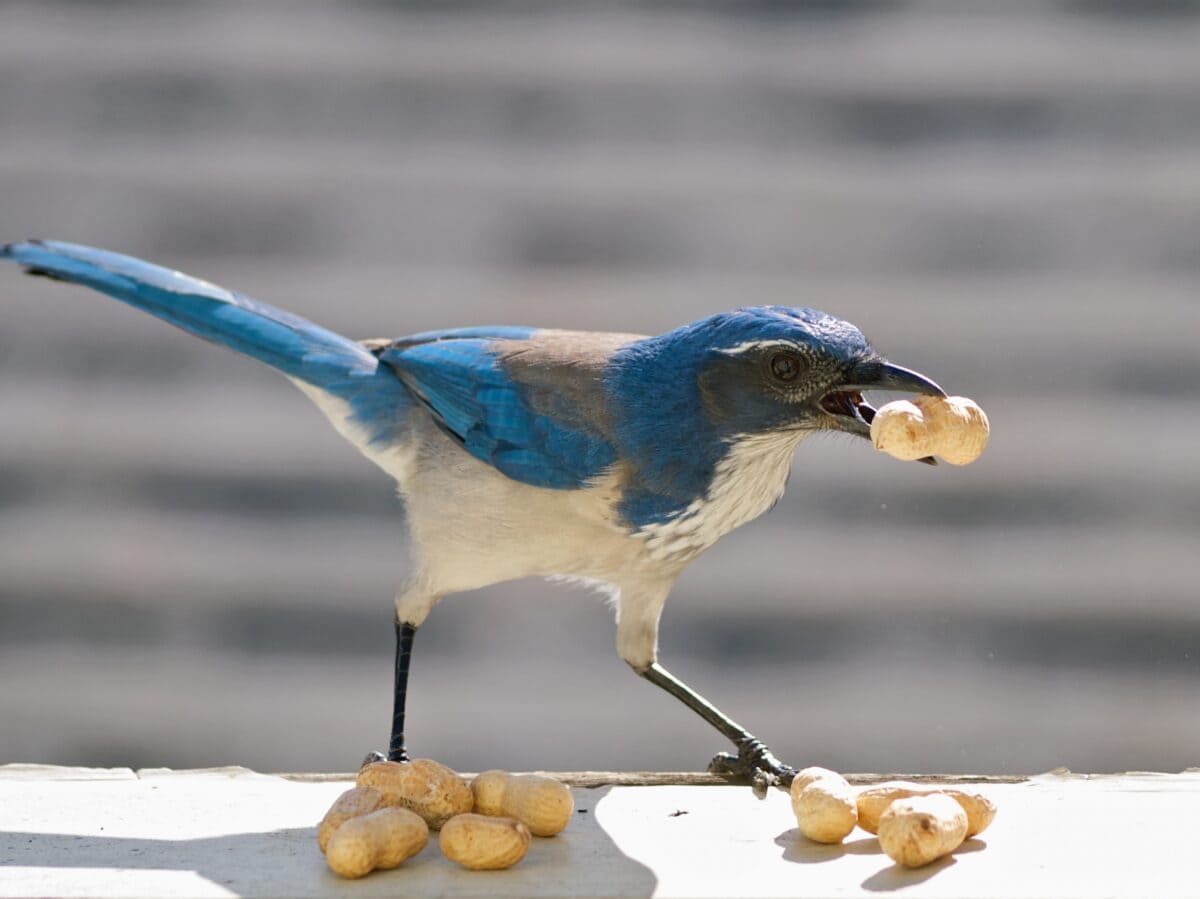
Food storage behaviors have evolved independently across multiple animal species as a critical survival adaptation. In environments where food availability fluctuates seasonally or unpredictably, animals that can effectively store surplus food gain a significant survival advantage. This evolutionary pressure has led to both behavioral adaptations (such as caching) and physiological changes (like fat storage). Research indicates that food-storing animals often possess enhanced spatial memory and problem-solving abilities compared to their non-storing relatives, demonstrating how these behaviors have shaped cognitive evolution. The sophistication of these storage systems often correlates with environmental harshness – animals in highly seasonal or resource-variable habitats typically develop the most complex food preservation strategies.
Scatter Hoarding: Nature’s Diversified Investment Strategy
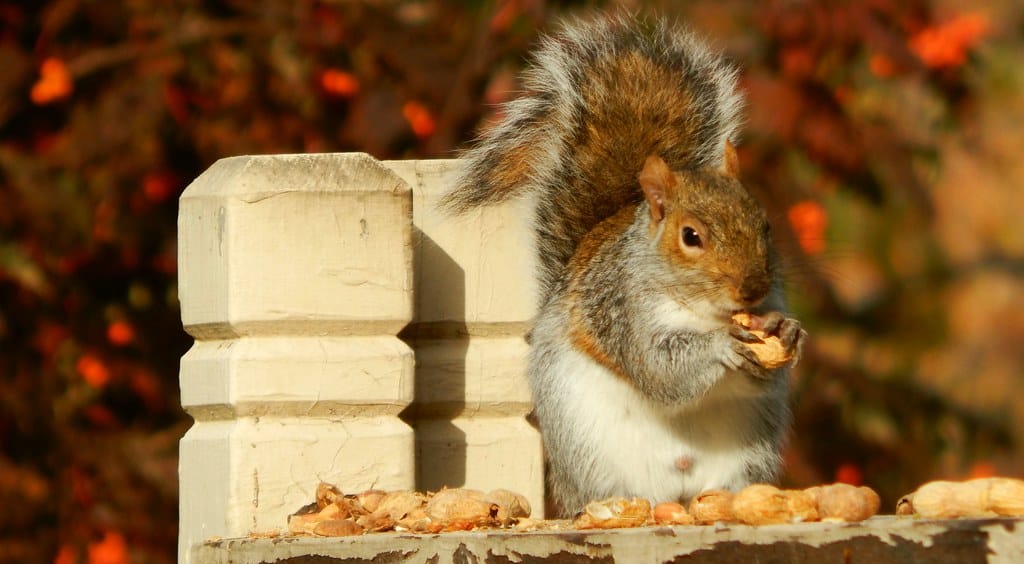
Scatter hoarding represents one of the most common food storage techniques in the animal kingdom. This method involves distributing food in numerous small caches across a wide territory – essentially not putting all eggs in one basket. Gray squirrels (Sciurus carolinensis) exemplify this strategy, creating thousands of individual caches each autumn, burying nuts and seeds just below the soil surface. Studies reveal these squirrels can remember cache locations for months using a combination of spatial memory, visual landmarks, and even smell. Interestingly, research published in the Journal of Animal Ecology found that gray squirrels practice “deceptive caching” – pretending to bury food when being watched by potential thieves. Beyond squirrels, scatter hoarding is employed by various jays, nutcrackers, and even certain rodent species, each with unique variations of this survival strategy.
Larder Hoarding: Centralized Food Management
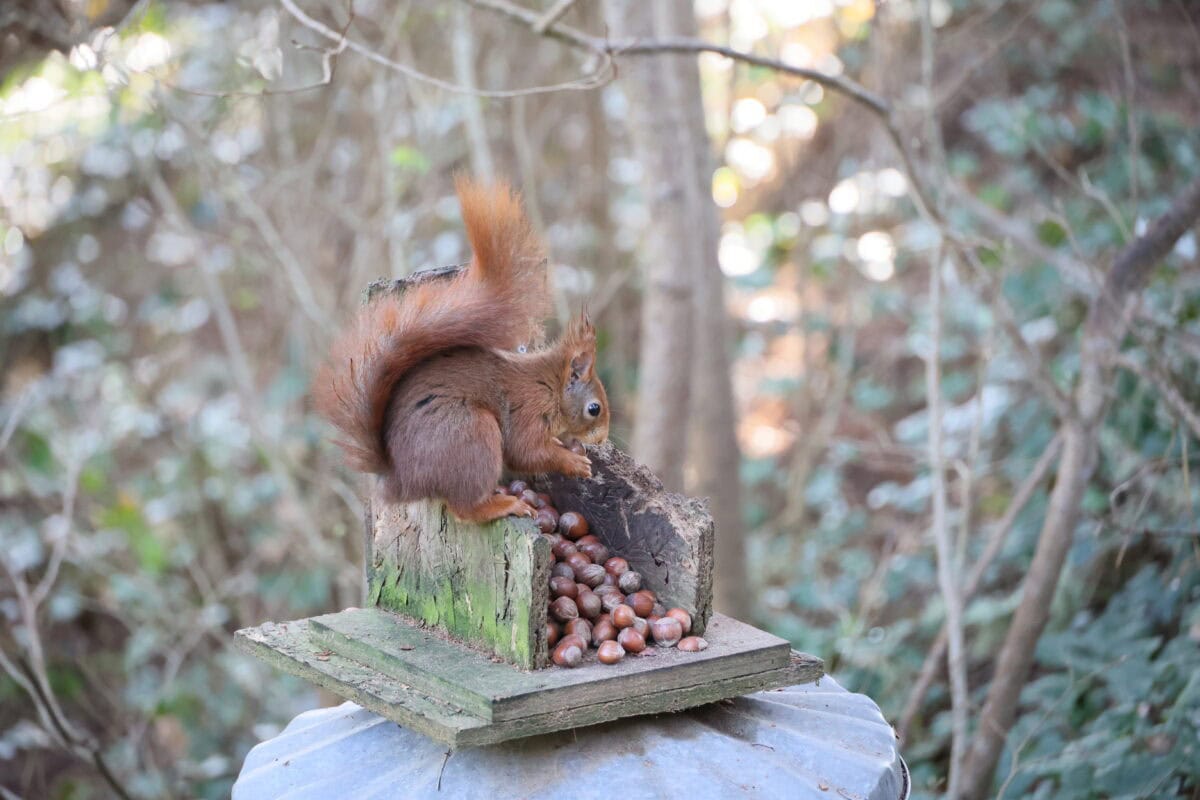
In contrast to scatter hoarding, larder hoarding involves creating one or a few large, centralized food caches. This strategy is particularly common among territorial animals that can effectively defend their food reserves. Red squirrels (Tamiasciurus hudsonicus) exemplify this approach, creating massive middens of conifer cones near their nests that can contain thousands of cones. These central larders require less complex spatial memory but demand vigilant defense against competitors and thieves. Beavers also employ larder hoarding, creating underwater food caches of branches and bark near their lodges for winter consumption. These underwater larders serve a dual purpose – preserving food while keeping it accessible when ice covers the water surface. The primary advantage of larder hoarding is the efficiency of food retrieval during harsh conditions, though it comes with the risk of catastrophic loss if the cache is discovered by predators or competitors.
Acorn Woodpeckers: Masters of Collective Storage

Acorn Woodpeckers (Melanerpes formicivorus) have developed perhaps one of the most visually striking food storage systems in nature – their renowned “granaries.” These industrious birds drill thousands of custom-sized holes in dead trees, utility poles, or even wooden buildings, creating perfect-fitting storage units for acorns. A single granary tree can contain up to 50,000 individual storage holes, representing an immense collective effort. What makes this system particularly fascinating is its social dimension – extended family groups of woodpeckers maintain these granaries together, with complex social hierarchies governing access to stored food. Research published in Behavioral Ecology reveals that these woodpeckers practice regular “acorn management,” removing damaged or infested acorns and reorganizing their stores. The granary system demonstrates how food storage behaviors can become intertwined with social structures, creating complex cooperative systems that increase survival odds for the entire group.
Underground Food Chambers of Harvester Ants
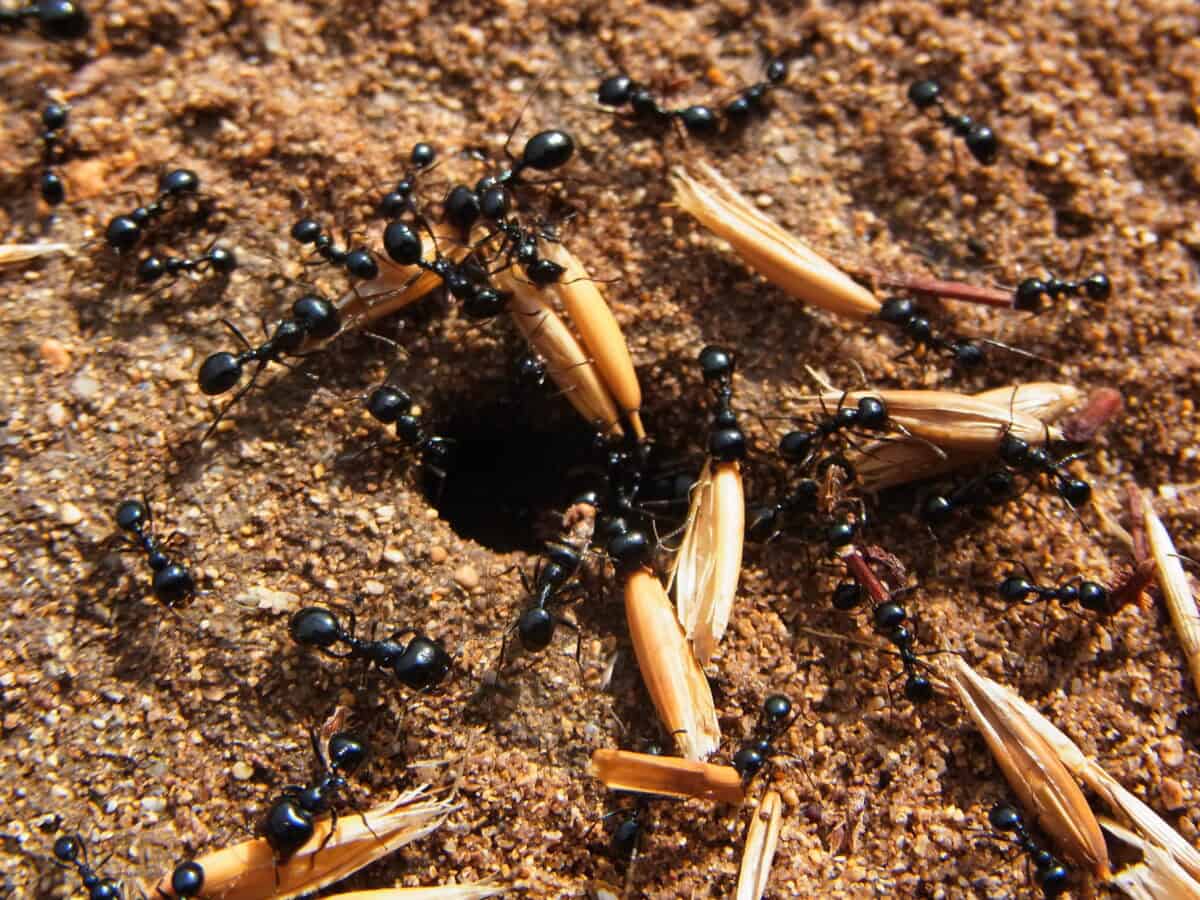
Harvester ants demonstrate remarkable sophistication in their food storage capabilities. Species like Pogonomyrmex occidentalis (Western harvester ant) construct elaborate underground chambers specifically designed for seed storage. These granaries can extend several feet below the surface, with different chambers maintained at varying humidity levels to prevent seed germination or spoilage. Worker ants continually monitor these stores, bringing seeds to the surface to dry if moisture levels rise too high. A single harvester ant colony can collect and store over 30 pounds of seeds annually—an extraordinary amount considering the tiny size of individual ants. Research published in the Journal of Insect Behavior documents how these ants selectively choose seeds based on nutritional content and storage potential, demonstrating sophisticated decision-making that optimizes their food reserves. The architectural complexity of these storage chambers highlights how even small invertebrates can develop highly engineered solutions to food preservation challenges.
Honey Bees: Food Processing and Preservation Experts

Honey bees (Apis mellifera) represent nature’s premier food preservation specialists, transforming nectar into honey through an elaborate biochemical process. Worker bees collect flower nectar, which contains approximately 80% water, and begin a complex transformation process. Through enzymatic activity and physical manipulation, bees reduce the water content to below 18%, creating an environment inhospitable to bacteria and fungi. The addition of glucose oxidase produces hydrogen peroxide, providing additional antimicrobial properties. The resulting honey can remain preserved for decades—even centuries, as evidenced by still-edible honey found in ancient Egyptian tombs. Beyond honey, bees also collect and process pollen into “bee bread,” fermenting it with lactic acid bacteria to create a protein-rich food reserve. These sophisticated preservation methods enable honey bee colonies to maintain food supplies throughout winters and other periods of scarcity, highlighting how biochemical processing can solve storage challenges in ways mechanical storage cannot.
Pack Rats and Their Botanical Preservation Techniques

Pack rats (genus Neotoma) employ a distinctive approach to food preservation that leverages plant chemistry. These rodents collect vegetation with high levels of aromatic compounds, particularly creosote bush leaves in desert regions, and incorporate them into their food caches. Research from the University of California, Berkeley, demonstrates that these aromatic plants act as natural preservatives, deterring fungal growth and insect infestation in their food stores. The rats strategically layer their caches, placing the most preservative-rich materials around perishable food items. This botanical preservation system allows pack rats to maintain viable food stores in hot, humid environments where spoilage would otherwise occur rapidly. Interestingly, archaeological excavations of ancient pack rat middens have recovered plant materials preserved for thousands of years through this method, providing valuable paleoenvironmental records. This chemical preservation strategy represents a sophisticated adaptation that effectively creates natural “refrigeration” without actually lowering temperatures.
Underwater Food Preservation by Beavers and Muskrats

Beavers (Castor canadensis) and muskrats (Ondatra zibethicus) have mastered underwater food storage techniques that exploit the preservative properties of cold water. During autumn, beavers create substantial underwater caches of branches and logs anchored in the mud near their lodges. These caches serve as critical winter food reserves when ice cover prevents foraging. The near-freezing water temperatures slow decomposition while keeping the wood moist and edible. A single beaver family can store over a ton of vegetation in their winter cache, providing sufficient food for months of ice cover. Similarly, muskrats create “feeding platforms” under ice, stocking them with aquatic plants that remain fresh in the cold water. Research in the Canadian Journal of Zoology indicates that these underwater caches are strategically positioned to remain accessible even when water levels fluctuate beneath the ice. This adaptation demonstrates how some species exploit natural refrigeration principles to solve food preservation challenges in seasonal environments.
Physiological Food Storage: Internal Reserves

Many animals utilize their own bodies as living food storage systems, developing specialized physiological adaptations for internal reserves. Bears represent the most iconic example, accumulating massive fat reserves before hibernation—sometimes adding over 100 pounds during hyperphagia (extreme eating) periods. These fat stores aren’t merely energy deposits; they’re biochemically active tissues that help regulate metabolism during dormancy. Camels store both energy and water in their humps, which contain concentrated fat tissues that can be metabolized to release both calories and metabolic water when resources are scarce. Even more remarkably, species like the wood frog (Lithobates sylvaticus) store glucose in their cells as an internal antifreeze that prevents fatal ice crystal formation during winter freezing. These physiological storage systems demonstrate how some animals have internalized food storage, carrying their reserves within their bodies rather than creating external caches. This strategy eliminates the risk of cache theft but requires complex metabolic adaptations to efficiently store and release these internal reserves when needed.
Fungal Farming by Leaf-Cutter Ants
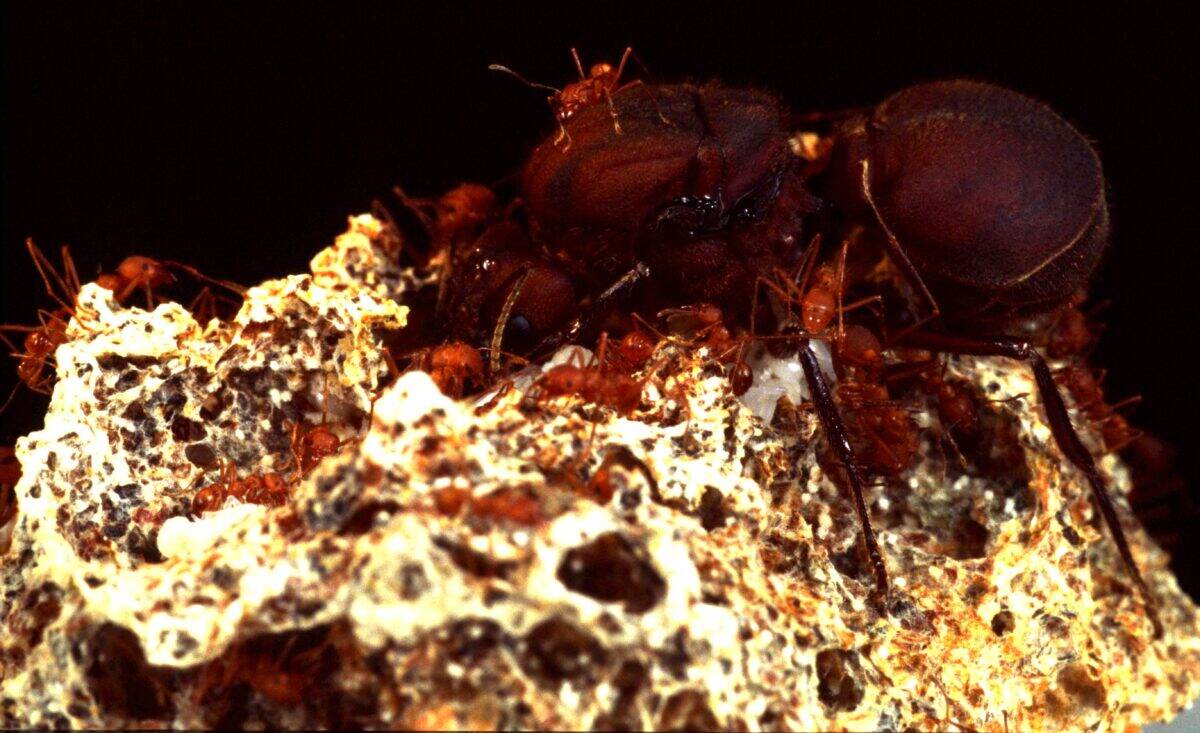
Leaf-cutter ants (tribe Attini) have evolved perhaps the most sophisticated food production system among non-human animals—agricultural fungus farming. Rather than storing food directly, these ants grow their own food supply in carefully maintained underground chambers. Worker ants harvest fresh plant material, process it into a suitable substrate, and use it to cultivate specific fungal species that serve as the colony’s primary food source. This agricultural system represents a remarkable evolutionary innovation that emerged approximately 50 million years ago. The fungus gardens require precise environmental control, with ants maintaining specific temperature and humidity levels in different chambers. Research published in Science revealed that these ants also produce antimicrobial compounds to protect their fungal crops from pathogens, essentially creating the insect equivalent of agricultural pesticides. This fungal farming represents an alternative solution to food storage—rather than preserving foraged food, these ants create a continuous, controlled food production system that functions regardless of external conditions, providing reliable nutrition even during environmental stress periods.
Food Preservation in Extreme Environments
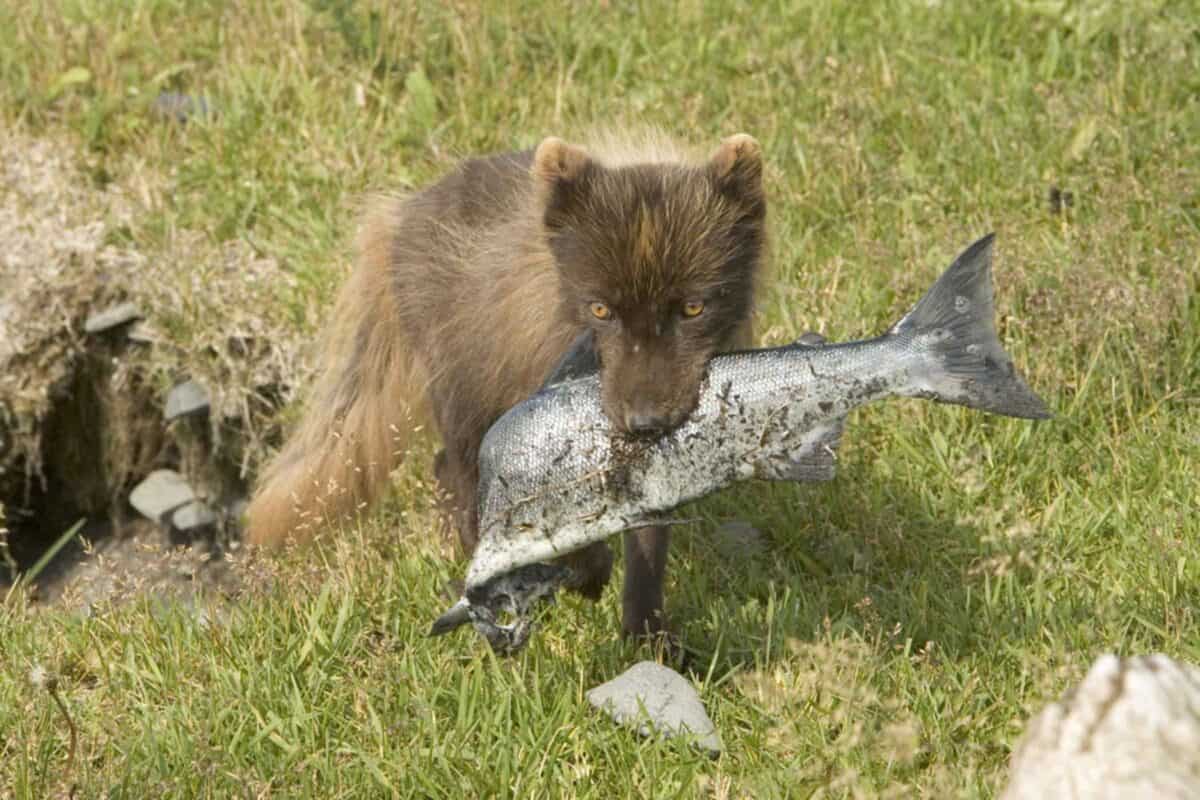
Animals inhabiting extreme environments have developed specialized food storage adaptations suited to their challenging habitats. In Arctic regions, foxes exploit permafrost conditions for food preservation. Arctic foxes (Vulpes lagopus) create caches by burying surplus prey in permanently frozen ground, effectively creating natural freezers that preserve meat for months or even years. A study in the Journal of Mammalogy documented individual foxes maintaining over 40 active caches simultaneously. In desert environments, the opposite problem exists—preventing food spoilage in intense heat. Desert woodrats solve this by storing cacti and other succulents in rock crevices where evaporative cooling creates microenvironments significantly cooler than ambient temperatures. In high alpine regions, pikas (Ochotona princeps) create “haystacks” of vegetation that they cure in the sun before storing in protected rock crevices. This curing process reduces moisture content and prevents mold growth during long mountain winters. These diverse adaptations demonstrate how environmental challenges drive the evolution of specialized food preservation techniques tailored to specific ecological conditions.
Seasonal Variation in Food Storage Behaviors
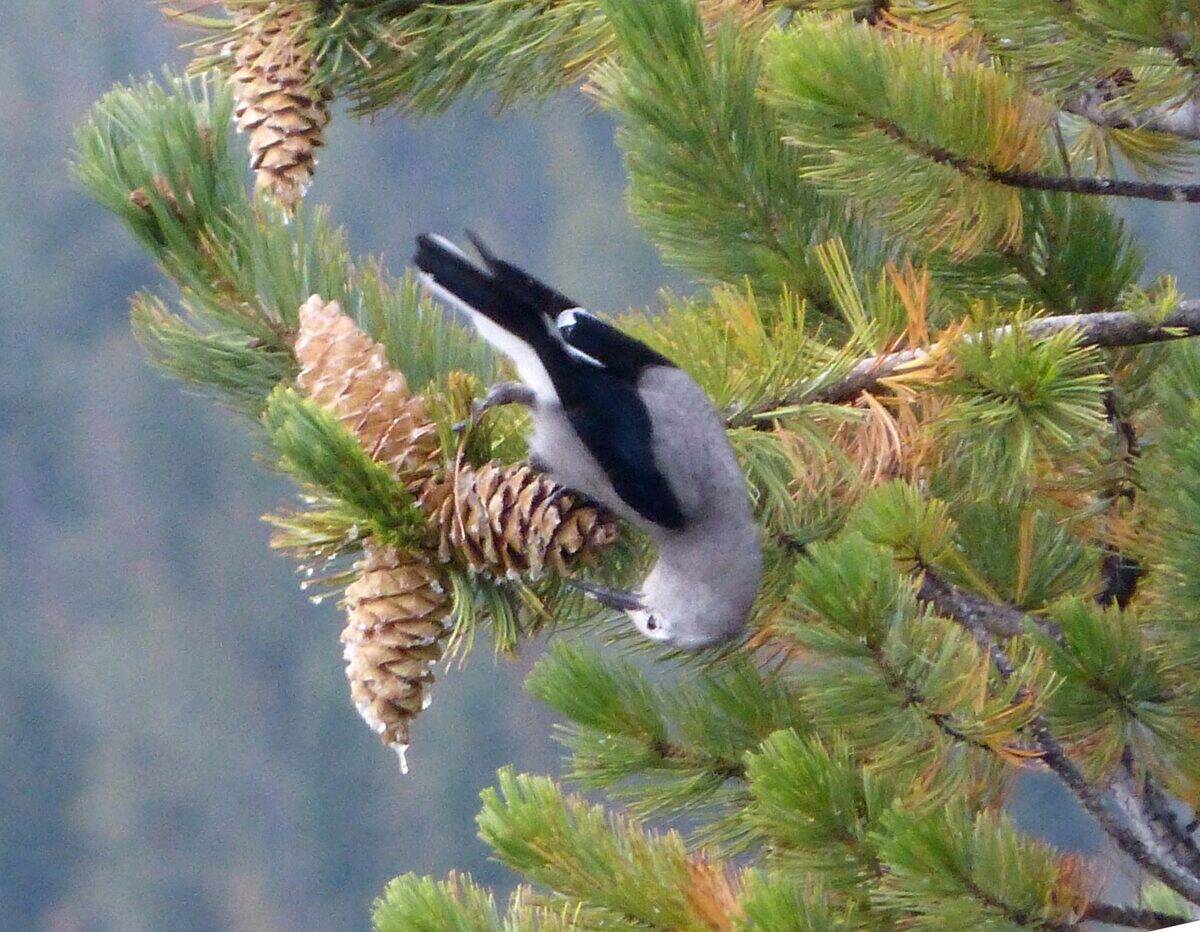
For many species, food storage behaviors follow distinct seasonal patterns that align with natural resource cycles. Field studies with North American red squirrels show dramatic increases in caching activity in late summer and early fall, corresponding with conifer cone maturation. These animals can cache up to 20,000 cones in a single season, with caching rates peaking in September. Interestingly, research published in Animal Behaviour reveals that these seasonal patterns are partly governed by hormonal changes, with increased cortisol levels triggering intensified caching behaviors as winter approaches. Jays and nutcrackers similarly show pronounced seasonal food storage, with Clark’s Nutcrackers (Nucifraga columbiana) caching up to 33,000 pine seeds each autumn. Even more remarkably, some animals adjust their storage behaviors based on predictive environmental cues. Studies with chickadees demonstrate that individuals exposed to more variable food supplies or harsher early fall conditions increase both the quantity and quality of their winter food caches. These findings suggest that food storage behaviors aren’t simply fixed instincts but adaptive responses that can be calibrated based on environmental forecasting—an impressive cognitive feat that helps animals prepare appropriately for anticipated challenges.
The diverse food storage strategies employed by wild animals represent some of nature’s most ingenious survival adaptations. From the biochemical food processing of honey bees to the sophisticated spatial memory of scatter-hoarding squirrels, these behaviors demonstrate how critical food security has shaped animal evolution. What’s particularly remarkable is how these storage systems often incorporate multiple dimensions—solving not just the mechanical challenge of storing food, but also addressing preservation, protection from theft, and accessibility during harsh conditions. Many of these adaptations have evolved independently across unrelated species, highlighting how similar environmental pressures can drive convergent solutions. As climate change increasingly disrupts traditional seasonal patterns, the flexibility and adaptability of these food storage behaviors may become even more crucial for wild animal survival in an unpredictable future.

- The Story Behind the Red Panda’s Endangered Status - July 18, 2026
- Are You Really Swallowing Spiders in Your Sleep? - July 18, 2026
- Why Japanese Macaques Love Hot Springs - July 17, 2026