
Your garden probably feels like the safest place in the world for your pet. Fresh air, open space, something to sniff around every corner. It looks peaceful, green, and completely harmless. Honestly, most pet owners never think twice about it.
Here’s the thing though: that postcard-perfect backyard could be hiding a surprising number of genuine threats to your dog or cat. Some of the most beautiful, beloved plants and the most common garden products we use every single week are quietly dangerous to our furry companions in ways that would genuinely shock you.
So let’s dive in, because what you are about to discover might completely change how you think about your garden.
The Flower Bed That Could Send Your Pet to the Emergency Vet
Most of us plant for beauty. Bright, cheerful flowers lining garden beds, climbing shrubs bursting with color, seasonal bulbs that signal spring has finally arrived. It feels completely innocent. It is anything but.
Some of the most common toxic plants found in gardens include sago palms, lilies, azaleas, and tulips. That right there is basically a list of crowd-favorite garden staples, which is exactly what makes this so unsettling.
If a dog chews on tulip leaves, they could get an upset stomach. However, the real danger lies when a dog digs up and eats the newly planted bulbs, which have the most toxins. Dogs love to dig. It’s one of their favorite pastimes. So planting tulip bulbs is essentially burying a small hazard in the backyard.
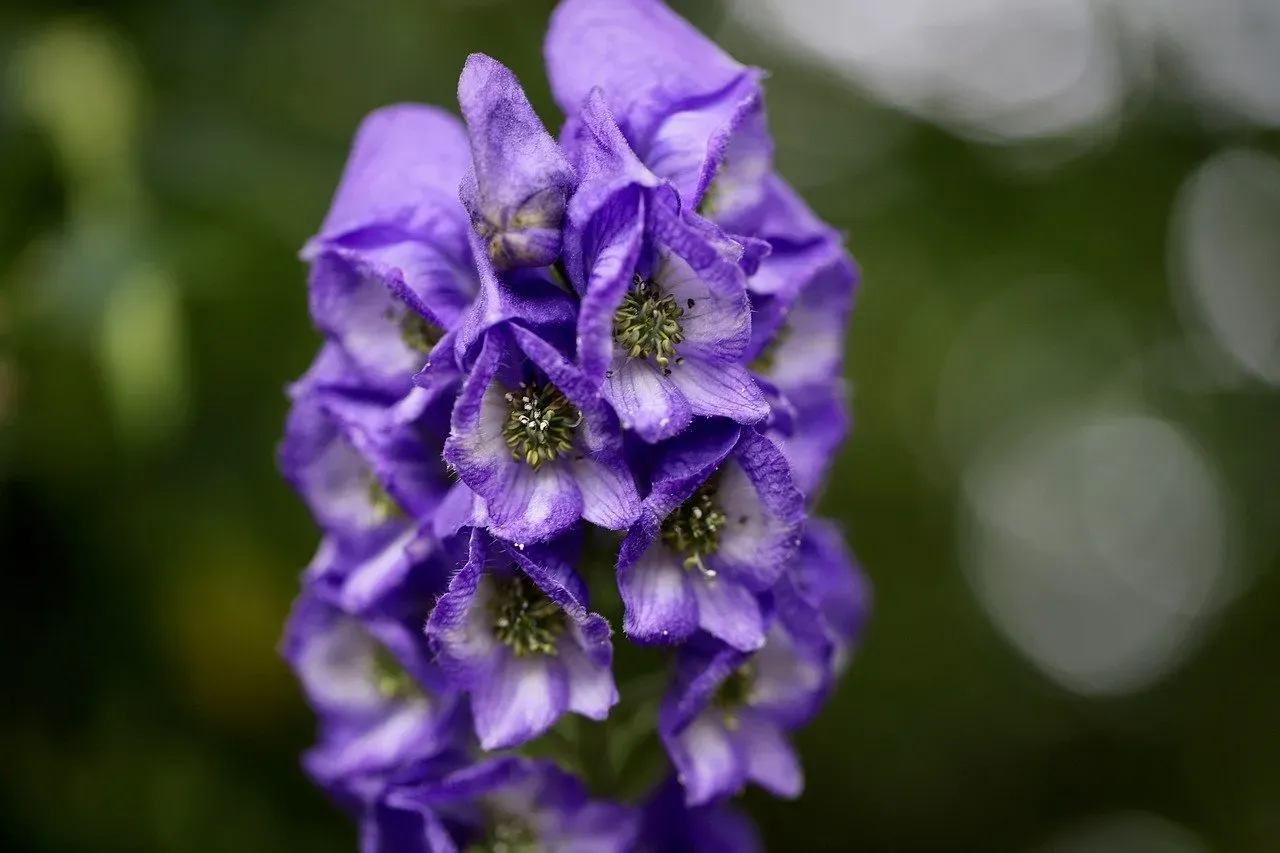
All parts of the foxglove plant are poisonous to dogs, cats, and even humans. These toxins, called cardiac glycoside toxins, affect the heart by disrupting its internal balance. Foxgloves are gorgeous. They are also potentially lethal to a curious pup who decides to snack on one.
Some common garden plants may “only” cause an upset stomach, but others can lead to seizures, heart arrhythmias, organ failure, and death after just a tiny nibble. The terrifying part is that you cannot look at a plant and know which category it falls into without doing the research first.
For cats, daylilies are far more dangerous. Despite their elegant appearance, all parts of the sago palm plant are extremely poisonous if ingested by pets, with the seeds being the most toxic part. The toxic principle is cycasin, and symptoms include drooling, vomiting, bloody stools, fluid retention in the abdominal area, internal hemorrhaging, jaundice, liver failure, and death. That is not a mild reaction. That is a full-blown medical emergency.
Cyclamen is toxic to cats, dogs, and horses. It causes salivation, vomiting in small animals, diarrhea, skin irritation, colic, abnormal heart rhythm, seizures, and in severe cases death. The sobering thing is that cyclamen is sold at virtually every garden center, often without a single warning label in sight.
The Pesticide Problem Nobody Really Talks About
Let’s be real. Most gardeners use some kind of spray, granule, or treatment to keep their plants thriving. It is almost a universal habit. What is far less universal is knowing how genuinely risky those products can be for pets.
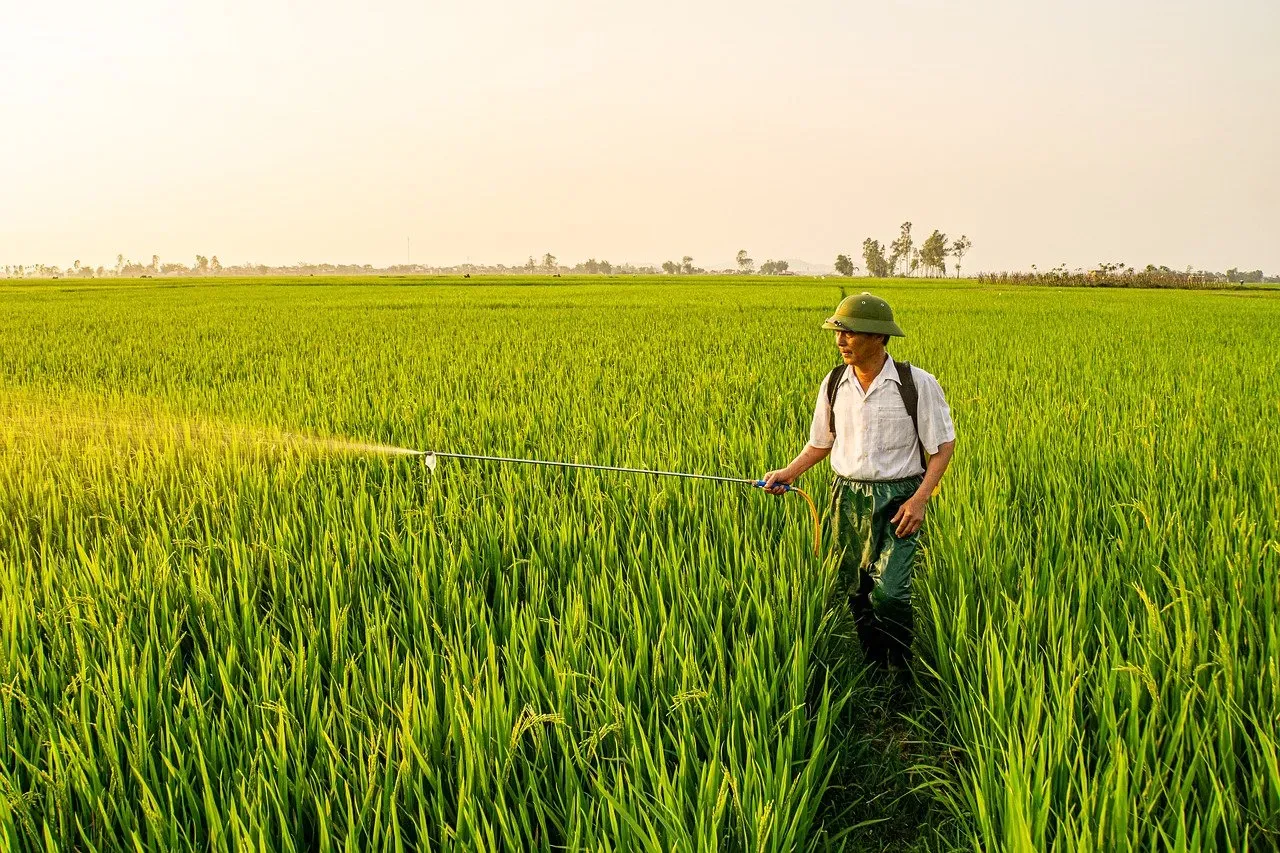
Animals can be exposed to pesticides directly by breathing them in, getting the pesticides on their skin, or eating them. Some pesticides last a long time in the environment and may pose risks to living things many years after they were last used. That “long time” detail is the part that tends to get overlooked. A single application is not a one-day problem.
Pesticides containing disulfoton are part of a class of chemicals called organophosphates. Disulfoton is still popular to use in rose-protecting products. This chemical is dangerous because it tastes good to pets, but it has very toxic effects. These effects include diarrhea, seizures, and even death. Something that smells appealing to your dog and kills them is about as cruel a combination as you can imagine.
Another common pesticide is slug and snail bait made with metaldehyde. This causes tremors, seizures, and even death in dogs. Slug bait is one of the most underestimated garden dangers. It is scattered casually across flower beds, low to the ground, exactly where pets explore.
Toxic lawn chemicals can get indoors too. Chemicals from a treated lawn can travel inside on your pet’s paws as well as the soles of your shoes, bringing chemicals into the home, which can then expose other pets in your household, including cats. Think about that for a second. A cat that never steps outside is still being exposed because you walked through the treated garden and came inside.
Generally speaking, it can take up to three days for chemicals on the grass to be absorbed. You should wait 48 to 72 hours after applying any chemical, including fertilizer, before you allow your pet in the area. Most people wait until the lawn looks dry and assume the danger has passed. That assumption can put a pet in serious danger.
When Fertilizers Are the Enemy in Disguise
Here is a piece of garden wisdom that catches many pet owners completely off guard: even the fertilizer you choose to enrich your soil can harm your animals. Including, somewhat shockingly, the organic “natural” varieties.
Surprisingly, organic fertilizers are lawn products toxic to pets, and they can be even more dangerous. Most “natural” fertilizers contain animal by-products, including bone meal, blood meal, feather meal, and fish meal. These products smell and taste good to dogs, so they may be tempted to ingest large amounts of fertilizers in one sitting. Think of it this way: to a dog, bone meal smells like a buried treat. They will eat as much as they can before you even notice.
Even organic fertilizers, often considered safer, can cause health issues in pets, ranging from an upset stomach to more severe conditions like pancreatitis. Pancreatitis in dogs is painful, costly to treat, and potentially life-threatening. It is not a minor stomach upset.
Some fertilizers contain iron that can result in iron poisoning. Others are combined with dangerous insecticides such as organophosphates and carbamates. Both types of chemicals can result in deadly toxicity symptoms.
Cocoa bean mulch, popular for its rich color and aroma, contains theobromine and caffeine, the same compounds that make chocolate dangerous to pets. Ingestion can result in a rapid heart rate, muscle tremors, or even death. Cocoa mulch is sold as a premium garden material. It looks and smells wonderful. For a dog, it is essentially a garden full of chocolate, with all the same risks.
Liquid fertilizers can be particularly dangerous because they contain higher concentrations of nutrients and chemicals. Even a small amount ingested directly from the container can be harmful. Store your fertilizers like you would store any household chemical. Locked away, out of reach, not left casually on a garden shelf.
Wild Mushrooms: The Silent Pop-Up Hazard
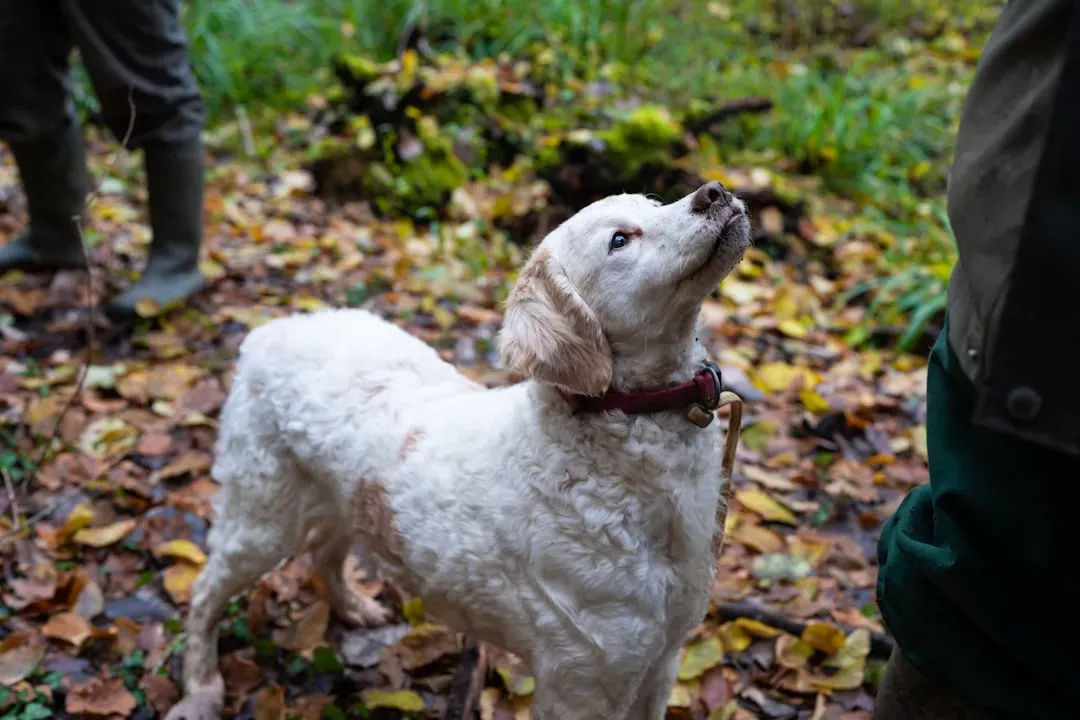
After a rainy spell, mushrooms seem to appear almost overnight in lawns and garden beds. Most of us just ignore them, maybe kick one over on the way to the car. For a curious dog or cat, that casual attitude could cost them their life.
While roughly ninety-nine percent of mushrooms have little or no toxicity, the one percent that are highly toxic can cause life-threatening problems in pets. One percent sounds small. When your dog is frantically chewing something in the corner of the yard, that one percent feels enormous.
Some varieties of toxic mushrooms, like Amanita phalloides (death cap) and Inocybe species, have a fishy odor. As any dog owner knows, dogs find fishy odors particularly attractive, which may explain why pets commonly ingest these toxic mushroom species. Nature, in some deeply unfair twist, made one of the most deadly fungi smell like something dogs absolutely love.
Amanita mushrooms cause liver failure, which can be deadly. Owners may see their dog or cat nibble this type of mushroom, but do not become concerned because their pet looks fine immediately afterward. That delayed reaction is what makes mushroom poisoning so particularly scary. Your pet seems fine. Then, hours later, they are critically ill.
Mushrooms are most prevalent in the spring to fall months, when weather tends to be warm, wet, and rainy, but they can appear year-round in warmer climates. Mushrooms are often found in wooded areas and lawns, but they can grow almost anywhere. Mushrooms can appear quickly, sometimes overnight.
If mushrooms grow in your lawn, take a few minutes to walk around your yard each day to ensure that all of the mushrooms have been removed prior to letting your pet out. It sounds like a small habit. It could genuinely save your pet’s life.
Everyday Garden Items That Most Owners Never Consider Dangerous
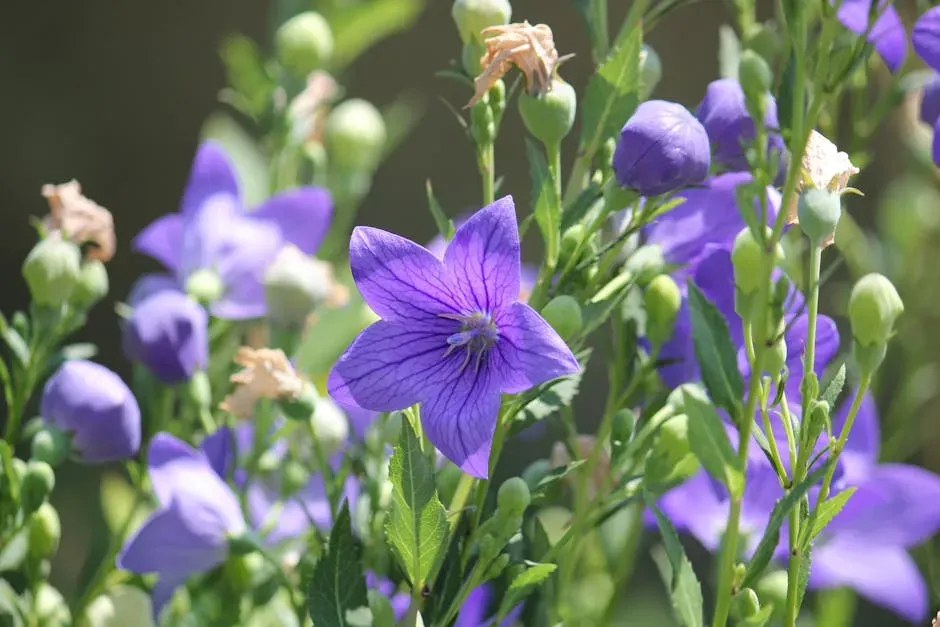
Beyond the obvious plants and chemicals, there is a whole category of garden-related dangers that slip completely under the radar. These are the sneaky ones, the things you would never think to worry about.
Fungi also tend to make an appearance, especially in damp areas, so keep an eye out for any mushrooms or toadstools that could tempt your pet. While we might enjoy playing with conkers and acorns, they can also be a danger for pets, especially if swallowed, as they can cause tummy upsets or even a potentially life-threatening blockage. Conkers and acorns are everywhere in autumn. They roll around perfectly, like little toys. To a curious dog, they are basically a chew snack waiting to happen.
During the autumn, many trees will drop their leaves, and although dead leaves can be less toxic, they are much easier for your pet to eat when they’re on the ground. Autumn is also the time when many plants produce their berries, which can be both tempting and toxic for our furry friends. Brightly colored berries look appealing, which is exactly the problem. A dog or cat has no way of knowing which ones are harmless and which are dangerous.
Yew berries are very toxic to both cats and dogs. If your pet consumes them, take them to the vet immediately. Yew is incredibly common in gardens, used as hedging and landscaping all over the world. Yew trees are powerfully cardiotoxic. All parts, including needles and berries, are highly dangerous for pets. Even the clippings remain potentially lethal.
Baits containing ingredients like warfarin (rat poison) can endanger pets, wildlife, and even young children if not stored and applied safely. Rodent bait is often placed in corners and under garden structures, which are exactly the spaces cats like to investigate and dogs like to dig around.
If your pet eats any plants you are unsure of, you should take them to the vet for a checkup, especially if you notice your pet acting strangely, seeming lethargic, or drooling more than usual. That rule applies to almost everything in this article. When in doubt, call the vet. Every minute matters with poisoning cases.
Conclusion: Your Garden Can Be Safe, If You Know What to Look For
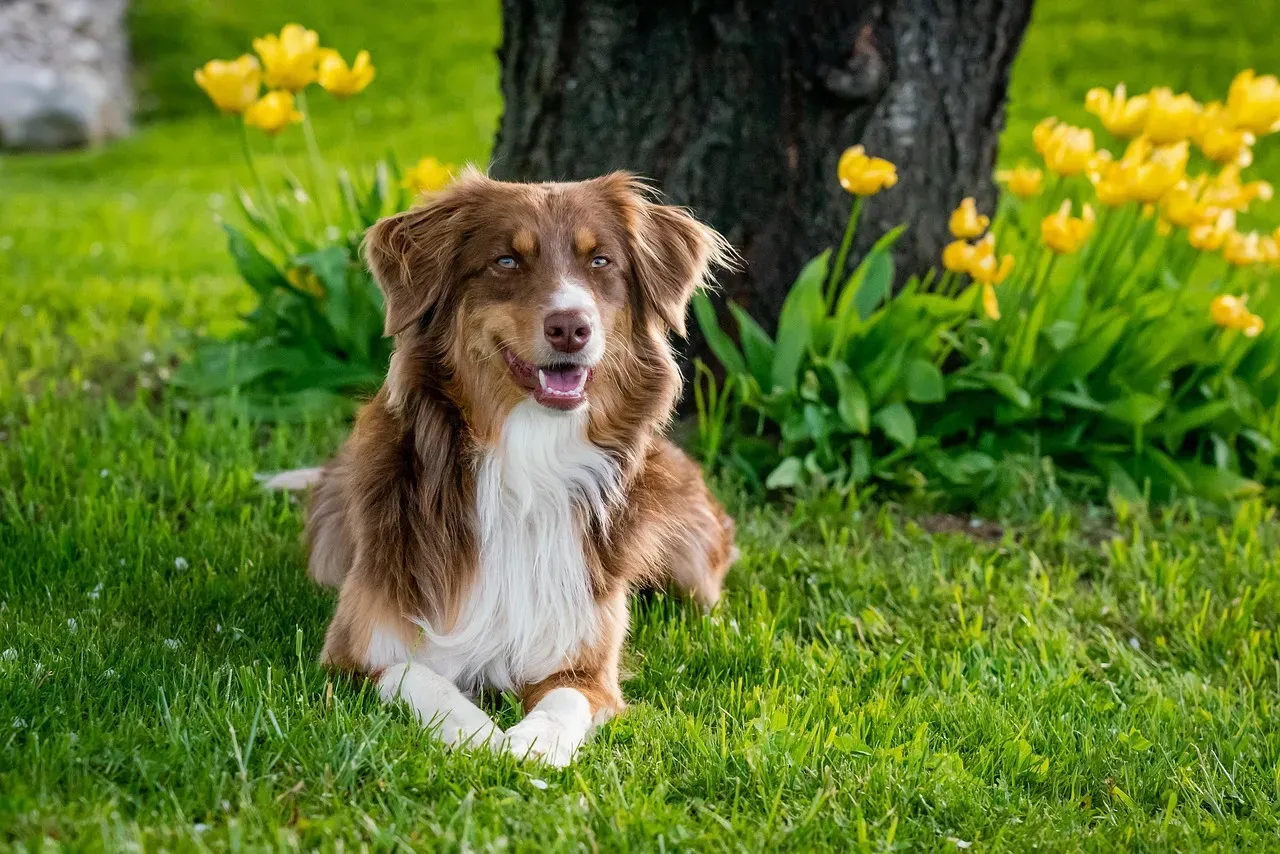
The garden does not have to be a danger zone. Honestly, with a little awareness and some practical changes, it can still be that wonderful, open, joyful space that both you and your pets deserve to enjoy.
The key is knowledge. The best way to keep your pet safe from toxic plants is to monitor them when they are outside as much as possible and to only keep safe plants in your garden. That sounds simple, but it requires actually checking what you are planting before it goes in the ground.
Choose plants that are non-toxic to pets to further reduce the risk of accidental poisoning. Rather than turning to chemical-based pesticides, consider natural alternatives. There are many to choose from, including diatomaceous earth, beneficial nematodes, companion planting, and pest-repelling plants.
Keep the ASPCA’s 24-hour poison hotline saved in your phone. If you believe that your animal is ill or may have ingested a poisonous substance, contact either your local veterinarian or the ASPCA Poison Control’s 24-hour emergency poison hotline at (888) 426-4435. That single number could make the difference between life and death.
The garden you have lovingly built might look like paradise. With a little extra care, it can be paradise for your pets too, not a hidden obstacle course they are navigating every single day. Take a walk around your yard today with fresh eyes. You might be genuinely surprised by what you find. What would you change first?
