

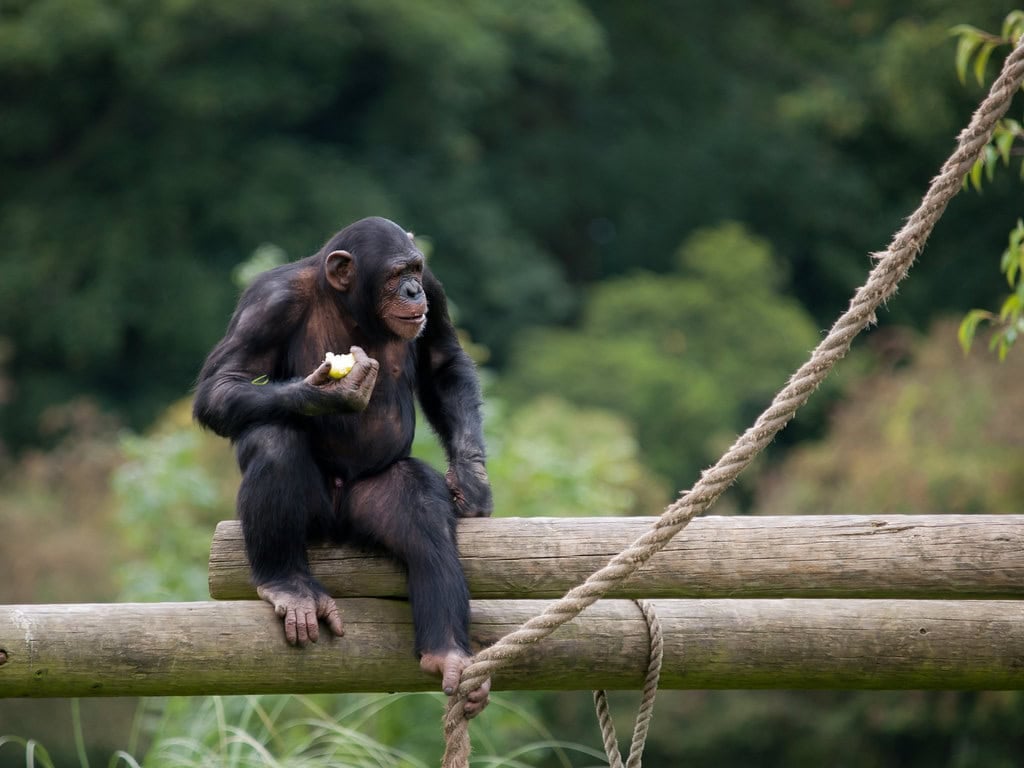
Plants and animals have evolved together for millions of years, developing intricate relationships that shape our planet’s ecosystems. While plants are often viewed as passive organisms, their growth, reproduction, and distribution are profoundly influenced by animal interactions. From tiny soil microorganisms to large herbivores, animals play crucial roles in plant life cycles and ecosystem dynamics. This interconnection demonstrates nature’s remarkable ability to create balanced systems where seemingly separate organisms become interdependent partners. Understanding these relationships not only reveals fascinating ecological mechanisms but also provides valuable insights for conservation efforts, sustainable agriculture, and ecosystem restoration projects.
Pollination: The Essential Partnership

Pollination represents perhaps the most celebrated example of animal-plant mutualism, with approximately 87% of flowering plant species requiring animal pollinators for reproduction. Bees, butterflies, moths, birds, and bats serve as vital pollinators, transferring pollen between flowers as they forage for nectar and pollen. This service enables plant reproduction and genetic diversity, driving plant evolution and adaptation. Research demonstrates that adequately pollinated plants often produce larger, more uniform fruits with higher seed counts. For instance, strawberry flowers visited by bees develop into fruits that are 39% heavier and have fewer malformations than those pollinated by wind alone. Without animal pollinators, many plant species would face reproductive failure, with cascading effects throughout food webs and ecosystems.
Seed Dispersal by Animals
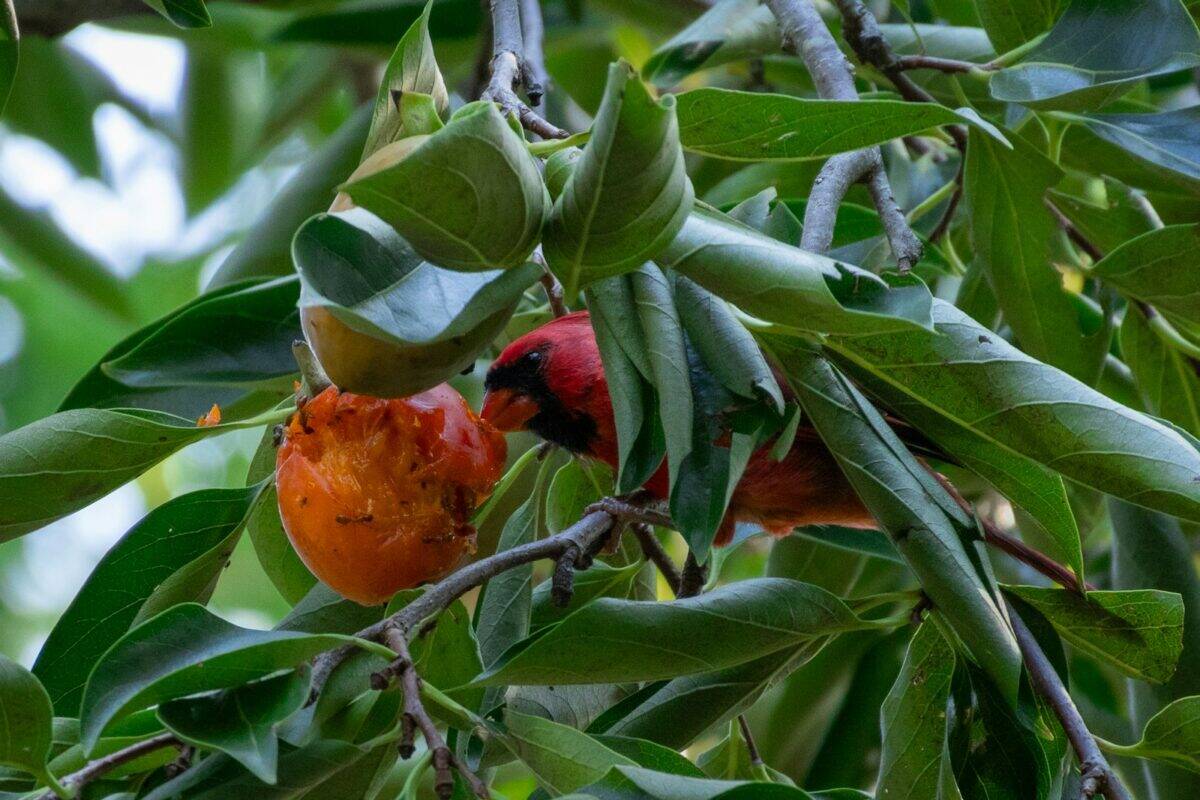
Animals function as essential seed dispersal agents, transporting plant genetic material across landscapes through various mechanisms. Frugivores (fruit-eating animals) like birds, monkeys, and bats consume fruits and disperse seeds through their digestive systems, often depositing them with natural fertilizer far from the parent plant. This dispersal reduces competition between parent plants and offspring while colonizing new areas. Seed-caching animals like squirrels and jays inadvertently plant trees when they forget buried seed stores. Some plants even produce seeds with specialized hooks or sticky substances that attach to animal fur or feathers (epizoochory). Studies in tropical forests show that areas deprived of seed-dispersing animals experience up to 60% reduction in seedling diversity, demonstrating how animal-mediated seed dispersal maintains plant community structure and ecosystem resilience.
Herbivory: Beyond Simple Consumption
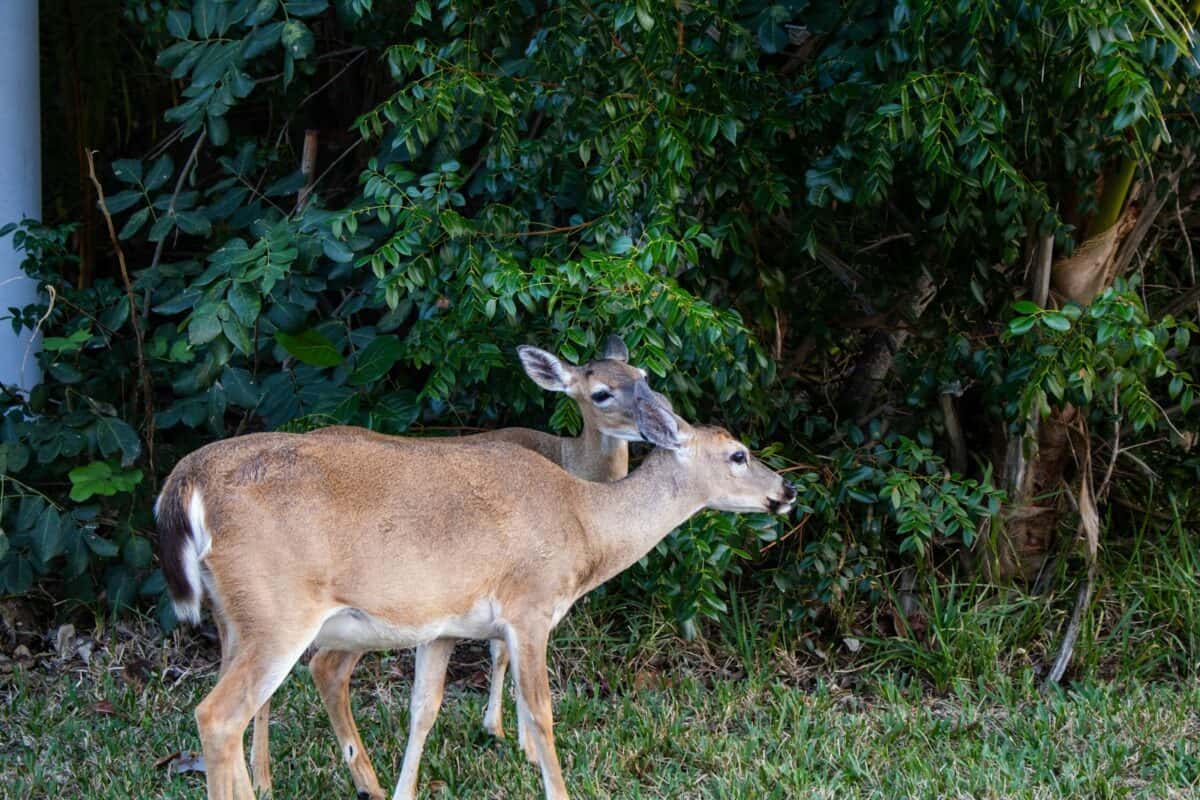
While herbivory—the consumption of plant materials by animals—might seem purely detrimental to plants, it often creates complex ecological effects that benefit plant communities. Moderate grazing stimulates compensatory growth in many grass species, increasing overall biomass production. Large herbivores like elephants, bison, and deer modify vegetation structure by creating openings in dense foliage, allowing light-dependent species to flourish and increasing plant diversity. In the Serengeti ecosystem, research shows that areas with grazing ungulates maintain higher plant species richness than ungrazed exclosures. Plants have evolved various defense mechanisms against herbivory, including chemical compounds, physical structures like thorns, and growth patterns that enhance their survival under grazing pressure. These adaptations contribute to the remarkable diversity of plant traits observed across different ecosystems.
Soil Engineering by Burrowing Animals
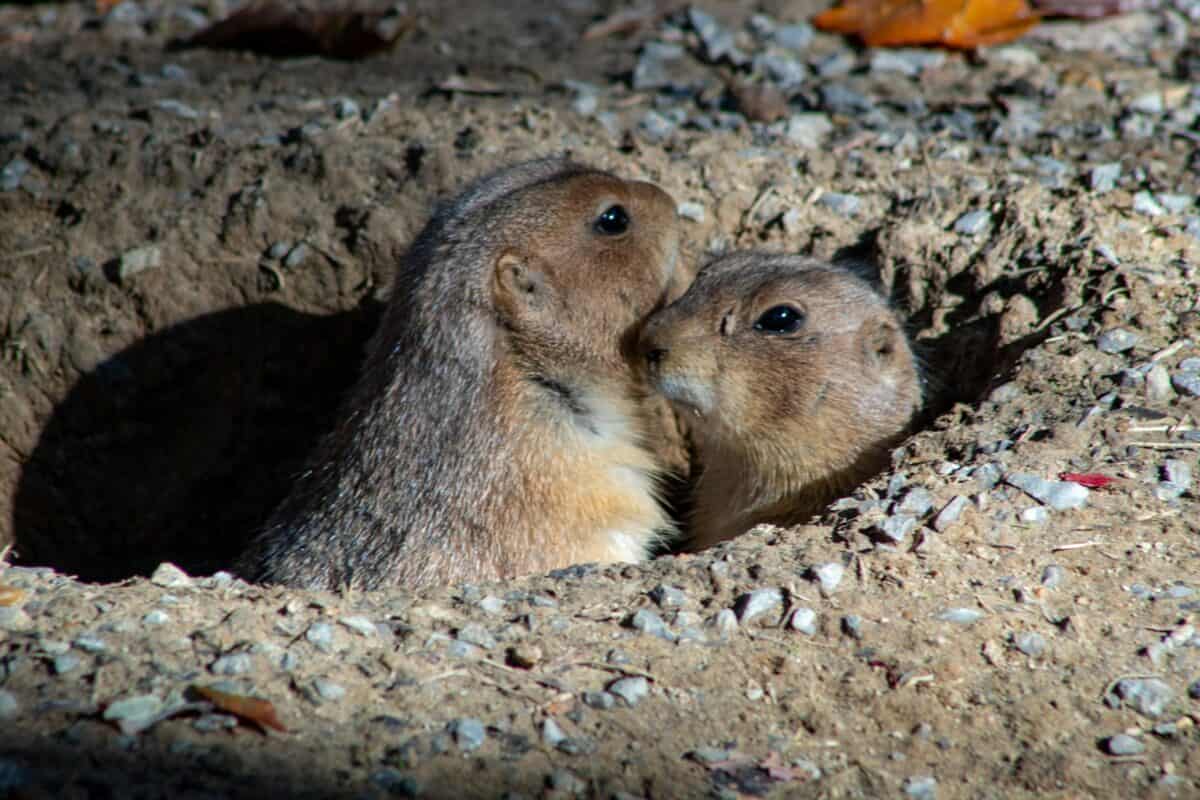
Burrowing animals transform soil properties through their excavation activities, creating conditions that significantly influence plant growth. Earthworms, ants, termites, gophers, and prairie dogs are among nature’s most effective soil engineers. Their tunneling activities increase soil aeration, improve water infiltration, and redistribute nutrients through different soil layers. Earthworms alone can process up to 40 tons of soil per acre annually, incorporating organic matter and increasing available nitrogen by up to 25% in their castings. Prairie dog colonies create patches of soil with nitrogen concentrations 2-3 times higher than surrounding areas. These soil modifications often result in distinct vegetation patterns, with enhanced growth of certain plant species in and around animal burrows. In semi-arid ecosystems, burrowing mammals create microhabitats that support plant communities distinct from the surrounding landscape, effectively increasing ecosystem heterogeneity and resilience.
Nutrient Cycling Through Animal Activity

Animals accelerate nutrient cycling in ecosystems through their consumption, digestion, and excretion activities. Herbivores transform plant material into more readily available nutrient forms through digestion, with their waste products providing concentrated sources of nitrogen, phosphorus, and other essential elements. Large herbivores like bison can transport nutrients across landscapes, concentrating them in certain areas through their movement patterns and waste deposition. Marine mammals like seals and sea lions create “nutrient hotspots” when they come ashore, transferring ocean-derived nutrients to coastal plant communities. Studies of seabird colonies show that their guano inputs can increase soil nitrogen content by over 100% and phosphorus by over 400%, dramatically enhancing plant growth rates in these areas. This nutrient transportation and transformation by animals creates spatial heterogeneity in soil fertility that influences plant community composition and productivity across landscapes.
The Rhizosphere: Animal Microbiome Effects
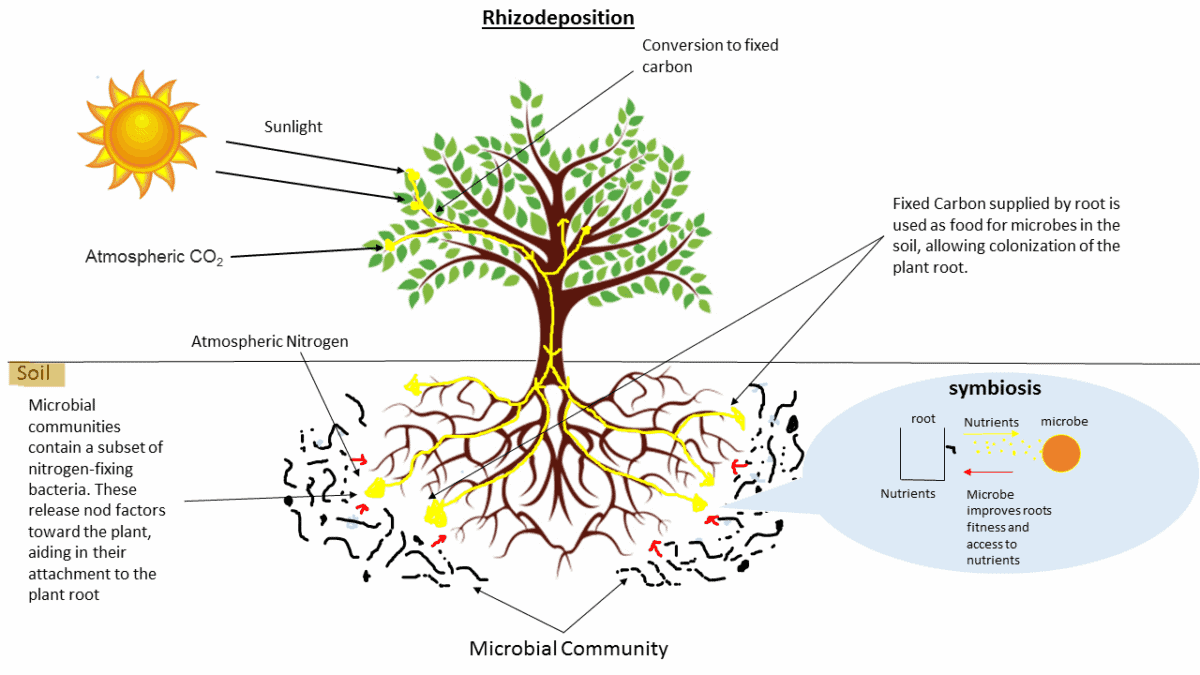
The rhizosphere—the narrow zone surrounding plant roots—hosts complex communities of microscopic animals that profoundly influence plant growth and health. Nematodes, protozoa, and microarthropods consume bacteria and fungi, releasing nutrients in plant-available forms through a process called microfaunal grazing. This activity can increase nitrogen availability to plants by 30-40%. Mycorrhizal fungi, which form symbiotic relationships with approximately 90% of land plants, depend on soil fauna to disperse their spores and maintain genetic diversity. Certain collembola (springtails) preferentially feed on pathogenic fungi, indirectly protecting plants from disease. Research demonstrates that reductions in soil biodiversity consistently lead to decreased plant growth and increased susceptibility to pathogens. The intricate food webs within the rhizosphere represent a critical, if often overlooked, mechanism through which animals influence plant productivity and ecosystem function.
Ecosystem Engineering by Megafauna
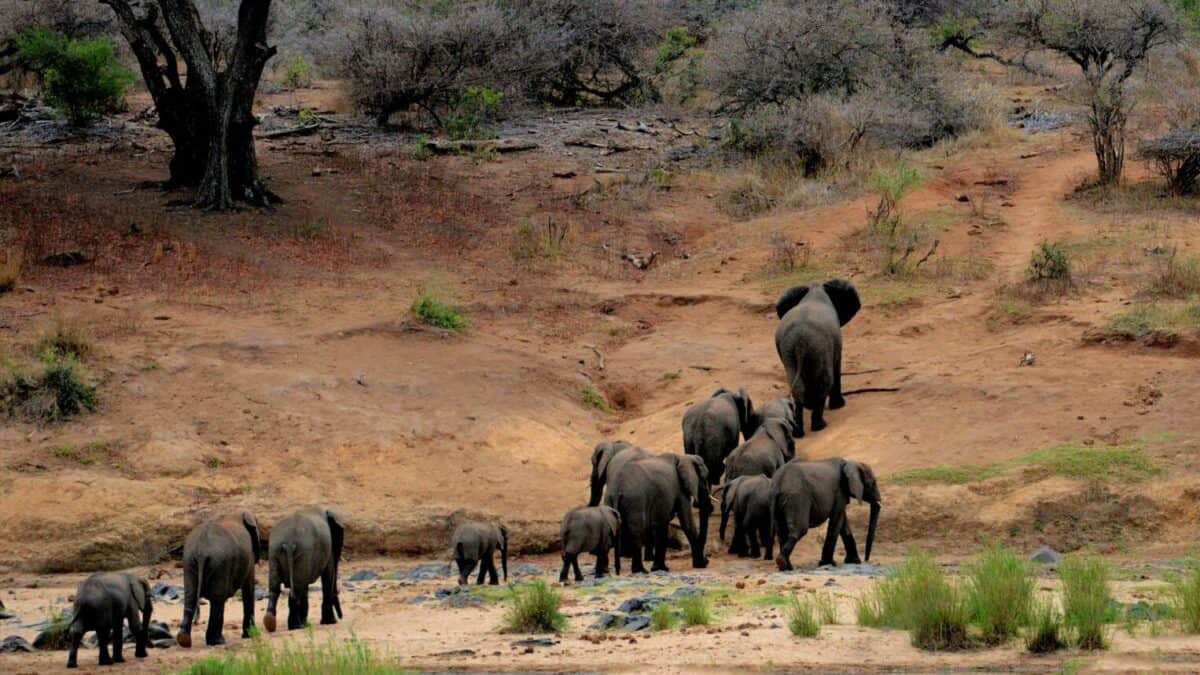
Large animals, particularly megaherbivores like elephants, rhinos, and hippopotamuses, function as ecosystem engineers by physically modifying habitats in ways that affect plant communities. African elephants create and maintain savanna ecosystems by pushing over trees, preventing woodland encroachment, and maintaining grassland habitats that support diverse plant communities. In North American forests, moose browsing can reduce tree canopy cover by 40%, altering forest succession trajectories. Hippopotamuses create grazing lawns and trails between water bodies and feeding grounds, developing distinct vegetation patches characterized by specially adapted plant species. The loss of megafauna through extinction or population reduction often results in dramatic vegetation changes—a phenomenon termed “ecological downsizing.” Paleoecological studies suggest that the extinction of Pleistocene megafauna significantly altered plant communities across continents, demonstrating the profound and long-lasting influences these animals exert on plant growth and distribution.
Seed Predation and Plant Population Dynamics

Seed predation by animals represents a significant ecological filter that shapes plant population dynamics and community structure. Rodents, birds, insects, and other granivores consume vast quantities of seeds, often eliminating 60-90% of a plant’s seed production before germination can occur. This predation pressure has driven the evolution of numerous plant adaptations, including mast seeding (synchronized, intermittent production of large seed crops), chemical defenses, and physical seed protections. Interestingly, some plants benefit from moderate seed predation, which can reduce intraspecific competition and maintain genetic diversity. The spatial patterns of seed predation create “safe sites” where seeds escape consumption, influencing the distribution of plant populations across landscapes. Long-term studies demonstrate that changes in seed predator communities can trigger cascading effects that alter forest composition, underscoring how these animal-plant interactions guide ecosystem development over time.
Animal-Mediated Plant Competition
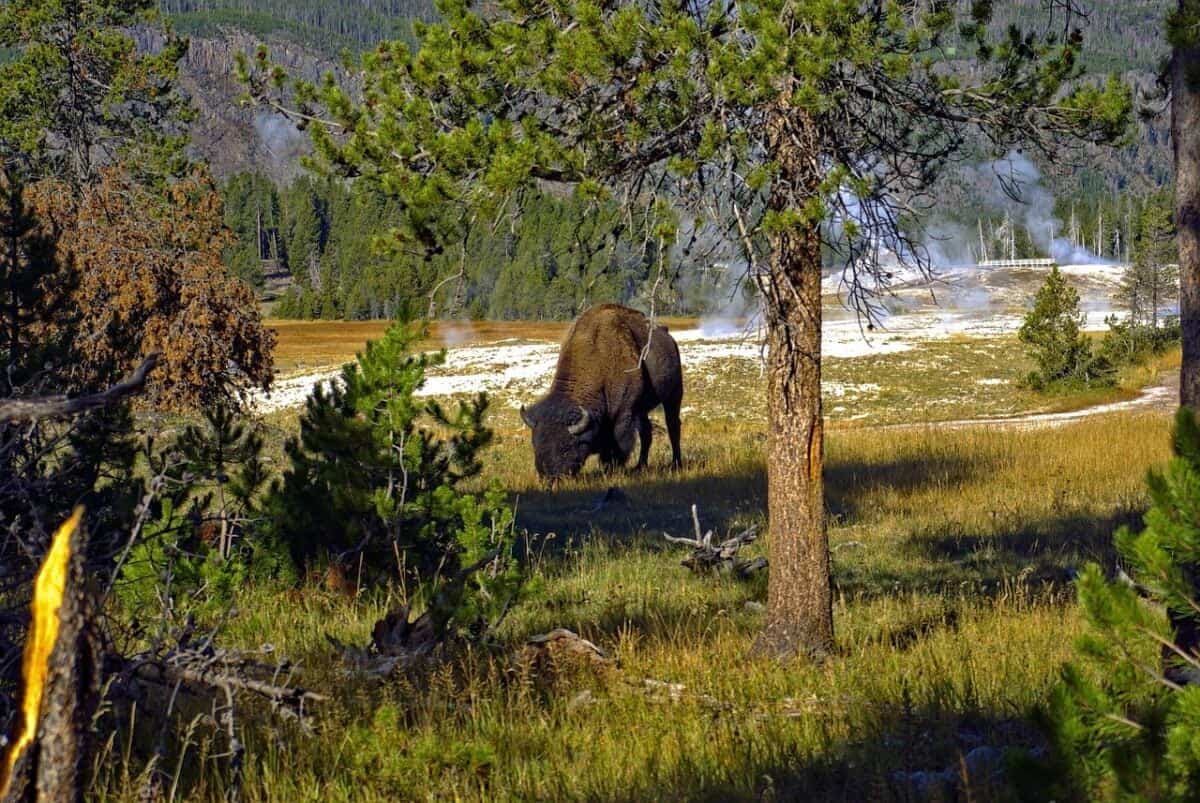
Animals frequently mediate competitive interactions between plant species, influencing which plants dominate in particular environments. Selective herbivores that preferentially consume certain plant species can reverse competitive hierarchies, allowing otherwise subordinate plants to flourish. For instance, studies in grassland ecosystems show that selective grazing by bison promotes forb diversity by reducing the dominance of competitive grasses. Pollinators can similarly influence plant competition by preferentially visiting certain flowers, enhancing their reproductive success relative to less-visited species. Some plants even employ indirect defense strategies by attracting predatory insects that consume herbivores, gaining competitive advantages against neighboring plants lacking such protections. The complex web of animal-mediated interactions creates frequency-dependent selection pressures that maintain plant diversity and prevent competitive exclusion. These mechanisms help explain the paradox of high plant species diversity in many ecosystems despite apparent competition for limited resources.
Climate Change and Shifting Animal-Plant Dynamics

Climate change is altering traditional animal-plant relationships with significant implications for ecosystem function. Phenological mismatches—timing disconnects between animal activities and plant life cycles—increasingly disrupt pollination systems when flowering occurs before pollinators emerge or become active. Rising temperatures have shifted the geographic ranges of many animal species, creating novel interactions with plants that lack evolutionary history with these animals. Extreme weather events alter herbivore movement patterns and feeding behaviors, sometimes concentrating grazing pressure to unsustainable levels. Elevated CO₂ levels typically reduce plant nutritional quality by increasing carbon:nitrogen ratios, potentially increasing herbivory pressure as animals consume more vegetation to meet nutritional needs. Marine ecosystems face particularly dramatic changes as ocean acidification affects shell-forming organisms that provide habitat structure for marine plants. Monitoring these shifting animal-plant dynamics provides crucial indicators of ecosystem responses to global change and informs adaptation strategies.
Conservation Implications and Ecological Restoration
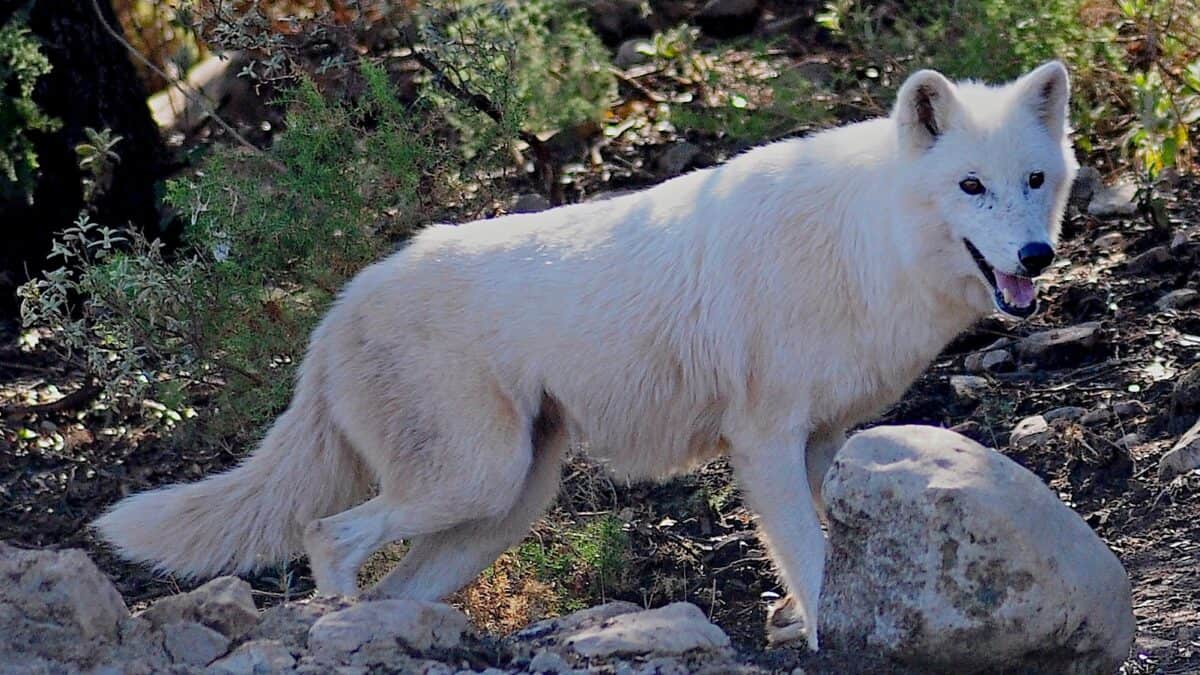
Understanding animal influences on plant growth has profound implications for conservation and restoration ecology. Reintroducing keystone animal species often triggers trophic cascades that restore plant community structure and ecosystem function. For example, wolf reintroduction in Yellowstone National Park altered elk browsing patterns, allowing regeneration of riparian vegetation and subsequent habitat improvements for beavers and numerous other species. Conservation of pollinator habitat now forms a critical component of agricultural policy in many regions, acknowledging the essential ecosystem services these animals provide. Restoration ecologists increasingly incorporate animal ecology into project design, recognizing that plant reintroduction alone may fail without restoring animal-mediated processes like seed dispersal and soil modification. “Rewilding” approaches that emphasize reestablishing functional animal communities have demonstrated promising results for ecosystem recovery. As habitat fragmentation continues, maintaining animal movement corridors becomes essential for preserving plant genetic diversity and enabling range shifts in response to climate change.
The diverse ways animals influence plant growth illustrate nature’s remarkable interconnectedness and the danger of viewing ecosystem components in isolation. From microscopic soil fauna to continent-spanning migratory pollinators, animals provide essential services that maintain plant communities and ecosystem function. These relationships have evolved over millions of years, creating intricate dependencies that make ecosystems more than the sum of their parts. Understanding these dynamics offers valuable insights for addressing contemporary challenges, from agricultural sustainability to ecosystem restoration and biodiversity conservation. As we navigate an era of unprecedented environmental change, recognizing and protecting the vital relationships between animals and plants becomes not merely an academic pursuit but a practical necessity for maintaining the ecological systems upon which all life depends.

- Amazing Animal Tracks You Might Find on a Trail - July 11, 2026
- The Role of Bears in Keeping Forests Healthy - July 10, 2026
- How Tiger Cubs Learn to Hunt From Their Mothers - July 10, 2026