


The natural world is filled with incredible phenomena, but few are as awe-inspiring as animal migrations. Every year, billions of creatures—from the tiniest insects to massive marine mammals—embark on epic journeys that test the limits of physical endurance and navigational precision. These migrations aren’t mere wanderings; they’re carefully timed movements driven by survival instincts, seasonal changes, reproductive needs, and food availability. The following 18 animal migrations showcase nature’s most remarkable travelers, whose journeys across land, sea, and sky defy human comprehension and continue to baffle scientists despite decades of research.
14. Arctic Tern The Ultimate Global Traveler

The Arctic Tern holds the undisputed title for the longest migration on Earth. These small but mighty seabirds travel from the Arctic to the Antarctic and back each year, covering approximately 44,000 miles (70,000 kilometers) annually. This pole-to-pole roundtrip migration means Arctic Terns experience two summers each year and more daylight than any other creature on the planet. Most remarkably, these birds can live up to 30 years, meaning a single Arctic Tern could fly the equivalent of three trips to the moon and back during its lifetime. Their extraordinary navigational abilities allow them to maintain surprisingly straight flight paths across vast oceans without landmarks, relying on a combination of visual cues, geomagnetic sensing, and potentially even celestial navigation.
13. Monarch Butterflies Multi-Generational Marathon

The monarch butterfly migration is perhaps the most remarkable insect journey on Earth, not just for its distance but for its multi-generational nature. Every autumn, monarchs from eastern North America travel up to 3,000 miles (4,800 kilometers) south to specific mountaintops in central Mexico, where they cluster by the millions on oyamel fir trees. What makes this migration truly extraordinary is that no single butterfly completes the entire round trip. The butterflies that return north in spring lay eggs along the way, dying after reproduction. It takes three to four generations to reach the northern range, yet the final generation—which lives about eight times longer than previous generations—somehow knows exactly how to return to the same Mexican groves their great-great-grandparents left, despite never having been there before. This inherited directional memory remains one of nature’s most profound mysteries.
12. Christmas Island Red Crabs A Scarlet Tide

Each year, the forests of Christmas Island transform into a living sea of scarlet as approximately 50 million red crabs march from the island’s interior to the coast to breed. This spectacular migration begins with the first rains of the wet season, typically in October or November. The crabs move en masse, covering roads, flowing through forests, and even scaling cliffs to reach their breeding grounds. The migration is so dense that local authorities close roads and construct special crab crossings to protect both the crabs and motorists. After mating at the shore, females release their eggs into the ocean during a precise lunar phase, synchronizing their release with specific tidal conditions. The timing must be perfect—too early or too late could mean the difference between successful reproduction or failure for an entire generation. This synchronized migration represents one of the most visually stunning examples of mass movement in the animal kingdom.
11. Great White Sharks Mysterious Ocean Highways

Great white sharks undertake one of the most puzzling migrations of any marine animal. Research tracking these apex predators has revealed they travel thousands of miles across open ocean with remarkable precision, often returning to the exact same coastal feeding grounds year after year. One female great white, nicknamed “Nicole,” was documented traveling from South Africa to Australia and back—a round trip of over 12,400 miles (20,000 kilometers)—in less than nine months. Even more mysterious is the behavior scientists call “the Shared Offshore Foraging Area” or SOFA. Every winter, great whites from the California coast migrate to a seemingly empty region of the mid-Pacific Ocean halfway between Baja California and Hawaii. They remain in this deep-water “shark café” for months, diving repeatedly to depths of up to 3,000 feet (900 meters) for reasons scientists still don’t fully understand. Their navigational precision across featureless ocean expanses suggests they may possess a sophisticated internal compass that could utilize Earth’s magnetic field.
10. Wildebeest The Great Serengeti Migration
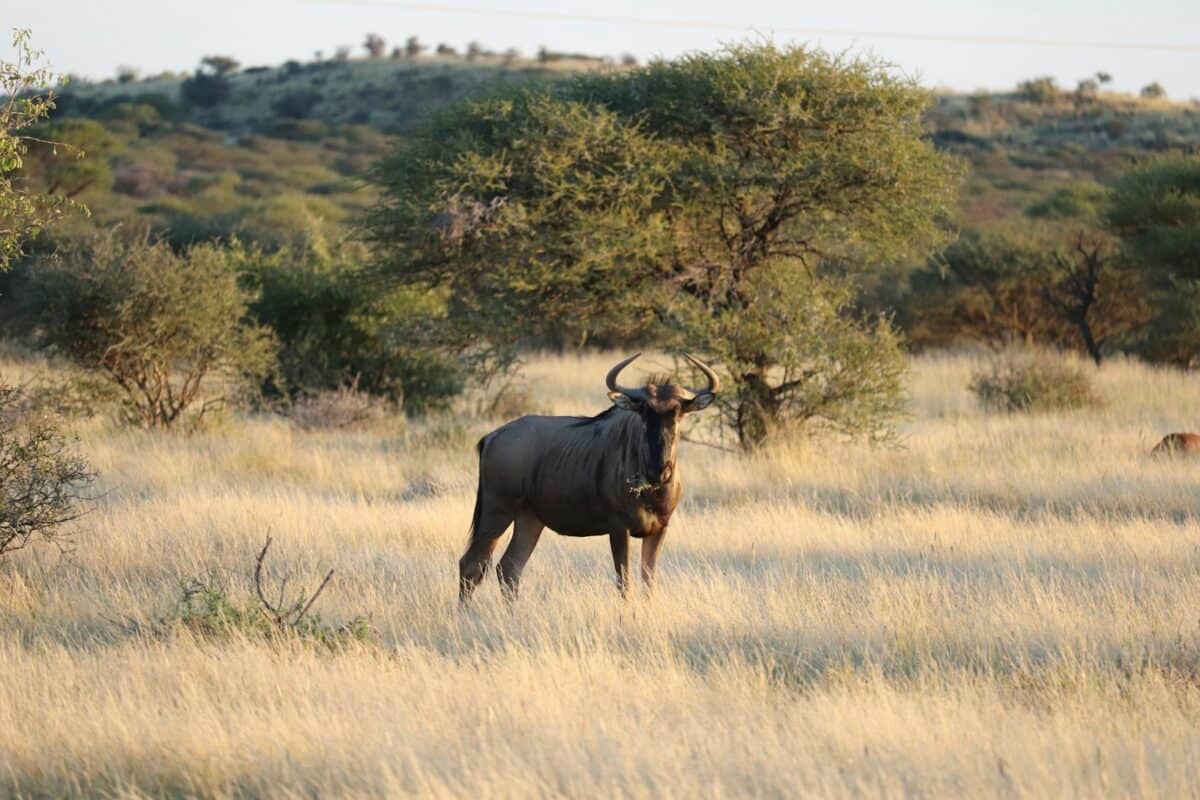
The Great Migration across the Serengeti-Mara ecosystem in East Africa represents the largest terrestrial mammal migration on Earth. Each year, approximately 1.5 million wildebeest, accompanied by hundreds of thousands of zebras, gazelles, and elands, travel in a continuous clockwise loop covering nearly 1,800 miles (2,900 kilometers) between Tanzania and Kenya in search of fresh grazing and water. The most dramatic moments of this migration occur during river crossings, particularly at the Mara River, where thousands of animals plunge into crocodile-infested waters. Tragically, an estimated 250,000 wildebeest die during this annual journey from predation, drowning, exhaustion, or disease. What makes this migration particularly remarkable is its collective nature—rather than following a single leader, the herds move as a swarm, with individuals responding to the movements of their neighbors in a phenomenon scientists call “swarm intelligence.” This creates a migration pattern that, when viewed from above, resembles flowing water more than individual animals.
9. Straw-Colored Fruit Bats Africa’s Sky Rivers
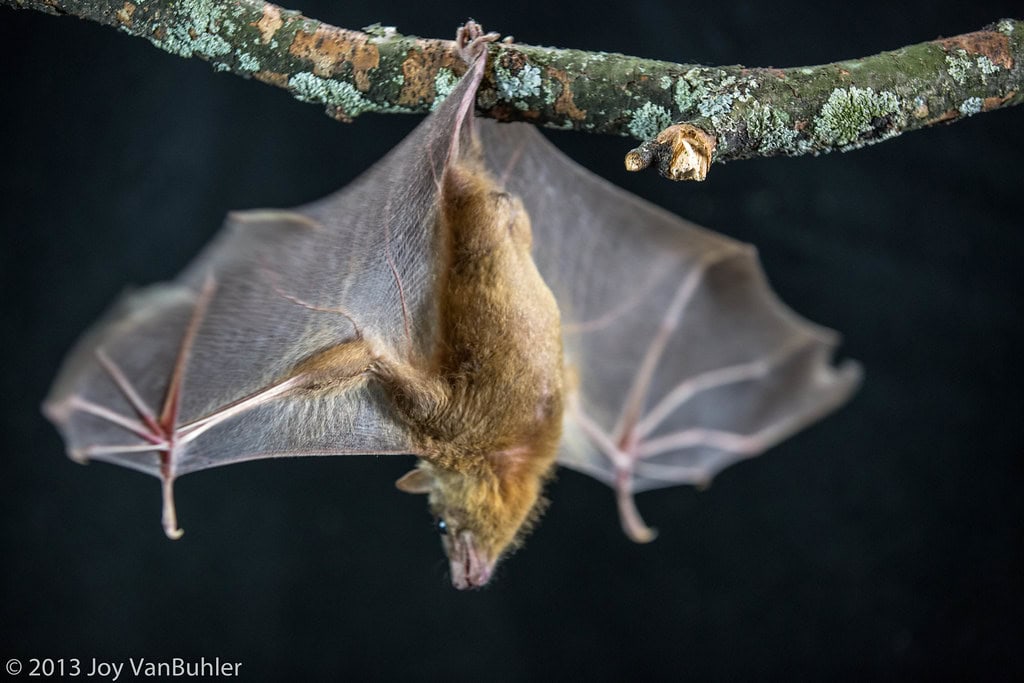
In what constitutes the largest mammalian migration on Earth by number, up to 10 million straw-colored fruit bats descend upon Zambia’s Kasanka National Park each year between October and December. These bats travel from across the Congo Basin, covering distances of up to 1,200 miles (2,000 kilometers) to reach this small patch of swamp forest. Their arrival transforms the morning and evening skies into living rivers of wings that stretch as far as the eye can see. A single hectare of forest can temporarily host millions of bats—with some trees supporting the weight of thousands of individuals on a single trunk. This mass gathering occurs to coincide with the seasonal fruiting of certain trees, with the bats playing a crucial ecological role by dispersing seeds across vast areas of Africa. Each bat can disperse up to 60 different types of seeds nightly, making them vital engineers of forest regeneration across the continent. Despite their enormous ecological importance, these bats face significant threats from deforestation and hunting.
8. Humpback Whales Musical Marathon Swimmers

Humpback whales undertake one of the longest migrations of any mammal, traveling up to 5,000 miles (8,000 kilometers) between tropical breeding waters and polar feeding grounds. What makes their migration particularly remarkable is that these 40-ton giants complete this journey while fasting, surviving entirely on fat reserves accumulated during their feeding season. A typical humpback will lose about one-third of its body weight during migration and breeding. Even more astonishing is that pregnant females make this journey while developing a calf, then nurse their newborn during the return trip—all without feeding themselves. The precision of their navigation is extraordinary; individual whales return not just to the same region but often to the exact same bay or reef complex where they were born. Researchers have documented whales returning to specific breeding grounds with variations of less than 50 feet (15 meters) from year to year. Male humpbacks are also known for their complex songs, which evolve throughout the migration, with innovations spreading across ocean basins in what some researchers describe as a form of cultural transmission.
7. Salmon The Ultimate Homecoming

Pacific salmon undertake one of the most physiologically extreme migrations in nature. After spending years maturing in the open ocean, these fish navigate back to the exact freshwater streams where they were born—often traveling hundreds or even thousands of miles against strong currents, leaping up waterfalls, and dodging predators. Their homing ability is so precise that they not only return to the correct river system but typically to the exact tributary or stream section where they hatched. This remarkable navigation relies primarily on their sense of smell; salmon imprint on the unique chemical signature of their natal stream as juveniles and can detect these scents at concentrations as low as one part per billion. Perhaps most extraordinary is the complete physiological transformation salmon undergo during migration. As they enter freshwater, their bodies begin to break down, redirecting energy from digestion to reproduction. They stop feeding, their immune systems collapse, and they essentially begin to die even as they fight upstream to spawn. This programmed death after reproduction represents one of the most dramatic examples of semelparity (reproducing once, then dying) in the animal kingdom.
6. Desert Locusts Biblical Swarms
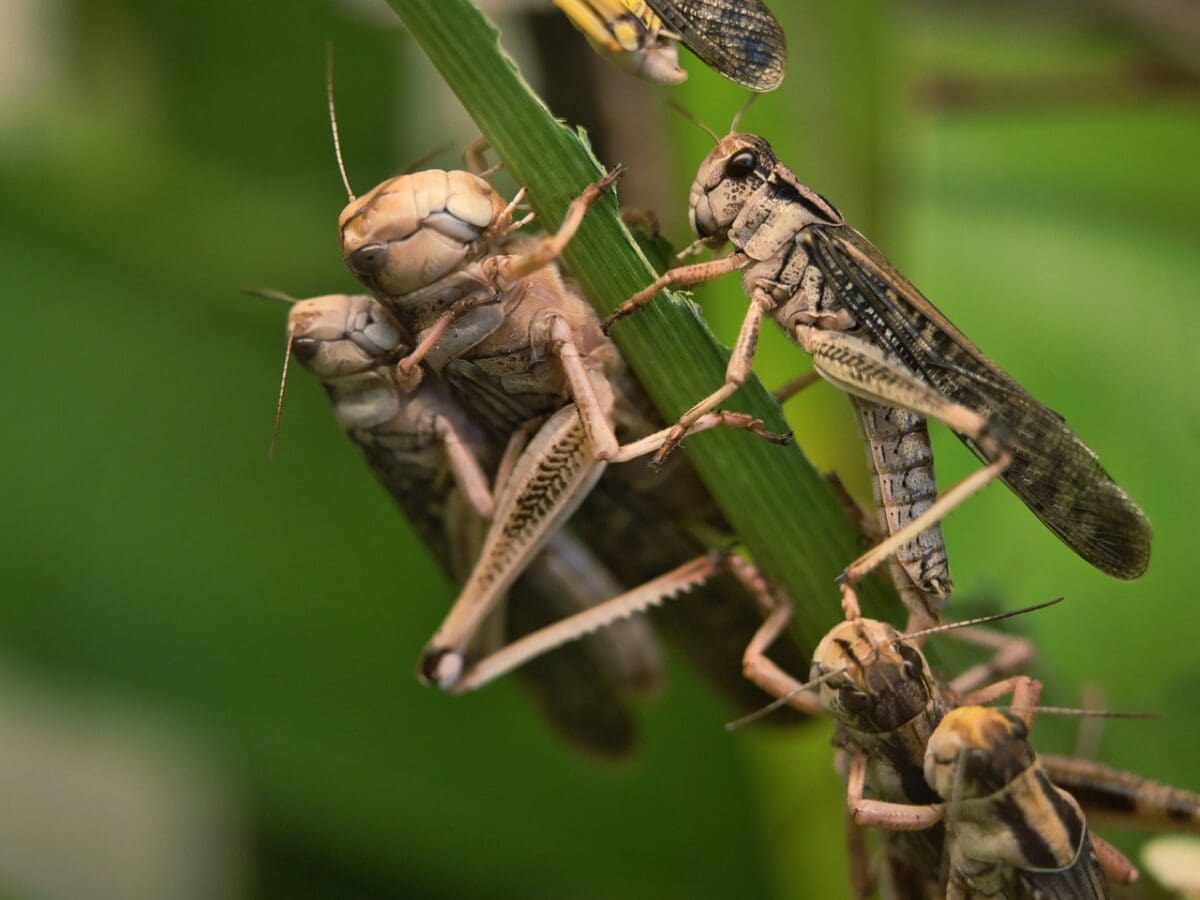
Desert locust migrations represent one of the most devastating natural phenomena on Earth. Though not regular migrants, when conditions align perfectly—typically after periods of drought followed by heavy rains—solitary desert locusts undergo a remarkable transformation into their gregarious phase. This transformation isn’t just behavioral but physical; their bodies actually change color, their muscles strengthen, and their brains rewire for group movement. The resulting swarms can contain up to 80 million locusts per square kilometer and cover distances of up to 80 miles (130 kilometers) per day. A single swarm can stretch over 460 square miles (1,200 square kilometers)—larger than many major cities. What makes this migration particularly staggering is its consumption capacity; a desert locust swarm can devour its own weight in fresh vegetation daily, with a typical swarm consuming as much food as 35,000 people. The 2019-2020 locust plague in East Africa was one of the worst in decades, threatening the food security of over 25 million people and demonstrating how this ancient migration pattern continues to impact human civilization in the modern era.
5. Bar-Headed Geese Everest’s Sky Conquerors
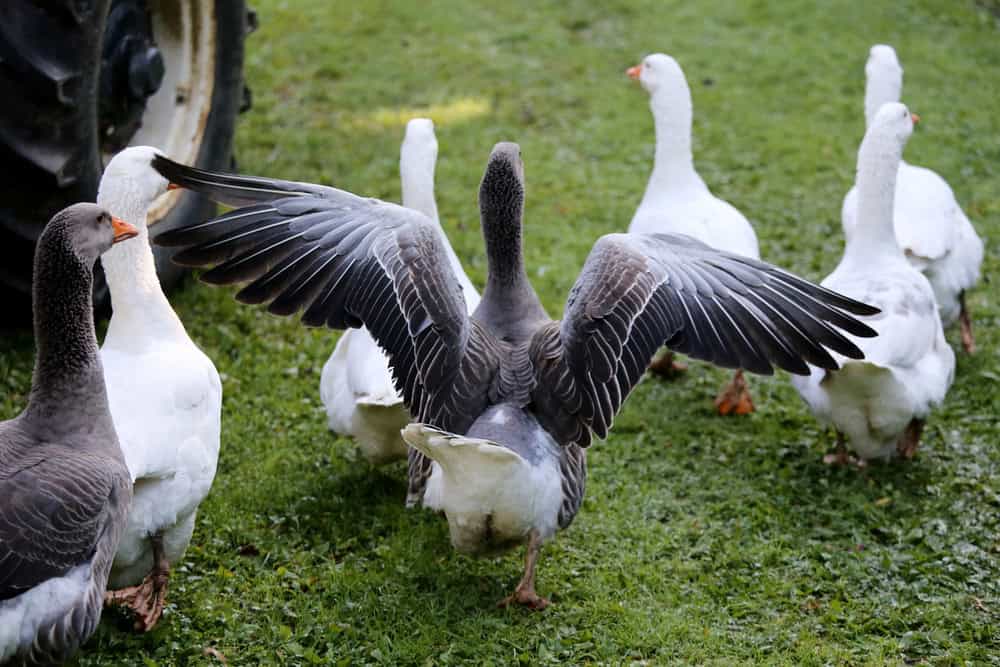
Bar-headed geese undertake perhaps the most physiologically demanding migration of any bird, flying directly over the Himalayan mountains between their wintering grounds in India and summer breeding areas in Tibet and Central Asia. These remarkable birds routinely fly at altitudes exceeding 20,000 feet (6,000 meters), with documented cases of them passing over Mount Everest at 29,000 feet (8,800 meters). At these extreme elevations, oxygen levels are roughly one-third of those at sea level, and temperatures can plummet to -40°F (-40°C). To accomplish this feat, bar-headed geese have evolved specialized adaptations: hemoglobin that binds oxygen more efficiently, denser capillaries to deliver oxygen to muscles, and larger wing areas relative to body size than other geese. They also employ a unique breathing technique that allows them to extract oxygen more efficiently. Rather than stopping to rest during their trans-Himalayan crossing, they complete it in a single flight lasting 7-8 hours—an endurance achievement that would leave even the most elite human athletes gasping for breath. Scientists studying these birds have described their migration as physiologically equivalent to running a marathon while breathing through a straw.
4. Dragonflies Multigenerational Intercontinental Flyers

The globe skimmer dragonfly (Pantala flavescens) holds the record for the longest insect migration ever documented. These seemingly fragile insects—weighing less than a paperclip—undertake a multigenerational circular migration spanning up to 11,000 miles (18,000 kilometers) across the Indian Ocean, between India, eastern Africa, and back again. What makes this migration particularly astonishing is that it takes multiple generations to complete the journey, with each generation of dragonflies instinctively continuing the migratory path of their predecessors. To accomplish these long-distance flights, globe skimmers have evolved specialized wings that allow them to glide for long periods, minimizing energy expenditure. They strategically ride high-altitude wind currents and can detect subtle changes in air pressure that help them avoid storms. Research has shown these dragonflies have enlarged compound eyes with specialized photoreceptors that may help them navigate using polarized light patterns from the sun, even on cloudy days. Perhaps most impressively, they can cross vast stretches of open ocean—up to 2,500 miles (4,000 kilometers)—without landing, a feat requiring them to stay airborne for days or even weeks continuously.
3. Caribou Arctic Nomads

The barren-ground caribou of North America undertake the longest terrestrial migration of any land mammal in the Western Hemisphere, traveling up to 2,800 miles (4,500 kilometers) annually. What makes their migration particularly remarkable is the challenging terrain they traverse—from frozen tundra and boreal forests to mountain ranges and ice-covered rivers. Their journey is dictated by an intricate dance with seasonally available resources and predator avoidance. Caribou have evolved specialized adaptations for this lifestyle: their broad, concave hooves act as snowshoes in winter and paddles when swimming across rivers, while special hairs in these hooves provide crucial traction on ice. Caribou calves are perhaps the most impressive aspect of this migration; within hours of birth on the calving grounds, they can stand and walk, and within days, they can run fast enough to keep pace with the herd. By their first month of life, these calves will have already traveled hundreds of miles. Radio collar studies have shown that some individual caribou may travel over 3,000 miles (4,800 kilometers) in a single year—the equivalent of walking from New York to Los Angeles—all while navigating without maps or directions, relying instead on collective memory and environmental cues.
2. Northern Elephant Seals Deep-Diving Ocean Wanderers

Northern elephant seals undertake biannual migrations between their breeding grounds along the Pacific coast of North America and their feeding areas in the open ocean that showcase extraordinary navigational precision and diving capabilities. After breeding, these massive pinnipeds (males can weigh up to 4,400 pounds/2,000 kilograms) embark on journeys covering up to 13,000 miles (21,000 kilometers) annually. What truly sets elephant seal migration apart is their diving behavior—they spend up to 90% of their migration underwater, regularly diving to depths exceeding 5,000 feet (1,500 meters) and staying submerged for over two hours per dive. Their deepest recorded dive reached an astonishing 7,835 feet (2,388 meters)—deeper than most military submarines can operate. During migration, elephant seals may perform over 60 such deep dives daily with only 2-3 minutes at the surface between dives. Research using GPS trackers has revealed another extraordinary aspect of elephant seal navigation: despite swimming thousands of miles through featureless open ocean, they can return to the exact same beach where they were born, often within yards of their previous year’s spot. Even more remarkably, they accomplish this navigation largely without visual landmarks, as they migrate primarily underwater through the darkness of the deep ocean.
1. Ruby-throated Hummingbirds Tiny Titans of Endurance

The ruby-throated hummingbird migration represents one of the most extraordinary feats of endurance relative to body size in the animal kingdom. These tiny birds, weighing less than a penny (about 3-4 grams), fly non-stop across the Gulf of Mexico twice each year—a journey spanning up to 500 miles (800 kilometers) of open water with no opportunity to rest or refuel. To prepare for this marathon flight, ruby-throated hummingbirds nearly double their body weight, increasing from about 3 grams to 6 grams by gorging on nectar and insects. During their 18-20 hour non-stop crossing, they beat their wings approximately 4.5 million times while burning through almost half their body weight. Their heart rates during migration can exceed 1,200 beats per minute—so fast that it sounds like a continuous hum to human ears. What makes this migration even more remarkable is that unlike larger birds that can soar on thermal currents to conserve energy, hummingbirds must continuously flap their wings. They accomplish this journey entirely alone, with no flock for protection or guidance, relying solely on innate navigational abilities that remain largely mysterious to scientists. The energy expenditure relative to body size would be equivalent to a human running at 125 miles per hour continuously for nearly a full day without food or rest.
Conclusion:

The migrations detailed above highlight the astonishing diversity, complexity, and resilience of life on Earth. From globe-spanning birds and deep-diving seals to multi-generational insects and altitude-defying geese, these journeys defy what seems biologically possible. Each migration is a finely tuned response to environmental pressures—guided by instinct, inherited knowledge, and sometimes still-unexplained navigational abilities. They remind us that the natural world operates on a scale of time, distance, and precision that often exceeds human understanding. As climate change, habitat loss, and human interference increasingly threaten these ancient patterns, preserving migratory routes and the ecosystems that support them has never been more vital. In witnessing these epic voyages, we gain not only admiration for the creatures that undertake them but also a humbling perspective on our place in nature’s grand design.

As a little kid, I fell in love with nature, wildlife, and animals. Living in the USA, South Africa, Italy, China and Germany gave me the opportunity to discover the world's Wildlife. My favorite animals are Mountain Gorillas, Siberian Tigers, and Great White Sharks.
I'm a certified PADI Open Water Diver, went to Everest Base Camp and Trekked Gorillas in Uganda. I hold a Master of Science in Economics and Finance.
Please send any feedback to feedback@animalsaroundtheglobe.com
- 13 Cat Breeds That Get Along with Dogs - July 20, 2026
- The 12 Largest Dog Breeds That Still Love to Cuddle - July 20, 2026
- 12 Pet Habits That Secretly Mean They Love You - July 20, 2026