

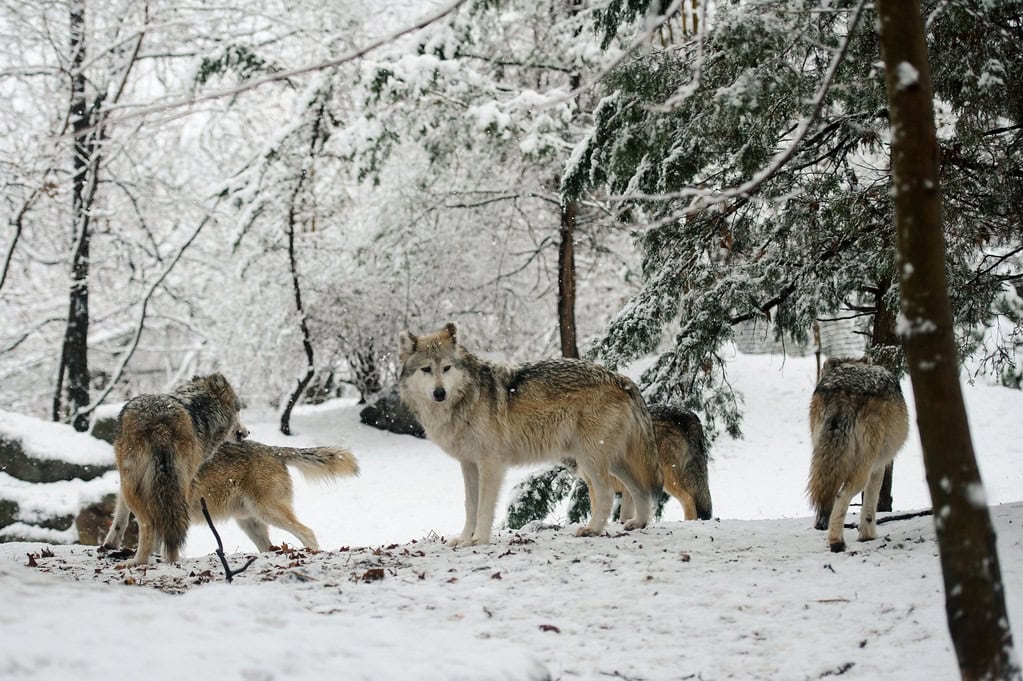
In the shadowy depths of North American wilderness, two apex predators reign supreme: the gray wolf and the mountain lion, also known as the cougar. Both command respect and inspire awe, but what happens when these formidable hunters encounter each other? The meeting of wolf and cougar represents one of nature’s most fascinating and rarely witnessed interactions. These predators typically avoid direct confrontation, but when their territories overlap and paths cross, the outcome depends on a complex interplay of factors including numbers, size, hunger, and circumstance. From mutual avoidance to deadly combat, these encounters reveal the intricate balance of power in wild ecosystems and provide insight into the behavior of North America’s most iconic predators.
The Lords of Different Domains: Habitat and Territory

Wolves and cougars have evolved to occupy different ecological niches, though their territories frequently overlap across North America. Wolves typically prefer open forests, plains, and tundra where they can utilize their exceptional endurance and pack hunting strategies. They establish large territories ranging from 50 to 1,000 square miles depending on prey availability and pack size. Cougars, in contrast, favor rugged, mountainous terrain with rocky outcrops and dense vegetation that complement their ambush hunting style. They maintain solitary territories spanning 30 to 400 square miles, with males claiming the largest ranges that often encompass the smaller territories of several females.
Where these predators’ territories intersect—particularly in places like Yellowstone National Park, the Northern Rocky Mountains, and parts of Canada—encounters become possible. Research conducted by the Yellowstone Wolf Project has documented a gradual shift in habitat use by both species since wolves were reintroduced in 1995, suggesting an evolutionary dance of avoidance between these competitors. GPS collar data reveals that cougars often adjust their movements to minimize wolf encounters, preferring steeper, more rugged terrain where wolves are less likely to venture in large numbers.
Physical Comparisons: Strengths and Weaknesses
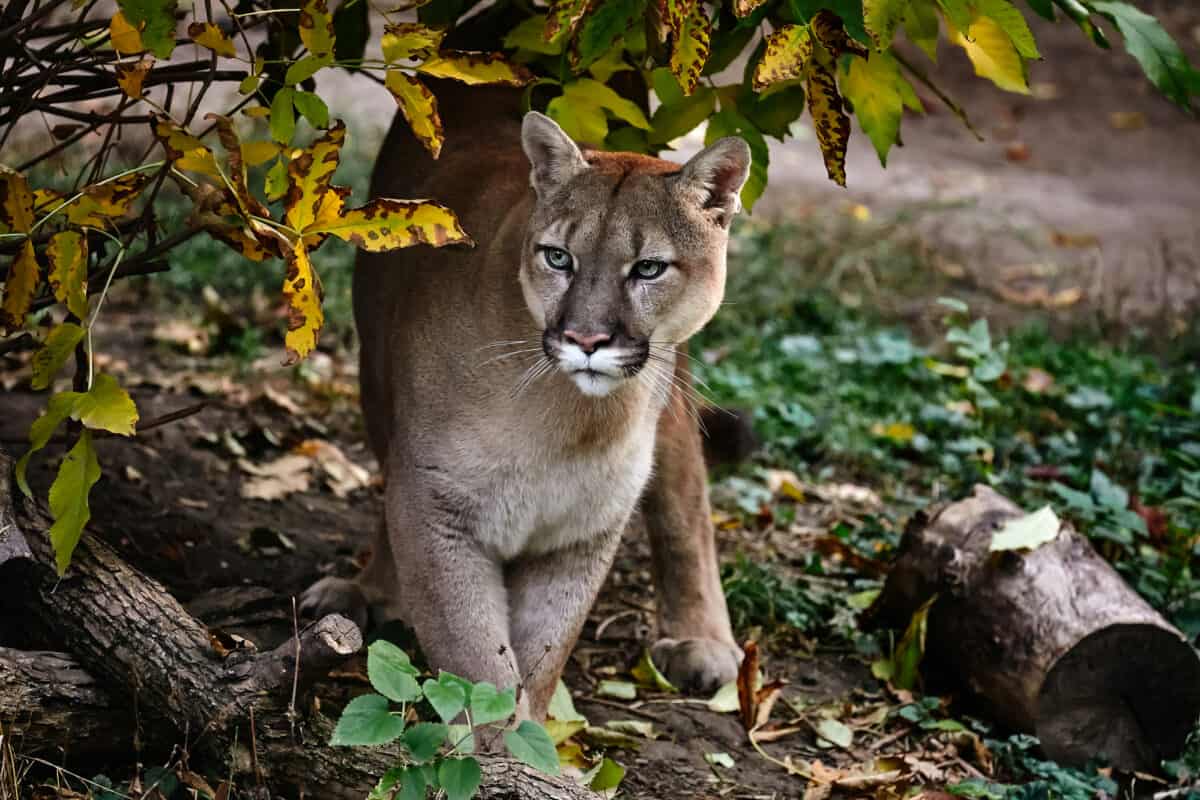
The physical attributes of wolves and cougars reflect their distinct hunting strategies and evolutionary paths. An adult male cougar typically weighs between 120-220 pounds, stands about 30 inches at the shoulder, and can reach over 8 feet in length including its tail. Females are smaller, averaging 80-130 pounds. Cougars possess powerful forelimbs with retractable claws, massive jaw muscles capable of delivering a killing bite, and remarkable agility that allows them to leap up to 40 feet horizontally and 15 feet vertically.
Gray wolves, by comparison, generally weigh 70-150 pounds, with males reaching the upper end of this range. They stand 26-32 inches at the shoulder and measure 4.5-6.5 feet from nose to tail tip. While lacking the explosive power and agility of cougars, wolves boast superior endurance, jaw strength (with bite force measured at over 1,200 psi compared to the cougar’s approximately 950 psi), and pack coordination. The wolf’s specialized skeletal structure and lean muscle mass enable them to trot at 5 mph for hours and reach speeds of 35 mph in short bursts when chasing prey. These different physical adaptations mean that in a one-on-one confrontation, a cougar’s superior weight, agility, and weaponry would likely give it the advantage, while wolves gain strength through numbers.
The Numbers Game: Solo Predator vs. Pack Hunter

Perhaps the most significant factor determining the outcome of wolf-cougar encounters is the fundamental difference in their social structures. Cougars are quintessentially solitary hunters, coming together only briefly for mating. They stalk, ambush, and dispatch prey using stealth and overwhelming force in a single attack. This solitary lifestyle has honed their individual combat capabilities but leaves them vulnerable when facing multiple opponents.
Wolves, conversely, operate in highly organized family units called packs, typically consisting of 4-12 individuals (though packs of 20+ have been documented). This social structure enables wolves to hunt prey much larger than themselves through sophisticated coordination and teamwork. Research from the University of Minnesota’s Wolf Project indicates that even a modest pack of 4-5 wolves can successfully confront and drive away a full-grown cougar, surrounding it from multiple angles and using coordinated harassment tactics. Wildlife biologist Dr. Maurice Hornocker, who conducted pioneering studies on wolf-cougar interactions in Idaho, documented several instances where wolf packs successfully killed lone cougars, particularly in open terrain where the wolves’ teamwork could be fully leveraged.
First Encounters: Detection and Initial Reactions

When wolves and cougars detect each other in the wild, their initial reactions typically involve assessment rather than immediate aggression. Both species possess exceptional sensory capabilities that usually allow for early detection. Wolves rely primarily on their acute sense of smell, capable of detecting scents up to 1.75 miles away under favorable conditions, along with excellent hearing. Cougars depend more heavily on vision and hearing, with relatively less developed olfactory abilities compared to canids.
Field observations by researchers in Yellowstone National Park suggest that the first reaction of both predators is typically cautious curiosity or immediate avoidance. Cougars, being more risk-averse as solitary hunters who cannot afford serious injury, will often retreat to higher ground or denser cover upon detecting wolves. Wolves may become alert and investigative, especially if they encounter cougar scent near a kill site. Recorded observations show that lone wolves typically give wide berth to cougars, while larger packs may approach more boldly, testing the cougar’s resolve through a series of advancing and retreating movements. Trail camera footage from various studies has captured the moment of recognition, showing both species exhibiting raised hackles, focused attention, and cautious movement when first detecting each other’s presence.
Competition for Resources: The Battle for Food
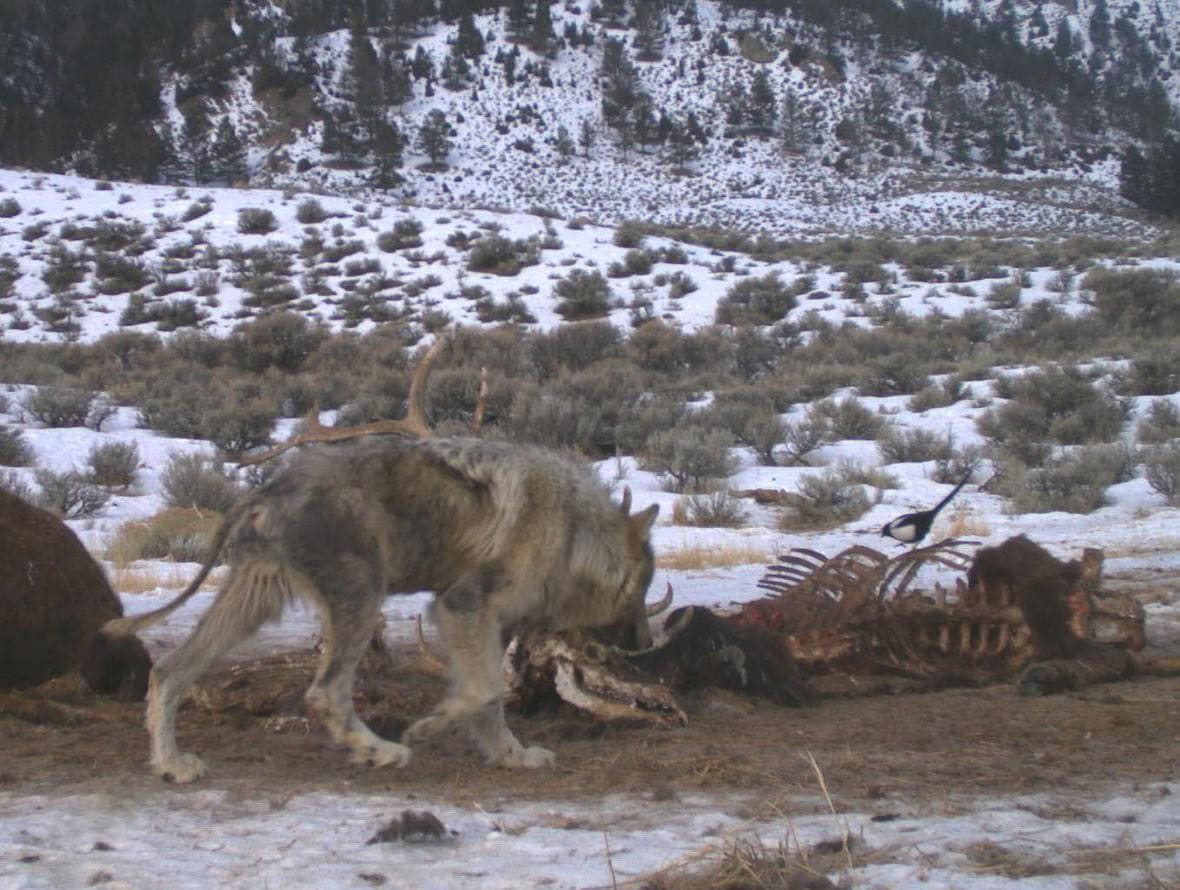
At the heart of most wolf-cougar conflicts lies competition for limited food resources. Both predators target similar prey species in many regions, including elk, deer, and smaller mammals. Research conducted in the Greater Yellowstone Ecosystem by wildlife ecologist Dr. Toni Ruth found that dietary overlap between wolves and cougars can reach 85% in some areas during winter months when prey options are more limited. This competition intensifies during harsh winters or in regions where ungulate populations are declining.
Kill site studies reveal fascinating patterns of interaction. Wolves are more likely to detect and usurp cougar kills than vice versa, owing to their superior tracking abilities and greater numbers. Data from the Yellowstone Wolf Project indicates that wolves discover and appropriate approximately 20% of cougar kills in shared territories. Cougars respond to this pressure by altering their hunting behavior—dragging carcasses into more concealed locations, feeding more rapidly, and sometimes abandoning kills at the first sign of wolf activity. Researchers have documented cases where cougars have returned to their kills only after wolf packs have moved on, demonstrating their strategic patience. This ongoing competition shapes not only direct interactions between the species but also influences their broader ecological impacts and population dynamics.
Direct Confrontations: Fight or Flight
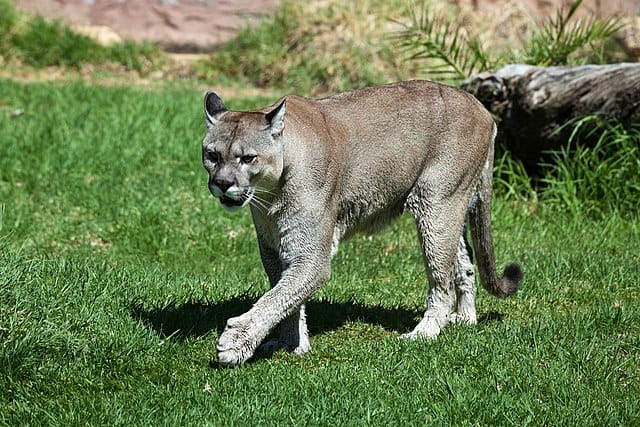
When avoidance fails and wolves and cougars come face to face, the ensuing confrontations vary dramatically based on circumstances. Direct physical conflicts between these predators are relatively rare but well-documented. Wildlife biologists studying predator interactions in the Northern Rocky Mountains have observed and categorized several types of confrontations. The most common scenario involves a wolf pack discovering a cougar at a kill site. In these cases, the numerical advantage typically allows wolves to drive the cougar away through coordinated harassment, rushing forward and retreating in waves, gradually increasing pressure until the cougar abandons its meal.
More dangerous encounters occur when a cougar is cornered or protecting young. Female cougars with cubs represent the most aggressive demographic and will fight fiercely even against multiple wolves. Studies from Idaho’s Salmon-Challis National Forest documented a case where a female cougar successfully defended her cubs against three adult wolves, inflicting serious injuries on one wolf before retreating to safer terrain. Conversely, wolf packs have been observed specifically targeting cougar kittens when discovered. One-on-one confrontations between adult animals typically result in mutual avoidance or brief displays of aggression followed by the cougar retreating vertically to safety in trees or on rock ledges—an escape option unavailable to wolves. Fatalities can occur in these interactions, though they represent the exception rather than the rule.
Documented Cases: When Predators Clash

Several well-documented encounters between wolves and cougars provide valuable insights into these rare interactions. In 2018, researchers from the Panthera Puma Program captured remarkable footage of a wolf pack confronting a female cougar in Wyoming’s Gros Ventre Wilderness. The video shows six wolves surrounding the cougar, which responds with defensive swipes and lunges before escaping up a tree. After 30 minutes of standoff, the wolves eventually moved on, allowing the cougar to descend and slip away.
More dramatically, in 2014, hikers in Glacier National Park witnessed and photographed the aftermath of a deadly encounter where a large male cougar had killed a young adult wolf. The evidence suggested an ambush scenario in dense vegetation where the cougar’s hunting advantages were maximized. Conversely, in Yellowstone’s Lamar Valley in 2020, researchers documented a case where the Junction Butte wolf pack (11 members) killed an adult female cougar after a prolonged chase through open terrain. Perhaps most striking was a 2021 incident captured on a hunter’s trail camera in Montana’s Bitterroot Valley, showing a seemingly peaceful, if tense, standoff where a male cougar and two wolves drank from the same stream simultaneously, maintaining a careful distance of about 15 feet from each other. These varied outcomes highlight the situational nature of these encounters and the complex risk assessment both species employ.
Ecological Significance: Predator Relationships in Ecosystems
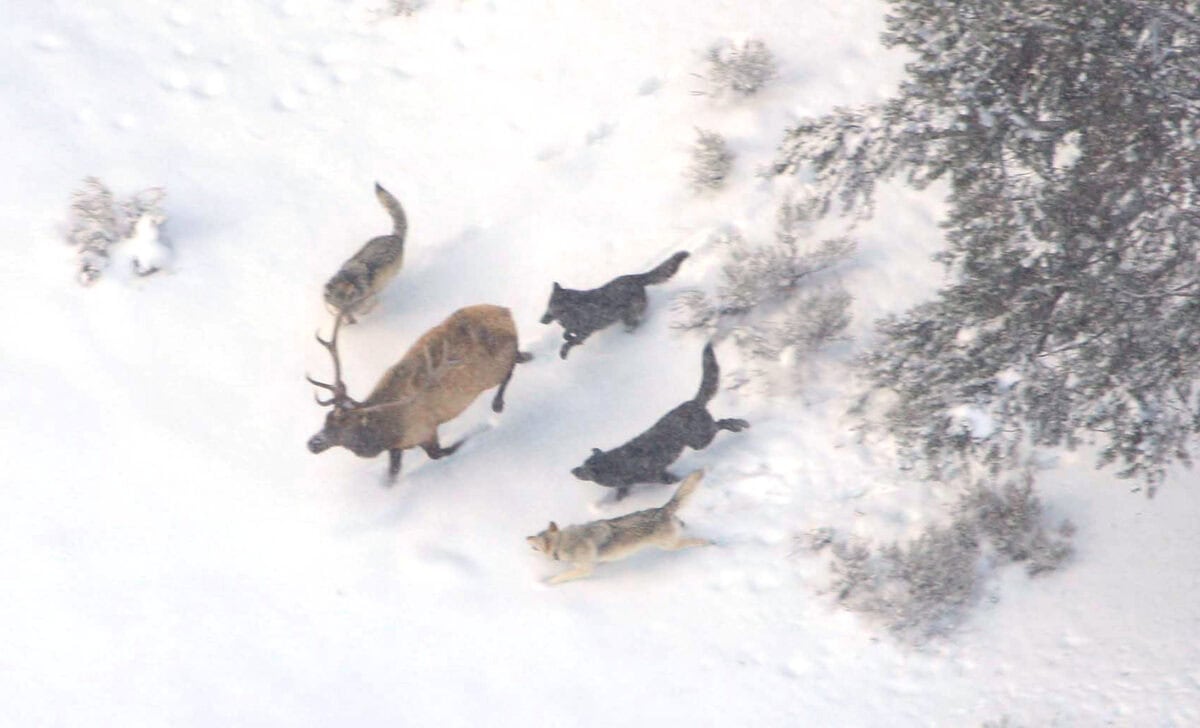
The interactions between wolves and cougars ripple through entire ecosystems, creating what ecologists term “landscapes of fear” that influence prey behavior and habitat use. Research from Oregon State University’s Cascade Carnivore Project demonstrates that in areas where both predators are present, prey species like elk and deer must balance the risk of wolf predation in open areas against cougar ambushes in denser habitat. This creates dynamic patterns of prey movement and distribution that wouldn’t exist with only one apex predator present.
The competitive relationship between wolves and cougars also appears to regulate their respective populations and hunting behaviors. Studies in the Greater Yellowstone Ecosystem suggest that wolf reintroduction initially suppressed cougar numbers through direct competition and occasional predation, but over time, the two species reached a new equilibrium through spatial and temporal separation. Cougars shifted to using more rugged terrain and hunting more deer while wolves focused on elk in open valleys. This specialization reduces direct competition and allows both predators to coexist, ultimately creating healthier ecosystems with greater biodiversity. Research from Washington State University indicates that the presence of both predators controls mesopredator populations (like coyotes) more effectively than either species alone, demonstrating the complex ecological benefits of maintaining complete predator guilds.
Temporal Partitioning: Dividing the Day

One of the most fascinating adaptations allowing wolves and cougars to minimize direct confrontation is temporal partitioning—adjusting their activity patterns to be active at different times. Extensive research using GPS collar data and camera traps reveals distinct temporal niches. Wolves typically hunt during dawn, dusk, and daylight hours, particularly in winter when they can better utilize their endurance in cooler temperatures and take advantage of better visibility for coordinated pack hunting.
Cougars, by contrast, are primarily nocturnal hunters, with peak activity occurring during the darkest hours between midnight and early morning. Dr. Mark Elbroch’s research team from Panthera’s Puma Program analyzed over 30,000 hours of cougar movement data and found that in areas with established wolf packs, cougars became even more strictly nocturnal, with up to 80% of their movements occurring during full darkness. This temporal separation allows both predators to utilize the same geographic areas while minimizing direct competition and potential conflict. Camera trap studies from Idaho’s Sawtooth National Recreation Area captured this pattern clearly, showing a sharp transition in predator activity around sunrise and sunset, with minimal overlap in peak hunting times.
The Human Element: Conservation and Management

Human activities and management decisions significantly impact wolf-cougar interactions across North America. Both species face similar conservation challenges, including habitat fragmentation, prey depletion, and direct persecution. Wildlife management policies that affect one predator inevitably influence the other through their competitive relationship. For example, states with more permissive wolf hunting regulations often see modest increases in cougar populations as competitive pressure decreases.
Conservation efforts increasingly recognize the importance of managing predators as an interconnected system rather than as isolated species. The Yellowstone to Yukon Conservation Initiative exemplifies this approach, working to maintain habitat connectivity that allows both wolves and cougars to disperse naturally and establish balanced populations. Research from the University of Washington’s Predator Ecology Lab suggests that maintaining this balance is crucial—when one apex predator is eliminated, cascading effects occur throughout the ecosystem. In areas where wolves were historically extirpated, cougar behavior changed substantially, with less frequent kills and different prey selection patterns. Wildlife managers now use this understanding to develop more holistic conservation strategies that consider the complex relationships between competing predators and their shared ecosystems.
Adapting to Change: Evolution of Behavior

The ongoing dance between wolves and cougars has driven evolutionary adaptations in both species’ behaviors. Long-term studies in areas where wolves have been reintroduced after long absences provide a natural experiment in predator adaptation. Research from the University of California’s Wildlife Health Center has documented significant shifts in cougar behavior within just a few generations following wolf reintroduction. Cougars in these areas have developed enhanced vigilance behaviors, including more frequent scent-checking of their surroundings and increased tendency to cache kills in less accessible locations.
Wolves have similarly adapted to cougar presence through refined detection capabilities and modified hunting strategies. Pack structures in areas with high cougar density tend to maintain tighter grouping patterns even when traveling, rather than spreading out as they do in cougar-free regions. Both species show remarkable behavioral plasticity, adjusting their hunting techniques, habitat use, and activity patterns based on the presence of their competitor. These adaptations demonstrate the evolutionary arms race between these predators that has shaped their behaviors over thousands of years of coexistence. GPS collar data from Washington State’s Olympic Peninsula, where wolves naturally recolonized areas with established cougar populations, shows that both species reached a new behavioral equilibrium within approximately five years, suggesting rapid adaptive capabilities in these intelligent predators.
The relationship between wolves and cougars represents one of nature’s most sophisticated predator dynamics, characterized by competition, avoidance, occasional conflict, and ecological complementarity. When these apex predators cross paths, the outcome is never predetermined but depends on a complex calculus of numbers, terrain, timing, and circumstance. Research continues to reveal the nuanced ways these species have evolved to coexist while minimizing direct conflict through spatial separation, temporal partitioning, and behavioral adaptations. Their interactions create ripple effects throughout entire ecosystems, influencing everything from prey behavior to plant communities. As we work to conserve these magnificent predators and the wild places they inhabit, understanding their relationship provides crucial insights into maintaining healthy, balanced ecosystems. The wolf and the cougar, ancient adversaries and reluctant neighbors, continue their age-old dance across North America’s remaining wilderness, each respected lord of its domain in nature’s perfectly calibrated balance.

- Amazing Animal Tracks You Might Find on a Trail - July 11, 2026
- The Role of Bears in Keeping Forests Healthy - July 10, 2026
- How Tiger Cubs Learn to Hunt From Their Mothers - July 10, 2026