


When venturing into America’s diverse landscapes, from dense forests to arid deserts, understanding the potentially dangerous wildlife in each region is crucial for safety. While most wild animals avoid human interaction, certain species display territorial or defensive aggression that warrants caution. This comprehensive guide explores the most aggressive animal species found in each of the 50 states, providing essential information about their behavior, habitats, and the best practices for avoiding dangerous encounters. Remember that aggression in animals is typically a defensive response rather than predatory behavior—most creatures prefer to avoid human contact unless they feel threatened or are protecting their young.
Alabama: Eastern Diamondback Rattlesnake

Alabama’s most aggressive resident is the Eastern Diamondback Rattlesnake (Crotalus adamanteus), the largest venomous snake in North America. These formidable reptiles can grow up to 8 feet long and deliver potentially fatal bites containing hemotoxic venom that destroys tissue and blood cells. Unlike many snakes that prefer to retreat, Eastern Diamondbacks are known to stand their ground when threatened, coiling their bodies, rattling their tails as a warning, and striking with remarkable speed if provoked.
These rattlesnakes primarily inhabit the southern pine flatwoods, coastal dunes, and palmetto thickets across Alabama. While they typically avoid human contact, encounters occur when people inadvertently step near them in tall grass or disturb their hiding spots. The Alabama Department of Conservation and Natural Resources records approximately 30-50 venomous snakebites annually in the state, with diamondbacks responsible for many of the more serious cases. Hikers and outdoor enthusiasts should wear closed-toe boots, watch their step on trails, and listen for the distinctive rattle that serves as nature’s warning system.
Alaska: Grizzly Bear

Alaska hosts North America’s most intimidating predator: the Grizzly Bear (Ursus arctos horribilis). These massive mammals can weigh up to 1,500 pounds and stand 8 feet tall when on their hind legs. Grizzlies possess remarkable strength, able to flip 700-pound rocks with ease, and can reach speeds of 35 mph despite their bulky appearance. Their aggression peaks when mothers are protecting cubs or when surprised by humans while feeding—situations that account for most attacks in Alaska’s wilderness.
The Alaska Department of Fish and Game reports an average of three to six bear attacks annually, with grizzlies responsible for the majority of serious injuries. These bears inhabit most of Alaska’s diverse terrain, from coastal regions to mountain meadows. Wildlife experts recommend carrying bear spray (proven more effective than firearms), traveling in groups, making noise while hiking to avoid surprise encounters, and properly storing food in bear-resistant containers. Understanding bear body language is also crucial—a bear standing on its hind legs is typically curious rather than aggressive, while flattened ears, huffing sounds, and jaw-popping indicate imminent aggression.
Arizona: Gila Monster
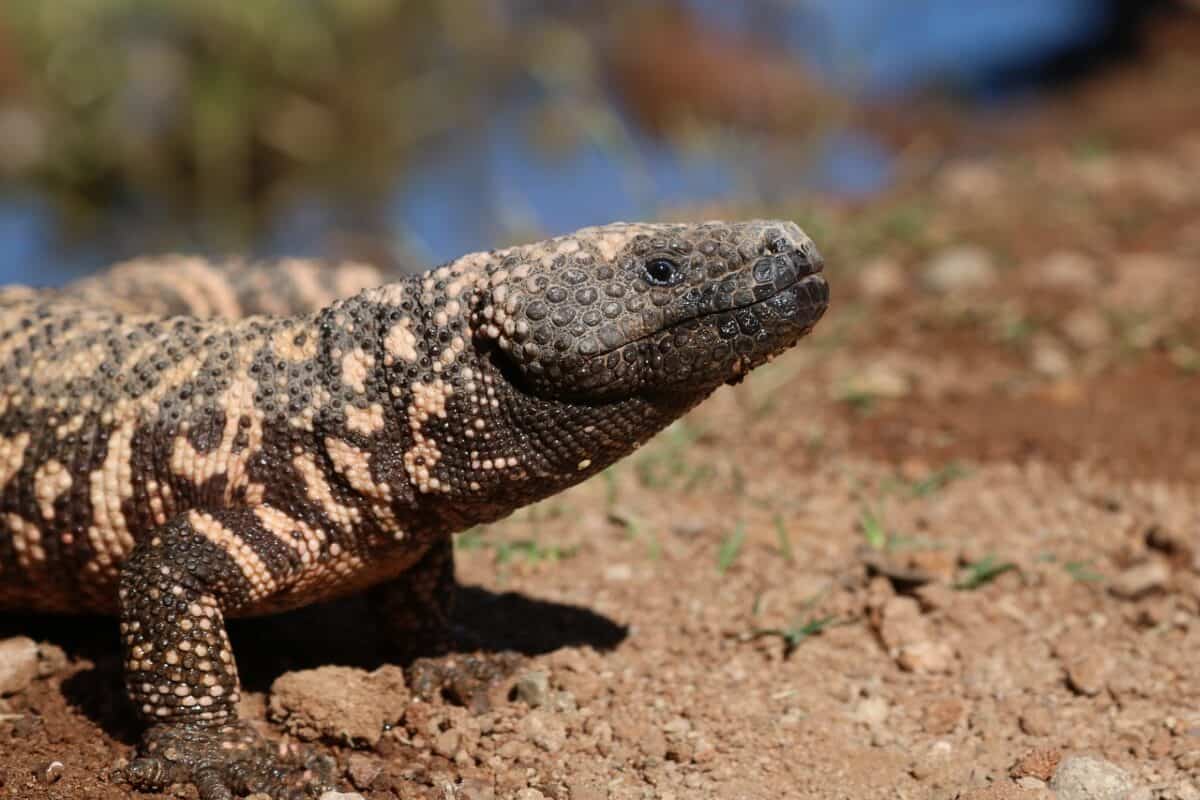
Arizona’s desert landscape harbors the Gila Monster (Heloderma suspectum), one of only two venomous lizards in the world. These distinctively patterned reptiles, with their orange-pink and black beaded skin, grow up to 2 feet long and possess a powerful bite they rarely relinquish once initiated. Unlike snakes that inject venom through hollow fangs, Gila Monsters have venom-secreting glands in their lower jaws and deliver toxins through capillary action along grooved teeth while maintaining a tenacious grip on their victims.
Primarily active during dawn and dusk hours in spring and summer months, Gila Monsters spend approximately 95% of their lives in underground burrows. Their venom, while excruciating, is rarely fatal to humans but requires immediate medical attention. The Arizona Poison and Drug Information Center reports only 5-10 Gila Monster bites annually, as these lizards are generally slow-moving and non-aggressive unless handled or cornered. Protected by state law since 1952, harming or capturing these remarkable creatures is illegal. Outdoor enthusiasts should check shoes and equipment left outside overnight, as Gila Monsters sometimes seek these spaces as temporary shelter.
Arkansas: Cottonmouth Snake
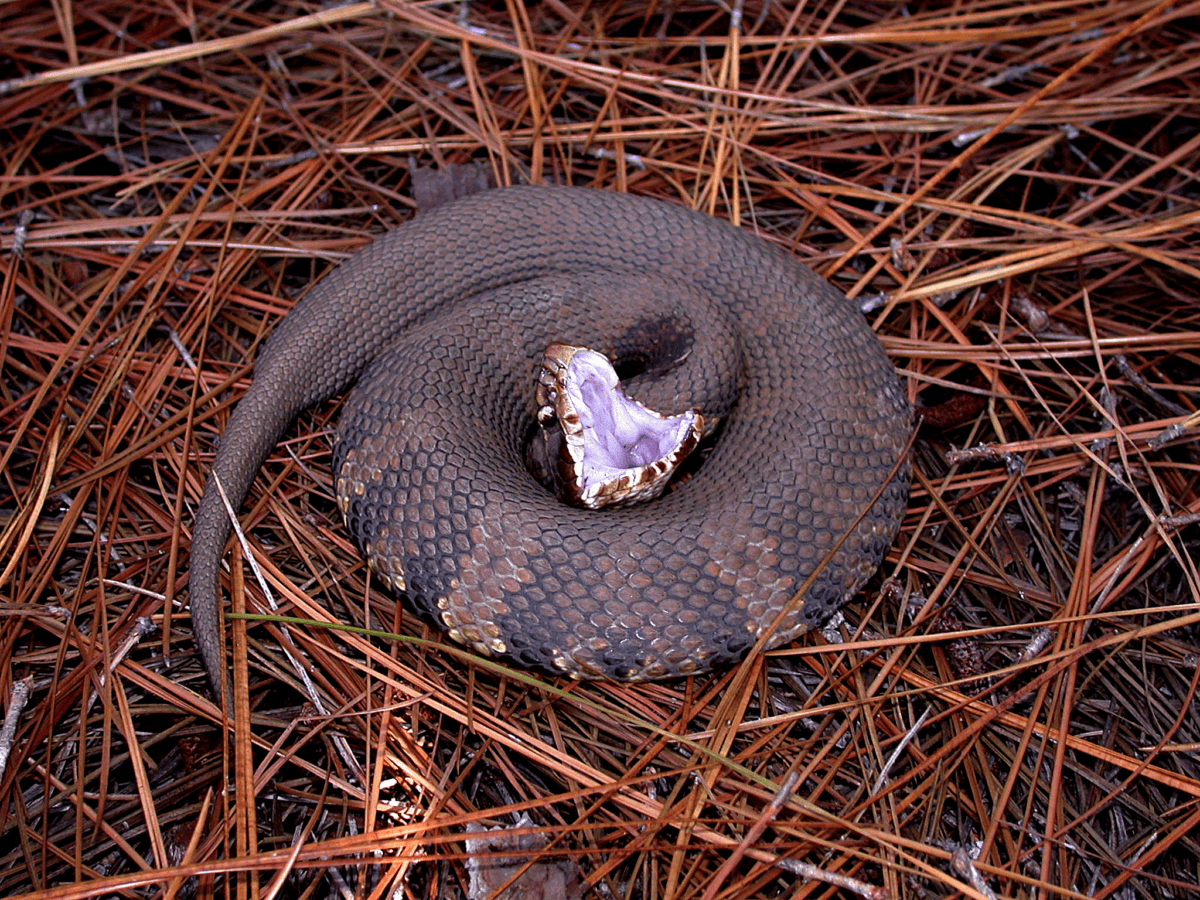
Arkansas’s wetlands and waterways are home to the notoriously aggressive Cottonmouth (Agkistrodon piscivorus), also known as the Water Moccasin. Unlike many snakes that retreat when confronted, cottonmouths often stand their ground, displaying their distinctive threat posture—coiling their bodies, vibrating their tails, and opening their mouths wide to reveal the white lining that gives them their name. These semi-aquatic pit vipers grow up to 4 feet long and possess potent cytotoxic venom that can cause severe tissue damage and even death if left untreated.
The Arkansas Game and Fish Commission records dozens of cottonmouth encounters annually, particularly in the eastern and southern regions of the state where swamps, bayous, and slow-moving waterways provide ideal habitat. They’re excellent swimmers and can be found both in water and on land, often basking on rocks, logs, or branches overhanging water. Cottonmouths are frequently misidentified as non-venomous water snakes, leading to dangerous close encounters. Outdoor enthusiasts should exercise caution when walking near water edges, avoid reaching blindly under logs or rocks, and remember that cottonmouths, unlike many water snakes, typically float with their entire bodies visible on the water’s surface.
California: Mountain Lion

California’s diverse landscapes support the Mountain Lion (Puma concolor), also known as the cougar or puma. These powerful big cats can weigh up to 150 pounds and leap 15 feet vertically from a sitting position. While generally elusive and preferring to avoid human contact, mountain lions can display extreme aggression when protecting cubs, defending a kill, or if startled at close range. Their hunting strategy involves stalking prey silently before delivering a powerful leaping attack, often targeting the neck or spine—a technique that makes them particularly dangerous when they do target humans.
The California Department of Fish and Wildlife reports an average of 3-4 mountain lion attacks on humans per decade, with 17 verified attacks since 1986, including six fatalities. These solitary predators range throughout California’s mountainous regions, foothills, and increasingly into suburban areas as development encroaches on their territory. Wildlife officials recommend hiking in groups, keeping children close, avoiding dawn and dusk excursions when cougars are most active, and never running if you encounter one, as this may trigger their chase instinct. Instead, experts advise making yourself appear larger, making loud noises, and fighting back aggressively if attacked—behaviors that have successfully deterred mountain lion attacks in several documented cases.
Colorado: Moose
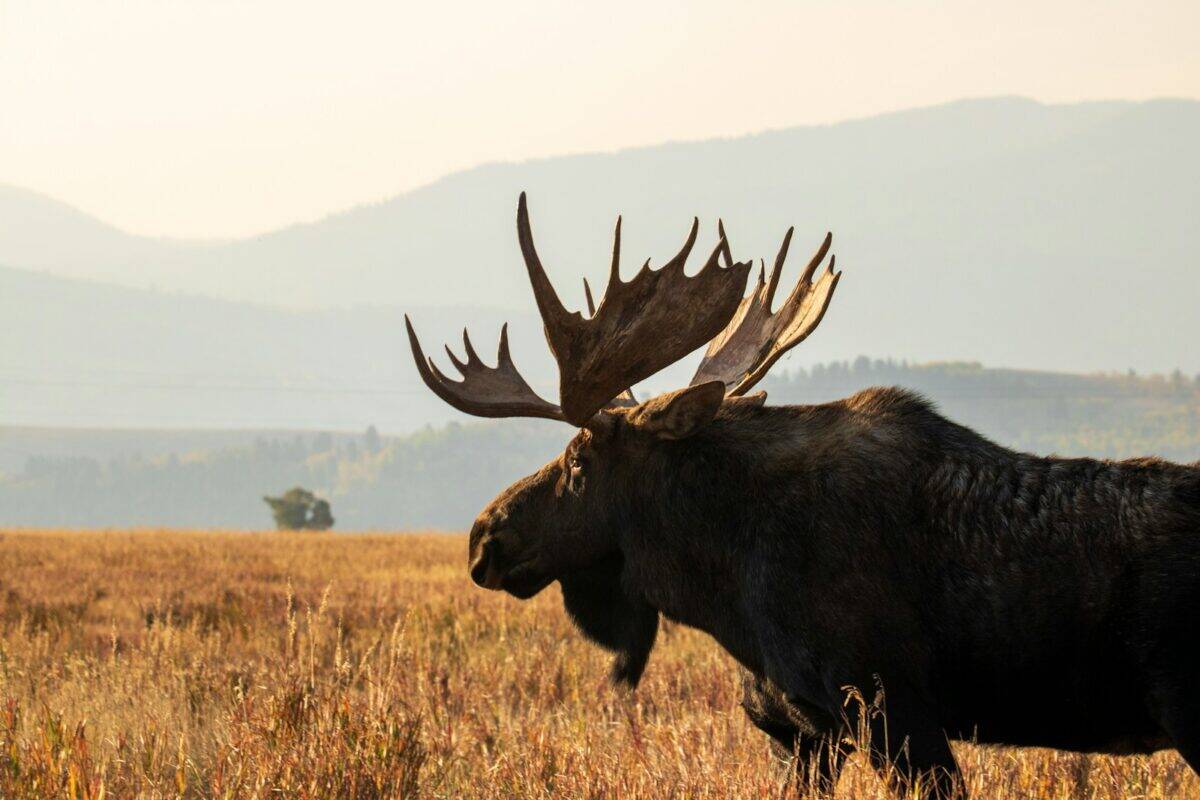
Perhaps surprisingly to many visitors, Colorado’s most aggressive large animal is not a predator but the moose (Alces alces). These massive herbivores stand 6 feet tall at the shoulder, weigh up to 1,200 pounds, and possess unpredictable temperaments that make them responsible for more attacks on humans than any other wild mammal in the state. Unlike many animals that display warning signs before attacking, moose often charge with little provocation, particularly cows protecting calves or bulls during the fall rutting season. Their long legs allow them to deliver powerful kicks in any direction, capable of seriously injuring or killing a person.
Colorado Parks and Wildlife documents dozens of moose-human conflicts annually, with numbers increasing as both moose populations and human recreational activities expand in the state’s mountain regions. These magnificent animals have poor eyesight but acute hearing and smell, often perceiving humans—especially with dogs, which they associate with wolves—as threats. Wildlife officials strongly advise maintaining at least 50 yards distance from moose, never approaching for photographs (a common factor in attacks), and retreating immediately if a moose lays back its ears, raises hackles, or licks its lips—all signs of imminent aggression. If charged, experts recommend running (unlike with predators) and placing solid objects between yourself and the animal.
Florida: American Alligator

Florida’s wetlands harbor the American Alligator (Alligator mississippiensis), prehistoric predators that can reach lengths of 14 feet and weights exceeding 1,000 pounds. While typically wary of humans, alligators display remarkable territorial aggression during mating season (April-June) and when protecting nests or young. Their hunting strategy combines patience and explosive speed—capable of lunging from water at 35 mph in brief bursts. Their powerful jaws exert 2,000 pounds per square inch of bite force, enough to crush turtle shells and severe human limbs.
The Florida Fish and Wildlife Conservation Commission records approximately 7-10 unprovoked alligator attacks annually, with the rate increasing as human populations expand into traditional alligator habitats. Since 1948, Florida has documented over 400 unprovoked attacks, resulting in 25 fatalities. Alligators inhabit virtually all of Florida’s freshwater bodies, from major lakes to neighborhood retention ponds. Safety experts advise swimming only in designated areas during daylight hours, keeping pets leashed near water bodies, and never feeding alligators—an illegal activity that causes them to associate humans with food. Remarkably, small cuts and punctures from alligator bites often become severely infected due to the multitude of bacteria in their mouths, making immediate medical attention necessary even for minor bites.
Georgia: Fire Ant

Georgia’s most aggressive animal might be its smallest: the Red Imported Fire Ant (Solenopsis invicta). These invasive insects, first introduced to the United States in the 1930s, have spread throughout Georgia and much of the Southeast, establishing massive colonies containing up to 500,000 workers. What fire ants lack in size, they compensate for with coordinated aggression. When their mound is disturbed, even slightly, hundreds of workers rush out and climb onto the perceived threat. Through remarkable chemical communication, they can coordinate a simultaneous attack, with each ant stinging repeatedly.
The Georgia Department of Agriculture estimates that fire ants affect over 90% of the state, causing more than $200 million in damage and medical costs annually. Their venom contains alkaloids that cause burning pain (hence their name) and distinctive pustules that can become infected if scratched. For approximately 1% of the population, these stings trigger potentially fatal anaphylactic reactions. Fire ants are particularly problematic because they thrive in human-modified environments—lawns, parks, and agricultural fields—making encounters common. Unlike most aggressive animals that avoid human contact, fire ants actively defend territories that increasingly overlap with human activity. Residents and visitors should learn to identify their distinctive mounds (dome-shaped, up to 18 inches high) and exercise caution during outdoor activities, particularly after rain when colonies are actively rebuilding disturbed mounds.
Hawaii: Tiger Shark

Hawaii’s crystal blue waters are home to the Tiger Shark (Galeocerdo cuvier), considered one of the most dangerous shark species due to its size, power, and feeding behavior. Growing up to 14 feet long and weighing over 1,400 pounds, tiger sharks are named for the distinctive dark stripes on juveniles (which fade as they mature) and possess unique serrated teeth that can easily shear through turtle shells, bone, and other tough materials. Unlike some shark species that bite and retreat, tiger sharks often continue attacking after the initial bite, contributing to their reputation for aggression.
The Hawaii Department of Land and Natural Resources records an average of 3-4 shark attacks annually, with tiger sharks responsible for the majority of serious incidents. These sharks are non-discriminatory feeders often called “garbage cans of the sea” for their willingness to consume almost anything, including inedible objects—a feeding strategy that occasionally leads them to bite humans out of curiosity. Tiger sharks are particularly active in Hawaiian waters during fall and early winter months, coinciding with native green sea turtle breeding seasons. Ocean safety experts recommend avoiding swimming at dawn, dusk, or night when sharks are most active, staying out of murky water where visibility is reduced, and removing shiny jewelry that might resemble fish scales. The traditional Hawaiian perspective views tiger sharks with respect rather than fear, considering them aumakua (ancestral guardians) in cultural tradition.
Idaho: Gray Wolf

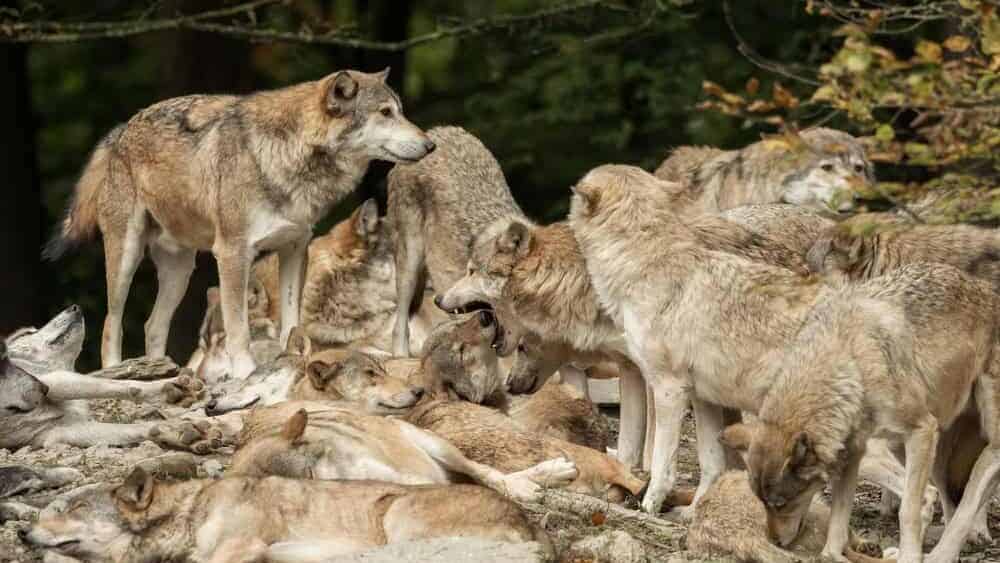
Idaho’s rugged wilderness is home to the Gray Wolf (Canis lupus), a species that has made a remarkable recovery since reintroduction efforts began in the mid-1990s. Adult wolves typically weigh between 70-110 pounds and run in packs of 5-10 individuals, though larger groups have been documented. While actual attacks on humans are exceedingly rare—far less common than media portrayal suggests—wolves display remarkable territorial aggression toward other canids, including domestic dogs, which they perceive as competing predators. Their complex social structure includes sophisticated communication and coordinated hunting techniques that allow them to take down prey much larger than themselves.
The Idaho Department of Fish and Game monitors approximately 1,500 wolves in the state, primarily in the central and northern regions. Despite their fearsome reputation, confirmed wolf attacks on humans in North America remain extraordinarily uncommon—only two fatal attacks have been documented in the past century across the entire continent. However, confrontations between wolves and hunting dogs or livestock have increased as wolf populations have recovered, leading to significant management controversies. Outdoor enthusiasts should keep dogs leashed in wolf country, properly store food at campsites, and understand that wolves typically avoid human contact. If a rare close encounter occurs, experts recommend standing your ground, making yourself appear larger, making loud noises, and slowly backing away while maintaining eye contact—never running, which could trigger chase instincts.
Illinois: Northern Water Snake
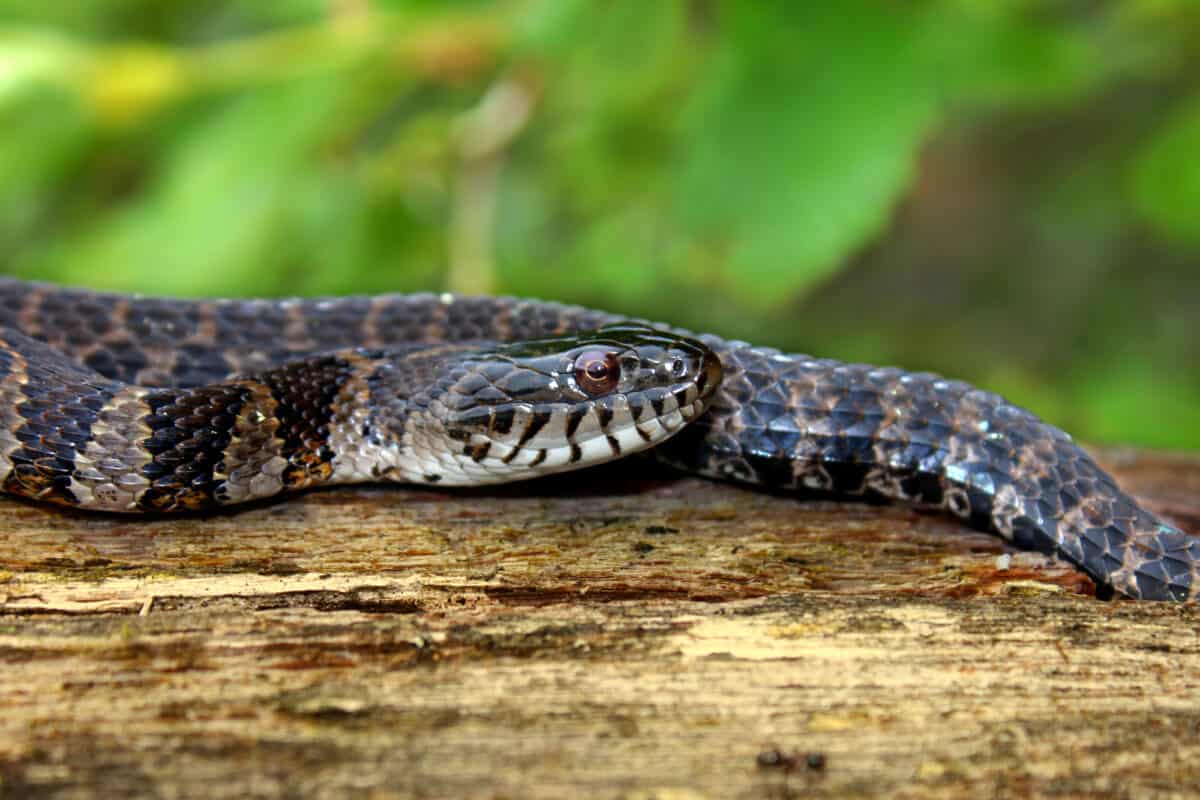
Illinois’ rivers and lakes are home to the Northern Water Snake (Nerodia sipedon), a non-venomous but notably aggressive reptile frequently misidentified as the venomous cottonmouth. Growing up to 4.5 feet long, these snakes display remarkable defensive behaviors when cornered or handled. They strike repeatedly, deliver painful bites with anticoagulant saliva that causes extended bleeding, and often release a foul-smelling musk while simultaneously defecating on handlers—a multi-sensory defensive strategy that effectively deters most predators and humans alike.
The Illinois Department of Natural Resources receives hundreds of reports annually from residents concerned about “water moccasins” in northern Illinois, though the venomous cottonmouth’s range only extends to the southernmost counties of the state. Northern water snakes inhabit virtually all water bodies throughout Illinois, from major rivers to small suburban ponds, often basking on rocks, fallen trees, or shorelines. While their bites are not medically significant, they contain mild anticoagulant properties that can cause prolonged bleeding and should be properly cleaned to prevent infection. These snakes serve vital ecological roles as predators of small fish, amphibians, and crayfish, helping maintain healthy aquatic ecosystems. Conservation officials emphasize that despite their aggressive defensive behavior, northern water snakes pose no threat to humans if left undisturbed and should never be killed out of misplaced fear.
Conclusion: Understanding Wildlife Aggression Across America
Across America’s diverse ecosystems, animal aggression almost always stems from defensive reactions rather than predatory intent. Understanding this fundamental principle is key to safely coexisting with wildlife in every state. From Alaska’s towering grizzlies to Georgia’s tiny fire ants, aggressive behaviors typically occur when animals feel threatened, are protecting young, or when humans inadvertently violate their space. This pattern remains consistent whether dealing with venomous snakes in the Southwest or territorial moose in the Rocky Mountains.
The most effective strategy for preventing dangerous wildlife encounters is education—learning to recognize warning signs, understanding seasonal behavior patterns, and respecting wildlife by maintaining appropriate distances. Conservation officials across all states emphasize that most aggressive animal encounters result from human behaviors: approaching too closely for photographs, allowing pets to harass wildlife, accidentally stepping on concealed animals, or improperly securing food at campsites. As human development continues to encroach on natural habitats, interactions between people and potentially aggressive wildlife will inevitably increase.
Perhaps most importantly, this state-by-state examination reveals that wildlife aggression doesn’t necessarily correlate with the animal’s size or predatory status. Some of America’s most dangerous animals are not apex predators but seemingly innocuous creatures like moose, fire ants, or hoofed mammals. By developing awareness of the ecological and behavioral contexts in which aggression arises, we can replace fear with understanding and promote coexistence rather than conflict. Recognizing that these animals are responding to perceived threats—not seeking confrontation—helps shift the narrative from one of danger to one of respect and responsibility.
In the end, fostering a culture of informed coexistence benefits both humans and wildlife. By adapting our behaviors and encouraging state-specific education efforts, we reduce the likelihood of negative encounters while supporting the broader goals of wildlife conservation. Understanding wildlife aggression is not about avoiding nature, but about learning to share space with the incredible diversity of species that also call America home. Through respect, awareness, and responsible action, we ensure a safer future for all creatures—wild and human alike.

From exploring the marine wonders in the Azores and witnessing the vast savannas of Kenya, to delving deep into the rich biodiversity of South Africa and traversing iconic landscapes in Australia and the US like Yellowstone, Chris's experiences are vast.
With a penchant for diving alongside sharks, the ocean holds a special place in his heart.
Through his academic insights, he champions wildlife conservation, striving with 'Animals Around The Globe' to cultivate a profound connection between humans and animals, enhancing our mutual appreciation.
Connect with him at Feedback@animalsaroundtheglobe.com.
- The Largest Wolf Ever Recorded Was the Size of a Pony - July 11, 2026
- This Pangolin Was Long Thought Extinct — Until Now - July 11, 2026
- What Triggers Mass Spawning Events in the Ocean - July 11, 2026