

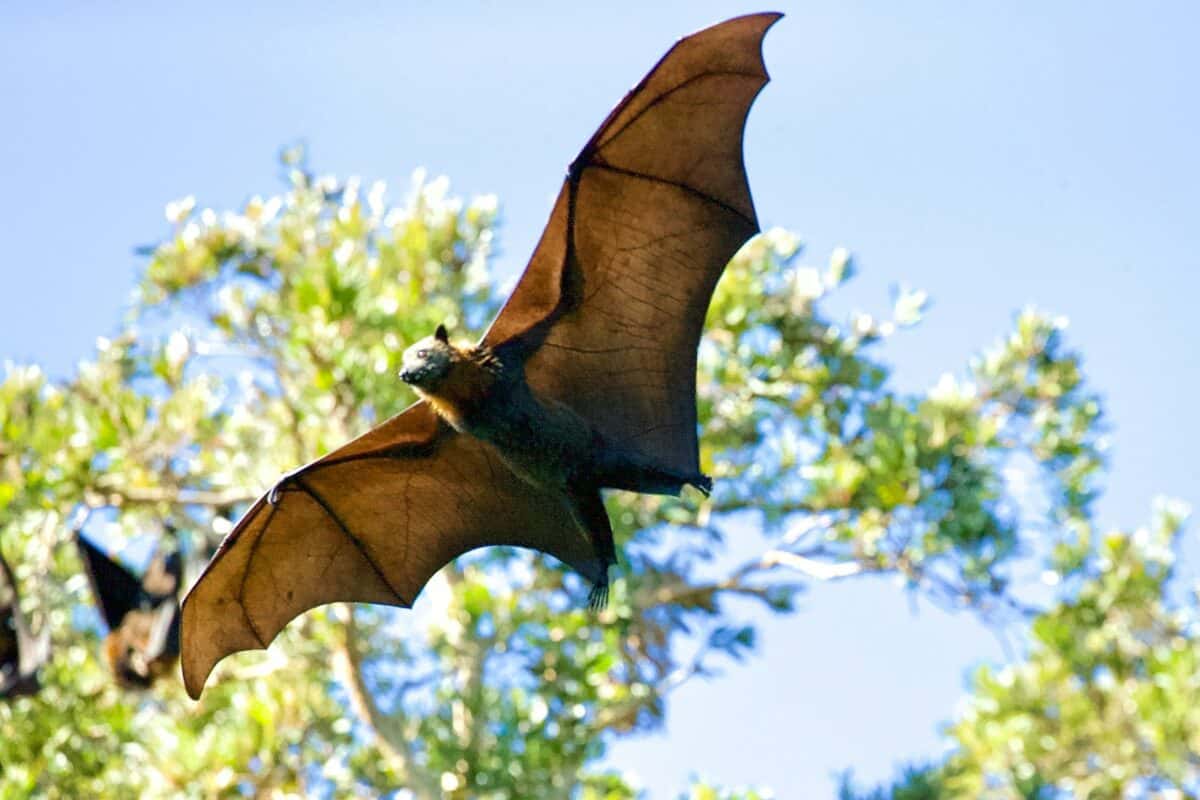
Shrouded in folklore and often misrepresented in popular culture, bats remain one of America’s most misunderstood mammals. These remarkable creatures – the only flying mammals on Earth – have been unfairly demonized throughout U.S. history, associated with Halloween horror, disease, and fear. Yet behind this negative reputation lies an extraordinary group of animals that provide invaluable ecological services, display fascinating behaviors, and face mounting conservation challenges. The reality of bats stands in stark contrast to their portrayal, and as scientific understanding grows, so does the need to reshape American perceptions of these beneficial animals. From their critical role in pest control to their contributions to medical research, bats deserve not only our protection but our admiration as well. This article explores why these nocturnal neighbors merit a significant reputation upgrade in the United States.
The Misunderstood Nature of Bats in American Culture
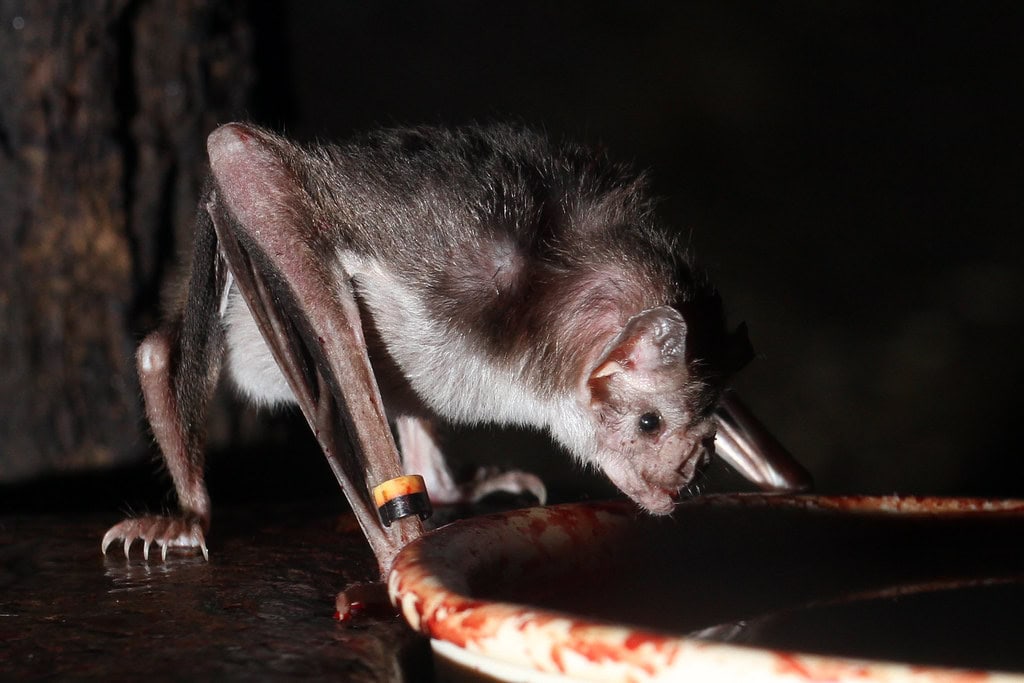
Bats have endured centuries of negative representation in American culture. From early European settlers who brought Old World superstitions associating bats with witchcraft and evil omens to modern horror films depicting bats as bloodthirsty creatures, these animals have rarely received fair treatment in popular media. The iconic vampire bat, while comprising only 3 of the 1,400+ bat species worldwide, has disproportionately shaped American perceptions, despite the fact that vampire bats don’t even inhabit most of the United States. Halloween decorations featuring menacing bats further reinforce these harmful stereotypes annually, perpetuating unwarranted fear and dislike among the public. These cultural misrepresentations have real consequences, making conservation efforts more challenging and leading to unnecessary persecution of bat colonies that might otherwise peacefully coexist with human communities.
The Remarkable Diversity of Bats in the United States
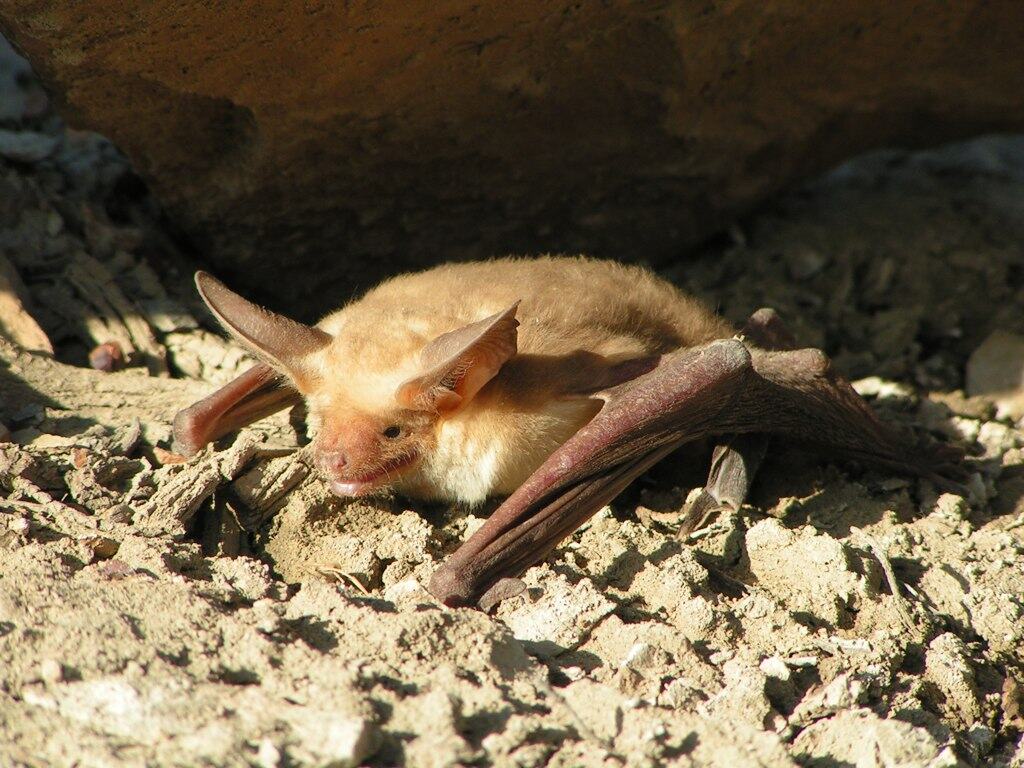
The United States is home to an impressive diversity of bat species, with approximately 47 different species inhabiting various regions across the country. These range from the tiny western pipistrelle weighing less than a penny to the larger Mexican free-tailed bat with its impressive migratory patterns. The geographic distribution of American bats spans from the desert Southwest, where species like the pallid bat have adapted to arid conditions, to the humid Southeast where the gray bat thrives in cave systems. Each species has evolved unique characteristics suited to their ecological niche, demonstrating remarkable biological diversity. For instance, the spotted bat sports distinctive white spots on a dark background, while the Seminole bat displays a beautiful mahogany-colored fur. This rich variety of bat species contributes significantly to biodiversity across American ecosystems, from forests and deserts to urban environments, yet most Americans can identify only the generic “bat” without appreciating the remarkable diversity that exists within this order of mammals.
Nature’s Pest Control: The Economic Value of Insect-Eating Bats

Bats provide an often-overlooked economic service that benefits American agriculture to the tune of billions of dollars annually. A single little brown bat can consume up to 1,000 mosquito-sized insects in a single hour, while a colony of 100 Mexican free-tailed bats can devour about a ton of insects each night. According to research published in the journal Science, insect-eating bats save the U.S. agricultural industry at least $3.7 billion per year in pest control services. These natural exterminators target many of the most destructive agricultural pests, including corn earworm moths, cucumber beetles, and stink bugs. Without bats, farmers would need to increase pesticide use substantially, leading to higher food costs, increased environmental contamination, and potential health concerns for consumers. In cotton-producing regions of the Southwest, researchers have documented that bats reduce crop damage and pest management costs by targeting cotton bollworm moths, demonstrating a clear economic incentive for protecting bat populations beyond pure conservation motivations.
Seed Dispersers and Pollinators: Bats’ Contribution to Ecosystem Health

While insect-eating bats receive most attention in the U.S., fruit and nectar-feeding bats play critical ecological roles in the Southwest. Species such as the Mexican long-tongued bat and lesser long-nosed bat are vital pollinators for numerous desert plants, including the iconic saguaro and organ pipe cacti. Their nighttime pollination services complement those of daytime pollinators like bees and butterflies, enabling plants to reproduce that might otherwise struggle. In fact, over 300 species of fruit worldwide depend on bats for pollination or seed dispersal, including economically important crops. In the U.S. Southwest, bat-pollinated agave plants are essential for the production of tequila and other traditional products. Beyond pollination, fruit-eating bats disperse seeds across landscapes, particularly in disturbed areas, helping to regenerate vegetation after natural or human-caused disturbances. This seed dispersal function makes bats important contributors to forest regeneration and maintaining plant genetic diversity throughout their range, providing ecosystem services that would be extremely costly, if not impossible, for humans to replicate artificially.
Debunking Rabies Myths: Understanding the Real Risk
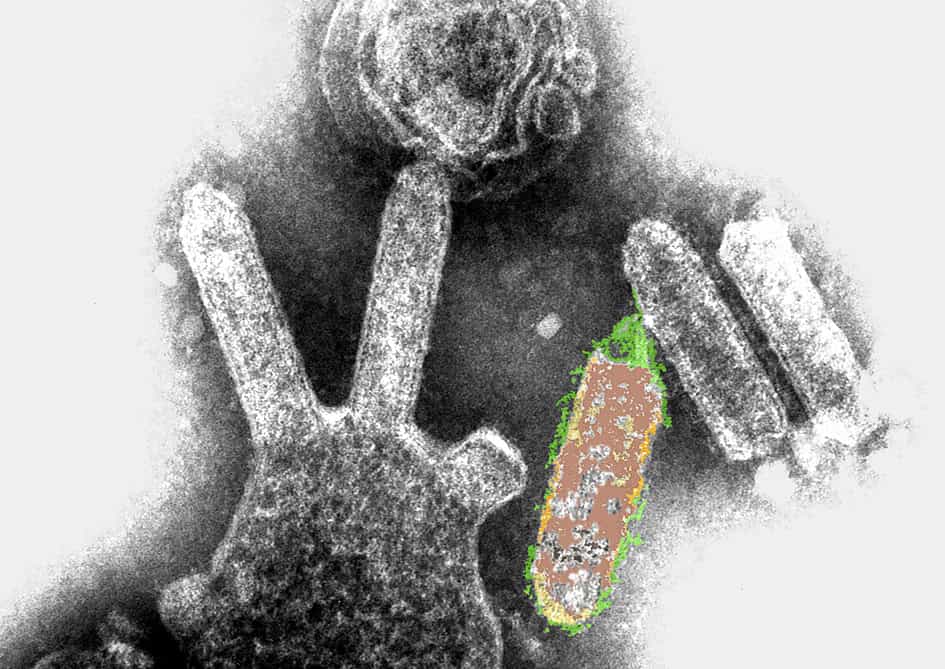
One of the most persistent misconceptions about bats in the United States is that they commonly carry rabies and pose a significant public health threat. In reality, less than 1% of bats carry the rabies virus, according to the Centers for Disease Control and Prevention (CDC). While bats can indeed transmit rabies, actual transmission to humans is exceedingly rare, with typically fewer than two human rabies deaths reported annually in the entire United States. For context, this makes dying from a bat-transmitted disease far less likely than being struck by lightning. The majority of bat-associated rabies cases occur when people handle bats with bare hands, which should never be done. Public health experts emphasize that simple precautions—such as never handling bats, vaccinating pets, and seeking medical attention if bitten—effectively mitigate this already minimal risk. By focusing disproportionately on rabies, Americans often overlook the far greater benefits bats provide through insect control, including reducing populations of mosquitoes that transmit diseases like West Nile virus and Eastern equine encephalitis.
The Truth About White-Nose Syndrome: A Crisis for American Bats

While Americans often fear bats as disease vectors, the devastating reality is that bats themselves are currently suffering from one of the worst wildlife disease outbreaks in modern history. White-nose syndrome (WNS), caused by the fungus Pseudogymnoascus destructans, has killed millions of bats across North America since its discovery in New York in 2006. The disease disrupts bats’ hibernation cycles, causing them to deplete vital fat reserves prematurely and often leading to death. The impact has been catastrophic, with population declines exceeding 90% for some species in affected areas. The little brown bat, once among America’s most common bat species, now faces the threat of regional extinction in parts of its range. Since its initial detection, WNS has spread to 39 states and seven Canadian provinces, highlighting the interconnectedness of bat populations. This crisis underscores the vulnerability of these animals and the urgent need for conservation efforts, including research into potential treatments, protection of critical habitats, and public education about the importance of bats. Ironically, while many Americans fear catching diseases from bats, it’s the bats that are experiencing a devastating epidemic that threatens their very existence.
Bat Conservation Success Stories in the United States
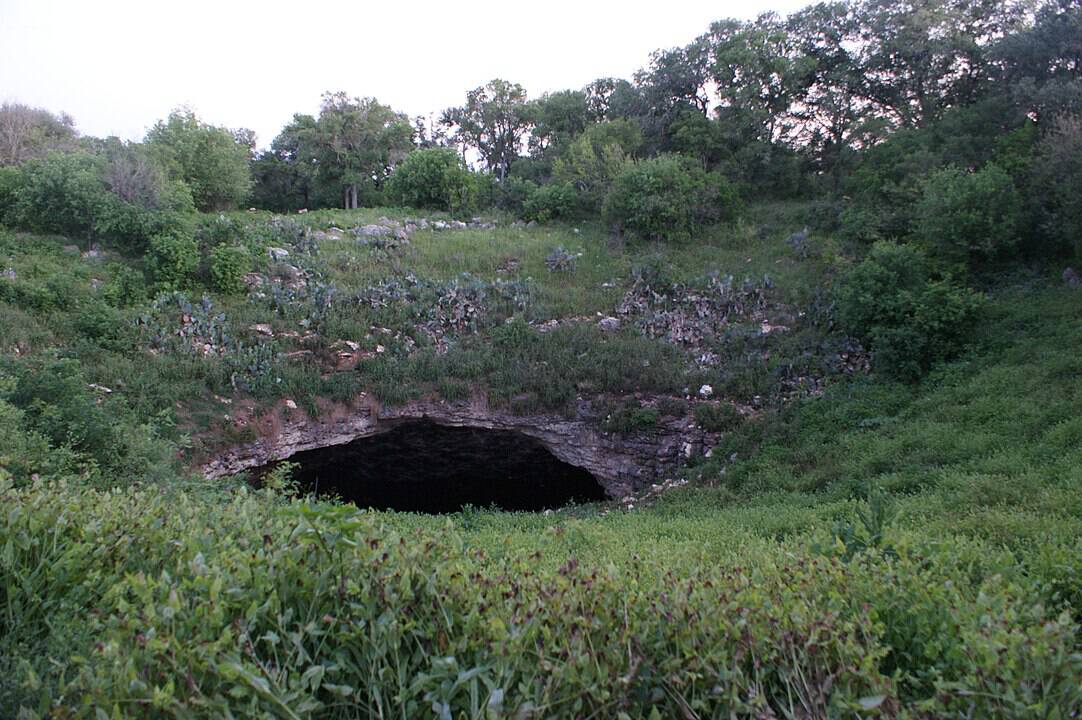
Despite significant challenges, bat conservation efforts have achieved notable successes across the United States. In Texas, Bracken Cave, home to the world’s largest bat colony with approximately 20 million Mexican free-tailed bats, was saved from encroaching development in 2014 through a collaborative effort between conservation organizations, government agencies, and private donors. The Indiana bat, listed as endangered since 1967, has benefited from habitat protection and cave management strategies that have helped stabilize some populations. Artificial bat houses have become increasingly popular, providing alternative roosts where natural habitats have been lost; successful community bat house projects in places like Florida and Oregon have demonstrated that humans and bats can coexist harmoniously. The Endangered Species Act has played a crucial role in protecting vulnerable bat species, with recovery plans implemented for several threatened bats. Educational initiatives like Bat Conservation International’s outreach programs have helped thousands of Americans appreciate bats’ ecological importance. These conservation success stories demonstrate that with proper understanding, protection, and habitat management, bat populations can recover and thrive, benefiting both natural ecosystems and human communities that depend on the ecosystem services bats provide.
Fascinating Bat Behaviors That Challenge Negative Stereotypes
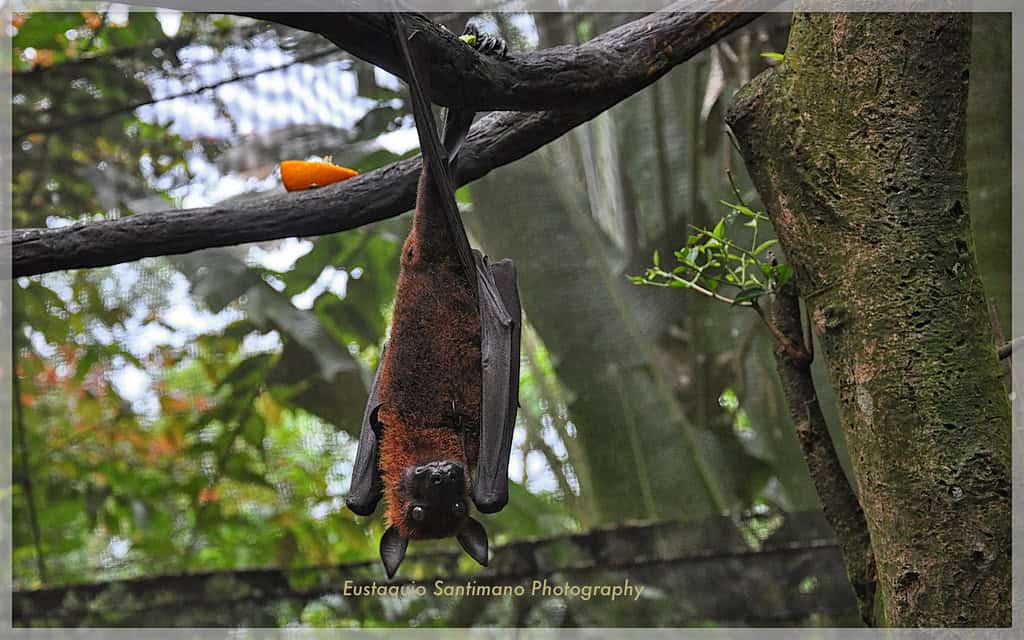
Bats exhibit numerous behaviors that, once understood, transform fear into fascination. Far from being aggressive creatures, most bats are shy, gentle, and remarkably intelligent. Mother bats demonstrate extraordinary parental care, with females of many species forming nursery colonies where they can recognize and nurse their own pup among thousands of others based on unique vocalizations and scents. This sophisticated maternal behavior contradicts the image of bats as mindless, primitive creatures. Bats also exhibit complex social structures with long-term social bonds. Research has documented food sharing among vampire bats, where well-fed individuals will regurgitate blood meals to feed roostmates who were unsuccessful in finding food—a reciprocal altruism that demonstrates advanced social cognition. Their echolocation abilities represent one of nature’s most sophisticated sensory systems, allowing them to create detailed acoustic images of their environment with precision that exceeds many human technologies. Many bat species also have remarkably long lifespans for their size; the Brandt’s bat, weighing just 4-8 grams, can live up to 41 years in the wild—a longevity that would be equivalent to humans living several centuries. These fascinating behaviors and adaptations reveal bats as complex, highly evolved animals worthy of admiration rather than fear.
Bats and Medical Science: Contributions to Human Health
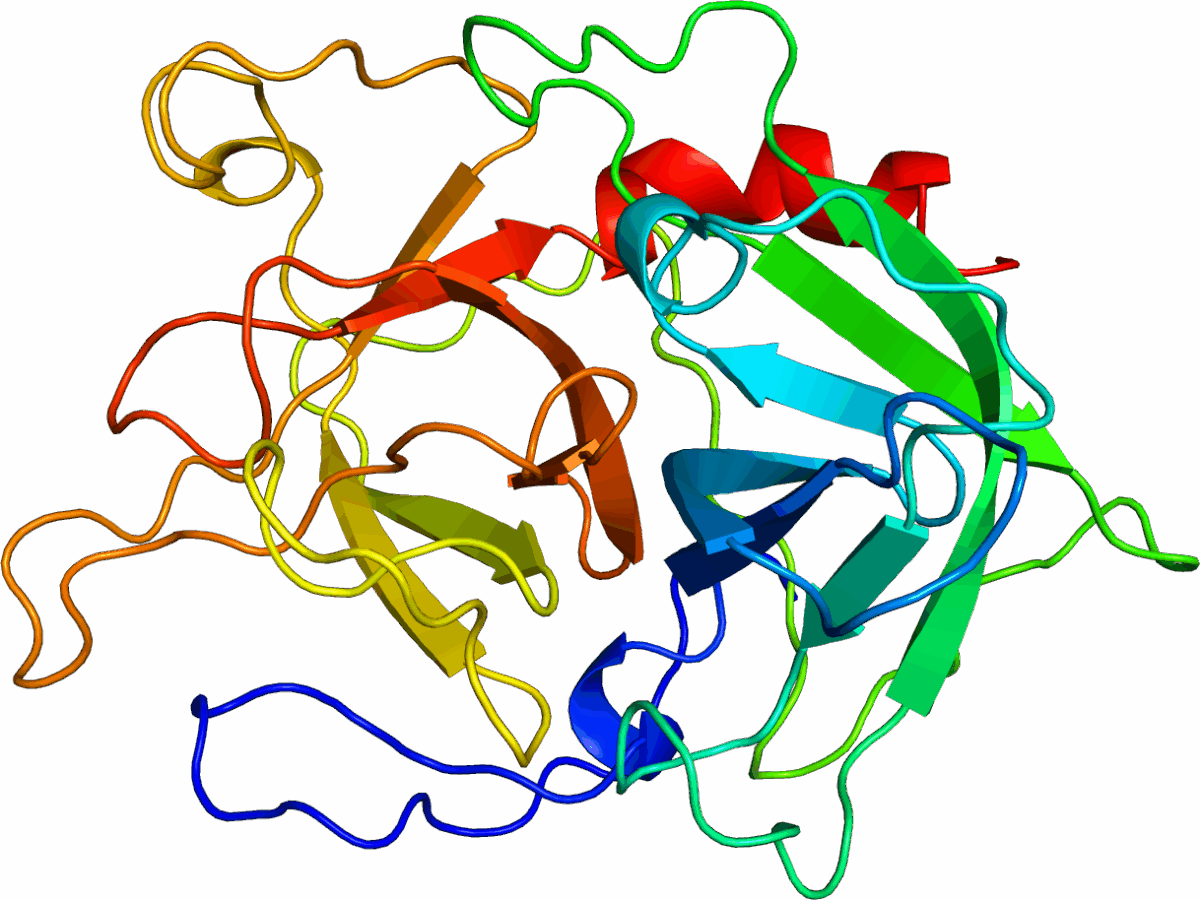
Bats have made significant contributions to human medicine, providing insights that have led to important medical developments. Research on vampire bat saliva led to the development of anticoagulant medications like Draculin, which has applications in treating stroke patients. The unique properties of bat blood, which allows them to tolerate coronaviruses without becoming ill, are being studied for potential applications in human immunology and disease resistance. Bats’ extraordinary longevity despite their high metabolic rates has made them subjects of aging research, as they seem resistant to many age-related diseases that affect humans. Their ability to echolocate has inspired technological innovations for the visually impaired, creating devices that convert echoes into auditory or tactile information. Even their wing structure has influenced medical technology, with the thin, elastic membrane of bat wings informing the development of new surgical materials. Most recently, studying how bats coexist with viruses without developing severe disease may provide critical insights for pandemic prevention and response. Rather than viewing bats as disease threats, medical researchers increasingly recognize them as valuable models for understanding human health challenges, creating a scientific imperative for their conservation beyond ecological considerations.
Living with Bats: Coexistence Strategies for Homeowners

While many Americans fear finding bats in their homes, there are effective, humane strategies for coexistence that benefit both species. For homeowners who discover bats in their attics or walls, humane exclusion techniques—installing one-way exits that allow bats to leave but not return—provide a solution that avoids harming these beneficial animals. Timing is crucial; exclusions should never be performed during summer months when dependent young might be present. Installing a bat house before exclusion gives displaced bats an alternative roost, maintaining their beneficial presence in the area while keeping them out of human living spaces. Sealing potential entry points with caulk, weatherstripping, or fine mesh after exclusion prevents future access. For those wishing to attract bats to their property (but not their homes), properly designed and placed bat houses can support local bat populations while enhancing natural pest control. Dark-colored bat houses mounted 15-20 feet high with southern or southeastern exposure typically achieve the highest occupancy rates. Simple landscape adjustments, such as reducing outdoor lighting and maintaining water features, can create bat-friendly environments that support these important insect predators. Through these practical coexistence strategies, homeowners can maintain bat-free living spaces while still benefiting from the ecological services bats provide.
How Tourism and Education Are Changing Bat Perceptions
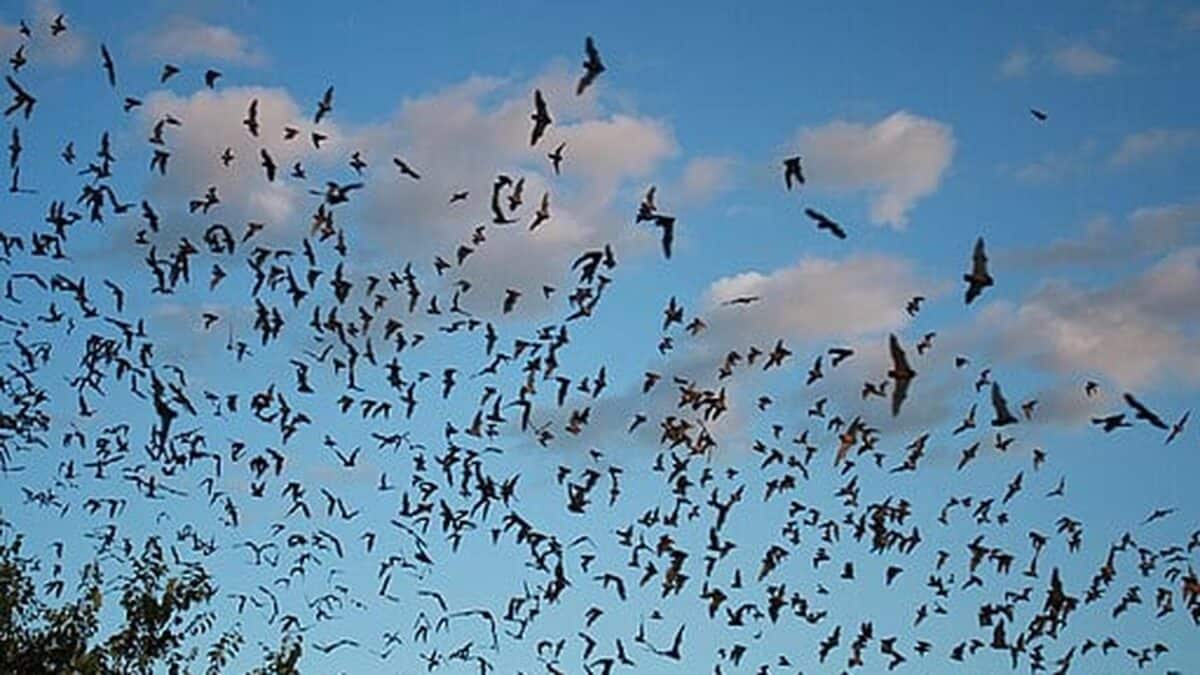
Bat-focused tourism has emerged as a powerful tool for changing public perceptions across America. The Congress Avenue Bridge in Austin, Texas, attracts approximately 100,000 visitors annually to witness the spectacular emergence of 1.5 million Mexican free-tailed bats each evening, generating an estimated $10 million in tourism revenue. This popular attraction has transformed Austin’s relationship with its urban bat colony from initial fear and calls for extermination in the 1980s to proud embrace as a unique city asset. Similar bat-watching sites have developed in places like Carlsbad Caverns National Park in New Mexico and Bracken Cave in Texas, where educational components help visitors understand bats’ ecological importance. Educational programs by organizations like Bat Conservation International reach thousands of schoolchildren annually, using live bat ambassadors—non-releasable bats under professional care—to provide close encounters that dispel fears and misconceptions. State wildlife agencies increasingly include bat conservation in their public outreach, while bat-themed citizen science projects engage the public in monitoring efforts through acoustic surveys and emergence counts. These experiential education approaches have proven particularly effective at changing attitudes, as people who directly observe bats’ gentle nature and impressive behaviors typically develop more positive perspectives than those whose knowledge comes solely from media portrayals.
Climate Change Impacts on U.S. Bat Populations

Climate change presents an emerging threat to America’s bats, compounding existing pressures on these vulnerable populations. Rising temperatures are disrupting the hibernation patterns of many bat species, potentially causing them to emerge from hibernation prematurely when food resources remain scarce. Research indicates that warmer winters may also affect the immune response of hibernating bats, potentially increasing their vulnerability to diseases like white-nose syndrome. Changing precipitation patterns—including more frequent droughts in the Southwest and intense rainfall events in other regions—affect food availability for insectivorous bats, as insect populations respond to these climate shifts. Extreme weather events such as hurricanes, increasingly common due to climate change, can destroy bat roosts and habitat. Temperature increases are also altering the geographic ranges of some bat species, with southern species expanding northward while northern species face habitat contraction. For bats that rely on specific cave conditions for hibernation or reproduction, even small temperature changes can render previously suitable habitats unusable. These climate-related threats underscore the importance of comprehensive conservation strategies that address not only immediate protection needs but also long-term resilience in the face of changing environmental conditions. By protecting bat populations, Americans can preserve a group of animals that may actually help mitigate certain climate change impacts through their roles in forest regeneration and agricultural pest control.
The journey to rehabilitate the reputation of bats in the United States requires dismantling centuries of misunderstanding and replacing fear with appreciation based on scientific fact. As this article has illustrated, bats deliver enormous ecological and economic benefits that far outweigh any legitimate concerns about these gentle mammals. Their contributions to agriculture, ecosystem health, and even medical science make them indispensable allies deserving of protection rather than persecution. The challenges facing bat populations—from habitat loss to white-nose syndrome and climate change—demand urgent conservation action, which becomes more achievable as public perception improves. By embracing bats as valuable neighbors and recognizing their true nature, Americans can help secure a future where these remarkable creatures continue to fill the night skies, providing their silent services to ecosystems across the nation. The transformation of bats’ reputation represents not just a victory for conservation, but an opportunity to build a more informed, balanced relationship with the natural world around us.

- Why So Many Marine Animals Are Bioluminescent - July 21, 2026
- Wildlife Mysteries That Took Decades to Solve - July 21, 2026
- The Largest Python Ever Captured in Florida’s Everglades - July 21, 2026