


The animal kingdom is full of remarkable adaptations that help species survive in harsh conditions. Among these adaptations, the ability of certain reptiles to survive extended periods without food stands out as particularly impressive. Unlike mammals, which generally require regular feeding, many reptiles have evolved metabolic systems that allow them to conserve energy and survive on minimal resources for months or even years. This article explores 20 reptile species that demonstrate extraordinary fasting abilities, examining how these adaptations work and why they developed.
Ball Pythons Masters of Metabolic Slowdown

Ball pythons (Python regius) are renowned for their ability to go without food for extended periods. In the wild, these snakes can survive 6-8 months without eating, while captive specimens have been documented fasting for over a year without suffering ill effects. This remarkable ability stems from their slow metabolism and efficient energy storage systems. Native to West and Central Africa, ball pythons experience seasonal dry periods where prey becomes scarce, making this adaptation crucial for survival. Their bodies efficiently convert nearly all consumed food into energy stores, primarily in the form of fat, which they can slowly metabolize during lean times. Additionally, when food is scarce, ball pythons enter a state of torpor, reducing their activity levels and further conserving energy.
Bearded Dragons Desert Survival Specialists

Bearded dragons (Pogona vitticeps) have evolved impressive fasting capabilities to survive in their native Australian deserts. These popular pet reptiles can go without food for 2-3 months, though this isn’t recommended in captivity. Their ability to endure food scarcity comes from evolutionary adaptations to the harsh desert environment where seasonal food availability fluctuates dramatically. During food-scarce periods, bearded dragons enter a state similar to brumation (reptilian hibernation), where their metabolism slows significantly. Their bodies store fat in their tails and throughout their bodies, which they methodically utilize during fasting periods. Importantly, while they can survive without food, bearded dragons still require water, albeit in much smaller quantities than mammals of comparable size.
Komodo Dragons Feast and Famine Predators

The Komodo dragon (Varanus komodoensis), the world’s largest lizard, demonstrates an extraordinary ability to go without food. These apex predators can survive on just 12 meals per year in the wild. After consuming a large meal, which can be up to 80% of their body weight, Komodo dragons can go without eating for up to 7-8 months. This extreme feeding pattern is supported by several physiological adaptations. Their metabolism adjusts dramatically based on food availability, slowing to conserve energy during periods of scarcity. Komodo dragons also have incredibly efficient digestive systems that extract maximum nutrition from their meals, including bones and hooves. Their large size helps them weather food scarcity as well – the square-cube law means that larger animals have proportionally less surface area relative to their volume, which reduces energy loss and extends fasting capability.
Leopard Geckos Fat-Tailed Survivors

Leopard geckos (Eublepharis macularius) store energy reserves in their tails, allowing them to survive 1-2 months without food. Native to the arid regions of Afghanistan, Pakistan, and parts of India, these geckos have evolved to thrive in environments where food availability is unpredictable. Their distinctive fat-storing tails serve as energy banks that they can draw from during lean times. During fasting periods, the tail visibly shrinks as the stored fat is metabolized. Beyond fat storage, leopard geckos also reduce their metabolic rate during food scarcity and can enter a state of torpor, further extending their survival without food. This adaptation is particularly valuable during seasonal changes in their natural habitat when insect populations may crash temporarily. In captivity, healthy adult leopard geckos with well-developed fat reserves can safely fast during brief illnesses or seasonal brumation, though regular feeding schedules are recommended for optimal health.
Reticulated Pythons Marathon Fasters of Southeast Asia
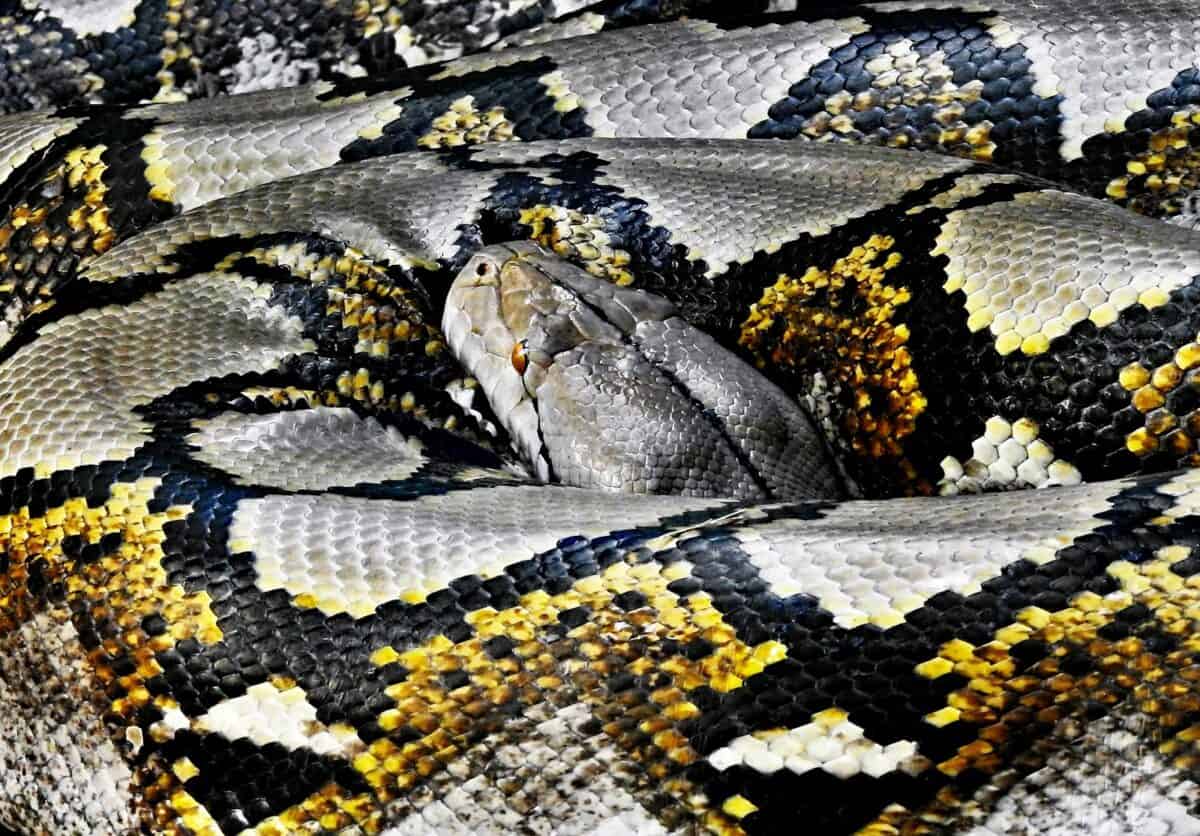
The reticulated python (Python reticulatus), one of the world’s longest snakes, can survive an astonishing 1-2 years without food when necessary. These massive constrictors, native to Southeast Asia, have perfected the feast-or-famine lifestyle. After consuming large prey such as deer, pigs, or even small primates, reticulated pythons undergo remarkable physiological changes. Their digestive organs temporarily enlarge by up to 40% to process the meal efficiently, then shrink during fasting periods to conserve energy. Their metabolic rate can drop by up to 72% during fasting, an adaptation that allows them to survive extended periods between successful hunts. Female reticulated pythons demonstrate even more impressive fasting abilities, especially during reproduction. A brooding female can go without food for the entire incubation period of her eggs, which lasts 2-3 months, relying solely on stored fat reserves to sustain herself while protecting her clutch.
Gila Monsters Desert Fat-Storers

Gila monsters (Heloderma suspectum) are venomous lizards native to the southwestern United States and northwestern Mexico that have evolved remarkable fasting abilities. These distinctive reptiles can survive 3-4 months without food by storing fat in their tails and bodies. What makes Gila monsters particularly interesting is their specialized feeding strategy – they may consume just 4-5 large meals per year in the wild, often consisting of bird eggs, small mammals, or other lizards. Their metabolic efficiency is extraordinary, converting up to 90% of consumed protein into energy and fat stores. To conserve water and energy, Gila monsters spend up to 95% of their time in underground burrows, emerging primarily to feed or mate. Their slow-moving nature further reduces energy expenditure, allowing them to extend their fasting periods even longer. Additionally, Gila monsters have specialized salivary glands that help them maximize nutrition extraction from their infrequent meals.
Burmese Pythons Metabolic Marvels
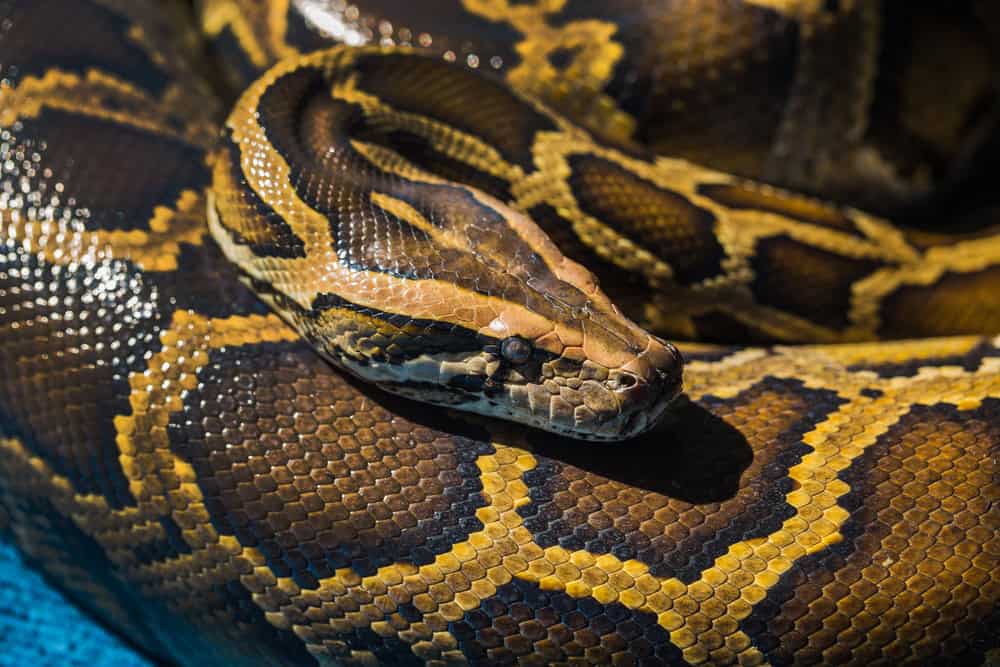
Burmese pythons (Python bivittatus) exhibit one of the most dramatic metabolic adaptations in the reptile world. These massive constrictors can fast for 6-12 months after consuming a large meal. What makes them truly remarkable is their ability to dramatically alter their physiology based on feeding status. After consuming prey, a Burmese python’s metabolic rate can increase by up to 44 times its baseline level. Conversely, during fasting periods, they can reduce their metabolism to just 10-20% of normal, conserving energy reserves. Their organs also undergo significant changes – the intestines, liver, and kidneys can double in size within 48 hours of feeding, then shrink during fasting periods. This organ plasticity represents one of the most extreme examples of physiological flexibility in vertebrates. In captivity, healthy adult Burmese pythons can safely fast for extended periods, though such lengthy fasts are not recommended as regular practice.
American Alligators Ancient Fasting Adaptations

American alligators (Alligator mississippiensis) have survived since the time of dinosaurs partly due to their remarkable ability to endure food scarcity. These reptiles can go 2-3 years without feeding if necessary, though they typically eat regularly when food is available. This extraordinary fasting capability stems from several evolutionary adaptations. Alligators have exceptionally slow metabolisms that slow even further during food scarcity. They store fat throughout their bodies, particularly in their tails and around internal organs, which provides energy during extended fasts. During winter months, alligators enter a state of brumation where their metabolism slows dramatically, allowing them to survive on minimal energy. Their anaerobic energy production systems are also highly developed, enabling them to function with reduced oxygen consumption during inactive periods. Perhaps most impressively, alligators can recycle calcium from their osteoderms (bony plates) during extended fasts, preserving muscle mass and vital organ function even during extreme food scarcity.
Desert Tortoises Champions of Drought Survival
Desert tortoises (Gopherus agassizii) are supremely adapted to survive in some of North America’s harshest environments. These remarkable reptiles can go 6-12 months without food or water in extreme conditions. Native to the Mojave and Sonoran deserts, desert tortoises have evolved multiple strategies to endure scarcity. Their metabolic rates are extraordinarily low, and they can reduce them further during drought conditions. These tortoises store water in their bladders, which they can reabsorb during dry periods, and their efficient kidneys produce concentrated urine to minimize water loss. During extreme drought, desert tortoises remain in their burrows, entering a state of estivation (summer dormancy) to reduce water and energy needs. They also possess specialized digestive systems that can extract maximum nutrition and moisture from the sparse desert vegetation they consume. Even more remarkably, desert tortoises can survive on fat reserves stored in their limbs and neck when plant food is unavailable, breaking down these reserves extremely slowly to extend survival.
Crested Geckos Arboreal Fast-Masters
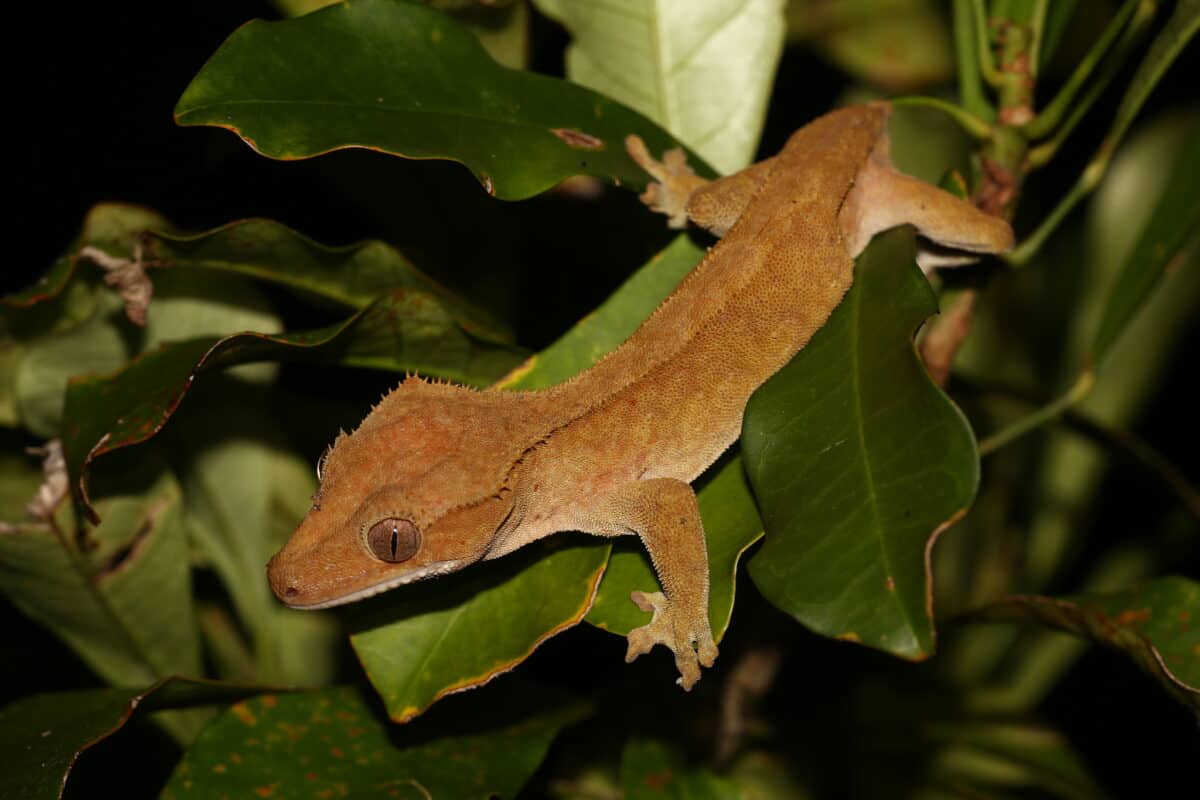
Crested geckos (Correlophus ciliatus) from New Caledonia can survive 3-4 weeks without food, an impressive feat for their small size. These arboreal lizards store fat in their tails, though unlike leopard geckos, they cannot regenerate their tails if dropped. In their native rainforest habitat, crested geckos have evolved to handle seasonal fluctuations in fruit and insect availability. During food scarcity, they reduce their activity levels and metabolic rate to conserve energy. Crested geckos are opportunistic feeders, consuming nectar, fruit, and small insects when available, which allows them to quickly replenish energy reserves after fasting periods. Their nocturnal nature also contributes to their energy conservation strategy, allowing them to remain inactive during daylight hours and conserve precious calories. While they can survive weeks without food, crested geckos are more sensitive to dehydration and require regular access to water or high-humidity environments even during fasting periods.
Green Iguanas Herbivorous Hunger-Resisters

Green iguanas (Iguana iguana) demonstrate remarkable fasting abilities among herbivorous reptiles, capable of surviving 1-2 months without food. These large arboreal lizards, native to Central and South American rainforests, have evolved physiological adaptations to handle seasonal scarcity of their plant-based diet. Their digestive systems are highly specialized, featuring fermentation chambers similar to those found in mammalian herbivores, which extract maximum nutrition from plant matter. During food scarcity, green iguanas reduce their metabolic rate and activity levels dramatically. They store fat throughout their bodies, particularly at the base of their tail, which they metabolize during fasting periods. Interestingly, wild iguanas often undergo voluntary fasting during breeding seasons, with males sometimes going weeks without eating while defending territories and seeking mates. In captivity, healthy adult iguanas can safely fast during brief periods of illness or stress, though prolonged fasting is not recommended as it can lead to nutritional deficiencies more quickly than in carnivorous reptiles.
King Cobras Venomous Fasting Specialists
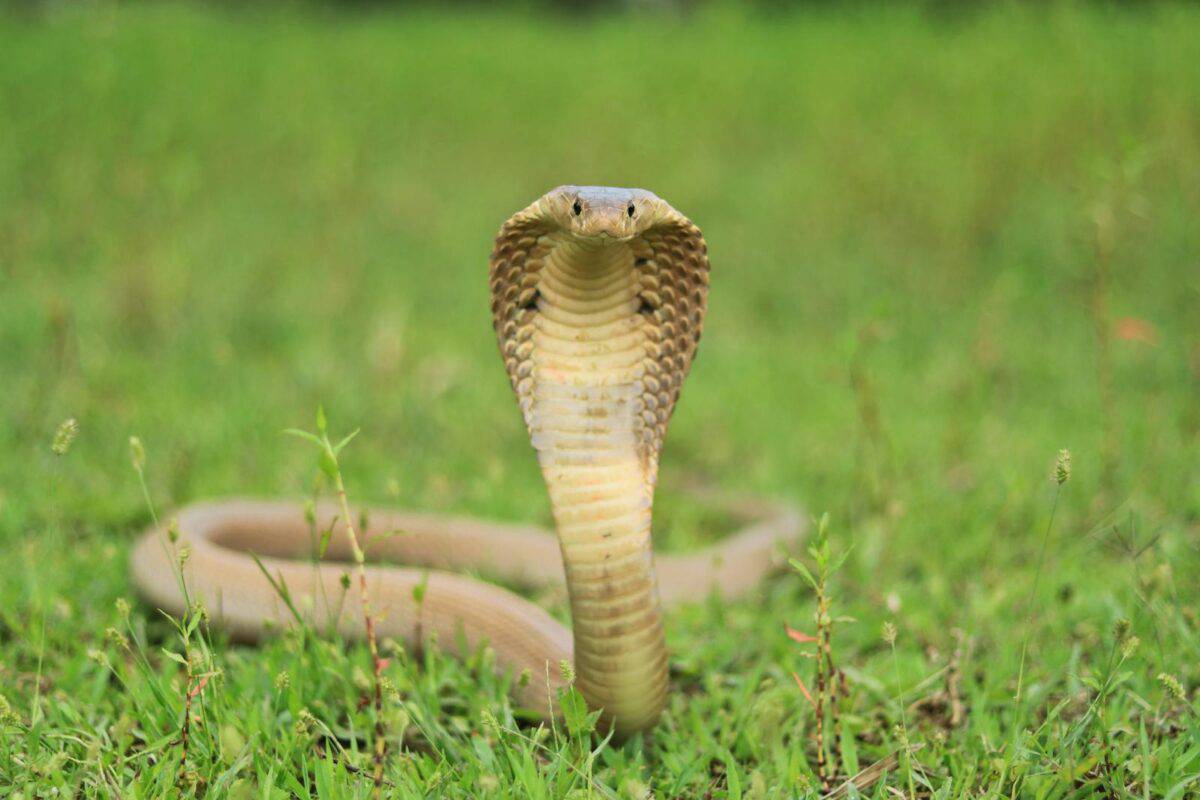
The king cobra (Ophiophagus hannah), the world’s longest venomous snake, displays remarkable fasting abilities that complement its specialized diet. These impressive reptiles can go 3-4 months between meals, an adaptation partly related to their ophiophagous (snake-eating) diet. Finding and successfully hunting other snakes is challenging, requiring king cobras to survive extended periods between successful hunts. After consuming a large meal, which can be up to 1/3 of their body weight, king cobras enter a digestive phase where they remain relatively inactive, followed by an extended hunting phase. Their venom plays a crucial role in their feeding ecology and fasting ability – it’s highly efficient at killing prey quickly, reducing energy expenditure during hunting. King cobras maintain large fat reserves in their bodies, which they metabolize extremely efficiently during fasting periods. Their muscular bodies also contain protein reserves that can be broken down during extreme food scarcity, though this represents a last-resort survival mechanism.
Red-Eared Sliders Aquatic Survival Experts

Red-eared sliders (Trachemys scripta elegans) are among the most adaptable turtles, capable of surviving 2-3 months without food. These popular pet turtles, native to the southern United States and northern Mexico, have evolved to handle seasonal fluctuations in food availability in their natural habitats. During winter months, wild red-eared sliders enter brumation, a hibernation-like state where they remain at the bottom of ponds or lakes, drawing on stored fat reserves and absorbing some oxygen through specialized epithelial cells. Their metabolism slows dramatically during these periods, reducing energy requirements by up to 80%. Even during active seasons, red-eared sliders can endure food scarcity by reducing activity and metabolizing fat stored in their bodies and limbs. Their omnivorous diet provides flexibility, allowing them to opportunistically consume whatever food sources become available after fasting periods. In captivity, healthy adult red-eared sliders naturally reduce food consumption during winter months, even in temperature-controlled environments, demonstrating that this fasting ability is deeply ingrained in their biology.
Boa Constrictors Efficient Energy Conservers

Boa constrictors (Boa constrictor) can survive 6-8 months without food, demonstrating exceptional metabolic efficiency. These large constrictors, found throughout Central and South America, have evolved a feast-or-famine lifestyle perfectly suited to their ambush predator strategy. After consuming large prey items, which can be up to 100% of their body weight in some cases, boa constrictors experience dramatic physiological changes. Their digestive organs temporarily enlarge to process the meal, then shrink during fasting to conserve energy. During fasting periods, boas can reduce their metabolic rate by up to 70%, primarily by lowering their heart rate and respiratory frequency. Female boa constrictors show even more remarkable fasting abilities during reproduction. Unlike many egg-laying snakes, boas give birth to live young after a gestation period of 4-8 months, during which time the female may eat very little or nothing at all. This reproductive strategy requires females to accumulate substantial fat reserves before breeding, which they methodically utilize throughout pregnancy to nourish both themselves and their developing offspring.
Savannah Monitors African Drought Survivors
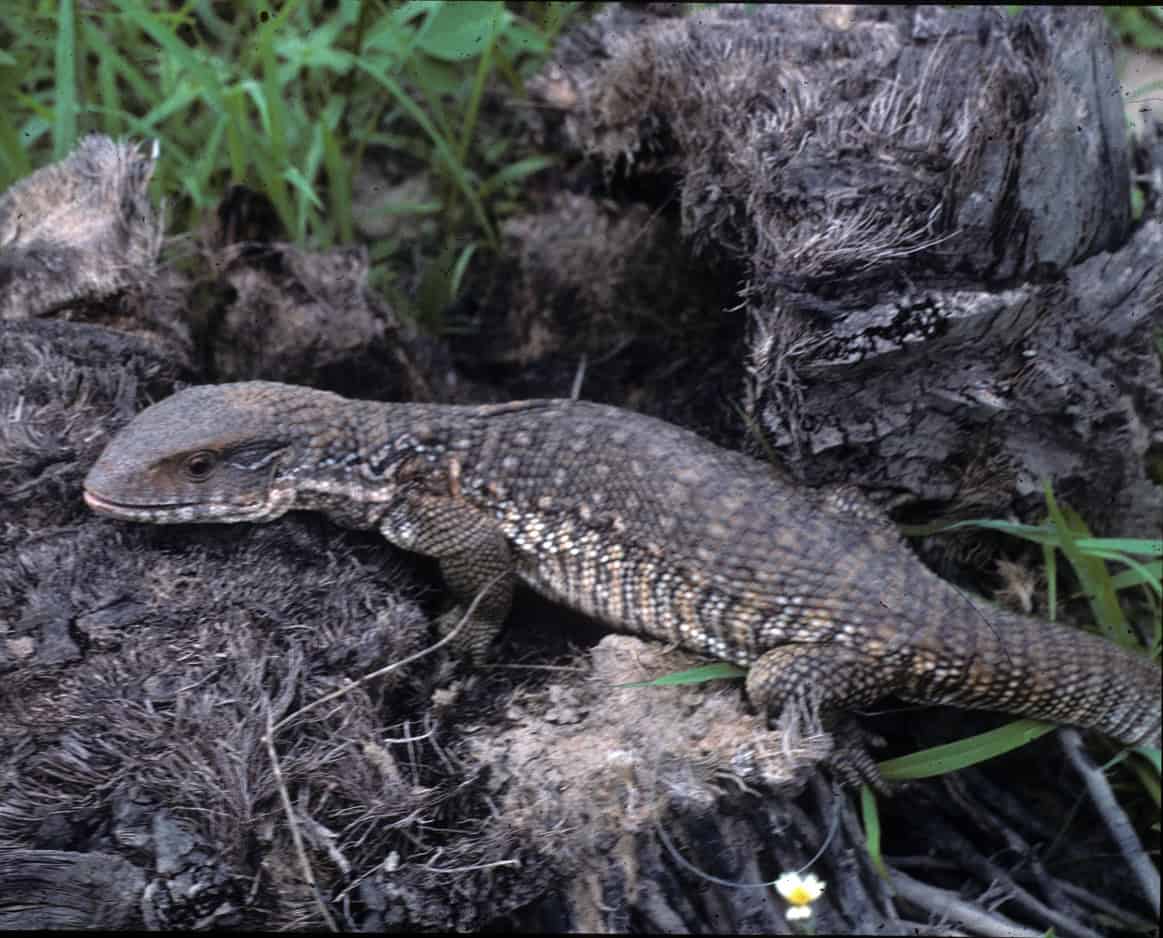
Savannah monitors (Varanus exanthematicus) from the arid regions of Africa can endure 3-6 months without food when necessary. These large, terrestrial lizards have evolved multiple adaptations to survive in environments where food availability fluctuates dramatically with seasonal rains. During the dry season, when prey becomes scarce, savannah monitors enter a state of estivation, reducing their activity levels and seeking shelter in burrows where humidity levels remain higher. Their metabolic rate drops significantly during these periods, sometimes by as much as 80% compared to their active state. Savannah monitors store fat throughout their bodies, particularly in their tails and around internal organs, which they slowly metabolize during food scarcity. Their efficient digestive systems extract maximum nutrition from their omnivorous diet, which includes insects, small vertebrates, eggs, and carrion. Interestingly, savannah monitors have evolved specialized kidney functions that allow them to concentrate urine and conserve water during drought conditions, further enhancing their survival ability during extended fasting periods.
Hermann’s Tortoises Mediterranean Fasting Specialists
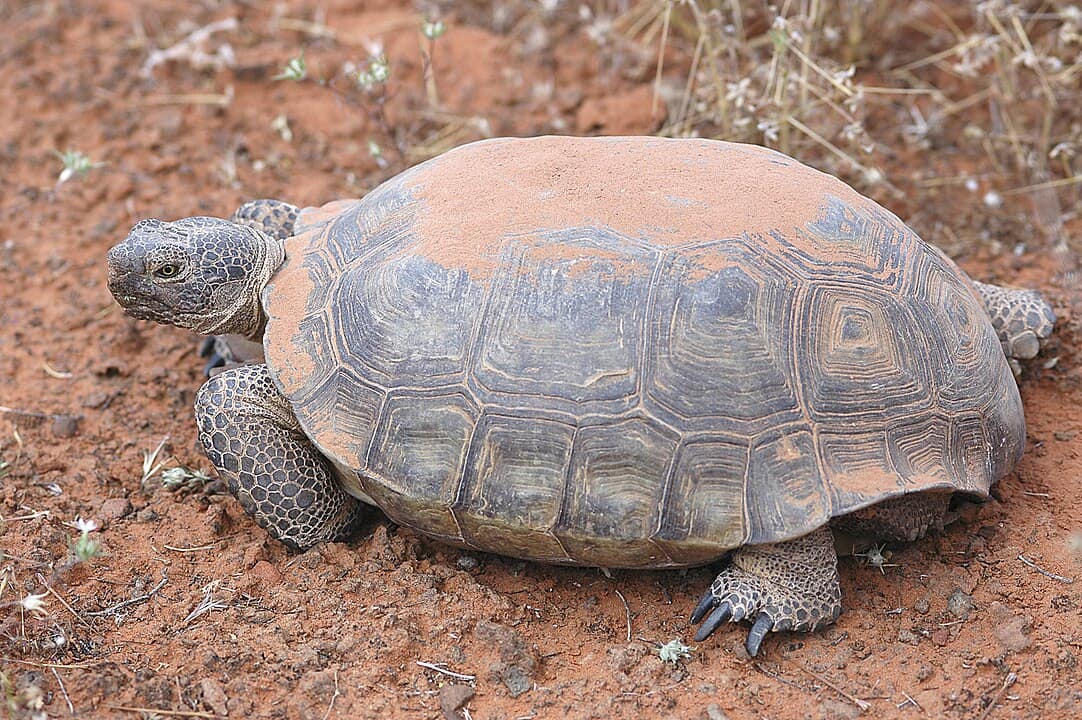
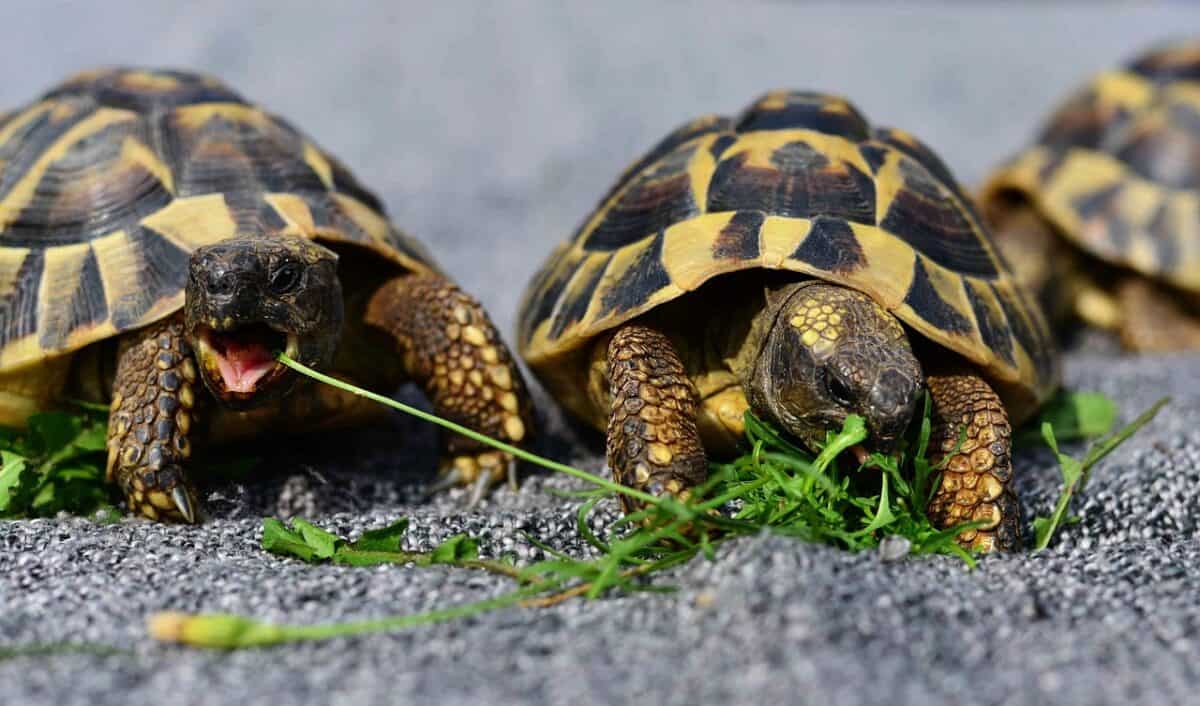
Hermann’s tortoises (Testudo hermanni) naturally fast for 3-5 months annually during winter hibernation, an adaptation to the seasonal Mediterranean climate of their native range. These medium-sized tortoises prepare for their annual fast by feeding heavily during spring and summer, building fat reserves primarily in their limbs and neck. As temperatures drop in autumn, their metabolism gradually slows, and they enter a state of brumation where their heart rate, respiration, and digestive processes nearly cease. During this period, they rely entirely on stored fat for the minimal energy required to maintain basic life functions.
Conclusion:

The ability of reptiles to endure long periods without food is a testament to the extraordinary adaptability of life on Earth. From the metabolic slowdowns of pythons and boas to the seasonal brumation of tortoises and geckos, these fasting strategies have evolved over millions of years in response to unpredictable environments and feast-or-famine lifestyles. Unlike mammals, which typically require regular caloric intake, many reptiles have developed physiological tools that allow them to stretch energy reserves with astonishing efficiency. These adaptations not only highlight the diversity of reptilian life but also reveal how evolution can fine-tune survival mechanisms to fit the harshest conditions. Whether hiding in desert burrows, submerged in cold ponds, or digesting a meal the size of a small deer, these reptiles redefine the limits of endurance in the animal kingdom.

As a little kid, I fell in love with nature, wildlife, and animals. Living in the USA, South Africa, Italy, China and Germany gave me the opportunity to discover the world's Wildlife. My favorite animals are Mountain Gorillas, Siberian Tigers, and Great White Sharks.
I'm a certified PADI Open Water Diver, went to Everest Base Camp and Trekked Gorillas in Uganda. I hold a Master of Science in Economics and Finance.
Please send any feedback to feedback@animalsaroundtheglobe.com
- 16 Reptiles That Can Go Months Without Food - August 13, 2026
- 12 Rivers That Flow Backward Here is Why - August 13, 2026
- Animals That Start With G - August 13, 2026
Leave a comment
You must be logged in to post a comment.