
In the vast kingdom of mammals, which ranges from massive blue whales to diminutive creatures, there exists a fascinating spectrum of sizes. While many of us are familiar with common small mammals like mice and shrews, the true title holder for the world’s smallest mammal might surprise you with its extraordinarily tiny proportions. This minuscule marvel raises an intriguing question: could it actually fit on your fingertip? As we delve into the microscopic world of this remarkable creature, we’ll uncover not just its size, but also its remarkable adaptations, behaviors, and the precarious challenges it faces in today’s changing environment.
Meet the Etruscan Shrew: A Living Miniature

The Etruscan shrew (Suncus etruscus) holds the distinguished title of the world’s smallest mammal by mass. This diminutive creature weighs just 1.8 grams on average—equivalent to the weight of a paperclip or a single U.S. penny. With a body length of merely 3.5-5 centimeters (1.4-2 inches) excluding its tail, this tiny mammal could indeed comfortably perch on an adult human’s fingertip. Native to the Mediterranean region, parts of Asia, and North Africa, the Etruscan shrew represents an evolutionary marvel that pushes the lower limits of how small a warm-blooded mammal can possibly be while remaining functional.
Evolutionary Significance of Miniaturization
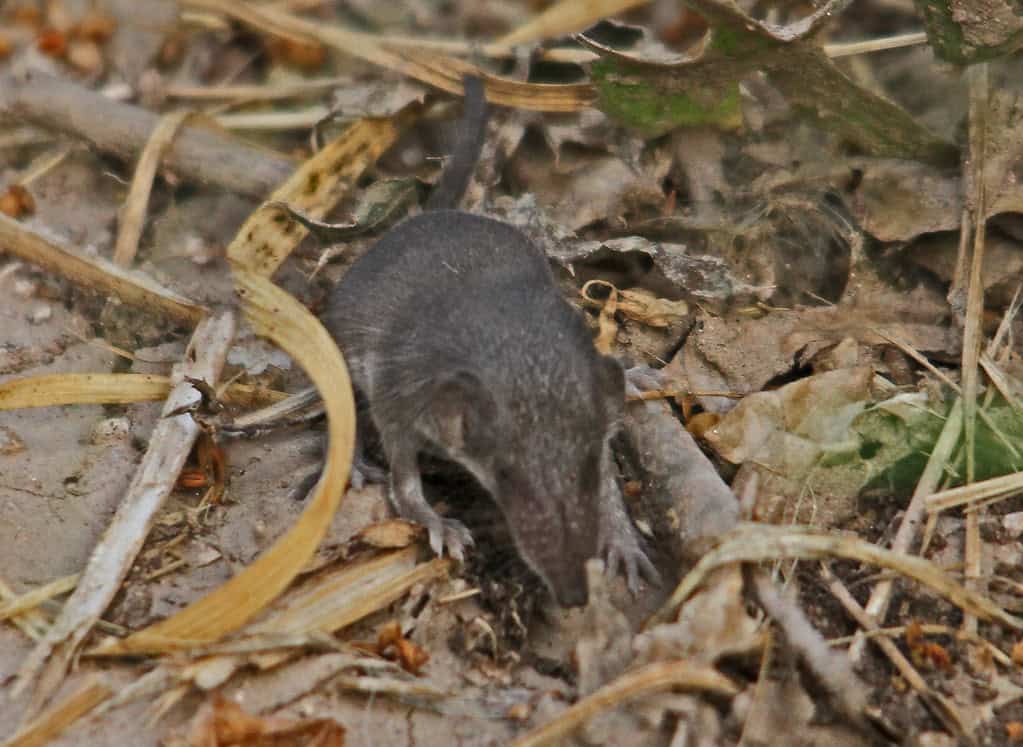
The extreme miniaturization of the Etruscan shrew represents a fascinating case of evolutionary adaptation. Scientists believe this diminutive size evolved as a specialized niche adaptation, allowing these creatures to exploit food sources unavailable to larger predators and reduce competition. The principles of island dwarfism may have played a role in their evolution, as smaller body sizes can be advantageous in certain isolated ecosystems with limited resources. However, this miniaturization comes with significant physiological challenges, pushing the boundaries of mammalian biology and demonstrating nature’s remarkable ability to find solutions to seeming biological impossibilities.
Physiological Marvels: Living Life in the Fast Lane
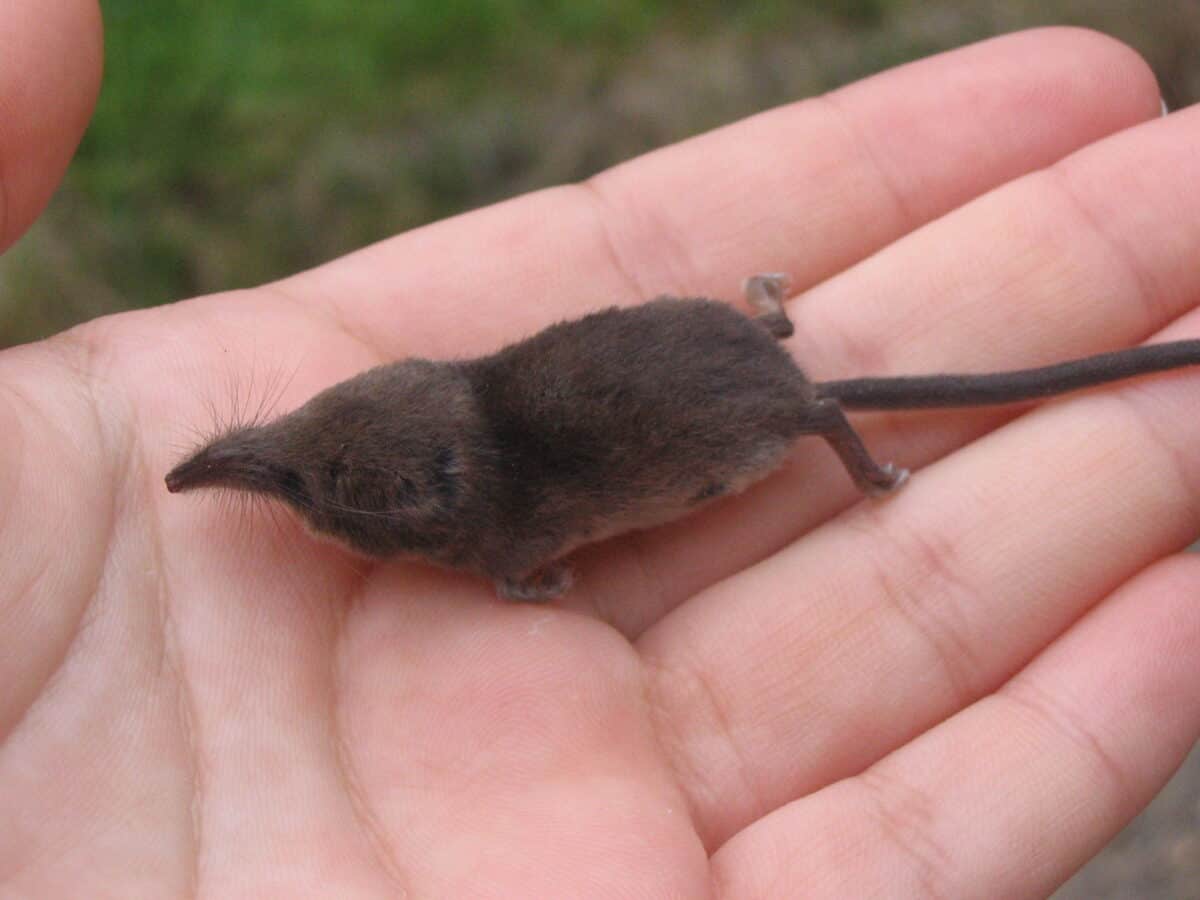
The Etruscan shrew’s tiny size necessitates extraordinary physiological adaptations. Its heart beats at an astonishing rate of up to 1,200 beats per minute—making it one of the fastest heartbeats in the animal kingdom. This frenetic pace means an Etruscan shrew’s heart beats approximately 25 times per second. To maintain their high body temperature (around 38°C/100°F), these shrews must consume food equivalent to 1.5-2 times their body weight daily. Their metabolism runs so fast that they can starve to death in just 2-3 hours without food. This hyperactive metabolism also means they take up to 800 breaths per minute and have a remarkably short lifespan of only 12-18 months in the wild.
A Hunting Machine: Predatory Behavior
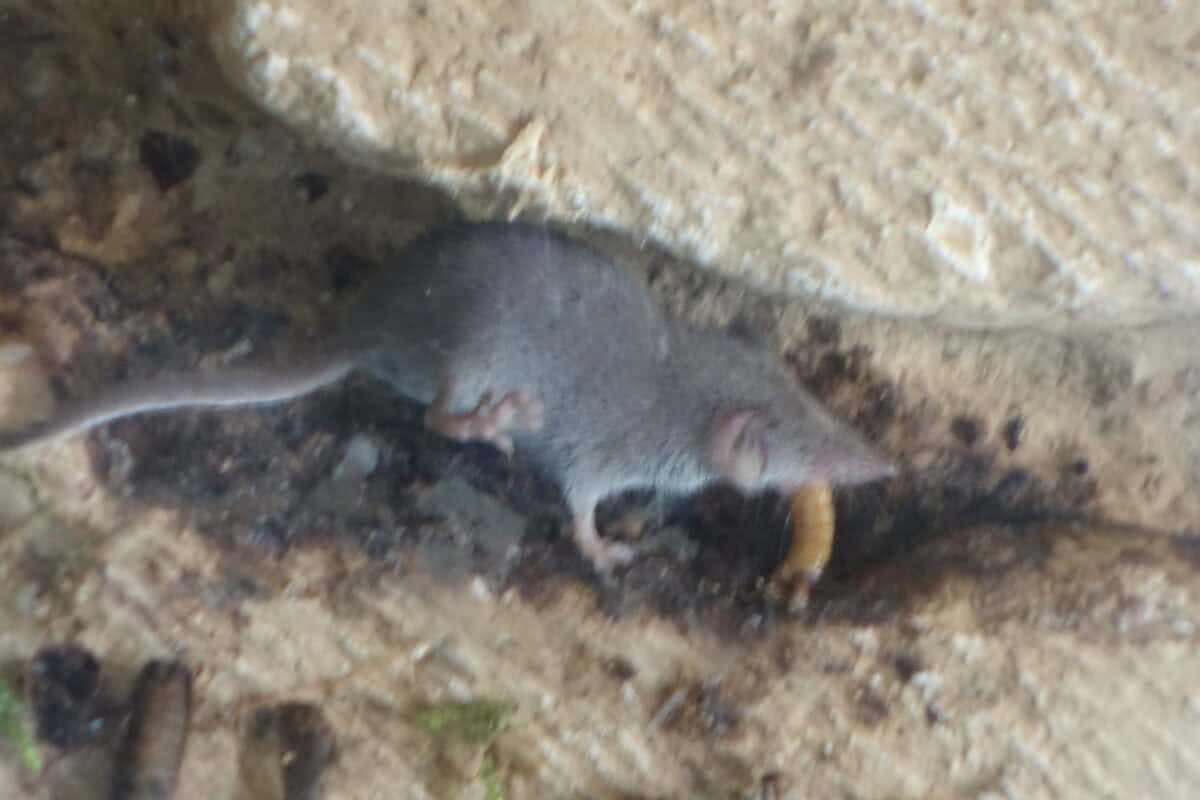
Despite their tiny size, Etruscan shrews are formidable predators with voracious appetites. These miniature hunters primarily feed on insects, particularly preferring crickets, spiders, centipedes, and various larvae. Their hunting technique involves rapid movements and an incredible sensory system, allowing them to detect and capture prey with remarkable precision. An Etruscan shrew can detect the location of its prey through vibrations and scent, then deliver a precise, paralyzing bite to the neck region of its victim. Their predatory efficiency is essential for survival, as they must eat frequently to fuel their extraordinarily high metabolic rate.
Brain Size and Cognitive Abilities
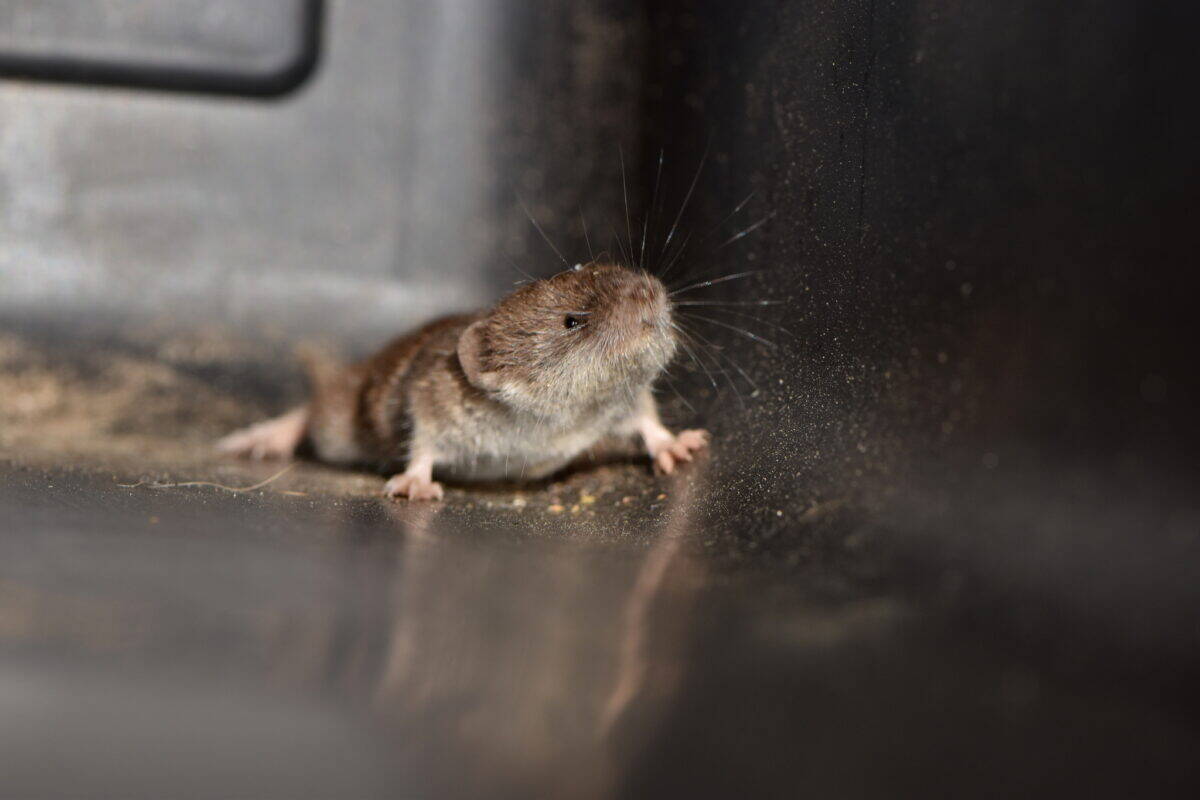
The brain of the Etruscan shrew presents a fascinating study in miniaturization. Despite having one of the smallest mammalian brains by absolute size—weighing just 60 milligrams—it maintains remarkable cognitive capabilities. Interestingly, their brain accounts for about 3.6% of their body weight, which is proportionally larger than the human brain-to-body ratio (about 2%). Their neural architecture has evolved specialized adaptations for processing sensory information rapidly, particularly for hunting. Research has shown that these tiny mammals can learn and remember the layout of their territory and can distinguish between novel and familiar objects, demonstrating cognitive abilities that belie their diminutive brain size.
Competition for the Title: Bumblebee Bat
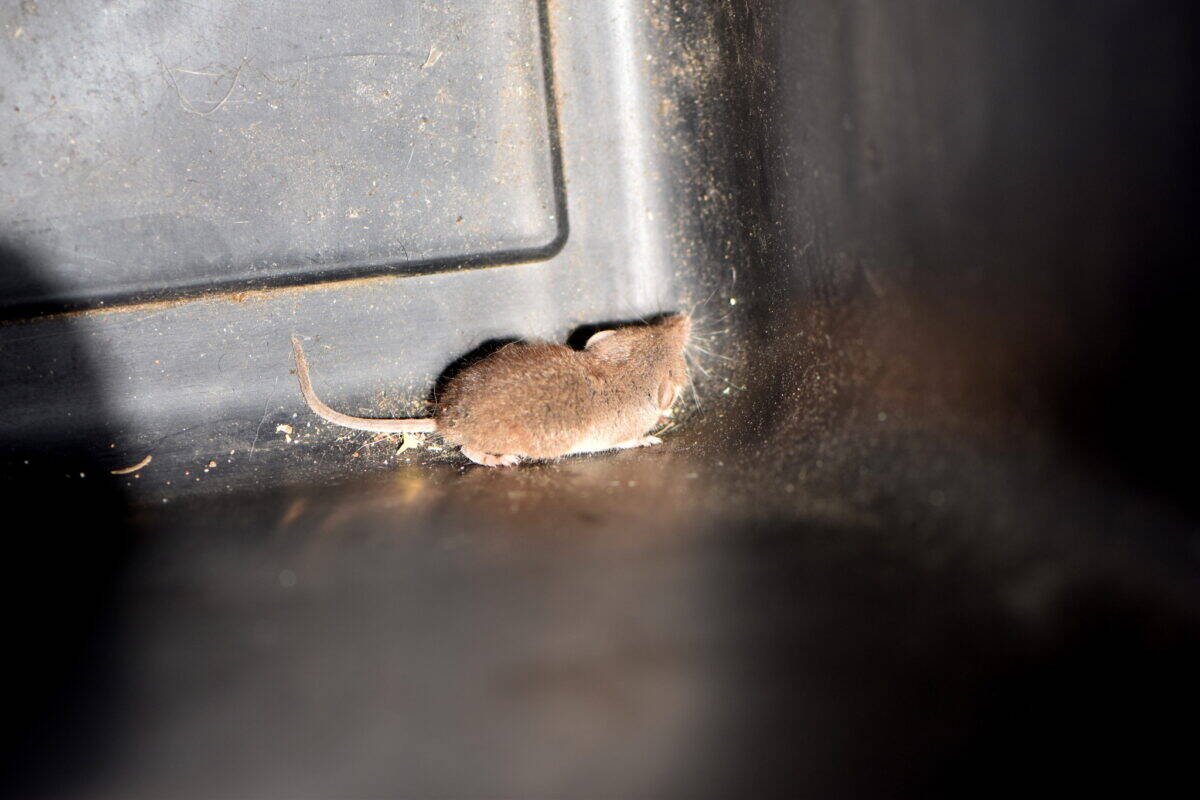
While the Etruscan shrew holds the title for the smallest mammal by mass, another contender challenges for recognition based on skeletal dimensions. The Kitti’s hog-nosed bat (Craseonycteris thonglongyai), commonly known as the bumblebee bat, measures approximately 29-33mm in body length with a wingspan of about 170mm. Weighing 2-2.6 grams, it’s slightly heavier than the Etruscan shrew but has the distinction of being the smallest bat species and one of the smallest mammals overall. Native to limestone caves along the River Kwai in western Thailand and southeast Myanmar, this bat’s population is extremely limited and classified as vulnerable by the IUCN. The competition between these two species for the “world’s smallest mammal” title illustrates the different metrics scientists use to measure and classify animal dimensions.
Distribution and Habitat: Where to Find These Miniatures

The Etruscan shrew inhabits a surprisingly wide geographical range spanning three continents. They can be found throughout the Mediterranean region of Europe, parts of North Africa, and across Asia to Malaysia. These tiny mammals prefer warm, humid environments with abundant ground cover, including grasslands, forests, shrublands, and agricultural areas. They construct small nests in crevices, under rocks, or in abandoned burrows of other animals, lining them with soft plant material. Unlike many shrews, the Etruscan shrew doesn’t dig its own burrows due to its small size and limited strength. Their widespread distribution across various ecosystems demonstrates their remarkable adaptability despite their extreme physiological constraints.
Reproduction and Family Life

The reproductive biology of the Etruscan shrew is as accelerated as its metabolism. Females can produce multiple litters throughout the year, with each litter typically consisting of 2-6 blind, hairless young. The gestation period is remarkably short at just 27-28 days, one of the shortest among mammals. Newborn Etruscan shrews weigh a mere 0.2 grams—lighter than a single grain of rice. The young develop rapidly, opening their eyes after about 14 days and reaching sexual maturity in as little as 6-8 weeks. This rapid reproductive cycle is an evolutionary adaptation to their short lifespan, allowing populations to maintain numbers despite high mortality rates. Mother shrews are attentive parents during the brief nursing period, but young become independent quickly, necessary for species survival.
Conservation Status and Threats

Despite their widespread distribution, monitoring populations of Etruscan shrews presents significant challenges due to their size and secretive nature. Currently classified as “Least Concern” on the IUCN Red List, these tiny mammals nonetheless face various threats. Habitat destruction through agricultural intensification, urbanization, and deforestation represents their greatest challenge. Climate change poses an additional threat, as these mammals’ high metabolic rates make them particularly sensitive to temperature fluctuations. Pesticide use in agricultural areas can both directly poison shrews and reduce their insect prey populations. Conservation efforts are complicated by the difficulty in studying these elusive creatures, though protected areas throughout their range offer some degree of security for local populations.
Adaptations for Survival: Living on the Edge

The Etruscan shrew has evolved remarkable adaptations to survive despite its seemingly precarious existence. Their elongated snout contains highly sensitive whiskers (vibrissae) that can detect minute movements and vibrations from potential prey or predators. Their velvety fur provides insulation critical for maintaining body temperature. To conserve energy during food scarcity or adverse weather conditions, they can enter a state of temporary torpor, lowering their body temperature and metabolism. Their extremely sharp teeth allow them to quickly dispatch prey larger than themselves. Perhaps most impressively, their internal organs have evolved maximum efficiency at minimal size—their kidneys, for instance, must work constantly to filter blood at an incredible rate, processing it about 25 times faster than human kidneys relative to body size.
Studying the Smallest: Research Challenges

Conducting research on the world’s smallest mammal presents unique challenges that have limited our scientific understanding. Their minute size makes traditional tracking methods nearly impossible—even the smallest radio transmitters would significantly burden these tiny creatures. Their high metabolism means they don’t survive long in captivity without specialized care. Field observation is extremely difficult due to their secretive nature, small size, and primarily nocturnal habits. Scientists often must rely on indirect methods such as analyzing owl pellets (which may contain shrew remains) to study their distribution and diet. Recent advances in environmental DNA (eDNA) analysis and miniaturized camera technology offer promising new avenues for non-invasive research on these elusive mammals, potentially expanding our knowledge of these remarkable creatures without disturbing their delicate existence.
Conclusion: Tiny Wonders in a Big World
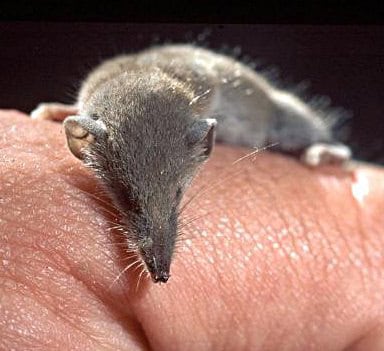
The Etruscan shrew stands as a testament to nature’s incredible diversity and the remarkable adaptations that allow life to thrive in seemingly impossible forms. This miniature marvel, indeed small enough to perch on your fingertip, pushes the physiological boundaries of what it means to be a mammal, with its racing heart, hyperactive metabolism, and microscopic organs all working in perfect harmony. Despite their diminutive size, these creatures play important ecological roles as predators of insects and as prey for larger animals, forming a crucial link in their ecosystem’s food web. As we continue to explore and understand the natural world, the Etruscan shrew reminds us that remarkable biological innovations come in all sizes, and sometimes, the most extraordinary adaptations are found in the smallest packages.

- The Forgotten Lake Where Flamingos Nest in the U.S. - July 10, 2026
- This U.S. Forest Is Home to the Largest Herd of Wild Elk - July 10, 2026
- The Most Dangerous Lake in the World—And Why It Can Kill Instantly - July 10, 2026