
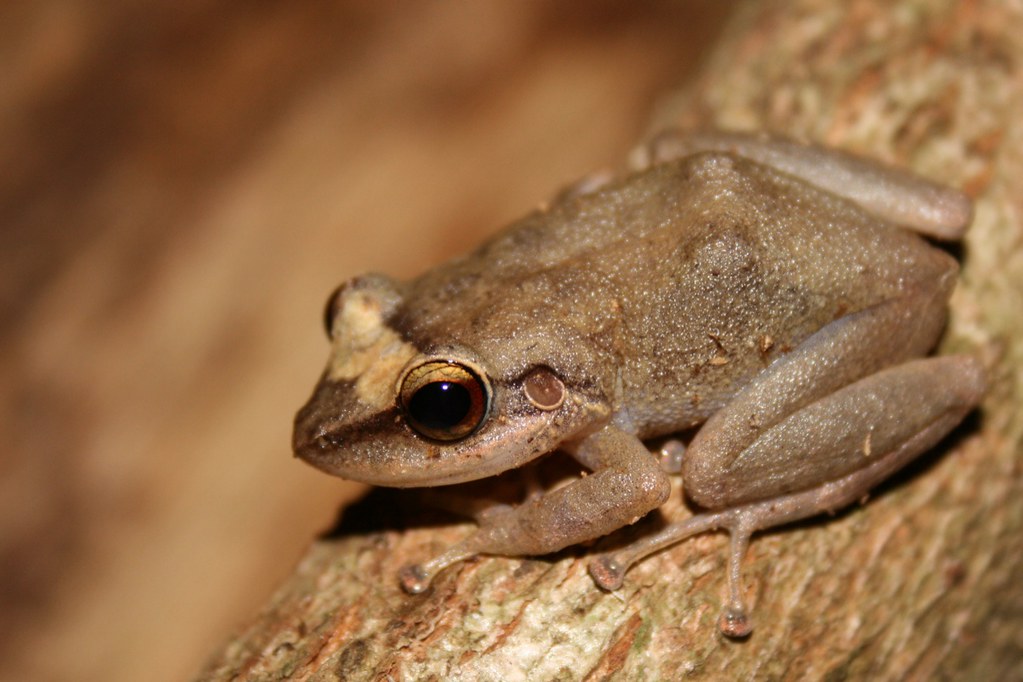
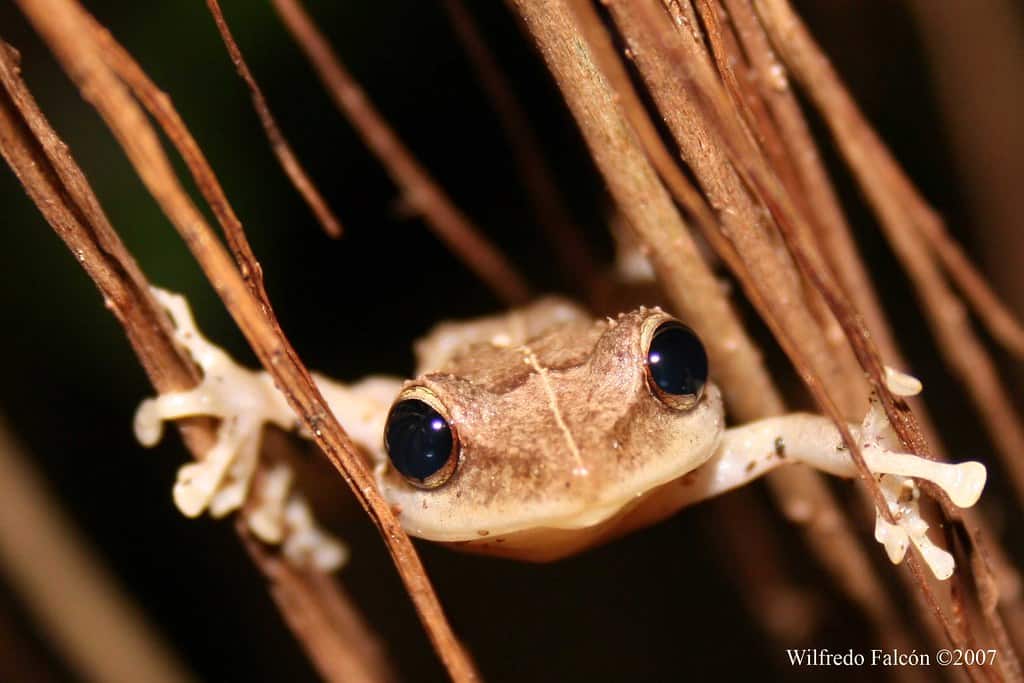
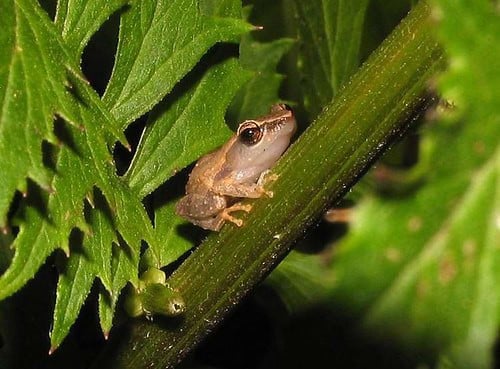
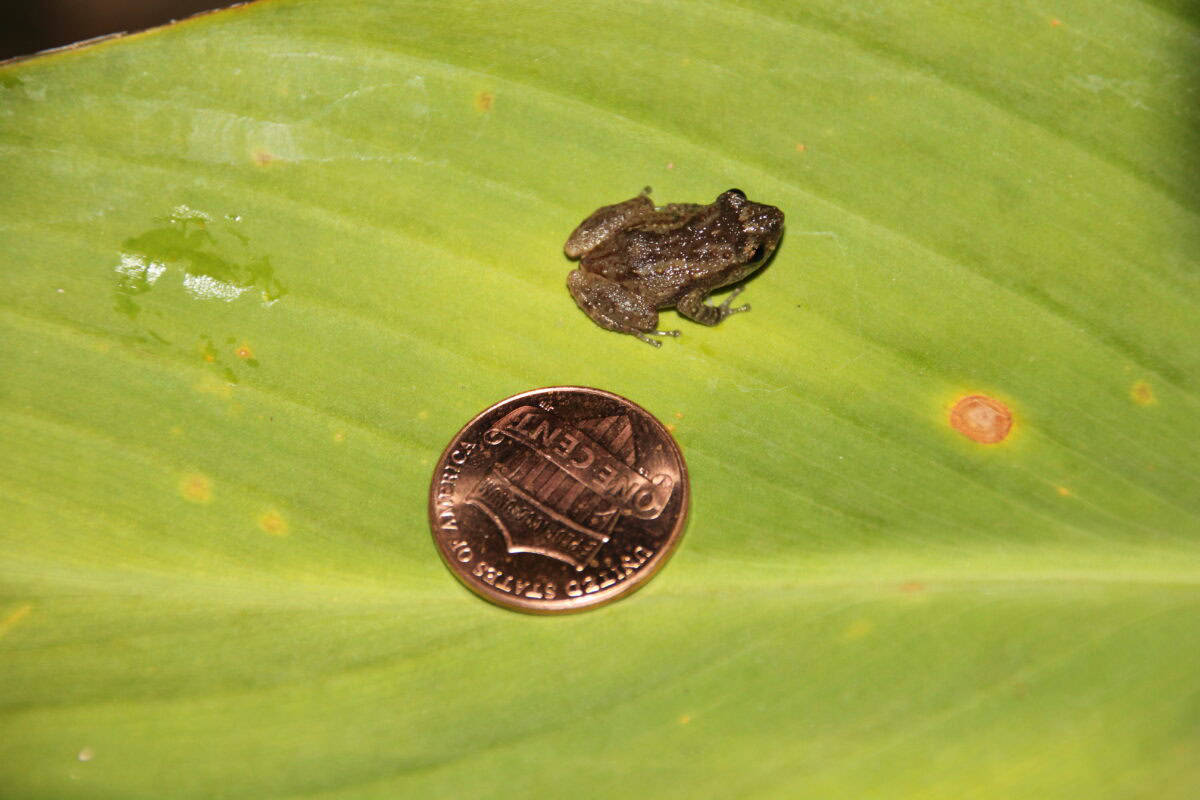
Deep in the rainforests of Central and South America lives an amphibian that defies expectations. The Coqui frog (Eleutherodactylus coqui) is a diminutive creature, often no larger than a paperclip, yet it produces one of the most ear-splitting sounds in the animal kingdom. This tiny frog can generate calls reaching up to 108 decibels from just three feet away—comparable to a chainsaw, jackhammer, or rock concert—putting it well within the range that can cause pain and even hearing damage in humans. This remarkable natural phenomenon demonstrates how even the smallest creatures can have outsized impacts on their environments and the humans who encounter them.
Meet the Coqui: A Tiny Powerhouse
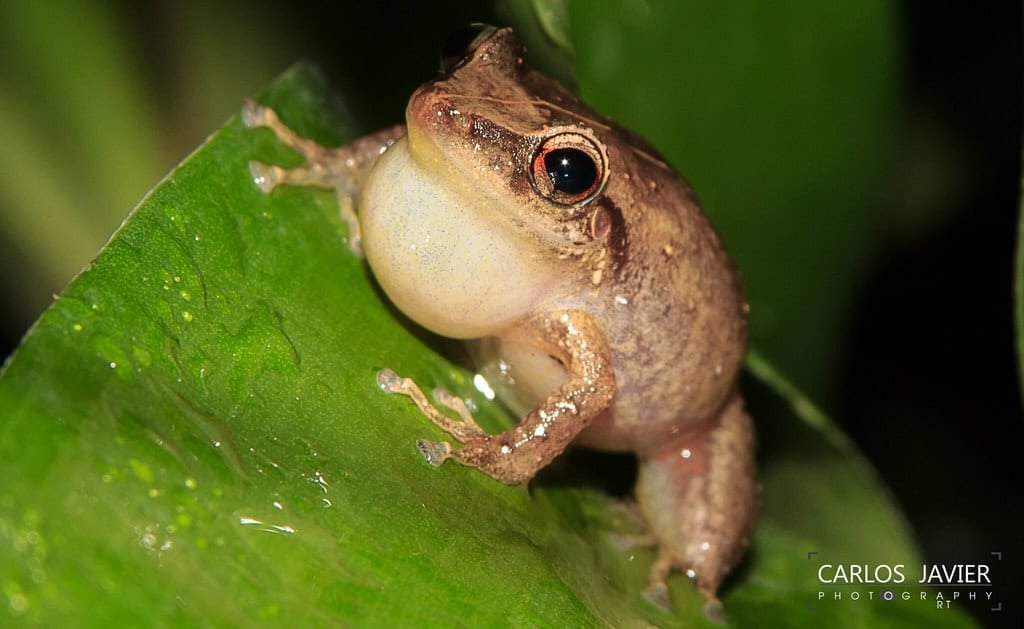
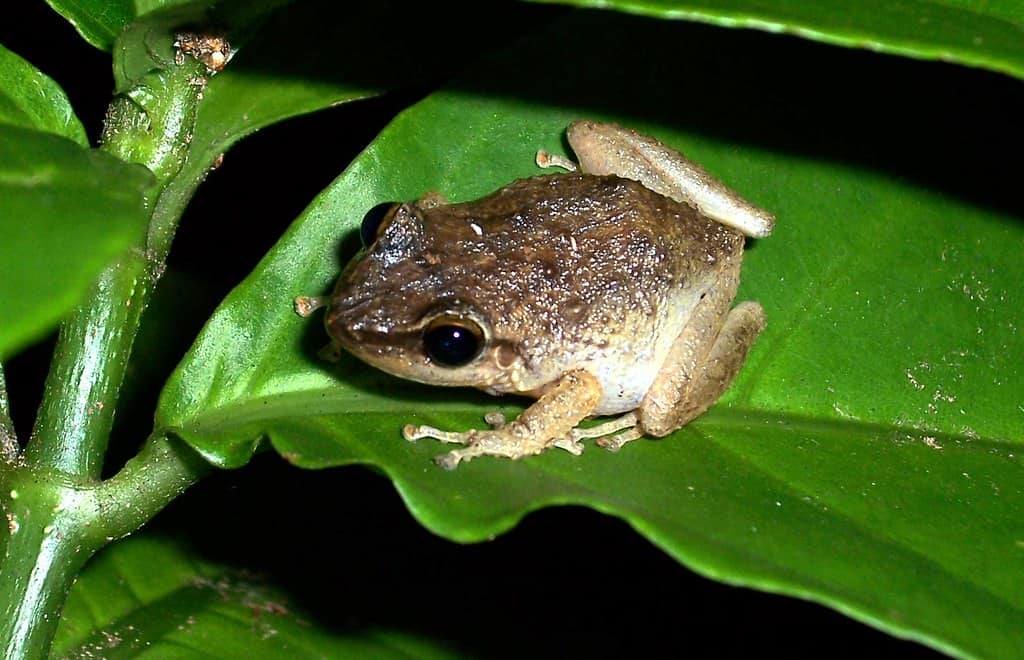
The Coqui frog (Eleutherodactylus coqui) is native to Puerto Rico but has spread to other Caribbean islands, Hawaii, and parts of the mainland United States. Despite measuring just 1-2 inches in length and weighing only a few grams, this amphibian has evolved one of the most efficient sound-producing mechanisms in nature. Males produce their distinctive “ko-KEE” call (which gave the species its name) to attract mates and establish territory. The call consists of two notes: the first (“ko”) warns off rival males, while the second (“kee”) attracts females. What’s truly astonishing is that this tiny creature can produce sounds reaching 108 decibels from just a meter away—well above the human pain threshold of approximately 120-130 decibels at close range.
The Science Behind the Sound
The Coqui’s extraordinary loudness comes from a specialized anatomical adaptation. Unlike many frogs that inflate external vocal sacs to amplify sound, the Coqui has an internal vocal sac that works like a highly efficient resonating chamber. This internal structure, combined with the frog’s remarkably strong muscles surrounding its larynx, allows it to produce sounds disproportionate to its size. Scientists have discovered that the Coqui’s call is so efficient that nearly 99.5% of the energy put into producing the sound is successfully converted into acoustic energy—an efficiency rating that would make any audio engineer envious. The frog’s unique physiology demonstrates a remarkable evolutionary adaptation that maximizes sound production while minimizing energy expenditure.
Breaking Sound Barriers: How Loud Is Too Loud?

To put the Coqui’s 108-decibel call into perspective, it helps to understand the decibel scale and its impact on human hearing. At 85 decibels, prolonged exposure can cause hearing damage. A motorcycle typically produces about 95 decibels, while a rock concert or chainsaw registers around 110 decibels. The threshold for pain in human ears begins at approximately 120-130 decibels. When multiple Coqui frogs call simultaneously—as they often do during mating season—the combined sound can approach this pain threshold. The Occupational Safety and Health Administration (OSHA) recommends limiting exposure to sounds at 105 decibels to just one hour per day, yet in areas with dense Coqui populations, residents are subjected to this level of noise throughout the night, every night.
Evolutionary Purpose: Why So Loud?
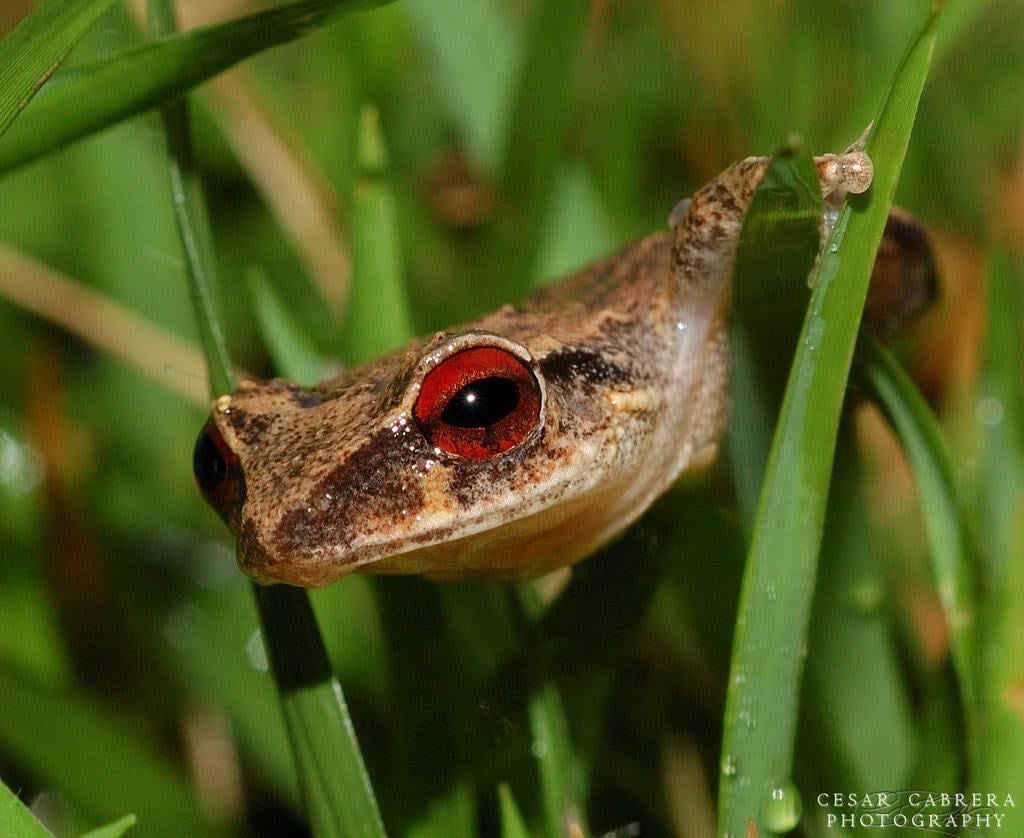
The extraordinary volume of the Coqui’s call serves several crucial evolutionary purposes. Puerto Rico’s dense rainforest environment is filled with competing sounds and physical barriers that can block or muffle acoustic signals. The Coqui’s powerful call ensures it can be heard by females across significant distances despite these obstacles. Additionally, the loud call serves as an effective territorial warning to other males, helping to establish breeding territories without physical confrontation. Research has shown that female Coqui frogs demonstrate a preference for males with louder, more consistent calls, suggesting the volume serves as an indicator of genetic fitness. This form of sexual selection has likely driven the evolution of increasingly louder calls over generations as males compete for mating opportunities.
The Coqui as an Invasive Species
While native to Puerto Rico, where it’s considered a cultural symbol, the Coqui frog has become a problematic invasive species in Hawaii since its accidental introduction in the late 1980s. With no natural predators on the islands, Coqui populations have exploded, reaching densities of up to 10,000 frogs per acre in some areas—far higher than in their native habitat. This population density creates a nighttime chorus that can exceed 80-90 decibels across entire neighborhoods. Beyond the noise pollution, the ecological impact has been significant. Each frog consumes up to 45 insects per night, dramatically altering the islands’ insect populations and potentially threatening native species. The economic impact has also been substantial, with some studies suggesting property values in heavily infested areas have declined by as much as 11% due to the incessant noise.
Health Impacts on Humans
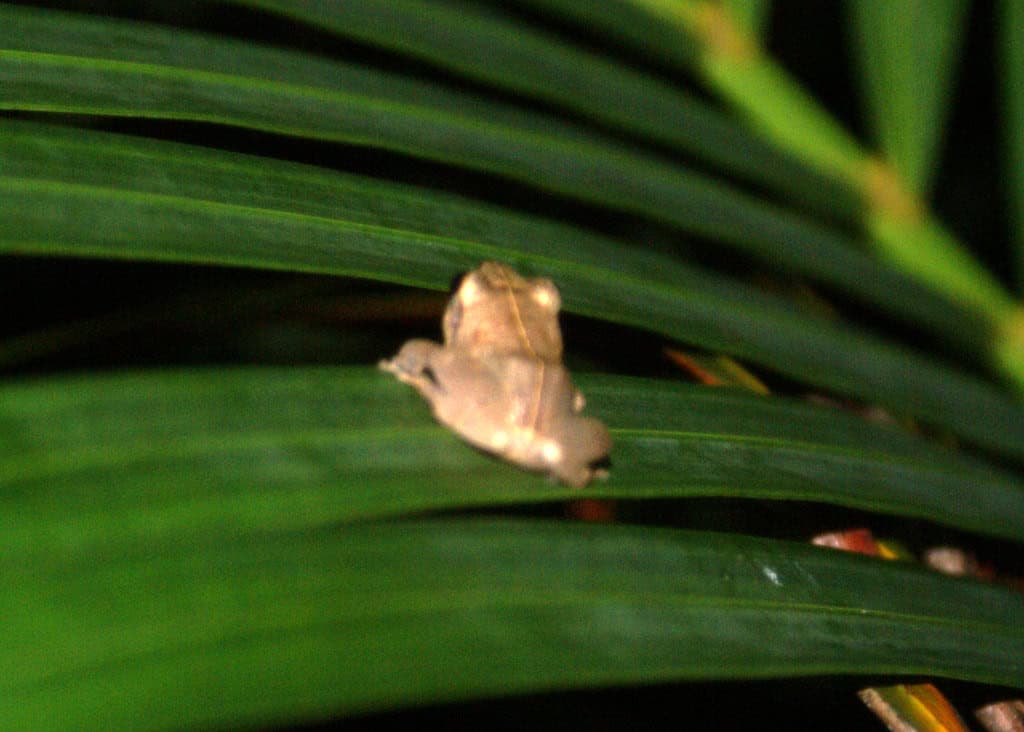
The extreme volume of Coqui calls, particularly in areas with high frog density, has been linked to several human health concerns. Sleep disruption is the most commonly reported issue, with residents in affected areas reporting difficulty falling asleep and staying asleep. Chronic sleep deprivation can lead to a cascade of health problems including increased stress, diminished cognitive function, weakened immune response, and elevated risk for conditions like depression and heart disease. Furthermore, direct hearing damage is a potential risk with prolonged exposure to sounds at the levels produced by Coqui colonies. Audiologists have documented cases of tinnitus (ringing in the ears) among residents living in heavily infested areas. Children, with their more sensitive hearing, may be particularly vulnerable to these effects. Some communities have reported increased tension and conflict among neighbors as frustration over the incessant noise mounts.
Cultural Significance in Puerto Rico
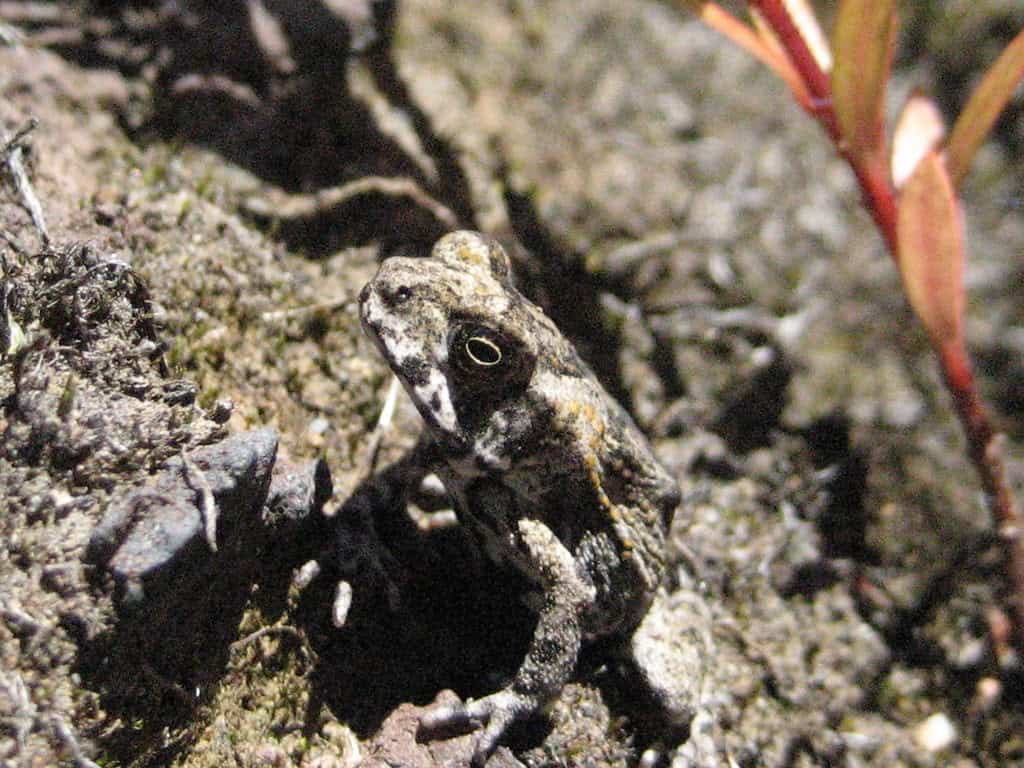
In stark contrast to its status as a reviled pest in Hawaii, the Coqui frog holds a place of honor in Puerto Rican culture. The frog’s distinctive “ko-kee” call is so deeply embedded in the island’s identity that Puerto Ricans often say, “Soy de aquí como el coquí” (“I’m from here like the Coqui”), to express their national pride. The Coqui appears in Puerto Rican folklore, music, literature, and art. Traditional lullabies often incorporate the frog’s call, and it features prominently in the island’s ecotourism industry. The Taíno people, Puerto Rico’s pre-Columbian inhabitants, included the Coqui in their mythology and art. This cultural embrace of a creature that others find intolerable illustrates how perception and adaptation can transform a potential nuisance into a beloved symbol. For Puerto Ricans living abroad, recordings of Coqui choruses are sometimes used to combat homesickness, with the very sound that disrupts sleep in Hawaii providing comfort to those who grew up with it.
Control Measures and Management
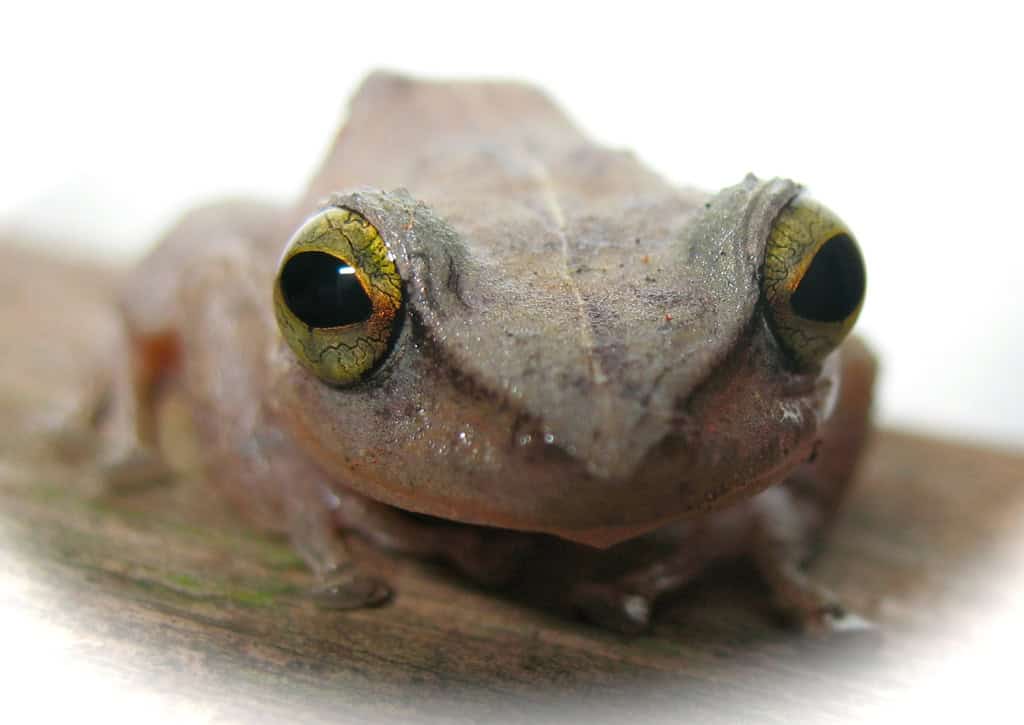
Controlling Coqui populations in invaded territories has proven extremely challenging. In Hawaii, authorities have experimented with various methods including chemical sprays containing caffeine or citric acid, both of which can be lethal to the frogs when applied directly. Hot water treatments have been used on plant shipments to prevent further spread, and some success has been achieved with habitat modification by removing dense undergrowth where the frogs shelter. Community “Coqui control nights” have become common in some Hawaiian neighborhoods, where residents work together to capture and humanely euthanize the frogs. Acoustic barriers and sound-dampening technologies have been installed around some properties to mitigate the noise impact. Despite these efforts, complete eradication has proven elusive once the species becomes established, leading to a focus on containment strategies to prevent further spread to unaffected areas.
Adaptations of Local Residents
People living in areas with established Coqui populations have developed various coping mechanisms to deal with the incessant noise. Many rely on white noise machines, air conditioners, or fans to mask the sound at night. Soundproofing home modifications have become increasingly common, with residents installing additional insulation, double-paned windows, and acoustic tiles to dampen the noise. Some communities have established “Coqui-free zones” through intensive and coordinated control efforts, creating refuges where residents can experience quiet evenings. Interestingly, some long-term residents report developing a form of selective hearing, where they eventually become desensitized to the calls—though visitors still find the noise overwhelming. Support groups have formed in some heavily affected communities, allowing residents to share coping strategies and work collectively on control measures, transforming an environmental problem into an opportunity for community building.
Unique Adaptations of the Coqui
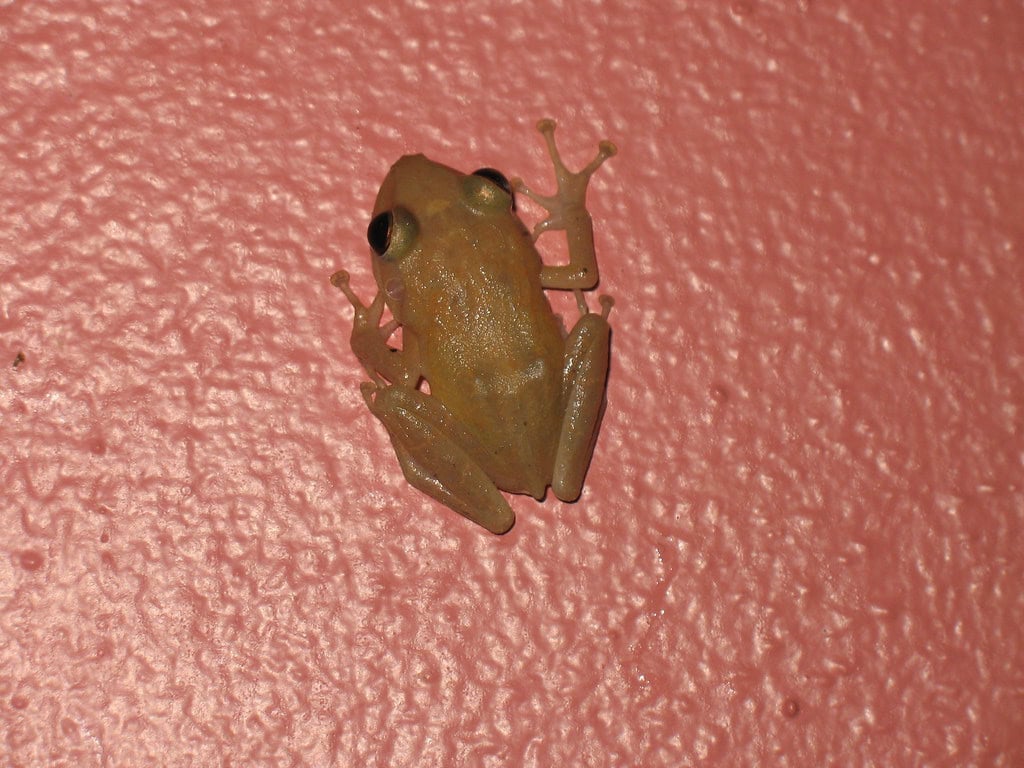
Beyond its extraordinary vocal abilities, the Coqui frog possesses several other remarkable adaptations that contribute to its success. Unlike most frog species that require water bodies for reproduction, Coqui frogs undergo direct development—their eggs hatch into fully formed froglets, bypassing the tadpole stage entirely. This adaptation allows them to colonize habitats far from standing water, greatly expanding their potential range. The females lay their eggs in moist locations such as leaf litter or plant axils, and males guard the eggs until they hatch. Coqui frogs also possess specialized toe pads that enable them to climb vertical surfaces with ease, accessing elevated calling perches that help project their vocalizations farther. Their skin contains adaptations for direct gas exchange, supplementing their lung respiration and increasing their metabolic efficiency. These combined adaptations have made the Coqui an exceptionally successful colonizer when introduced to new environments with similar climates to their native range.
Research Applications and Biomimicry
The Coqui frog’s remarkable sound production has attracted interest from researchers in fields ranging from acoustics to materials science. Audio engineers have studied the frog’s vocal mechanism to inspire more efficient speaker designs, particularly for applications where maximum sound production from minimal energy input is desired. The structure of the Coqui’s internal vocal sac has influenced the development of compact resonating chambers in portable audio equipment. Biomimetic research has examined the frog’s ability to produce directional sound, with potential applications in targeted audio broadcasting and notification systems. Additionally, the materials that comprise the frog’s vocal apparatus have been analyzed for their exceptional vibration properties, potentially informing the development of new synthetic materials for sound transmission. Military researchers have even explored applications in non-lethal sonic weapons and signaling devices based on the principles observed in the Coqui’s sound production system.
Conclusion: Small Size, Mighty Impact
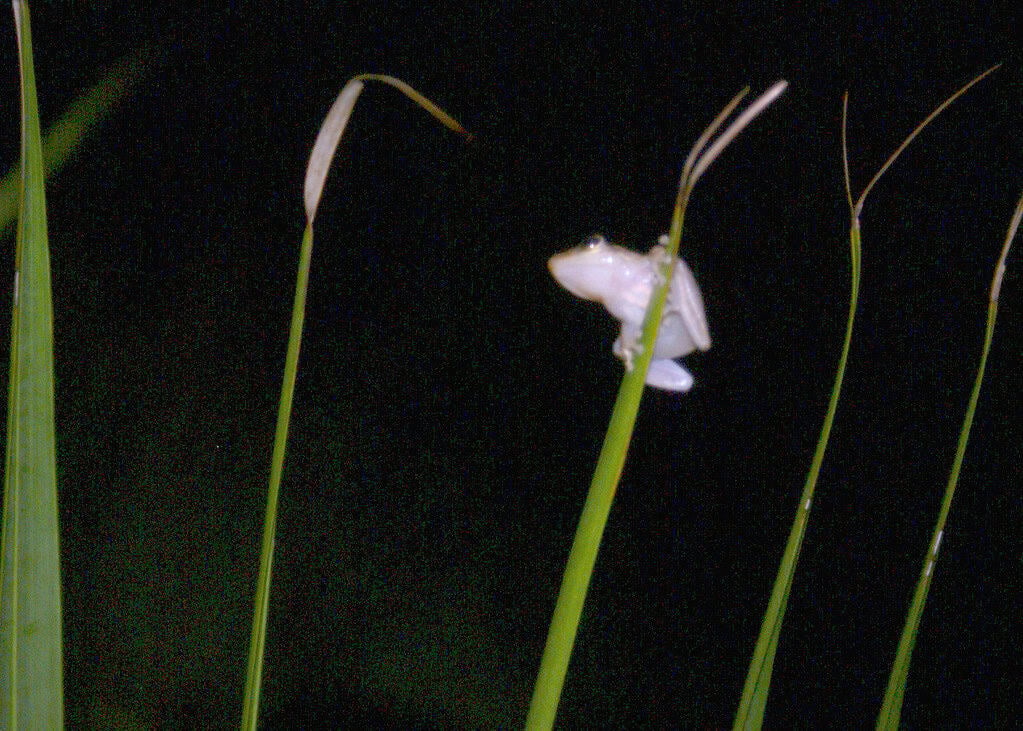
The Coqui frog stands as a powerful reminder that in nature, size doesn’t always correlate with impact. This tiny amphibian, weighing just a few grams, produces sounds that can cause physical discomfort to creatures thousands of times its size, demonstrating the remarkable efficiency of evolutionary adaptations. The contrasting perception of the Coqui—from beloved cultural symbol in Puerto Rico to reviled invasive species in Hawaii—illustrates how context shapes our relationship with wildlife. As climate change and globalization continue to reshape ecosystems worldwide, the Coqui’s story offers important lessons about the unintended consequences of species introductions and the complex interplay between human communities and wildlife. Whether regarded as a melodious symbol of home or an ear-splitting pest, the Coqui frog has earned its place among nature’s most remarkable sound producers, proving that even the smallest creatures can make themselves impossible to ignore.

- This Tiny Frog Is Loud Enough to Hurt Human Ears - August 13, 2026
- 11 States With Surprisingly Dangerous Native Animals - August 13, 2026
- Finding Nemo’s Villains: Are Barracudas Really That Dangerous? - August 13, 2026
Leave a comment
You must be logged in to post a comment.