


In Thailand’s affluent circles, lion cubs have become the latest status symbol, featured prominently in lavish parties and social media posts. However, behind these glamorous images lies a troubling industry of exotic pet breeding that raises serious animal welfare concerns.
The Allure of Exotic Pets
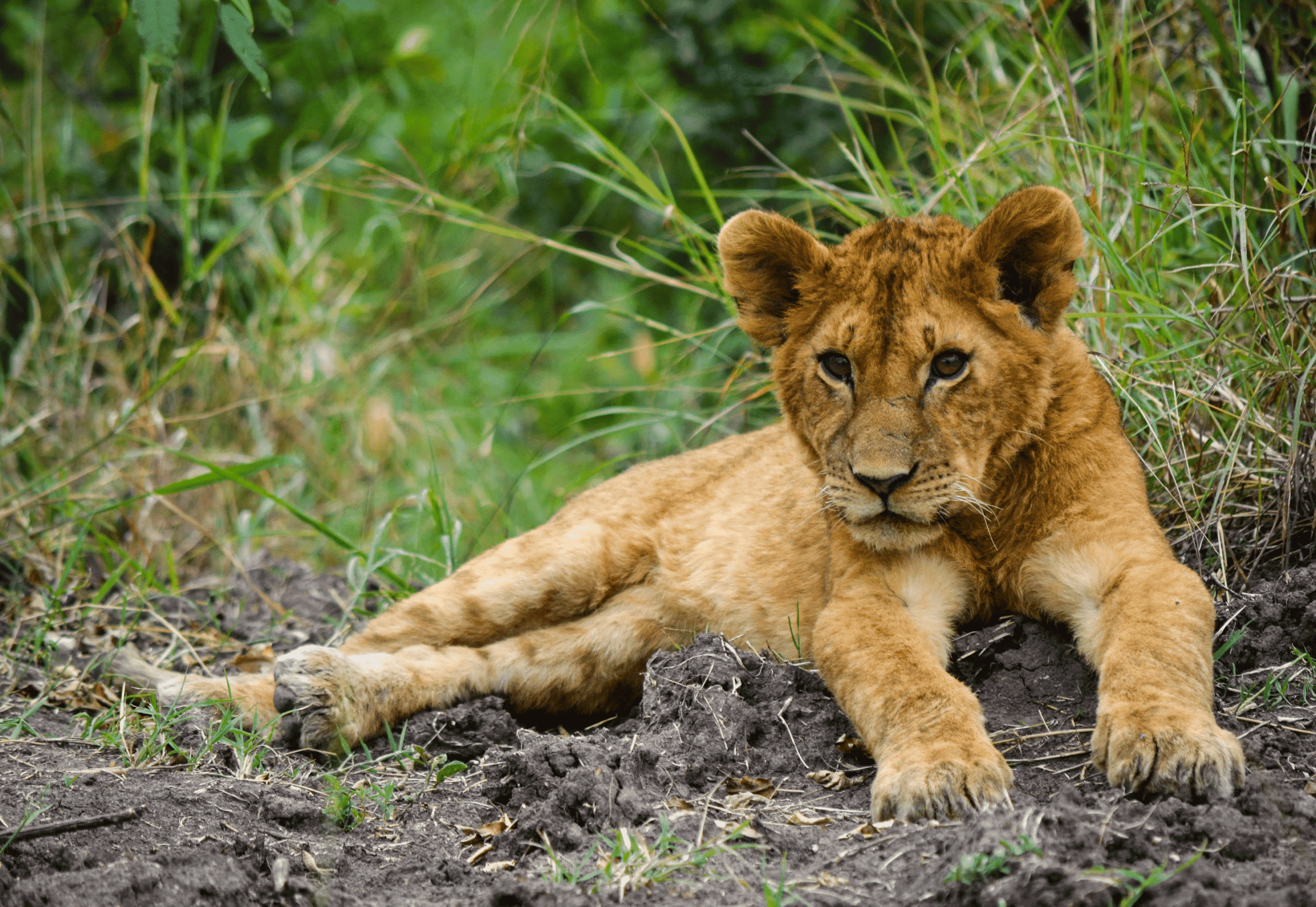
At upscale gatherings in Bangkok, it’s not uncommon to see guests posing with lion cubs, treating them as accessories for the perfect Instagram shot. These images, while captivating, mask the reality of the exotic pet trade fueling this trend.
Inside the Breeding Farms
Breeders like Patamawadee Chanpithak have capitalized on the demand, raising lion cubs in facilities that often lack proper veterinary care and suitable living conditions. Chanpithak, who has sold over 80 lions, admits to initial inexperience, with five of her first six cubs dying shortly after birth.
The Social Media Effect
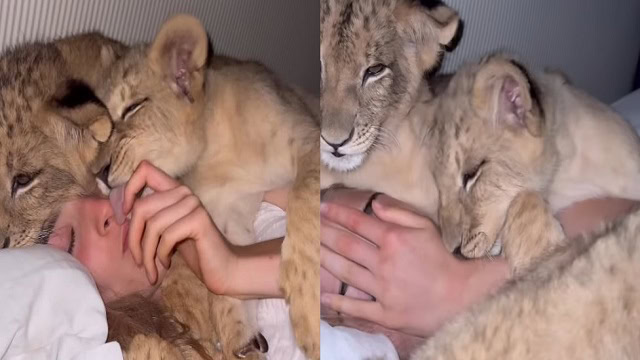
Platforms like Instagram and TikTok have amplified the appeal of owning exotic pets. Cubs are not only sold but also rented out for photoshoots and events, creating a cycle where animals are treated as temporary props rather than living beings with complex needs.
Challenges of Ownership
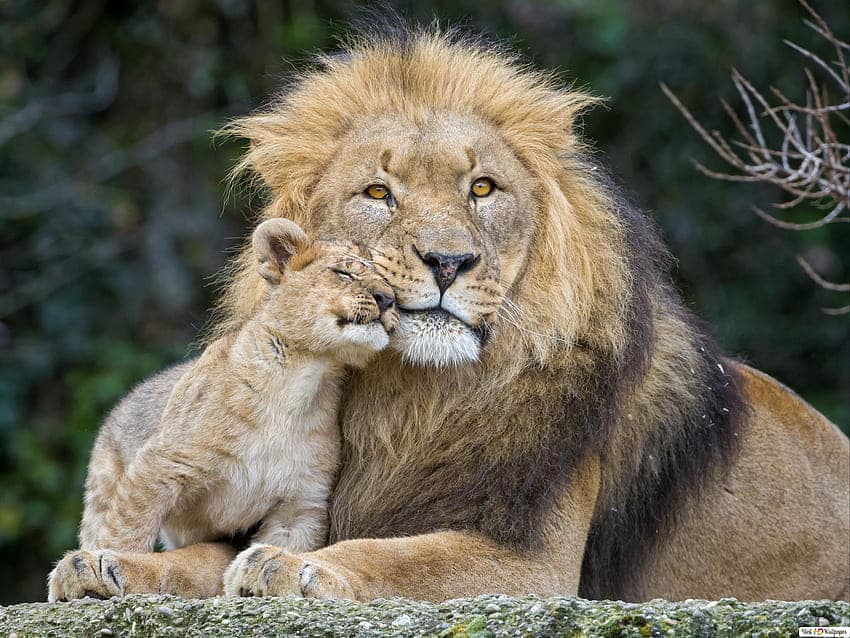
While lion cubs may seem manageable initially, they quickly grow into powerful predators requiring specialized care. Many owners find themselves unprepared for this responsibility, leading to a “buy-back” system where breeders reclaim the animals, often reselling or repurposing them for breeding.
Regulatory Gaps

Thailand’s 2019 Wild Animal Preservation and Protection Act aimed to regulate exotic pet ownership but left significant loopholes. While owning a lion requires a license, breeding does not, and cubs under 60 days old don’t need to be registered. This lack of oversight has allowed the captive lion population to more than triple since 2018.
A Call for Change
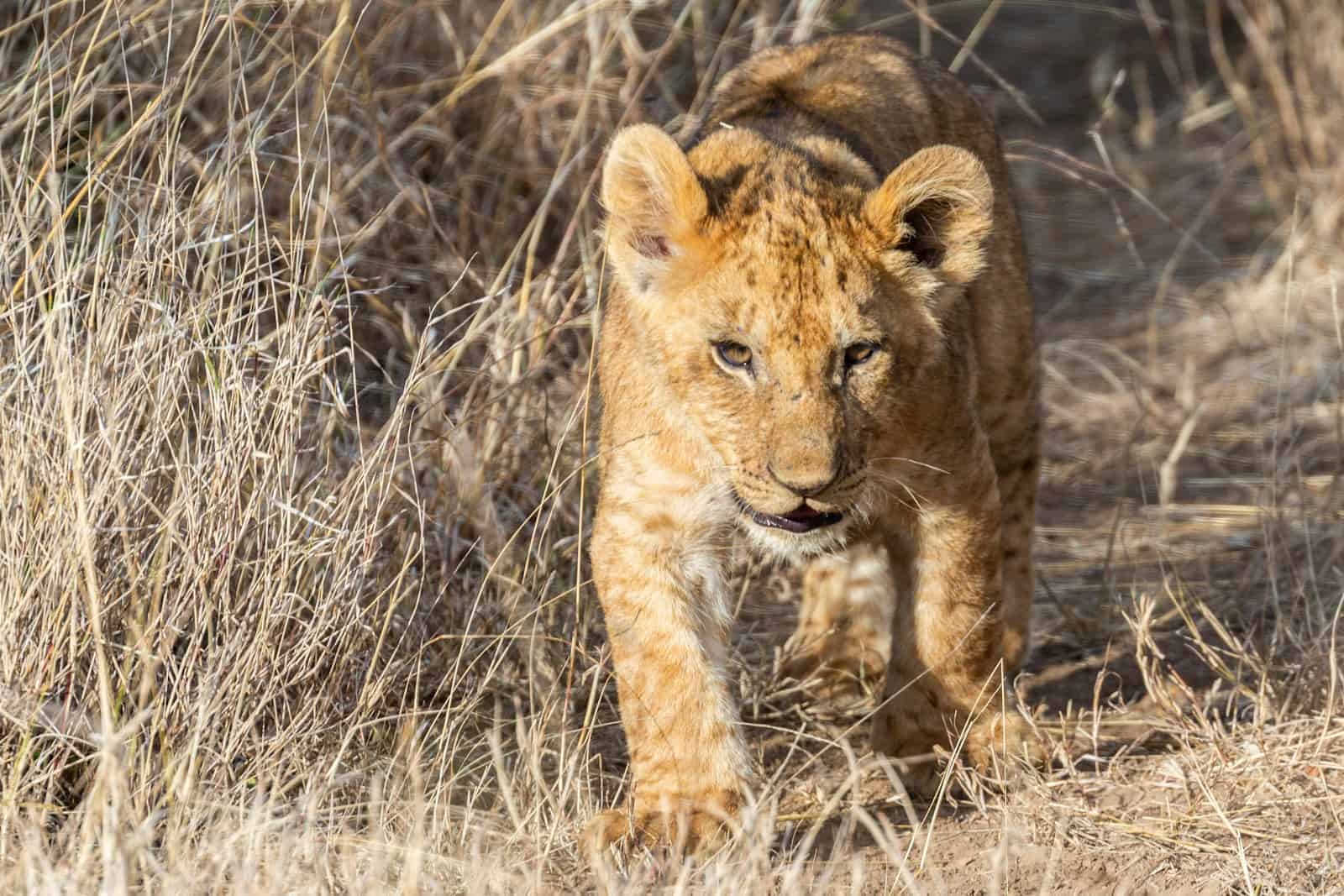
Veterinarians and animal welfare advocates are urging for stricter regulations and increased public awareness. The exotic pet trend, driven by social media, not only endangers the animals involved but also poses risks to public safety and biodiversity. As the fascination with owning wild animals continues, it’s crucial to consider the ethical implications and strive for a balance that respects both human interests and animal welfare.

adventuring, photography and videography. I am currently working towards a BSc in Biodiversity and Ecology at Stellenbosch University to go on to specialise in Marine Sciences one day.
Please send any feedback to Feedback@animalsaroundtheglobe.com
- The Colombian Divers Risking Their Lives to Remove Deadly Ghost Nets - July 22, 2026
- Did You Know That Moose Can Weigh Up To 1400 Pounds - July 22, 2026
- Dog Comes Face To Face With A Snow Leopard And Makes A Hasty Escape - July 22, 2026