


The history of Earth has been punctuated by five major mass extinction events, each wiping out between 70-95% of all species. As we potentially face a sixth mass extinction driven by human activity and climate change, it’s worth considering which animals might have the resilience to survive such a catastrophe. These biological survivors possess unique adaptations, remarkable resilience, and evolutionary advantages that could help them weather even the most devastating global disasters. From microscopic tardigrades to adaptable mammals, here’s an exploration of 14 creatures with the best chances of surviving when most other life forms perish.
Tardigrades Earth’s Ultimate Survivors

Tardigrades, often called water bears or moss piglets, are microscopic eight-legged animals that have earned the title of Earth’s most indestructible creatures. These tiny organisms (typically 0.5mm long) can survive practically anything nature throws at them. They can withstand temperatures from near absolute zero (-458°F/-272°C) to well above boiling (300°F/149°C), pressures six times greater than those in the deepest ocean trenches, radiation levels thousands of times higher than what would kill a human, and the vacuum of space. Perhaps most impressively, tardigrades can enter a state called cryptobiosis, where they expel almost all water from their bodies and reduce their metabolic activity to near zero, allowing them to survive without food or water for up to 30 years. This remarkable ability to endure extreme conditions makes them prime candidates to persist through any mass extinction scenario, whether it involves asteroid impacts, supervolcano eruptions, or severe climate change.
Cockroaches The Infamous Apocalypse Survivors

Cockroaches have earned their reputation as ultimate survivors through 300 million years of evolutionary history. These insects have survived multiple mass extinctions already, including the event that wiped out the dinosaurs. Their remarkable resilience stems from several adaptations: they can live for a month without food, survive for weeks with only their heads attached, withstand radiation levels much higher than humans, hold their breath for 40 minutes, and even live without their heads for weeks (until they die from thirst). Additionally, cockroaches reproduce rapidly, with females producing up to 300-400 offspring in their lifetime. Their flattened bodies allow them to squeeze into tiny crevices, providing protection during catastrophic events. While the myth that cockroaches could survive nuclear war is somewhat exaggerated, they would certainly fare better than most larger animals in many extinction scenarios, particularly those involving habitat destruction, food scarcity, or moderate radiation exposure.
Deep Sea Vent Creatures Isolated from Surface Catastrophes

Deep sea hydrothermal vent ecosystems exist in complete darkness, under crushing pressure, and rely on chemosynthesis rather than photosynthesis for energy production. Animals living around these vents, including certain species of tube worms, blind shrimp, and specialized crabs, have evolved to thrive in one of Earth’s most extreme environments. These creatures derive their energy from bacteria that process hydrogen sulfide spewing from the vents, completely independent of sunlight or surface food chains. This independence from surface conditions provides a significant survival advantage during extinction events that devastate surface and shallow marine environments. When events like asteroid impacts, supervolcano eruptions, or nuclear winters block sunlight and collapse photosynthesis-based ecosystems, deep sea vent communities would continue operating largely unaffected. Evidence suggests that similar ecosystems may have survived previous mass extinctions, serving as evolutionary refuges when much of the planet’s biodiversity collapsed.
Rats Highly Adaptable Urban Survivors

Rats, particularly brown rats (Rattus norvegicus) and black rats (Rattus rattus), demonstrate remarkable adaptability that would serve them well during extinction events. These rodents thrive in nearly every human-inhabited environment on Earth, from frozen tundras to tropical islands. Their survival toolkit includes rapid reproduction (a single female can produce up to 2,000 descendants in a year), omnivorous diets that allow them to eat practically anything, and high intelligence that helps them solve problems and avoid threats. Rats can squeeze through openings as small as a quarter (for adults) by collapsing their skeletons, swim for days, fall from heights of 50 feet without injury, and survive without water longer than camels. They’ve already demonstrated resilience to human attempts at extermination, developing resistance to many poisons. In post-apocalyptic scenarios, rats would likely capitalize on abandoned human infrastructure for shelter while scavenging whatever food remains, potentially becoming one of the dominant mammalian species in a recovering ecosystem.
Extremophile Bacteria Masters of Biochemical Adaptation
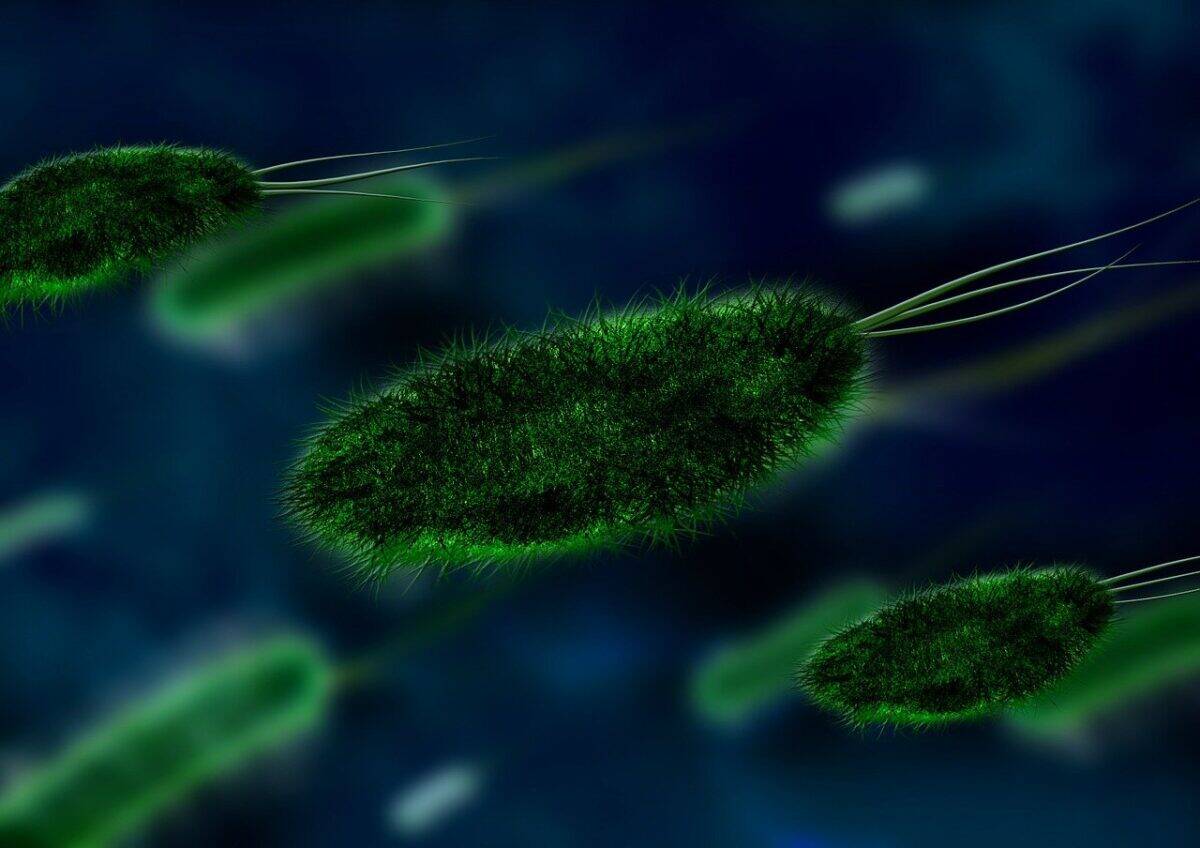
Extremophile bacteria represent life’s ultimate pioneers, thriving in conditions once thought incompatible with life. These microorganisms have been discovered in environments ranging from scalding hot springs and geysers (thermophiles), to the acidic waters of abandoned mines (acidophiles), to the crushing depths of ocean trenches (barophiles), and even within solid rock miles beneath Earth’s surface (endoliths). Some extremophiles, like Deinococcus radiodurans, can survive radiation doses 1,000 times greater than what would kill a human, reassembling their shattered DNA within hours. Others, like the bacteria found in Mono Lake, California, have even evolved to incorporate arsenic into their biochemistry in place of phosphorus, fundamentally redefining what life requires. These microorganisms’ biochemical flexibility and genetic adaptability would allow them to persist through virtually any planetary catastrophe, including asteroid impacts, nuclear winter, extreme climate change, or even certain cosmic events. In fact, extremophiles would likely be among the first organisms to recolonize devastated environments, potentially kickstarting new evolutionary pathways after mass extinctions.
Alligators and Crocodiles Ancient Survivors

Alligators and crocodiles represent evolutionary success stories, having survived virtually unchanged for over 200 million years. These reptiles weathered the Cretaceous-Paleogene extinction event that wiped out the dinosaurs 66 million years ago, demonstrating their remarkable staying power. Several factors contribute to their survival potential: they can go without food for up to three years by slowing their metabolism, their armored bodies provide protection from physical threats, and they possess incredible immune systems that fight off serious infections even from grievous wounds. Additionally, their semi-aquatic lifestyle allows them to exploit both land and water resources, and they can store fat effectively for long-term survival. Their cold-blooded physiology means they require much less food than mammals of similar size. In extinction scenarios involving climate change, crocodilians have demonstrated historical adaptability, with fossil evidence showing they once thrived within the Arctic Circle during warmer periods. Their long lifespans (50-70 years) and ability to reproduce throughout most of their adult lives further enhance their species’ persistence through catastrophic events.
Mummichogs The Adaptable Fish
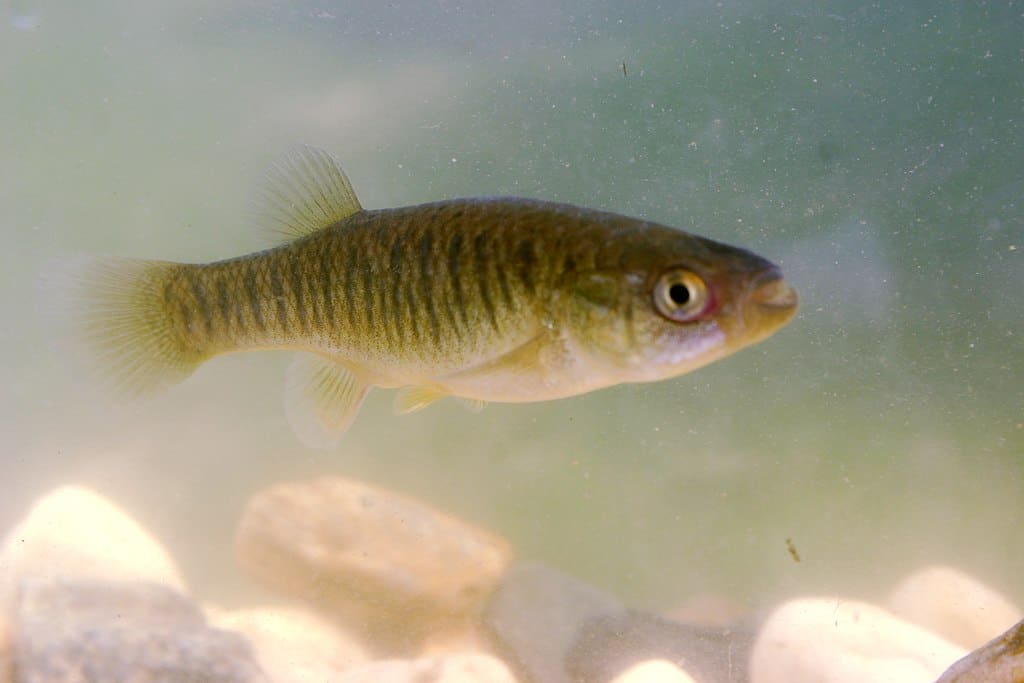
The mummichog (Fundulus heteroclitus), a small killifish native to Atlantic coastal waters, demonstrates extraordinary physiological adaptability that could help it survive mass extinction conditions. These unassuming fish can rapidly evolve tolerance to pollutants and toxins that would kill most aquatic life. In heavily contaminated environments like the Elizabeth River in Virginia, where sediments contain cancer-causing pollutants at concentrations 200,000 times higher than what’s considered hazardous, mummichogs have evolved to thrive where other fish species cannot survive. They can also tolerate extreme variations in salinity, oxygen levels, and temperature. Remarkably, mummichogs can even survive out of water for extended periods by using modified gill structures to breathe air. Their eggs can withstand partial dehydration and remain viable in moist soil or vegetation during dry periods. This extraordinary environmental flexibility, combined with their rapid reproduction rate, would give mummichogs a significant advantage during marine extinction events, particularly those involving ocean chemistry changes, pollution events, or habitat disruption.
Naked Mole Rats Underground Marvels
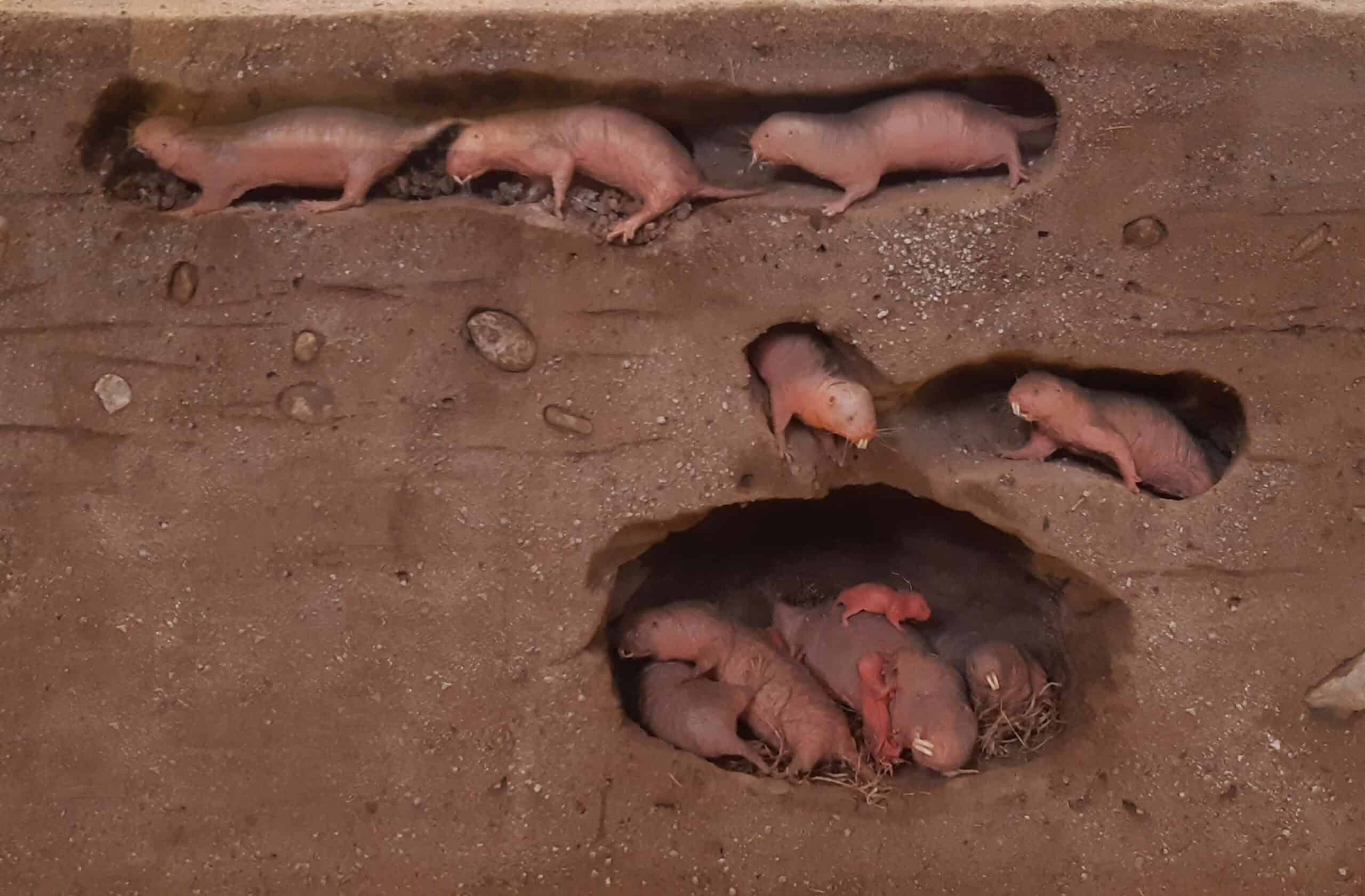
Naked mole rats (Heterocephalus glaber) possess a suite of biological adaptations that make them extraordinarily resilient to conditions that would challenge most mammals. These burrowing rodents live in underground colonies primarily in East Africa, where they’ve evolved remarkable survival traits. They can survive with extremely low oxygen levels (as little as 5%, compared to the 21% in air) and can live up to 18 minutes without any oxygen by switching their metabolism to an anaerobic process typically only seen in plants. This would prove invaluable during extinction events involving atmospheric changes. Naked mole rats are also exceptionally long-lived for their size (living up to 30+ years compared to 2-3 years for similar-sized rodents), show remarkable resistance to cancer due to unique cellular mechanisms, and feel little to no pain from acids or chemical irritants. Their social structure resembles that of bees or ants, with a breeding queen and cooperative workers, maximizing group survival. Their underground habitat would provide natural protection from many surface catastrophes, including temperature extremes, radiation, and predation, while their ability to consume their own feces allows them to extract maximum nutrition from limited food sources – critical during resource scarcity following extinction events.
Scorpions Ancient Arachnid Survivors

Scorpions have demonstrated remarkable evolutionary persistence, having existed for approximately 430 million years with relatively little change to their basic body plan. These arachnids have already survived multiple mass extinctions, including the Permian-Triassic event that wiped out roughly 96% of marine species and 70% of terrestrial vertebrates. Their survival toolkit includes exceptional physical resilience – they can slow their metabolism to use less than 1/10th of an oxygen molecule per hour, survive being frozen solid, endure a year without food by consuming their own tissues and regenerating them later, and withstand radiation levels that would be lethal to humans. Some desert species can even absorb moisture directly from the air. Their exoskeletons fluoresce under ultraviolet light, potentially allowing them to detect and avoid harmful UV radiation. Additionally, scorpions are among the few invertebrates that give live birth rather than laying eggs, providing their young with better protection during development. Their predatory nature means they can consume a wide variety of prey, allowing them to adapt their diets as available food sources change during extinction events. These combined traits would give scorpions significant advantages in surviving catastrophic environmental changes.
Certain Fungi Radiation-Feeding Decomposers
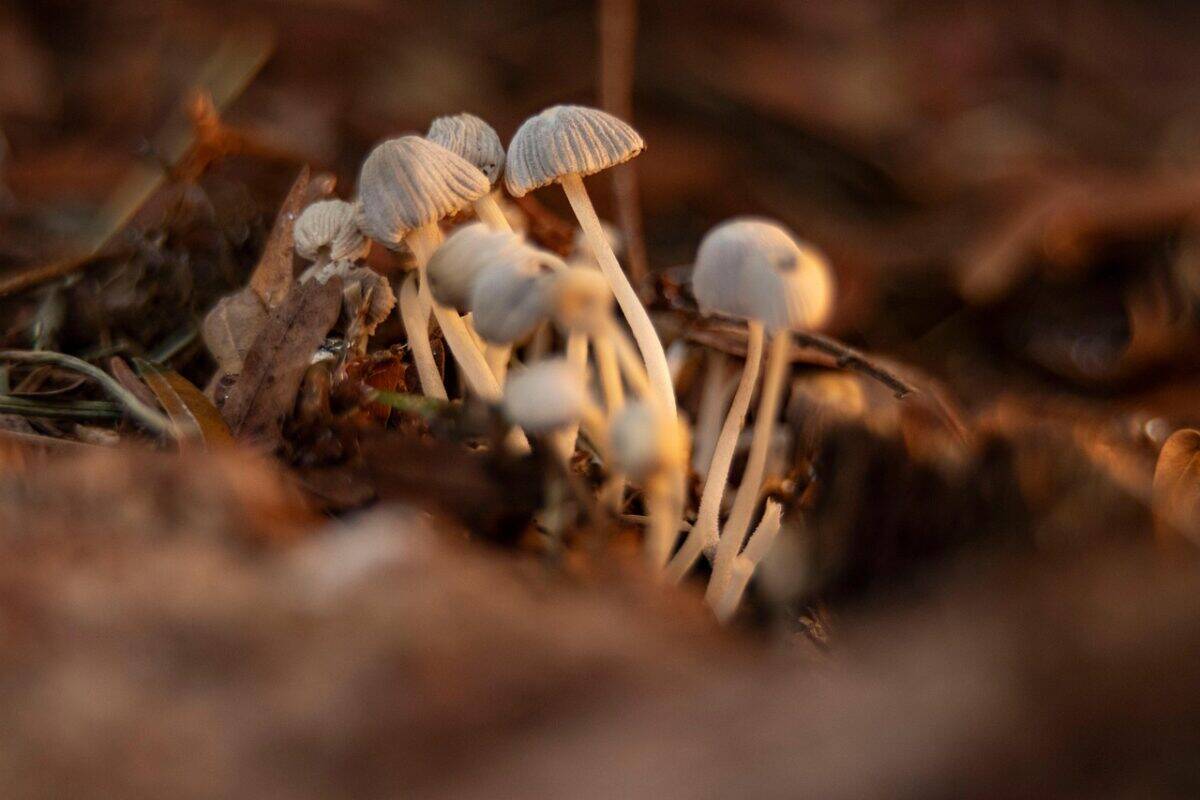
Certain fungi species demonstrate extraordinary survival capabilities that would serve them well during mass extinctions, particularly those involving radiation or massive die-offs of other organisms. Most remarkably, some fungi like Cladosporium sphaerospermum and Cryptococcus neoformans actually grow toward sources of radiation, using melanin (the same pigment in human skin) to convert radiation into chemical energy through radiosynthesis – a process similar to how plants use chlorophyll for photosynthesis. This was dramatically demonstrated at Chernobyl, where black fungi were found growing on the walls of the reactor itself, actively absorbing radiation. Other fungi species demonstrate extremophile characteristics, surviving in environments from deep sea sediments to Antarctic dry valleys. As decomposers, fungi would benefit from the massive amounts of dead organic matter following an extinction event, potentially thriving while other life forms struggle. Their reproductive strategy involving spores provides additional resilience, as fungal spores can remain dormant for decades or even centuries under adverse conditions, ready to germinate when conditions improve. Some evidence suggests fungi experienced significant diversification after previous mass extinctions, positioning them not just as survivors but potential ecological dominants in post-catastrophe environments.
Antarctic Krill Cold-Adapted Crustaceans

Antarctic krill (Euphausia superba) are small crustaceans with remarkable adaptations that could help them weather extinction events, particularly those involving climate disruptions. These cold-water specialists form some of the largest biomass aggregations on Earth, with swarms containing up to 30,000 individuals per cubic meter. Their key survival advantages include exceptional cold tolerance, the ability to reduce their body size and metabolism during food scarcity (shrinking up to 40% during winter), and lifespans of 5-10 years – unusually long for their size. Krill can survive extended periods (over 200 days) without food by consuming their own body tissues, particularly their reproductive organs, which they can later regenerate when conditions improve. Their position near the base of the Antarctic food web means they feed primarily on phytoplankton, which would likely recover relatively quickly after catastrophes compared to more complex ecosystems. Deep ocean habitats would provide some buffering against temperature extremes or atmospheric changes. While climate change currently threatens krill populations, their enormous numbers (estimated at 400 million tons), wide distribution throughout the Southern Ocean, and ability to rapidly rebuild populations provide resilience that could help some populations persist through extinction events, particularly those involving temporary cooling scenarios like asteroid impacts or volcanic winters.
Cyanobacteria Earth’s Oxygen Producers

Cyanobacteria (blue-green algae) represent one of Earth’s most successful and ancient life forms, having thrived for over 3.5 billion years while dramatically reshaping our planet’s atmosphere and ecosystems. These photosynthetic microorganisms were responsible for the Great Oxygenation Event approximately 2.4 billion years ago that transformed Earth’s atmosphere from oxygen-poor to oxygen-rich, enabling the evolution of complex life. Their survival toolkit includes extraordinary environmental tolerance – different cyanobacteria species can be found in hot springs, hypersaline lakes, Antarctic ice, desert crusts, and even on exposed rock surfaces. Some desert-dwelling species can survive complete desiccation for decades, rehydrating and resuming photosynthesis within minutes when water becomes available. Others form protective structures called heterocysts that allow them to fix nitrogen directly from the atmosphere, making them self-sufficient for this essential nutrient. Many species produce protective pigments against UV radiation and can form resilient colonies called biofilms that resist physical and chemical stresses. Their simple cellular structure, rapid reproduction, and ability to exchange genetic material through horizontal gene transfer allow for quick adaptation to changing conditions. After previous mass extinctions, cyanobacteria often dominated the early recovery phases, suggesting they would be among the first organisms to thrive in the aftermath of future catastrophes.
Certain Ants Social Insects with Global Distribution
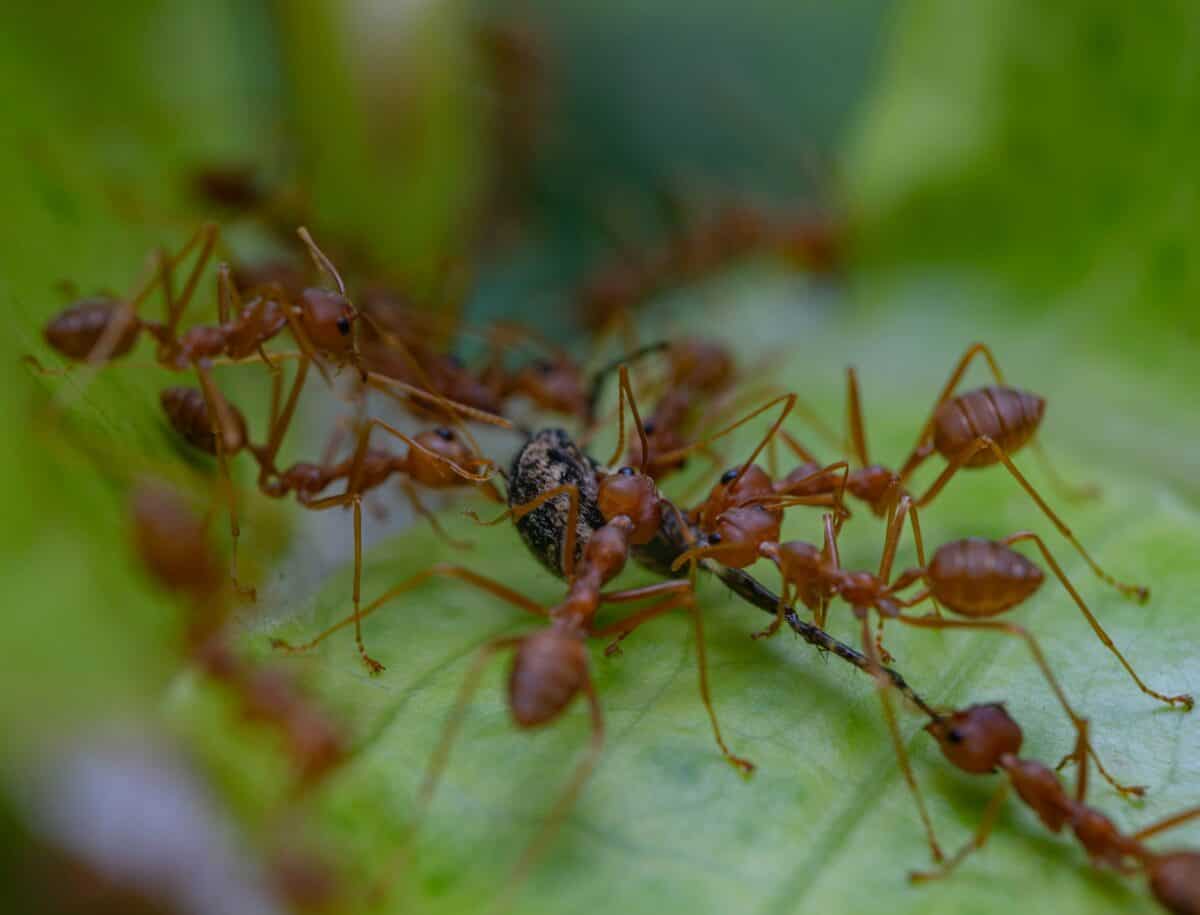
Ants represent one of Earth’s most successful life forms, with over 12,000 known species occupying nearly every terrestrial environment except the polar regions. Their social structure provides significant survival advantages during extinction events through collective problem-solving, efficient resource allocation, and division of labor. Many ant species could potentially survive catastrophic conditions due to several key adaptations. Certain desert ants can withstand body temperatures up to 122°F (50°C), while others like the Argentine ant form supercolonies spanning thousands of miles, containing billions of individuals with remarkable genetic cohesion. Leaf-cutter ants practice agriculture by growing fungus gardens protected from environmental extremes within their colonies. Fire ants can form living rafts to survive floods, linking their bodies together to create water-resistant structures that can float for weeks. Army ants build living shelters called bivouacs that regulate temperature and humidity. Perhaps most importantly, many ant colonies extend deep underground, providing protection from surface catastrophes including temperature extremes, fires, floods, and even moderate radiation events. Their small size means they require minimal resources, while their flexible diets allow them to consume everything from seeds to insects to carrion. These combined traits would allow certain ant species to persist through conditions that would eliminate many larger animals.
Siberian Salamanders Freeze-Tolerant Amphibians

The Siberian salamander (Salamandrella keyserlingii) possesses extraordinary cold tolerance that would provide significant advantages during extinction events involving temperature extremes or extended periods of adverse conditions. These remarkable amphibians can survive being frozen solid at temperatures as low as -40°C (-40°F) for decades. Unlike many freeze-tolerant animals that produce specialized antifreeze compounds to prevent ice formation in their cells, these salamanders allow their tissues to freeze completely, entering a state of suspended animation where all metabolic processes effectively stop. When temperatures rise, they simply thaw out and resume normal activity. Specimens have reportedly been found in Siberian permafrost and revived after being frozen for up to 90 years, though some scientific debate surrounds these extreme cases. Beyond their freeze tolerance, these salamanders demonstrate remarkable adaptability across their range from Korea to the Arctic Circle, surviving in environments from taiga forests to open grasslands.
Conclusion

Mass extinctions have repeatedly reshaped life on Earth, erasing entire lineages while paving the way for new evolutionary paths. While many species are vulnerable to the rapid environmental changes that could drive a sixth extinction, some organisms possess the biological tools to endure. From the near-indestructible tardigrade to deep-dwelling extremophile bacteria and cold-adapted salamanders, these 14 animals exemplify nature’s capacity for resilience and adaptation. Their unique traits—whether microscopic toughness, social cooperation, or biochemical innovation—give them a fighting chance to persist through even the harshest global catastrophes. In a world facing increasing ecological instability, these survivors offer a humbling reminder that life, in its most versatile forms, often endures long after dominant species disappear.

As a little kid, I fell in love with nature, wildlife, and animals. Living in the USA, South Africa, Italy, China and Germany gave me the opportunity to discover the world's Wildlife. My favorite animals are Mountain Gorillas, Siberian Tigers, and Great White Sharks.
I'm a certified PADI Open Water Diver, went to Everest Base Camp and Trekked Gorillas in Uganda. I hold a Master of Science in Economics and Finance.
Please send any feedback to feedback@animalsaroundtheglobe.com
- 10 Most Unique Reptiles You will See in the US - July 21, 2026
- 3 Dangerous Invasive Species the USA Must Eradicate - July 21, 2026
- 10 Things That Calm Cats And 4 That Make Them Nervous - July 21, 2026