


Throughout history, scientists have made countless discoveries about the animal kingdom, developing theories and models to explain the natural world. However, animals continue to surprise us with behaviors that challenge our understanding and preconceptions. From unexpected problem-solving abilities to complex social structures, these remarkable discoveries have forced researchers to reconsider what animals are capable of and have expanded our understanding of cognition, evolution, and adaptation. This article explores 17 instances where animal behavior left scientists astonished, reshaping our understanding of the natural world and the creatures we share it with.
17. Crows Using Multi-Step Tool Creation

New Caledonian crows shocked researchers when they demonstrated the ability to create tools through a complex, multi-step process. In a groundbreaking study, scientists observed these birds not only selecting appropriate materials but also shaping them into hooks and other specialized tools. What was particularly astonishing was that the crows could plan ahead, visualizing the final tool before beginning the creation process. In one experiment, a crow named Betty spontaneously bent a straight piece of wire into a hook to retrieve food from a tube, showing problem-solving abilities previously thought to be exclusive to humans and some primates. This discovery challenged long-held beliefs about avian intelligence and suggested that complex cognitive abilities have evolved independently in different branches of the animal kingdom.
16. Dolphins Calling Each Other by Name

Marine biologists were astounded when they discovered that bottlenose dolphins use distinctive whistles to identify and call to specific individuals—essentially naming each other. Each dolphin develops its own signature whistle by its first year of life, which functions similarly to a human name. When dolphins want to contact a specific pod member, they replicate that individual’s unique whistle pattern. This level of sophisticated communication was unprecedented in non-human animals when first discovered. Long-term studies revealed that dolphins can remember these signature whistles for decades, recognizing old companions even after 20 years of separation. This discovery revolutionized our understanding of animal communication systems and raised profound questions about dolphin self-awareness and social cognition.
15. Octopuses Using Tools and Disguises
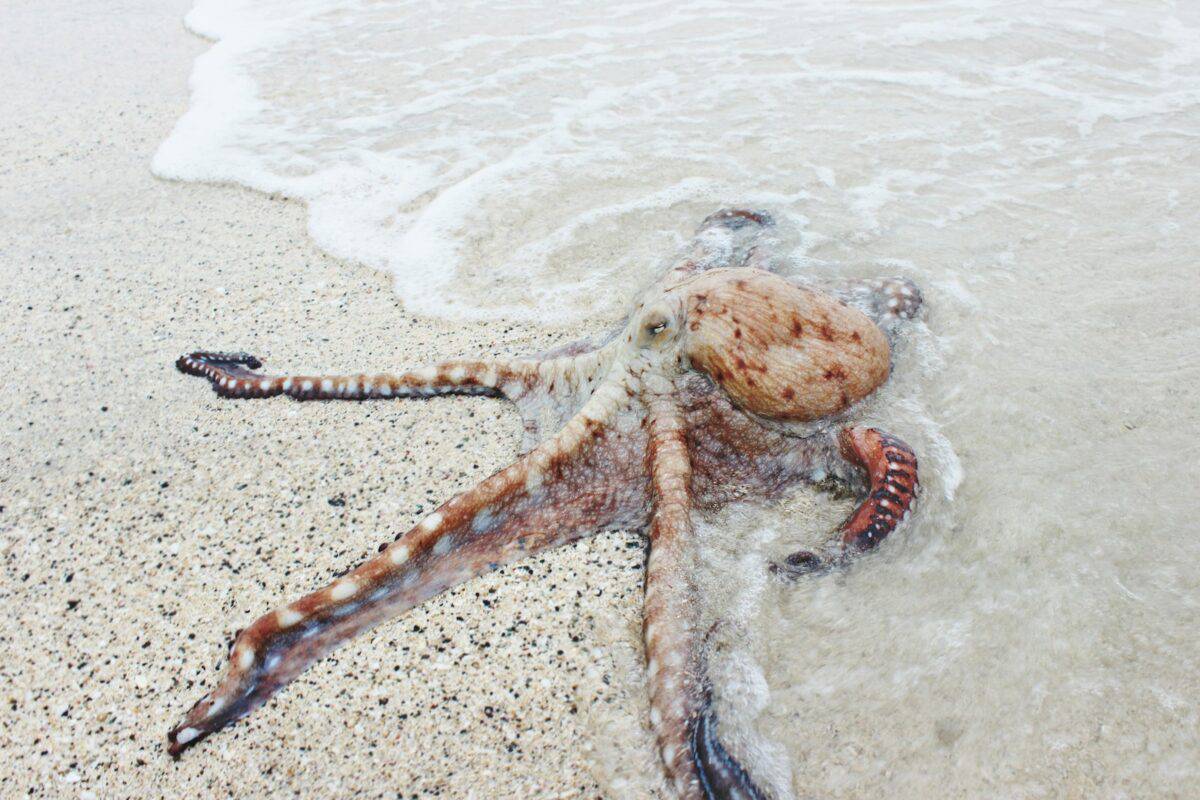
Scientists were flabbergasted when they documented octopuses using coconut shells as portable shelters and defensive tools. Veined octopuses were observed collecting discarded coconut halves from the ocean floor, cleaning them out, and later assembling them to create protective shelters. This behavior constitutes true tool use, as the octopuses transported the shells specifically for future use. Even more remarkably, octopuses have been documented creating elaborate disguises by arranging shells, rocks, and plants on their bodies, demonstrating not only dexterity but potentially a form of self-awareness. These observations were particularly surprising because octopuses evolved along a completely different evolutionary path than vertebrates, suggesting that high intelligence and tool use can emerge through entirely different neurological structures and evolutionary pressures.
14. Bees Understanding the Concept of Zero
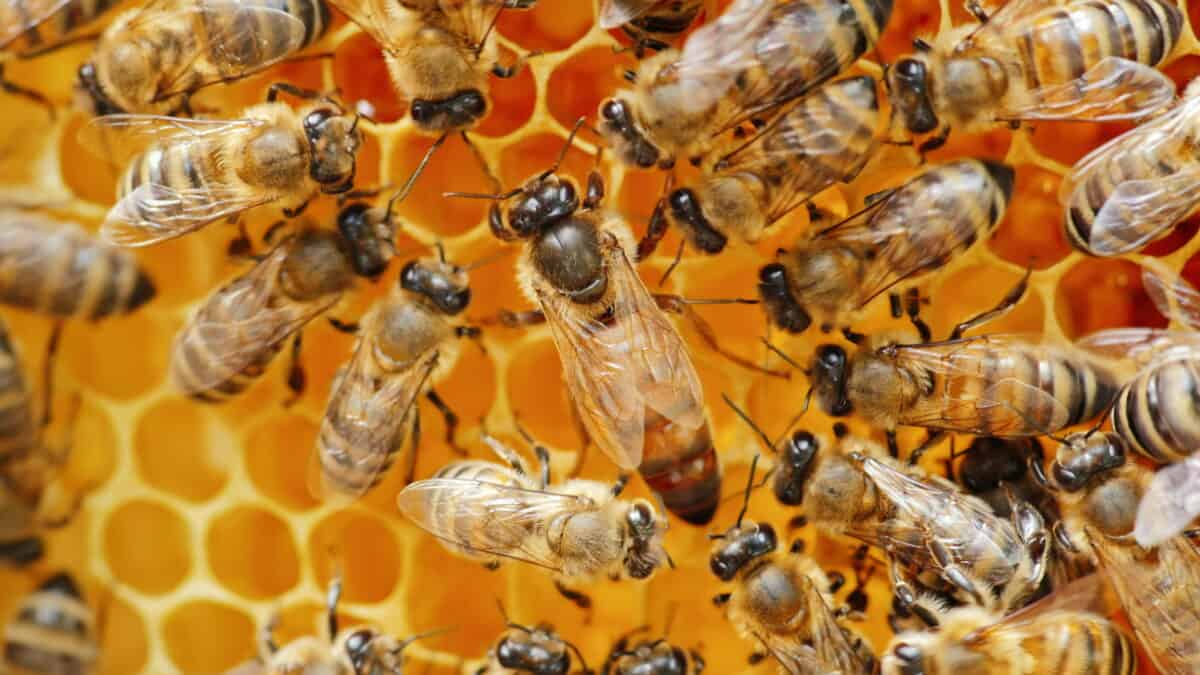
In a discovery that stunned mathematicians and biologists alike, honeybees demonstrated an understanding of the concept of zero—an abstract numerical concept previously thought to be grasped only by humans and a few other vertebrates with large brains. Researchers trained bees to understand that “less than” meant reward, then presented them with a choice between various numbers of shapes and an empty display. Remarkably, the bees consistently recognized the empty display as representing the lowest value in the numerical continuum. This understanding of zero as a quantitative concept is sophisticated enough that it doesn’t appear in human cultures until relatively recently in history. The fact that insects with brains containing fewer than a million neurons could grasp this abstract concept forced scientists to reconsider the neural requirements for complex cognition and the evolutionary pathways that lead to mathematical thinking.
13. Elephants Holding Funeral Rituals

Elephant behavior around their dead has profoundly moved and shocked researchers studying these majestic creatures. When an elephant dies, its herd members often gather around the body, touching it gently with their trunks in what appears to be a mourning ritual. Even more remarkably, elephants have been observed returning to the site of a family member’s death years later, seemingly recognizing the bones and paying special attention to the skull and tusks. In some documented cases, elephants have covered deceased herd members with branches and dirt in apparent burial behavior. They’ve even been known to visit and attend to the remains of unrelated elephants. These complex mourning behaviors suggest a level of emotional processing and perhaps even a concept of death that scientists previously considered unique to humans, raising profound questions about elephant consciousness and the universality of grief across species.
12. Chimpanzees Self-Medicating with Plants

Primatologists were astonished when they first documented chimpanzees deliberately selecting and consuming specific plants with medicinal properties when ill. This behavior, known as zoopharmacognosy, revealed that chimps possess sophisticated knowledge of their environment’s pharmacological properties. For example, chimpanzees suffering from intestinal parasites have been observed folding and swallowing the rough leaves of plants like Aspilia, which have antiparasitic properties. The leaves aren’t chewed but swallowed whole, allowing the rough surfaces to scrape parasites from intestinal walls. What particularly surprised researchers was that this knowledge appeared to be culturally transmitted, with young chimps learning from observing adults. This discovery not only revolutionized our understanding of animal self-awareness but also led to new investigations in ethnopharmacology, with researchers now studying animal self-medication for potential human medical applications.
11. Archerfish Calculating Complex Physics
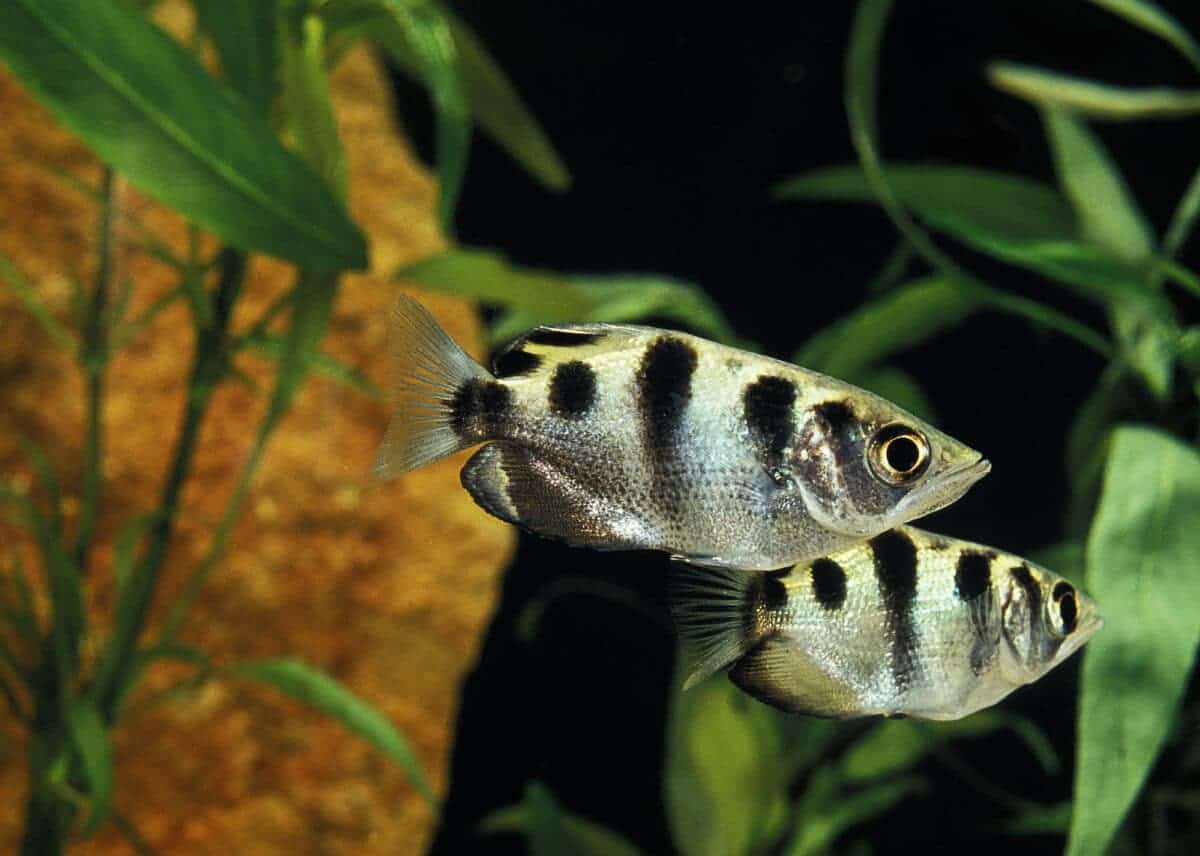
Scientists were astounded when they discovered that archerfish can perform complex physics calculations to hunt their prey. These remarkable fish shoot down insects above the water’s surface by spitting precisely aimed jets of water. What makes this behavior extraordinary is that archerfish must account for light refraction at the water-air interface—a physics problem that would challenge many human students. Furthermore, they must calculate the appropriate force needed based on the prey’s height and weight. Through high-speed video analysis, researchers found that archerfish can learn to hit moving targets, adjusting their aim to intercept prey’s anticipated position. Most impressively, they can accomplish these calculations with a brain roughly the size of a grain of rice. This discovery challenged fundamental assumptions about the neural requirements for complex computation and suggested that sophisticated problem-solving abilities might be more widespread in the animal kingdom than previously believed.
10. Rats Showing Empathy and Altruism

In a series of experiments that overturned long-held views about rodent psychology, scientists discovered that rats display remarkable empathy and altruistic behavior. In one groundbreaking study, rats consistently freed trapped cage-mates, even when they received no reward for doing so. Even more surprisingly, when given a choice between freeing a trapped rat and accessing chocolate—a favorite treat—many rats would free their companion first and then share the chocolate reward. In other experiments, rats avoided actions that would cause pain to other rats, even when it meant forgoing food rewards. These findings stunned researchers who had previously considered empathy a uniquely human trait or at least limited to highly social mammals like primates and elephants. The discovery suggested that the evolutionary roots of empathy and prosocial behavior are much deeper than previously thought, forcing a reconsideration of the emotional lives of many animals previously dismissed as simple or instinct-driven.
9. Mantis Shrimp’s Unprecedented Color Vision

The discovery of the mantis shrimp’s visual system left vision scientists utterly astounded. While humans have three types of color-receptive cones in our eyes, mantis shrimp possess an extraordinary 16 different photoreceptor types. Initially, researchers assumed this meant mantis shrimp could perceive a vastly richer color world than humans. However, subsequent research revealed something even more shocking: mantis shrimp don’t process color information like any other known animal. Rather than comparing inputs from different receptors as humans do, mantis shrimp appear to use a system more akin to satellite remote sensing, recognizing colors almost instantly without complex neural processing. This entirely novel visual system forced scientists to reconsider fundamental principles of visual processing and color perception. The mantis shrimp’s eyes also detect polarized light and multiple UV wavelengths invisible to humans, giving them a perceptual world so alien that researchers are still struggling to comprehend what the world “looks like” to these remarkable creatures.
8. Slime Molds Solving Complex Problems

Scientists were left in disbelief when single-celled slime molds demonstrated the ability to solve complex optimization problems without any brain or central nervous system. In a landmark experiment, researchers arranged oat flakes in the pattern of Japanese cities around Tokyo, then introduced the slime mold Physarum polycephalum. Astonishingly, the organism grew to connect the food sources in a pattern remarkably similar to the Japanese rail system—a design that took human engineers years to optimize. In subsequent experiments, slime molds solved maze puzzles, created efficient networks, and even “remembered” environmental conditions they had previously encountered, despite lacking any neurons. These discoveries fundamentally challenged our understanding of intelligence and problem-solving, suggesting that complex computational abilities can emerge from simple biological rules without centralized processing. The findings have inspired new algorithms in computer science and network design, demonstrating how insights from even the simplest organisms can lead to technological breakthroughs.
7. Whales Having Regional Dialects and Cultural Transmission

Marine biologists were astonished when they discovered that humpback whales have distinct regional “dialects” in their songs and engage in complex cultural transmission of these vocalizations. Male humpbacks produce elaborate songs that can last up to 30 minutes and follow specific structural rules. What shocked researchers was the discovery that whales within a specific ocean region all sing the same version of the song, which gradually evolves over time. Even more remarkably, these song patterns can spread across ocean basins, with whales from one region adopting songs from another group they encounter during migration—a form of cultural horizontal transmission previously thought to be uniquely human. In one documented case, a song pattern originating in Australia spread eastward across the South Pacific over just two years, with each population adopting the new “hit song.” This discovery forced scientists to reconsider their understanding of cetacean communication and raised profound questions about whale culture, tradition, and possibly even aesthetic preferences.
6. Ants Creating Sophisticated Agricultural Systems

Myrmecologists were astounded when they fully understood the complexity of leafcutter ant agriculture, which predates human farming by over 50 million years. These remarkable insects don’t directly consume the leaves they harvest; instead, they use them as substrate to cultivate specific fungal species in underground chambers under carefully controlled conditions. What particularly shocked researchers was discovering that these ants practice sophisticated crop management, including waste disposal, pest control, and environmental regulation of temperature and humidity. They even produce antibiotics from glands to suppress unwanted mold growth that might contaminate their fungal crops. Further research revealed that different ant species cultivate different fungal strains, with some engaging in the equivalent of selective breeding over millions of years. This agricultural system is so sophisticated and efficient that it’s now studied by human agricultural scientists looking for sustainable farming insights, demonstrating how non-human species can develop complex systems that parallel our own technological achievements.
5. Birds Passing Cultural Knowledge Across Generations
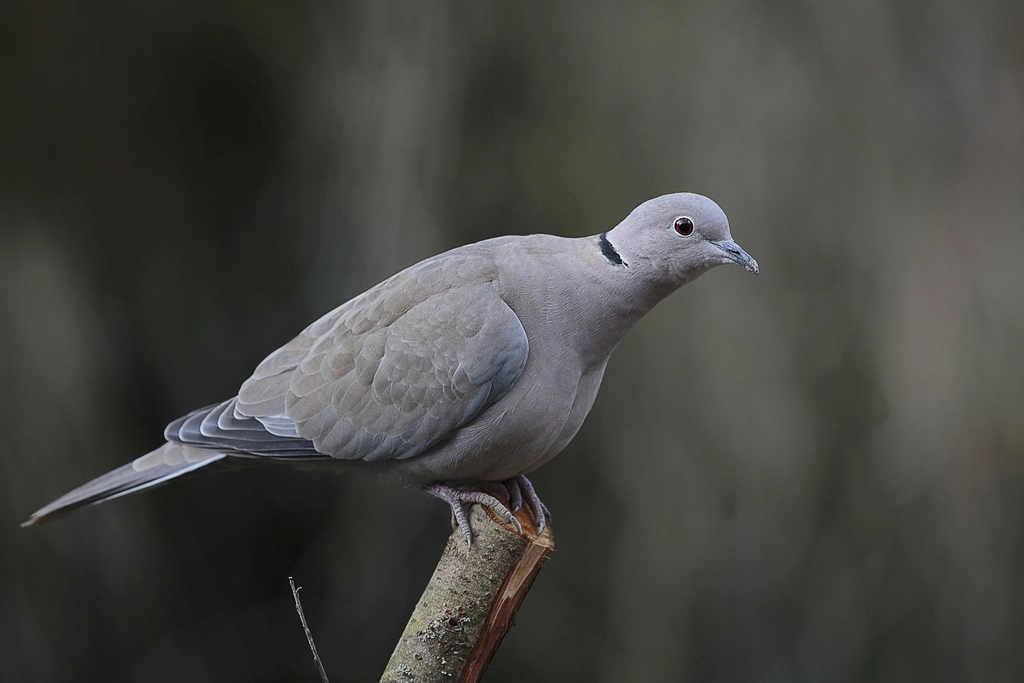
Ornithologists were stunned when they documented complex cultural transmission in wild bird populations. In one famous case in England, blue tits learned to pierce the foil caps of milk bottles left on doorsteps to drink the cream inside. This behavior spread rapidly across bird populations, with detailed records showing how the knowledge diffused geographically over decades. Even more remarkably, when researchers introduced novel puzzle-solving techniques to isolated populations of great tits, they observed these behaviors spreading through social networks and being faithfully transmitted to subsequent generations, creating distinct “cultural traditions” in different populations. In New Caledonia, scientists discovered that crow tool-making techniques vary between regions, with specific design features passed down through generations like human craft traditions. These discoveries challenged the traditional view that only humans possess cumulative culture—where innovations build upon previous knowledge across generations—and suggested that the foundations of cultural evolution may be more widespread in the animal kingdom than previously recognized.
4. Spiders Building Decoy Versions of Themselves
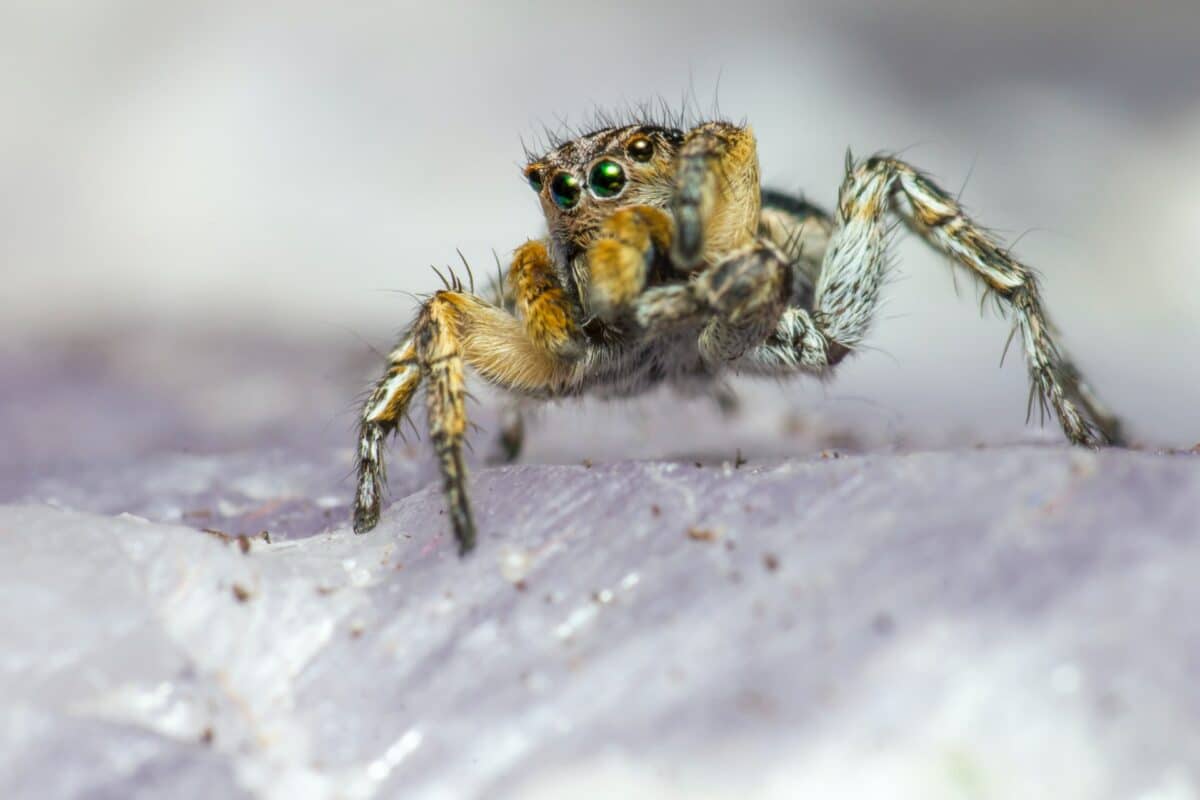
Arachnologists were left astounded when they discovered certain spider species creating detailed “decoy spiders” from debris, leaves, and dead insects. The Cyclosa spider of the Amazon constructs elaborate dummy spiders, complete with eight legs, which they position in their webs. These decoys serve as predator deterrents and potential targets for attackers, increasing the real spider’s chances of survival. What particularly shocked researchers was the apparent intentionality behind these constructions—the spiders weren’t just randomly decorating their webs but creating specific forms that resembled themselves. In some cases, when researchers removed the decoys, the spiders immediately began rebuilding them, suggesting they recognized the defensive value of these structures. This discovery challenged assumptions about arachnid cognitive abilities and raised questions about how such complex behavior could evolve in animals with relatively simple nervous systems. It also prompted new investigations into potential forms of self-recognition or body-image representation in invertebrates previously thought incapable of such sophisticated cognition.
3. Fish Using Tools and Collaborating
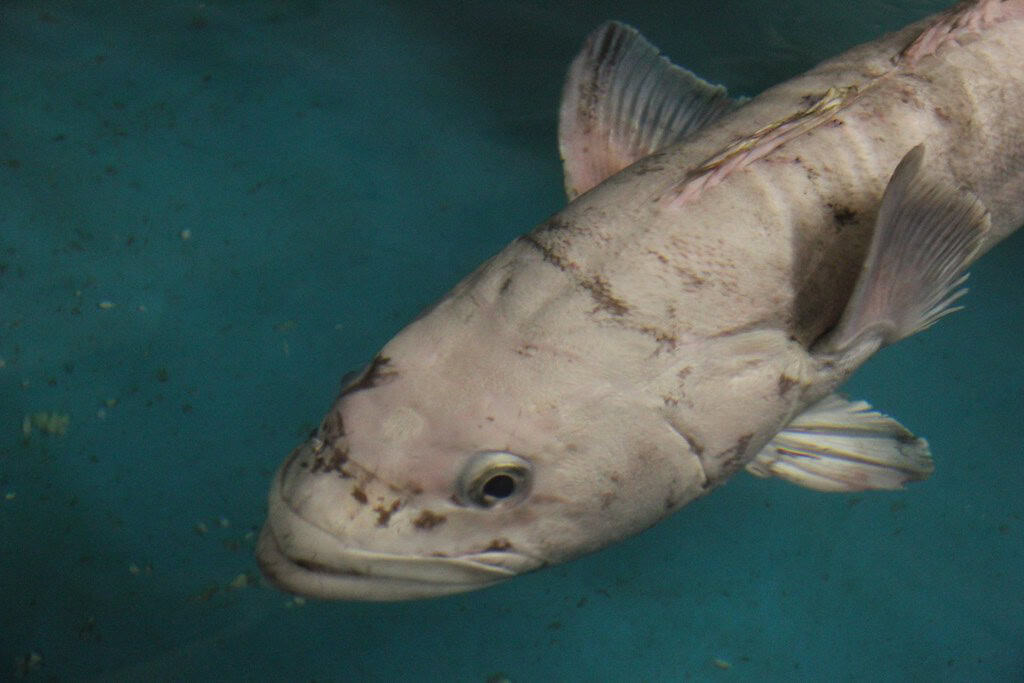
Marine biologists were astonished when they documented tool use and collaboration in fish species, behaviors previously considered far beyond their cognitive capabilities. In one remarkable observation, tuskfish were filmed using rocks as anvils to crack open clams, carefully selecting appropriate stones and transporting them to feeding areas. Even more surprising was the discovery that groupers and moray eels engage in cooperative hunting—with groupers using specific head gestures to recruit morays and then waiting for them to flush prey from crevices where groupers cannot reach. The two species then share the catch, demonstrating true cooperative behavior. In laboratory settings, fish demonstrated even more sophisticated abilities, including recognizing themselves in mirrors, learning by observation, and solving multi-step problems. These discoveries fundamentally challenged the dismissive “fish brain” stereotype and forced a reconsideration of cognitive evolution in vertebrates. Given that fish represent the oldest vertebrate lineage, these findings suggest that the foundations for complex cognition evolved much earlier in evolutionary history than previously thought.
2. Plants Communicating and Warning Each Other

While not animals, the discovery that plants actively communicate with each other was so shocking to science that it deserves mention. Botanists were stunned when they found evidence that trees and other plants warn each other of dangers through underground fungal networks and airborne chemical signals. When certain trees are attacked by insects, they release specific volatile compounds that signal neighboring plants to increase their defensive compounds before being attacked themselves. Research revealed that through mycorrhizal fungal networks connecting their roots—sometimes called the “Wood Wide Web”—trees can exchange carbon, nutrients, and alarm signals across considerable distances. Perhaps most astonishingly, studies indicated that parent trees recognize and preferentially send resources to their seedlings through these networks, suggesting a form of kin recognition. These discoveries challenged the fundamental notion of plants as passive organisms and has led to an entirely new field of plant communication studies, forcing scientists to reconsider what constitutes communication and social behavior in biology.
1. Cockatoos Learning to Open Trash Bins

Behavioral ecologists were astounded when they documented the rapid spread of trash bin opening behavior among urban cockatoos in Sydney, Australia. In a remarkable example of animal cultural evolution in real-time, sulphur-crested cockatoos learned to open residential garbage bins through a complex sequence of movements: lifting the heavy lid, holding it open, walking along the rim, and flipping the lid over. What particularly shocked researchers was how quickly this behavior spread geographically, with distinct regional variations in technique—essentially different “dialects” of bin-opening. Through careful mapping of the behavior’s appearance across suburbs, scientists confirmed this was genuine social learning rather than individual discovery, as the behavior spread outward from initial innovation points. The cockatoos even engaged in a technological arms race with humans, as residents developed increasingly sophisticated bin locks, which some birds subsequently learned to defeat. This study provided one of the clearest documented cases of cultural transmission in wild animals and demonstrated how urban environments create new selection pressures driving cognitive evolution.
Conclusion:

These 17 astonishing discoveries reveal that the animal kingdom is far more complex, intelligent, and emotionally rich than once believed. From crows crafting tools to dolphins using names, from slime molds solving engineering problems to cockatoos adapting to urban life, each of these examples has shattered preconceived notions about what non-human creatures are capable of. Far from being driven by instinct alone, many animals display creativity, empathy, culture, and even a sense of play—traits once thought to be the exclusive domain of humans. Together, these revelations are not just curiosities; they force us to reevaluate our place in the natural world and the cognitive boundaries we once imagined between ourselves and other species. As research continues, one thing becomes clear: the more closely we look at animal behavior, the more we realize how much we still have to learn—and how much more intelligent, adaptable, and emotionally complex the animal world truly is.

As a little kid, I fell in love with nature, wildlife, and animals. Living in the USA, South Africa, Italy, China and Germany gave me the opportunity to discover the world's Wildlife. My favorite animals are Mountain Gorillas, Siberian Tigers, and Great White Sharks.
I'm a certified PADI Open Water Diver, went to Everest Base Camp and Trekked Gorillas in Uganda. I hold a Master of Science in Economics and Finance.
Please send any feedback to feedback@animalsaroundtheglobe.com
- 11 Most Endangered Insects Buzzing in America Today - July 22, 2026
- 10 Most Frequently Googled Animal Birth Facts - July 22, 2026
- 10 Incredible Migration Journeys in the Animal Kingdom - July 22, 2026