

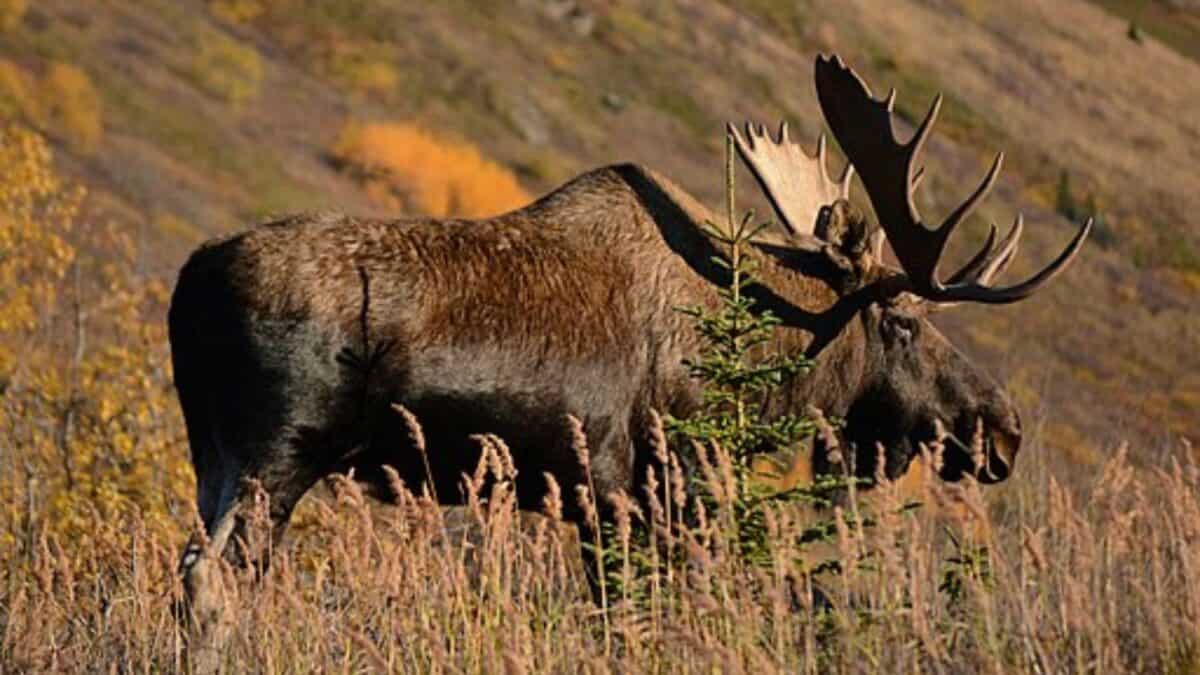
The majestic moose is one of Minnesota’s most iconic wildlife species. Found primarily in the northeastern part of the state, moose are adapted to the region’s cold climate and dense forests. These enormous animals, recognized by their large, palmate antlers and long legs, are solitary creatures that spend much of their time browsing shrubs, aquatic plants, and tree leaves. Moose have declined in recent years due to factors such as habitat loss, disease, and climate change, prompting conservation efforts to ensure their survival.
Gray Wolf

The gray wolf, often referred to as the timber wolf, plays a vital role in Minnesota’s ecosystem by maintaining healthy populations of prey species, such as deer. Once on the brink of extinction due to human persecution and habitat loss, gray wolves have made a remarkable comeback in Minnesota. The state now boasts one of the largest populations of gray wolves in the contiguous United States, predominantly inhabiting the forested areas of northern Minnesota. Their haunting howls are a reminder of the wildness that still exists in these regions.
Bald Eagle

Minnesota is home to a thriving population of bald eagles, the national bird and symbol of the United States. These majestic birds of prey can be found near bodies of water such as lakes and rivers, where they hunt for fish, their primary food source. Conservation efforts in the latter half of the 20th century helped bald eagles recover from the brink of extinction due to DDT pesticide use. Today, Minnesota provides a welcoming habitat with ample nesting sites and a healthy food supply, making it one of the best places in the country to witness these powerful birds in flight.
American Black Bear

The American black bear, Minnesota’s only bear species, is abundant in the state’s forested regions. Although generally shy and reclusive, these bears sometimes wander into developed areas in search of food, especially during the fall when they are preparing for hibernation. Black bears are omnivorous, feeding on a variety of foods ranging from berries and nuts to insects and carrion. Proper management and public education efforts have been pivotal in minimizing human-bear conflicts, ensuring a peaceful coexistence.
White-tailed Deer
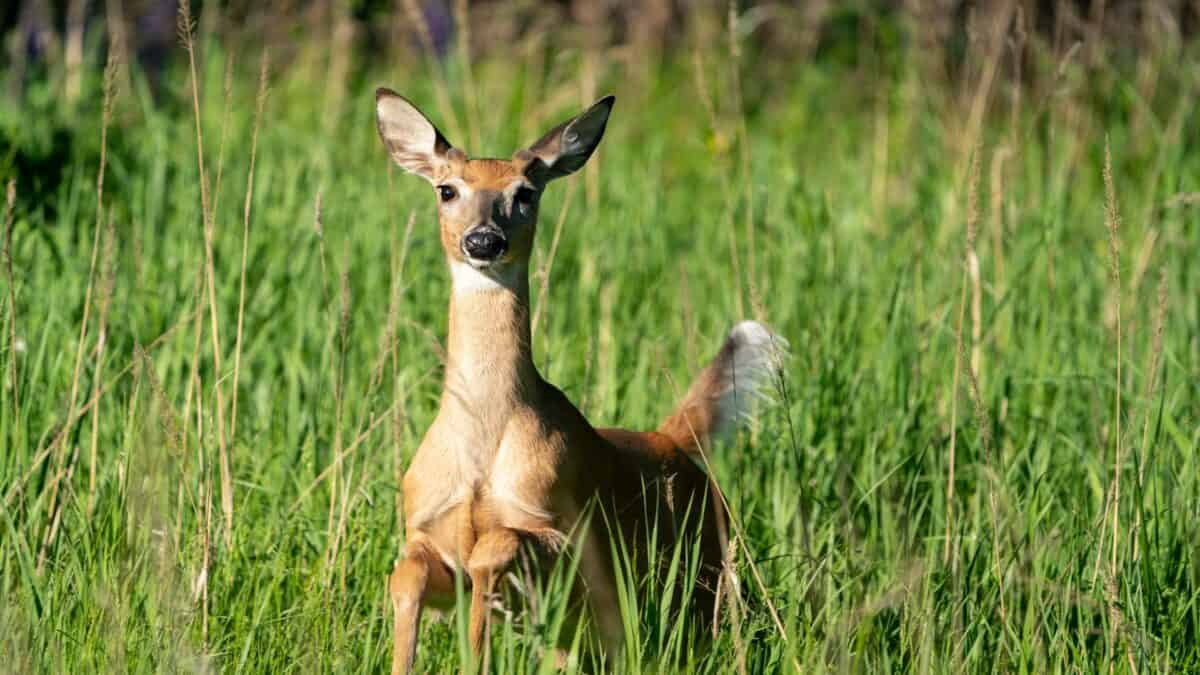
White-tailed deer are widespread throughout Minnesota and are highly valued both for wildlife observation and as a game species. Known for their adaptability, they inhabit diverse environments, from woodlands to agricultural areas. Recognizable by the characteristic white underside of their tails, these deer are an integral part of the state’s natural heritage. However, their populations need to be carefully managed to prevent overgrazing and to minimize vehicular collisions, especially in urban-adjacent regions.
Common Loon
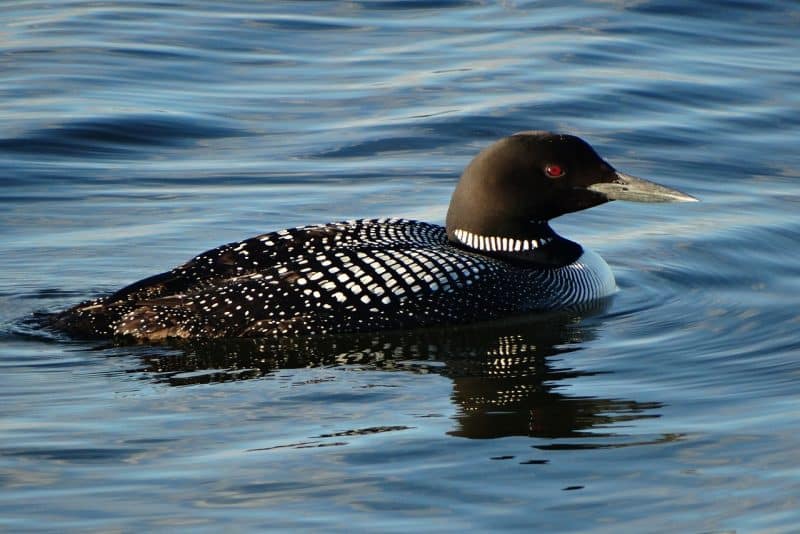
The common loon, Minnesota’s state bird, is famous for its haunting calls and striking black-and-white plumage. Loons are often seen gliding across the state’s many lakes and diving underwater in search of fish. They require clear, unpolluted water for hunting and nesting, making them excellent indicators of a healthy aquatic environment. Protecting their habitat is crucial for maintaining loon populations, as they face threats from pollution, shoreline development, and watercraft disturbances.
Canada Lynx
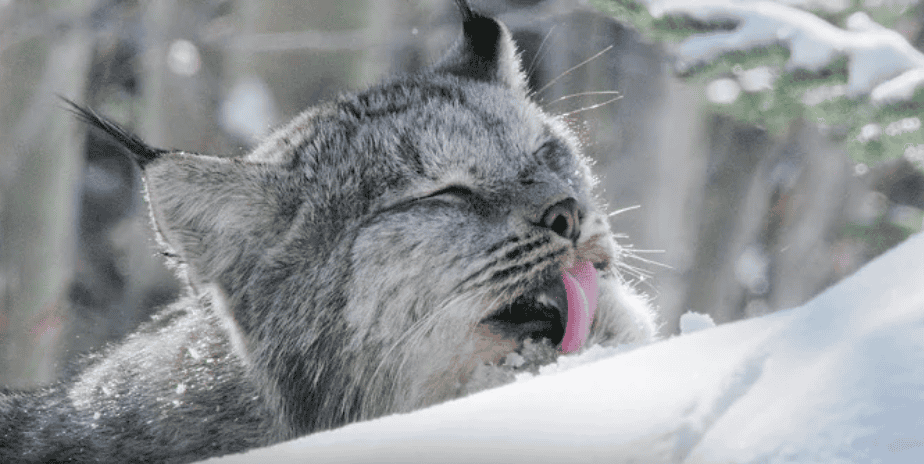
The elusive Canada lynx is one of Minnesota’s rarest carnivores, located mainly in the boreal forests of the northeastern part of the state. Adapted to snowy environments with their large, padded paws, lynx primarily hunt snowshoe hares. They are currently listed as a federally threatened species, with habitat preservation efforts playing a key role in their recovery. Spotting a Canada lynx in the wild is a rare and rewarding experience, showcasing the hidden biodiversity of Minnesota’s wilderness.
Trumpeter Swan

Once on the brink of extinction, the elegant trumpeter swan has made a remarkable recovery in Minnesota. The state now hosts a significant portion of the Midwest’s trumpeter swan population. Recognizable by their all-white plumage and black bills, these birds are the largest waterfowl in North America. They mainly inhabit shallow lakes and wetlands where they feed on aquatic vegetation. Conservation efforts, including reintroduction programs and habitat restoration, have been crucial to the swan’s resurgence.
Great Gray Owl
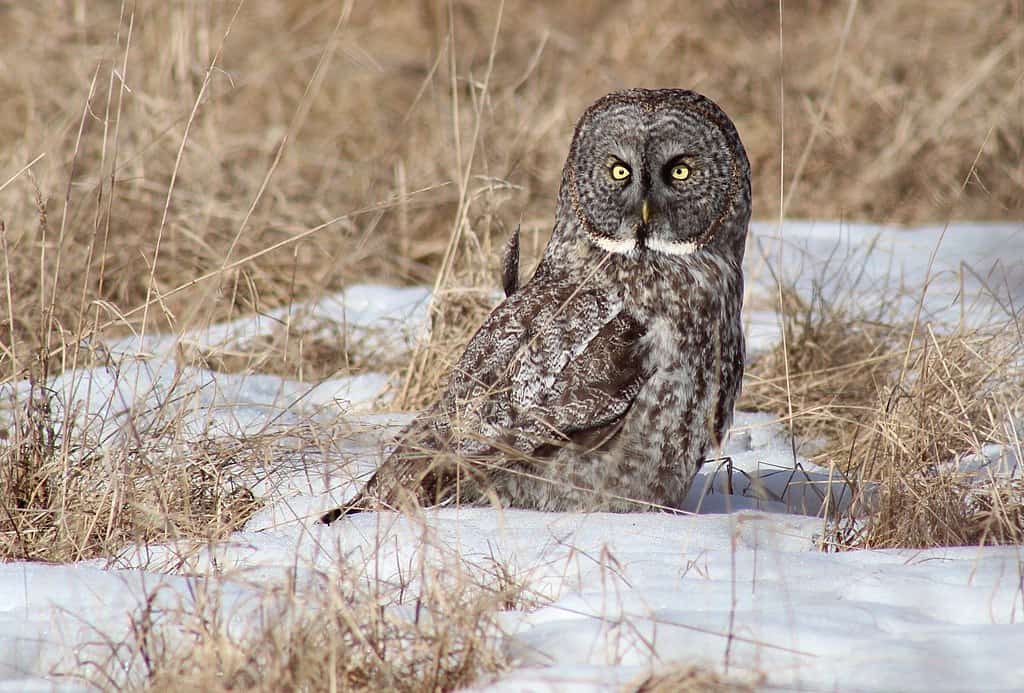
The great gray owl, one of the world’s largest owl species, can be found in the coniferous forests of northern Minnesota. Known for their ghostly appearance and throaty calls, these owls are elusive and seldom seen, making sightings particularly special. Great gray owls rely on their acute hearing to hunt voles and other small mammals beneath the snow. Their presence in Minnesota highlights the state’s commitment to maintaining its diverse and unique wildlife habitats.
Eastern Timber Rattlesnake
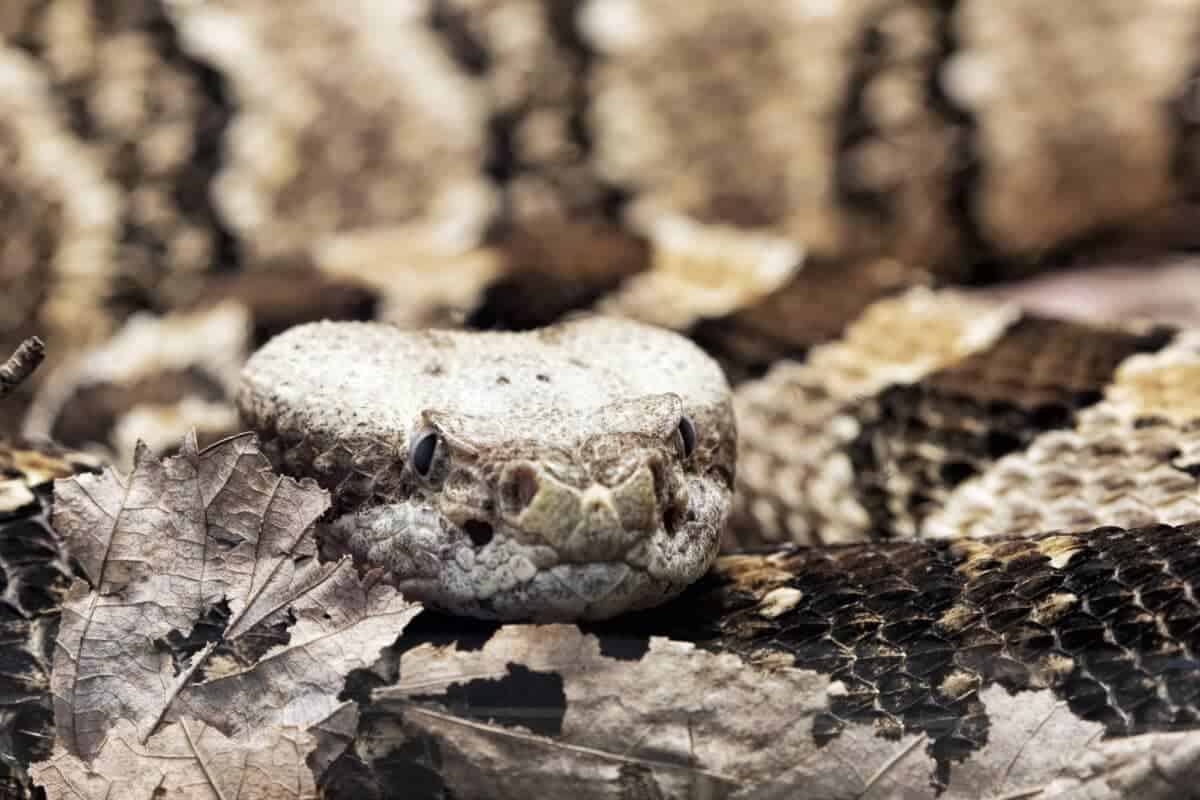
Found primarily in the blufflands of southeastern Minnesota, the eastern timber rattlesnake is a species of special concern due to its declining habitat and human-induced threats. Although its presence can cause fear, these snakes are generally non-aggressive and play a role in controlling rodent populations. Efforts to educate the public about the ecological benefits of timber rattlesnakes, along with habitat conservation, are key to maintaining their populations in Minnesota’s ecosystems.
Minnesota’s rich and varied wildlife is a testament to the state’s diverse ecosystems, from dense forests and pristine lakes to vibrant wetlands. Each of these species plays an essential role in maintaining the ecological balance, and efforts to preserve and protect their habitats ensure that future generations can continue to enjoy the natural splendor of the North Star State.

As a little kid, I fell in love with nature, wildlife, and animals. Living in the USA, South Africa, Italy, China and Germany gave me the opportunity to discover the world's Wildlife. My favorite animals are Mountain Gorillas, Siberian Tigers, and Great White Sharks.
I'm a certified PADI Open Water Diver, went to Everest Base Camp and Trekked Gorillas in Uganda. I hold a Master of Science in Economics and Finance.
Please send any feedback to feedback@animalsaroundtheglobe.com
- 13 Cat Breeds That Get Along with Dogs - July 20, 2026
- The 12 Largest Dog Breeds That Still Love to Cuddle - July 20, 2026
- 12 Pet Habits That Secretly Mean They Love You - July 20, 2026