

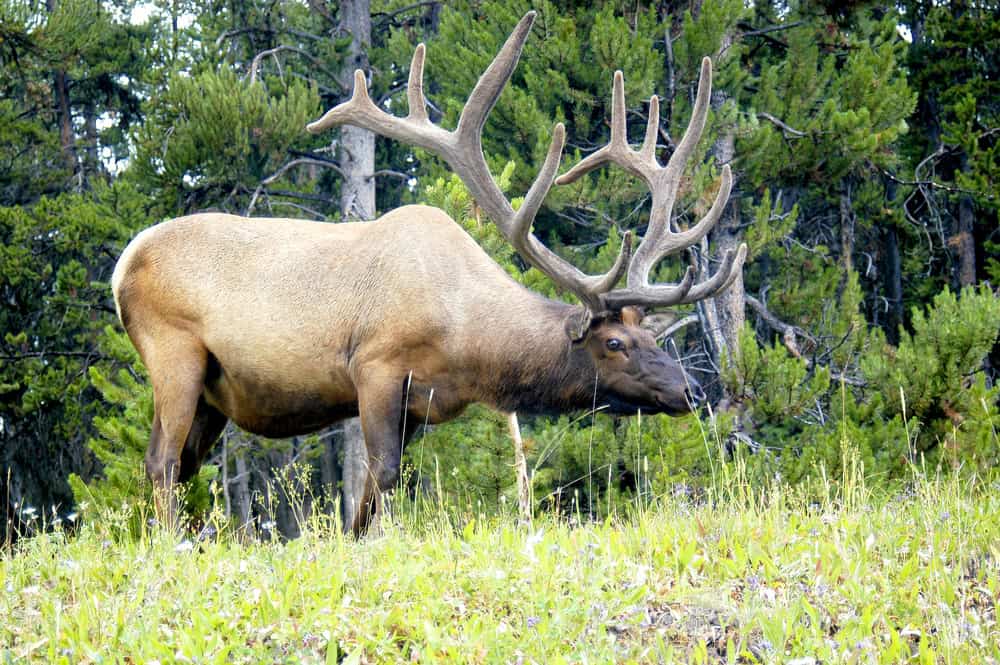
North American forests pulse with life, their rhythms and patterns shaped by countless interactions between species. Among these forest architects, few wield as much transformative power as the majestic elk (Cervus canadensis). Standing tall with impressive antlers and weighing up to 700 pounds, these magnificent ungulates don’t merely inhabit forests—they fundamentally redesign them. From the soil microbiome to the canopy structure, from predator populations to plant diversity, elk function as ecosystem engineers whose presence or absence triggers cascading effects throughout entire landscapes. Their browsing habits, migration patterns, and even their deaths contribute to forest health and biodiversity in ways that scientists are still uncovering. This article explores the profound and often surprising ways that elk shape the ecosystems they inhabit, revealing how the conservation of this single species helps preserve entire forest communities across North America.
The Evolutionary History of Elk in North America

Elk have been shaping North American landscapes for hundreds of thousands of years. These magnificent ungulates evolved from Eurasian ancestors that crossed the Bering Land Bridge approximately 120,000 years ago during the Pleistocene epoch. As they spread across the continent, they co-evolved with North American plant communities, developing relationships that would define forest ecosystems for millennia. Before European colonization, an estimated 10 million elk roamed North America, ranging from northern Mexico to Alaska and from the Pacific to the Atlantic coasts.
This widespread distribution meant that elk influenced virtually every forest type on the continent. Their numbers dramatically declined in the 19th and early 20th centuries due to unregulated hunting and habitat loss, with populations dropping to fewer than 50,000 animals. Conservation efforts in the past century have helped elk recover to approximately 1 million individuals today, though their range remains significantly reduced. This historical context is crucial for understanding how dramatically elk populations have fluctuated—and how these fluctuations have transformed forest ecosystems over time.
Architects of Forest Structure Through Browsing

Elk are selective browsers and grazers, consuming up to 20 pounds of vegetation daily. This feeding behavior directly shapes forest composition and structure. By preferentially browsing certain plant species—particularly palatable woody plants like aspen, willow, and maple saplings—elk create what ecologists call “browsing lawns” where certain plants are kept perpetually young through repeated pruning. In areas with high elk concentrations, this selective pressure can completely alter forest succession patterns, preventing some tree species from reaching maturity.
Research in Rocky Mountain National Park has demonstrated that intense elk browsing has reduced aspen recruitment by up to 90% in some areas, dramatically changing what would otherwise be diverse mixed forests into more uniform conifer stands. Similarly, studies in Yellowstone have shown that when elk populations were at their peak, riparian willow communities declined significantly. The resulting forest structure affects everything from fire regimes to wildlife habitat availability. In this way, elk don’t just live in forests—they actively determine which plant species will dominate and how the forest will physically develop over decades.
Soil Engineers: How Elk Hooves and Waste Transform Forest Floors

The impact of elk extends beneath the forest canopy to the very soil that sustains all life. Each elk produces approximately 15 pounds of nutrient-rich waste daily, depositing roughly 2.7 tons of organic matter annually across their range. This continuous fertilization process redistributes nutrients throughout the ecosystem, accelerating decomposition rates and enhancing soil fertility. Researchers have found that areas with regular elk activity typically show higher nitrogen availability—a critical limiting nutrient in many forest ecosystems.
Beyond their waste contributions, elk physically transform soil structure through their movements. Their sharp hooves break up compacted soil, improving aeration and water infiltration while creating microsites where seeds can establish. During spring thaws, this trampling action can reduce soil erosion by breaking up ice sheets that might otherwise carry away topsoil during melt events. These soil modifications create heterogeneity in the forest floor—patches of different soil conditions that support greater plant diversity. One study in Olympic National Park found that soil in heavily used elk areas contained up to 25% more organic matter and supported 30% higher microbial activity compared to similar forest patches without elk presence.
Riparian Zone Remodeling and Waterway Management

Riparian zones—the transitional areas between land and streams or rivers—experience some of the most dramatic elk-driven transformations in forest ecosystems. Elk’s preference for browsing on willow, cottonwood, and other water-loving woody plants directly shapes streamside vegetation. When elk populations are high, intensive browsing can reduce riparian vegetation height and density, which in turn affects stream morphology, temperature, and aquatic ecosystems. Without tall vegetation shading streams, water temperatures rise, potentially stressing cold-water fish species like trout.
The relationship between elk and waterways became dramatically clear in Yellowstone National Park following wolf reintroduction in 1995. As wolves began regulating elk populations and changing elk behavior, stream-side willows rebounded in many areas. This vegetation recovery stabilized stream banks, narrowed and deepened channels, reduced water temperatures, and created better habitat for fish and aquatic invertebrates. Beaver populations subsequently increased as food and building materials became more abundant, further transforming waterways. Research has documented stream sections with recovered riparian vegetation showing up to 33% higher aquatic invertebrate diversity and biomass—demonstrating how elk-influenced vegetation changes can ripple through multiple ecosystem components.
Seed Dispersal: Elk as Forest Planters

Elk serve as important long-distance seed dispersers in forest ecosystems. Seeds from dozens of plant species catch in their fur or pass through their digestive systems, traveling miles before being deposited in new locations. One study identified over 30 different plant species whose seeds were effectively transported by elk. This seed dispersal function is particularly valuable for maintaining genetic connectivity between isolated plant populations and for helping plants migrate in response to climate change.
The effectiveness of elk as seed dispersers stems from their wide-ranging movement patterns and incomplete digestion of plant materials. Seeds that pass through their digestive tract often show enhanced germination rates due to scarification from stomach acids and enzymes. Additionally, these seeds arrive pre-fertilized in a package of nutrient-rich manure, giving them a competitive advantage for establishment. Research in Colorado found that seeds dispersed by elk had germination rates up to 30% higher than control seeds, and the resulting seedlings showed faster initial growth. This ecosystem service becomes especially important in fragmented forest landscapes where natural corridors for plant dispersal have been disrupted by human development.
Creating Wildlife Habitat Mosaics

Elk browsing patterns create habitat diversity that benefits countless other forest species. By selectively feeding in some areas while avoiding others, elk create a patchwork of different vegetation structures across the landscape. These habitat mosaics support greater biodiversity than more uniform forests. Areas heavily browsed by elk develop more open understories with increased herbaceous ground cover, benefiting ground-nesting birds and small mammals. Meanwhile, less browsed patches maintain denser vegetation that provides cover for other wildlife species.
Research in the Greater Yellowstone Ecosystem has documented how these elk-created habitat mosaics support more diverse bird communities. Areas with intermediate levels of elk browsing typically host the highest avian diversity, containing both edge-specialist and forest-interior bird species. Similarly, the varied snow conditions created by patchy forest structures provide critical winter habitat options for other ungulates like deer and moose. One study found that forest patches subject to moderate elk browsing supported up to 27% more vertebrate species than either heavily browsed or unbrowsed areas, demonstrating how elk activity creates the environmental heterogeneity necessary for maximum biodiversity.
Trophic Cascades: Elk as Prey and Their Impact on Predators

As primary prey for large carnivores, elk play a pivotal role in supporting predator populations and triggering trophic cascades—ecological chain reactions that affect multiple levels of the food web. Adult wolves require approximately 5-10 pounds of meat daily, meaning a single wolf pack of 6-8 individuals might consume 15-20 elk annually. Mountain lions, bears, and coyotes also rely heavily on elk, particularly vulnerable calves and winter-weakened adults. This predator-prey relationship shapes both predator populations and forest vegetation patterns.
The reintroduction of wolves to Yellowstone National Park provided a natural experiment demonstrating these cascading effects. As wolves returned, they not only reduced elk numbers but also changed elk behavior. Elk began avoiding certain high-risk areas, creating “landscapes of fear” where browsing pressure decreased significantly. This behavioral shift allowed aspen, willow, and cottonwood to regenerate in these predator-rich zones. Research has documented 250-300% increases in the height of woody plants in some riparian areas following wolf reintroduction. These vegetation changes subsequently benefited beaver, songbird, and fish populations, illustrating how the elk-predator relationship reverberates throughout entire ecosystems.
Migration Patterns and Nutrient Transport

Elk undertake some of North America’s most impressive ungulate migrations, with some herds traveling over 60 miles between summer and winter ranges. These seasonal movements function as biological pumps that transport nutrients across landscapes. During summer, elk feed in high-elevation meadows and forests, converting plant matter into body mass. When they migrate to lower elevations for winter, they effectively transport those nutrients to new areas through their waste and, eventually, their bodies when they die.
This nutrient translocation has measurable effects on forest productivity. Research in the Greater Yellowstone Ecosystem has shown that areas along migration corridors and winter ranges receive significant nutrient subsidies from migrating elk. Nitrogen isotope analyses have confirmed that plants growing in these areas derive a substantial portion of their nitrogen from elk-transported sources. One study estimated that a single elk herd of 1,000 animals transports approximately 3,300 pounds of nitrogen annually between seasonal ranges. As development increasingly fragments migration routes, these crucial nutrient transport services are threatened, potentially affecting forest productivity across large landscapes.
Elk Mortality and Forest Nutrient Cycling
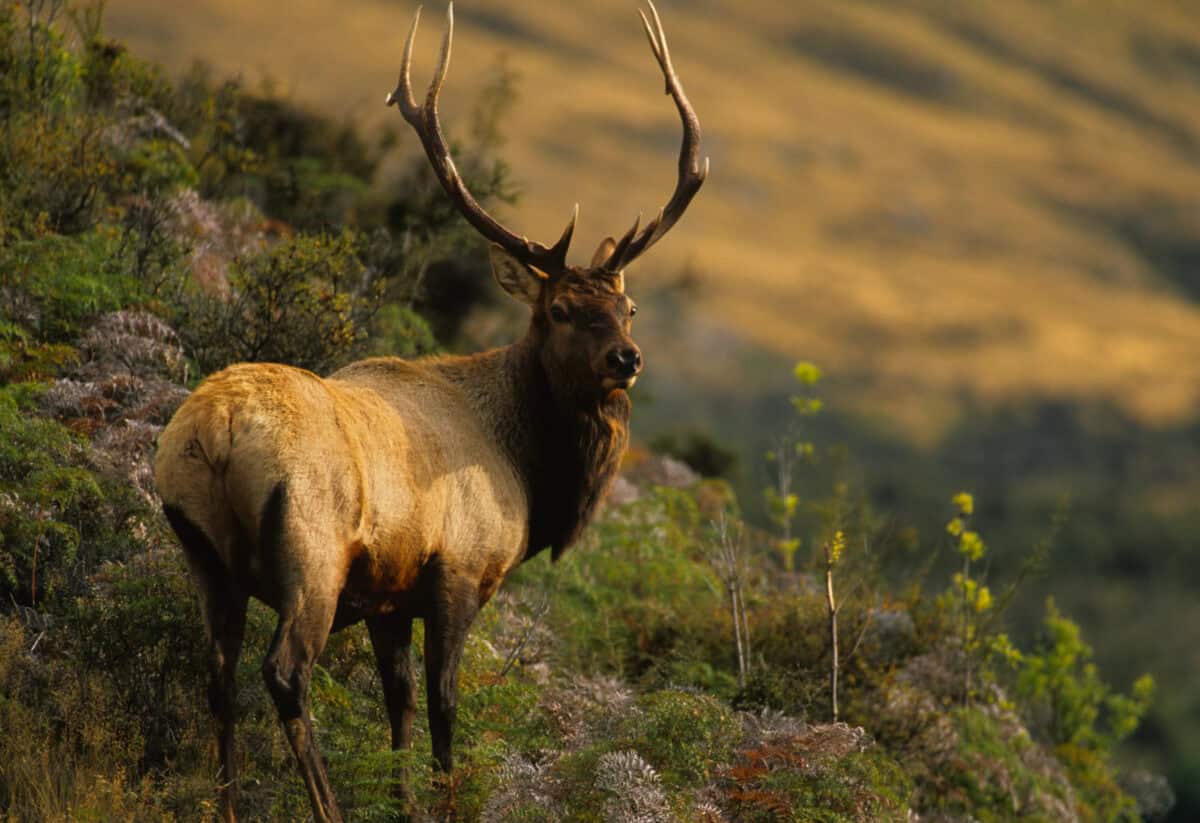
Even in death, elk continue to influence forest ecosystems. When an elk dies, its carcass creates a concentrated nutrient hotspot that can affect soil chemistry and plant growth for years. A single adult elk carcass contributes approximately 170 pounds of nitrogen, 44 pounds of phosphorus, and 18 pounds of calcium to the immediate environment—nutrients that are otherwise often limiting in forest ecosystems. These nutrient pulses can increase soil fertility within a 50-square-foot area for 3-5 years following decomposition.
Beyond soil enrichment, elk carcasses support a remarkable diversity of scavengers and decomposers. Over 30 vertebrate scavenger species have been documented feeding on elk remains, from ravens and eagles to bears and wolves. Below ground, specialized invertebrates and microorganisms process the remaining tissues. Research has recorded more than 400 insect species associated with large ungulate carcasses during various decomposition stages. This necromass-supported biodiversity contributes to essential ecosystem services like nutrient cycling and waste removal. In this way, elk continue their ecosystem engineering role even after death, creating biological hotspots that enhance forest productivity and biodiversity.
Influence on Forest Fire Regimes

Elk browsing significantly influences forest fire behavior by altering fuel loads and vegetation structure. By selectively removing young trees and shrubs, elk can create natural firebreaks and reduce ladder fuels—vegetation that allows flames to climb from the forest floor into the canopy. In areas with healthy elk populations, their browsing may reduce understory biomass by 20-40%, potentially lowering fire intensity and slowing fire spread rates. This fire-moderating effect is particularly important in dry forest types prone to wildfire.
Conversely, in some ecosystems, elk exclusion can lead to increased fire risk. When elk populations decline or are fenced out of areas, the resulting accumulation of woody vegetation can create dangerous fuel conditions. Research in Rocky Mountain aspen stands found that plots protected from elk browsing had 45% higher fine fuel loads compared to browsed plots. Forest managers increasingly recognize the potential role of elk as natural partners in fire risk reduction. Some forest restoration projects now deliberately incorporate ungulate browsing pressure as a maintenance tool following initial mechanical thinning treatments, acknowledging the historic role elk played in maintaining fire-adapted forest structures.
Human Management and Mismanagement: Consequences for Forests
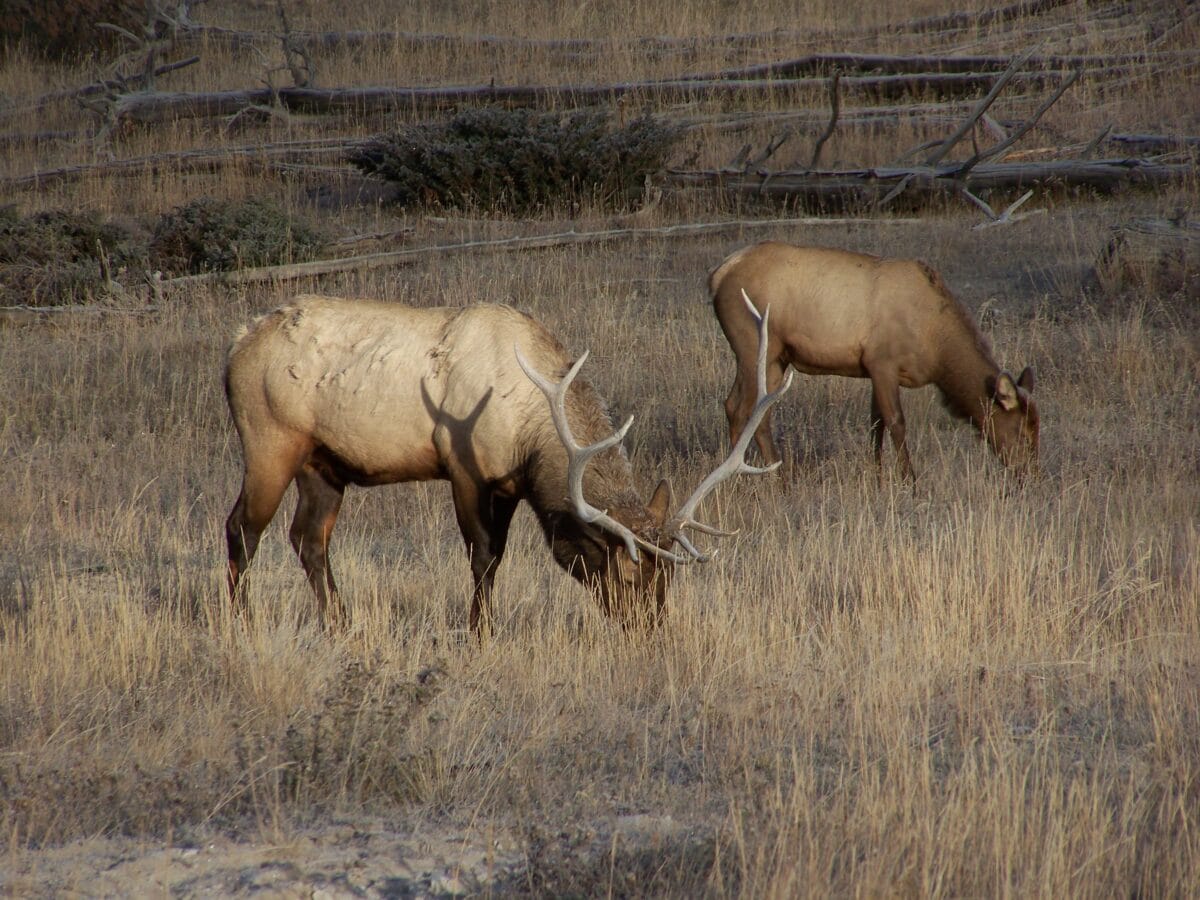
Human management decisions regarding elk populations have profound consequences for forest ecosystems. In areas where natural predators have been eliminated and hunting is restricted, elk populations can reach unnaturally high densities. Yellowstone National Park experienced this situation in the decades before wolf reintroduction, with elk numbers reaching approximately 19,000 animals—far above what the ecosystem could sustainably support. This overabundance led to severe overbrowsing, reduced plant diversity, and deteriorating habitat conditions for numerous other species.
Conversely, the elimination of elk from parts of their historic range has created “ecology of absence” scenarios where forest processes evolve without the influence of these keystone herbivores. In eastern forests where elk were extirpated in the 19th century, plant communities have developed without browsing pressure for generations, potentially making them vulnerable to elk reintroduction. Current management approaches increasingly recognize the need for science-based population targets that balance elk numbers with ecosystem carrying capacity. Adaptive management techniques—including adjusting hunting quotas, habitat enhancement, and in some cases predator protection—aim to maintain elk populations at levels that support ecosystem health while providing sustainable hunting opportunities and wildlife viewing.
Conservation Challenges in the 21st Century

Elk and the forest ecosystems they shape face numerous 21st-century challenges. Habitat fragmentation from development, roads, and energy infrastructure increasingly disrupts migration corridors that elk have used for millennia. One study documented a 40% reduction in functional connectivity across historical elk ranges in the western United States over the past 30 years. Climate change adds additional stress, altering plant phenology and potentially creating mismatches between elk calving times and peak forage availability. Rising temperatures and changing precipitation patterns are also shifting the elevational range of key plant species that elk depend on.
Disease presents another significant concern. Chronic wasting disease (CWD), a fatal prion disorder affecting cervids, continues to spread across North America. Where CWD becomes endemic, it can reduce elk populations by 10-15% annually, potentially leading to cascading ecological effects if populations decline significantly. Conservation efforts increasingly focus on landscape-scale approaches that protect not just core habitat but also the movement corridors between seasonal ranges. Programs like the National Elk Refuge in Wyoming and various state wildlife management areas aim to provide crucial winter habitat, while collaborative initiatives between government agencies, private landowners, and conservation organizations work to maintain connectivity across increasingly fragmented landscapes.
Conclusion: Elk as Keystone Species in Forest Conservation
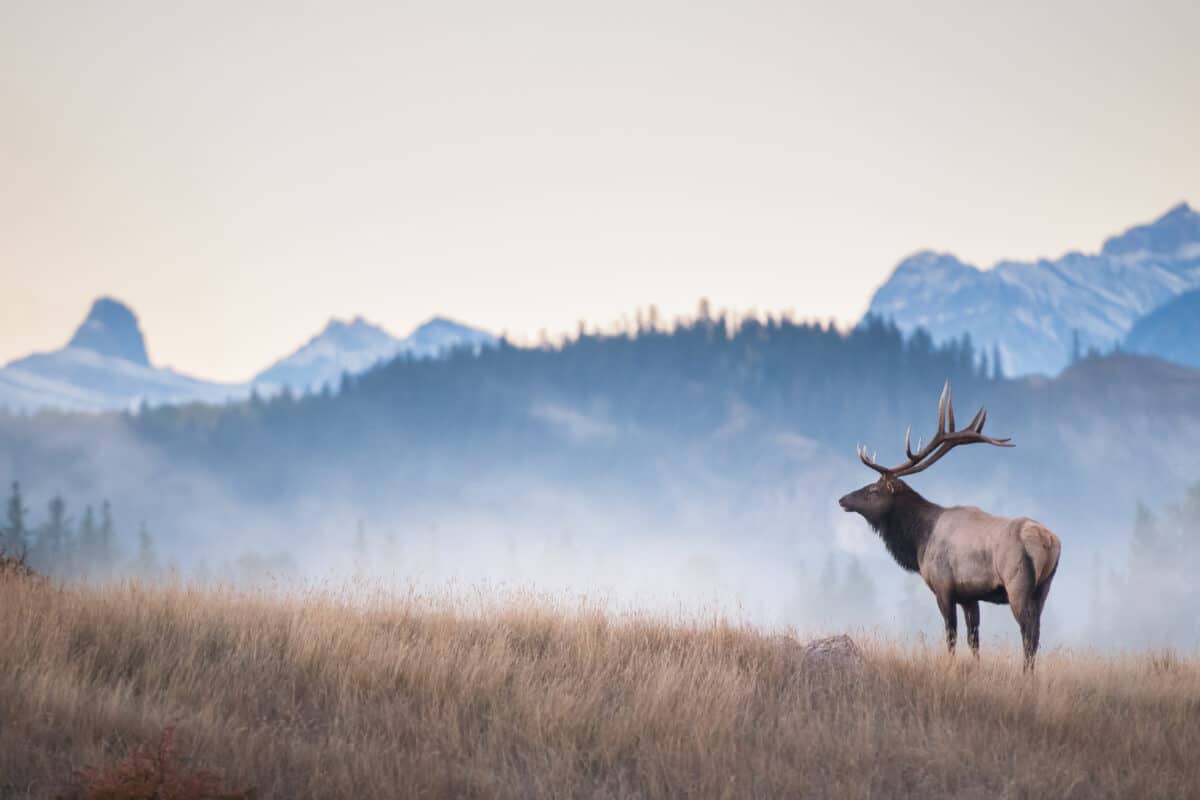
The intricate relationships between elk and North American forests demonstrate the concept of keystone species in action—organisms whose influence on ecosystems is disproportionately large relative to their abundance. Through their browsing, movement, nutrient transport, and interactions with predators, elk fundamentally shape forest structure, composition, and function across vast landscapes. The science is clear: healthy elk populations at appropriate densities contribute to more resilient, diverse, and productive forest ecosystems.
As we face growing environmental challenges, elk conservation represents far more than protecting a single charismatic species. It requires preserving entire ecological processes that maintain forest health. The recovery of elk across much of their western range stands as one of North America’s wildlife conservation success stories, but maintaining these gains requires continued vigilance and adaptive management. By protecting migration corridors, managing populations scientifically, and restoring predator-prey relationships where possible, we can ensure that elk continue their ecosystem engineering role.
The story of elk in North American forests ultimately reveals a profound ecological truth: no species exists in isolation. The health of forests depends on complex webs of interaction between organisms, and the removal or restoration of key players like elk triggers effects that ripple throughout entire ecosystems. As we look to the future of forest conservation, understanding and preserving these ecological relationships will be just as important as protecting the species themselves.
The magnificent elk, bugling across autumn valleys and shaping forests through the millennia, remind us that conservation success must be measured not just in population numbers, but in the preservation of ecological processes that maintain the integrity of entire ecosystems for generations to come.

From exploring the marine wonders in the Azores and witnessing the vast savannas of Kenya, to delving deep into the rich biodiversity of South Africa and traversing iconic landscapes in Australia and the US like Yellowstone, Chris's experiences are vast.
With a penchant for diving alongside sharks, the ocean holds a special place in his heart.
Through his academic insights, he champions wildlife conservation, striving with 'Animals Around The Globe' to cultivate a profound connection between humans and animals, enhancing our mutual appreciation.
Connect with him at Feedback@animalsaroundtheglobe.com.
- This “Zombie Deer” Disease Is Spreading—What to Know - July 23, 2026
- The Secret Lives of Wolves in Yellowstone at Night - July 23, 2026
- What Happens If We Stop Tagging Wild Animals? - July 23, 2026