
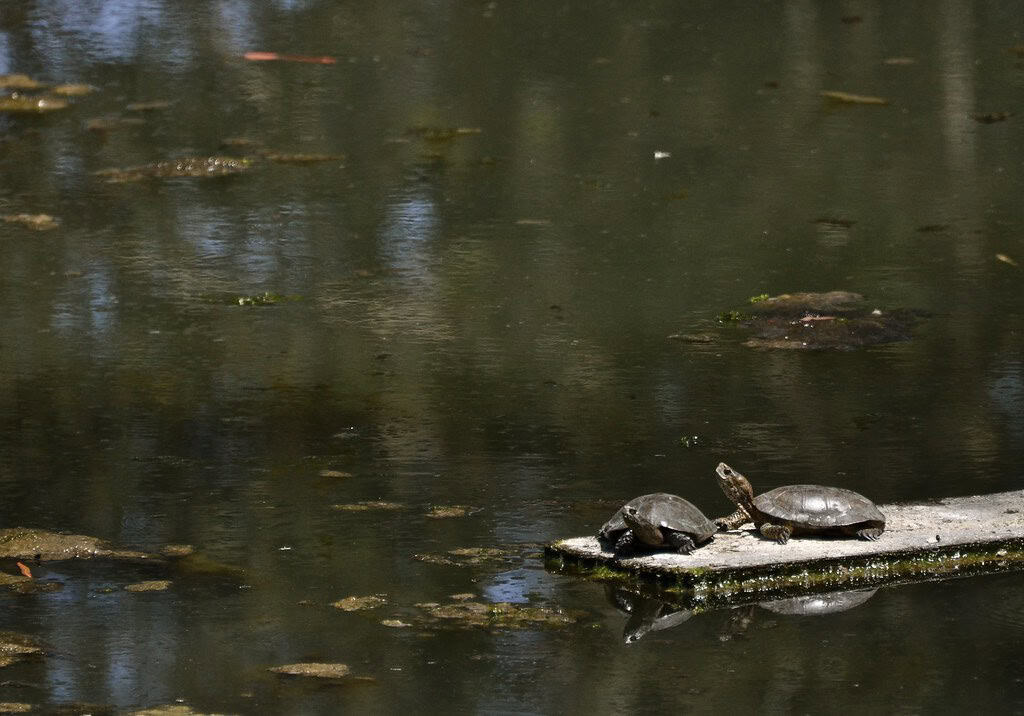
In a remarkable conservation success story, native turtle species are making a comeback in Yosemite National Park following an intensive effort to remove invasive American bullfrogs. This ecological restoration project represents years of dedicated work by park biologists, volunteers, and conservation partners who recognized the serious threat these non-native amphibians posed to the park’s delicate aquatic ecosystems. The return of native turtle populations marks a significant milestone in Yosemite’s ongoing efforts to restore balance to its natural habitats and protect its indigenous wildlife.
The Historical Presence of Native Turtles in Yosemite

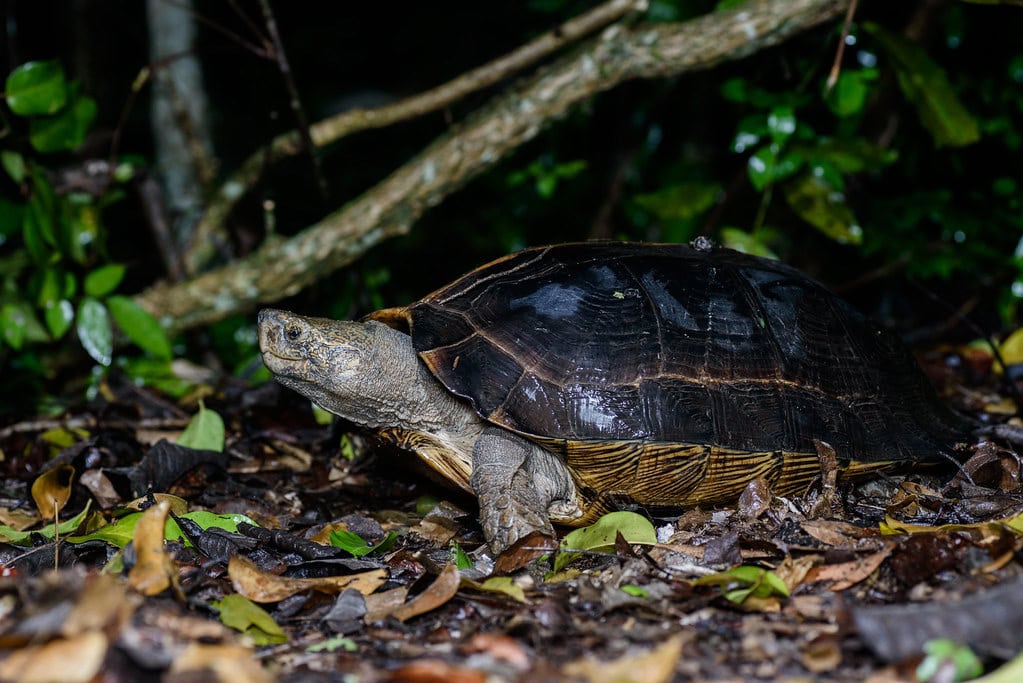
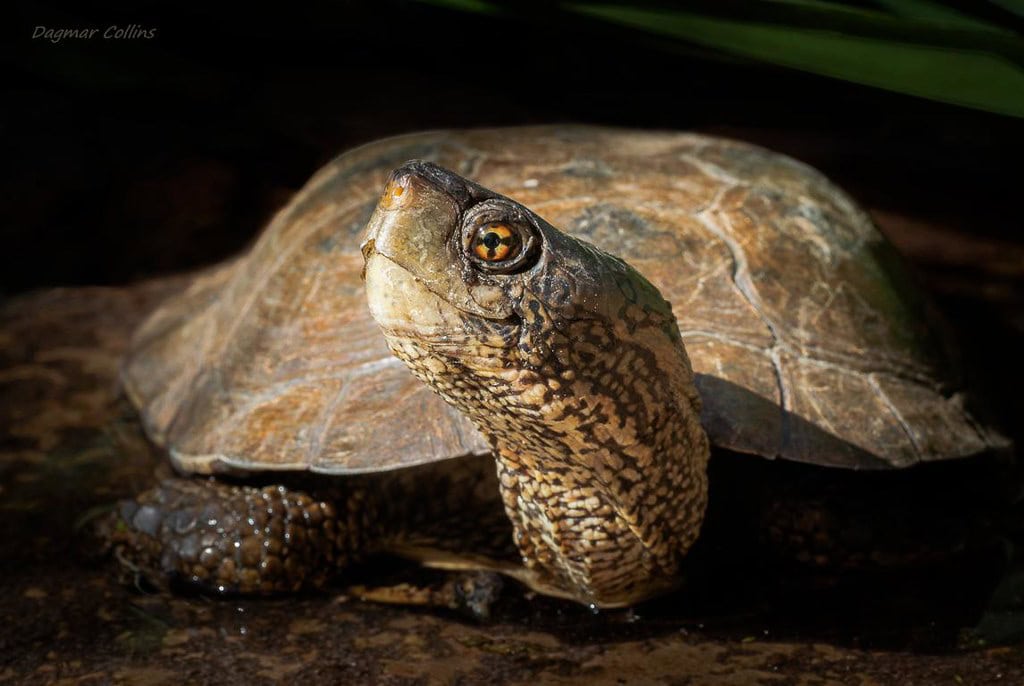
Before human intervention altered Yosemite’s ecosystems, western pond turtles (Actinemys marmorata) thrived in the park’s waterways. These semi-aquatic reptiles, California’s only native freshwater turtle species, once populated numerous ponds, slow-moving streams, and wetland areas throughout the Sierra Nevada range. Historical records and indigenous knowledge confirm that these turtles were abundant in what is now Yosemite National Park, serving as important components of the aquatic food web. Their presence dates back thousands of years, making them true native inhabitants that evolved alongside other indigenous species in a balanced ecosystem.
The Arrival and Impact of American Bullfrogs

American bullfrogs (Lithobates catesbeianus) were first introduced to California in the late 1800s as a food source. By the mid-20th century, they had established populations in Yosemite Valley’s waterways. Unlike native frogs, these invasive amphibians grow to enormous sizes—reaching up to 8 inches in length and weighing over a pound. Their voracious appetites and aggressive territorial behavior make them formidable predators. Bullfrogs consume virtually anything they can fit in their mouths, including fish, insects, birds, mammals, reptiles, and other amphibians. Most critically for turtle populations, they readily prey upon turtle hatchlings and juveniles, preventing successful reproduction and recruitment of new individuals into the population.
Western Pond Turtle: A Species Under Threat

The western pond turtle holds a precarious conservation status, currently listed as a Species of Special Concern in California and a candidate for federal protection under the Endangered Species Act. Once abundant throughout the western United States, these turtles have disappeared from approximately 80% of their historical range. Their decline stems from a perfect storm of threats: habitat loss from development and water diversion projects, collection for the pet trade, predation by non-native species, and disease. In Yosemite specifically, the introduction of bullfrogs dealt a severe blow to already struggling turtle populations. With adult turtles living up to 50 years but reproducing slowly, the constant predation of hatchlings by bullfrogs created a population unable to sustain itself.
The Ecological Importance of Native Turtles

Western pond turtles serve critical ecological functions within Yosemite’s aquatic systems. As omnivores that consume algae, plants, insects, and carrion, they help control invertebrate populations and contribute to nutrient cycling in aquatic ecosystems. Their feeding habits help maintain water quality by preventing excessive algal growth and removing decaying organic matter. Turtles also serve as prey for larger predators like raccoons, coyotes, and birds of prey, forming an important link in the food web. Additionally, these turtles act as seed dispersers for certain aquatic plants. The loss of these ecological services disrupts the delicate balance of the park’s aquatic ecosystems, highlighting why their restoration is crucial to overall environmental health.
Recognizing the Bullfrog Problem

By the early 2000s, park biologists had documented alarming declines in native amphibian and reptile populations throughout Yosemite’s valley floor. Surveys revealed that areas with established bullfrog populations showed dramatically reduced numbers of western pond turtles, with some locations recording no turtle sightings for years. Research confirmed that bullfrogs were not only directly consuming young turtles but also outcompeting them for food resources and basking sites. The introduced amphibians also served as reservoirs for the chytrid fungus (Batrachochytrium dendrobatidis), a deadly pathogen affecting many amphibian species worldwide. Recognizing the severity of the situation, park management developed a comprehensive plan to address the bullfrog invasion as part of their ecological restoration efforts.
The Bullfrog Removal Campaign

In 2005, Yosemite National Park initiated an ambitious bullfrog removal program that would ultimately span more than a decade. The campaign employed multiple techniques, including nighttime hand-capturing using spotlights, deploying specialized traps, draining and filtering specific water bodies, and even using trained detection dogs to locate bullfrog egg masses. Park staff and volunteers logged thousands of hours wading through ponds, streams, and marshy areas to physically remove the invasive amphibians. The effort required persistence, as female bullfrogs can lay up to 20,000 eggs per clutch. Between 2005 and 2018, teams removed more than 7,000 adult bullfrogs and countless tadpoles and egg masses from Yosemite Valley waterways. By 2019, surveys indicated that several key water bodies were effectively bullfrog-free for the first time in decades.
Turtle Reintroduction Efforts
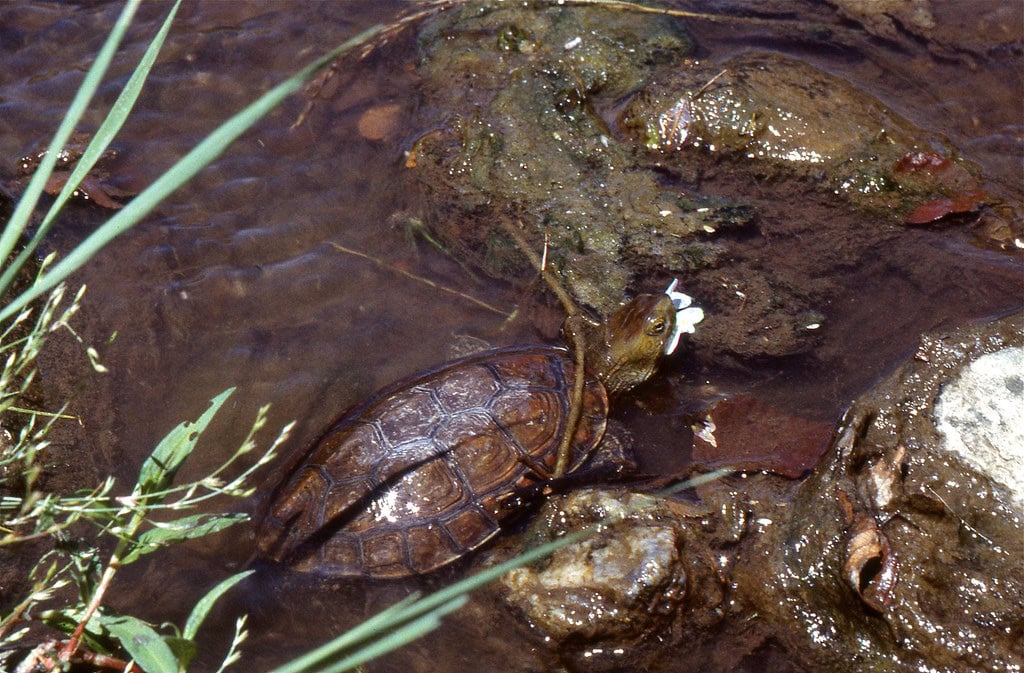
With bullfrog populations significantly reduced in key habitats, park biologists implemented the second phase of their restoration plan: reintroducing western pond turtles to their native waters. This delicate process began with a captive breeding program established in partnership with the San Francisco Zoo and the Oakland Zoo. Using genetic stock from turtles native to the Sierra Nevada region, specialists raised hatchlings in protected environments until they reached sizes that would make them less vulnerable to predation. The first reintroduction occurred in 2017, when 15 sub-adult turtles were released into a carefully monitored pond in Yosemite Valley. Each turtle was fitted with a radio transmitter to track its movements and survival. Subsequent releases have added dozens more turtles to various water bodies throughout the park, with genetic diversity carefully managed to ensure population viability.
Signs of Recovery: Monitoring Success

The years following the initial reintroductions have provided encouraging evidence of turtle recovery. Monitoring teams have documented high survival rates among reintroduced turtles, with many individuals establishing territories and demonstrating normal feeding, basking, and social behaviors. Most exciting for researchers was the 2021 discovery of the first confirmed wild-born turtle hatchlings in over 15 years, found near the shoreline of a restored pond. Regular surveys now show that turtles are utilizing multiple habitats throughout the valley, with some individuals making seasonal migrations between water bodies—a natural behavior that had disappeared during the height of the bullfrog invasion. Population models suggest that with continued protection, Yosemite’s western pond turtle population could reach self-sustaining levels within the next decade.
Habitat Restoration Components
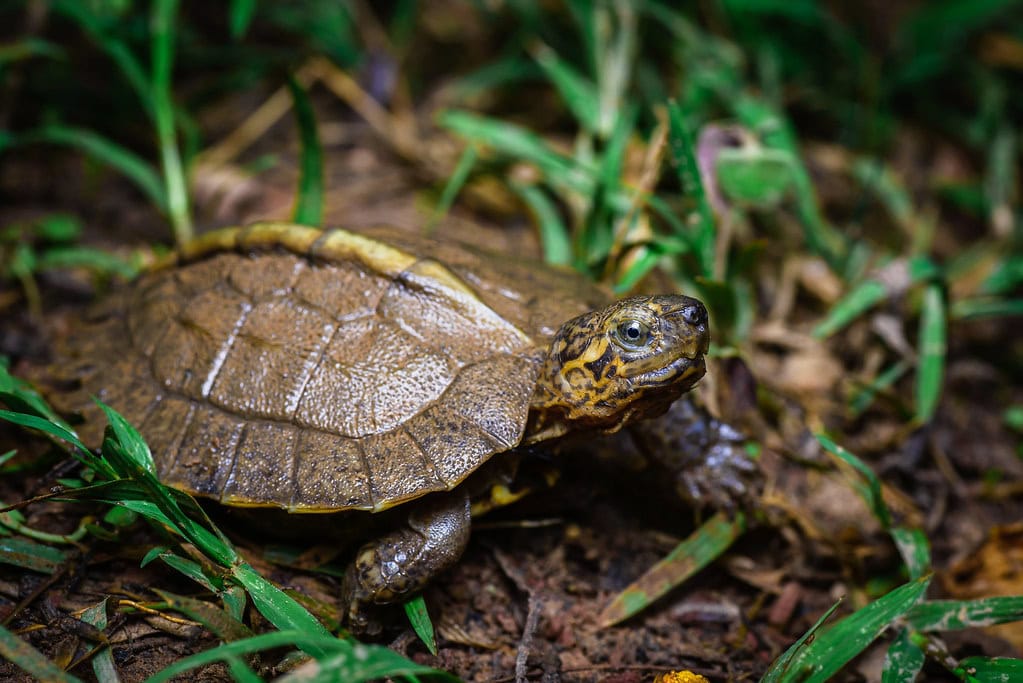
The success of turtle reintroduction depended not only on bullfrog removal but also on comprehensive habitat restoration. Park ecologists implemented several strategies to create optimal turtle habitat, including the installation of partially submerged logs and rocks for basking sites, restoration of native aquatic vegetation for cover and foraging, and creation of suitable nesting areas with well-drained soils in sunny locations near water bodies. Water quality improvement initiatives reduced pollution from visitor facilities that had historically affected aquatic ecosystems. Additionally, park staff restored natural hydrological patterns to some areas that had been altered by previous development, recreating seasonal wetlands that provide crucial breeding habitat. These habitat enhancements benefit not only turtles but the entire aquatic community, including native fish, amphibians, and invertebrates.
Ongoing Challenges and Vigilance
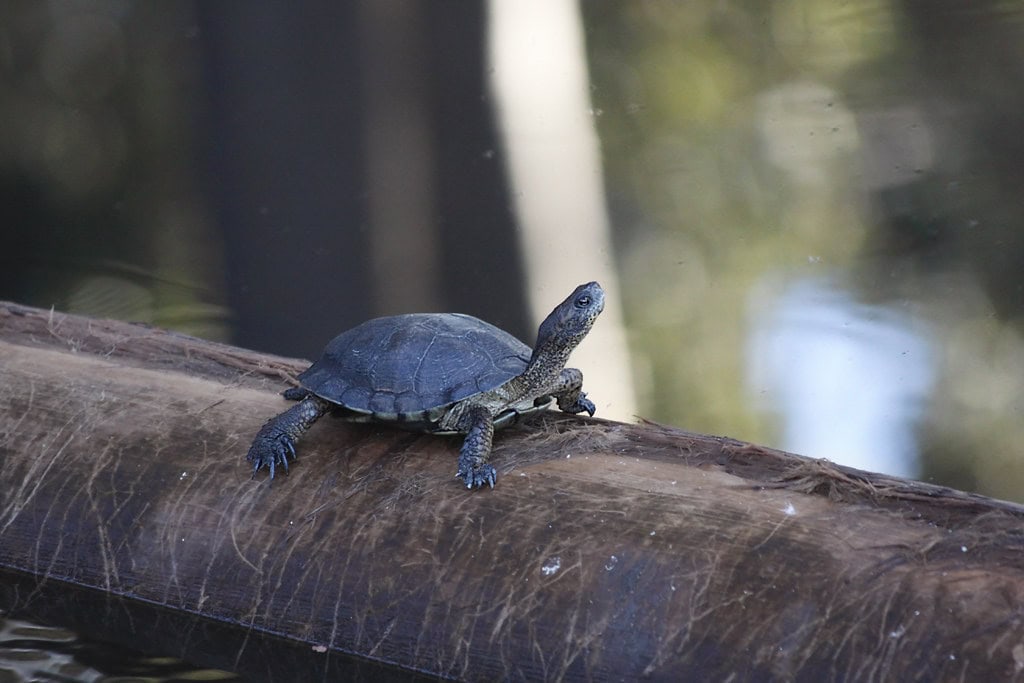
Despite significant progress, challenges remain in maintaining Yosemite’s turtle recovery. Bullfrog reinvasion presents a constant threat, as the species can travel overland during wet periods and potentially recolonize cleared areas. Park staff conduct regular monitoring surveys to detect and remove any bullfrogs before they can establish breeding populations. Climate change poses another challenge, as increasing temperatures and altered precipitation patterns affect water availability and quality in turtle habitats. Non-native predators like raccoons, whose populations have increased due to human food sources, can devastate turtle nests. To address these ongoing threats, the park maintains an early detection and rapid response protocol for invasive species and continues to adapt management strategies based on the latest scientific findings and observed population trends.
Educational Outreach and Public Involvement
Recognizing that visitor education plays a crucial role in conservation success, Yosemite has developed interpretive programs highlighting the turtle recovery story. Ranger-led programs, visitor center exhibits, and educational signage near turtle habitats inform park visitors about the ecological importance of native species and the threats posed by introduced organisms. The park’s “Turtle Talk” program has become particularly popular, offering visitors opportunities to learn about turtle biology and conservation while occasionally observing the reptiles in their natural habitat through spotting scopes. A citizen science initiative allows visitors to report turtle sightings through a smartphone app, providing valuable data for researchers while engaging the public in conservation efforts. School groups from surrounding communities participate in field trips focused on aquatic ecosystem restoration, creating the next generation of conservation advocates.
Broader Implications for Conservation

The successful return of western pond turtles to Yosemite serves as an important case study in invasive species management and ecological restoration. The project demonstrates that even well-established invasive populations can be effectively controlled with sufficient resources, scientific expertise, and commitment. Conservation biologists from other parks and protected areas have visited Yosemite to learn from this experience and apply similar techniques to their own ecosystems struggling with invasive species. The project highlights the importance of addressing multiple ecological factors simultaneously—removing invasive species, restoring habitat, and reintroducing native species—rather than focusing on single-factor approaches. Perhaps most significantly, the visible recovery of a charismatic species like the western pond turtle helps build public support for conservation efforts by providing tangible evidence that restoration efforts can succeed even after decades of ecological damage.
Conclusion: A Model for Ecological Restoration
The return of native turtles to Yosemite National Park represents one of the most successful wildlife restoration stories in recent National Park Service history. Through persistent effort, scientific management, and ecosystem-based approaches, park biologists have reversed what once seemed like an irreversible ecological change. The project demonstrates the resilience of natural systems when given appropriate protection and restoration support. As turtle populations continue to recover and expand throughout their historical range in the park, they serve as living ambassadors for conservation, reminding us that dedicated stewardship can heal even severely damaged ecosystems. Yosemite’s turtle restoration offers hope and practical lessons for similar efforts worldwide, proving that with determination and science-based management, we can indeed help nature reclaim its balance.

- Why You Should Never Approach a Sleeping Hippo - July 21, 2026
- The Truth About Hyena Intelligence and Social Power - July 21, 2026
- The Glasswing Butterfly: Nature’s Invisible Beauty - July 21, 2026