


In the animal kingdom, finding a mate is serious business. Evolution has equipped creatures with remarkable displays of song, dance, and even bioluminescence to attract potential partners. These courtship rituals not only showcase genetic fitness but also create some of nature’s most spectacular performances. From the depths of the ocean to tropical rainforests and suburban backyards, animals employ fascinating strategies to woo their prospective mates. Let’s explore 20 remarkable creatures that have evolved extraordinary ways to find love through singing, dancing, or glowing.
The Melodious Nightingale
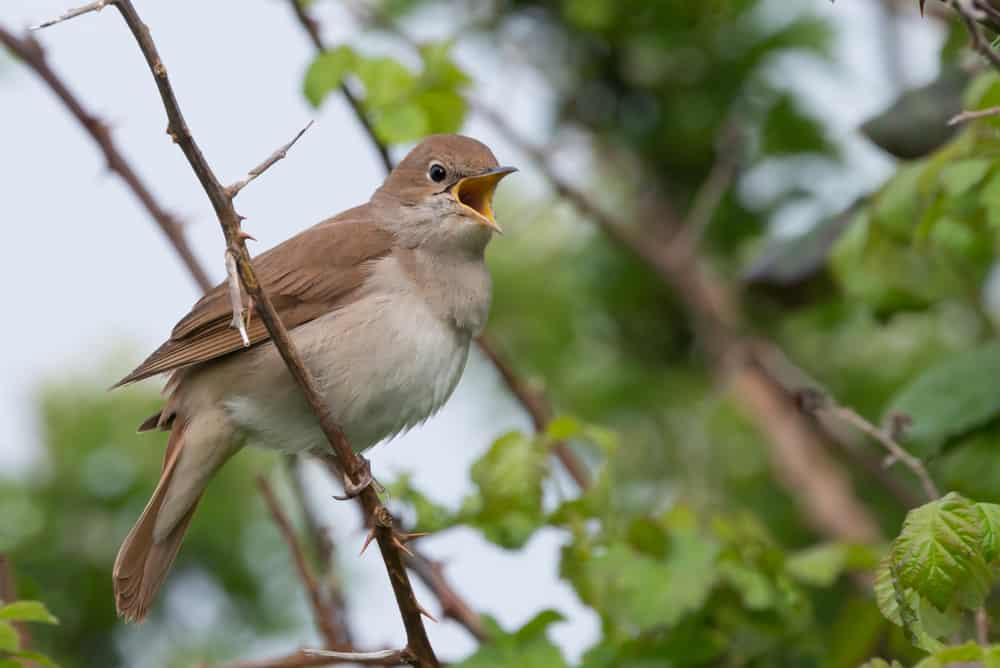
The nightingale (Luscinia megarhynchos) has earned its reputation as one of nature’s most talented vocalists. Male nightingales possess a repertoire of up to 300 different love songs, which they perform primarily at night to attract females. What makes the nightingale’s song particularly remarkable is its complexity, volume, and duration—males can sing continuously for hours, demonstrating their stamina and genetic quality. Their virtuosic performances feature rapid trills, whistles, and gurgles that can be heard up to a mile away in quiet conditions. Research has shown that females prefer males with more complex songs, suggesting that vocal ability serves as an honest signal of genetic fitness. The nightingale’s melodious serenades have inspired poets and musicians for centuries, making it a cultural icon of romantic expression.
The Peacock’s Dazzling Display

Perhaps one of the most famous examples of visual courtship display belongs to the male peacock (Pavo cristatus). The peacock’s spectacular train of feathers—which can reach up to six feet in length—is unfurled in a fan-like display to captivate potential mates. What makes this display particularly fascinating is that each feather ends in an iridescent eyespot that changes color depending on the viewing angle. During courtship, males not only display their trains but also perform a vibrating dance that creates a mesmerizing visual effect while producing a distinctive rustling sound. Charles Darwin cited the peacock’s elaborate train as evidence for his theory of sexual selection, as these enormous feathers actually impede flight and make the birds more vulnerable to predators. Studies have confirmed that peahens do indeed prefer males with larger, more symmetrical trains featuring numerous eyespots, demonstrating how sexual selection can drive the evolution of seemingly impractical but visually stunning features.
The Firefly’s Luminous Language

Fireflies (family Lampyridae) transform summer evenings into magical light shows through their distinctive bioluminescent courtship signals. What many observers don’t realize is that these flashing patterns are actually sophisticated communication systems for attracting mates. Each of the approximately 2,000 firefly species has evolved its own unique flash pattern—a specific rhythm, duration, and color of light—that helps individuals identify potential mates of their own species. Males typically fly through the air producing their characteristic pattern, while females respond from perches in vegetation with their own species-specific flash. This dialogue of light continues until the male locates the female. In some species, like the Photuris fireflies, females have evolved to mimic the flash patterns of other species to lure in males, which they then capture and consume—a strategy known as “femme fatale” behavior. The chemistry behind firefly bioluminescence involves the interaction of an enzyme called luciferase with a compound called luciferin, along with oxygen and ATP, creating one of the most efficient light-producing systems known to science.
The Elaborate Ballet of Birds of Paradise
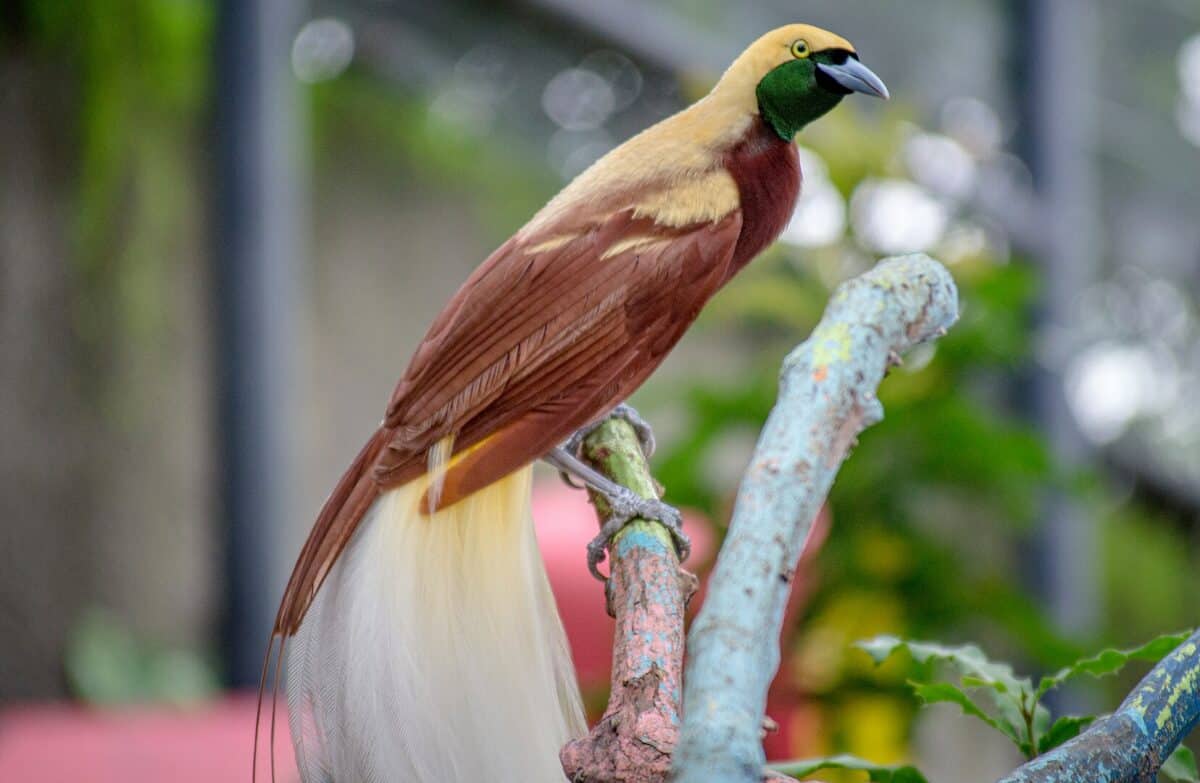
The birds of paradise (family Paradisaeidae) native to New Guinea and nearby islands perform some of the most elaborate courtship dances in the animal kingdom. Males of the 42 different species have evolved extraordinarily colorful plumage and unique choreographed displays that transform them into alien-like creatures. The Parotia bird of paradise, for instance, creates a meticulously cleaned “dance floor” in the forest before performing a ritualized dance involving precise hops, bobs, and side-to-side movements while flaring its iridescent breast shield. The superb bird of paradise transforms its silhouette into a surreal black oval with a brilliant blue “smile” by spreading specialized feathers. The magnificent riflebird stands erect and extends its wings into a shimmering black shield while snapping its wings to create percussive sounds. These displays are the result of intense sexual selection in an environment with few predators and abundant resources, allowing female choice to drive the evolution of increasingly elaborate performances. Females critically evaluate these displays, often rejecting dozens of suitors before selecting a mate, making these birds perfect examples of how sexual selection can lead to extraordinary evolutionary outcomes.
The Mesmerizing Manakin’s Dance Moves
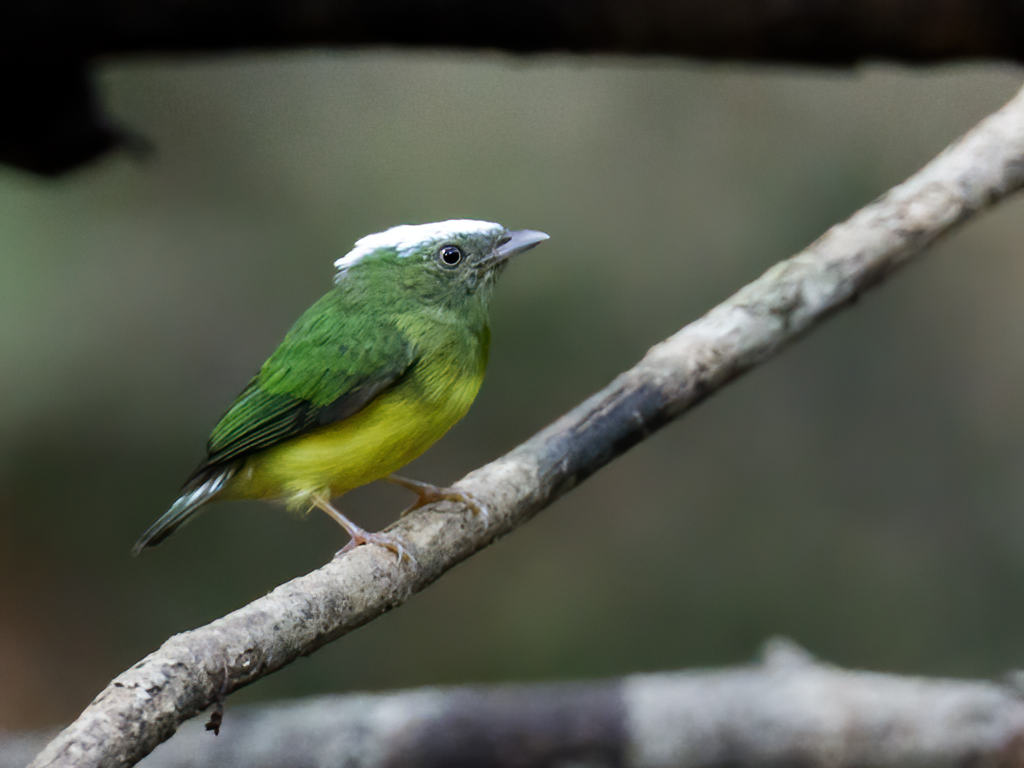
Manakins (family Pipridae) are small, colorful birds found in the tropical forests of Central and South America that have evolved some of the most complex and athletic courtship displays among birds. Different manakin species perform distinctive choreographed routines that include moonwalks, rapid wing snaps that sound like firecrackers, and acrobatic flights. The golden-collared manakin can snap its wings at speeds that produce small sonic booms more than 60 times per second. The red-capped manakin performs what ornithologists call the “moonwalk,” sliding backward along branches with a motion reminiscent of Michael Jackson’s famous dance move. What makes these performances even more remarkable is that males often gather in communal display areas called leks, where they compete for female attention through their dance prowess. Some species even engage in coordinated duet dances, with males working together despite competing for the same females. Research has shown that female manakins select males based on the precision and vigor of their performances, which likely indicate genetic quality and neuromuscular coordination. The evolution of these elaborate displays demonstrates how sexual selection can drive the development of highly specialized behaviors.
The Lyrebird’s Masterful Mimicry

The superb lyrebird (Menura novaehollandiae) of southeastern Australia possesses perhaps the most sophisticated vocal mimicry abilities of any bird on Earth. During courtship, male lyrebirds construct display mounds where they perform an extraordinary vocal concert while dancing with their elaborate tail feathers raised in a lyre-shaped display. What makes the lyrebird truly remarkable is its ability to accurately imitate virtually any sound in its environment with astonishing precision. A single male’s repertoire can include perfect imitations of up to 20 other bird species, along with environmental sounds like camera shutters, car alarms, chainsaws, and even human speech. This vocal virtuosity serves as a powerful courtship signal, as females select males based on the complexity and accuracy of their mimicry. The lyrebird’s extraordinary abilities are supported by the most complex syrinx (vocal organ) in the bird world. David Attenborough’s famous BBC documentary footage of a lyrebird imitating construction sounds brought international attention to these remarkable birds, which represent one of the most impressive examples of how sexual selection can drive the evolution of cognitive and physiological specialization.
The Rhythmic Frog Chorus

Throughout the world’s wetlands, male frogs create memorable nighttime choruses in their quest to attract females. While each species has its distinctive call, few are as remarkable as the túngara frog (Physalaemus pustulosus) of Central and South America. Male túngara frogs produce complex calls consisting of a “whine” followed by one or more “chucks,” creating what researchers describe as a sound similar to a bouncing ping-pong ball. What makes this calling behavior particularly fascinating is how males strategically modify their calls based on social context. When competing with nearby males, they add more chucks to their calls, making them more attractive to females. However, this enhancement comes with a significant cost—the complex calls also attract frog-eating bats that use the sound to locate their prey. This represents a classic evolutionary trade-off between attracting mates and avoiding predators. Female túngara frogs show a strong preference for calls with more chucks, demonstrating how sexual selection can favor traits that simultaneously increase reproductive success and predation risk. The túngara frog’s calling behavior illustrates the complex evolutionary dynamics that shape animal communication systems.
The Bioluminescent Courtship of Deep-Sea Anglerfish

In the perpetual darkness of the deep ocean, anglerfish (order Lophiiformes) have evolved one of the most bizarre courtship systems in the animal kingdom, involving bioluminescence and extreme sexual dimorphism. Female ceratioid anglerfish sport a modified dorsal spine that extends over their head like a fishing rod, ending in a bioluminescent lure produced by symbiotic bacteria. This glowing appendage attracts both prey and potential mates in the lightless deep sea. Males, which can be up to 40 times smaller than females, have large nostrils that help them detect female pheromones from great distances. When a male finds a female, he bites into her body and releases an enzyme that dissolves the tissues of his mouth and her skin, fusing their blood vessels. The male then becomes a permanent parasitic appendage on the female, receiving nutrients from her bloodstream while providing sperm whenever she is ready to spawn. This extreme reproductive strategy ensures that females always have access to sperm in the vast, sparsely populated deep sea where encountering another anglerfish is exceedingly rare. Some female anglerfish may host multiple males simultaneously, creating what biologists have described as one of the most unusual mating systems in nature.
The Elaborate Rituals of Bowerbirds
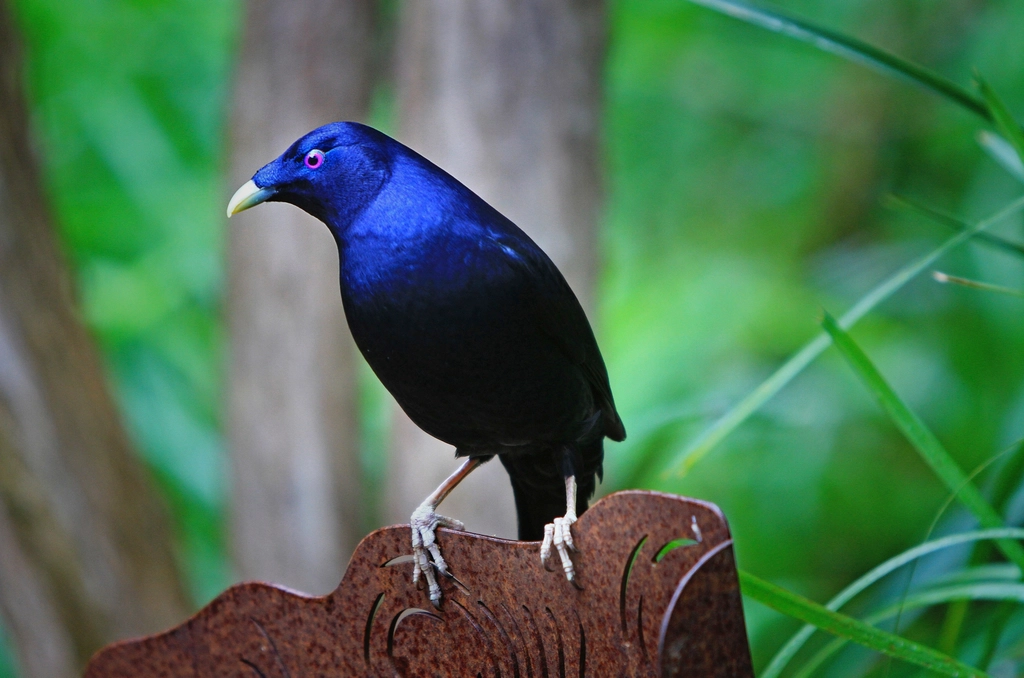
Bowerbirds (family Ptilonorhynchidae) of Australia and New Guinea demonstrate some of the most sophisticated artistic expressions in the animal kingdom as part of their courtship strategy. Rather than evolving elaborate plumage, male bowerbirds construct intricate structures called bowers—complex architectural creations that serve as stages for courtship displays. The satin bowerbird creates avenue-shaped bowers decorated with collections of blue objects, including flowers, berries, feathers, and in modern times, bottle caps and plastic items. The great bowerbird arranges objects in a forced perspective display that makes items appear larger from the female’s viewing position. Most impressive perhaps is the Vogelkop bowerbird, which constructs a conical hut-like structure with a meticulously arranged “front lawn” of colorful objects sorted by color, size, and type. Males spend hours arranging and rearranging their collections, removing leaves and debris that fall onto their displays. During courtship, males perform elaborate dances and vocalizations at these bowers while females critically evaluate both the quality of the bower and the performance. Research has shown that bower complexity and decoration correlate with male cognitive abilities and overall health, making these structures honest signals of genetic quality. Bowerbirds represent one of the most striking examples of extended phenotype in the animal kingdom, where genetic expression extends beyond the body to environmental constructions.
The Synchronized Light Show of Mangrove Fireflies

While many firefly species flash individually, mangrove fireflies (Pteroptyx spp.) of Southeast Asia create one of nature’s most spectacular synchronized light displays. Along riverbanks in Malaysia, Thailand, and the Philippines, thousands of male fireflies gather in mangrove trees and flash in perfect synchrony, creating rhythmic waves of light that pulse through the trees at precisely timed intervals. This remarkable coordination happens without any central conductor—each firefly adjusts its flashing rhythm in response to its neighbors, resulting in emergent synchronization across entire trees and riverbanks. The synchronization serves to create a more powerful collective signal that helps females locate the male aggregation from greater distances. It also allows females to compare individual males within the synchronized group, as slight variations in timing and brightness still exist. Scientists studying this phenomenon have discovered that it represents a complex example of spontaneous order in biological systems, similar to principles seen in physics and mathematics. The synchronized flashing of mangrove fireflies has become an ecotourism attraction in countries like Malaysia, where evening boat tours allow visitors to witness one of nature’s most mesmerizing courtship displays—a living example of how sexual selection can produce phenomena that bridge biology, physics, and visual art.
The Flamboyant Cuttlefish’s Color-Changing Dance

The flamboyant cuttlefish (Metasepia pfefferi) of the Indo-Pacific performs one of the most visually stunning courtship displays in the marine world. Despite measuring only about three inches long, this cephalopod creates an extraordinary spectacle by rapidly changing its body colors and patterns while performing a hypnotic dance. Using specialized skin cells called chromatophores, iridophores, and leucophores, males can instantaneously transform their appearance, creating pulsating waves of electric yellow, deep red, and vibrant purple that ripple across their bodies. During courtship, males elevate their arms to create undulating movements while simultaneously changing their skin patterns, essentially becoming living digital displays. What makes this display particularly remarkable is that it demonstrates both the cuttlefish’s unparalleled neurological control over its appearance and its sophisticated visual communication system. The intensity and complexity of a male’s display signals his genetic quality and physiological condition to potential mates. Interestingly, flamboyant cuttlefish are also among the few venomous cuttlefish species, containing a toxin similar to that of blue-ringed octopuses. Their brilliant coloration thus serves a dual purpose—attracting mates while warning predators of their toxicity, making them fascinating examples of how sexual selection and natural selection can work in tandem to shape animal appearance and behavior.
The Mating Dance of the Jumping Spider

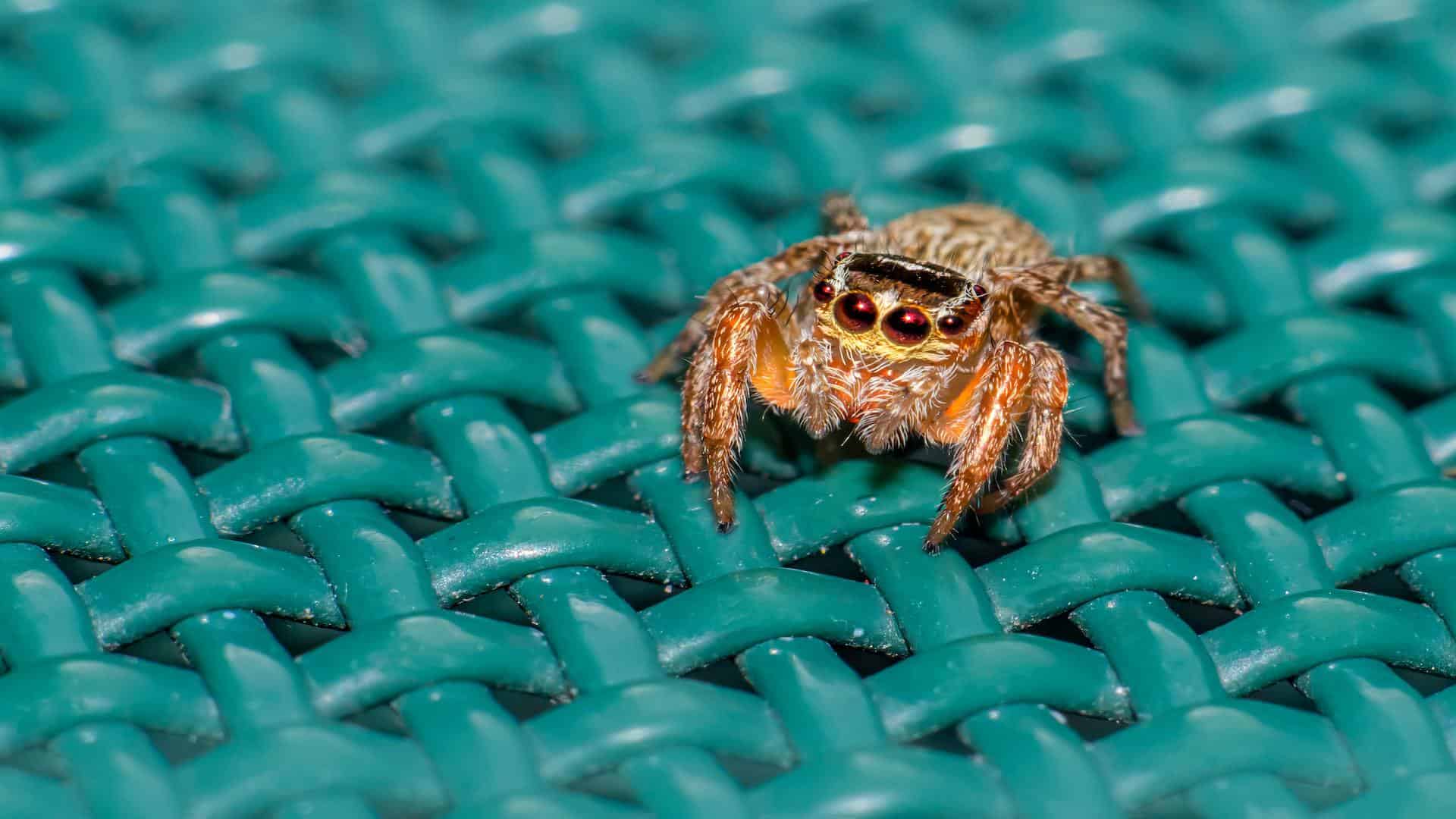
Despite their small size, male peacock jumping spiders (genus Maratus) perform one of the most charming and elaborate courtship displays in the arthropod world. Native to Australia, these tiny arachnids—measuring only about 5mm in length—have evolved extraordinarily colorful abdominal flaps that they raise like peacock feathers during courtship. These flaps display brilliant blue, red, and gold iridescent patterns that change color depending on the viewing angle. What makes their courtship particularly remarkable is the choreographed dance that accompanies this visual display. Males approach females in a zigzag pattern, raising their third pair of legs and vibrating their abdomens to create a seismic signal that females can detect through substrate vibration. They then perform a series of precise movements that researchers have likened to a synchronized dance routine, with each species having its unique choreography. What’s particularly fascinating about this behavior is that jumping spiders possess exceptional vision for arthropods, with eyes that can perceive detail and color similar to human vision, allowing females to fully appreciate the visual aspects of the male’s performance. The intricate nature of these displays suggests that female jumping spiders have sophisticated aesthetic preferences that have driven the evolution of these elaborate performances, challenging our understanding of arthropod cognition and perception.
The Greater Sage-Grouse’s Booming Display

The greater sage-grouse (Centrocercus urophasianus) of North America’s sagebrush plains performs one of the most distinctive and acoustically unusual courtship displays among birds. During spring breeding season, males gather at traditional display grounds called leks, where they compete for female attention through an extraordinary performance. The focal point of this display is the male’s specialized air sacs—two yellowish pouches on either side of the neck that can be inflated to create a distinctive “swishing” sound followed by two loud “pops” that can be heard up to two miles away. During display, males fan their pointed tail feathers, erect specialized white feathers around their neck, and strut forward while rhythmically inflating and deflating their air sacs against their stiffened chest feathers. This creates not only a visual display but also a complex soundscape that researchers have found contains acoustic information about the male’s quality. The display grounds themselves are critical habitat features that have been used by sage-grouse for centuries, with some leks documented to have been active for over 100 years. Unfortunately, the sage-grouse’s specialized mating system makes it particularly vulnerable to habitat fragmentation, as the birds require large, uninterrupted tracts of sagebrush ecosystem. The sage-grouse’s remarkable courtship behavior has made it an icon of the American West and a focal point for conservation efforts aimed at protecting the sagebrush biome.
Conclusion:
Across the planet, from dense tropical forests to the deep sea, evolution has sculpted a dazzling variety of courtship behaviors designed to captivate and communicate. Whether through song, dance, or glowing displays, each of the 20 creatures we’ve explored offers a unique window into the power of sexual selection. These performances are not merely aesthetic spectacles—they are critical tools for survival and reproduction, shaped by countless generations of mate choice. In some cases, they even blur the line between biology and art, with intricate architecture, rhythmic choreography, and symphonic vocalizations that rival human creativity. As we continue to study these extraordinary behaviors, they remind us not only of the richness of life on Earth, but also of the many paths evolution can take when beauty, competition, and desire come together in nature’s grandest stage: the search for love.

As a little kid, I fell in love with nature, wildlife, and animals. Living in the USA, South Africa, Italy, China and Germany gave me the opportunity to discover the world's Wildlife. My favorite animals are Mountain Gorillas, Siberian Tigers, and Great White Sharks.
I'm a certified PADI Open Water Diver, went to Everest Base Camp and Trekked Gorillas in Uganda. I hold a Master of Science in Economics and Finance.
Please send any feedback to feedback@animalsaroundtheglobe.com
- 13 Amphibians That Can Survive Freezing Temperatures - June 19, 2026
- 14 Pets That Can Learn Real Tricks Not Just Dogs - June 19, 2026
- 10 Hidden Caves in the US That Few People Have Ever Explored - June 19, 2026