


Texas A&M University at Galveston is embarking on an ambitious project that promises to revolutionize sea turtle conservation efforts in the Gulf of Mexico region. The planned Sea Turtle Hospital and Education Center represents a significant advancement in marine wildlife rehabilitation facilities while simultaneously creating a unique educational opportunity for the public. This state-of-the-art complex will combine cutting-edge veterinary care with interactive museum exhibits, offering visitors an unprecedented glimpse into the fascinating world of sea turtles and the challenges they face in today’s changing oceans. As the project moves from concept to reality, it stands poised to become a landmark institution for conservation, research, and public engagement on the Texas coast.
The Vision Behind the Project

The sea turtle hospital and museum initiative emerged from a growing recognition of the need for expanded rehabilitation facilities along the Gulf Coast. Dr. Christopher Marshall, Professor of Marine Biology and Director of the Gulf Center for Sea Turtle Research at Texas A&M Galveston, has been a driving force behind the project. “We’ve seen an increasing number of sea turtles requiring medical intervention due to various threats, from fishing gear entanglements to climate change impacts,” explains Marshall. “This facility will significantly expand our capacity to respond to these needs while also creating opportunities to educate the public about conservation issues.” The vision extends beyond simply treating injured turtles—it aims to create a comprehensive center that addresses rehabilitation, research, and public education under one roof.
Facility Design and Location

The planned facility will be constructed on the Texas A&M Galveston campus, strategically positioned with access to Galveston Bay and the Gulf of Mexico. Architectural plans reveal a thoughtfully designed 15,000-square-foot complex that seamlessly integrates clinical spaces with public exhibition areas. The hospital portion will feature specialized treatment rooms, surgery suites, and both indoor and outdoor rehabilitation tanks to accommodate turtles at various stages of recovery. Meanwhile, the museum section will offer interactive exhibits, viewing windows into treatment areas, and educational spaces. The design emphasizes sustainability, with plans to incorporate solar power, rainwater collection systems, and energy-efficient building materials, reflecting the conservation values at the heart of the project.
State-of-the-Art Veterinary Facilities

The veterinary component of the new center will represent a significant advancement in sea turtle medical care capabilities. Plans include diagnostic imaging equipment such as digital radiography and ultrasound machines specifically calibrated for reptilian anatomy. A specialized surgical suite will enable veterinarians to perform complex procedures, from tumor removals to shell repairs.
The rehabilitation area will feature multiple tanks with adjustable water temperature, salinity, and filtration systems to meet the specific needs of different turtle species and medical conditions. Additionally, a dedicated laboratory will support ongoing research into sea turtle health, disease, and treatment protocols. These enhanced medical capabilities will dramatically improve survival rates for injured and sick turtles brought to the facility.
Species Served by the Hospital
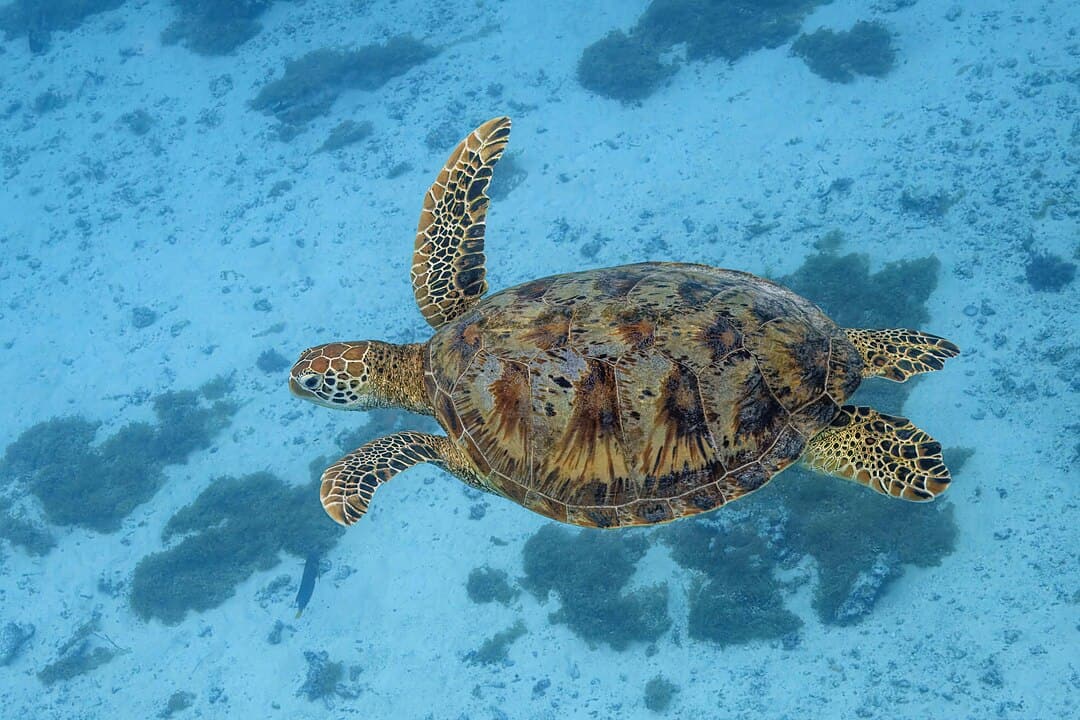
The Gulf of Mexico is home to five of the world’s seven sea turtle species, all of which will receive care at the new facility. The Kemp’s ridley (Lepidochelys kempii), the most endangered sea turtle species globally and a primary nester on Texas beaches, will be a major focus. Additionally, the hospital will treat green turtles (Chelonia mydas), which are increasingly found in Texas waters as juveniles and subadults.
Loggerhead turtles (Caretta caretta), hawksbill turtles (Eretmochelys imbricata), and occasional leatherback turtles (Dermochelys coriacea) will also receive care when needed. Each species presents unique veterinary challenges, from the tiny Kemp’s ridleys to the massive leatherbacks, which can weigh up to 2,000 pounds. The facility’s design accounts for these variations, with appropriately sized treatment areas and specialized equipment for each species.
Educational Components and Exhibits

The museum portion of the complex has been designed to create meaningful educational experiences for visitors of all ages. Interactive exhibits will explain sea turtle biology, lifecycle, and ecological importance. A centerpiece exhibit will feature a life-sized replica of ancient Archelon, the largest sea turtle that ever lived, measuring over 13 feet long. Technology will play a key role, with touchscreen displays showing real-time tracking data from turtles released after rehabilitation.
Visitors will also experience “A Day in the Life” simulation that demonstrates the challenges sea turtles face, from hatchling emergence to adult navigation of increasingly polluted oceans. Educational programming will include scheduled presentations, hands-on workshops for school groups, and special events coordinated with turtle releases when rehabilitated animals return to the wild.
Research Opportunities and Partnerships

Beyond treatment and public education, the new facility will significantly expand research capabilities at Texas A&M Galveston. The center plans to establish formal research partnerships with other marine science institutions, including NOAA’s Southeast Fisheries Science Center and the University of Florida’s Archie Carr Center for Sea Turtle Research. These collaborations will focus on pressing issues such as the impacts of climate change on sea turtle health, emerging diseases, habitat degradation, and rehabilitation techniques.
The facility will also provide unprecedented research opportunities for graduate and undergraduate students at Texas A&M, allowing them to participate in hands-on conservation medicine while developing professional skills. Data collected from patients will contribute to a growing database of sea turtle health indicators, helping scientists better understand population dynamics and threats.
Funding and Community Support

The estimated $8.5 million project is being funded through a combination of university allocations, state wildlife grants, and private donations. A capital campaign launched in early 2023 has already secured over $4 million in commitments, including a significant lead gift from the Trull Foundation of Palacios, Texas. Local businesses in Galveston have shown strong support, recognizing the potential economic benefits of a facility expected to attract over 50,000 visitors annually.
Community engagement has been prioritized throughout the planning process, with regular public forums and a volunteer advisory committee that includes local conservation groups, tourism representatives, and commercial fishing industry members. This collaborative approach has helped build broad-based support for the project across diverse stakeholders.
Conservation Impact

The conservation impact of the new center is expected to extend far beyond the direct care of individual turtles. By combining rehabilitation with research and education, the facility will address sea turtle conservation from multiple angles simultaneously. Treatment protocols developed at the hospital will be shared with other rehabilitation centers, improving care standards throughout the Gulf region.
The research program will generate valuable data on threats facing sea turtles, informing policy decisions and conservation strategies. Perhaps most importantly, the educational component will help create a more informed public that understands the challenges facing sea turtles and marine ecosystems more broadly. This holistic approach represents a significant evolution in sea turtle conservation methodology.
Timeline and Construction Plans

According to university officials, the project timeline envisions groundbreaking in late 2024, with construction expected to take approximately 18 months. This schedule would allow the facility to open its doors to the public by early 2026. The construction process has been carefully planned to minimize environmental impact, with particular attention to protecting the sensitive coastal ecosystem surrounding the campus.
The building will be elevated to account for potential storm surge and sea level rise, incorporating lessons learned from Hurricane Harvey and other recent extreme weather events. During construction, the existing sea turtle rehabilitation operations will continue in their current location, ensuring no interruption of care for injured turtles found along the Texas coast.
Challenges Facing Gulf Sea Turtles
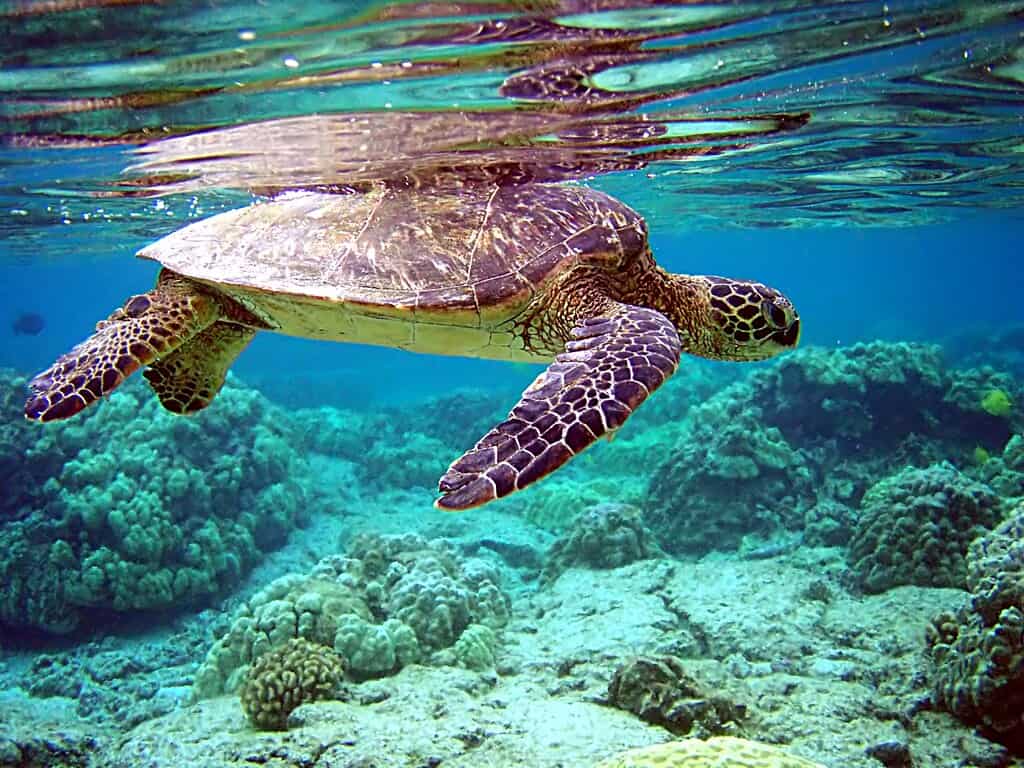
The need for expanded rehabilitation facilities reflects the numerous challenges facing sea turtles in the Gulf of Mexico. Fisheries interactions remain a leading cause of injury, with turtles frequently becoming entangled in fishing gear or ingesting hooks and lines. Boat strikes represent another significant threat, particularly as coastal recreational boating increases. Pollution poses multiple challenges—from oil spills to plastic debris that turtles frequently mistake for food.
Climate change impacts include shifting nesting beach temperatures, which affect hatchling sex ratios, and increasing frequency of extreme weather events that destroy nests. Fibropapillomatosis, a tumor-causing disease affecting primarily green turtles, has been increasing in prevalence throughout the Gulf. The new facility will be specifically equipped to address these varied threats through both direct intervention and research.
Public Access and Tourism Potential

Once operational, the Sea Turtle Hospital and Education Center will be open to the public year-round, with extended hours during summer months. Admission fees will be kept deliberately accessible, with special rates for school groups and educational programs. Tourism experts project the facility could draw 50,000-75,000 visitors annually, becoming a significant attraction for Galveston Island, which already welcomes over 7 million tourists each year.
The center plans to coordinate with other local attractions, including Moody Gardens and the Galveston Island State Park, to create comprehensive visitor packages that highlight the island’s natural resources. Special events, such as public turtle releases and seasonal festivals, will create additional opportunities to engage tourists and local residents alike, while contributing to the local economy.
Educational Programs and Curriculum

Education will be a cornerstone of the new facility’s mission, with programs designed for various age groups and knowledge levels. For K-12 students, curriculum-aligned field trips will offer hands-on marine science experiences that meet Texas state education standards. College students from Texas A&M and other institutions will have opportunities for internships, research projects, and specialized workshops on marine veterinary medicine.
The public education program will include guided tours, lecture series featuring prominent conservation scientists, and citizen science initiatives that allow visitors to contribute to ongoing research projects. Distance learning capabilities will extend the center’s educational reach beyond physical visitors, with virtual classroom connections planned for schools throughout Texas and beyond.
Conclusion: A New Chapter in Gulf Coast Conservation

The planned Sea Turtle Hospital and Museum at Texas A&M Galveston represents a significant advancement in marine conservation infrastructure along the Gulf Coast. By combining cutting-edge veterinary care with immersive educational experiences, the facility promises to create meaningful impacts across multiple dimensions—from saving individual turtles to inspiring the next generation of marine conservationists.
The project exemplifies how academic institutions can leverage their research expertise while creating valuable public engagement opportunities. As climate change and other human-induced pressures continue to threaten marine ecosystems, facilities like this one will play an increasingly vital role in both mitigating immediate harms and building public support for broader conservation measures. When completed, the Sea Turtle Hospital and Education Center will stand as a testament to Texas A&M’s commitment to marine stewardship and a valuable resource for the Gulf Coast region and beyond.

From exploring the marine wonders in the Azores and witnessing the vast savannas of Kenya, to delving deep into the rich biodiversity of South Africa and traversing iconic landscapes in Australia and the US like Yellowstone, Chris's experiences are vast.
With a penchant for diving alongside sharks, the ocean holds a special place in his heart.
Through his academic insights, he champions wildlife conservation, striving with 'Animals Around The Globe' to cultivate a profound connection between humans and animals, enhancing our mutual appreciation.
Connect with him at Feedback@animalsaroundtheglobe.com.
- New Sea Turtle Hospital and Museum Planned at Texas A&M Galveston - August 15, 2026
- Best Places to See Tasmanian Devils - August 15, 2026
- 10 Venomous Animals in Texas — And 3 That Look Scary But Aren’t - August 15, 2026
Leave a comment
You must be logged in to post a comment.