
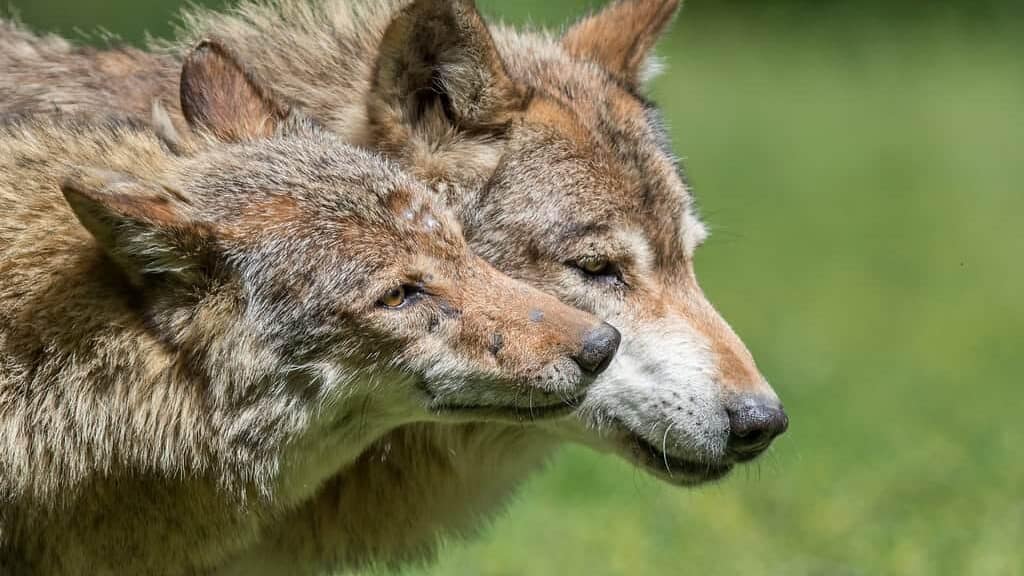
When wolves were reintroduced to Yellowstone National Park in 1995 after a 70-year absence, few could have predicted the cascade of ecological changes that would follow. This deliberate rewilding effort has since become one of the most celebrated and studied examples of trophic cascade in ecological history. By returning apex predators to landscapes they once dominated, scientists have observed remarkable transformations that extend far beyond predator-prey relationships. These changes ripple through entire ecosystems, influencing everything from vegetation patterns to river morphology. What makes the wolf reintroduction story so compelling is how it challenges our understanding of ecosystem management and demonstrates nature’s remarkable capacity for self-regulation when key species are restored to their rightful place.
The Historical Context: Wolves’ Disappearance and Return
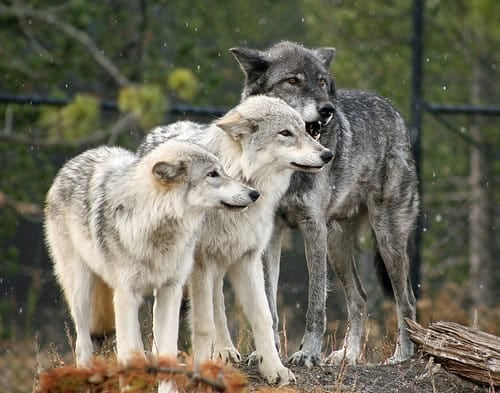
Wolves once roamed freely across North America, playing a vital role in keeping ecosystems balanced. However, systematic eradication campaigns throughout the late 19th and early 20th centuries decimated wolf populations. In Yellowstone, the last wolf pack was killed in 1926, marking the beginning of seven decades without this keystone predator. The consequences of this absence gradually became apparent as elk populations exploded unchecked, leading to overgrazing and habitat degradation. After years of debate and planning, 31 gray wolves from Canada were reintroduced to Yellowstone between 1995 and 1997. This controversial decision faced fierce opposition from ranchers concerned about livestock predation and hunting groups worried about diminished game populations. Today, the Yellowstone wolf population has stabilized at around 80-100 individuals across 8-10 packs, and similar reintroduction programs have been implemented in other regions like Idaho, Michigan, and parts of Europe, providing multiple case studies of wolves’ ecological impact.
Trophic Cascades: The Science Behind Ecosystem Transformation

Trophic cascades represent one of ecology’s most fascinating phenomena. They occur when predators at the top of the food chain influence not only their direct prey but also species at lower trophic levels with which they have no direct interaction. In the case of wolves, this cascade begins with their predation on herbivores like elk and deer. As herbivore populations decline or change their behavior, plant communities experience reduced browsing pressure, leading to vegetation recovery. This vegetation change then affects countless other species—from insects to birds to beavers—and even influences physical aspects of the landscape such as soil composition and river channels. Research by ecologist William Ripple and his colleagues has documented these cascading effects in multiple wolf territories, finding that the mere presence of wolves can trigger behavioral changes in prey species that benefit ecosystem health even when actual predation rates remain relatively low. This “ecology of fear” demonstrates how predators influence ecosystems not just through direct killing but through the landscape of risk they create.
The “Landscape of Fear”: How Wolves Change Herbivore Behavior
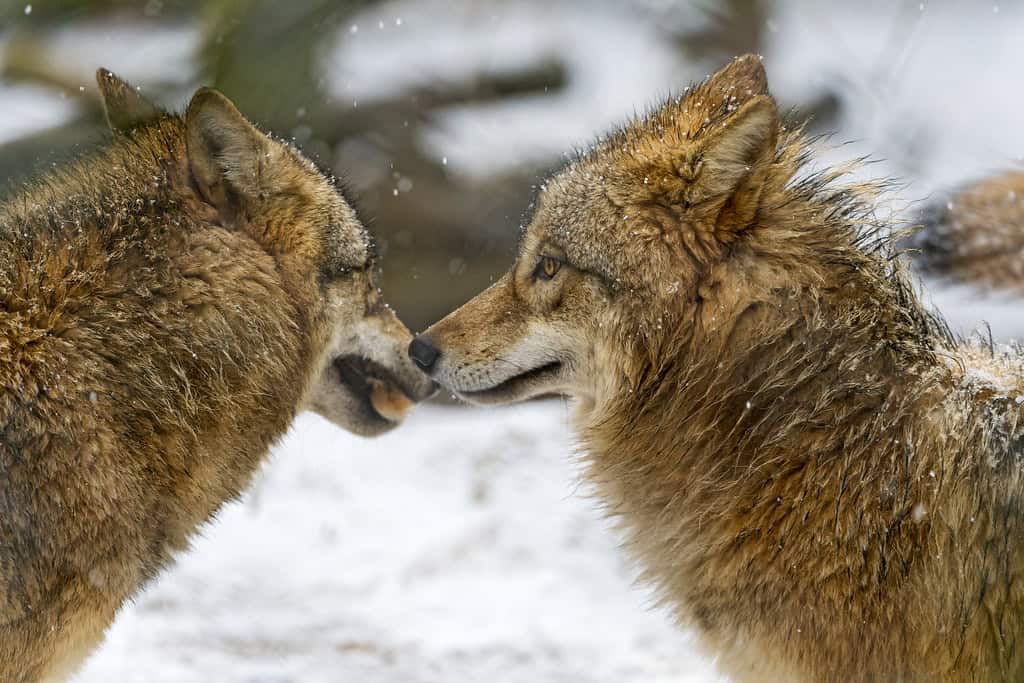
Perhaps the most immediate impact of wolf reintroduction isn’t the actual predation but the dramatic shift in herbivore behavior. Elk and deer, once free to graze leisurely anywhere in the landscape, now must remain vigilant and mobile to avoid becoming prey. This behavioral shift has created what ecologists call a “landscape of fear”—areas where herbivores perceive higher predation risk and consequently spend less time feeding. GPS collar studies in Yellowstone have shown that elk now avoid certain valley bottoms and riparian areas where they’re more vulnerable to wolf attacks. Instead, they spend more time in open areas with better visibility or on steeper slopes where they have escape advantages. This behavioral change has reduced browsing pressure on vegetation in high-risk areas, allowing for the recovery of plants that had been suppressed for decades. The resulting mosaic of heavily and lightly browsed areas has increased habitat diversity across the landscape, benefiting countless other species that depend on varied vegetation structure.
Riparian Recovery: Revitalizing River Ecosystems

One of the most visually striking changes following wolf reintroduction has been the dramatic recovery of riparian (riverbank) vegetation. Prior to wolves’ return, elk would heavily browse young willow, aspen, and cottonwood shoots along waterways, preventing these trees from maturing. Without mature trees to stabilize banks, rivers widened, water temperatures increased, and erosion accelerated. Research by Robert Beschta and William Ripple documented that within just a decade after wolf reintroduction, young trees in many areas grew five times taller than they had in the previous 70 years. This remarkable recovery occurred because elk now spent less time in these vulnerable corridors. As trees matured, their roots stabilized riverbanks, narrowing channels and creating deeper, cooler water. Shade from overhanging branches further cooled water temperatures, benefiting fish populations, particularly temperature-sensitive species like cutthroat trout. The return of beaver populations, discussed in detail below, has amplified these positive changes by creating dam complexes that further transform stream hydrology.
The Beaver Connection: Engineering New Habitats

The relationship between wolves, vegetation recovery, and beaver populations represents one of the most fascinating ecological linkages observed in rewilded ecosystems. As riparian trees recovered following wolf reintroduction, beavers gained access to both food and building materials that had been limited during wolves’ absence. In Yellowstone, beaver colonies increased from just one in 1996 to over nine by 2007, and have continued to expand. These industrious rodents construct dams that transform fast-flowing streams into pond complexes, fundamentally altering local hydrology. Beaver ponds create wetland habitats that support amphibians, waterfowl, and a diverse array of plant species. They also act as natural water filters, trapping sediment and improving water quality downstream. During droughts, these ponds release stored water gradually, maintaining stream flow when it would otherwise diminish. Researchers have documented that watersheds with beaver activity show greater resilience to climate extremes, maintaining higher biodiversity during both drought and flood conditions. This wolf-beaver-ecosystem connection demonstrates how restoring one keystone species can facilitate the return of another, multiplying positive ecological effects.
Biodiversity Benefits: From Scavengers to Songbirds

The ecological ripples from wolf reintroduction extend to a remarkable diversity of species. Wolf kills provide critical food resources for scavengers like ravens, eagles, magpies, and bears, particularly during winter months when other food sources are scarce. Research has documented over 30 different species feeding on wolf kills in Yellowstone. These carcasses represent significant nutrient redistribution across the landscape, essentially moving biomass from living herbivores to various scavengers and decomposers. As vegetation recovered following wolf reintroduction, bird diversity increased substantially in many areas. Studies have recorded higher populations of songbirds like warblers, finches, and sparrows in areas where aspen and willow have regrown. Small mammal diversity has similarly increased, with more complex vegetation providing improved habitat for voles, mice, and other rodents. These small mammals, in turn, support populations of foxes, weasels, and raptors. Even insect communities have been affected, with greater plant diversity supporting richer invertebrate populations. Together, these changes illustrate how apex predators like wolves indirectly foster biodiversity across multiple trophic levels.
Soil Health and Carbon Sequestration

The influence of rewilded wolves extends even to soil ecology and carbon dynamics. By changing herbivore behavior and density, wolves indirectly affect plant communities in ways that alter nutrient cycling and carbon storage. When vegetation recovers, more carbon is sequestered in plant biomass above ground and in root systems below ground. Research in Yellowstone has found that areas with strong wolf presence have experienced increased carbon storage in soils and vegetation. Additionally, the carcasses left by wolf predation represent concentrated nutrient deposits that enhance soil fertility in localized patches. These nutrient hotspots support distinctive plant assemblages that might otherwise be absent from the landscape. Studies have shown that a single elk carcass can enrich surrounding soil with nitrogen, phosphorus, and other essential nutrients for years, creating small islands of enhanced productivity. Moreover, by reducing overall herbivore density, wolves may help mitigate methane emissions from ruminant digestion—a significant contributor to greenhouse gases. Though this effect is difficult to quantify precisely, it represents another potential climate benefit of predator restoration.
Challenges to the Trophic Cascade Theory

While the Yellowstone wolf reintroduction has become an iconic example of ecological restoration, some scientists caution against oversimplification. Critics note that concurrent factors like climate change, varying precipitation patterns, and the recovery of other predators such as grizzly bears and cougars complicate attribution of all observed changes solely to wolves. A 2010 study published in Ecology Letters suggested that some vegetation recovery may be linked to changing climatic conditions rather than predation effects alone. Others argue that while wolf impacts are significant, the magnitude of their influence varies considerably across different habitats and contexts. Additionally, the strength of trophic cascade effects appears to depend on predator density, prey vulnerability, and landscape features, making generalizations difficult. Despite these criticisms, most researchers acknowledge that wolves have played a substantial role in reshaping Yellowstone’s ecology, even if the precise mechanisms and relative importance of different factors remain subjects of ongoing scientific debate. These discussions highlight the complexity of ecological relationships and the challenges of understanding ecosystem dynamics even in closely studied environments.
Human Dimensions: Social and Economic Impacts

Wolf reintroduction programs generate intense human reactions that extend far beyond ecological considerations. For ranchers in areas adjacent to wolf territories, livestock predation represents a genuine economic concern, even though actual losses are typically much lower than feared. In response, various compensation programs have been established to reimburse ranchers for verified wolf predation losses. For hunting communities, wolves represent competition for valued game animals like elk, though studies suggest that in many regions, elk populations remain robust enough to support both wolves and human hunters. The economic impacts of wolf tourism have been substantial; Yellowstone’s wolf-watching program alone generates an estimated $35 million annually in local economic activity. Visitors from around the world travel specifically to catch glimpses of wild wolf packs, supporting jobs in hospitality, guiding, and retail sectors. Beyond economic considerations, wolves hold profound cultural and spiritual significance for many Indigenous communities who view their return as restoring proper balance to ancestral lands. These varied human dimensions demonstrate that wolf reintroduction is never solely an ecological intervention but also a complex social process requiring careful stakeholder engagement.
Wolf Reintroduction Beyond Yellowstone: Global Perspectives

While Yellowstone’s wolf story has received the most scientific and media attention, wolf reintroduction and natural recolonization are occurring in various regions worldwide with similarly transformative effects. In Europe, wolves have naturally returned to many areas from which they were extirpated, including parts of Germany, France, and Scandinavia. The European experience offers interesting contrasts to North American reintroduction programs, as wolves there are adapting to more densely populated human landscapes. In the American Southwest, Mexican wolf reintroduction continues despite political challenges, while the natural return of wolves to California from Oregon represents another recovery success. In places like Scotland, where ecosystem degradation from overabundant red deer mirrors Yellowstone’s pre-wolf condition, proposals for wolf reintroduction are being seriously considered based on the documented benefits elsewhere. Each of these contexts presents unique ecological and social variables that influence reintroduction outcomes. For instance, landscape fragmentation, prey diversity, and human population density all affect how wolves impact their environments. Studying these varied scenarios provides scientists with natural experiments that deepen our understanding of predator ecology across different ecosystem types.
Management Challenges and Solutions for Coexistence

Despite their ecological benefits, living alongside large predators presents genuine challenges that require thoughtful management approaches. Modern wolf conservation has increasingly focused on developing coexistence strategies that address human concerns while maintaining viable wolf populations. Non-lethal deterrents like fladry (flags hung on fences), livestock guard dogs, range riders, and advanced notification systems that alert ranchers when collared wolves approach have proven effective at reducing conflicts. In regions like Idaho and Montana, where wolves remain controversial, management has evolved to include regulated hunting seasons designed to reduce wolf numbers in areas with high conflict potential while maintaining overall population viability. Innovative approaches like “payment for ecosystem services” models offer financial incentives to landowners who tolerate wolves on their properties, recognizing the broader ecological benefits these predators provide. Education programs that address misconceptions about wolf behavior and predation risk have helped reduce fear in some communities. These diverse management tools demonstrate that successful coexistence typically requires a combination of approaches tailored to local ecological and social contexts rather than one-size-fits-all solutions.
Future Research Directions and Remaining Questions
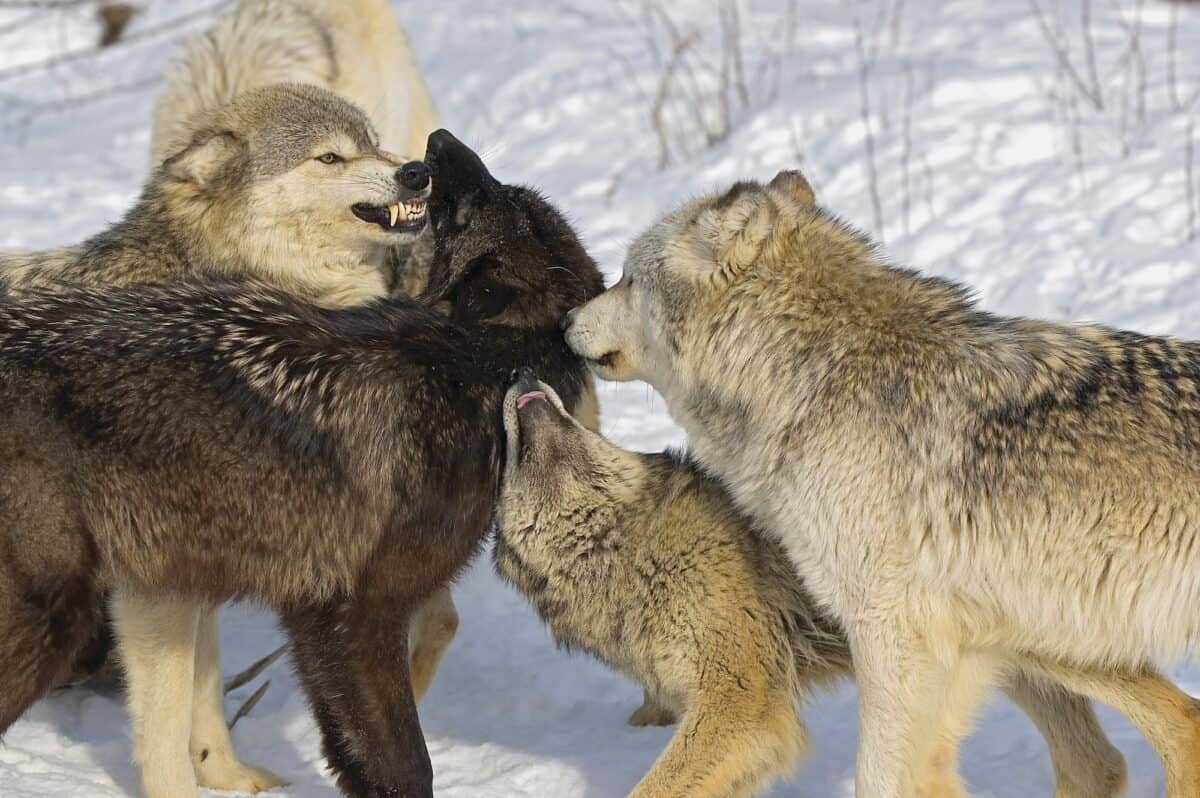
As our understanding of wolves’ ecological role continues to evolve, several important research questions remain unanswered. Scientists are particularly interested in the long-term sustainability of observed trophic cascade effects—will they maintain their strength over decades, or will new ecological equilibria emerge? Researchers are also investigating how climate change might interact with predator-driven ecosystem changes, potentially either amplifying or diminishing wolves’ ecological influence. Another frontier involves understanding how wolf-driven effects vary across different ecosystem types beyond the well-studied northern Rocky Mountains. The growing field of environmental DNA monitoring promises to reveal more subtle changes in biodiversity following wolf restoration, potentially identifying impacts on microbial communities and other overlooked components of ecosystems. Advances in GPS tracking technology, camera trapping, and remote sensing are enabling more precise measurements of behavioral interactions between predators and prey across larger landscapes. Additionally, the development of complex ecological models incorporating wolf behavior, prey response, vegetation dynamics, and physical landscape changes will help predict outcomes of future reintroduction efforts in new regions. These research directions highlight the continuing scientific value of wolf reintroduction as a grand ecological experiment.
Conclusion: Wolves as Ecosystem Architects
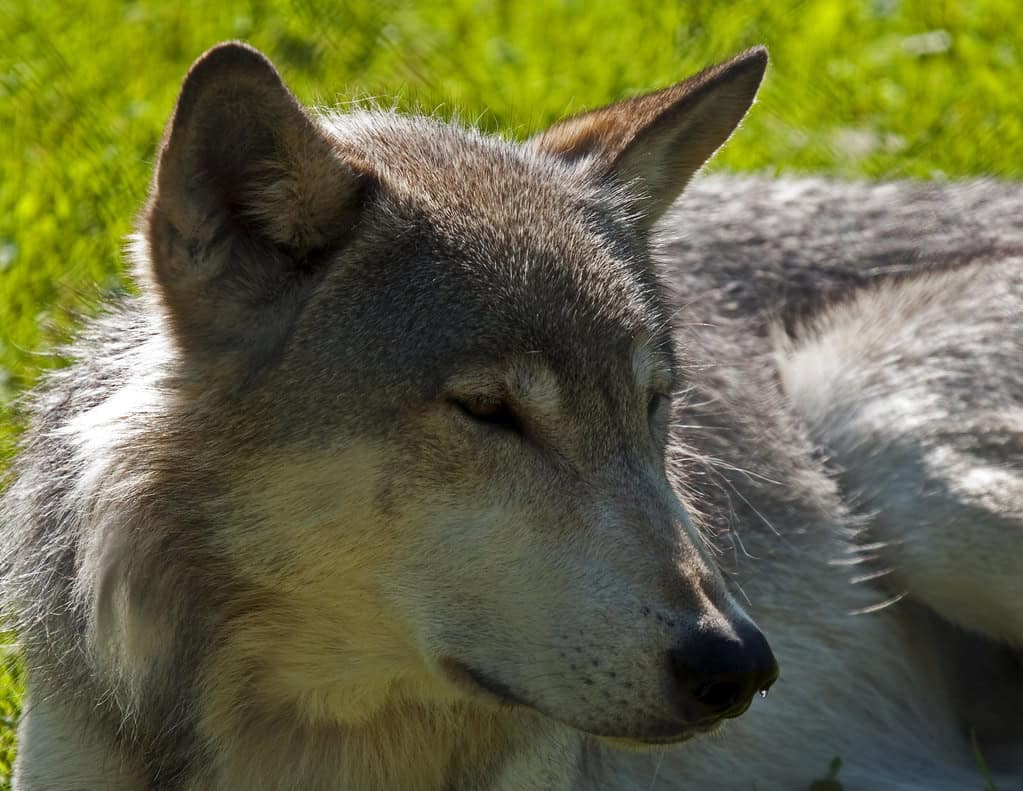
The story of rewilded wolves represents one of conservation biology’s most compelling narratives of ecological restoration and unexpected consequences. Through complex trophic interactions that ripple through entire ecosystems, wolves have demonstrated their capacity as ecosystem architects, reshaping landscapes far beyond the direct impacts of predation. The cascading benefits—from rejuvenated riverside forests to enhanced biodiversity and improved watershed function—offer powerful evidence that intact predator-prey relationships are essential for ecosystem health. Yet the wolf reintroduction journey also teaches us about the importance of human dimensions in conservation, highlighting how ecological outcomes are inextricably linked to social acceptance and adaptive management. As we face unprecedented global biodiversity loss and ecosystem degradation, the lessons from wolf rewilding provide both inspiration and practical guidance for restoration efforts worldwide. Perhaps most importantly, the wolf’s return reminds us of nature’s remarkable capacity for self-healing when key ecological relationships are restored, offering hope that even damaged ecosystems can recover their vitality when given the right tools.

- The Secret Language of Dolphins Decoded by Researchers - July 20, 2026
- 7 Animals That Can Survive Extreme Environments You Couldn’t - July 20, 2026
- The Longest Snake Ever Found in the U.S. - July 20, 2026