

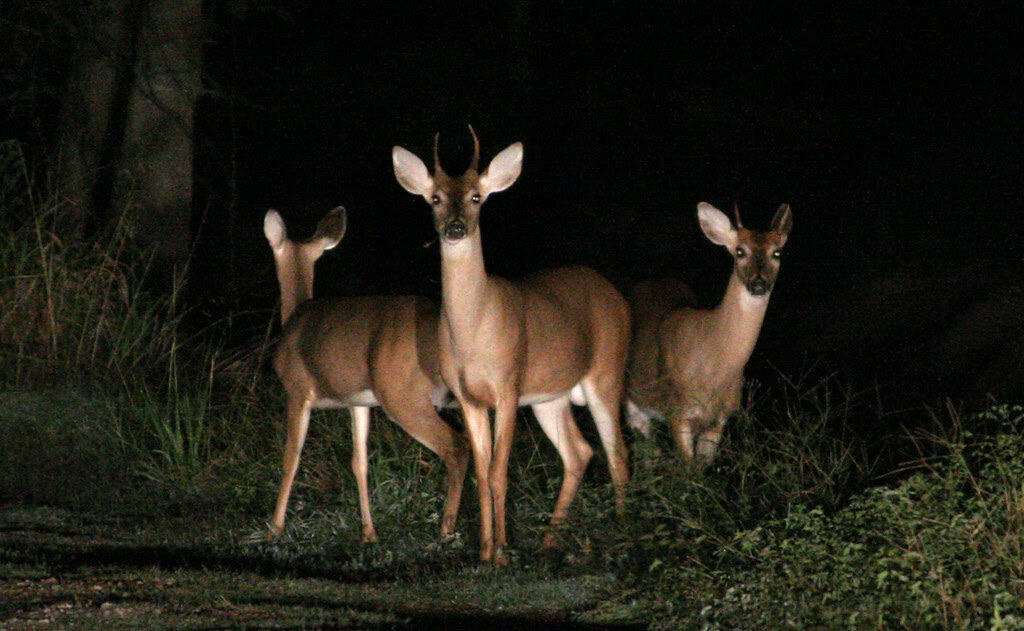
As human activity expands across the globe, wildlife is being forced to adapt in unexpected ways. One of the most fascinating behavioral shifts scientists have documented in recent years is the increasing tendency of many animal species to become more nocturnal when living near human populations. This phenomenon, sometimes called “human-induced nocturnality,” represents a significant change in how animals interact with their environment and reveals the profound impact of human presence on wildlife behavior. From urban-dwelling deer to rainforest mammals, species across diverse ecosystems are shifting their active hours to avoid human disturbance, creating what researchers call a “landscape of fear” that is reshaping ecological relationships worldwide.
The Nocturnal Shift Phenomenon
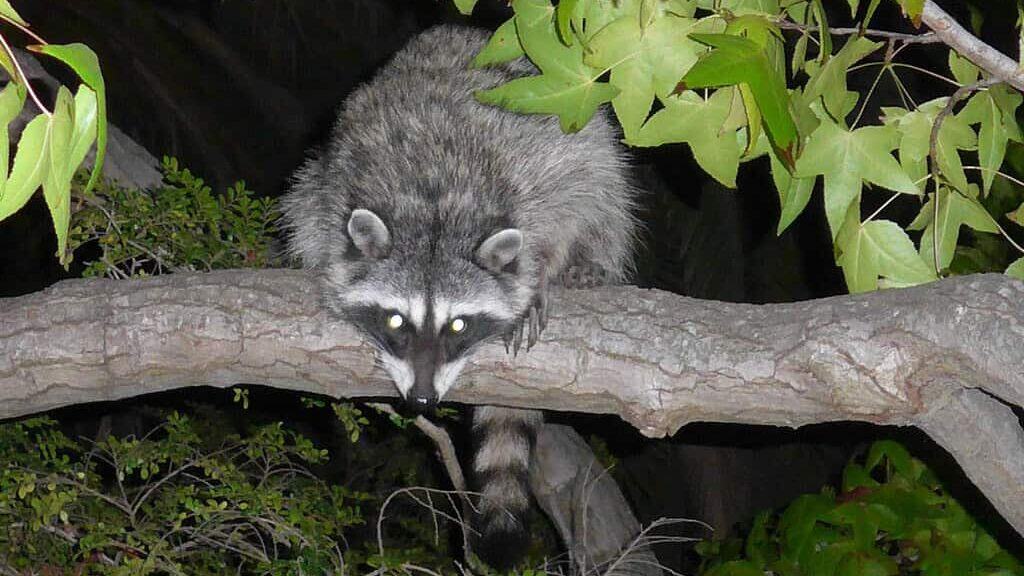
The nocturnal shift phenomenon refers to the documented tendency of typically diurnal (day-active) or crepuscular (active at dawn and dusk) animals to become increasingly nocturnal when living in proximity to humans. A groundbreaking 2018 meta-analysis published in the journal Science examined 76 studies across six continents and found that mammals living near human settlements were on average 1.36 times more active at night than those in areas with minimal human presence. This means that animals typically active during daylight hours are now concentrating up to 68% of their activity during nighttime hours when humans are less present. This shift has been observed across species ranging from large predators like tigers and bears to herbivores such as deer and tapirs, suggesting a widespread behavioral adaptation strategy to human disturbance.
Avoiding Human Disturbance
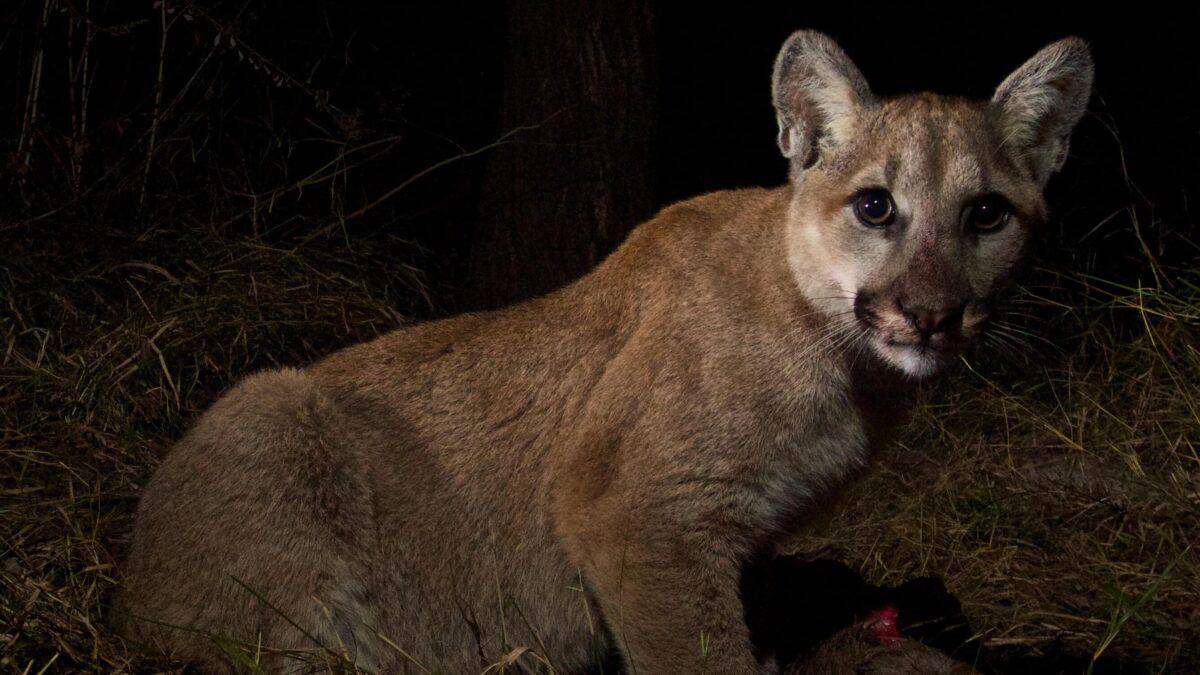
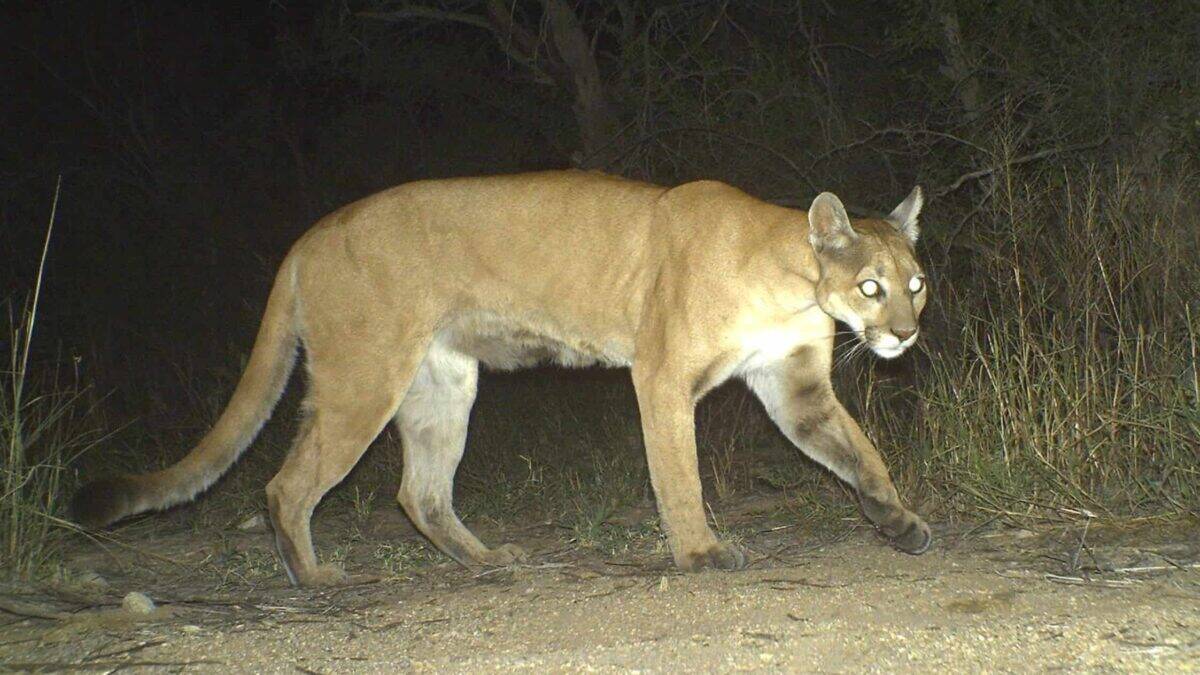
The primary driver behind increasing nocturnality appears to be animals’ desire to avoid direct human disturbance. Human activities such as hiking, driving, construction, agriculture, and resource extraction create noise, visual disturbances, and physical habitat alterations that many species perceive as threatening. By shifting their activity to nighttime hours when human presence typically decreases, animals can access the same habitat resources while minimizing potentially dangerous encounters. Research on pumas in California found that females living near residential areas shifted to 60% nocturnal activity compared to 29% for those in wilderness areas. Similarly, studies of wild boar in Europe show they’ve become almost exclusively nocturnal in regions with high human population density, despite naturally being most active during daylight and twilight hours.
Predator-Prey Dynamics Disruption
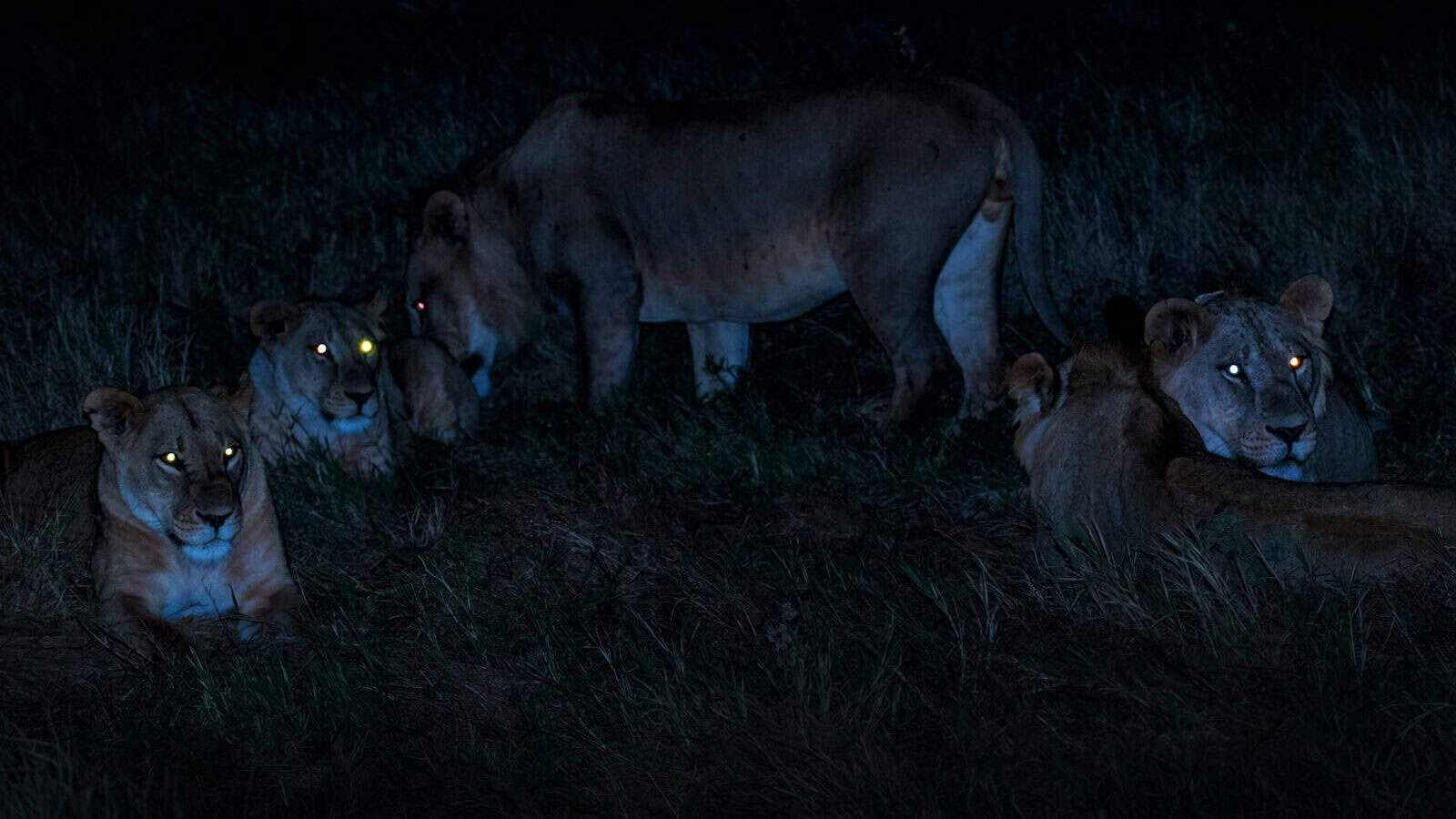
The nocturnal shift creates ripple effects throughout ecosystems by disrupting established predator-prey dynamics. When certain species alter their activity patterns while others do not, it can fundamentally change which species interact with each other. For example, researchers in Tanzania found that lions and other predators became more nocturnal near villages, which consequently affected the behavior of their prey species. Some prey animals may benefit from this shift if their natural predators become less active during their preferred time period, while others may face new threats from nocturnal predators they rarely encountered before. These disruptions can alter natural selection pressures and potentially lead to evolutionary changes over time as species adapt to new temporal niches.
Impact on Animal Physiology
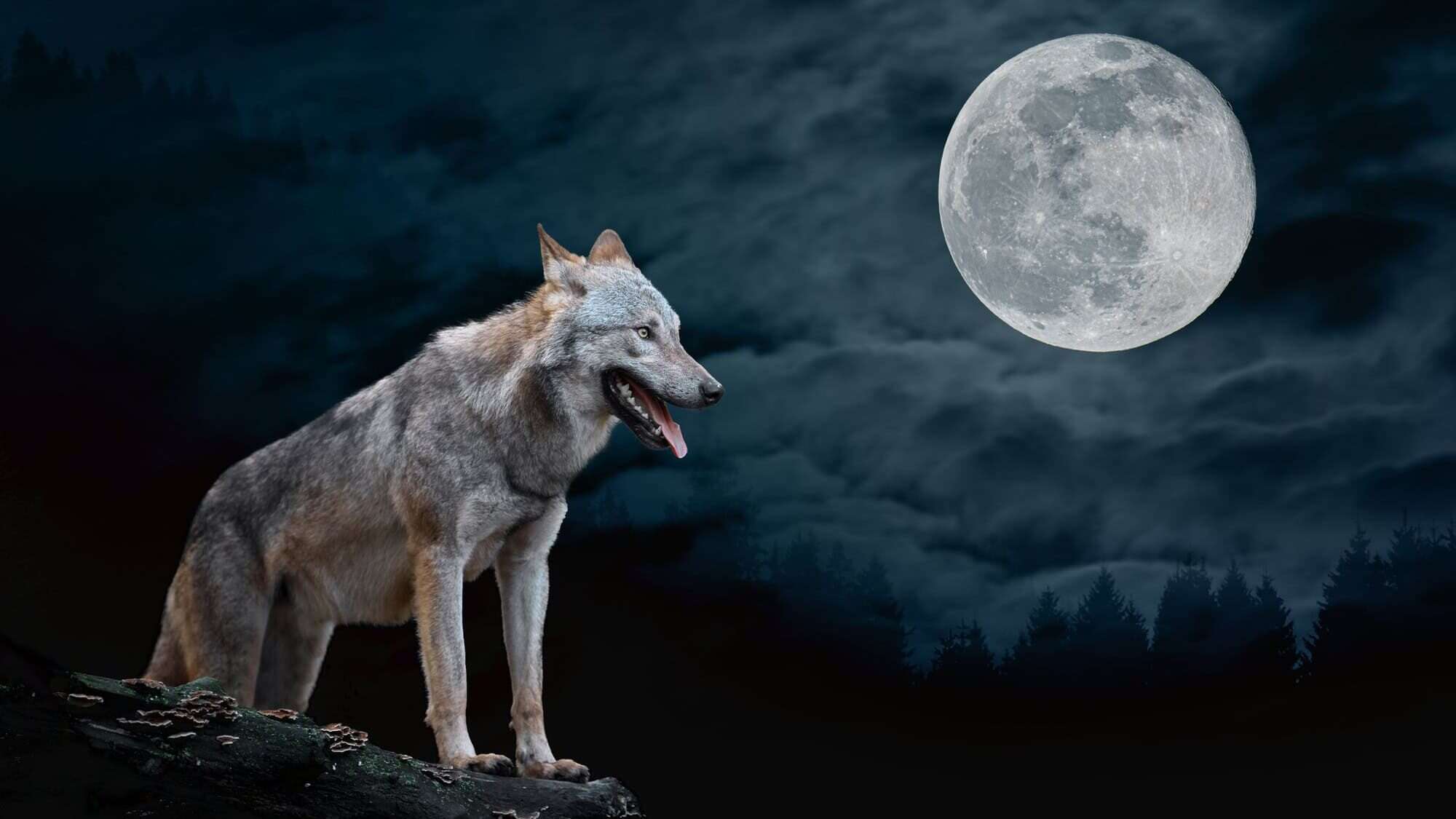
Becoming more nocturnal isn’t just a simple scheduling change for many animals—it represents a significant physiological challenge. Diurnal species have evolved specific adaptations for daytime activity, including eye structures optimized for daylight vision, circadian rhythms synchronized with solar cycles, and metabolic processes adapted to daytime temperatures. When forced into nocturnality, these animals must function with compromised sensory capabilities, disrupted hormonal cycles, and suboptimal body temperature regulation. Studies on nocturnal-shifting ungulates show they often experience increased stress hormone levels, altered feeding efficiency, and potential reproductive impacts. This physiological mismatch may create significant fitness costs for affected individuals and populations, particularly in species with limited evolutionary history of nocturnal activity.
Human Recreation and Wildlife Behavior
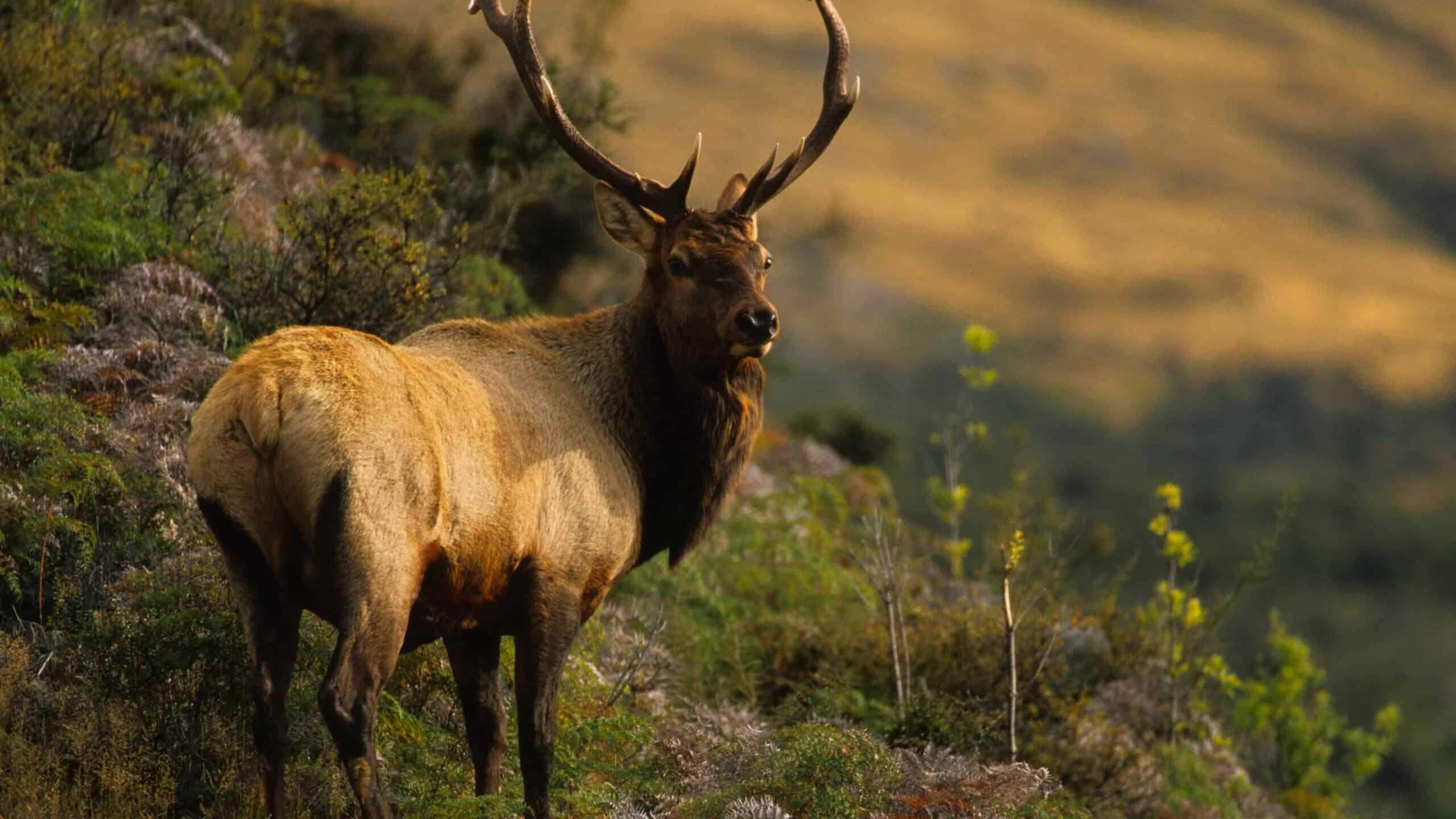
Even seemingly low-impact human recreational activities can drive nocturnal shifts in wildlife. Research in protected areas has found that hiking, mountain biking, and wildlife viewing can significantly alter animal behavior. A study in Glacier National Park showed that hikers on trails caused a 38% decrease in daytime activity for nearby elk populations. Similarly, research in California documented recreational trail use causing bobcats to shift 70% of their activity to nighttime hours in heavily visited areas compared to 43% in areas with less human traffic. Even in protected wilderness, the mere presence of humans appears sufficient to drive behavioral change, with studies showing that animals can detect human presence from considerable distances and alter their activity patterns accordingly.
Urban Wildlife Adaptations
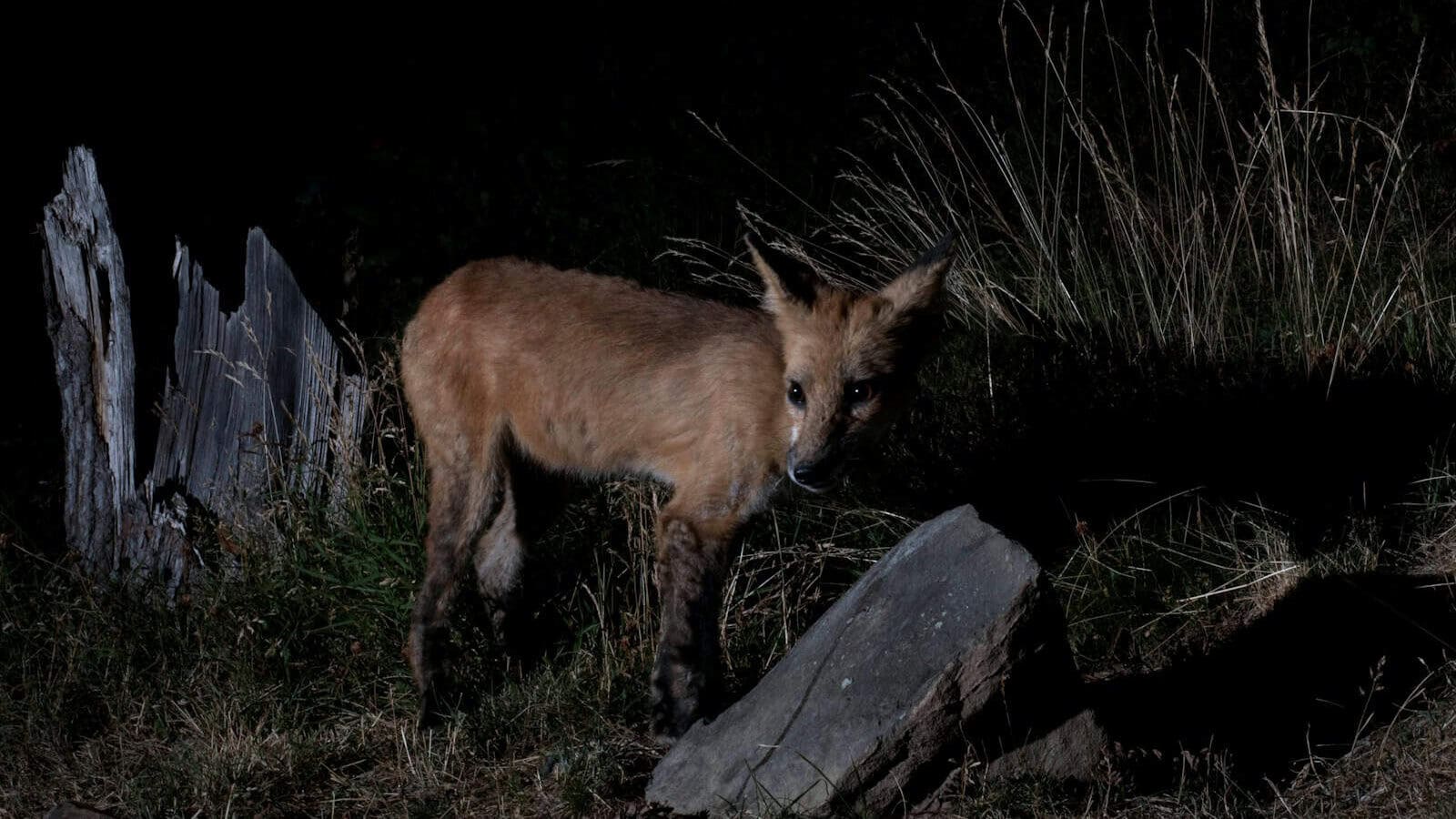
Urban environments represent some of the most extreme examples of human-induced nocturnality. City-dwelling wildlife must navigate a landscape dominated by human structures, activity, and artificial light. Despite these challenges, many species have successfully colonized urban areas by becoming increasingly nocturnal. Coyotes in Chicago have been documented shifting to over 80% nocturnal activity, allowing them to utilize urban resources while avoiding human encounters. Urban deer populations show similar patterns, with studies in suburban Pennsylvania finding that deer shifted 49% of their feeding activity to nighttime hours compared to 19% for deer in rural forests. These behavioral adaptations have allowed surprising numbers of medium and large mammals to thrive in even densely populated metropolitan areas by temporally partitioning their activity from humans.
The Role of Hunting Pressure
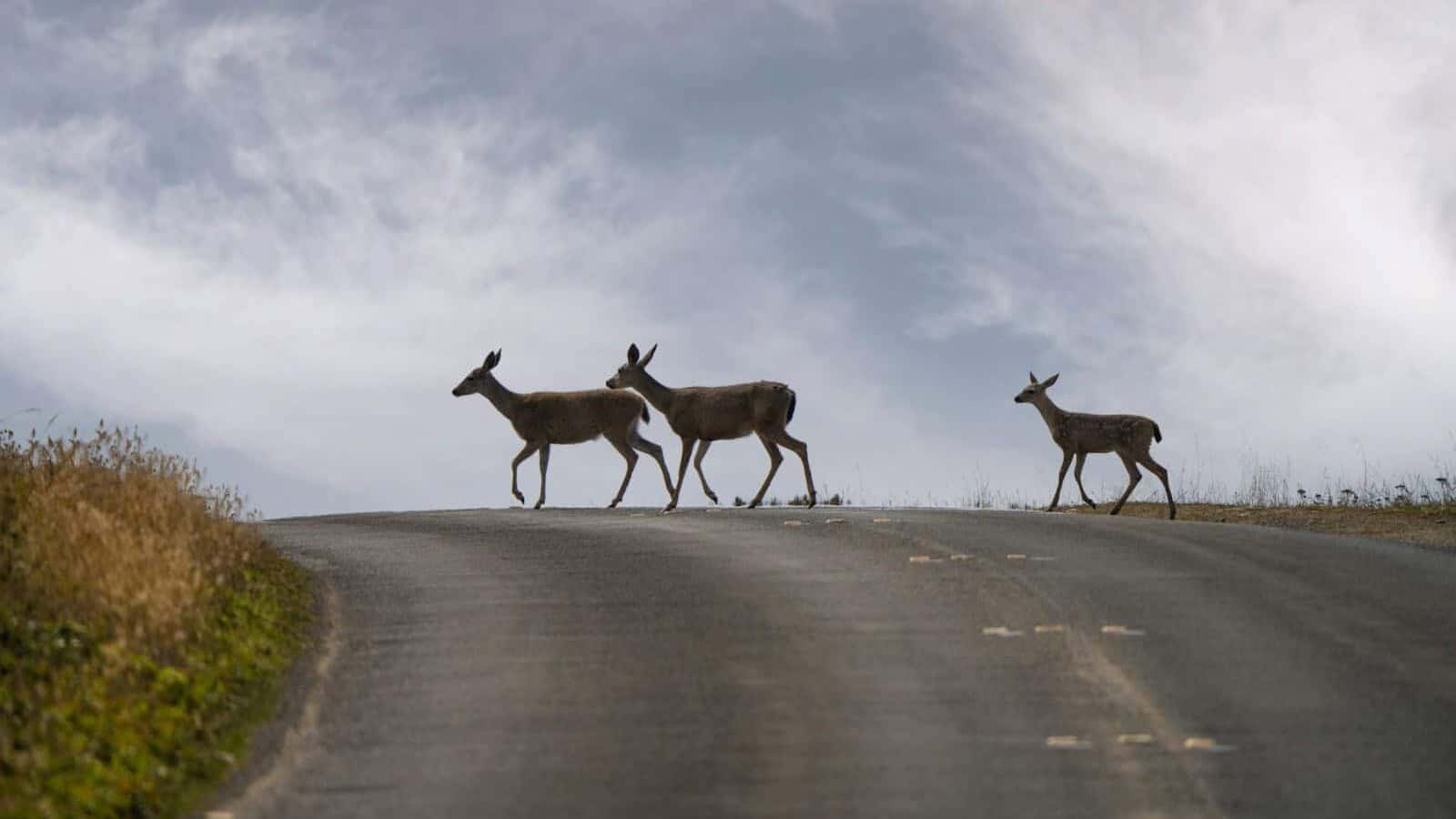
Hunting represents a particularly strong driver of nocturnal behavior in many game species. Animals quickly learn to associate human presence with lethal danger during hunting seasons and adjust their activity patterns accordingly. Research on white-tailed deer has shown dramatic shifts toward nocturnality during hunting seasons, with some populations reducing daytime movement by up to 82% during these periods. Interestingly, these behavioral changes often persist well beyond hunting season, suggesting long-term learning and adaptation. Even in protected areas adjacent to hunting zones, non-hunted populations demonstrate increased nocturnality, indicating that the perception of human threat can spread beyond directly affected individuals. This pattern is observed globally, with studies in Africa, Asia, and South America all documenting stronger nocturnal shifts in hunted versus non-hunted populations of the same species.
Agricultural Landscapes and Temporal Patterns

Agricultural landscapes create unique challenges for wildlife, combining habitat fragmentation with regular human presence and activity. Many species persist in these modified landscapes by becoming increasingly nocturnal to avoid daytime farming operations. Research in European agricultural regions found that roe deer shifted 75% of their feeding activity to nighttime hours in croplands compared to 45% in nearby forests. Similar patterns have been observed in carnivores like foxes and badgers, which utilize agricultural resources while avoiding human encounters through temporal partitioning. The temporal rhythms of farming operations—including predictable patterns of human activity during planting, maintenance, and harvest—appear to shape wildlife activity in these landscapes, with animals demonstrating sophisticated temporal awareness of when humans are likely to be present.
Light Pollution Complications

The nocturnal shift paradoxically coincides with increasing artificial light at night (ALAN), which creates additional challenges for night-active animals. Light pollution from urban areas, roadways, and industrial development can extend for many kilometers beyond human settlements, affecting wildlife in otherwise natural areas. For animals shifting to nocturnality, this artificial illumination can compromise the very benefits they seek by becoming night-active. Research shows that artificial light can disrupt navigation, alter predator-prey detection, interfere with reproduction, and disrupt circadian rhythms in many species. A study of mammals in the United Kingdom found that even low levels of artificial light reduced the activity of otherwise nocturnal species by 36%. This creates a complex situation where animals must navigate between daytime human disturbance and nighttime light pollution to find temporal refuge.
Conservation Implications
The widespread shift toward nocturnality has significant implications for wildlife conservation and management. Traditional conservation approaches often focus on protecting habitat without considering the temporal dimension of human disturbance. However, research suggests that even pristine habitat may be functionally compromised if animals cannot access resources during their preferred activity times. Forward-thinking conservation strategies now incorporate temporal considerations, such as restricting human access during critical wildlife activity periods or creating temporal refuges where human disturbance is minimized. In some protected areas, managers have implemented “temporal zoning” approaches similar to spatial zoning, restricting certain human activities during times when sensitive species are most active. Understanding and mitigating human-induced nocturnality may be particularly important for threatened species already facing multiple conservation challenges.
Measuring and Monitoring Temporal Shifts

Technological advances have revolutionized researchers’ ability to document nocturnal shifts in wildlife. GPS collars with accelerometers now allow continuous monitoring of animal activity patterns, while camera trap networks provide round-the-clock surveillance of wildlife communities. These technologies have enabled scientists to quantify nocturnal shifts with unprecedented precision across diverse ecosystems and species. For example, a global study using camera trap data from 15 countries revealed that mammal communities near human settlements showed 68% higher nocturnality than those in remote areas. Acoustic monitoring technologies have similarly documented temporal shifts in vocal animals like birds and amphibians. These monitoring approaches are providing valuable baseline data and allowing researchers to track changes in animal behavior as human activity patterns continue to evolve and expand globally.
The Future of Human-Wildlife Temporal Dynamics
As human populations continue to grow and expand into previously undisturbed habitats, temporal partitioning between humans and wildlife will likely become increasingly important. Climate change adds further complexity, as rising temperatures may make daytime activity more physiologically stressful for many species, potentially reinforcing nocturnal tendencies. Some researchers suggest we may be creating fundamentally different “night ecosystems” with novel ecological relationships and selection pressures. The human-induced nocturnal shift represents both a concerning example of human impact on wildlife and a remarkable demonstration of animal adaptability. Understanding how different species respond to these temporal pressures—which can adapt and which cannot—may be crucial for predicting which species will persist in an increasingly human-dominated world. Conservation biologists are now calling for greater attention to the “temporal ecology” of endangered species and ecosystem.
The increasing nocturnality of wildlife around humans represents one of the most widespread but least visible impacts of human activity on the natural world. This temporal shift reflects the remarkable behavioral plasticity of many species but also raises concerns about the physiological costs and ecological disruptions that may result from animals operating outside their evolved temporal niches. As we continue to share landscapes with wildlife, understanding and mitigating our temporal footprint may be just as important as managing our physical footprint on the environment. By recognizing how our presence shapes animal behavior across the 24-hour cycle, we can develop more nuanced conservation approaches that protect not just where animals live, but when they can safely access and utilize their habitat. The nocturnal shift phenomenon ultimately reminds us that coexistence with wildlife requires consideration of dimensions beyond just space—time itself has become a critical and limited resource in human-wildlife relations.

- How Crickets Chirp Using Their Wings - July 20, 2026
- The Largest Sea Turtle Ever Rescued Off North Carolina - July 20, 2026
- The Ocean’s Escape Artist: Why Octopuses Outsmart Us All - July 20, 2026