


Throughout history, tales of animals exhibiting strange behaviors before earthquakes, tsunamis, volcanic eruptions, and other natural disasters have both fascinated and perplexed humans. From toads abandoning their breeding grounds days before an earthquake to elephants running for higher ground before a tsunami hits, these accounts raise profound questions about animal sensory capabilities that may exceed our own. While some dismiss these stories as mere coincidence or folklore, scientific evidence increasingly suggests that many animals possess extraordinary abilities to detect subtle environmental changes that precede catastrophic events. This article explores the remarkable ways animals sense impending natural disasters, the science behind these abilities, and what this understanding might mean for human disaster preparedness and our relationship with the animal kingdom.
The Historical Perspective on Animal Disaster Sensing

References to animals predicting natural disasters date back thousands of years across diverse cultures. In 373 BCE, historians recorded that rats, snakes, and weasels fled the Greek city of Helice days before a devastating earthquake and tsunami. Ancient Chinese records from 780 BCE mention unusual animal behavior preceding earthquakes, leading to the development of one of the world’s first seismic monitoring systems that partially relied on animal observations. Japanese folklore contains numerous references to catfish becoming agitated before earthquakes, while indigenous communities across continents incorporated animal behavior into their disaster warning systems. These historical accounts demonstrate that the recognition of animals’ predictive abilities isn’t new, but rather represents ancient wisdom that modern science is only beginning to validate systematically. The consistency of these observations across unconnected cultures suggests there may be substantial truth behind what was once dismissed as superstition.
Scientific Evidence: Beyond Anecdotes

While anecdotal evidence abounds, rigorous scientific research on animal disaster prediction has accelerated in recent decades. A landmark study following the 2004 Indian Ocean tsunami documented that despite the death of over 230,000 people, few wild animal casualties were reported, suggesting widespread evacuation before the waves hit. Research at the Yanachaga National Park in Peru found that toads abandoned their breeding site five days before a magnitude 6.9 earthquake in 2009, returning only after the seismic activity subsided. In a controlled setting, scientists from the USGS have documented that laboratory mice display increased activity and anxiety-related behaviors hours before earthquakes. Studies at Germany’s Max Planck Institute have shown that ants modify their nest structures days before earthquakes. The body of scientific evidence now constitutes hundreds of peer-reviewed studies across diverse species, moving this field from folklore into legitimate scientific inquiry, though many mechanisms remain incompletely understood.
Seismic Sensitivity: Feeling What We Cannot

Elephant sense. Image via Unsplash
Many animals possess extraordinary sensitivity to ground vibrations that far exceeds human capabilities. Elephants can detect seismic signals through specialized receptors in their feet and trunks from up to 20 miles away, allowing them to communicate over long distances and potentially sense P-waves (primary waves) that precede more destructive earthquake waves. Snakes possess jaw structures that make contact with the ground, effectively turning their entire bodies into seismic detectors capable of sensing minute vibrations. Research has shown that certain spiders modify their web-building behavior when exposed to pre-earthquake vibrations at levels far below human detection thresholds. Scientists at the University of California have documented that even simple organisms like earthworms exhibit mass emergence behaviors in response to minor ground vibrations that might indicate coming seismic events. This enhanced seismic sensitivity likely evolved as predator-detection mechanisms or communication systems but serves double duty as natural disaster early warning systems.
Atmospheric and Electromagnetic Sensitivity

Beyond physical vibrations, many animals can detect subtle changes in atmospheric conditions and electromagnetic fields that often precede natural disasters. Birds possess magnetoreception abilities, allowing them to sense Earth’s magnetic field for navigation, and research suggests these same systems may detect anomalies preceding earthquakes. Bees and other insects have demonstrated sensitivity to electric field changes as small as 4.5 volts per meter—changes often observed before seismic events. A 2010 study published in the Journal of Zoology found that farm animals displayed unusual clustering behaviors in response to electromagnetic field fluctuations days before significant earthquakes. Marine mammals like dolphins and whales may detect pressure changes through their highly sensitive auditory systems that can pick up infrasound (sound below human hearing range) over vast distances. These varied sensitivities provide animals with a multi-sensory awareness of environmental changes that humans typically remain oblivious to without technological assistance.
Chemical Detection Abilities

Changes in groundwater chemistry and the release of gases often precede seismic events and volcanic eruptions, providing another detection pathway for animals with acute chemical sensitivity. Canines possess approximately 300 million olfactory receptors compared to humans’ mere 6 million, allowing them to detect chemical changes at concentrations as low as parts per trillion. Research at Guangxi University demonstrated that snakes can detect hydrogen sulfide and other gases released before earthquakes at concentrations undetectable to humans. Studies of ants near volcanic regions show they abandon areas with elevated carbon dioxide levels days before eruptions occur. Fish have demonstrated extreme sensitivity to dissolved gases and water chemistry changes, with documented cases of unusual fish behavior preceding seismic events in Japan, Chile, and China. Scientists at the University of California, Berkeley have proposed that these chemical detection abilities, which evolved primarily for finding food and avoiding predators, provide inadvertent earthquake prediction capabilities to many species, particularly those living underground or in aquatic environments where chemical changes may be more concentrated.
Behavioral Changes Before Disasters

Animal behavioral changes before natural disasters follow distinct patterns across species. Typically, animals display increased restlessness, vocalization changes, and attempts to relocate to safer areas. Prior to the 2004 tsunami, flamingos abandoned their low-lying breeding grounds in India’s Nalabana Bird Sanctuary, returning only after the danger passed. Before earthquakes, normally nocturnal animals like bats and rats have been documented becoming active during daylight hours. Deep-sea fish often rise to shallow waters before tsunamis and earthquakes, likely responding to pressure changes or seismic activity. Domestic animals frequently show increased anxiety, refusing to enter buildings or attempting to break free from confinement. A systematic review of 729 reports of unusual animal behavior before earthquakes found that abnormal behaviors typically begin hours to days before an event, with intensity increasing as the disaster approaches. These behavioral changes appear to follow a pattern of first detection, increasing anxiety, and finally decisive action like evacuation—suggesting a progressive awareness of impending danger rather than a single moment of perception.
Notable Disaster Predictions by Animals

Several well-documented cases stand as compelling evidence of animal disaster prediction abilities. Perhaps most famous is the 2004 Indian Ocean tsunami, where wildlife park rangers in Sri Lanka reported the peculiar absence of animals from harm’s way despite the deaths of over 30,000 humans in the country. In 1975, Chinese officials ordered evacuation of Haicheng based partly on observations of unusual animal behavior, potentially saving thousands of lives before a 7.3 magnitude earthquake. Before the 2011 Tōhoku earthquake and tsunami in Japan, pet owners reported widespread unusual behavior in dogs and cats, with documentation of animals attempting to escape or refusing to go outdoors. In 2009, a colony of toads in L’Aquila, Italy abandoned their pond days before a 6.3 magnitude earthquake devastated the region. Zoo officials at Thailand’s Khao Lak reported that elephants broke their chains and ran to higher ground before tsunami waves arrived, while usually docile animals became highly agitated. These documented cases represent situations where animal behavior was noted before the disaster, rather than recognized retrospectively, lending credibility to their predictive value.
The Science of Tsunamis and Animal Detection
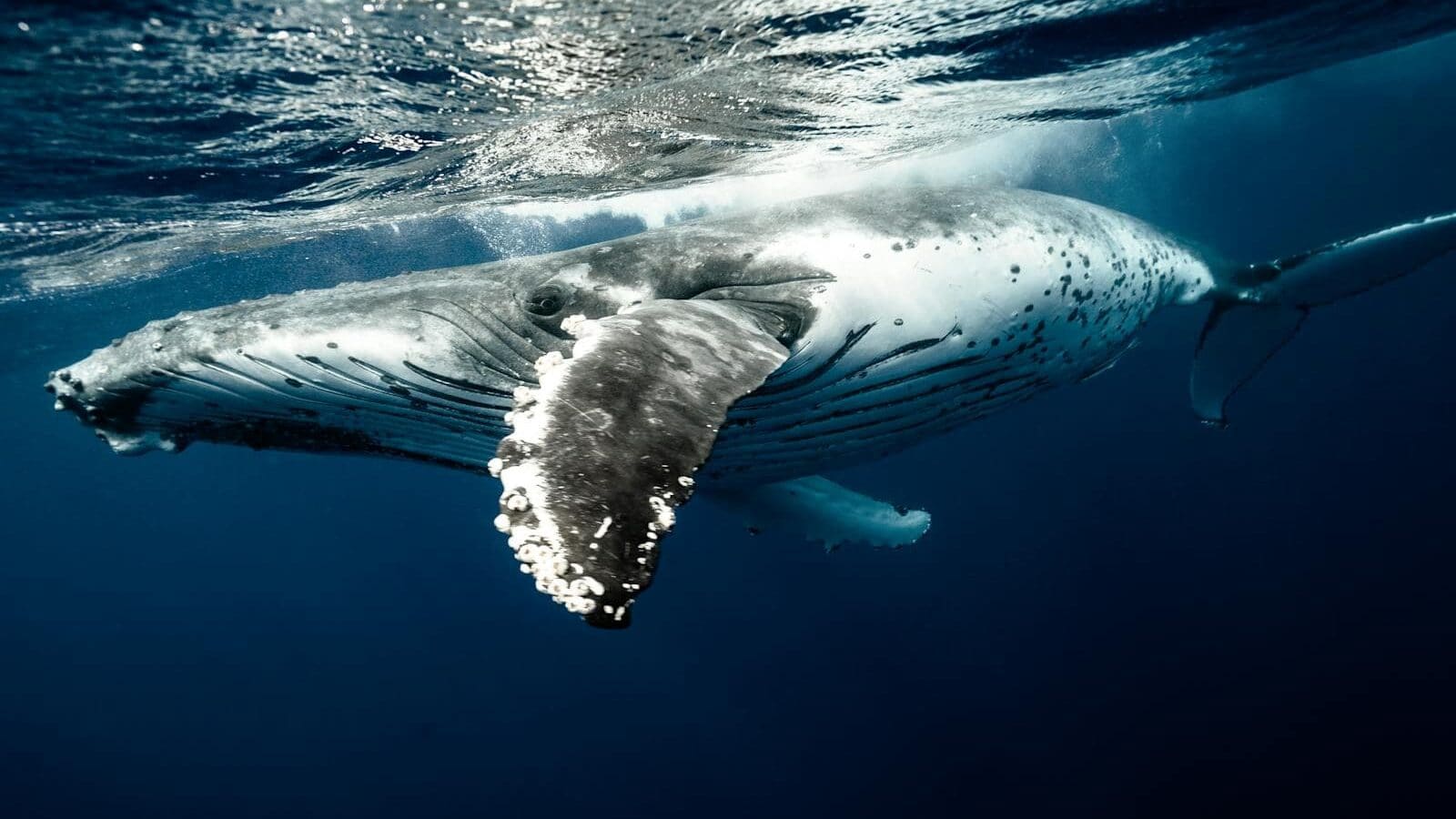
Tsunamis present unique detection challenges, yet numerous animals demonstrate remarkable abilities to sense them before impact. Unlike earthquakes, tsunamis travel through water rather than land, generating massive pressure changes and infrasound that can travel thousands of miles. Marine mammals like dolphins and whales possess specialized organs capable of detecting these pressure waves long before they reach shore. Elephants’ ability to detect infrasound as low as 14 Hz (below human hearing threshold of 20 Hz) allows them to sense tsunami-generated sounds from hundreds of miles away. Research following the 2004 tsunami found that wildlife in Sri Lanka’s Yala National Park moved inland before the waves hit, with elephants heard trumpeting in distress hours before impact. Flamingos abandoned low-lying areas, while animals that remained in coastal zones moved to higher ground. Studies have shown that many animals can detect the slight changes in air pressure that precede tsunami waves, prompting evacuation behaviors even when no visible danger is present. This phenomenon demonstrates how evolved sensory adaptations provide natural warning systems far more sensitive than human perception without technological aids.
Volcanic Eruptions and Animal Awareness

Volcanic activity creates multiple sensory signals that many animals can detect long before visible eruptions occur. Gas emissions, particularly carbon dioxide and hydrogen sulfide, often increase days or weeks before eruptions, creating chemical signals detectable by animals with acute olfactory abilities. Groundwater temperature and chemistry changes typically precede eruptions, affecting aquatic species and those dependent on water sources near volcanoes. Small seismic events that humans rarely notice become more frequent before eruptions, providing early warnings to seismically sensitive species. Historical accounts document mass animal evacuations before major eruptions, including the famous 79 CE Mount Vesuvius eruption where unusual animal migrations were noted in Roman writings. Modern research around active volcanoes has found that insect populations often decline days before eruptions, while birds alter flight paths to avoid areas with increased gas emissions. A particularly striking study of the 1991 Mount Pinatubo eruption in the Philippines documented that cattle, dogs, rats, and other animals began evacuating the area up to two weeks before the catastrophic eruption, potentially responding to a combination of gas emissions, thermal changes, and microseismic activity imperceptible to humans.
Applying Animal Sensitivity to Human Warning Systems

Scientists and emergency management agencies are increasingly exploring how animal behavior might supplement technological disaster warning systems. In China, the Earthquake Administration has formally incorporated animal observation into its earthquake monitoring program, with dedicated personnel observing behaviors of chickens, fish, and other animals at monitoring stations. Similar programs exist in Japan, where historical records of catfish behavior before earthquakes have influenced modern approaches. The United States Geological Survey has conducted research on potential electromagnetic field detection by animals, seeking to understand and potentially replicate these natural sensing abilities. In tsunami-prone regions of Southeast Asia, some communities have implemented informal observation networks focusing on animal behavior, particularly elephants and domestic animals, as supplemental warning systems. Researchers at Guangdong University are developing AI systems to monitor and interpret animal behaviors for potential disaster prediction, using machine learning to identify patterns that might indicate imminent threats. While these approaches remain experimental and supplementary to traditional warning systems, they represent a growing recognition that animal sensitivity might provide valuable additional warning time in disaster scenarios.
Skepticism and Scientific Challenges

Despite compelling evidence, the field of animal disaster prediction faces significant scientific challenges and skepticism. Critics point to confirmation bias—the tendency to remember unusual animal behavior only when disasters follow, while forgetting similar behaviors when no disaster occurs. Statistical analysis is complicated by the infrequency of major disasters, making it difficult to establish reliable correlations between animal behavior and subsequent events. Controlled studies are ethically and practically challenging to conduct, as researchers cannot expose animals to actual disasters for study purposes. The multifaceted nature of natural disasters means animals might be responding to various environmental cues, making it difficult to isolate specific detection mechanisms. Some researchers argue that apparent prediction abilities might simply reflect animals’ general sensitivity to environmental changes rather than specific disaster detection. Additionally, disaster prediction studies often rely on retrospective accounts rather than controlled observations, introducing potential memory biases. Despite these challenges, the growing body of research continues to strengthen the case for animal disaster sensing while acknowledging the need for rigorous scientific methods to better understand these phenomena.
How Different Species Detect Different Disasters

The ability to sense impending natural disasters varies significantly across species, with different animals specializing in detecting particular types of events. Birds appear particularly sensitive to atmospheric pressure changes and infrasound, making them effective predictors of storms, tsunamis, and volcanic eruptions; their ability to take flight gives them a unique evacuation advantage. Burrowing animals like snakes, rodents, and worms demonstrate strong sensitivity to ground vibrations and gas emissions, making them particularly responsive before earthquakes and volcanic activity. Aquatic species show marked sensitivity to water pressure, chemistry changes, and dissolved gas concentrations, often reacting strongly before tsunamis and earthquakes affecting marine environments. Large mammals like elephants combine multiple sensing abilities—seismic sensitivity through their feet, infrasound detection through specialized ear structures, and acute smell—creating comprehensive disaster detection systems. Insects often respond to subtle electromagnetic field changes that frequently precede earthquakes, with bee behavior being particularly well-documented in scientific literature. These specialized detection abilities reflect evolutionary adaptations to each species’ typical environment and threats, inadvertently providing disaster prediction capabilities that humans have observed throughout history.
The growing scientific evidence for animals’ ability to sense impending natural disasters offers profound insights into both the natural world and our place within it. While we’ve created sophisticated technologies to detect and monitor natural hazards, animals have evolved biological systems that often surpass our instruments in sensitivity and integration. This reality invites humility about human perception and reminds us that our species’ dominance has not made us superior sensors of our environment. The study of animal disaster detection also presents practical opportunities for enhancing human safety through collaborative approaches that combine technological and biological warning systems. Perhaps most importantly, this field reveals the deep interconnectedness of all living things with the earth’s systems, demonstrating how evolutionary adaptations have created intricate relationships between organisms and their environments. As we face increasing climate-related disasters, the wisdom embedded in animal behavior may prove not merely interesting but essential to human survival and adaptation in a changing world.

- The Story Behind the Red Panda’s Endangered Status - July 18, 2026
- Are You Really Swallowing Spiders in Your Sleep? - July 18, 2026
- Why Japanese Macaques Love Hot Springs - July 17, 2026