


For centuries, humans have considered themselves the pinnacle of intelligence on Earth. However, as science advances, we’re discovering that animals possess remarkable cognitive abilities that challenge our understanding of intelligence. From problem-solving crows to empathetic elephants, the animal kingdom is filled with minds that work in fascinating and unexpected ways. This article explores 17 mind-blowing facts about animal intelligence that may forever change how you perceive our fellow creatures. These discoveries not only highlight the remarkable cognitive abilities of various species but also raise profound questions about consciousness, emotional awareness, and the evolutionary paths of intelligence.
17. Crows Can Solve Complex, Multi-Step Problems
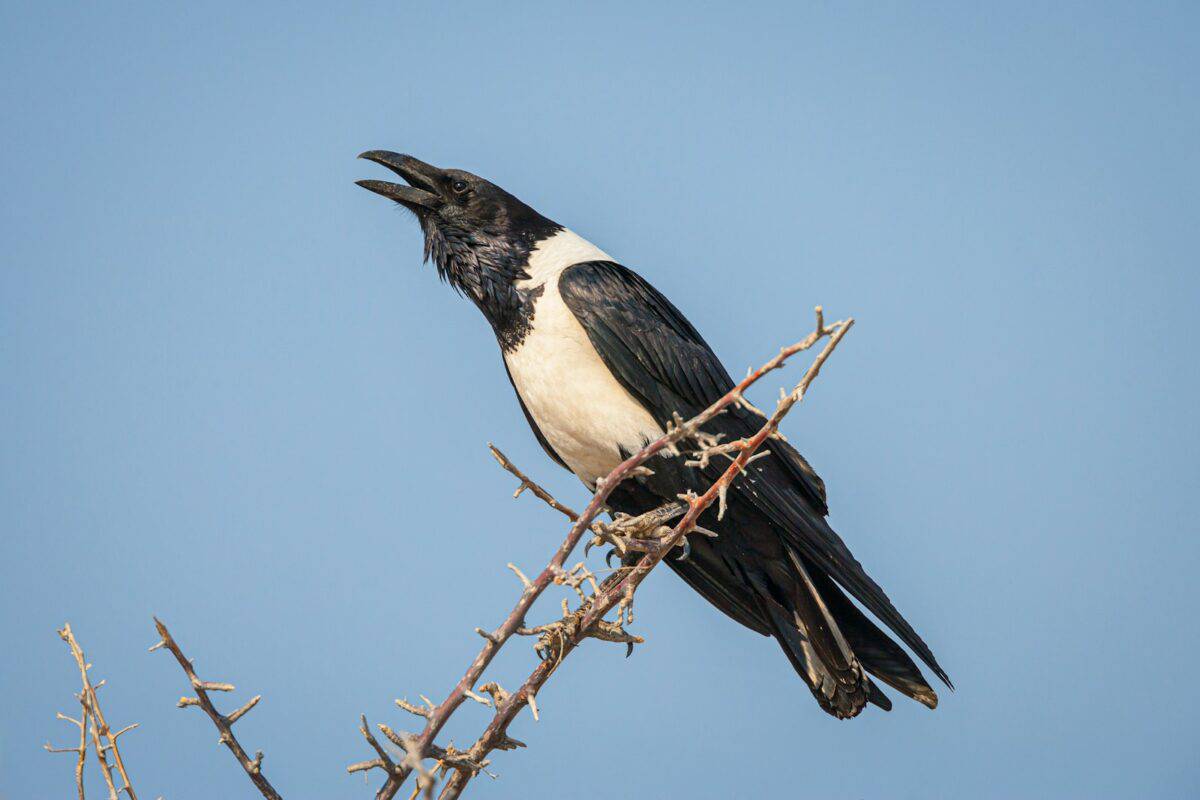
Crows belong to the corvid family, which demonstrates problem-solving abilities comparable to great apes. In a famous study at the University of Oxford, scientists observed New Caledonian crows creating tools to retrieve food from difficult-to-reach places. These birds can solve complex, multi-step problems without prior training. One remarkable experiment showed a crow named Betty spontaneously bending a straight piece of wire into a hook to retrieve food from a tube. Perhaps most impressively, researchers have documented crows using up to three tools in sequence to solve a problem—a level of causal reasoning previously thought to exist only in humans and some primates.
16. Octopuses Can Use Tools and Escape From Locked Containers
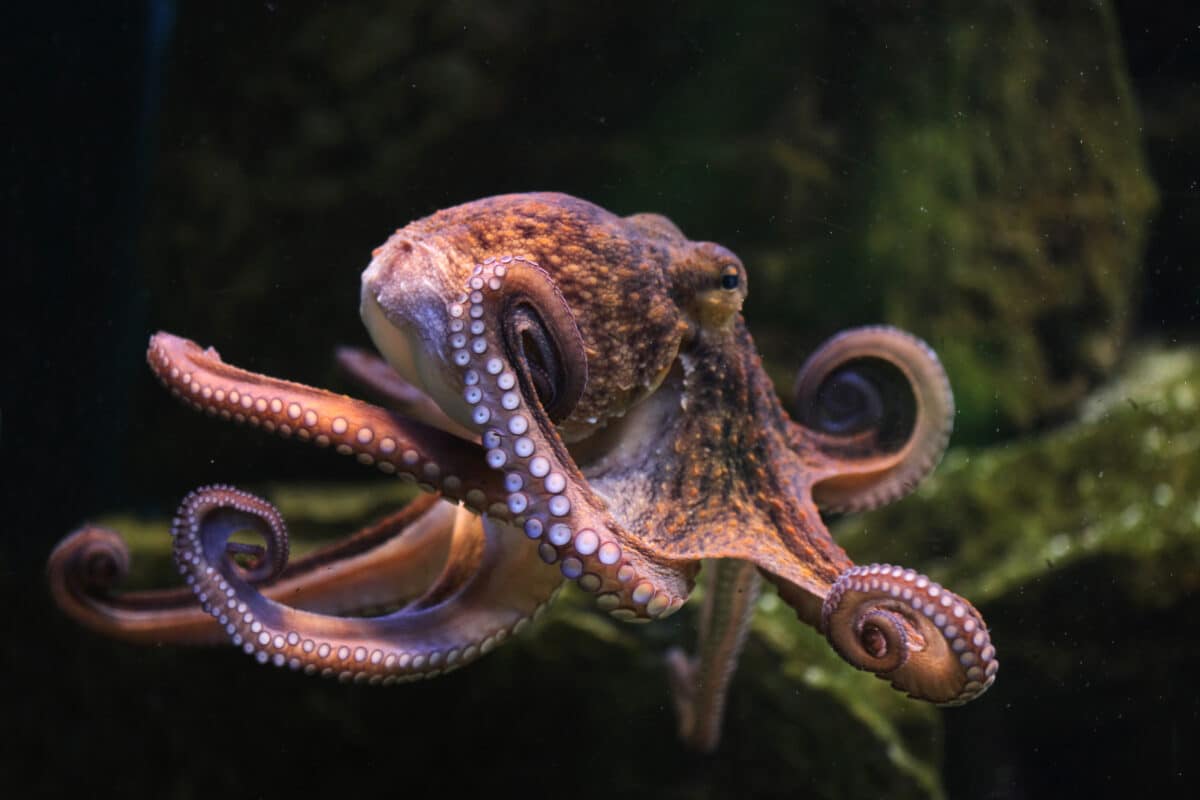
Despite having evolved along a completely different evolutionary path from vertebrates, octopuses display remarkable intelligence. These eight-armed cephalopods have approximately 500 million neurons, with two-thirds distributed throughout their arms, creating a decentralized but highly effective brain. Octopuses have been observed using coconut shells as portable shelters, demonstrating tool use—a behavior once considered exclusive to mammals. Their problem-solving abilities are legendary among marine biologists. In laboratories and aquariums worldwide, octopuses regularly escape from seemingly secure tanks, unscrew jar lids from the inside, and navigate mazes. One famous octopus at the New Zealand National Aquarium named Inky escaped his tank, traveled across the floor, and squeezed through a 6-inch drain pipe leading to the ocean—all behaviors requiring complex planning and spatial awareness.
15. Elephants Recognize Themselves in Mirrors

Self-recognition in mirrors is considered a hallmark of advanced cognitive ability and self-awareness. For decades, only great apes and humans were thought capable of this feat. However, elephants have joined this exclusive club. When researchers placed a mirror in front of Asian elephants and painted visible marks on their foreheads, the elephants touched the marks with their trunks, demonstrating they recognized the reflection as themselves rather than another elephant. This remarkable ability suggests elephants possess a level of self-awareness once thought unique to primates. Beyond mirror recognition, elephants exhibit extraordinary memory capabilities, remembering migration routes, water sources, and even specific humans who have harmed or helped them decades earlier—giving scientific credence to the saying “an elephant never forgets.”
14. Dolphins Call Each Other by Name

Dolphins possess one of the most sophisticated communication systems in the animal kingdom. Research has revealed that bottlenose dolphins develop individual “signature whistles” that function similarly to names in human society. Each dolphin creates its unique whistle during its first year of life and retains it throughout its lifetime. When dolphins encounter each other, they exchange these whistles, effectively introducing themselves. More remarkably, dolphins can mimic the signature whistles of close companions when separated, seemingly calling out for specific individuals. Scientists at the University of St. Andrews recorded dolphins reproducing the distinct whistles of absent pod members, providing strong evidence that dolphins recognize and refer to each other as distinct individuals with specific identities—a cognitive ability previously thought unique to humans.
13. Chimpanzees Outperform Humans in Some Memory Tests

Our closest evolutionary relatives possess some cognitive abilities that exceed our own. In studies conducted by Kyoto University researchers, young chimpanzees demonstrated photographic memory capabilities that surpass those of adult humans. In one remarkable experiment, chimpanzees were shown a sequence of numbers on a screen for just 210 milliseconds before the numbers were replaced with white squares. The chimps could accurately recall the position and sequence of the numbers, tapping them in numerical order—a feat most humans find impossible. Researcher Tetsuro Matsuzawa calls this “eidetic imagery,” suggesting that chimpanzees may retain visual information with greater precision than humans do. This research challenges our assumptions about human cognitive superiority and suggests that different evolutionary pressures led to divergent mental specializations between our species.
12. Rats Show Empathy and Altruism

Rats, often maligned as pests, demonstrate sophisticated emotional intelligence. In groundbreaking experiments at the University of Chicago, scientists placed two rats in a shared enclosure where one was trapped in a small restrainer that could only be opened from the outside. The free rats quickly learned how to liberate their companions and would do so even when there was no reward for helping. More impressively, when given a choice between opening a container with chocolate (a favorite treat) or freeing a distressed cagemate, rats would often free their companion first and then share the chocolate reward. This suggests rats possess empathy—the ability to understand and share the feelings of others—and act altruistically, helping others at a personal cost. These traits were long considered uniquely human moral characteristics, but research now suggests that empathy may be an evolutionary trait shared across many mammalian species.
11. Bees Understand the Concept of Zero

The concept of zero—the absence of quantity—is considered an advanced mathematical idea that human children typically don’t grasp until around four years of age. Remarkably, honeybees understand this abstract concept despite having brains containing fewer than one million neurons (compared to humans’ 86 billion). In experiments at RMIT University in Australia, scientists trained bees to identify which of two displays contained fewer elements by rewarding them with sugar water. When presented with displays containing one element versus zero elements, the bees correctly identified “zero” as the lower quantity. This demonstration of abstract numerical cognition in an insect with a brain the size of a sesame seed challenges our understanding of what types of brains can support complex thought. It suggests that advanced cognitive abilities may not require large brains but rather specific neural architectures that evolved to solve particular ecological problems.
10. Border Collies Can Learn Over 1,000 Words

While most dogs can learn a few dozen commands, border collies demonstrate exceptional language comprehension abilities. The most famous example is Chaser, a border collie who learned the names of over 1,000 distinct toys and could retrieve them on command. Her owner, psychologist John Pilley, used rigorous scientific methods to demonstrate Chaser’s vocabulary, teaching her to distinguish between verbs and nouns, and even to learn new words through inferential reasoning. For example, if shown a room with several familiar toys and one unfamiliar item, and asked to “fetch the dax” (a made-up word), Chaser would correctly deduce that “dax” referred to the unknown object. This ability to learn words through exclusion is similar to how human children acquire language. Chaser’s accomplishments suggest that dogs may understand human language more deeply than previously thought, with the potential for grammar comprehension beyond simple word association.
9. Alex the Parrot Demonstrated Understanding of Abstract Concepts
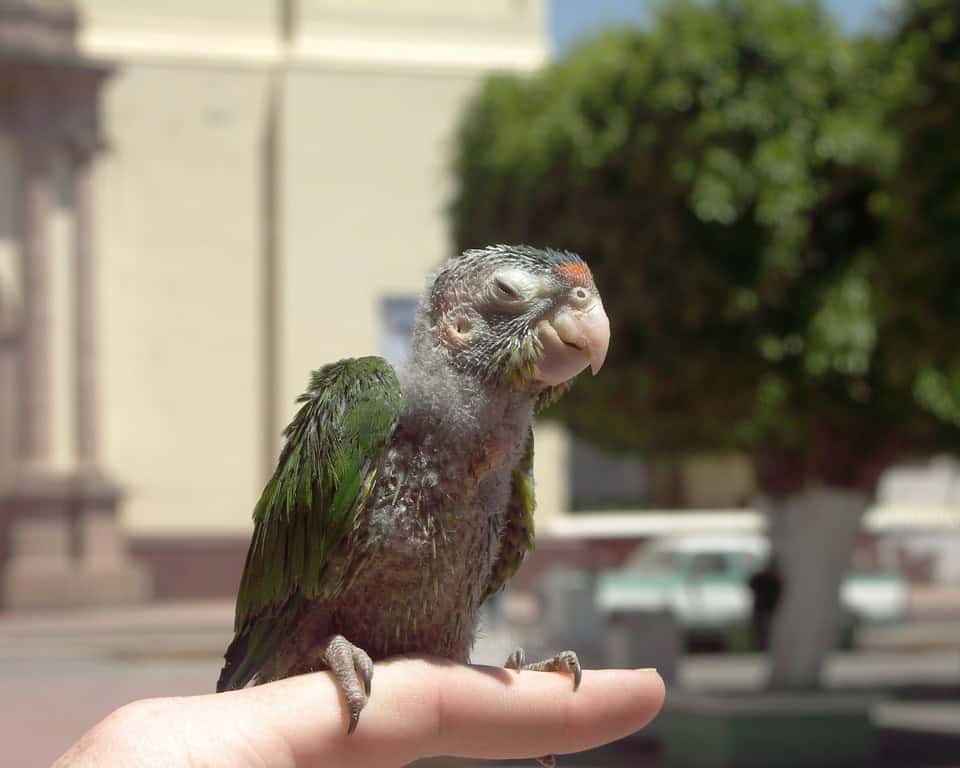
The African grey parrot named Alex (an acronym for Avian Learning Experiment) revolutionized our understanding of bird intelligence during his 30-year collaboration with Dr. Irene Pepperberg at Harvard University. Before Alex, scientists believed birds merely mimicked human speech without comprehension. Alex shattered this assumption by demonstrating a vocabulary of over 100 words, the ability to identify 50 different objects, distinguish seven colors and five shapes, and understand the concepts of “bigger,” “smaller,” “same,” and “different.” Perhaps most astonishingly, Alex could identify quantities up to six and even understood the concept of zero. When asked, “What color three?” while looking at a tray of objects, he could correctly identify the color of specifically three items. On his death in 2007, Alex’s last words to Dr. Pepperberg were: “You be good, I love you,” demonstrating not just cognitive but possibly emotional intelligence in avian species.
8. Pigeons Can Recognize Human Faces and Remember Them for Years
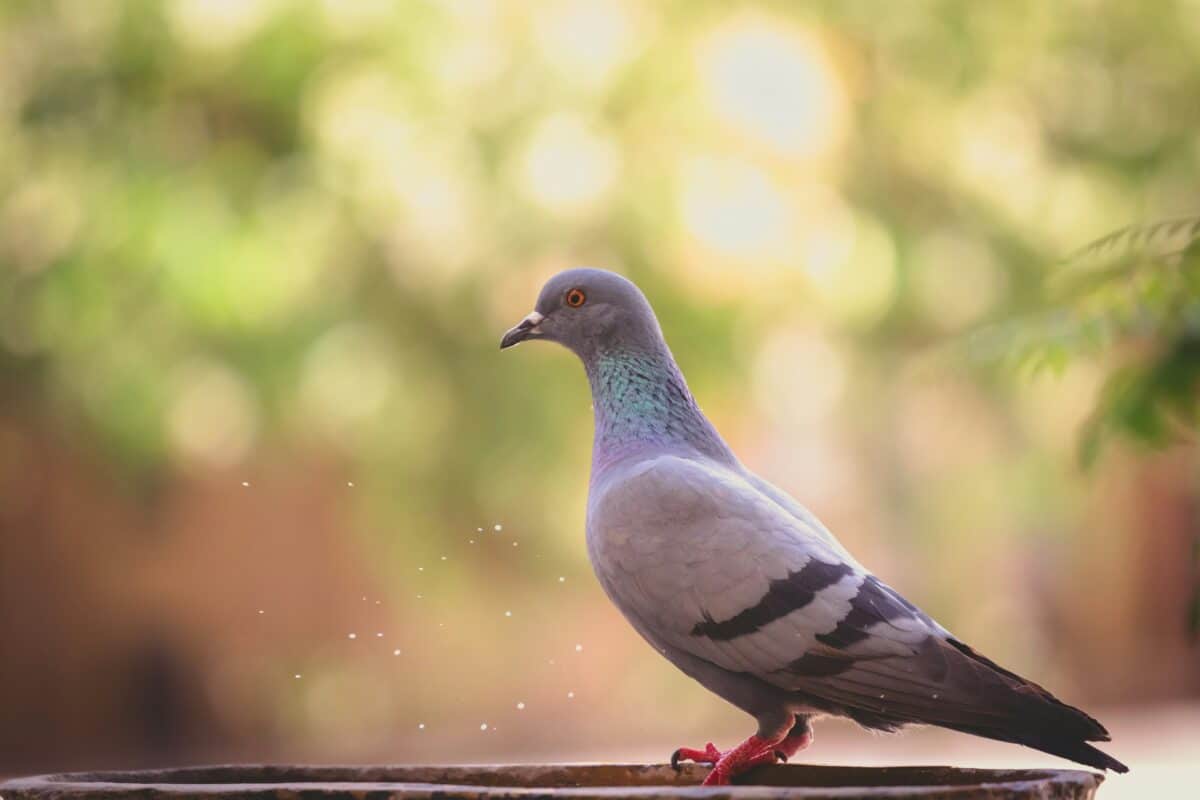
Despite their ubiquity in urban environments, pigeons possess cognitive abilities that most people overlook. Research from the University of Paris-Sud has demonstrated that pigeons can recognize and distinguish between different human faces, even when the faces are shown in photographs from different angles or under varied lighting conditions. Once a pigeon learns to identify a specific person, it can retain this facial recognition for years. In experiments where researchers who had fed pigeons returned after several years’ absence, the birds immediately recognized their benefactors. This sophisticated visual recognition system helps explain how pigeons navigate complex urban environments and maintain relationships with specific humans who regularly feed them. Their visual acuity is so impressive that in controlled experiments, pigeons have been trained to distinguish between authentic Monet and Picasso paintings and even to identify potentially cancerous areas in medical images with accuracy comparable to trained human radiologists.
7. Archerfish Can Calculate Complex Physics Problems
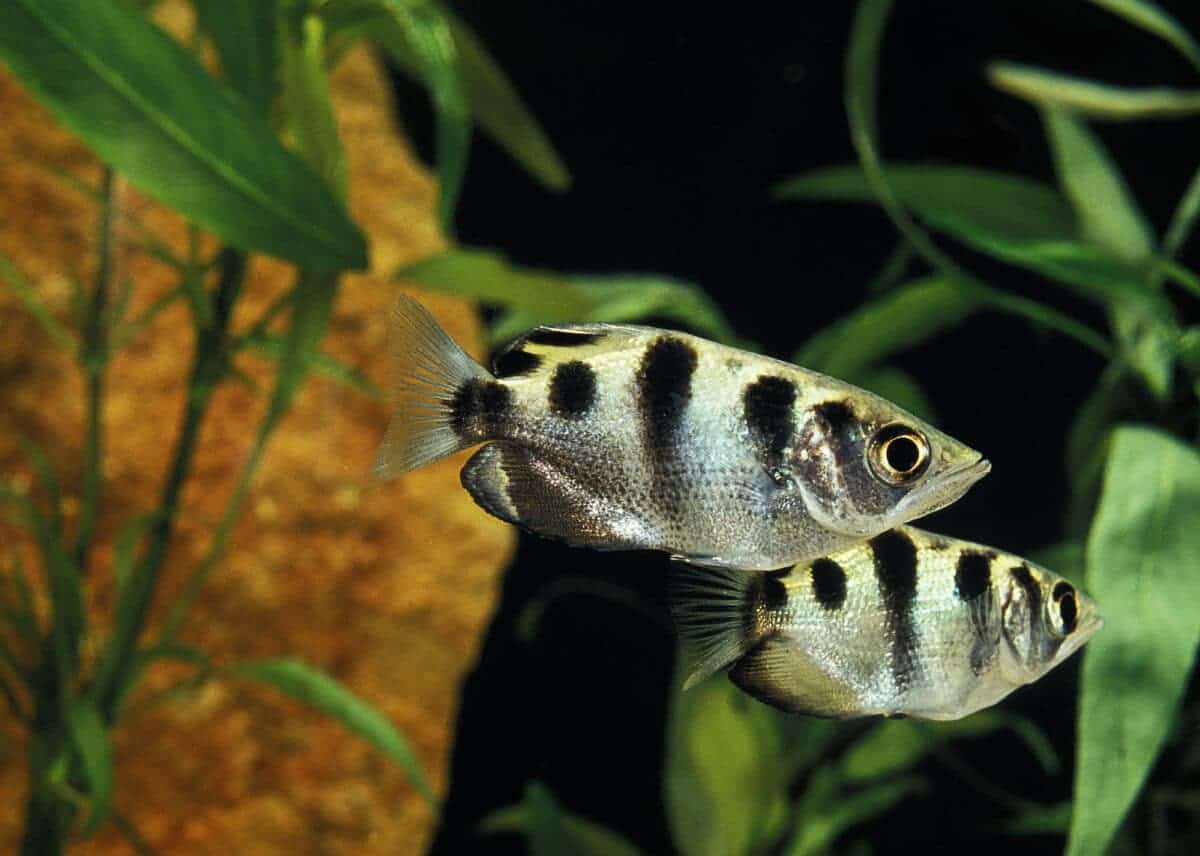
Archerfish have evolved a remarkable hunting technique: they shoot down insects above the water’s surface by spitting precisely aimed jets of water. What makes this ability truly extraordinary is the complex physics involved. When targeting prey, archerfish must account for refraction (light bending as it passes from air to water, creating visual distortion), the ballistic trajectory of water droplets, and the distance to the target—all calculated nearly instantaneously in a fish brain. Researchers at the University of Bayreuth in Germany found that archerfish can accurately hit moving targets, compensating for the target’s velocity and adjusting their aim accordingly. This requires predictive capabilities similar to how human baseball players catch fly balls. Even more impressively, archerfish can learn this skill by observing other fish, demonstrating social learning abilities previously thought to be beyond the capabilities of fish. Their hunting technique represents one of nature’s most sophisticated examples of tool use in a non-mammalian species.
6. Bonobos Can Start and Maintain Fire

For decades, humans defined themselves as the only species to use and control fire. However, research by Dr. Jill Pruetz of Iowa State University has documented bonobos (our closest living relatives along with chimpanzees) demonstrating rudimentary fire mastery. In controlled experimental settings, bonobos have shown the ability to gather appropriate materials for a fire, understand the concept of tinder, and maintain a flame once it’s started. Some captive bonobos have been observed using matches to light fires and even toasting marshmallows on sticks they’ve prepared. While wild bonobos haven’t been documented starting fires independently, they show no fear of fire unlike most animals and will approach naturally occurring fires to observe them. This suggests that the cognitive capacity for fire use may have evolved before humans and bonobos diverged approximately 6 million years ago, challenging our understanding of when fire mastery first appeared in our evolutionary history.
5. Sea Lions Can Follow Logical Reasoning

Sea lions have demonstrated abilities in abstract thinking that were once considered beyond the capabilities of non-primates. At the Pinniped Cognition and Sensory Systems Laboratory, a female sea lion named Rio participated in experiments testing transitive inference—the ability to derive a logical relationship between items that have not been directly compared. For example, if taught that A > B and B > C, humans can infer that A > C without being explicitly taught this relationship. Remarkably, Rio successfully made these inferences in complex sequences. When trained on relationships like A > B, B > C, C > D, and D > E, she could correctly determine that B > D despite never being directly shown this comparison. This form of logical reasoning indicates that sea lions possess a level of abstract thinking once thought unique to primates and some birds. Their ability to understand logical hierarchies may have evolved to help navigate complex social structures in wild sea lion colonies, where understanding dominance relationships is crucial for survival.
4. Goats Can Solve Complex Puzzles and Remember Solutions for Years

Goats have long been domesticated for their milk, meat, and fiber, but their intelligence has been significantly underestimated. Research at Queen Mary University of London has revealed that goats possess remarkable problem-solving abilities and long-term memory. In one study, goats were presented with a complex puzzle box containing food that required multiple steps to open. Not only did most goats solve the puzzle, but when retested with the same puzzle ten months later, they remembered the solution immediately, completing it in less than a minute. This demonstrates both advanced spatial reasoning and exceptional long-term memory. Goats also show sophisticated social intelligence, preferring to interact with humans who have previously treated them positively and distinguishing between human emotional states based on facial expressions. These abilities likely evolved as adaptations to their native mountainous habitats, where spatial memory and problem-solving skills are essential for finding scarce resources in challenging terrain.
3. Ants Practice Sophisticated Medicine and Agriculture
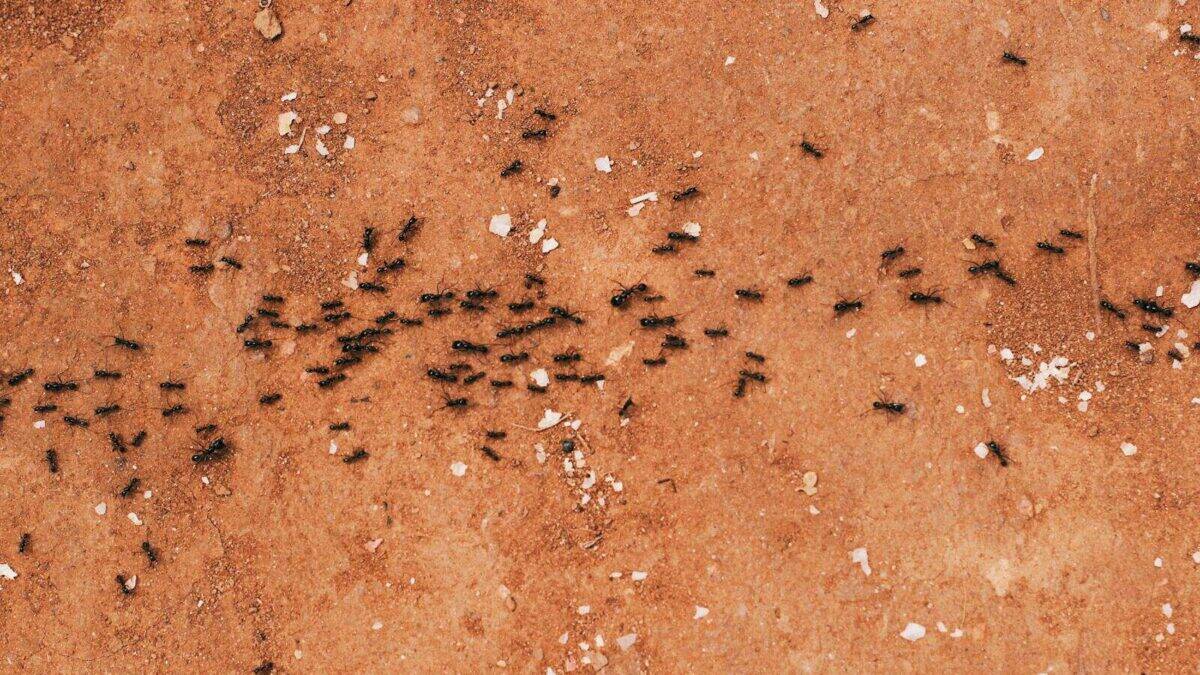
Despite having brains containing only around 250,000 neurons, ants demonstrate collective behaviors that suggest sophisticated intelligence at the colony level. Leaf-cutter ants practice a form of agriculture that predates human farming by millions of years. These ants don’t directly consume the leaves they harvest; instead, they use them to cultivate specific fungi in underground chambers with carefully controlled temperature and humidity. They actively manage these fungal crops, applying antibacterial secretions to prevent contamination and removing competing fungi. Even more remarkably, some ant species practice a form of medicine. When infected with a pathogenic fungus, wood ants will seek out and collect specific types of resin with antimicrobial properties and incorporate them into their nests, effectively self-medicating their colonies. These behaviors involve complex chemical recognition, multi-step planning, and information sharing across thousands of individuals, creating a form of distributed intelligence that accomplishes tasks no individual ant could comprehend.
2. Squirrels Use Deception and Strategic Planning

The seemingly simple act of a squirrel burying nuts involves sophisticated cognitive abilities that rival those of many primates. Research at the University of California, Berkeley, has revealed that eastern fox squirrels engage in “cache protection strategies” that include elaborate deception tactics. When a squirrel perceives it’s being watched by a potential thief, it will often dig fake caches, pretending to bury nuts while actually keeping them in their cheek pouches, only to bury them elsewhere later when unobserved. This requires theory of mind—understanding that other animals have knowledge states different from their own—a cognitive ability once thought limited to humans and a few great apes. Additionally, squirrels organize their thousands of buried nuts by categories such as nut type, nutritional value, and perishability, creating a sophisticated mental inventory system. They can remember the locations of thousands of nuts buried months earlier, demonstrating extraordinary spatial memory that puts many humans to shame.
1. Cleaner Wrasse Fish Pass the Mirror Self-Recognition Test

The mirror self-recognition test has long been considered the gold standard for identifying self-awareness in animals. Until recently, only humans, great apes, elephants, dolphins, and a few other mammals had passed this test. In a groundbreaking 2018 study published in PLOS Biology, researchers demonstrated that the cleaner wrasse fish (Labroides dimidiatus) also passes this test. When marked with a colored dot visible only in a mirror, these fish would attempt to scrape the mark off against surfaces—behavior consistent with recognizing the reflection as themselves rather than another fish. This finding was revolutionary because fish diverged from the mammalian evolutionary line over 450 million years ago, suggesting that either self-awareness evolved independently multiple times or that the foundations of self-awareness are more ancient and widespread than previously thought. Either explanation dramatically reshapes our understanding of consciousness in the animal kingdom and suggests that fish, with their seemingly alien minds, may possess internal subjective experiences more similar to our own than we ever imagined.
Conclusion:

The 17 extraordinary facts outlined in this article challenge the traditional view that intelligence, self-awareness, and problem-solving are the sole domain of humans or even just primates. From the clever deception of squirrels to the tool-making ingenuity of crows and the logical reasoning of sea lions, these revelations highlight just how diverse—and advanced—animal intelligence can be. What’s truly mind-blowing is not only the sheer cognitive feats these creatures perform but also the implications they carry: that the roots of intelligence are deeper, broader, and more ancient than we ever imagined. As science continues to peel back the layers of animal cognition, we’re confronted with a humbling truth—many species possess emotional depth, memory, communication, and reasoning skills once thought unique to our own. These discoveries urge us to rethink how we relate to other animals—not just as beings we observe, but as fellow minds sharing this planet. The next time you look into the eyes of an elephant, a crow, or even a fish, consider that behind those eyes may lie a consciousness far richer and more complex than we’ve been led to believe.

As a little kid, I fell in love with nature, wildlife, and animals. Living in the USA, South Africa, Italy, China and Germany gave me the opportunity to discover the world's Wildlife. My favorite animals are Mountain Gorillas, Siberian Tigers, and Great White Sharks.
I'm a certified PADI Open Water Diver, went to Everest Base Camp and Trekked Gorillas in Uganda. I hold a Master of Science in Economics and Finance.
Please send any feedback to feedback@animalsaroundtheglobe.com
- 14 Native Plants That Thrive in the Worst Corner of Your Yard and Feed Wildlife Too - July 11, 2026
- 13 Aquatic Mammals That Don not Look It - July 10, 2026
- 15 Unlikely Hunters With Killer Instincts - July 10, 2026