


Across North America’s mountainous regions, a significant ecological shift is underway. Elk, those majestic ungulates that have long captured our imagination with their impressive antlers and seasonal journeys, are changing their age-old patterns. For centuries, these animals have followed predictable migratory routes dictated by the rhythm of seasons. Today, however, researchers are documenting a concerning trend: elk migrations are occurring earlier each year, disrupting delicate ecological balances and challenging wildlife management practices. This phenomenon represents not just a change in animal behavior but serves as a powerful indicator of broader environmental transformations affecting our planet. Understanding why and how these migrations are shifting provides crucial insights into the complex interplay between wildlife, human activity, and climate change.
The Traditional Timing of Elk Migrations

Historically, elk migrations have followed remarkably consistent patterns established over thousands of years. In western North America, most elk herds undertake biannual migrations—moving to higher elevations in late spring as snow melts and vegetation emerges, then returning to lower elevations in autumn as winter approaches. These movements typically occurred within predictable two-week windows, with spring migrations traditionally beginning in May and June, while fall migrations would commence in October and November. Such consistency allowed ecosystems to evolve in harmony with these rhythmic wildlife movements, creating interdependent relationships between elk, vegetation, predators, and other species. Native American tribes structured hunting practices around these reliable patterns, and more recently, wildlife managers designed conservation strategies based on these traditional timelines.
Climate Change as the Primary Driver
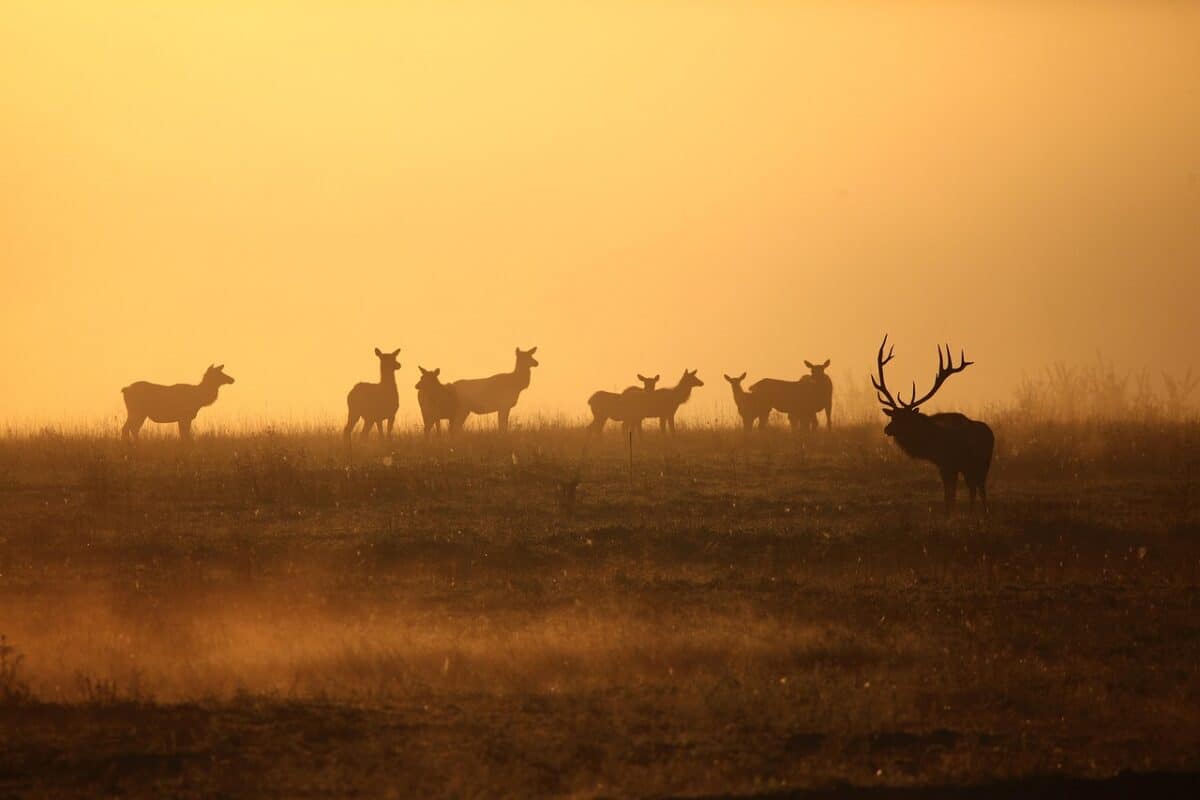
The most significant factor behind the earlier elk migrations is undoubtedly climate change. Long-term studies in places like Yellowstone National Park and the Greater Yellowstone Ecosystem have documented that spring migrations now begin approximately 1-3 weeks earlier than they did just three decades ago. This shift correlates directly with rising average temperatures, which have increased by approximately 2°F (1.1°C) across the Rocky Mountain region since the 1970s. The warming climate triggers earlier snowmelt and vegetation green-up at high elevations, signaling elk to begin their upward journey sooner. Research published in the journal Global Change Biology found that for every 1°F increase in March-April temperatures, spring migration advanced by approximately 4-6 days. These findings demonstrate a clear cause-and-effect relationship between warming temperatures and shifting migratory patterns.
Changing Precipitation Patterns
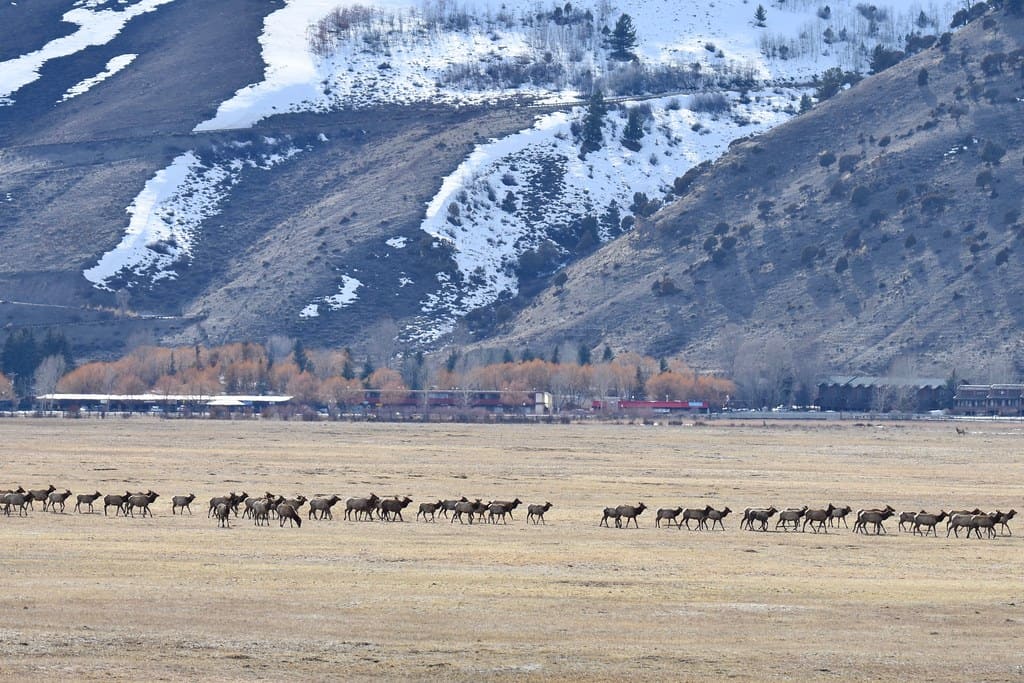
Beyond rising temperatures, changing precipitation patterns play a crucial role in altering elk migration timing. Traditional migration cues were closely tied to snow accumulation and melt cycles, but these patterns have become increasingly unpredictable. Many mountainous regions now experience less total snowpack, earlier spring melting, and more precipitation falling as rain rather than snow during shoulder seasons. A study from the University of Montana found that areas experiencing a 10% reduction in spring snowpack saw elk migrations advance by approximately one week. Additionally, increased rainfall events during traditionally snowy periods create wet, heavy snow conditions that make movement more energy-intensive for elk, potentially triggering earlier departures from winter ranges. These altered precipitation dynamics not only affect timing but also influence the routes elk select, as animals adjust their paths to avoid areas with unfavorable snow conditions.
Vegetation Response to Warming Conditions
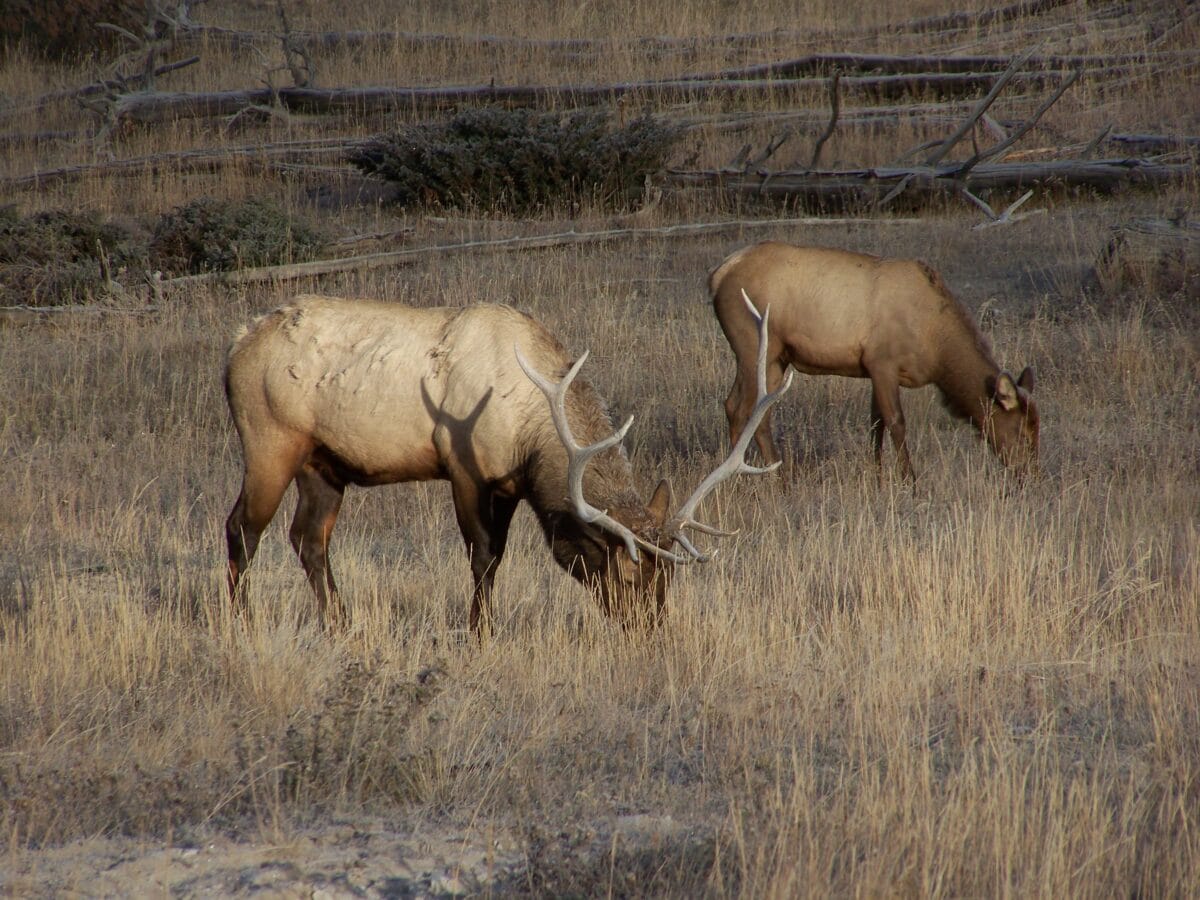
Elk migrations are intimately connected to plant phenology—the timing of key plant life cycle events. As temperatures rise, vegetation green-up occurs earlier across elevation gradients, creating a “green wave” that elk follow to access nutrient-rich new growth. Research using satellite imagery to track the “normalized difference vegetation index” (NDVI) has shown that peak green-up in many Rocky Mountain ecosystems now occurs 2-3 weeks earlier than in the 1980s. Elk have evolved to synchronize their movements with this wave of nutritional opportunity, and they’re adjusting their migratory timing accordingly. Studies using GPS-collared elk show remarkably precise tracking of vegetation emergence, with animals spending approximately 95% of their migration time in areas at peak nutritional value. This close relationship between plant phenology and elk movement means that as climate change accelerates plant cycles, elk migrations naturally advance in response.
The Role of Predator Dynamics
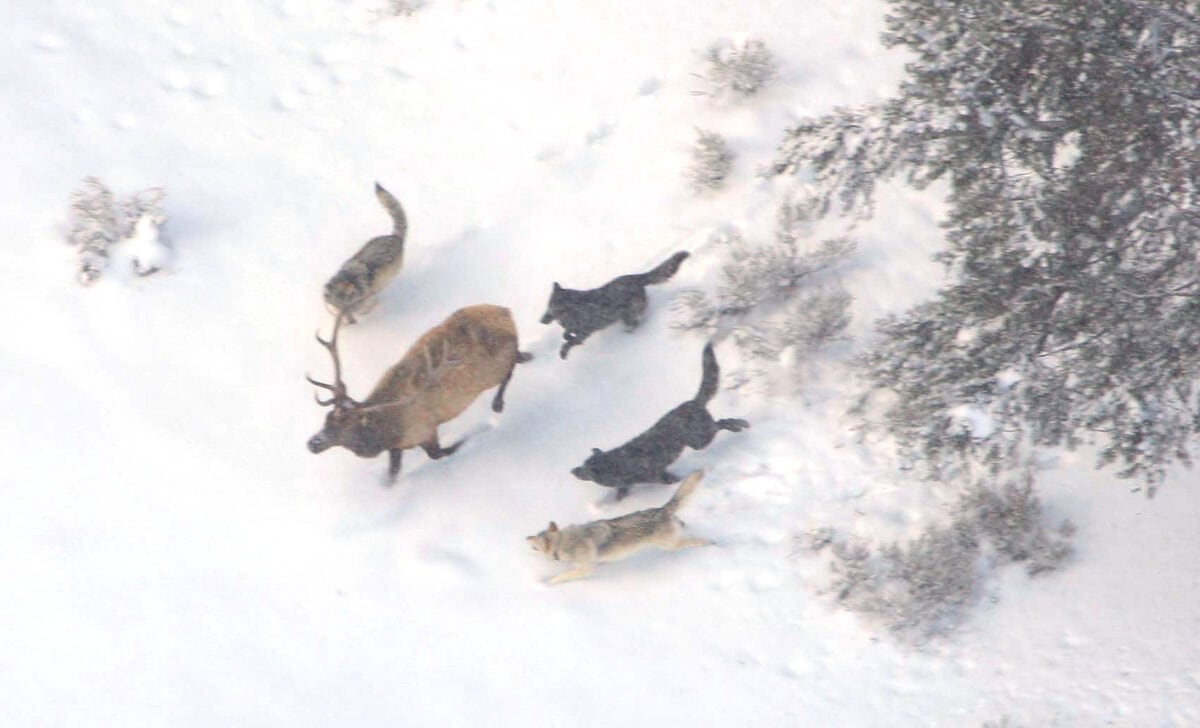
Predator-prey relationships also influence migration timing, and these dynamics are shifting in complex ways. The reintroduction of wolves to ecosystems like Yellowstone has created what ecologists call a “landscape of fear,” where prey species adjust their movements based on predation risk. Research from Wyoming and Montana suggests that in areas with established wolf populations, elk may begin migrations earlier to reduce predation risk during calving season. By moving to higher elevations sooner, cow elk can potentially find safer calving grounds away from wolf pack territories. Conversely, in some regions where mountain lion populations have increased, researchers have documented delayed migrations as elk adjust movement patterns to avoid these ambush predators. These shifting predator-prey dynamics, combined with climate factors, create complex, location-specific changes in migratory timing that wildlife managers must understand to effectively protect these populations.
Human Development and Landscape Fragmentation

Human activity significantly influences elk migration timing through habitat fragmentation and development. As human populations expand into traditional wildlife areas, elk encounter more barriers during migration—fences, roads, housing developments, and energy infrastructure. A comprehensive study from Colorado State University found that elk in areas with high development density began migrations up to 10 days earlier than those in less developed regions, potentially to navigate these obstacles during periods of lower human activity. Additionally, artificial feeding programs in places like Wyoming’s National Elk Refuge have altered natural migratory urges, with some elk abandoning migration altogether. Even recreational activities like hiking, mountain biking, and off-road vehicle use can disrupt traditional migration patterns, especially when these activities peak during critical migration windows. These anthropogenic factors compound the effects of climate change, creating even more pressure on elk to adjust their movement patterns.
Impacts on Elk Health and Reproduction

Earlier migrations have significant implications for elk health and reproductive success. While adjusting to changing environmental conditions demonstrates adaptive capacity, these shifts may create nutritional mismatches that affect body condition and calf survival. Research from the University of Wyoming has shown that cow elk migrating earlier often arrive at summer ranges before vegetation reaches optimal nutritional quality, potentially reducing the benefits of migration. This nutritional deficit can decrease pregnancy rates and lower birth weights for calves. Data from several long-term studies indicate that herds experiencing the most dramatic shifts in migration timing have shown a 5-15% reduction in calf recruitment over the past two decades. Additionally, earlier spring migrations often mean elk are traveling through deeper snowpack at higher elevations, increasing energy expenditure and predation risk. These combined stressors can weaken individual animals and potentially affect population dynamics over time.
Ecosystem-wide Consequences

The timing shift in elk migrations creates ripple effects throughout entire ecosystems. Elk are considered “ecosystem engineers” because their grazing patterns, browsing pressure, and physical presence significantly influence vegetation communities and nutrient cycling. When these animals arrive at summer ranges weeks earlier than historically normal, they alter plant community composition by consuming early-emerging species that previously had time to mature and set seed. Research in Rocky Mountain National Park has documented changes in alpine meadow compositions in areas where elk now arrive 2-3 weeks earlier than they did in the 1990s. These shifts affect numerous other species—from soil microbes to insects to birds—that rely on specific plant communities. Additionally, the timing change affects scavenger species like ravens, magpies, and bears that historically benefited from elk mortality during traditional migration periods. The ecological consequences extend far beyond the elk themselves, demonstrating how adjustments in one keystone species can transform entire biological communities.
Differences Between Elk Populations

Not all elk populations are experiencing migration timing changes at the same rate, creating interesting scientific opportunities to understand adaptive capacity. Migratory elk herds in the Greater Yellowstone Ecosystem have shown the most pronounced shifts, with some advancing spring migrations by nearly 21 days since the early 1990s. In contrast, herds in more northern latitudes like those in northern Montana and southern Canada show more modest changes of 7-10 days over the same period. This geographic variation appears related to differences in the magnitude of climate change impacts across latitudes. Additionally, interesting differences exist between age classes, with research showing that older, more experienced cow elk often initiate migrations earlier than younger animals, suggesting a learning component to these behavioral shifts. These variations provide important insights into how different populations might respond to continued environmental changes and which herds might be most vulnerable to negative impacts from these adjustments.
Management Challenges and Responses

Earlier elk migrations create significant challenges for wildlife managers and conservation efforts. Traditional management approaches, including hunting season structures, protected area boundaries, and habitat conservation priorities, were established based on historical migration patterns that are now changing. Wildlife agencies across western states are responding by implementing more flexible hunting season structures, with some states like Wyoming and Montana now adjusting season dates annually based on real-time migration data. Land management agencies are working to identify and protect critical migration corridors, with initiatives like Wyoming’s Migration Initiative mapping key routes and identifying bottlenecks. Additionally, collaborative efforts between government agencies, private landowners, and conservation organizations are focusing on reducing migration barriers by modifying fencing, creating wildlife crossings over highways, and preserving open space in development plans. These adaptive management approaches represent crucial responses to the changing realities of elk ecology.
Technological Advances in Tracking Migration Changes

Our understanding of shifting elk migrations has been revolutionized by technological advances in wildlife tracking. Traditional wildlife research relied heavily on visual observations and basic radio telemetry, providing limited data points. Today, GPS collar technology allows researchers to track individual animals with remarkable precision, collecting location data as frequently as every 30 minutes for years at a time. These collars, combined with accelerometers that measure activity patterns, provide unprecedented insights into exactly when, where, and how elk migrate. Additionally, satellite remote sensing now enables scientists to correlate animal movements with environmental conditions like snow depth, vegetation green-up, and surface water availability across entire landscapes. The integration of these technologies with powerful data analytics and machine learning algorithms has created predictive models that can forecast how elk migrations might continue to shift under different climate change scenarios. These technological capabilities are transforming wildlife management from a reactive to a proactive discipline.
Future Projections for Elk Migration Timing

Looking ahead, scientists project that elk migration timing will continue to advance as climate change accelerates. Climate models suggest that by 2050, spring temperatures across the Rocky Mountain region could increase by an additional 2-5°F, potentially advancing migration timing by up to a month compared to historical patterns. These projections raise concerns about whether elk populations can continue to adapt to such rapid changes. Some research suggests there may be genetic and physiological limits to how much elk can adjust their migratory timing, as these behaviors evolved over thousands of years. Additionally, projections indicate that changes won’t be uniform—some regions may see more dramatic shifts than others based on topography, latitude, and local climate conditions. Wildlife managers are using these projections to develop long-term conservation strategies, including protecting migration corridors across elevation gradients, reducing non-climate stressors like development pressure, and potentially considering assisted migration for some isolated populations. These forward-looking approaches will be essential for maintaining healthy elk populations in an era of rapid environmental change.
The advancing timeline of elk migrations represents far more than a simple adjustment in animal behavior—it serves as a powerful bioindicator of our changing planet. These shifts highlight the complex, interconnected nature of ecological systems and demonstrate how climate change creates cascading effects throughout entire ecosystems. While elk have shown remarkable adaptability thus far, the accelerating pace of environmental change raises legitimate concerns about whether these adaptations can continue indefinitely without negative consequences for population health. For conservation professionals, policymakers, and citizens alike, understanding these changes creates both challenges and opportunities to develop more flexible, responsive approaches to wildlife management in an era of unprecedented environmental transformation. The story of shifting elk migrations ultimately reminds us that the natural world is not static but dynamic—and that our own actions play a significant role in shaping the trajectory of these magnificent animals and the ecosystems they inhabit.

- How Crickets Chirp Using Their Wings - July 20, 2026
- The Largest Sea Turtle Ever Rescued Off North Carolina - July 20, 2026
- The Ocean’s Escape Artist: Why Octopuses Outsmart Us All - July 20, 2026