

In a world where bigger often seems better, there’s something undeniably charming about tiny creatures that can fit in the palm of your hand—or even smaller! From the miniature marvels of the insect world to the tiniest of vertebrates, diminutive animals captivate our imagination and spark our protective instincts. While we don’t recommend actually putting wild animals in your pocket (they belong in their natural habitats!), these 17 extraordinarily small creatures will certainly make you marvel at nature’s ability to package complex life into incredibly tiny packages. Join us as we explore these pocket-sized wonders that prove good things really do come in small packages.
The Etruscan Shrew World’s Smallest Mammal

Weighing just 1.8 grams (about the weight of a paperclip) and measuring a mere 3.5 centimeters long, the Etruscan shrew (Suncus etruscus) holds the title of the world’s smallest mammal by mass. Despite its tiny size, this Mediterranean native maintains a heart rate of over 1,200 beats per minute and must eat 1.5-2 times its body weight daily just to survive. These metabolic marvels can identify prey in as little as 20 milliseconds and make decisions to attack in just 30 milliseconds, making them among the fastest decision-makers in the animal kingdom. Their diminutive size means they lose heat rapidly, forcing them to be in constant search of food—a reminder that being small comes with significant survival challenges.
Paedophryne amauensis The Smallest Vertebrate

Discovered in Papua New Guinea in 2009, Paedophryne amauensis measures a mere 7.7 millimeters in length—smaller than a dime. This tiny frog holds the distinction of being the smallest known vertebrate on Earth. Their miniature bodies are perfectly adapted to life among leaf litter on the forest floor, where they feed on minuscule invertebrates too small for other predators to pursue. Scientists believe their extreme miniaturization is an evolutionary adaptation to fill a specific ecological niche. Their discovery highlights how much remains unknown in the natural world, as these frogs had gone undetected by science despite their abundance in their native habitats, primarily because their mating calls sound remarkably similar to insects.
Bee Hummingbird Nature’s Tiny Flying Jewel

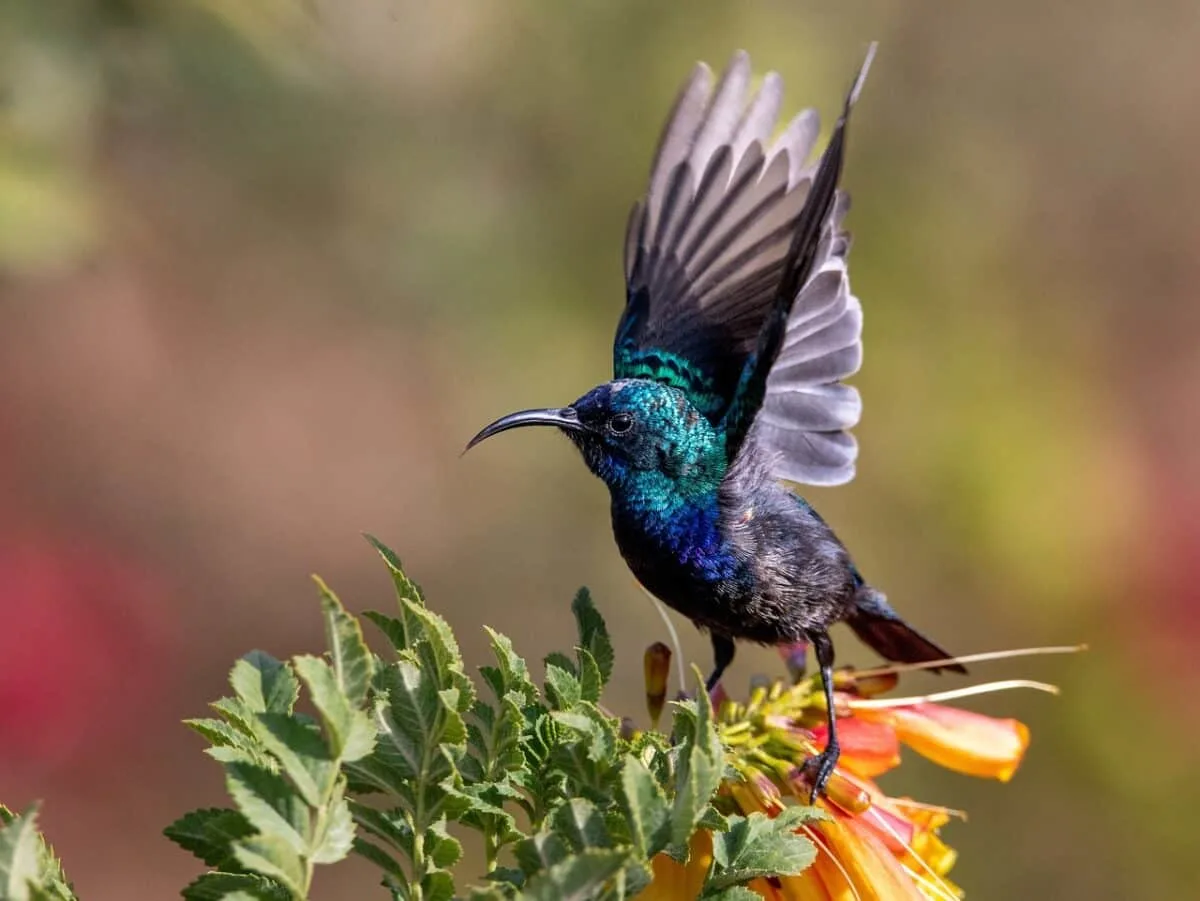
The bee hummingbird (Mellisuga helenae), endemic to Cuba, is the smallest bird in the world. Measuring just 5-6 centimeters long and weighing less than 2 grams, these birds are often mistaken for insects as they flit from flower to flower. Male bee hummingbirds are particularly striking with iridescent fiery red-pink throats that flash brilliantly in sunlight. Despite their size, they’re remarkably efficient, beating their wings up to 80 times per second and visiting up to 1,500 flowers daily. A female bee hummingbird builds a nest the size of a quarter, using spider webs, lichen, and bark, and lays eggs no larger than coffee beans. Unfortunately, these tiny avian wonders are endangered, primarily due to habitat loss, making conservation efforts crucial for their survival.
Pygmy Marmoset Pocket-Sized Primates

The pygmy marmoset (Cebuella pygmaea) holds the title of the world’s smallest monkey, weighing just 100 grams (3.5 ounces) and standing at about 12-15 centimeters tall. Native to the rainforests of South America, these diminutive primates have distinctive features including a mane-like fur around their faces and specialized incisors for gouging tree bark to harvest sap and gum, their primary food sources. Their tiny bodies can rotate their heads 180 degrees, allowing them to scan for predators while feeding, and they communicate through a complex system of vocalizations that can reach ultrasonic frequencies. Pygmy marmosets typically give birth to twins and form strong family bonds, with fathers and siblings playing significant roles in infant care—a sophisticated social structure packed into one of the animal kingdom’s smallest primates.
Speckled Padloper Tortoise Tiny Shelled Wonders
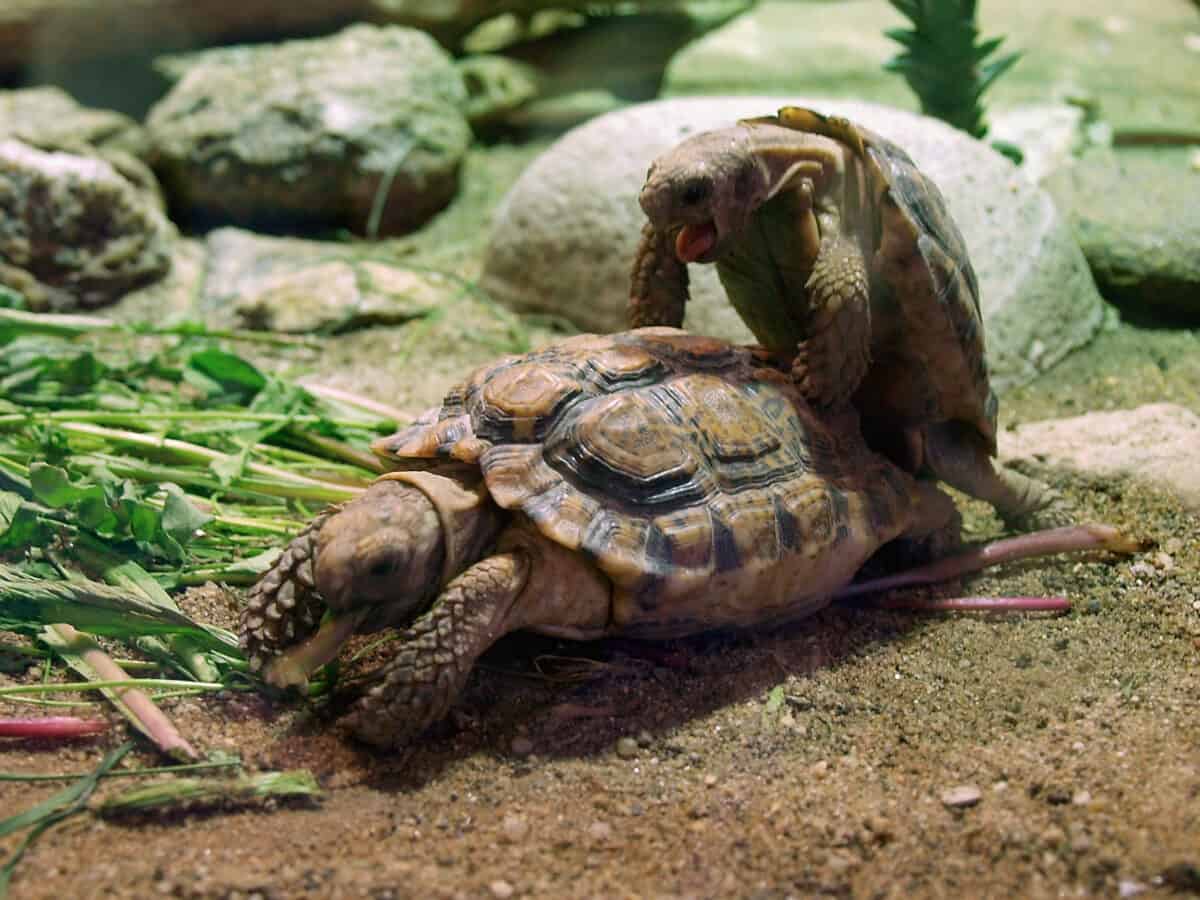
The speckled padloper tortoise (Homopus signatus) of South Africa claims the title of the world’s smallest tortoise species. With adults measuring just 6-8 centimeters in shell length—about the size of a golf ball—these miniature reptiles have adapted perfectly to their rocky, arid habitat in the Northern Cape Province. Their speckled, flattened shells help them hide among rocks and squeeze into tight crevices to escape predators and harsh sun. Unlike many tortoise species that can live for decades, these tiny tortoises have a relatively short lifespan of 25-30 years. They feed primarily on small succulent plants that grow in their rocky habitat, and females lay just one egg at a time—proportionally one of the largest eggs relative to body size among tortoises. Their small size makes them vulnerable to predation and habitat loss, contributing to their threatened status in the wild.
Kitti’s Hog-nosed Bat The Bumblebee Bat

Often called the bumblebee bat due to its diminutive size, Kitti’s hog-nosed bat (Craseonycteris thonglongyai) competes with the Etruscan shrew for the title of world’s smallest mammal. Weighing just 2 grams and measuring about 3 centimeters in length, these tiny bats are found only in a small region along the Thailand-Myanmar border. Their most distinctive feature is their pig-like snout, which gives them their name. Despite being discovered only in 1974, they’re already listed as endangered, with fewer than 10,000 individuals remaining in the wild. These tiny mammals roost in limestone caves and emerge for just 30 minutes at dusk and 20 minutes at dawn to feed on small insects. Their high-pitched echolocation calls are beyond the range of human hearing, making them as elusive to our ears as they are to our eyes.
Dwarf Lanternshark Pocket-Sized Predator of the Deep

The dwarf lanternshark (Etmopterus perryi) holds the distinction of being the smallest shark species, maxing out at just 20 centimeters (8 inches) in length. Found in the deep waters off the coasts of Colombia and Venezuela at depths of 283-439 meters, these diminutive predators possess light-producing photophores on their undersides that help them camouflage against the faint downwelling light—a phenomenon called counterillumination. Despite their small size, they’re effective predators, feeding on small fish and crustaceans while navigating the perpetual darkness of the deep sea. Their reproductive strategy involves internal fertilization and bearing live young, with females typically producing 2-3 pups per pregnancy. Due to their deep-sea habitat and small size, they’re rarely encountered by humans and much about their behavior remains a mystery to science.
Pygmy Seahorse Masters of Miniature Camouflage
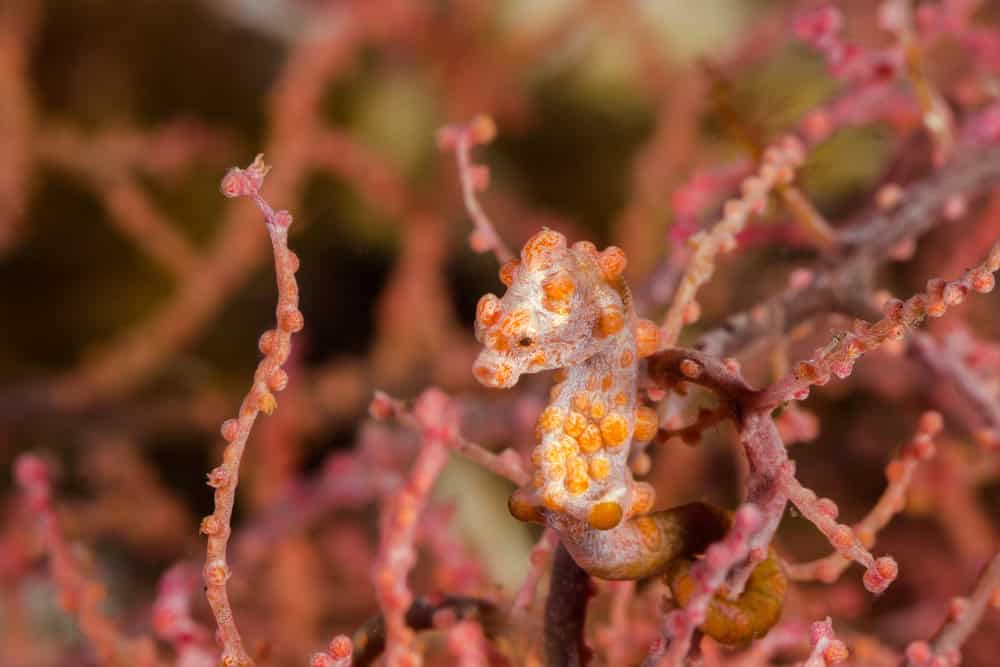
Bargibant’s pygmy seahorse (Hippocampus bargibanti) represents the pinnacle of miniaturization in the seahorse world, measuring a mere 1.4-2.7 centimeters in length—smaller than your fingernail. These tiny marine marvels weren’t discovered until 1969 when a scientist was examining a gorgonian coral under a microscope. Their bodies feature tubercles (wart-like protuberances) that precisely match the color and texture of their host coral, making them nearly impossible to spot. This extreme specialized camouflage means they live exclusively on specific species of gorgonian corals in the western Pacific Ocean. Like all seahorses, the males carry the pregnancy, but due to their minuscule size, they only produce 1-2 offspring at a time. Their discovery prompted scientists to search for and subsequently find several other pygmy seahorse species, suggesting there may be many more tiny seahorses awaiting discovery in the world’s oceans.
Barbados Thread Snake The Slender Slitherer
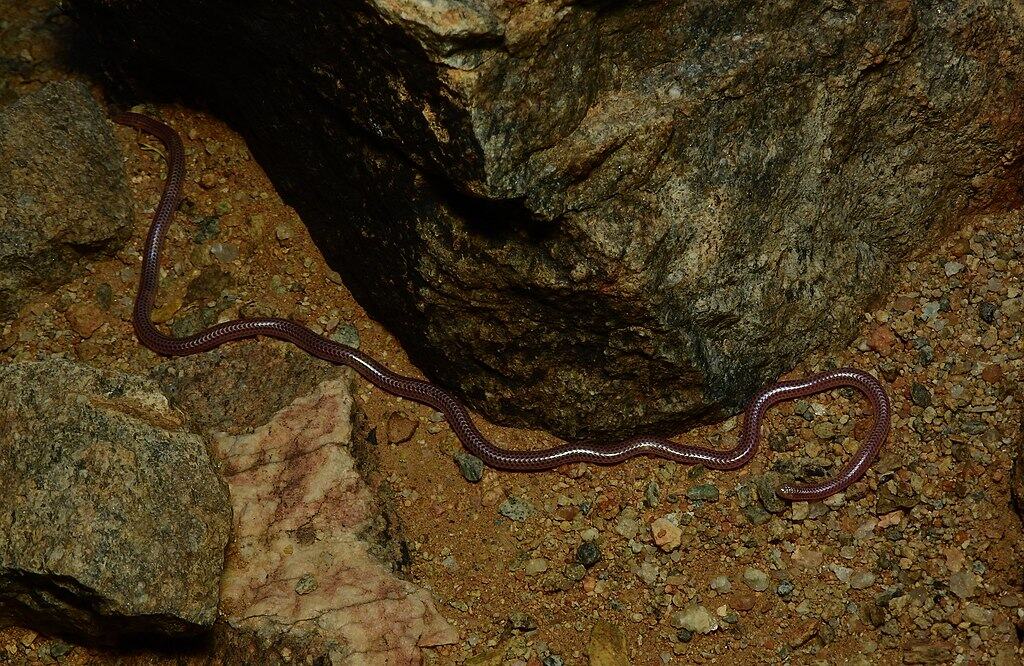
The Barbados thread snake (Tetracheilostoma carlae) holds the title of the world’s smallest snake, measuring just 10 centimeters (4 inches) in length and being as thin as a spaghetti noodle. This diminutive reptile, discovered only in 2008, is endemic to the Caribbean island of Barbados where it lives a secretive life in the forest leaf litter. Unlike many snake species that lay numerous eggs, female thread snakes lay just one large egg—proportionally enormous compared to their body size. Their tiny dimensions reflect an evolutionary adaptation to hunting termites and ant larvae in the narrow spaces between soil particles. Interestingly, scientists believe this species may be approaching the lower size limit for snakes, as their miniaturization constrains various physiological functions. Their discovery on a heavily developed island highlights how even well-explored regions can harbor undiscovered species, particularly when they’re extraordinarily small.
Paedocypris progenetica The Miniature Minnow
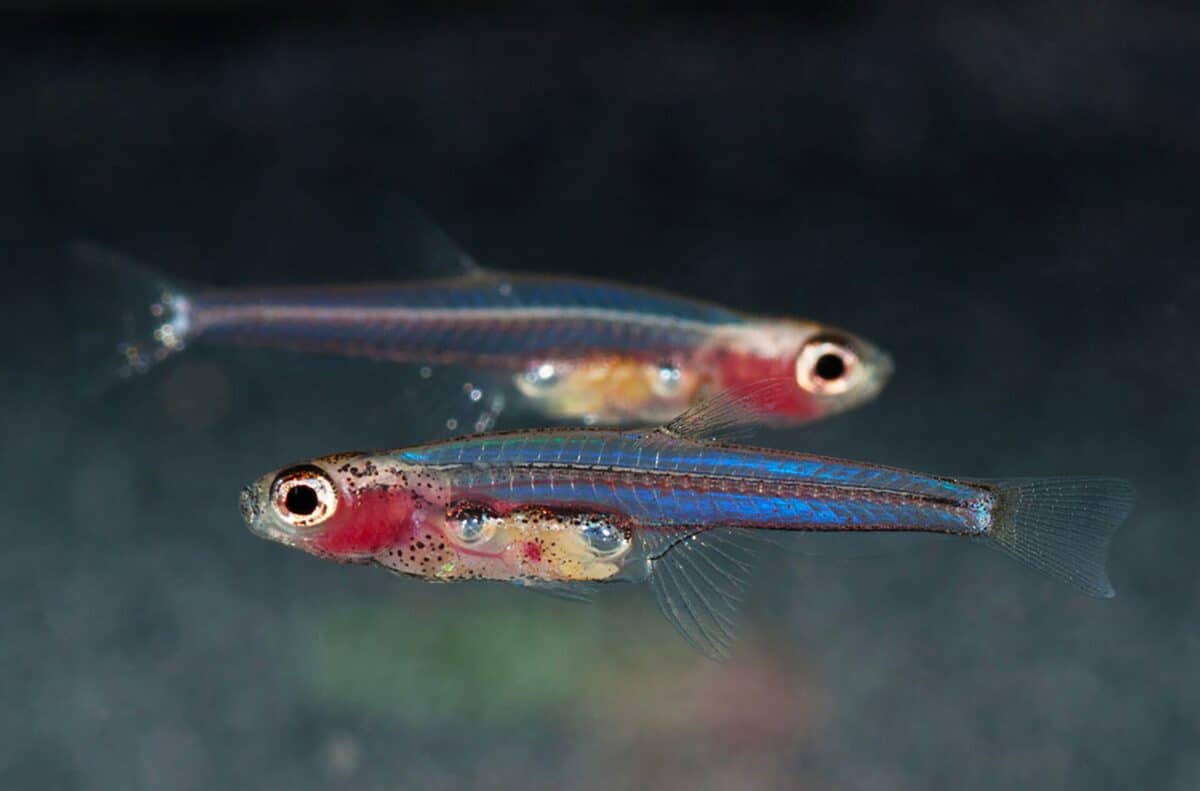
Discovered in the acidic peat swamps of Southeast Asia, Paedocypris progenetica holds the title of the world’s smallest fish and one of the smallest vertebrates, with mature females measuring just 7.9 millimeters in length. These transparent fish have a reduced skeleton and a simplified brain structure, representing an extreme case of miniaturization in vertebrates. Their tiny bodies have adapted specifically to navigate the dark, acidic waters between submerged leaves and plant debris in their peat swamp habitat. Sadly, these biological marvels face severe threats from habitat destruction as their Indonesian and Malaysian peat swamp habitats are being rapidly drained and converted for palm oil plantations. Scientists estimate that these fish may have already lost 70% of their habitat, potentially driving them toward extinction before we’ve fully understood their unique biology.
Monte Iberia Eleuth Cuba’s Miniature Amphibian
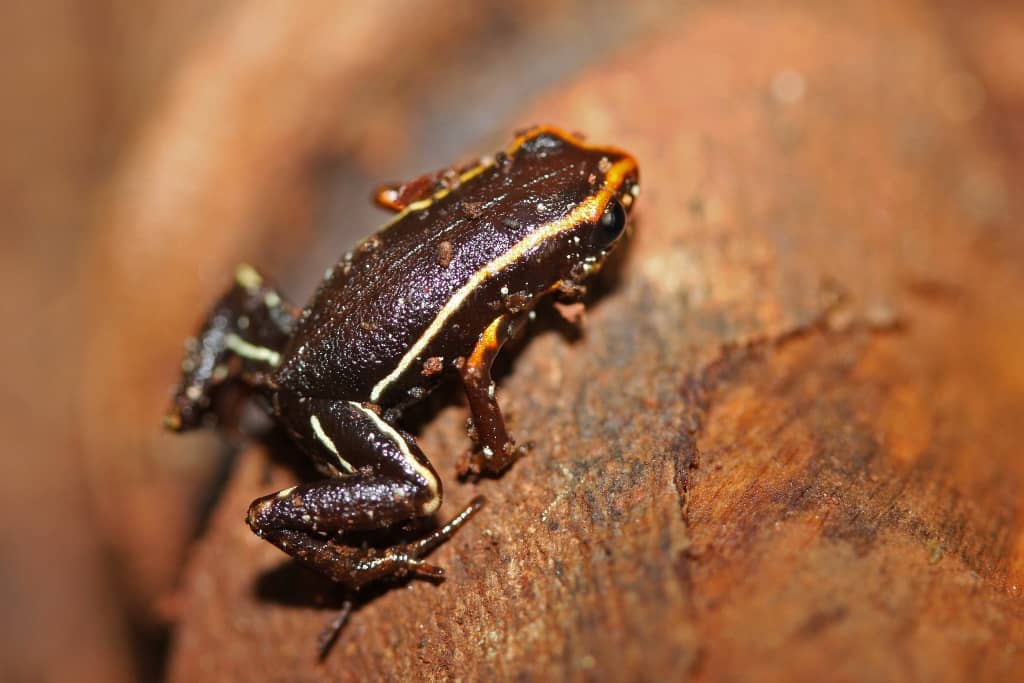
The Monte Iberia Eleuth (Eleutherodactylus iberia) is one of the world’s smallest frogs, measuring a mere 1 centimeter (0.39 inches) in length. Endemic to eastern Cuba, this tiny amphibian inhabits leaf litter in remote mountain rainforests. Unlike most frogs that lay eggs in water, these miniature marvels practice direct development—their eggs hatch directly into tiny froglets, bypassing the tadpole stage entirely. This adaptation allows them to reproduce successfully despite their small size and terrestrial lifestyle. Their diet consists primarily of minuscule mites and ants that larger predators cannot effectively hunt. Perhaps their most remarkable feature is their skin toxicity—despite their tiny size, they secrete potent alkaloid toxins derived from their prey, making them Cuba’s only poisonous frog. Their extremely limited range (less than 100 square kilometers) and ongoing habitat destruction have led to their classification as critically endangered.
Madame Berthe’s Mouse Lemur Miniature Primate
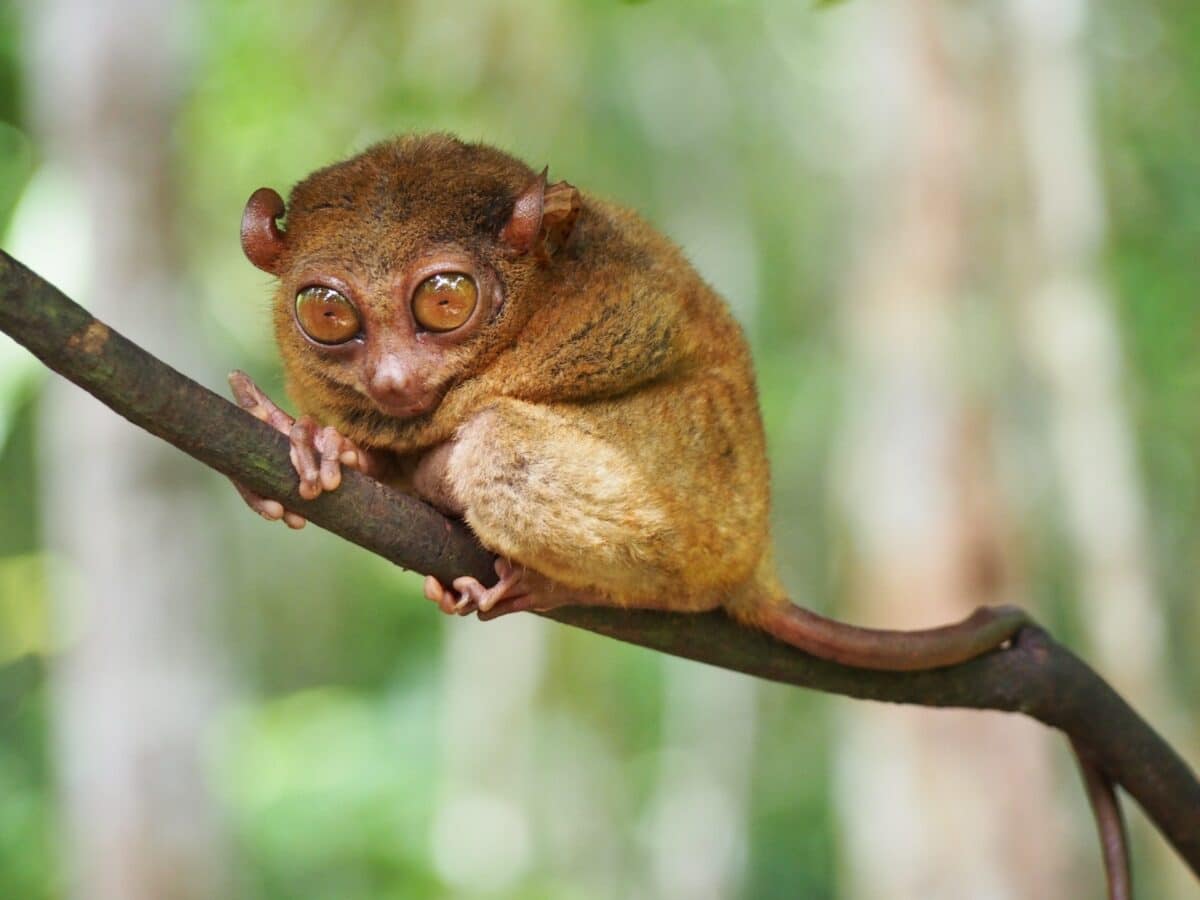
Madame Berthe’s mouse lemur (Microcebus berthae), discovered in Madagascar in 1992, holds the distinction of being the world’s smallest primate, weighing approximately 30 grams (1 ounce) and measuring about 9.5 centimeters (3.7 inches) in body length. Despite their diminutive size, these nocturnal primates possess remarkable agility, leaping over 3 meters between branches—the equivalent of a human jumping the length of a football field. Their large, forward-facing eyes provide excellent night vision for hunting insects and gathering fruit in the western Madagascar dry forests. During the dry season, they can enter a state of torpor to conserve energy when food is scarce. Unfortunately, with fewer than 8,000 individuals remaining and an estimated 90% of their habitat already destroyed by deforestation, these tiny primates are critically endangered. Conservation efforts focus on establishing protected areas within their extremely limited range of less than 900 square kilometers.
Brookesia micra The Nano-Chameleon
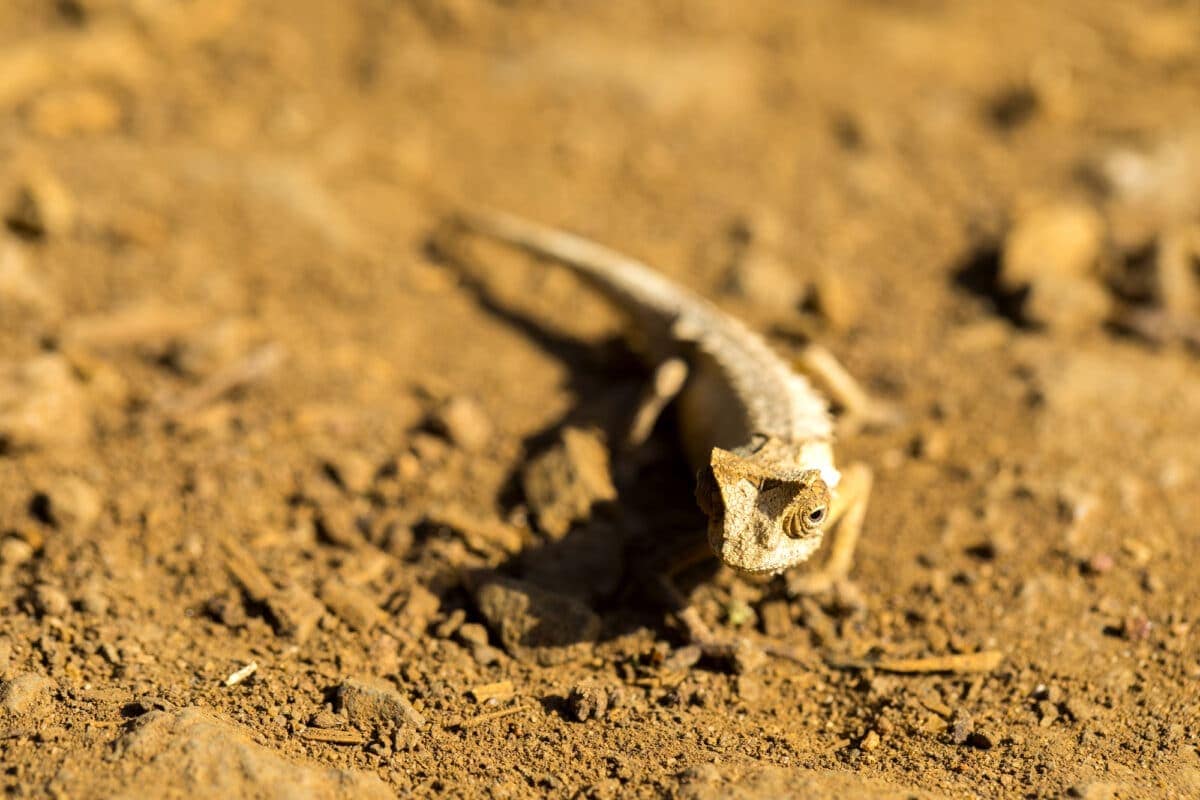
Discovered in 2012 on a tiny islet off the coast of Madagascar, Brookesia micra represents the extreme of miniaturization in the reptile world. Adults measure just 29 millimeters (1.14 inches) from snout to tail, making them small enough to perch comfortably on the head of a match. Unlike their larger, colorful chameleon cousins, these nano-chameleons are primarily brown but can produce subtle color changes. They spend most of their time in leaf litter on the forest floor, climbing only a few centimeters off the ground at night to sleep on low branches. Their extreme miniaturization has led to simplified features compared to larger chameleons, though they retain the characteristic independently moving eyes and projectile tongue. Scientists believe they evolved their tiny size through “island dwarfism,” an evolutionary process where species become smaller when adapting to limited resources in isolated environments. Their extremely restricted range makes them particularly vulnerable to habitat destruction.
Slender Blind Snakes Worm-Like Wonders
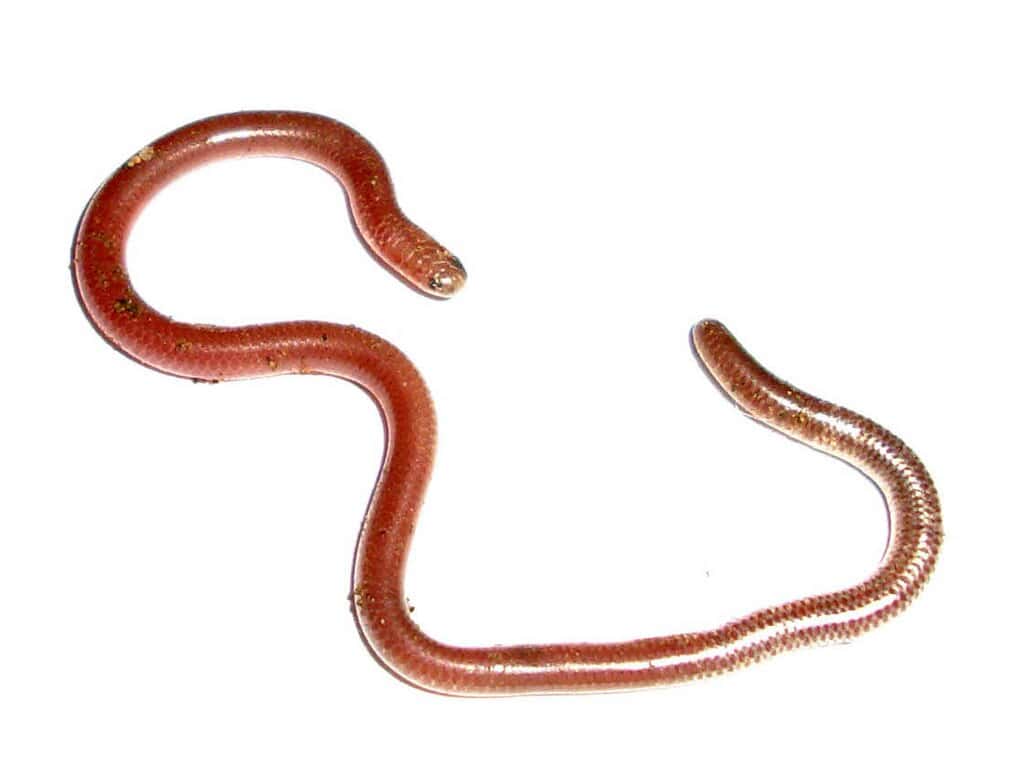
Slender blind snakes of the family Leptotyphlopidae include some of the world’s smallest snake species, with many measuring less than 20 centimeters (8 inches) in length and being no thicker than a pencil lead. These specialized reptiles lead subterranean lives, burrowing through soil and leaf litter in search of their primary prey—ant and termite eggs and larvae. True to their name, they have vestigial eyes covered by scales that can only detect light and dark, an adaptation to their underground lifestyle. Their cylindrical bodies are covered in smooth, shiny scales that help them move efficiently through soil, and they possess specialized skull adaptations for burrowing. When threatened, many species can release a foul-smelling musk or perform a fascinating defensive display where they stiffen their tails to mimic their head, confusing predators. Despite their abundance across tropical regions worldwide, their secretive nature means many aspects of their biology remain poorly understood.
Octopus wolfi The Fingertip-Sized Cephalopod

Weighing less than a gram and measuring around 1.5 centimeters (0.6 inches), Octopus wolfi holds the distinction of being the world’s smallest known octopus species. These miniature cephalopods inhabit tropical Indo-Pacific waters, where they’re rarely observed due to both their size and their preference for depths of 100-400 meters. Despite their tiny dimensions, they possess all the sophisticated features of their larger relatives—three hearts, blue copper-based blood, a complex nervous system, and the ability to change color and texture for camouflage. Female O. wolfi lay only about 40 eggs, significantly fewer than larger octopus species that may produce thousands. Like all octopuses, these tiny animals are remarkably intelligent, capable of complex problem-solving despite having a brain smaller than a grain of rice. Their discovery and ongoing study challenge scientists’ understanding of how complex neural systems can function at such miniature scales.
Phillips’ Dikdik Miniature Antelope
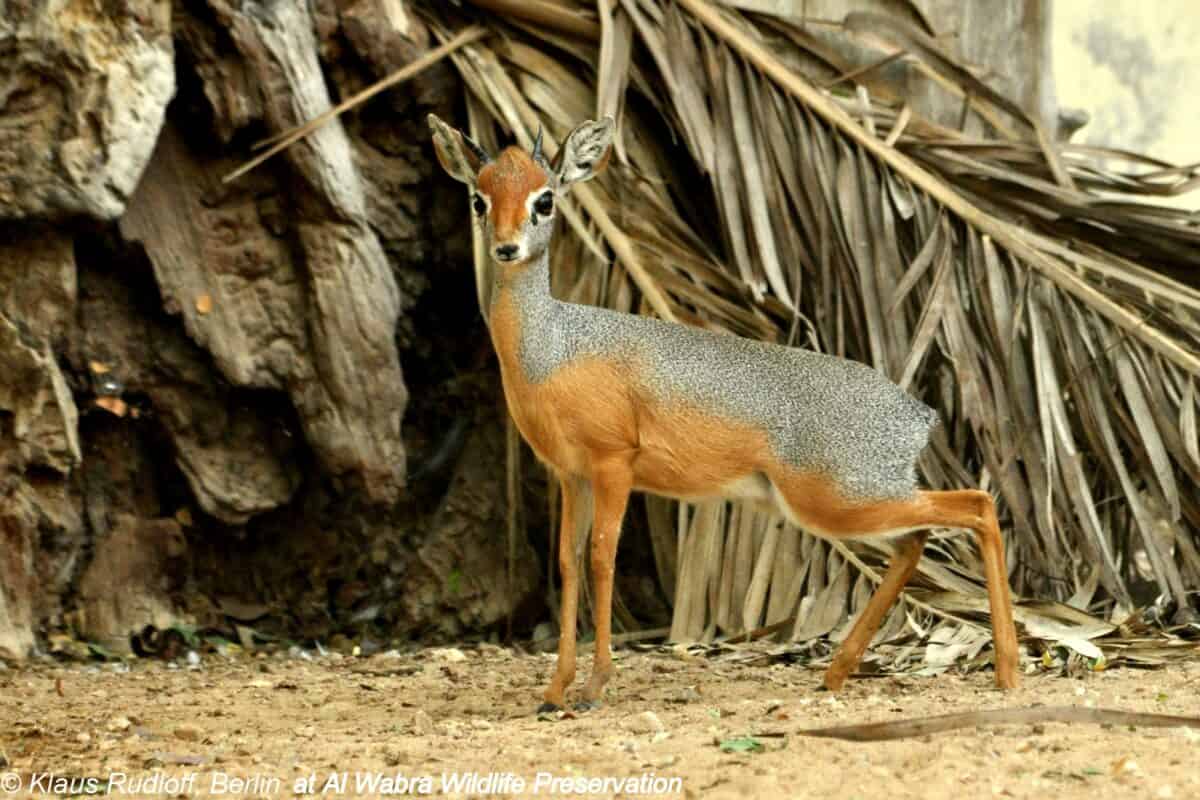
Phillips’ dikdik (Madoqua phillipsi) stands as one of the world’s smallest antelopes, measuring just 35-40 centimeters (14-16 inches) tall at the shoulder and weighing 3-6 kilograms (7-13 pounds). Native to the Horn of Africa, these miniature ungulates are named for the alarm call they make when startled—a repetitive “dik-dik” sound as they bounce away from danger. Their most distinctive feature is an elongated, flexible snout that resembles an elephant’s trunk in miniature, which they use to pluck leaves and also serves as an effective cooling system in their hot, arid habitat. Dikdiks form monogamous pairs that mate for life, marking and defending their small territories together. Their tiny size allows them to survive on minimal water and hide in dense underbrush to escape predators.
Conclusion:
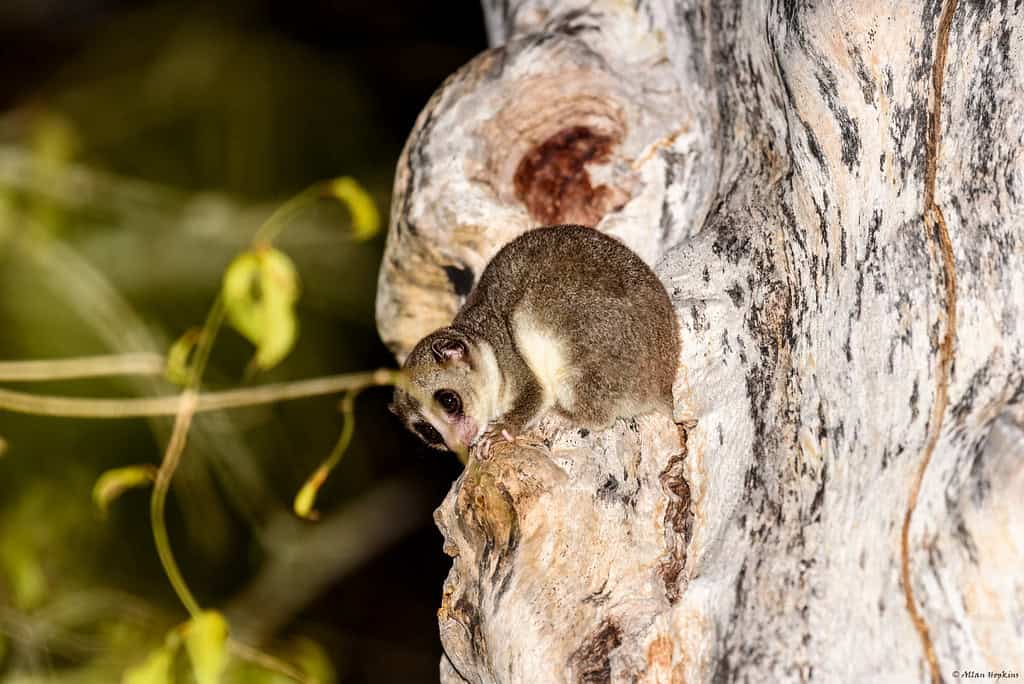
From frogs no bigger than a fingernail to antelopes scarcely taller than a housecat, these miniature marvels reveal just how diverse and inventive life can be at the smallest scales. Each of these tiny creatures defies expectations—possessing complex behaviors, specialized adaptations, and surprising evolutionary stories packed into impossibly small frames. While their size often makes them harder to find and study, it also makes them especially vulnerable to habitat loss and environmental change. By appreciating these palm-sized wonders, we gain a deeper respect for nature’s ingenuity and a renewed sense of urgency to protect even its smallest inhabitants. After all, in the natural world, being small doesn’t mean being insignificant—it means being extraordinary in a different way.

As a little kid, I fell in love with nature, wildlife, and animals. Living in the USA, South Africa, Italy, China and Germany gave me the opportunity to discover the world's Wildlife. My favorite animals are Mountain Gorillas, Siberian Tigers, and Great White Sharks.
I'm a certified PADI Open Water Diver, went to Everest Base Camp and Trekked Gorillas in Uganda. I hold a Master of Science in Economics and Finance.
Please send any feedback to feedback@animalsaroundtheglobe.com
- 10 Most Unique Reptiles You will See in the US - July 21, 2026
- 3 Dangerous Invasive Species the USA Must Eradicate - July 21, 2026
- 10 Things That Calm Cats And 4 That Make Them Nervous - July 21, 2026