
Ever wonder what your management approach says about you? Picture this: you’re leading a team meeting when conflict erupts between two employees. Do you step in with calm authority like a wolf pack leader, take charge with protective strength like a bear, or adapt and pivot like a clever coyote? Leadership studies show that animal archetypes are associated with different management styles, with creatures like wolves demonstrating the importance of teamwork and hierarchy.
Your instinctive reaction reveals something profound about your leadership DNA. While some managers bulldoze through challenges, others navigate with cunning flexibility. Still others build unshakeable loyalty through protective care. Let’s explore which wild creature mirrors your natural leadership tendencies.
The Alpha Wolf: Leading Through Pack Mentality
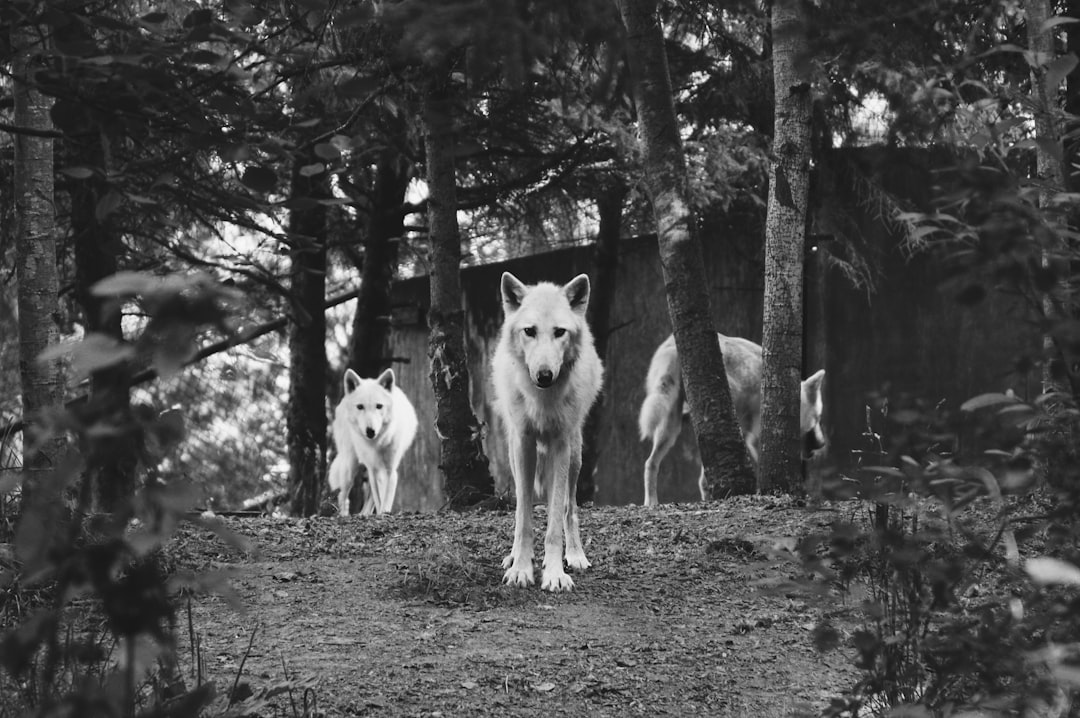
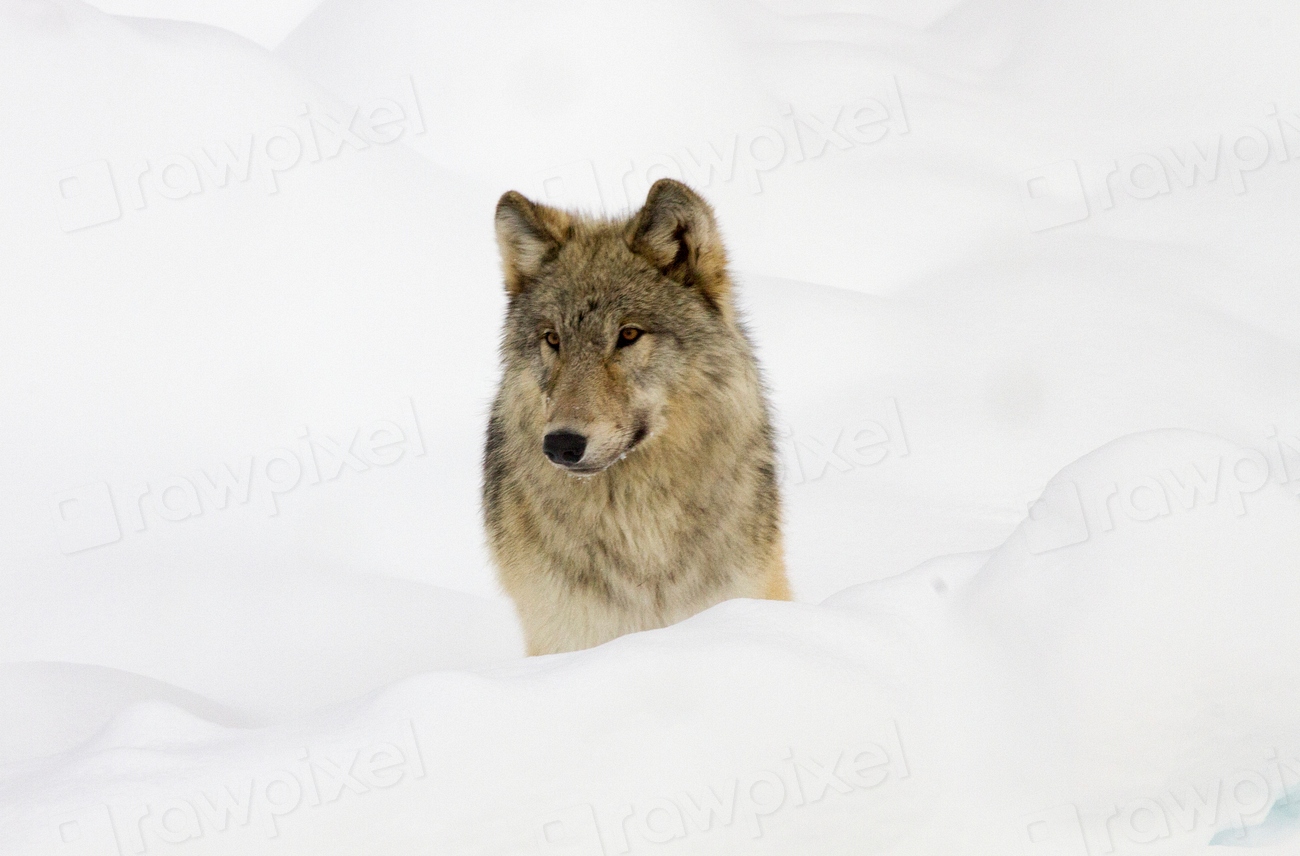
Wolves travel in packs with hierarchical structures, where breeding pairs (parents) lead their family groups and are responsible for protecting their pack and hunting. Alpha leaders don’t lead by fear or anger, but with gentle sternness and confidence.
If you’re a wolf leader, you understand that success comes through collective effort. Wolves get things done by sharing workload and delegating tasks evenly, knowing that teams that stick together and communicate effectively have higher chances of success. Your meetings feel organized, everyone knows their role, and you create a sense of belonging that makes people want to follow you.
The Protective Bear: Strength Meets Nurturing Care
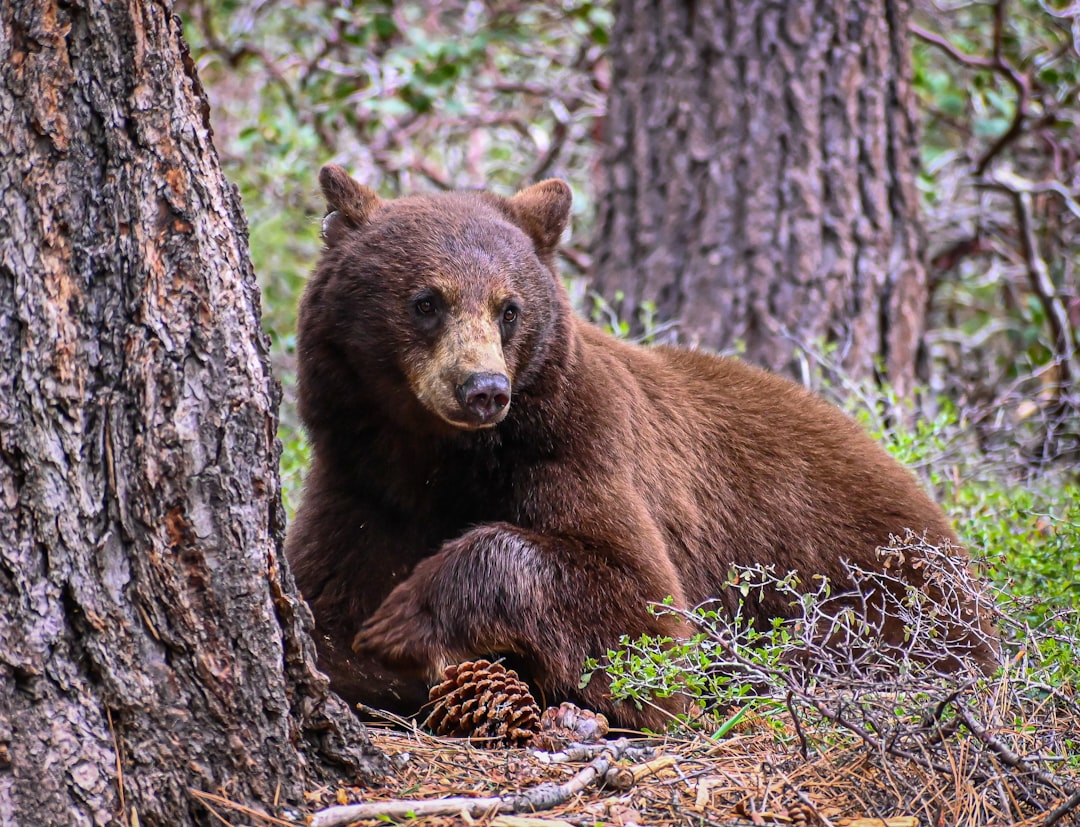
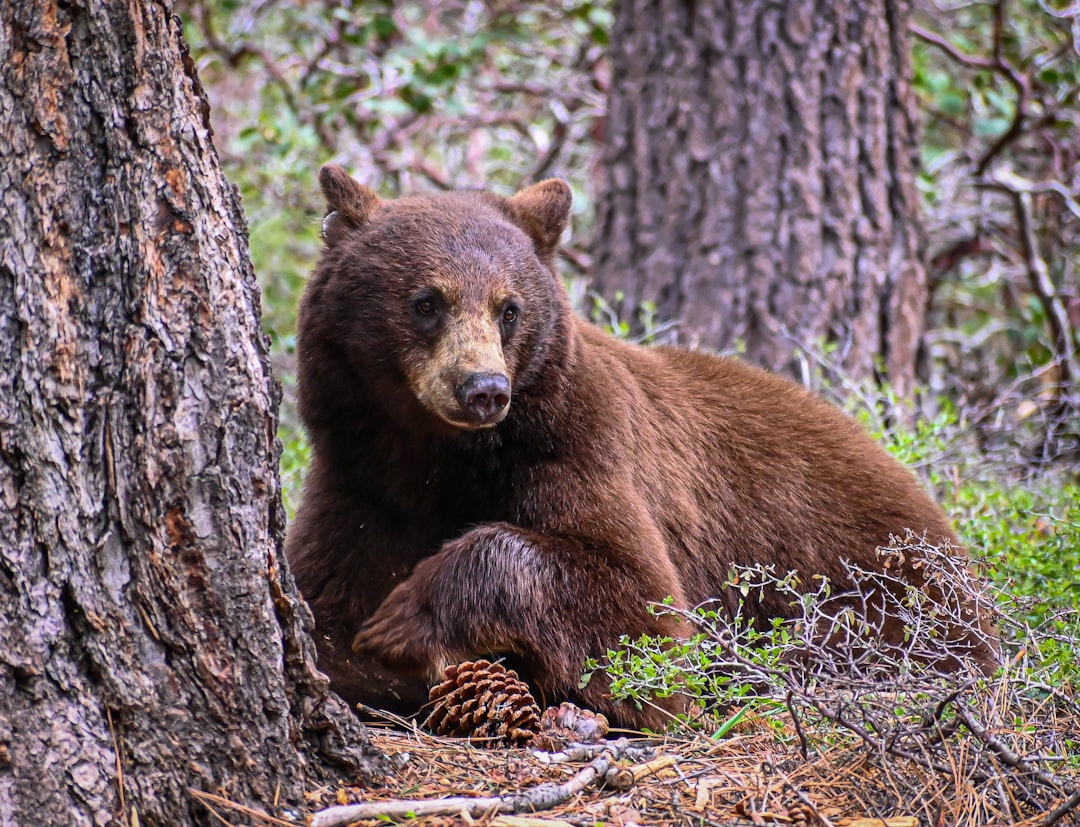
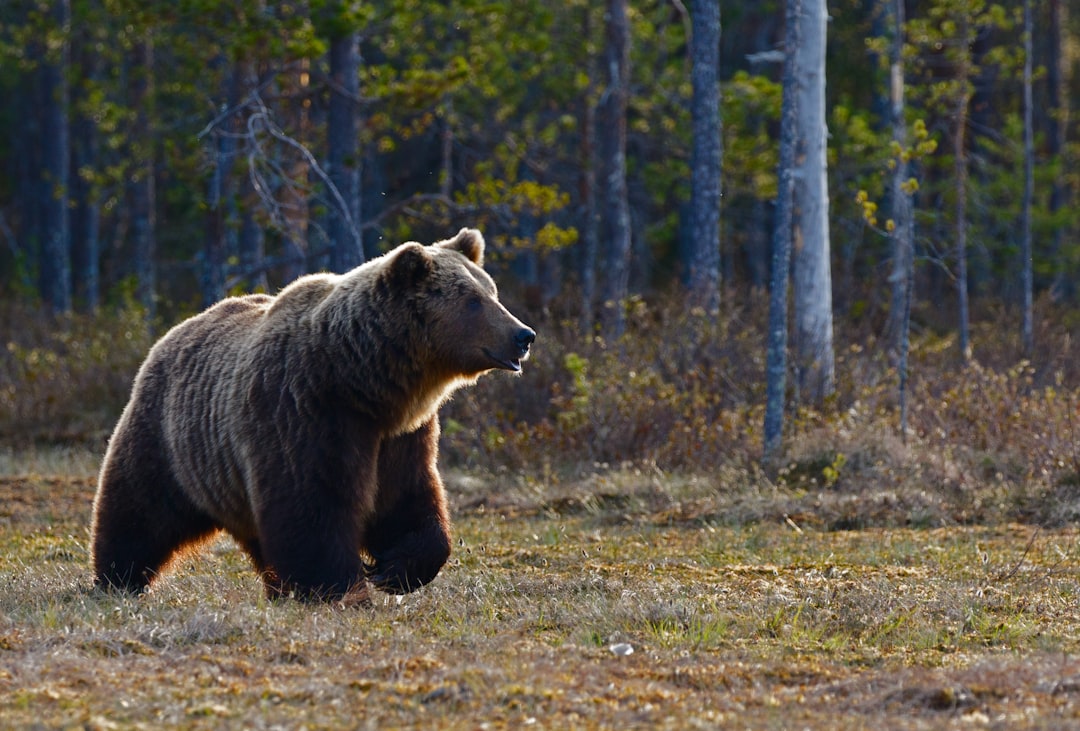
Bears’ gruff, outgoing personalities and burly physiques make them easy to identify, especially as their natural confidence and swaggering gaits put others on notice that a bear is present. The Bear spirit animal is known for its strong presence and leadership, making those with this guide protective and capable of tackling big challenges while being nurturing.
Bear leaders excel in management roles because they combine authority with genuine care for their team. Natural leadership talents make them suitable for jobs in management, academia and personnel training. Your employees respect you not just for your competence, but for your willingness to shield them from organizational politics and unreasonable demands.
The Clever Coyote: Adaptability as Your Superpower

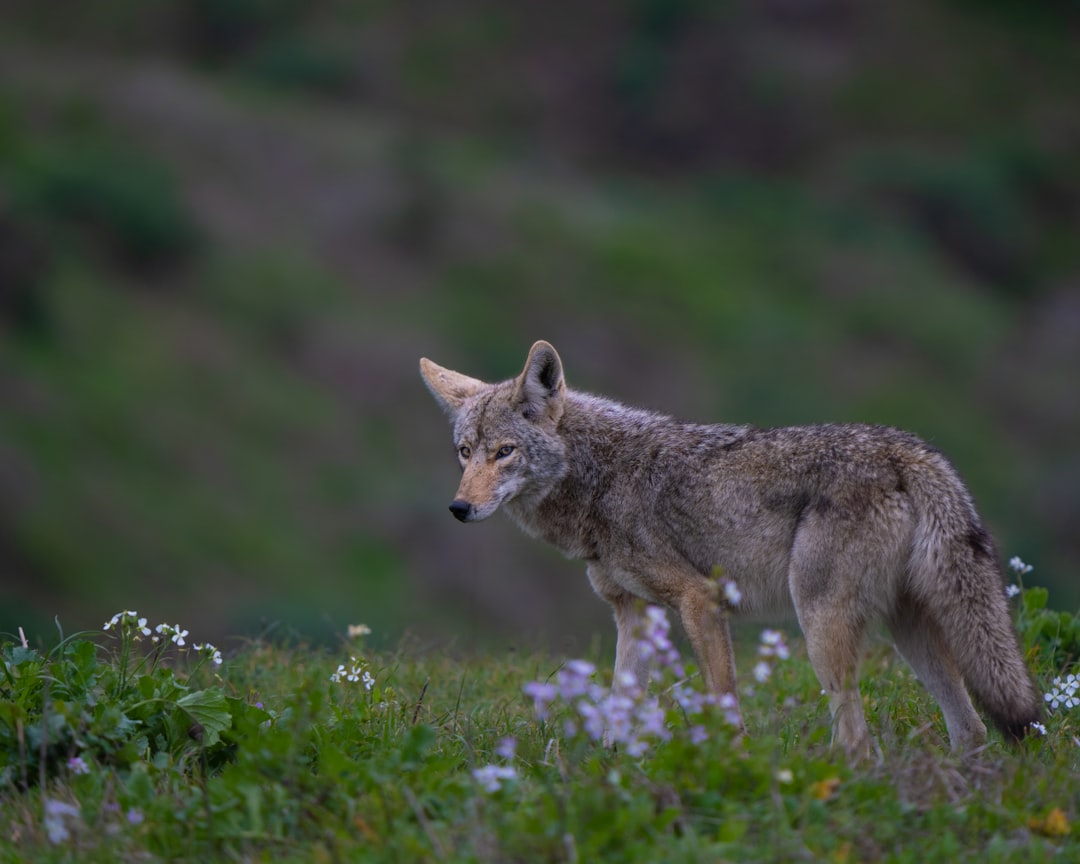
The coyote is one of the world’s most adaptable animals. Coyotes are highly intelligent and described as wiley, cunning and sneaky, but they are actually flat-out smart and among the most adaptable skilled survivors in the animal kingdom.
Coyote leaders thrive in fast-changing environments where rigid structures fail. Some coyotes are adventuresome, curious, intrepid, bold, bossy, patient, persistent, and easy-going. You’re the manager who pivots strategies mid-project, finds creative solutions when budgets get slashed, and somehow makes everything work despite impossible odds.
Communication Styles: How Each Animal Connects

Wolves rely on vocalizations, facial expressions, and body postures to clearly communicate boundaries, warnings, and needs, with this straightforward approach being crucial for setting rules and preventing conflict. Wolf leaders speak directly and expect the same in return.
Bears define their debate style as never avoiding an argument and never backing down, battering opponents into submission for the endorphin rush of pitting every drop of intellectual juices against worthy opponents. Bear managers address conflicts head-on with unwavering honesty.
Coyotes are very vocal animals with varied repertoires of calls, using long howls to report location, short barks to warn of danger, yips when reuniting with pack members, and growls when establishing dominance. Coyote leaders adjust their communication style based on the situation and audience.
Team Building Approaches: Creating Your Pack
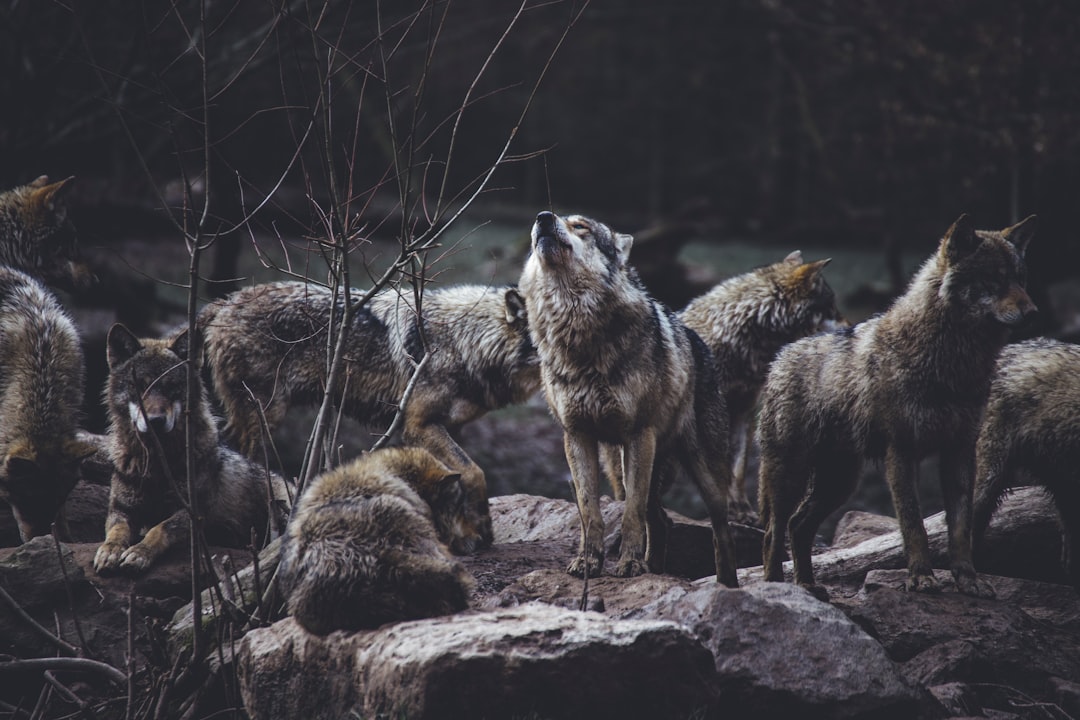
Wolf leaders build teams through shared purpose and clear hierarchy. Teams can accomplish more working together than independently, but to truly thrive, teams must work cohesively with each member contributing equally and utilizing their individual strengths.
Bear leaders create loyalty through protection and strength. Bear personalities form deep, loyal bonds with a select few, creating tight-knit circles of trusted companions characterized by unwavering devotion and fierce protective instinct. Your team knows you’ll fight for them when it matters most.
Coyotes demonstrate adaptability by hunting cooperatively with other species, having been seen hunting with badgers and following sounds of gathering crows to find food. Coyote leaders excel at building diverse teams and unexpected partnerships that deliver surprising results.
Decision Making: Your Leadership Instincts
Wolf leaders make decisions through consultation and consensus within their established structure. When wolves fail in hunting, they analyze mistakes to learn from them, adding to the pack’s collective wisdom and increasing future success chances. You gather input, learn from setbacks, and adjust strategies based on team feedback.
Bear leaders trust their instincts and move decisively when action is needed. Bears can delegate without micromanaging, trusting their team while remaining actively engaged in oversight without worrying about outcomes. You make tough calls quickly and delegate with confidence.
Coyote leaders adapt their decision-making process to the situation at hand. Each individual coyote has its own individual character and personality. Your decisions might look different each time, but they’re always tailored to current circumstances and available resources.
Handling Conflict: Your Natural Response
Wolf leaders deal with conflict directly, while humans often struggle with workplace conflict. When your team disagrees, you facilitate open discussion and work toward resolution that serves the greater good.
Bear leaders address conflict with strength and directness. Bear spirit animals are known for strong presence and leadership, though their strong will and need for control might cause relationship issues if not balanced with empathy and flexibility. You’ll step between warring parties and establish boundaries that everyone respects.
Coyote leaders approach conflict creatively and adaptively. Coyotes are extremely intelligent and try to communicate that someone has crossed their line as best they can. Rather than using force, you find innovative ways to redirect energy and solve underlying problems.
Your Team’s Response: What Followers Expect
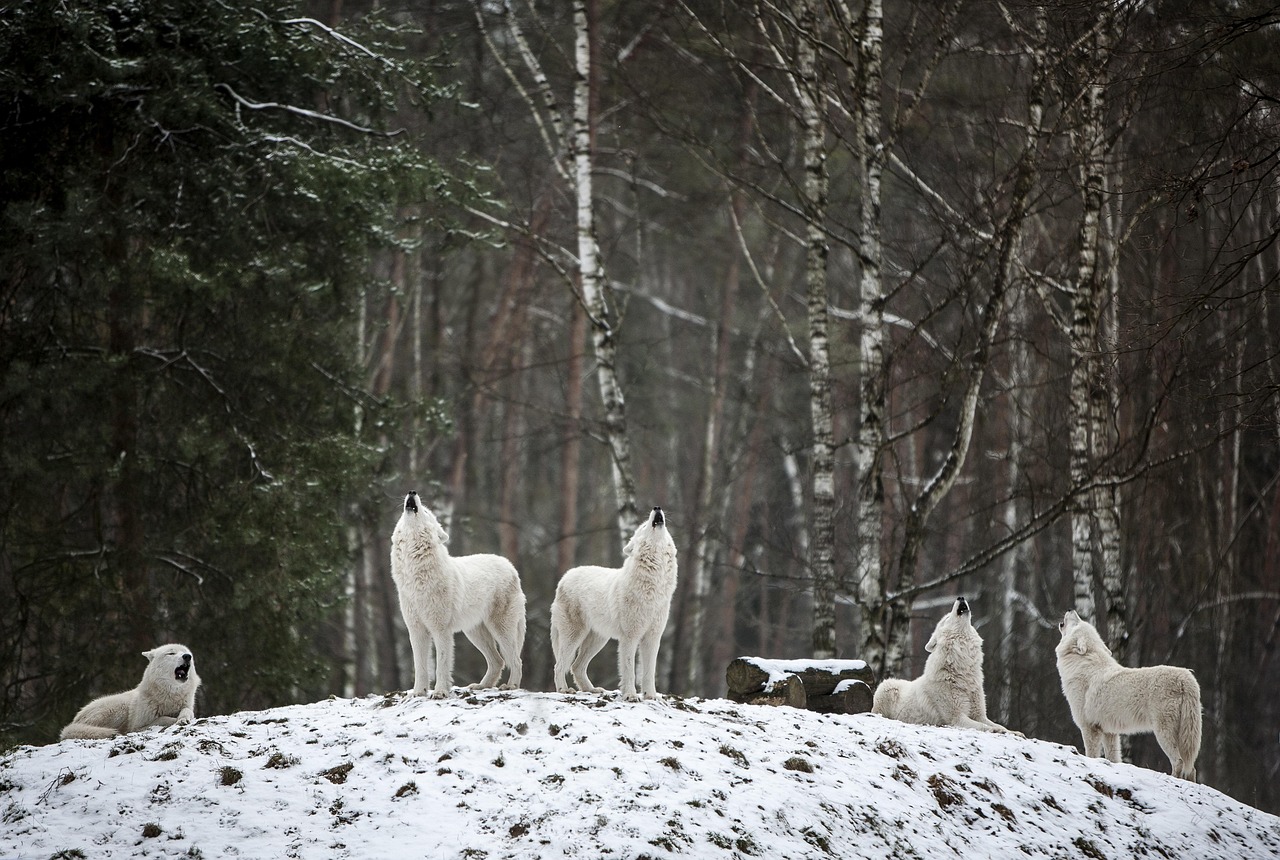
Wolf teams expect clear communication and shared responsibility. Wolves use howling, snaps, and body language to communicate over distances, warning of threats to survive together. Your people appreciate knowing where they stand and what’s expected of them.
Bear teams look for protection and strength from their leader. Bears routinely enjoy success in all aspects of their industrious lives, with their large frames eliciting respect and admiration in the workplace. Employees feel secure knowing you’ll advocate for them and handle difficult situations.
Coyote teams appreciate flexibility and creative problem-solving. Each coyote is fascinating to study because they are individuals with discrete personalities, unique histories, and distinct social situations. Your team members value how you adapt to their individual needs and working styles.
Growth and Development: Nurturing Your Pack
Wolf leaders develop their teams through mentorship and shared experiences. Male wolves play active roles in feeding, grooming, and guarding pups, with pups following parents in patrolling territory and hunting. You create learning opportunities where team members can observe and practice leadership skills.
Bear leaders develop people through challenge and support. Bear spirit animals are linked to careers needing leadership and strength, shining in roles where natural power makes an impact while balancing strong focus with teamwork. You push people beyond their comfort zones while providing the safety net they need to take risks.
Coyotes thrive because they are adaptable. Coyote leaders develop their teams by encouraging flexibility and resourcefulness. You help people discover their own adaptive capabilities and build confidence in their ability to handle whatever comes next.
Leadership in Crisis: When Stakes Are Highest
Wolf life is far from easy, with every day being a constant struggle for survival as they patrol territory, take down dangerous prey, and face harsh elements. Wolf leaders shine in crisis because they rally the team around collective survival and shared purpose.
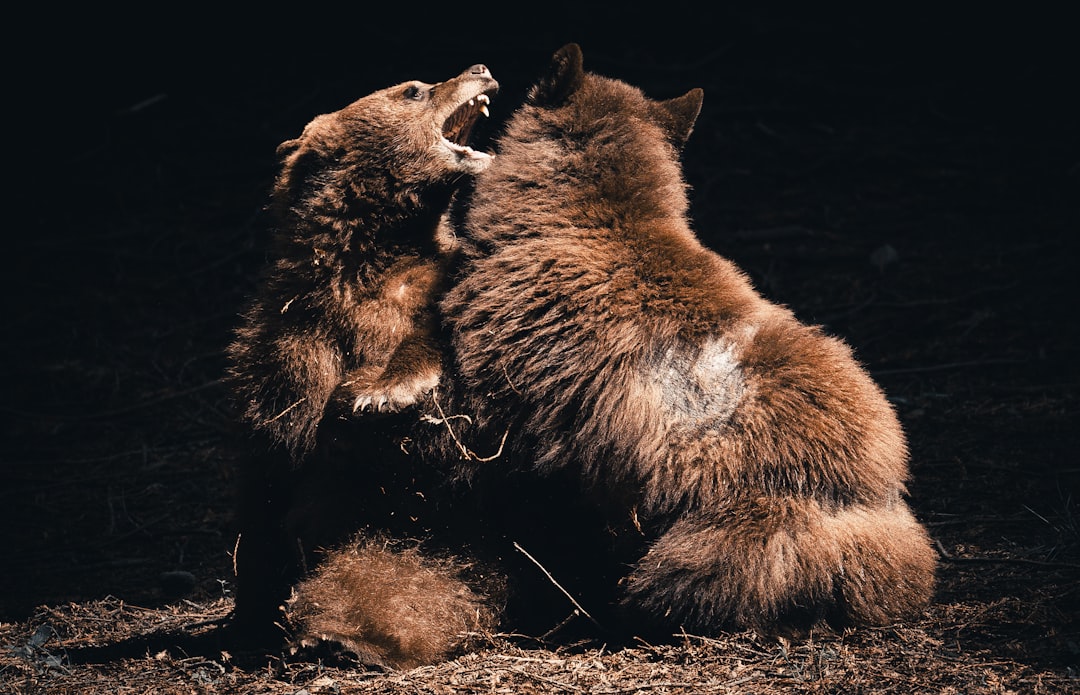
Bear leaders step forward with calm strength during turbulent times. Roosevelt’s refusal to shoot the bear showcased his compassionate nature and symbolized strength with kindness, defining his leadership balance. Your team looks to you for stability when everything else feels uncertain.
Despite people’s attempts to eliminate them, coyote populations are larger than ever, with these clever canines managing to expand range and increase population while other species struggle or fail. Coyote leaders find opportunity in crisis, adapting faster than the competition and emerging stronger.
Which wild creature resonates with your leadership instincts? Maybe you recognize yourself in the wolf’s collaborative strength, the bear’s protective power, or the coyote’s adaptive brilliance. The most effective leaders often blend traits from all three, knowing when to build consensus, when to show strength, and when to pivot with creative solutions.
Remember, great leadership isn’t about being one type of animal all the time. The wilderness teaches us that survival depends on reading the environment and responding appropriately. What do you think – are you ready to embrace your inner wild leader? Tell us in the comments which animal matches your style!

- 14 Quiet Signs Your Dog Knows Its Time Is Near and Wants You Close - July 22, 2026
- 10 Falcon Facts That Will Blow Your Mind - July 22, 2026
- 5 Incredible Migratory Journeys Animals Make Every Year - July 22, 2026