


As human development continues to fragment natural habitats across the United States, wildlife populations face increasing challenges to their survival. Roads, urban expansion, and agricultural development have created barriers that prevent animals from accessing resources, finding mates, and adapting to climate change. These barriers have contributed to population declines for numerous species, from large mammals like elk and mountain lions to smaller creatures such as amphibians and pollinators. In response to these challenges, conservation biologists, government agencies, and environmental organizations have begun advocating for and implementing wildlife corridors – connected pathways of habitat that allow animals to move safely between larger protected areas. The concept has now evolved into ambitious plans for corridors that span not just local areas but cross state boundaries, creating interstate wildlife passages that could revolutionize conservation efforts in the United States.
What Are Wildlife Corridors?
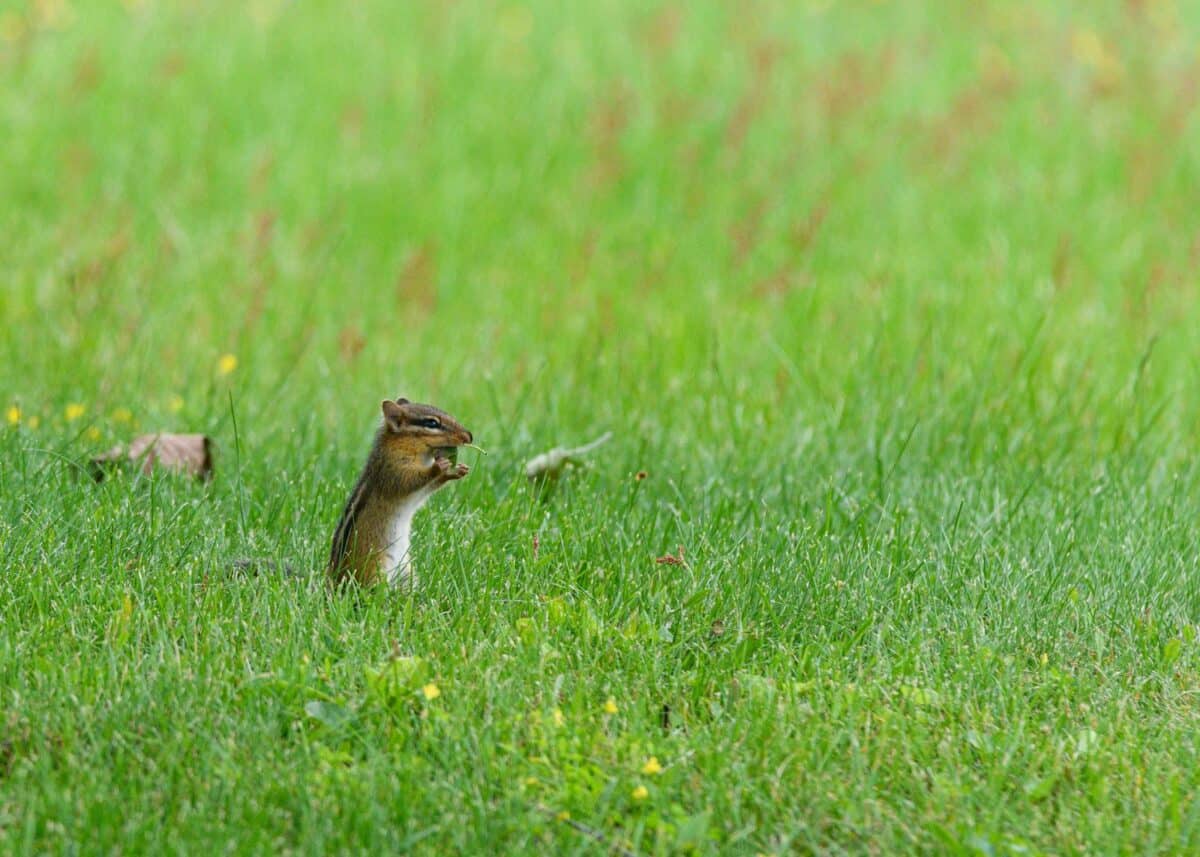
Wildlife corridors are protected passages of land that connect fragmented habitats, allowing animals to move safely between areas that might otherwise be separated by human development. These corridors serve multiple ecological functions: they facilitate seasonal migrations, promote genetic diversity by allowing different populations to intermix, provide escape routes from natural disasters such as wildfires, and help species adapt to shifting habitats caused by climate change.
Corridors can take many forms, from expansive wilderness connections between national parks to smaller greenways in urban settings, highway overpasses designed specifically for wildlife, or even stream buffers that provide passage for aquatic species. The effectiveness of corridors depends on their width, habitat quality, and how well they address the specific movement needs of target species. Well-designed corridors benefit not only wildlife but also ecosystem resilience as a whole, making them an increasingly important tool in modern conservation.
The Reality of Interstate Wildlife Corridors

Yes, the United States is indeed building and planning wildlife corridors that cross state lines. This represents a significant shift in conservation thinking from isolated protected areas to connected conservation networks. Notable examples include the Yellowstone to Yukon Conservation Initiative (Y2Y), which aims to create a continuous network of protected lands spanning from Wyoming to Canada’s Yukon Territory; the Path of the Pronghorn, which protects migration routes for pronghorn antelope between Wyoming and Idaho; and emerging corridor initiatives in the eastern United States like the Appalachian Wildlife Corridor.
These projects represent a mix of government initiatives, private conservation efforts, and public-private partnerships. Unlike many European countries that have established nationwide ecological networks, the U.S. approach has historically been more piecemeal, but recent federal legislation and increased coordination between states are accelerating the development of true interstate wildlife corridors.
The Infrastructure Investment and Jobs Act: A Game-Changer
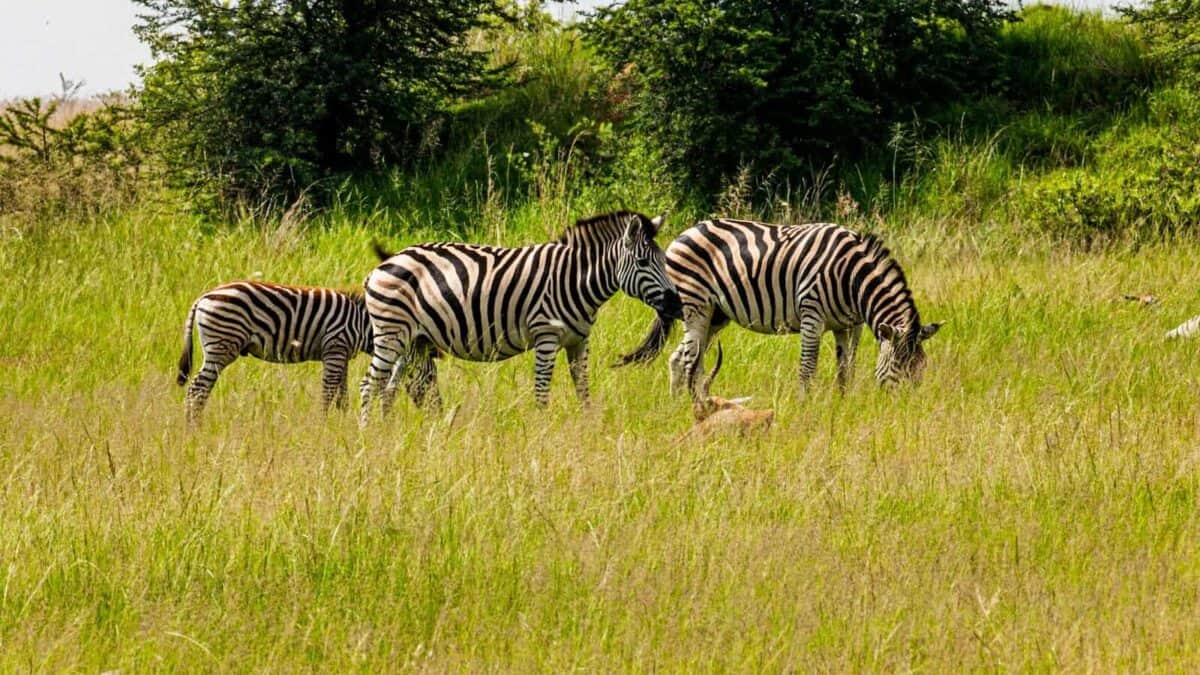
In November 2021, the Biden administration signed the Infrastructure Investment and Jobs Act, which included unprecedented funding for wildlife crossings and connectivity. The legislation allocated $350 million specifically for a Wildlife Crossings Pilot Program aimed at reducing wildlife-vehicle collisions and improving habitat connectivity. This represents the first dedicated federal funding for wildlife crossings in U.S. history and signals a major commitment to addressing habitat fragmentation at a national scale.
The Act also includes provisions for wildlife-friendly practices in broader infrastructure projects, ensuring that new roads and developments consider wildlife movement in their designs. This federal investment is catalyzing state-level action, with many states now accelerating their plans for wildlife passages and incorporating them into transportation planning. The funding helps overcome one of the biggest obstacles to wildlife corridor creation – the significant upfront costs of structures like overpasses and underpasses – while encouraging interstate cooperation on corridor planning.
Yellowstone to Yukon: North America’s Most Ambitious Corridor

The Yellowstone to Yukon Conservation Initiative (Y2Y) stands as perhaps the most ambitious wildlife corridor project in North America. Spanning approximately 2,000 miles across six U.S. states, two Canadian provinces, and two Canadian territories, Y2Y envisions a connected network of lands where wildlife can freely move and ecological processes can function naturally. Since its inception in 1993, the initiative has helped protect or enhance over 500,000 square kilometers of land.
The corridor focuses on keystone species like grizzly bears, wolves, and caribou, whose movements require vast territories. Success stories include the construction of wildlife overpasses on Canada’s Highway 1 in Banff National Park, which have reduced wildlife-vehicle collisions by over 80%, and collaborative conservation easements that preserve migration routes across private lands. Y2Y demonstrates the potential for large-scale corridor projects that transcend not only state lines but international boundaries, serving as a model for other interstate corridor initiatives across the country.
Eastern Wildlife Corridors: Connecting Fragmented Landscapes

While the western United States has led the way in wildlife corridor development, the eastern states face unique challenges due to higher population densities and more fragmented ownership patterns. Nevertheless, several significant interstate corridor initiatives are taking shape. The Appalachian Wildlife Corridor aims to connect habitat along the mountain range from Alabama to Maine, benefiting species like black bears, bobcats, and numerous migratory birds. The Florida Wildlife Corridor, though primarily within one state, is designed to eventually connect with habitat networks in Georgia and Alabama.
In the Northeast, the Staying Connected Initiative works across New York, Vermont, New Hampshire, Maine, Massachusetts, and into Canada to maintain forest connectivity for wide-ranging mammals. These eastern corridors often rely heavily on conservation easements with private landowners, given the limited public lands compared to western states. Despite the challenges, successful implementation of these corridors could protect biodiversity in some of the most densely populated regions of the country while demonstrating that wildlife connectivity is achievable even in developed landscapes.
The Science Behind Corridor Planning
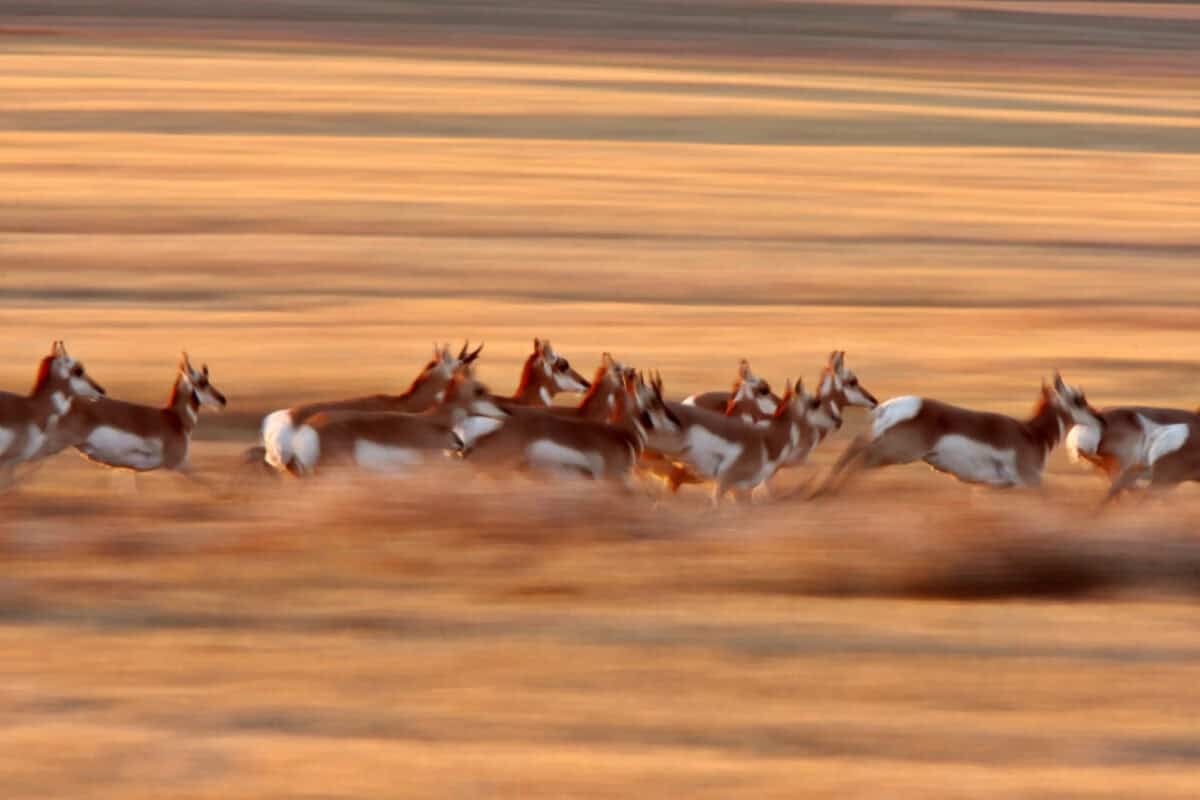
The design and implementation of interstate wildlife corridors is grounded in the science of landscape ecology and conservation biology. Researchers use a combination of methods to identify the most effective corridor locations, including wildlife tracking with GPS collars, genetic sampling to measure population connectivity, remote sensing to analyze landscape features, and computer modeling to predict animal movement patterns.
For example, studies of pronghorn antelope in Wyoming revealed consistent migration routes that informed the design of the Path of the Pronghorn corridor. Scientists also consider the specific needs of different species – large carnivores like wolves may require vast, relatively undisturbed corridors, while smaller animals might benefit from more localized connections. Climate change projections are increasingly incorporated into corridor planning, with models predicting how species ranges might shift in the future and identifying corridors that will facilitate these movements. As corridor science advances, planners are developing more sophisticated approaches to multi-species corridors that can serve diverse ecological needs while maximizing limited conservation resources.
Overcoming Political and Legal Challenges

Creating wildlife corridors that cross state lines involves navigating complex political and legal landscapes. Each state has its own wildlife management agencies, land use regulations, and conservation priorities, which can complicate coordination. The federal system of government in the U.S. means there’s no single authority that can mandate interstate corridors, unlike in some more centralized countries. To overcome these challenges, corridor initiatives rely on a variety of approaches: interstate compacts and memoranda of understanding between state agencies; federal incentives that encourage state participation; and the work of non-governmental organizations that can operate across jurisdictional boundaries.
Recent examples of successful interstate cooperation include the Western Governors’ Association’s Wildlife Corridors Initiative, which has brought together states to identify priority corridors and develop consistent approaches to their protection. Legal innovations like conservation easements that specifically protect corridor functions have also emerged as important tools. While challenges remain, the growing recognition of ecological connectivity as a conservation priority is fostering new forms of collaboration across traditional boundaries.
Economic Benefits of Wildlife Corridors

Beyond their ecological value, interstate wildlife corridors offer significant economic benefits that help justify their costs. Wildlife-vehicle collisions cost Americans over $8 billion annually in property damage, medical costs, and lost work time. Wildlife crossings that are part of corridor networks have proven highly effective at reducing these collisions, with some structures showing 80-95% reductions in wildlife-related accidents. This translates to substantial cost savings for state transportation departments and individuals alike.
Connected wildlife populations also support outdoor recreation economies – hunting, wildlife watching, and nature tourism – that contribute billions to rural economies across state lines. In Wyoming alone, wildlife watching generates over $365 million in annual economic activity. Additionally, corridors often protect ecosystem services like clean water, carbon sequestration, and flood control that benefit downstream communities across state boundaries. When these economic benefits are factored into cost-benefit analyses, interstate wildlife corridors often represent sound investments in both conservation and economic development, particularly for rural communities that depend on natural resources.
The Role of Private Landowners

In many parts of the United States, successful interstate wildlife corridors depend on the participation of private landowners, who control the majority of land in many critical connection areas. Recognizing this reality, corridor initiatives have developed a variety of incentive programs to encourage conservation on private lands. These include payments for conservation easements that restrict development while allowing compatible uses like sustainable forestry or ranching; tax benefits for landowners who manage their properties in wildlife-friendly ways; and cost-sharing programs for habitat improvement projects.
The Working Lands for Wildlife program, a partnership between the USDA Natural Resources Conservation Service and the U.S. Fish and Wildlife Service, has been particularly effective, directing millions of dollars to private landowners who protect habitat for threatened species in key corridor areas across multiple states. Success stories include ranchers in Wyoming who have modified fencing to allow pronghorn migration and forest owners in New England who manage their woodlands to maintain habitat connections for wide-ranging mammals. These public-private partnerships demonstrate that interstate wildlife corridors need not rely solely on public land acquisition but can incorporate working landscapes where economic activities continue in harmony with wildlife movement.
Wildlife Crossings: Critical Infrastructure for Corridors
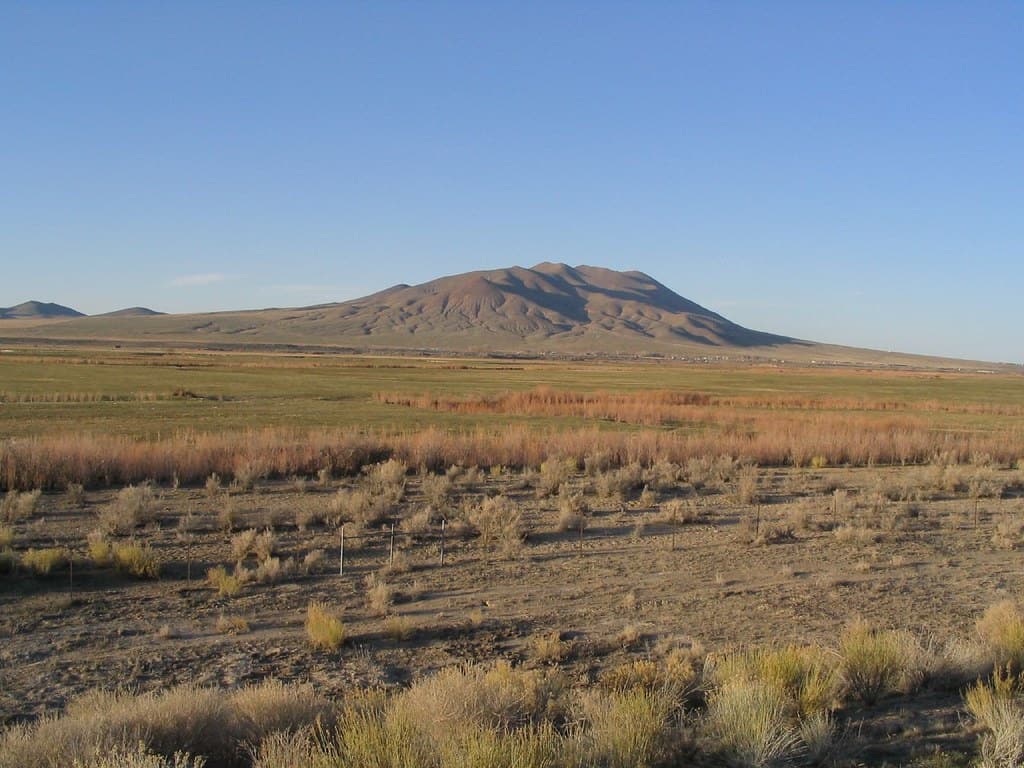
A key component of many interstate wildlife corridors is the infrastructure that allows animals to safely cross highways and other transportation barriers. Wildlife crossing structures include overpasses – vegetated bridges that allow animals to pass over roadways; underpasses and culverts that provide passage beneath roads; and specialized fencing that guides animals toward these crossing points. The effectiveness of these structures has been well-documented: Montana’s Highway 93 wildlife crossings have reduced wildlife-vehicle collisions by 80% while facilitating over 100,000 documented animal crossings.
Interstate 80 in Wyoming and Utah now includes numerous crossing structures that maintain connectivity for mule deer along their migration routes. These crossings represent significant investments – a single wildlife overpass can cost $5-10 million – but their benefits in reduced collisions, human safety, and wildlife conservation typically exceed these costs over time. With the new federal funding available through the Infrastructure Investment and Jobs Act, states are accelerating plans for crossing structures, particularly at interstate highway crossing points that have been identified as critical linkages in wildlife corridors spanning multiple states.
Future Directions and Emerging Technologies
The future of interstate wildlife corridors in the United States looks promising, with new technologies and approaches enhancing their effectiveness. Advanced tracking technologies, including miniaturized GPS collars and environmental DNA sampling, are providing unprecedented insights into animal movement patterns, helping planners identify the most critical areas for corridor protection. Satellite imagery and remote sensing allow for more detailed habitat analysis and monitoring of corridor effectiveness over time.
Computer modeling has become increasingly sophisticated, enabling scientists to simulate how different species might use potential corridors under various climate change scenarios. Some corridors are now incorporating innovative designs like “living bridges” – vegetated overpasses that support complex ecological communities rather than simply facilitating movement. There’s also growing interest in “multi-use corridors” that combine wildlife passage with recreational trails, flood management, or green infrastructure, maximizing the social benefits of these investments. As climate change accelerates, corridor planners are increasingly focused on creating “climate-smart corridors” that will facilitate species range shifts in response to changing conditions – a critical adaptation strategy that requires interstate coordination.
Conclusion: Connecting Conservation Across America

The development of interstate wildlife corridors represents a fundamental shift in American conservation strategy, moving from isolated protected areas toward connected networks that better reflect the dynamic nature of ecosystems and wildlife populations. While challenges remain in coordinating efforts across jurisdictional boundaries, recent federal investments and growing cooperation between states are accelerating progress. The science clearly demonstrates that connected landscapes are more resilient to threats ranging from habitat fragmentation to climate change, making corridors an essential component of 21st-century conservation.
As these corridors take shape across state lines, they promise not only to preserve biodiversity but also to reduce wildlife-vehicle collisions, support outdoor recreation economies, and maintain ecosystem services that benefit communities throughout the nation. The vision of an America where wildlife can move freely across connected landscapes – from the Yellowstone to Yukon corridor in the West to the Appalachian Wildlife Corridor in the East – is gradually becoming reality, representing one of the most significant conservation achievements of our time.

From exploring the marine wonders in the Azores and witnessing the vast savannas of Kenya, to delving deep into the rich biodiversity of South Africa and traversing iconic landscapes in Australia and the US like Yellowstone, Chris's experiences are vast.
With a penchant for diving alongside sharks, the ocean holds a special place in his heart.
Through his academic insights, he champions wildlife conservation, striving with 'Animals Around The Globe' to cultivate a profound connection between humans and animals, enhancing our mutual appreciation.
Connect with him at Feedback@animalsaroundtheglobe.com.
- A Bear Journey Through The USA: 18 Best Bear Photos from 18 US States - July 19, 2026
- Elephant Matriarchs Know Every Waterhole for Miles - July 19, 2026
- Top 10 Dinosaur Relatives Still Roaming Earth Today - July 19, 2026