

For centuries, humans have considered culture to be an exclusively human phenomenon—a defining feature that separates us from other animals. We’ve built our identity around the idea that our ability to create, transmit, and evolve cultural practices makes us unique in the animal kingdom. However, a growing body of research challenges this human-centric view, revealing that many animals exhibit cultural behaviors that are far more complex and sophisticated than previously thought. From tool use among crows to dialects in whale songs, evidence of animal culture abounds, yet we continue to underestimate its prevalence and significance. This article explores why we might be underestimating animal culture, the implications of this oversight, and what a more accurate understanding might mean for how we view our place in the natural world.
Defining Culture Beyond Human Terms
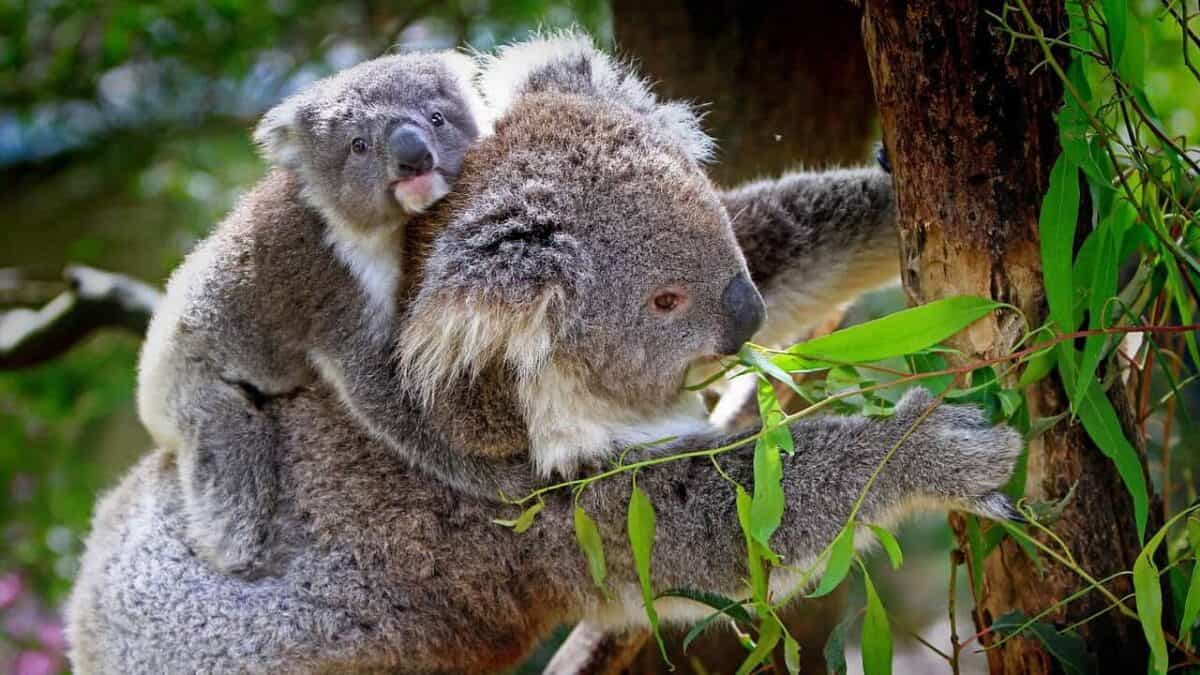
Before we can appreciate animal culture, we need to reconsider how we define culture itself. Traditionally, culture has been defined in human terms—involving language, art, religion, and technology. This anthropocentric definition inherently excludes other species from consideration. A more inclusive definition focuses on the core elements: socially learned behaviors that vary between groups of the same species, transmitted through observation and teaching rather than genetic inheritance. By this definition, culture exists whenever knowledge, skills, or behaviors spread through social learning within a population. When we broaden our understanding in this way, evidence of cultural transmission becomes apparent across a wide range of species—from primates to birds, and even insects—suggesting that culture may be far more widespread in the animal kingdom than we’ve been willing to acknowledge.
The Historical Bias in Animal Research

The history of animal behavior research reveals persistent biases that have hindered our recognition of animal culture. Early ethologists often approached their subjects with preconceived notions about animal capabilities, interpreting behaviors through a lens that emphasized instinct over learning. When faced with evidence of cultural transmission, researchers frequently defaulted to explanations based on genetic programming or environmental factors. Jane Goodall encountered significant resistance when she first documented tool use among chimpanzees in the 1960s—behavior previously thought to be uniquely human. The scientific establishment initially dismissed her observations, insisting she had misinterpreted what she saw or that the chimps were simply mimicking humans. This pattern of skepticism toward animal culture persists today, though to a lesser degree, reflecting our reluctance to recognize cognitive and social complexities that challenge human exceptionalism.
Remarkable Examples of Animal Cultural Practices
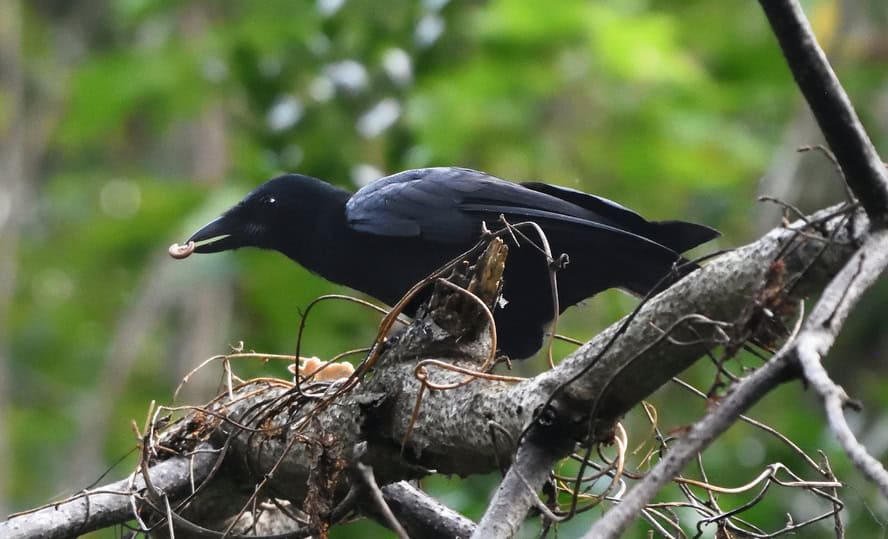
The evidence for animal culture is both diverse and compelling. New Caledonian crows craft specialized tools from plant materials to extract insects from crevices, with different populations developing distinct tool designs that are passed down through generations. Certain populations of Japanese macaques wash sweet potatoes in seawater before eating them—a practice that began with one innovative female and spread throughout her social group. Killer whale pods develop specific hunting techniques tailored to their prey and environment, such as intentionally beaching themselves to catch seals on shorelines, or creating waves to wash seals off ice floes. These hunting strategies differ between pods and are taught to younger generations. Perhaps most strikingly, humpback whales have been documented adopting new feeding techniques from other populations, with “lobtail feeding” spreading through whale communities in a pattern that can only be explained by cultural transmission. Each of these examples demonstrates not just the capacity for culture, but the sophistication and adaptability of animal cultural systems.
The Challenge of Detecting Cultural Transmission

Identifying cultural transmission in animal populations presents significant methodological challenges that may lead us to underestimate its prevalence. Unlike human culture, which we can study through language, artifacts, and historical records, animal culture is often subtle and leaves few physical traces. Researchers must distinguish culturally transmitted behaviors from those that might arise independently due to genetic predispositions or similar environmental pressures. This requires long-term observation across multiple populations, often in remote or challenging environments. Additionally, some cultural behaviors may occur rarely or only under specific circumstances, making them easy to miss without sustained study. These methodological hurdles mean that for every documented case of animal culture, many more likely exist undiscovered. As research techniques improve—including the use of drone technology, acoustic monitoring, and molecular tools to track social networks—we continue to uncover new examples of cultural transmission across species, suggesting that animal culture may be far more common than our current documentation indicates.
Language and Communication as Cultural Elements

Communication systems among animals often display cultural variation that parallels human linguistic diversity. Sperm whales organize into clans distinguished by their unique patterns of clicks, or “codas,” which function similarly to dialects in human language. Young whales learn these communication patterns from their social groups, and different clans maintain distinct vocal traditions even when they overlap geographically. Similarly, songbirds like white-crowned sparrows develop regional dialects, with populations separated by just a few miles singing noticeably different versions of the same basic song. These variations aren’t just random—they persist across generations through social learning. Perhaps most fascinating are the cultural revolutions observed in humpback whale songs. Researchers have documented how entirely new song patterns can spread across ocean basins as whales learn from one another, with entire populations adopting new songs within just a few breeding seasons. This represents a form of cultural evolution with striking parallels to human fashion trends. These communication systems demonstrate that animals not only transmit practical skills culturally but also maintain and evolve shared symbolic systems that strengthen group identity—a core function of human culture.
The Social Foundations of Cultural Learning

Culture doesn’t emerge in isolation—it requires social structures that facilitate learning and transmission. Many species we now recognize as cultural standard-bearers also exhibit complex social organizations that create the conditions for cultural development. Dolphins form sophisticated alliances and networks that facilitate information sharing across generations and between groups. Elephants live in matriarchal societies where elder females serve as repositories of ecological knowledge, remembering migration routes and water sources across decades. This social complexity provides the foundation for cultural transmission, as it creates stable learning environments and allows for the accumulation of knowledge over time. The correlation between social complexity and cultural capacity suggests that we should look for evidence of culture in highly social species first. It also indicates that the disruption of social groups through habitat fragmentation, hunting, or captivity may erode not just populations but cultural systems that have developed over generations. By understanding the social foundations of animal culture, we gain insight into both its prevalence and vulnerability.
The Intelligence Barrier in Recognizing Animal Culture
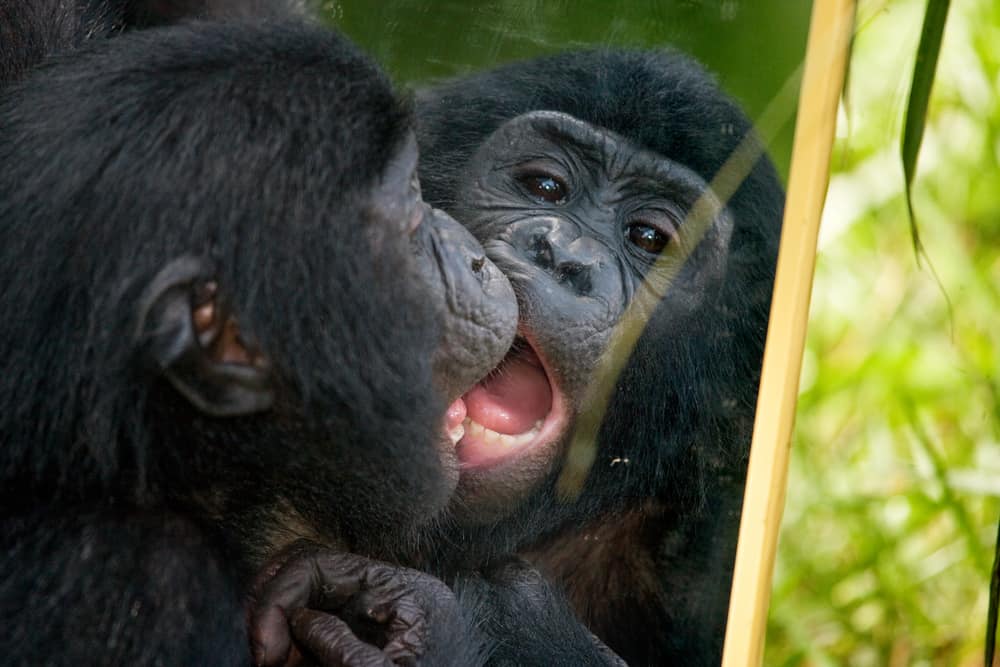
Our reluctance to acknowledge animal culture often stems from outdated assumptions about animal intelligence. For decades, scientists operated under the paradigm that animals lack the cognitive capabilities necessary for cultural learning, including abstract thinking, planning, and theory of mind. However, recent research has systematically dismantled these assumptions. Corvids (members of the crow family) have demonstrated capacities for mental time travel, planning for future needs, and even understanding the mental states of others. Great apes recognize themselves in mirrors, solve complex problems requiring multi-step planning, and exhibit empathy. Even rats have shown evidence of metacognition—awareness of what they know and don’t know. As our understanding of animal cognition expands, the cognitive barriers that supposedly prevented cultural transmission appear increasingly illusory. Intelligence in animals manifests differently than in humans, adapted to their specific ecological niches and evolutionary histories. By measuring animal intelligence against human-specific benchmarks, we’ve systematically underestimated their cognitive capacities and, consequently, their potential for cultural behavior. A more species-appropriate understanding of intelligence reveals cognitive foundations capable of supporting sophisticated cultural systems across the animal kingdom.
The Conservation Implications of Animal Culture
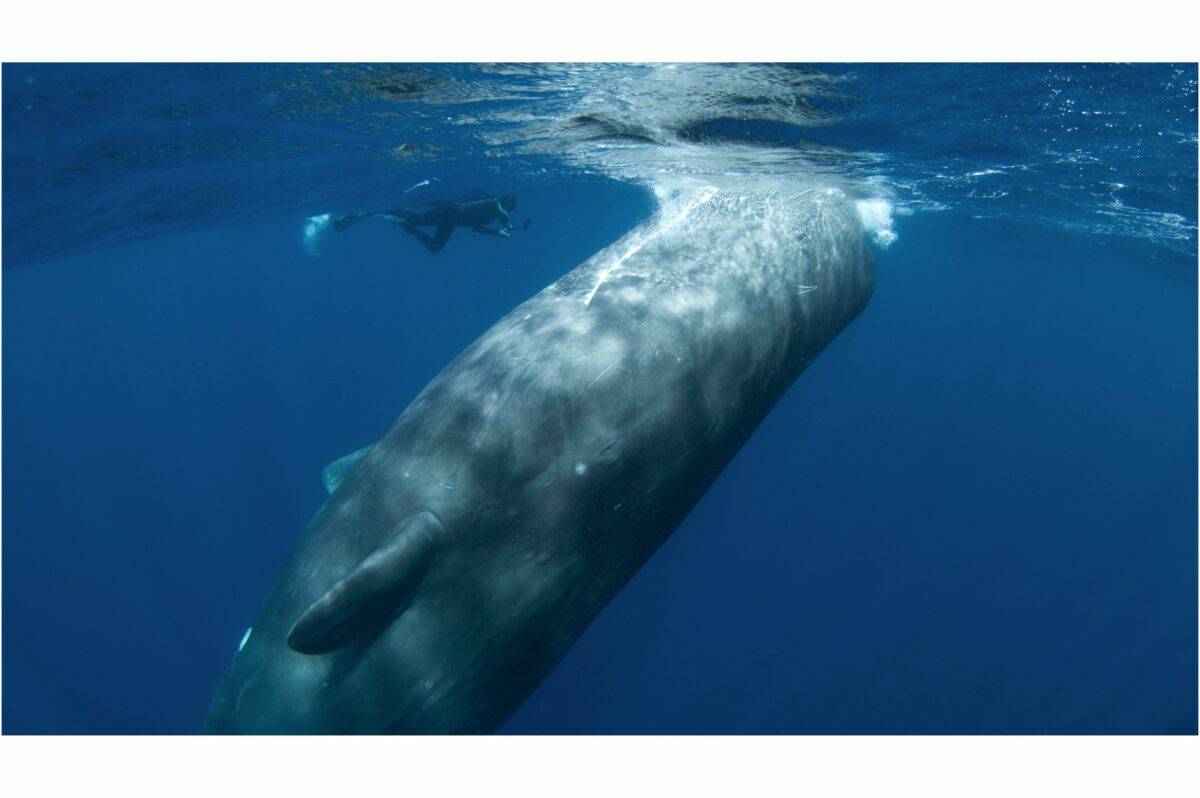
Recognizing animal culture has profound implications for conservation efforts. When we protect only the genetic diversity of endangered species while ignoring their cultural diversity, we risk losing adaptations critical to their survival. The knowledge of migration routes, food sources, predator avoidance strategies, and other specialized behaviors may be stored culturally rather than genetically. If these cultural traditions are lost—through population decline, habitat fragmentation, or the death of key knowledge-holders—they may be irretrievable, even if population numbers later recover. For example, African elephants that experienced poaching of elder matriarchs showed disrupted social behavior and diminished responses to environmental threats, suggesting a loss of culturally transmitted knowledge. Similarly, reintroduction programs for endangered species often fail when captive-bred individuals lack the cultural knowledge needed to survive in the wild. In a groundbreaking development recognizing these concerns, the Convention on Migratory Species adopted the “Concerted Action for Sperm Whales” in 2017, acknowledging the importance of protecting culturally distinct whale clans, not just the species as a whole. This represents the first international conservation policy to explicitly protect animal culture, marking a significant shift in how we approach biodiversity preservation.
The Role of Tradition in Animal Societies

Traditions—behaviors maintained through generations without obvious adaptive benefits—offer particularly compelling evidence of animal culture. In several macaque populations, “stone handling” behaviors have persisted for decades, with monkeys repeatedly manipulating stones in specific patterns that serve no apparent survival function. Different groups maintain distinct stone-handling traditions, with variations in how stones are clacked, rubbed, or stacked. Similarly, some chimpanzee communities engage in “rain dances”—ritualistic displays performed at the onset of heavy rains—while neighboring communities with identical environmental conditions show no such behavior. Bottlenose dolphins in Shark Bay, Australia, carry sea sponges on their snouts as foraging tools, a tradition that has persisted for generations primarily through maternal teaching. These traditions highlight that animal culture extends beyond purely utilitarian behaviors to include practices that may serve social, playful, or symbolic functions. The persistence of these traditions, often against the forces of natural selection, underscores the powerful role of social learning and conformity in animal societies. By recognizing these apparently “non-adaptive” traditions, we gain insight into the depth and complexity of animal cultural systems that mirror aspects of human cultural practices previously thought unique.
The Intersection of Genes and Culture
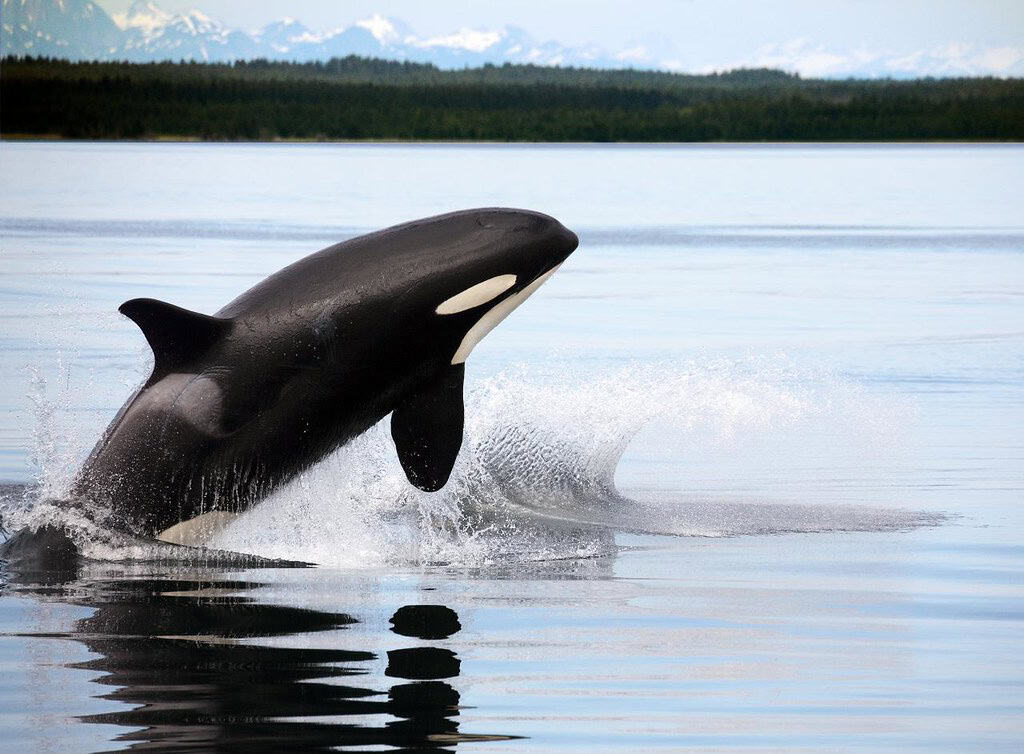
The relationship between genetic evolution and cultural transmission in animals reveals sophisticated dynamics often overlooked in discussions of animal behavior. Cultural practices can drive genetic evolution through a process known as gene-culture coevolution. For example, the milk-bottle opening behavior of great tits (birds that learned to pierce milk bottle caps to drink cream) created selection pressure for narrower beaks better suited to this cultural innovation. In killer whales, cultural hunting specializations have led to genetic divergence between ecotypes, with fish-eating and mammal-eating populations showing genetic adaptations to their culturally determined diets. Conversely, genetic predispositions can facilitate certain types of cultural learning. Some species possess genetically influenced “preparedness” to learn specific behaviors through observation, making them especially receptive to certain cultural transmissions. This bidirectional relationship between genes and culture creates evolutionary feedback loops that can accelerate adaptation and specialization. By viewing genes and culture as interactive rather than opposing forces in animal behavior, we gain a more nuanced understanding of behavioral evolution. This perspective challenges the false dichotomy between “instinct” and “learning” that has historically limited our recognition of animal culture and reveals the complex interplay that shapes behavioral diversity across species.
Cultural Evolution and Innovation in Animals

Animal cultures don’t just persist—they evolve, showing patterns of innovation and modification that parallel human cultural evolution. Long-term studies of Japanese macaques have documented how food-washing behaviors initially developed with sweet potatoes evolved to include washing multiple food types and, eventually, play behaviors involving water that had no direct nutritional benefit. In chimpanzee communities, researchers have observed the refinement of termite-fishing techniques over time, with modifications that increase efficiency spreading through populations. Perhaps the most striking example comes from humpback whales, where a feeding technique called “lobtail feeding” emerged in a single individual in 1980, then spread to hundreds of whales over the following decades, demonstrating both innovation and cultural diffusion on a massive scale. These examples reveal that animal cultures can undergo cumulative changes, with innovations building on existing practices—a process once thought unique to human culture. While animal cultural evolution typically occurs more slowly and with less complexity than human cultural evolution, the fundamental process of innovation, social learning, and modification over time appears consistent across species. By recognizing these evolutionary dynamics in animal culture, we gain insight into the cognitive and social capacities that might have preceded and enabled the explosive cultural evolution seen in human societies.
Reconsidering Human Uniqueness in Light of Animal Culture

As evidence of animal culture accumulates, we must reconsider what, if anything, makes human culture unique. Rather than a binary distinction between humans (with culture) and animals (without), research increasingly suggests a continuum of cultural complexity. Human culture differs from animal culture in degree rather than kind—we exhibit more cumulative cultural evolution, more symbolic representation, and more deliberate teaching, but these capacities appear in rudimentary forms across many species. For example, wild chimpanzees in the Nouabalé-Ndoki National Park have been observed actively teaching youngsters how to crack nuts with stone tools, demonstrating intentional knowledge transfer. New Caledonian crows create increasingly complex tools through a process that resembles cumulative cultural evolution. These findings suggest that the cognitive and social foundations for cultural transmission evolved long before humans appeared, with our species representing an exceptional elaboration of capacities shared with many other animals. This perspective doesn’t diminish human achievements but contextualizes them within an evolutionary continuum. By acknowledging the cultural capacities of other species, we gain a more accurate understanding of our own cultural nature—not as a unique possession that separates us from the natural world, but as an elaborate expression of cognitive and social tendencies that connect us to our evolutionary relatives.
Conclusion: Embracing a More Culturally Diverse Animal Kingdom
Our systematic underestimation of animal culture reflects not just scientific caution but deep-seated biases about human uniqueness that have shaped how we study and interpret animal behavior. As research continues to reveal the diversity and sophistication of cultural transmission across species, we face the challenge of reimagining our relationship with the natural world. Recognizing animal culture has profound implications—from reformulating conservation strategies to protect cultural as well as genetic diversity, to reconsidering the ethical dimensions of how we treat culturally complex beings. The evidence suggests that culture isn’t a human innovation but an evolutionary strategy that has emerged repeatedly across the animal kingdom, taking different forms adapted to the cognitive capacities and ecological challenges of each species. By shedding our anthropocentric biases and embracing a more inclusive understanding of culture, we gain not just scientific insight but a richer appreciation of the complex social worlds that exist alongside our own. Perhaps most importantly, recognizing animal culture reminds us that we exist on a continuum with other species—exceptional in our cultural achievements, but connected through shared capacities for learning, innovation, and tradition.

- 10 Animals That Cheat Death in the Most Unexpected Ways - July 19, 2026
- The Shrimp That Punches Like a Bullet - July 19, 2026
- This Tiny Mammal Can Slow Its Heartbeat to One Beat Per Minute - July 19, 2026