
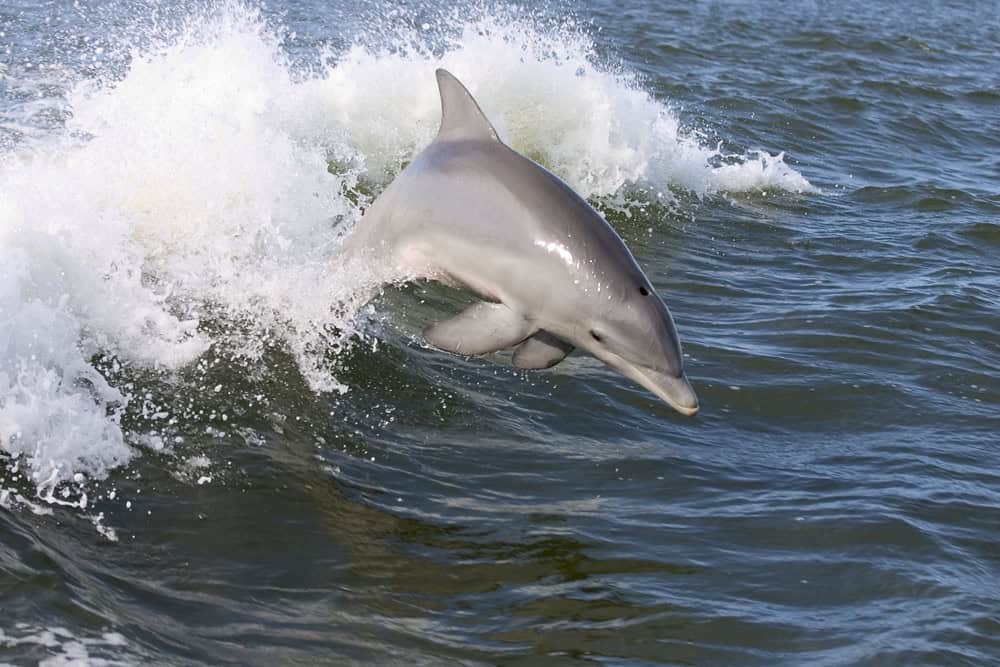
There’s something magical about witnessing dolphins in their natural habitat—their playful leaps, graceful swimming, and intelligent behavior captivate us in ways few other wildlife encounters can. The United States, with its vast coastlines spanning the Atlantic, Pacific, and Gulf of Mexico, offers some of the world’s premier dolphin-watching destinations. From the warm waters of Florida to the stunning shores of Hawaii, these coastal towns provide exceptional opportunities to observe various dolphin species in their natural environments. Whether you’re planning a family vacation or a solo adventure, these destinations combine charming coastal communities with unforgettable marine mammal experiences. This comprehensive guide explores the best coastal towns across America where you can witness these magnificent cetaceans, including information on the best seasons, tour options, species you might encounter, and conservation efforts in each region.
Key West, Florida: A Dolphin Paradise
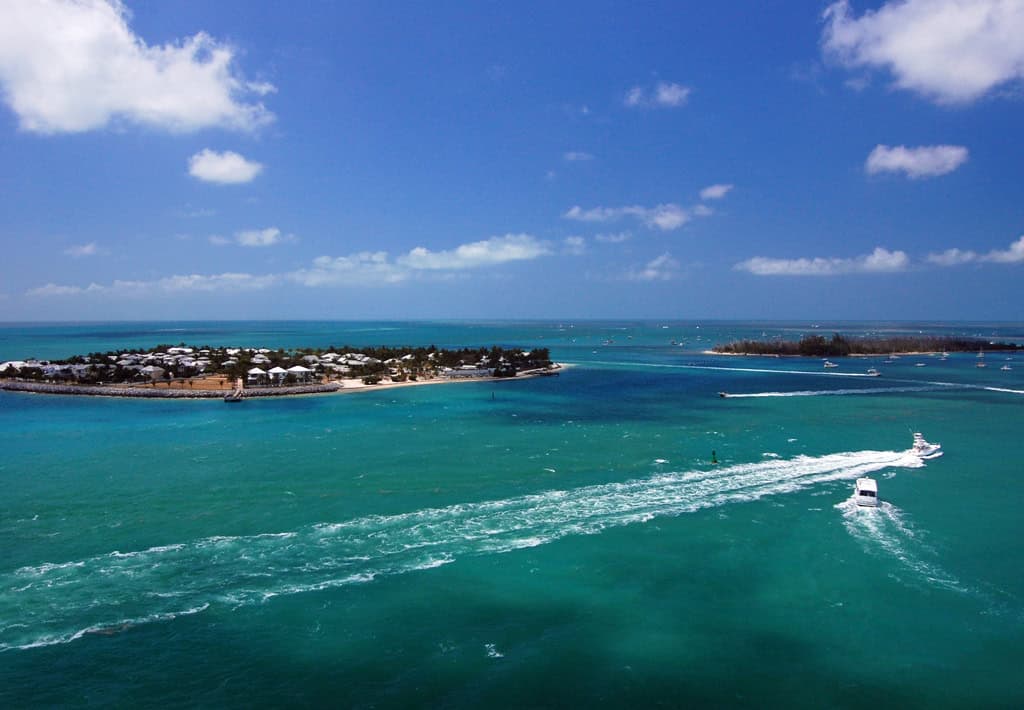
Key West sits at the southernmost tip of the continental United States, surrounded by the warm, clear waters that make up the Florida Keys National Marine Sanctuary. This tropical paradise is home to a thriving population of Atlantic bottlenose dolphins that reside in the area year-round. The calm, shallow waters around Key West create an ideal environment for dolphins to feed, socialize, and raise their young. Numerous eco-friendly tour operators offer daily excursions, with morning trips often providing the best viewing opportunities when dolphins are most active. Beyond dolphin watching, Key West’s vibrant arts scene, historic architecture, and spectacular sunsets make it a well-rounded destination. The area’s commitment to marine conservation is evident through organizations like the Dolphin Research Center on nearby Grassy Key, which conducts important research while educating visitors about these intelligent marine mammals.
Sanibel Island, Florida: Gulf Coast Dolphin Haven
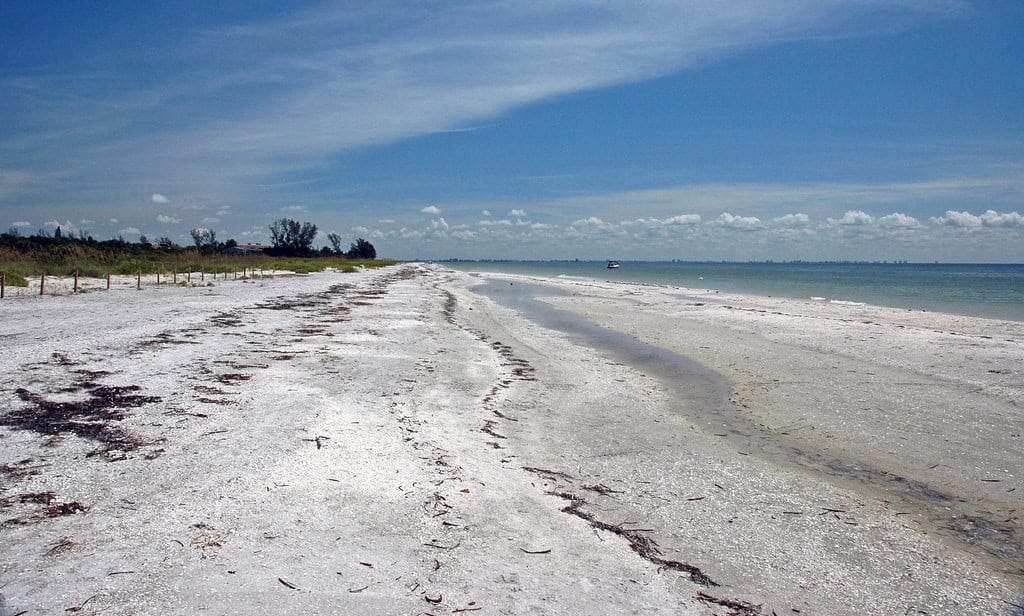
Located on Florida’s Gulf Coast, Sanibel Island offers excellent dolphin-watching opportunities in a more tranquil setting than some of Florida’s busier tourist destinations. The protected waters between Sanibel and Captiva Islands serve as a feeding ground for bottlenose dolphins, making sightings common year-round. What makes Sanibel particularly special is the opportunity to spot dolphins from shore, especially near the Sanibel Causeway and Lighthouse Beach Park. For closer encounters, kayak tours provide an intimate, low-impact way to observe dolphins in their natural habitat without disturbing them. The island’s commitment to conservation is reflected in its extensive nature preserves, including the J.N. “Ding” Darling National Wildlife Refuge, which protects critical marine and coastal ecosystems. The best time to visit is during the dry season from December to April when calm waters and clear skies create optimal viewing conditions.
Hilton Head Island, South Carolina: Atlantic Dolphin Watching
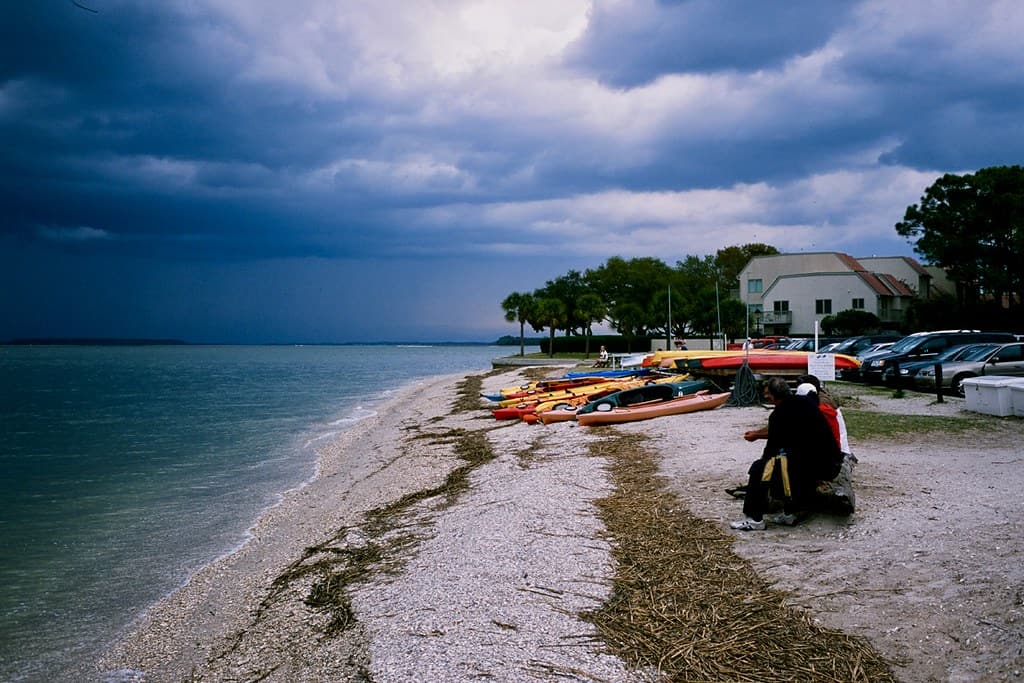
Hilton Head Island’s extensive salt marshes, tidal creeks, and protected bays create a perfect habitat for Atlantic bottlenose dolphins. What makes this destination unique is the opportunity to witness “strand feeding”—a rare hunting behavior where dolphins work together to herd fish onto muddy banks before temporarily beaching themselves to feed. This remarkable behavior is observed in only a few locations worldwide, with Hilton Head being one of them. The island offers diverse viewing options, from guided kayak tours through quiet marshes to larger boat excursions in Calibogue Sound. May through September provides the most reliable dolphin sightings, though the resident population ensures year-round opportunities. Hilton Head’s commitment to environmental stewardship includes strict regulations for dolphin tour operators, helping to ensure these marine mammals are observed responsibly without disrupting their natural behaviors.
Virginia Beach, Virginia: Chesapeake Bay Dolphins

Virginia Beach marks the gateway to the Chesapeake Bay, North America’s largest estuary and summer home to hundreds of Atlantic bottlenose dolphins that migrate to these fertile waters to feed and socialize. The Virginia Aquarium & Marine Science Center conducts dolphin research cruises that combine educational content with sighting opportunities, making it perfect for families and those interested in marine conservation. Unlike some year-round destinations, Virginia Beach’s dolphin season has a distinct peak from late April through October, with July and August offering almost guaranteed sightings during boat tours. The Chesapeake Bay Bridge-Tunnel area is particularly known for dolphin activity, as the structure creates currents that concentrate fish, attracting hungry dolphins. Beyond dolphin watching, Virginia Beach offers a classic boardwalk experience, diverse dining options, and beautiful state parks, making it a well-rounded coastal destination for wildlife enthusiasts.
Monterey, California: Pacific Marine Life Diversity
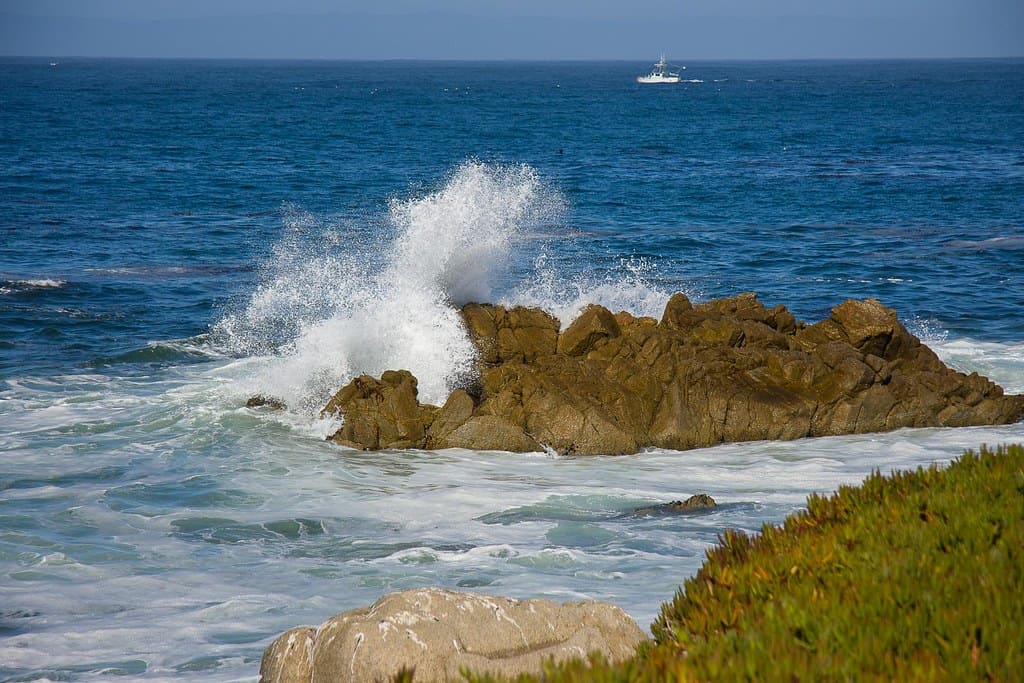
Monterey’s position along the California coast places it adjacent to one of the world’s most productive marine ecosystems—the Monterey Bay National Marine Sanctuary. This protected area encompasses submarine canyons that create upwellings of nutrient-rich water, supporting an incredible diversity of marine life, including several dolphin species. Visitors may encounter Pacific white-sided dolphins, Risso’s dolphins, northern right whale dolphins, and common dolphins, each with distinct appearances and behaviors. The Monterey Bay Aquarium serves as both a world-class visitor attraction and a center for marine research and conservation. Unlike some seasonal destinations, Monterey offers excellent dolphin-watching opportunities year-round, though species composition may vary with the seasons. What makes Monterey truly special is the possibility of witnessing “superpods”—gatherings of hundreds or even thousands of dolphins traveling, feeding, and playing together in an awe-inspiring display of nature’s abundance.
Santa Barbara, California: Channel Islands Gateway
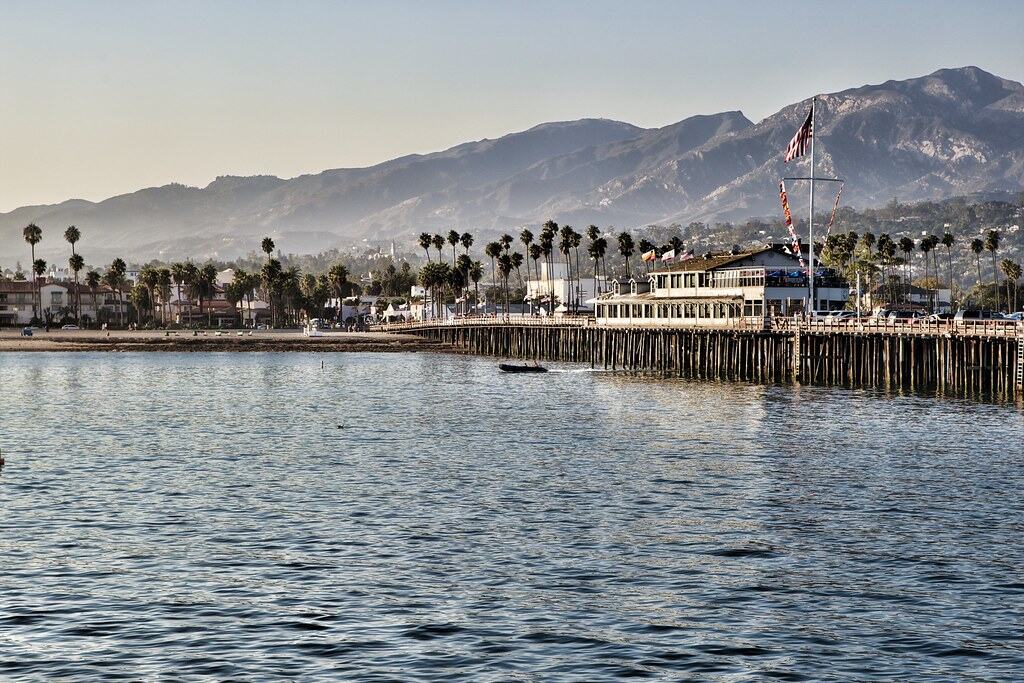
Santa Barbara serves as the primary gateway to the Channel Islands National Park and Marine Sanctuary, one of America’s richest marine environments. The Santa Barbara Channel hosts an impressive diversity of dolphin species, including common dolphins, bottlenose dolphins, and Pacific white-sided dolphins. What makes this location unique is the opportunity to see dolphins against the backdrop of the dramatic Channel Islands and, during certain seasons, alongside migrating whales. The region’s upwelling zones create incredibly productive feeding areas, sometimes resulting in dolphin “stampedes” where hundreds of animals race through the water. The peak season extends from May through October when calm seas and clear skies provide optimal viewing conditions. The Santa Barbara Maritime Museum offers excellent educational exhibits about the region’s marine life, while the Ty Warner Sea Center provides hands-on learning experiences perfect for families. Conservation efforts in the area include long-term monitoring programs tracking dolphin populations and their responses to environmental changes.
Orange Beach and Gulf Shores, Alabama: Gulf Coast Gems
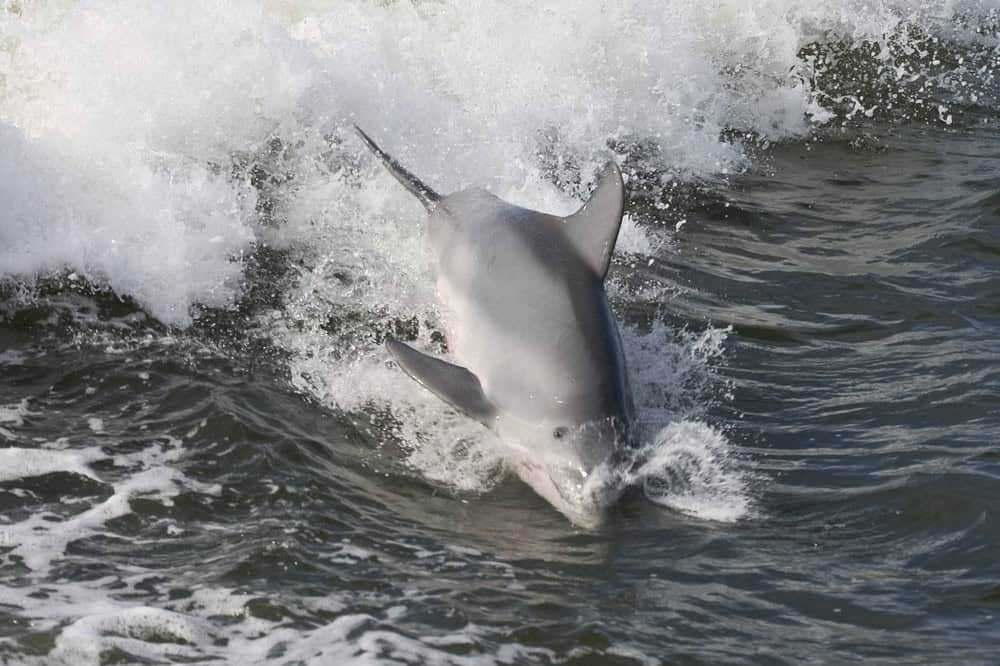
Alabama’s twin coastal communities of Orange Beach and Gulf Shores offer some of the Gulf of Mexico’s best dolphin-watching opportunities without the crowds of more famous destinations. The warm, shallow waters of the Gulf are home to resident populations of bottlenose dolphins that can be observed year-round. What distinguishes this area is the diversity of viewing options, from large dolphin cruise boats to more intimate experiences like kayak tours and stand-up paddleboard excursions in quieter back bays. Many local dolphins have become accustomed to boat traffic, often approaching vessels to ride the bow waves, creating thrilling close encounters. The adjacent Bon Secour National Wildlife Refuge protects critical coastal habitat, while the Alabama Gulf Coast Zoo and local marine education programs help visitors understand the importance of dolphin conservation. The summer months bring the highest dolphin activity, though fall offers the perfect combination of pleasant weather, fewer crowds, and excellent dolphin-watching conditions.
Tybee Island, Georgia: Atlantic Coast Hidden Gem
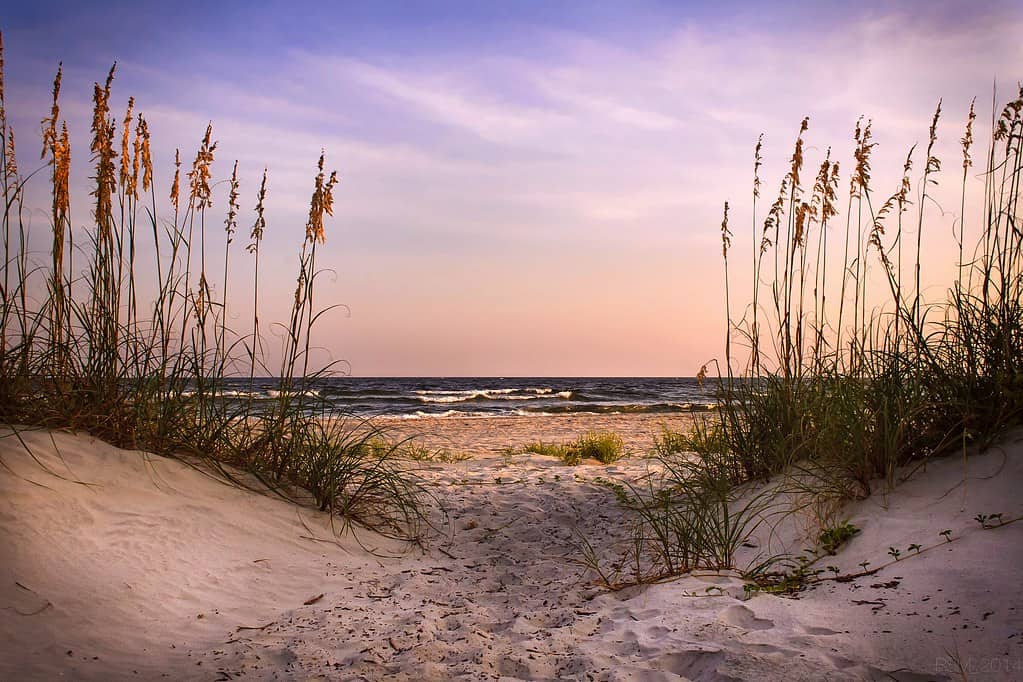
Just 20 minutes from historic Savannah, Tybee Island offers a quieter alternative to more developed dolphin-watching destinations. The island’s location where the Savannah River meets the Atlantic Ocean creates a nutrient-rich environment that attracts a healthy population of Atlantic bottlenose dolphins. The marshy waterways and river mouths around Tybee provide excellent feeding grounds, making dolphin sightings common throughout the year. Local tour operators offer a range of experiences, from larger dolphin cruises to kayak tours through the peaceful salt marshes where dolphins can be observed hunting in the shallow waters. Conservation efforts on the island include the Tybee Island Marine Science Center, which conducts educational programs about local marine ecosystems and the importance of protecting dolphin habitat. The shoulder seasons of late spring and early fall offer the perfect combination of pleasant weather, fewer tourists, and excellent dolphin-watching conditions, though summer remains the peak time for guaranteed sightings.
Kailua-Kona, Hawaii: Spinner Dolphin Spectacles
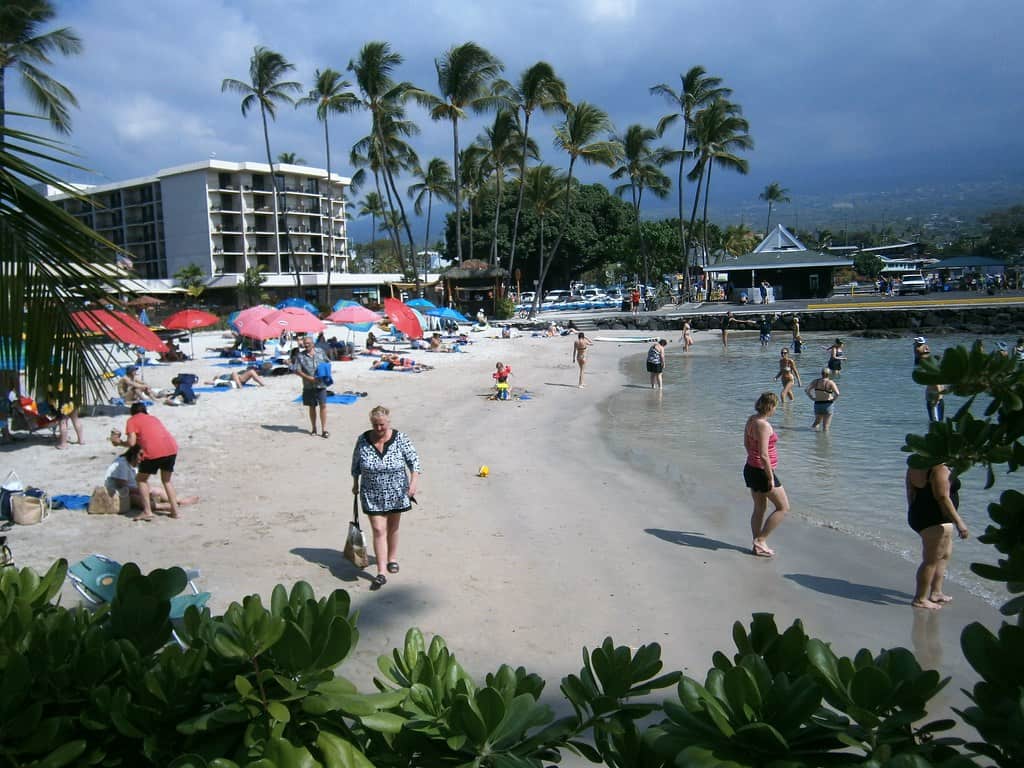
The Kona Coast of Hawaii’s Big Island stands out as one of the few places in the United States where you can regularly observe spinner dolphins, known for their acrobatic aerial displays and distinct spinning behavior. These smaller dolphins have established a predictable daily pattern, resting in shallow bays during the day before heading to deeper waters to feed at night. Kealakekua Bay and Honaunau Bay are particularly renowned for spinner dolphin sightings, with early morning hours offering the best viewing opportunities. What makes Kona special is the exceptional water clarity, allowing for incredible snorkeling experiences where visitors can observe dolphins underwater (though regulations require maintaining appropriate distances). The Dolphin SMART program promotes responsible viewing practices among tour operators to minimize disturbance to these animals. While spinner dolphins are the stars, visitors may also encounter bottlenose, spotted, and rough-toothed dolphins around the Big Island, making it a premier destination for dolphin diversity.
Destin, Florida: The “World’s Luckiest Fishing Village”
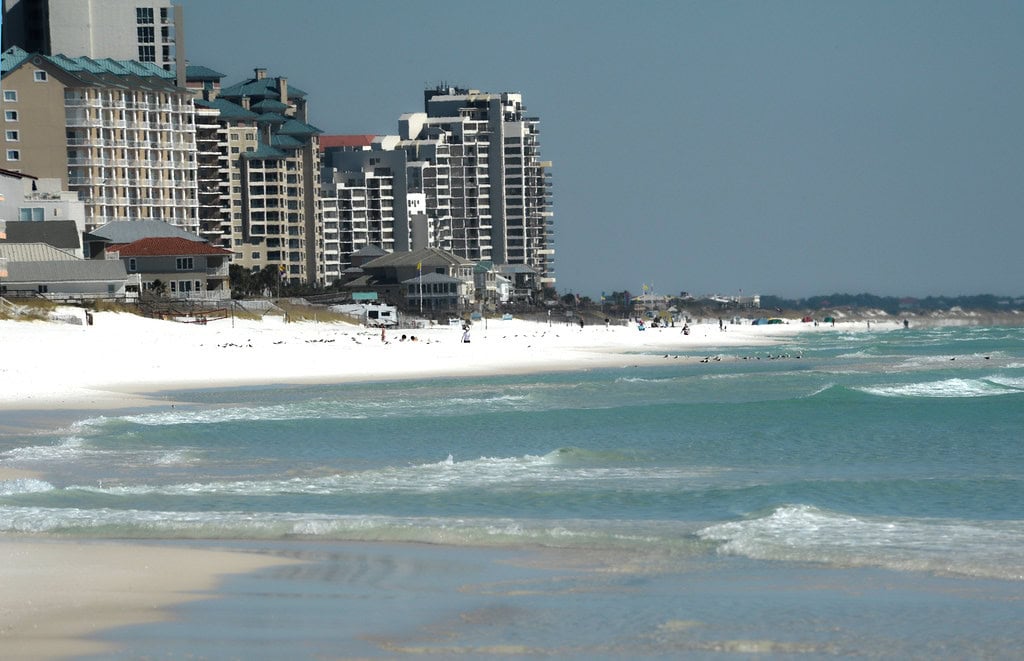
Destin’s nickname as the “World’s Luckiest Fishing Village” extends to its dolphin-watching opportunities, with some of the highest success rates for sightings along the Gulf Coast. The area’s emerald-green waters and white sand beaches create a stunning backdrop for observing the playful pods of bottlenose dolphins that call these waters home. Destin Harbor and Choctawhatchee Bay offer protected areas where dolphins frequently feed, making them accessible even during days when ocean conditions might not be ideal. What distinguishes Destin is the variety of viewing options, from glass-bottom boats and traditional dolphin cruises to more adventurous options like wave runner tours and parasailing experiences that might include dolphin sightings. The Emerald Coast Science Center provides educational exhibits about local marine ecosystems, while the Gulfarium Marine Adventure Park combines entertainment with education about dolphin conservation. While summer brings the most visitors, the shoulder seasons of spring and fall offer excellent dolphin-watching with smaller crowds and pleasant temperatures.
Myrtle Beach, South Carolina: Family-Friendly Dolphin Watching

Myrtle Beach combines classic beach vacation amenities with excellent opportunities to observe Atlantic bottlenose dolphins, making it an ideal family destination. The coastal waters around Myrtle Beach support a healthy dolphin population, with particularly high activity around Murrells Inlet and the waters near North Myrtle Beach. The area offers diverse viewing options ranging from large sightseeing vessels to intimate kayak tours through quieter salt marshes where dolphins frequently feed. The Cherry Grove Marsh is especially known for dolphin activity, with the animals often observed strand feeding during low tide. The Ripley’s Aquarium of Myrtle Beach complements wild dolphin watching with educational exhibits about marine conservation, while the South Carolina Maritime Museum provides historical context about humans’ relationship with the ocean. Late spring through early fall offers the most reliable viewing conditions, though dolphins can be spotted year-round. The area’s abundance of family attractions makes it easy to combine dolphin watching with other vacation activities.
Port Aransas, Texas: Gulf Coast Dolphin Research Hub
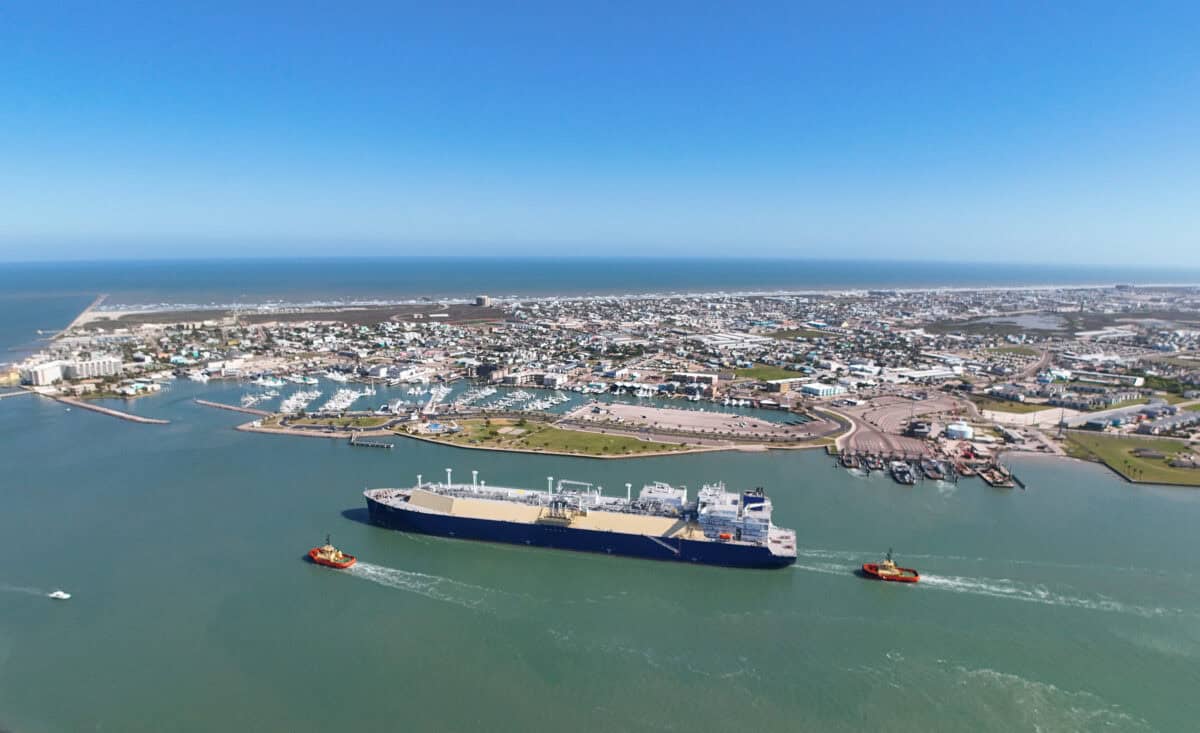
Port Aransas, located on Mustang Island along the Texas Gulf Coast, is renowned not only for its excellent dolphin-watching opportunities but also for its contributions to dolphin research. The University of Texas Marine Science Institute, located in Port Aransas, conducts ongoing studies of the area’s bottlenose dolphin population, making it a center for scientific understanding of these marine mammals. The ship channel between Port Aransas and Aransas Pass is particularly known for dolphin activity, as the deep waters and strong currents concentrate fish, creating ideal feeding conditions. What makes this destination unique is the opportunity to observe dolphins from the free ferry that connects Port Aransas to the mainland, offering a no-cost option for dolphin watching. The area’s combination of protected bays and access to the open Gulf provides habitat for both resident and migratory dolphins, ensuring good viewing opportunities throughout the year. Local conservation efforts include the Amos Rehabilitation Keep (ARK), which rescues and rehabilitates injured marine wildlife, including occasionally stranded or injured dolphins.
Conclusion: Creating Lasting Connections with Marine Wildlife
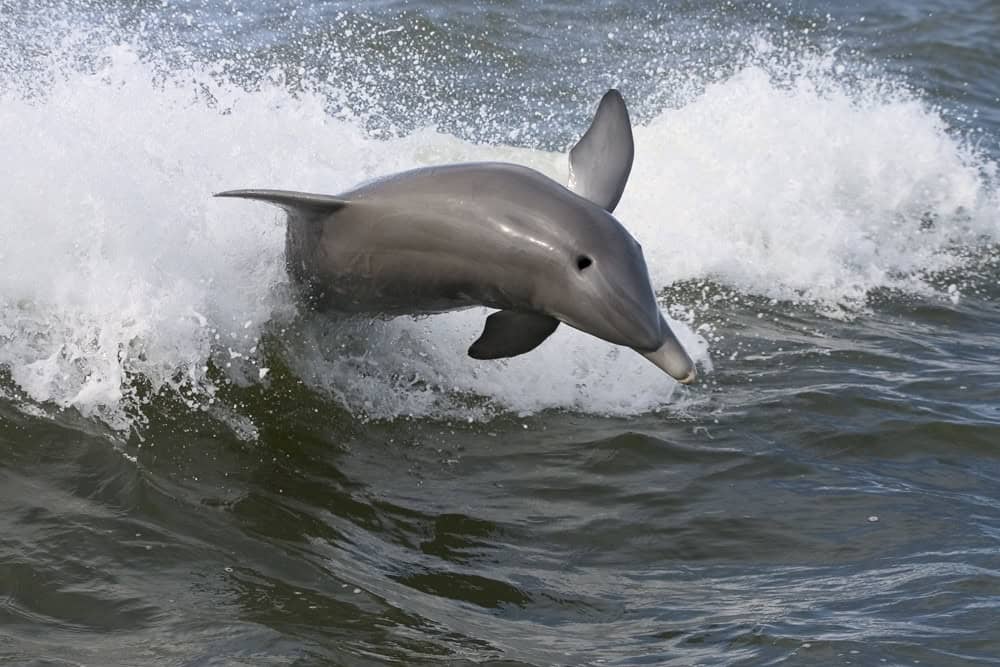
America’s coastal towns offer extraordinary opportunities to witness dolphins in their natural habitat, creating memories and connections with marine wildlife that can last a lifetime. Each destination brings its unique combination of dolphin species, viewing conditions, and supporting attractions that make it special. Beyond the joy of witnessing these intelligent marine mammals, responsible dolphin watching contributes to conservation awareness and often directly supports research efforts through eco-tourism dollars. When planning your dolphin-watching adventure, remember to choose operators that adhere to responsible viewing guidelines, maintaining appropriate distances and minimizing disturbance to these wild animals. Whether you’re drawn to the spinner dolphins of Hawaii, the strand-feeding behaviors in South Carolina, or the year-round populations in Florida’s warm waters, these coastal communities provide gateways to understanding and appreciating the complex lives of dolphins. As visitors depart with photographs and memories, they often leave with something even more valuable—a deeper appreciation for marine conservation and the importance of protecting these charismatic ambassadors of the ocean.

- This Tiny Insect Can Survive in Outer Space—Here’s How - July 21, 2026
- Could the Tasmanian Tiger Be Brought Back to Life? - July 21, 2026
- Why You Should Never Approach a Sleeping Hippo - July 21, 2026