


What if I told you that some creatures call the world’s deadliest deserts, freezing wastelands, and suffocating depths their home? It’s true—life on Earth is a wild, stubborn thing. Some animals not only survive where you and I wouldn’t last a day, but they thrive. Their stories are tales of grit, cleverness, and almost unbelievable adaptations. Join me on a journey to meet 16 remarkable survivors, each one a living testament to nature’s creativity and courage.
16. Emperor Penguin The Icy Endurance Champion

Imagine living where winter temperatures drop to minus 60°C and the wind never stops howling. That’s daily life for the emperor penguin in Antarctica. These birds huddle together in massive groups, taking turns standing on the outer edge to shield each other from the cold. Males incubate the eggs on their feet for months without eating, losing half their body weight. Their dense feathers and thick layers of fat are like natural parkas. By working together and toughing it out, emperor penguins raise their chicks in conditions that would freeze most animals solid.
15. Camel The Desert’s Ship

The camel is practically a symbol of survival in scorching deserts. It can go for weeks without water, storing fat in its humps as a reserve. When it does find water, it can drink up to 40 gallons in one go. Its long lashes and closable nostrils protect against sandstorms, and broad feet stop it from sinking into soft sand. Camels even have blood cells shaped to keep the water flowing when dehydration threatens. If the desert had an MVP, the camel would win every time.
14. Tardigrade The Tiny Survivor

Tardigrades, or “water bears,” are less than a millimeter long but nearly impossible to kill. These microscopic marvels survive boiling, freezing, and crushing pressure. Scientists have even shot them into space—they came back just fine. Tardigrades curl into a “tun” state, shutting down their bodies when times get tough. They can stay like this for decades, waiting for better days. It’s almost as if they have a pause button for life itself.
13. Saharan Silver Ant Heatproof Forager

The Saharan silver ant is a tiny insect with a superhero-level resistance to heat. It races across the baking sands of the Sahara Desert when temperatures soar above 50°C—hot enough to fry other creatures. Specially shaped hairs reflect sunlight, keeping the ant’s body cool as it dashes out to collect the bodies of heat-killed insects. Time is short: just minutes outside before it must head back to its underground nest, but the silver ant always seems to make it.
12. Yak High-Altitude Heavyweight

High up on the Tibetan Plateau, where oxygen is scarce and the wind is biting, yaks roam with ease. Their thick, shaggy coats insulate them from the cold, and their wide lungs gulp thin air. Yaks eat tough grasses and even dig through snow to find food. They’re the backbone of mountain communities, carrying loads and providing milk and wool. Life above the clouds would be impossible for most, but yaks make it look almost comfortable.
11. Wood Frog The Living Ice Cube

The wood frog pulls off a trick that sounds like magic: every winter, it lets itself freeze solid. Its heart stops, and its body turns to ice, but it doesn’t die. When spring arrives, the frog warms up, thaws out, and hops away as if nothing happened. Special proteins and sugars in its body prevent frost damage. This little amphibian proves that sometimes, the key to surviving cold is just to embrace it—literally.
10. Dromedary Camel Spider: Nighttime Nomad

Lurking in the deserts of North Africa and the Middle East, the dromedary camel spider is a master of survival. It spends hot days hiding in burrows, emerging at night to hunt insects and small creatures. Its long legs carry it swiftly across scorching sand, and its body can go without food or water for days. Despite myths about its size, it’s not a giant, but it is a relentless survivor in a world where shade and water are rare treasures.
9. Weddell Seal The Deep Diver

Beneath Antarctica’s ice, the Weddell seal swims where few others dare. It can dive over 600 meters and hold its breath for more than an hour, searching for fish in freezing blackness. Special blood chemistry helps it store oxygen, and its blubber provides insulation from the cold. The seal even uses its teeth to keep breathing holes open in the ice. Life under the polar cap is harsh, but the Weddell seal is perfectly designed for it.
8. Kangaroo Rat The Waterless Wonder

In the American Southwest, the kangaroo rat has evolved to survive without ever drinking water. It gets all the moisture it needs from seeds. Its kidneys are so efficient they can squeeze every drop out of food, and its nose recycles water from its breath. The kangaroo rat’s burrow stays cool underground, a safe retreat from the punishing desert sun. If you want a lesson in making the most of what you have, look no further.
7. Antarctic Icefish The Cold-Blooded Outlier
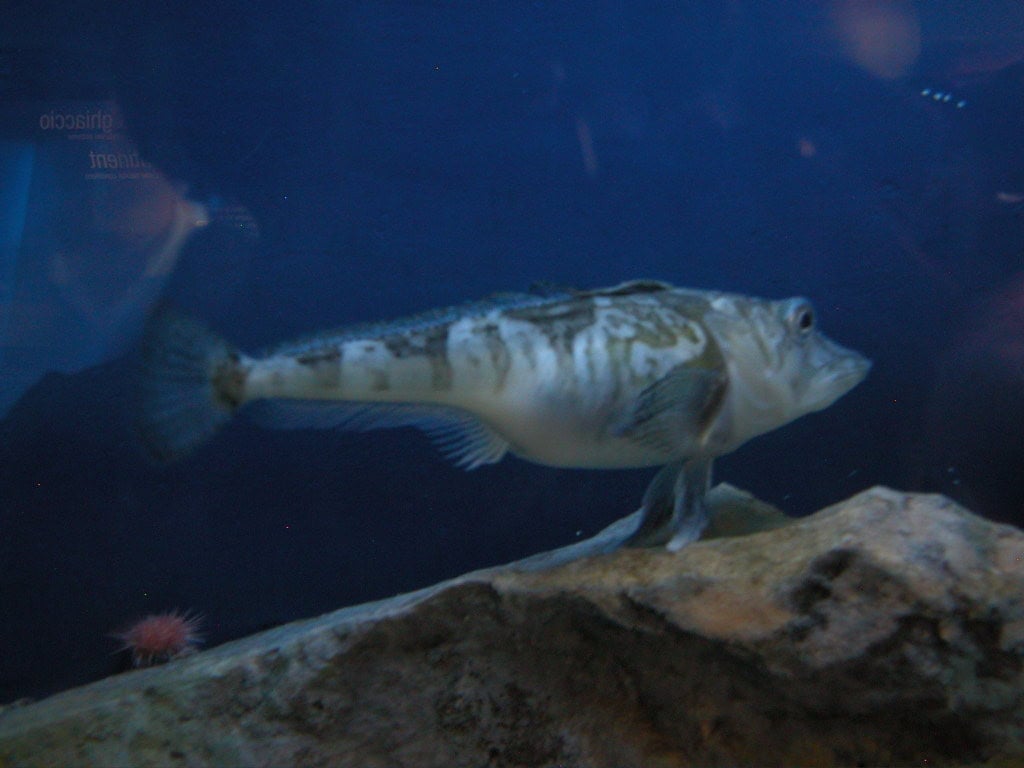
Most fish would freeze solid in the Southern Ocean, but the Antarctic icefish swims on thanks to antifreeze proteins in its blood. Its pale, almost see-through body contains no red blood cells. Oxygen dissolves directly in its plasma, an odd but effective way to survive in oxygen-rich, icy waters. This fish is a reminder that sometimes, survival means breaking all the usual rules.
6. African Elephant Giant of the Savannah

The African elephant lives in some of the hottest, driest regions on the planet. It uses its huge ears like fans, flapping them to cool down. Elephants dig for water with their tusks and have incredible memories for finding hidden watering holes. Their thick skin protects them from the sun, and they coat themselves in mud for extra defense. Through teamwork and intelligence, elephants find ways to endure both drought and danger.
5. Polar Bear: Arctic King

The polar bear is the undisputed ruler of the frozen north. Its thick fur and a layer of fat keep it warm while swimming in frigid seas. Polar bears can smell seals under thick ice and wait patiently for hours at breathing holes. They travel vast distances across shifting ice, always searching for food. Even as climate change threatens their world, polar bears still embody the fierce spirit of survival.
4. Namib Desert Beetle The Water Collector

The Namib Desert beetle has a survival trick that’s almost science fiction. In a land with just a few drops of rain a year, it collects water from fog. The beetle stands on its head in the early morning, letting moisture condense on bumps on its back. Water droplets roll down to its mouth. Ingenious adaptations like this prove that when life gives you dry air, you just have to find a way to drink it.
3. Himalayan Jumping Spider The Peak Dweller

At over 6,500 meters up—higher than most mountains—the Himalayan jumping spider lives where almost nothing else does. It survives freezing nights and intense UV radiation. The spider shelters in tiny crevices and hunts insects blown up by the wind. Its small size and hardy body let it conquer a world that seems too harsh for life. Even on Earth’s roof, nature finds a way to keep the story going.
2. Saltwater Crocodile: The Salty Survivor

Saltwater crocodiles thrive in brackish mangroves and open coastlines of Australia and Southeast Asia. They can swim hundreds of kilometers at sea, surviving in both fresh and salt water. Their armored skin protects them from injury, and their powerful jaws tackle prey of all sizes. Crocodiles have legendary patience, waiting for hours or even days for the right moment to strike. In places where land meets sea, they are the ultimate survivors.
1. Tardigrade Again The Indestructible Icon

It’s worth mentioning the tardigrade twice because no other animal matches its sheer indestructibility. Whether it’s in boiling volcano pools, the deep sea, or even the vacuum of space, tardigrades just keep going. They endure radiation, dehydration, and crushing pressure. Scientists are still amazed by how they repair their DNA after extreme damage. The tardigrade is a living reminder that sometimes, the smallest creatures are the toughest of all.
Conclusion

Earth’s harshest places are home to some of its most inspiring animals. Their ability to adapt, endure, and even flourish where others would fail is a testament to the incredible resilience of life. From frozen wastelands to blazing deserts, these 16 survivors show that with the right tools and a bit of luck, anything is possible in the wild world we share. Which one surprised you the most?

As a little kid, I fell in love with nature, wildlife, and animals. Living in the USA, South Africa, Italy, China and Germany gave me the opportunity to discover the world's Wildlife. My favorite animals are Mountain Gorillas, Siberian Tigers, and Great White Sharks.
I'm a certified PADI Open Water Diver, went to Everest Base Camp and Trekked Gorillas in Uganda. I hold a Master of Science in Economics and Finance.
Please send any feedback to feedback@animalsaroundtheglobe.com
- 10 Most Unique Reptiles You will See in the US - July 21, 2026
- 3 Dangerous Invasive Species the USA Must Eradicate - July 21, 2026
- 10 Things That Calm Cats And 4 That Make Them Nervous - July 21, 2026