
1. Littlefoot (The Land Before Time, 1988)
Few prehistoric characters have ever landed quite as emotionally as Littlefoot, the young Apatosaurus at the heart of Don Bluth’s 1988 animated masterpiece. Distributed by Universal Pictures, the franchise began in 1988 with the eponymous film, directed and produced by Don Bluth and executive produced by George Lucas and Steven Spielberg. That’s an extraordinary creative team for what many adults dismissed as a children’s cartoon, and the result reflected exactly that ambition.
The kiddie dinosaurs themselves, Littlefoot the main protagonist, Cera, Petrie, Ducky, and Spike, each have their own personalities ranging from heroic to goofy to scared and even stuck-up. The brilliance of Littlefoot as a character was in his imperfection. He was brave, yes, but also frightened and grieving in ways that most children’s entertainment in the 80s actively avoided. The character animation was pretty amazing, especially for the 1980s, and certainly much better than anything Disney was getting up to at the time, and it is this stellar character work that makes the movie hold up after all those years.
2. Fred Flintstone (The Flintstones)
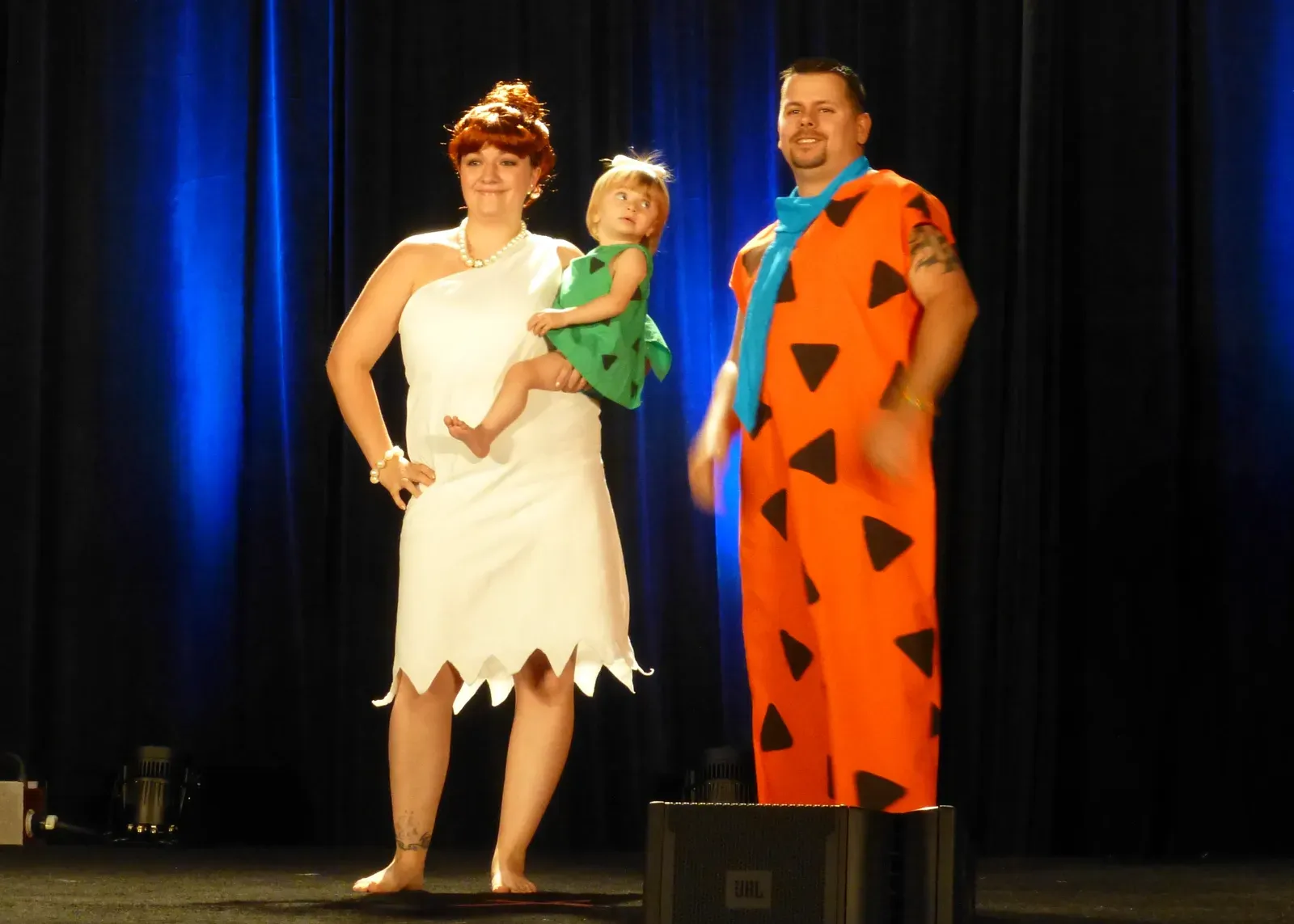
It’s almost impossible to overstate how deeply embedded Fred Flintstone became in the cultural landscape of the 1980s. Originally debuting in 1960, the show’s syndicated reruns and spin-offs ran constantly throughout the decade, making Fred, Wilma, Barney, and Betty as familiar to 80s kids as any Saturday morning original. The Flintstones brings a comedic twist to the Stone Age, following Fred, Wilma, and their quirky neighbors in the town of Bedrock.
Dinosaurs have been a mainstay in comics, cartoons, and other media, giving rise to classic series like The Flintstones. Fred was loud, stubborn, lovably flawed, and somehow always relatable despite living in a world made of rock and run on dinosaur-powered appliances. The genius of the show was in using the Stone Age as a mirror for modern suburban life, turning prehistoric absurdity into real commentary on family, work, and friendship. That balance is why Fred endures.
3. Denver (Denver, the Last Dinosaur, 1988)
Denver, the Last Dinosaur is an American-French animated series produced by World Events Productions and Groupe IDDH. It was nationally syndicated throughout the United States in 1988, and in the show, a dinosaur hatches from a petrified egg in the modern era and is befriended by a group of teenagers. What made Denver genuinely different from every other dinosaur character of the era was the setting. He wasn’t in a prehistoric world. He was in ours, wearing jeans and listening to a Walkman.
Denver is a dinosaur with some modern-day traits: he wears jeans, listens to rock music on his Walkman, eats fast food, hangs out at an arcade, and loves skateboarding. The show’s episodes focus on themes like ecology, conservation, working together despite our differences, and the power of personal responsibility. Denver, the Last Dinosaur is a beautiful time capsule of the transition from the 1980s to the 1990s and the dinosaur renaissance on the screen. That combination of prehistoric creature and radical teen culture hit a very specific sweet spot that kids of that era found completely irresistible.
4. The Valorians and Their Dinosaurs (Dino-Riders, 1988)
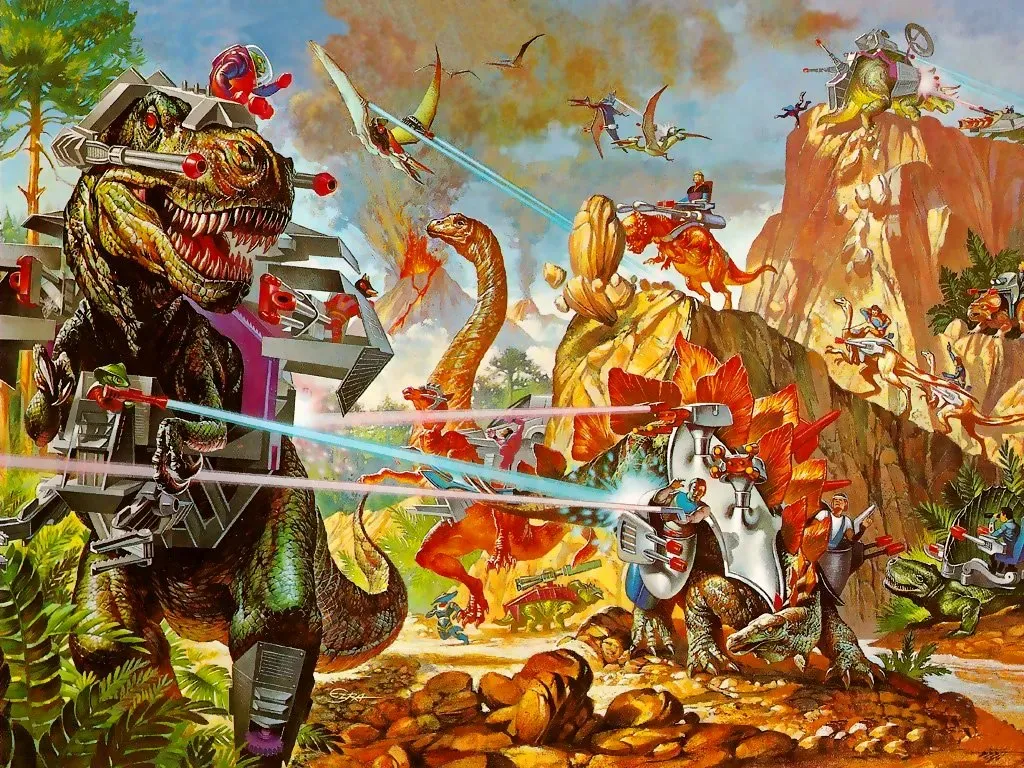
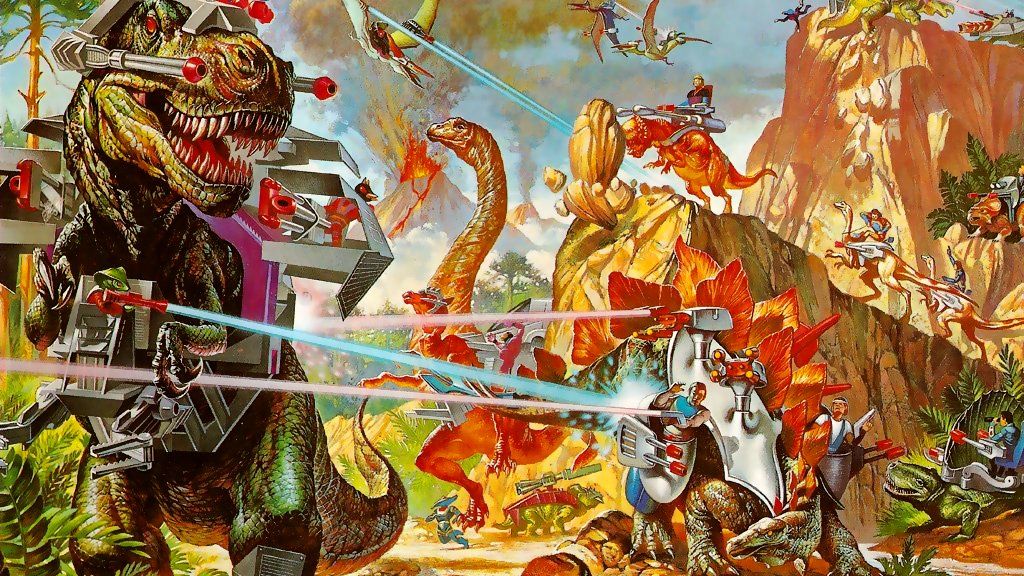
Dino-Riders operated on a premise so outrageously entertaining that it probably shouldn’t have worked as well as it did. The series focuses on the battle between the Valorians and Rulons on prehistoric Earth. The Valorians were a superhuman race, while the Rulons comprised several types of humanoid animals. Both races came from the future but were transported back in time to the age of dinosaurs. Once on Earth, the Valorians befriended dinosaurs, while the Rulons brainwashed them.
The dinosaurs were acclaimed for their detailed bodies and color and impressed the Smithsonian Institution, who contacted Tyco to reproduce the dinosaurs for their “Dinosaur and other Prehistoric Reptile Collection.” Dinosaur illustrator William Stout was credited for dinosaur design on the show’s credits, while paleontologist Robert T. Bakker was hired as a consultant. That level of real scientific investment in what was essentially a toy-driven cartoon is remarkable. Dino-Riders is simultaneously stupid and badass, which is what makes the cheesy 80s show so enjoyable. It knows exactly what it is and goes all in on its premise, giving us a good versus evil plot augmented with dinosaurs mounted with giant lasers.
5. The Dinosaucers (Dinosaucers, 1987)
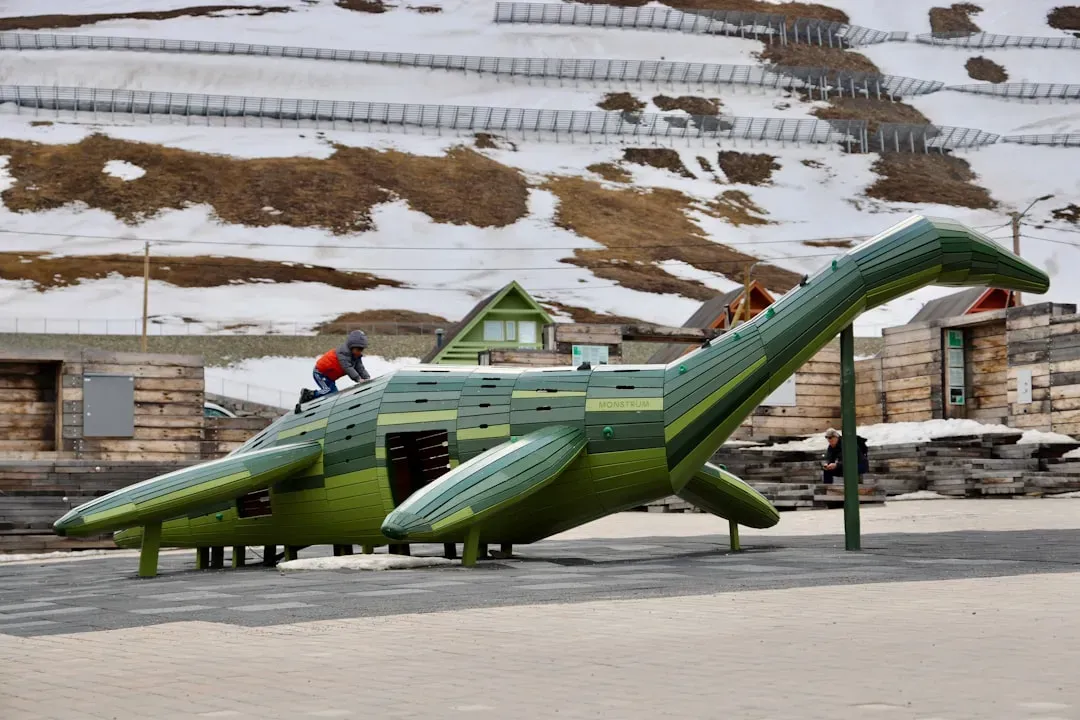
Where Dino-Riders leaned on spectacle, Dinosaucers leaned on sheer conceptual weirdness, and it worked beautifully. In 1987, Dinosaucers toyed with the wild concept of space-faring saurians. Landing on Earth, the heroic Dinosaucers found friends in the “Secret Scouts,” a group of humans aiding them in their war against the evil Tyrannos. Masters of “Dinovolving,” a weapon that allows them to tap into the strengths of their prehistoric counterparts, the Dinosaucers hope to keep the technology out of the claws of Genghis Rex and protect Earth.
The creator of the show established the Tyrannos and the Dinosaucers as two warring civilizations of intelligent dinosaurs who had recently discovered Earth. With fresh resources and little to stand in their way, the Tyrannos set out to take Earth for their own. The only group able to repel the invasion was the Dinosaucers and, of course, a few human kids. The conflict between the Dinosaucers and Tyrannos unfolded over 65 episodes before the show’s cancellation. That’s a full, committed run, and those 65 episodes built a genuinely devoted fan base that lingered well into adulthood.
6. Captain Caveman (Captain Caveman and the Teen Angels)
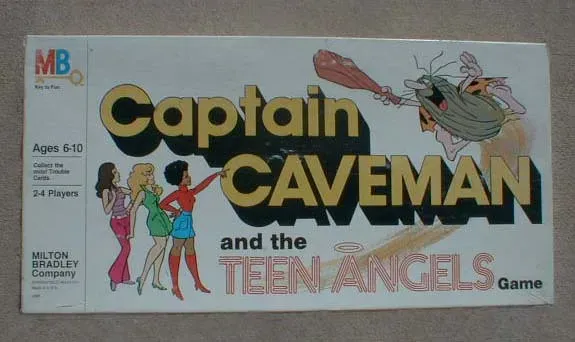
Captain Caveman was, on paper, an absurd character. A prehistoric caveman thawed from a block of glacial ice, taken in by three teenage mystery-solvers, and given a superhero role? It sounds chaotic. In practice, it was absolute gold. The series follows the mystery-solving adventures of the Teen Angels, Brenda, Dee Dee, and Taffy, and their friend Captain Caveman, a prehistoric caveman and superhero whom the girls discovered and thawed from a block of ice.
Captain Caveman’s powers include super-strength, a variety of useful objects hidden inside his hair, and a club that allows him to fly and from which pop out different tools he uses to fight crime. His trademark is his battle cry of “Captain CAAAAAVEMAAAAAAANNNN!” and Captain Caveman’s voice was provided by Mel Blanc. Mel Blanc’s vocal performance turned what was essentially a one-joke character into something genuinely iconic. In 1986, Captain Caveman appeared in a backup segment of The Flintstone Kids called Captain Caveman and Son, with his son, Cavey Jr. His pop-culture footprint kept growing throughout the decade, and many 80s kids still feel that battle cry echo somewhere deep in their memory.
7. Ducky (The Land Before Time, 1988)
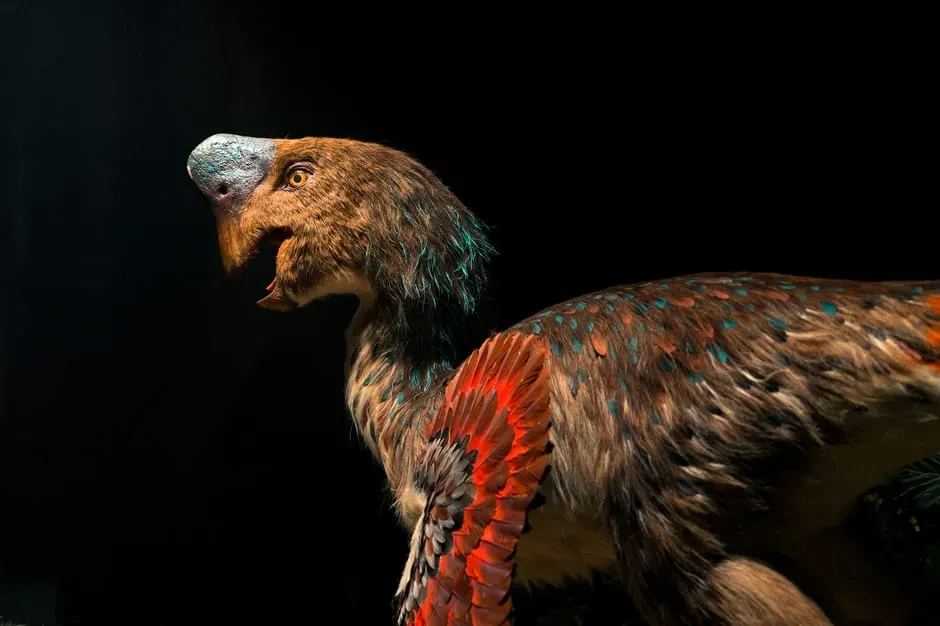
While Littlefoot carried the emotional weight of The Land Before Time, Ducky, the cheerful young Saurolophus, carried its heart. Her relentless optimism, her signature “Yep, yep, yep,” and her willingness to befriend anyone regardless of species made her one of the most genuinely lovable characters of the entire era. The show follows the heartwarming adventures of young dinosaurs, including Littlefoot the Apatosaurus, Cera the Triceratops, Ducky the Saurolophus, Petrie the Pteranodon, and Spike the Stegosaurus, as they face the challenges and excitement of their ancient world. By blending captivating storytelling, memorable characters, and essential life lessons, The Land Before Time creates an engaging and educational experience for young audiences.
The original film’s success spawned an additional thirteen direct-to-video musical sequels. Ducky was at the center of that entire expanded universe, which tells you everything about how deeply she resonated with audiences. There’s also a sadder footnote: the actress who voiced Ducky in the original film, Judith Barsi, passed away tragically in 1988 before the film was even released. Her performance endures as a genuinely touching legacy. The warmth Ducky brought to every scene still holds up in a way that transcends nostalgia.
8. Genghis Rex and the Tyrannos (Dinosaucers, 1987)
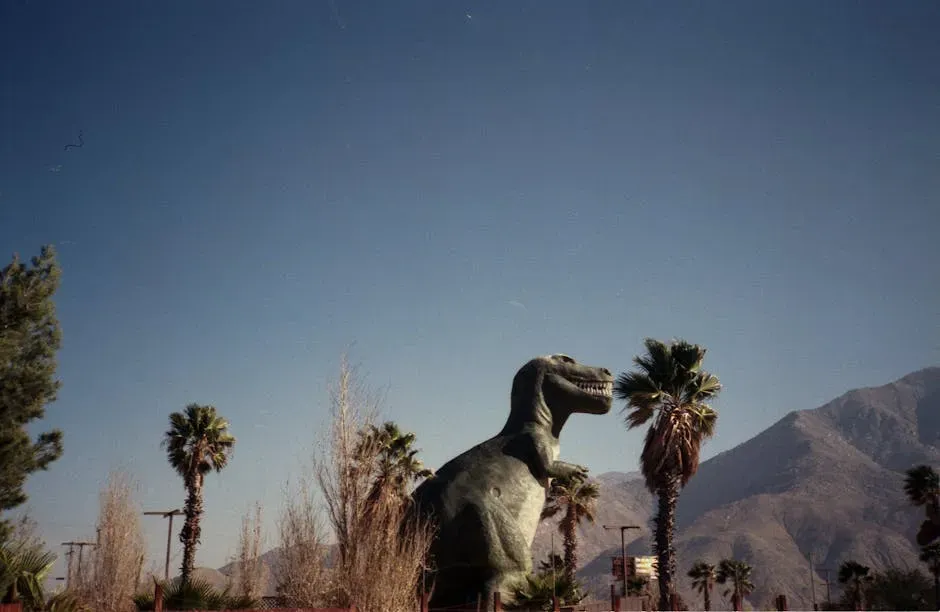
Not every prehistoric entertainer wins hearts by being heroic. Sometimes the villain is the one who stays with you longest. Genghis Rex, the scheming, arrogant leader of the Tyrannos, was one of the most gleefully over-the-top antagonists in 80s animation. The creator established the Tyrannos and the Dinosaucers as two warring civilizations of intelligent dinosaurs who had recently discovered Earth. With fresh resources and little to stand in their way, the Tyrannos set out to take Earth for their own.
What made Genghis Rex genuinely memorable was how seriously the show treated his villainy within its own logic. He wasn’t buffoonish for the sake of it. He was genuinely threatening in the context of the story, which made the Dinosaucers’ victories feel earned. The original Dinosaucers figures, produced by South American company Glasslite, led to the production of one of the rarest toy lines in history. Once thought to be a myth, the original Dinosaucers figures now command unimaginable prices in today’s collector’s market. That kind of collector fever decades later is the clearest possible evidence of how much these characters meant to the kids who grew up watching them.
9. Questar and Krulos (Dino-Riders, 1988)
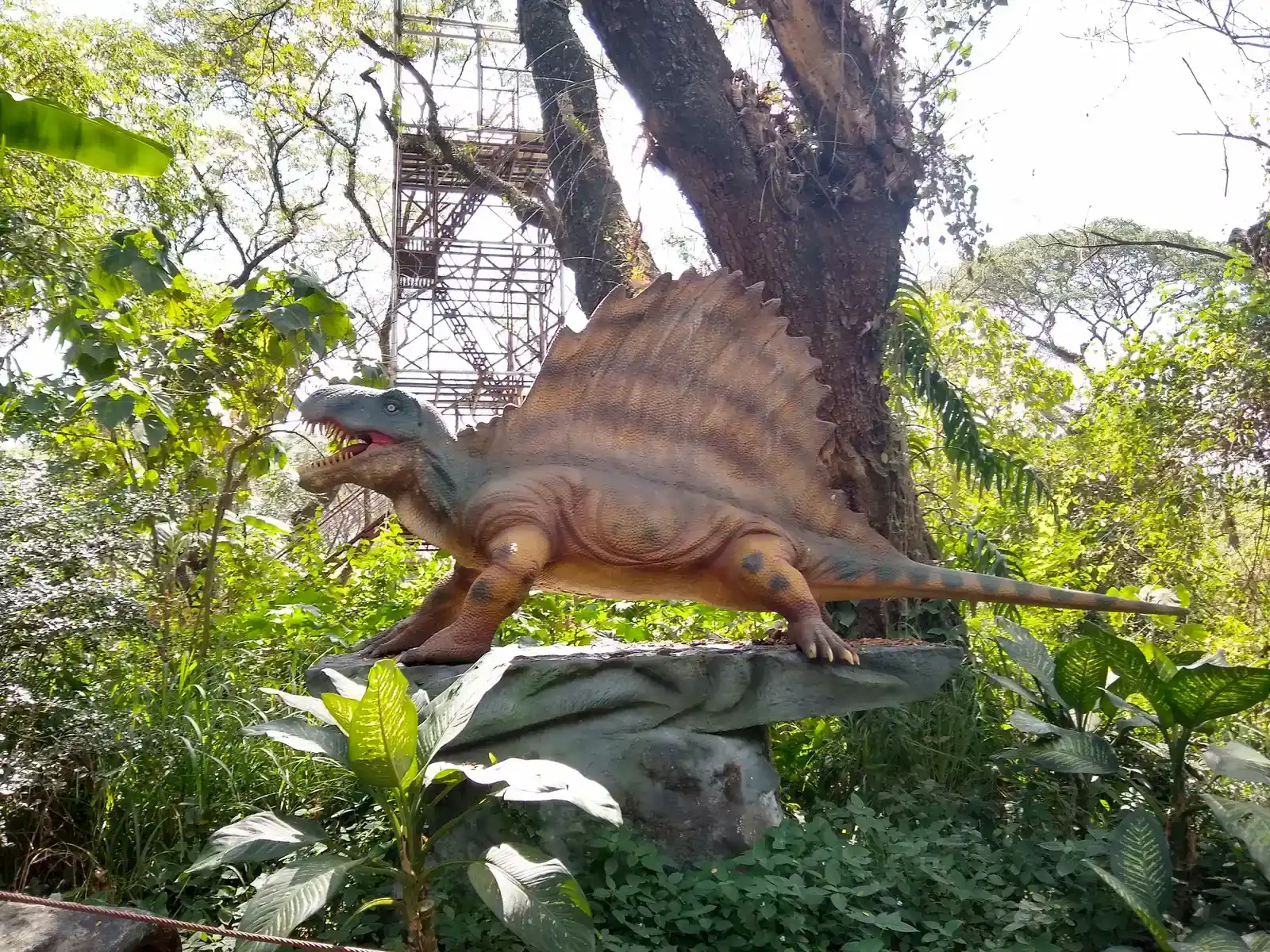
The dynamic between Questar, the noble Valorian leader, and Krulos, the ruthless Rulon warlord, gave Dino-Riders something that many of its Saturday morning contemporaries lacked: a genuine ideological conflict at its core. After successfully landing on prehistoric Earth, the Valorians used their AMP necklaces to communicate with the dinosaurs they encountered and eventually befriend them. On the other hand, the Rulons, led by the warlord Krulos, used brainwashing devices known as brain-boxes to control dinosaurs for their own needs.
That contrast, friendship versus domination, communication versus control, was surprisingly sophisticated for a cartoon whose primary goal was selling toys. The main antagonist, Krulos, is voiced by the prolific Frank Welker. Welker brought genuine menace to the role, the same quality he was simultaneously delivering as Megatron in Transformers. These themes of friendship, loyalty, and the ethical use of technology resonated deeply with viewers, making the series more than just an action-packed adventure. For a show with only fourteen episodes, the character work was quietly impressive, and Questar and Krulos remain the clearest example of how the best 80s cartoons hid real ideas inside explosive entertainment.
10. Cera (The Land Before Time, 1988)
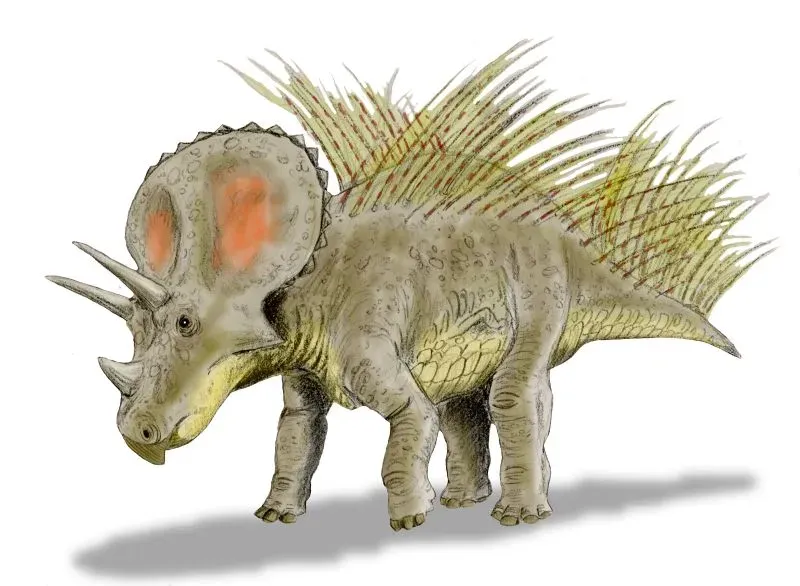
Cera, the young Triceratops from The Land Before Time, was probably the first truly complicated character many 80s kids ever encountered in animation. She wasn’t the villain. She wasn’t fully sympathetic either. She was proud, stubborn, scared of showing vulnerability, and desperately trying to live up to her father’s rigid worldview. The kiddie dinosaurs, Littlefoot the main protagonist, Cera, Petrie, Ducky, and Spike, each have their own personalities ranging from heroic to goofy to scared and even stuck-up.
Watching Cera slowly, imperfectly warm to the group of young dinosaurs around her taught kids something quietly valuable about pride, about the cost of isolation, and about what it takes to actually change. It’s a scrappy, imperfect movie about scrappy, imperfect characters that bumble and break their way through life, but make it in the end anyway. Cera embodied that quality more than anyone. She wasn’t the character you were supposed to love immediately, which is precisely why so many of us ended up loving her most of all. That’s a kind of storytelling that doesn’t age.
A Prehistoric Legacy Worth Remembering
Looking back at these ten characters in 2026, what strikes me most isn’t just the nostalgia. It’s the quality. The subgenre of dinosaurs has always caught the eyes of children and young adults for its captivating adventure and subtle knowledge of the creatures that lived here long before us. The 80s understood that instinctively, and it channeled that fascination into some of the most creative, emotionally engaging entertainment children’s media has ever produced.
These prehistoric entertainers didn’t just distract us. They gave us archetypes for bravery, friendship, curiosity, and the complicated nature of good and evil. As evidenced by the Care Bears, Teenage Mutant Ninja Turtles, Transformers, He-Man, and Thundercats, cartoons in the 1980s were near insane. Beyond selling loads of toys, there seemed to be no rules for creating a cartoon in the 1980s. That lawless creativity, funneled through prehistoric settings and characters, produced something that no algorithm or focus group could have designed.
The world before us, millions of years deep, has always been a canvas for our biggest imaginative questions. The 80s just happened to paint it with particular brilliance. Those characters belong to us now, permanently, in the way that only childhood wonder can claim something and keep it forever.
