


Imagine life perched on the edge of fire—literally. While most of us would run from a rumbling volcano, some creatures make these fiery zones their home. It’s a wild, almost rebellious choice in the animal kingdom. These species have found ways to not just survive but truly thrive where molten rock, toxic gases, and superheated landscapes seem to promise nothing but danger. Their stories are proof that nature always finds a way, even in the most shocking and dramatic places on Earth. If you think volcanoes are only about destruction, get ready to be amazed by the astonishing resilience and creativity of life.
15. Galápagos Marine Iguanas

The Galápagos marine iguana is a striking sight, lounging on black volcanic rocks while the ocean crashes below. These unique reptiles, found only on the Galápagos Islands, have adapted to bask in the heat of lava flows to warm their bodies after chilly swims. Their dark, rough skin helps absorb heat quickly—an essential trick for cold-blooded animals in such an unpredictable climate. They feed on algae clinging to submerged volcanic rocks, diving into the surf with awkward elegance. With flattened tails for swimming and long claws for clinging to slippery stone, they perfectly fit their dramatic environment. Watching them huddle en masse on a still-warm lava field is like peering into another world. Their resilience is a reminder that life will always find a way, no matter how harsh the landscape.
14. Pompeii Worms

Few creatures are as mysterious as the Pompeii worm, one of the most heat-tolerant animals on the planet. Dwelling in hydrothermal vents on the Pacific Ocean floor, these worms thrive where temperatures soar above 80°C (176°F). Their backs are covered with fuzzy bacteria, which act as a living shield against the scalding water. The worms anchor themselves in the crevices of black smokers—towering chimneys spewing mineral-rich water straight from beneath the earth’s crust. It’s a tough neighborhood, but Pompeii worms have formed a partnership with their bacteria, surviving the intense heat and toxic chemicals together. Their existence in such an extreme environment is almost unthinkable—yet they flourish, painting bright splashes of life on the dark, churning sea floor.
13. Volcano Rabbits

Tiny, shy, and deeply endangered, volcano rabbits inhabit the slopes of just a few volcanoes in central Mexico. These elusive mammals are among the world’s smallest rabbits, darting between tufts of grass and lava boulders. Their thick fur protects them from the chilly mountain air, while their burrows offer safety from predators and sudden eruptions. Volcano rabbits rely on the tough, wiry zacaton grasses that sprout in volcanic soil—a food source and hiding place all in one. Sadly, their rare habitat is shrinking, but their stubborn presence is a testament to nature’s determination. Seeing a volcano rabbit vanish into a field of wildflowers at dawn is like catching a glimpse of magic.
12. Sulphur Butterflies

Sulphur butterflies, with their brilliant yellow wings, are a surprising splash of color around volcanoes in Central and South America. These butterflies lay their eggs on hardy plants that thrive in mineral-rich, volcanic soil. Their larvae munch on leaves that other insects avoid, relishing the unique chemistry of their environment. As adults, they flit between flowers that bloom after eruptions, drawn to the bursts of nectar that follow destruction. Some scientists believe the butterflies’ coloration helps them blend in with the sulfur-stained rocks, offering camouflage from hungry birds. Watching them dance above a scarred landscape is like seeing hope flutter on a breeze.
11. Hawaiian Happy-face Spiders

Hidden among the lush rainforests and fresh lava flows of Hawaii, the happy-face spider is a tiny marvel. Its name comes from the bizarre, smiley-face-like patterns on its back—some look cheerful, others mischievous. These spiders cling to the undersides of leaves, spinning webs that take advantage of plants springing up after eruptions. Their small size and cryptic coloration help them avoid predators, while the ever-changing landscape offers endless new territory. They’re quick to colonize new growth, making them a symbol of recovery and new beginnings in a place where destruction is routine. The happy-face spider proves that even in a world of fire and ash, there’s room for a little whimsy.
10. Lesser Flamingos

It might sound impossible, but lesser flamingos thrive around volcanic lakes in East Africa, like Lake Natron. The water here is so caustic it can burn the skin of most animals, but these birds are unfazed. Their secret is in their tough, scaly legs and a diet of special algae that flourish in the mineral-laden shallows. During breeding season, the lake’s shifting crusts and steaming vents offer safe nesting grounds, away from most predators. The flamingos’ vivid pink feathers are a result of the pigments in their unusual food—a dazzling adaptation to a hostile place. Watching vast flocks of these birds turn a toxic lake into a living masterpiece is nothing short of inspiring.
9. Mount St. Helens Pocket Gophers

After the 1980 eruption of Mount St. Helens, scientists feared the land was lifeless. But pocket gophers were already hard at work, tunneling beneath the ash. These small, burrowing mammals played a crucial role in the area’s recovery, churning up the soil and helping plants take root. Their underground lifestyle shields them from fire and toxic gases, and their constant digging aerates the earth, paving the way for new life. Pocket gophers are living proof that resilience often hides just below the surface. Their quiet persistence helped transform a gray wasteland back into a thriving ecosystem.
8. Hot Springs Microbes
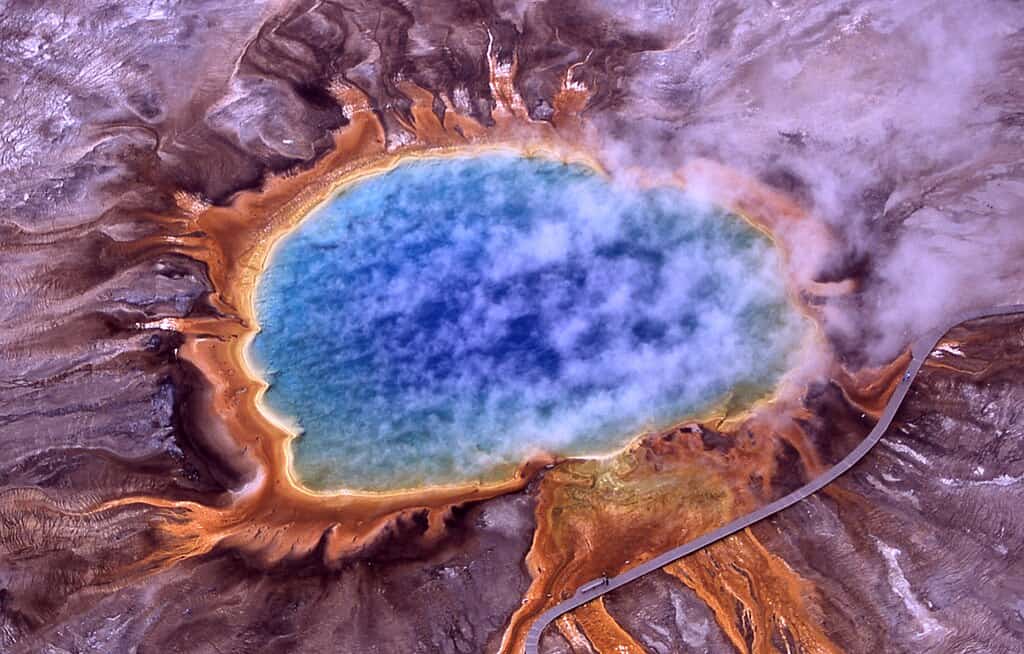
If you dip your finger in a volcanic hot spring, you’re sharing space with some of Earth’s most ancient and tenacious life forms. Microbes like Thermus aquaticus thrive in these boiling pools, where temperatures can reach up to 80°C (176°F). They survive by breaking down minerals and chemicals in the water, forming the base of a unique food web. Some of these microbes are so tough they’ve helped scientists develop tools for DNA research, thanks to their heat-resistant enzymes. Without them, life in volcanic zones would be impossible. They prove that even the tiniest creatures can leave a massive impact on science—and on their steamy, otherworldly homes.
7. Volcano Beetles

Small but mighty, volcano beetles scuttle across the slopes of active volcanoes in Indonesia and Central America. Their shiny, dark shells reflect heat, allowing them to walk on sun-baked rocks that would scorch most insects. These beetles have developed a taste for hardy plants and fungi that colonize fresh lava fields, and their larvae burrow into the soft ash, safe from predators. They’re often among the first animals to appear after an eruption, paving the way for a wave of new life. Watching a volcano beetle explore a landscape still smoking from disaster is like seeing the first brushstrokes on a blank canvas.
6. Lava Crickets

Lava crickets are the ultimate pioneers, making their homes in the cracks and crevices of cooling lava flows in places like Hawaii and Iceland. They’re easy to overlook, but these nimble insects play a critical role in breaking down debris and helping new plants take hold. Their bodies are built to withstand sudden temperature changes, and their tough exoskeletons protect them from ash and sharp rocks. Lava crickets feed on whatever organic material they can find—often the first leaves or seeds to arrive after an eruption. Their relentless energy turns dead stone into living earth, one hop at a time.
5. Endemic Volcano Frogs

On the slopes of Central American volcanoes, some frogs have evolved to thrive in hot, mineral-rich springs and streams. These volcano frogs sport vivid colors—warning signals to predators that they’re toxic or unpalatable. Their skin is adapted to tolerate the unique chemistry of their watery homes, and their eggs develop in warm, fast-flowing currents. These frogs are often heard before they’re seen, their calls echoing through the misty forests that spring up after eruptions. Despite their fragile appearance, volcano frogs have turned a risky environment into their own private paradise.
4. Barren-ground Caribou

It might seem odd, but herds of barren-ground caribou in Alaska and Canada often graze near volcanic fields. The volcanic soil, rich in minerals, supports nutritious mosses and grasses—ideal food for these big, hardy mammals. Caribou are built for extremes, with thick fur and wide hooves that let them roam across rough, stony ground. They’re always on the move, following ancient migration routes that sometimes skirt the edges of volcanoes. Their presence in such dramatic landscapes is a reminder that even the largest animals can find a niche in the shadow of fire.
3. Arenal Lava Lizards
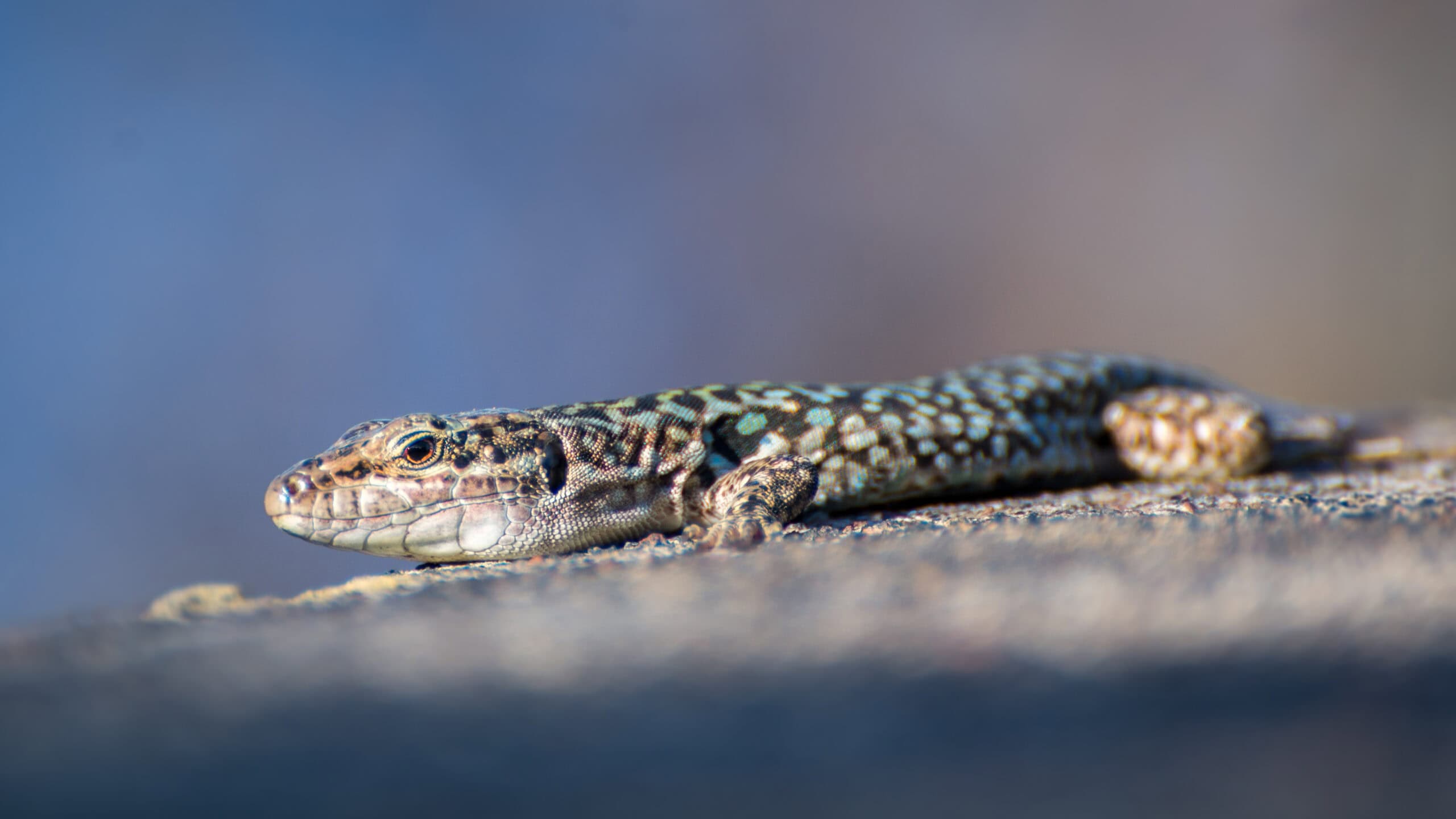
Costa Rica’s Arenal Volcano is home to the agile Arenal lava lizard, a reptile perfectly suited to life on hot rocks and shifting ash. These lizards scuttle across the ground, their quick reflexes and heat-resistant scales protecting them from danger. They feed on insects that gather near new plant growth, making the most of the ever-changing terrain. When threatened, they dart into crevices or burrow under loose stones, vanishing from sight in an instant. The Arenal lava lizard is a true survivor, thriving where most animals wouldn’t dare tread.
2. Japanese Macaques

In the snowy mountains of Japan, near volcanic hot springs, Japanese macaques—also known as snow monkeys—have developed a unique lifestyle. These clever primates soak in steaming pools to escape the winter chill, a behavior passed down through generations. The hot water, heated by volcanic activity, offers relief from freezing temperatures and helps the monkeys stay healthy. Watching a troop of macaques relaxing with steam rising all around is both hilarious and heartwarming. They remind us that sometimes, survival is about finding comfort in unlikely places.
1. Himalayan Jumping Spiders

At dizzying altitudes near Himalayan volcanoes, the Himalayan jumping spider reigns supreme. These tiny hunters are among the highest-living predators on Earth, braving freezing winds and thin air. They make their homes among rocks warmed by geothermal heat, hunting insects blown in by mountain winds. Their agility and sharp eyesight help them catch prey in a place where few animals can even breathe. The Himalayan jumping spider is proof that even on the roof of the world, life refuses to be tamed.
Conclusion

The creatures that call active volcano zones home are nothing short of astonishing. From fiery lakes to steaming vents and shifting ash fields, they show us that life’s creativity knows no bounds. Each animal on this list is a living testament to resilience, adaptation, and the wild beauty of our planet’s most dramatic places. Isn’t it incredible what nature dares to do?

As a little kid, I fell in love with nature, wildlife, and animals. Living in the USA, South Africa, Italy, China and Germany gave me the opportunity to discover the world's Wildlife. My favorite animals are Mountain Gorillas, Siberian Tigers, and Great White Sharks.
I'm a certified PADI Open Water Diver, went to Everest Base Camp and Trekked Gorillas in Uganda. I hold a Master of Science in Economics and Finance.
Please send any feedback to feedback@animalsaroundtheglobe.com
- 10 Most Unique Reptiles You will See in the US - July 21, 2026
- 3 Dangerous Invasive Species the USA Must Eradicate - July 21, 2026
- 10 Things That Calm Cats And 4 That Make Them Nervous - July 21, 2026