
You step outside for your morning coffee, scan the yard, and think you know everything that lives there. Maybe a few birds, some squirrels. Nothing too wild, right?
Think again. Your backyard is more crowded than you realize. There are quite a few animals around you, even if you don’t notice. While you’re sleeping soundly, an entire cast of creatures is going about their business just beyond your back door. These animals have adapted so well to suburban life that they’ve practically become invisible neighbors. Some come out only under cover of darkness. Others blend into the landscape so seamlessly you walk right past them without a second thought.
So let’s dive in and discover who’s really living in your backyard.
Raccoons: The Masked Bandits in Your Garbage
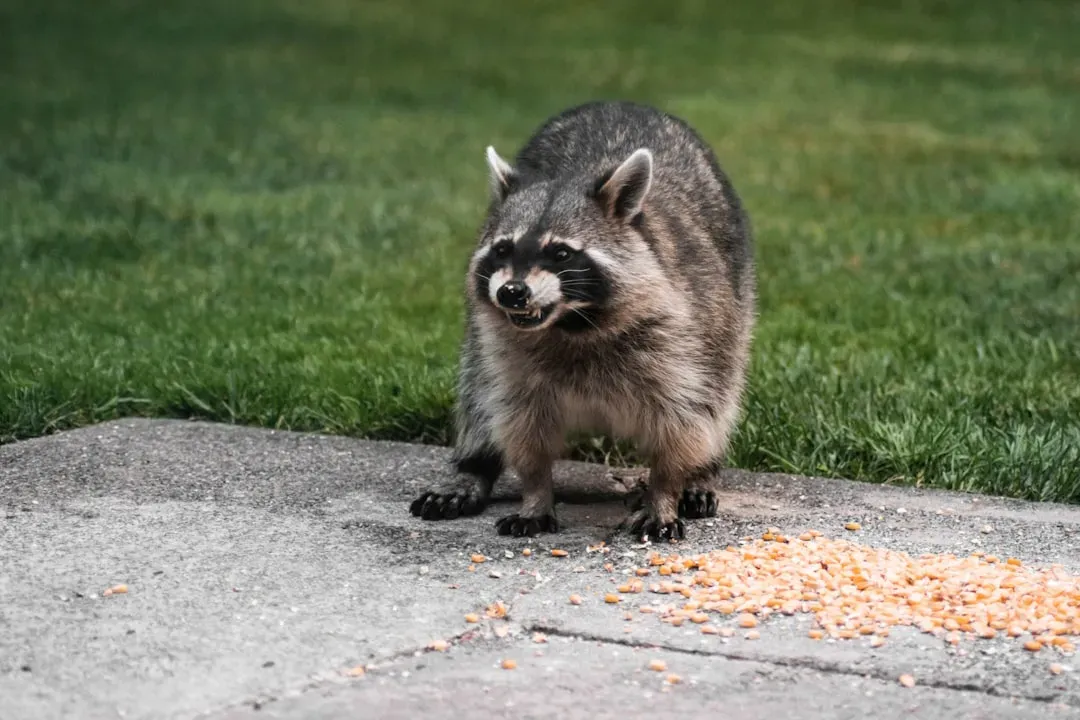
Raccoons, opossums, red foxes, coyotes, and deer are not uncommon in suburban areas, with some of these species able to live even within big cities. These masked troublemakers are everywhere, honestly.
Raccoons can be found in neighborhoods across the country, with their dexterous little hands making them well equipped for stealing cat food and whatever else catches their fancy. They’re incredibly intelligent problem solvers. Research has shown that urban raccoons actually outperform their rural cousins when it comes to puzzle-solving tasks, possibly because city life has made them smarter and more persistent.
These animals are nocturnal, so are usually only seen at night. That’s probably why you never spot them, even though they’re visiting regularly. They’re foraging through your trash, checking out your pet’s food bowl, and digging up your lawn for grubs while you sleep.
Let’s be real, if you’ve got accessible garbage or outdoor pet food, you’ve definitely got raccoon visitors. Raccoons are one of the most common species of urban wildlife because they are generalists – they are not picky about what they eat and they can find adequate shelter almost anywhere.
Red Foxes: Silent Hunters at Dusk
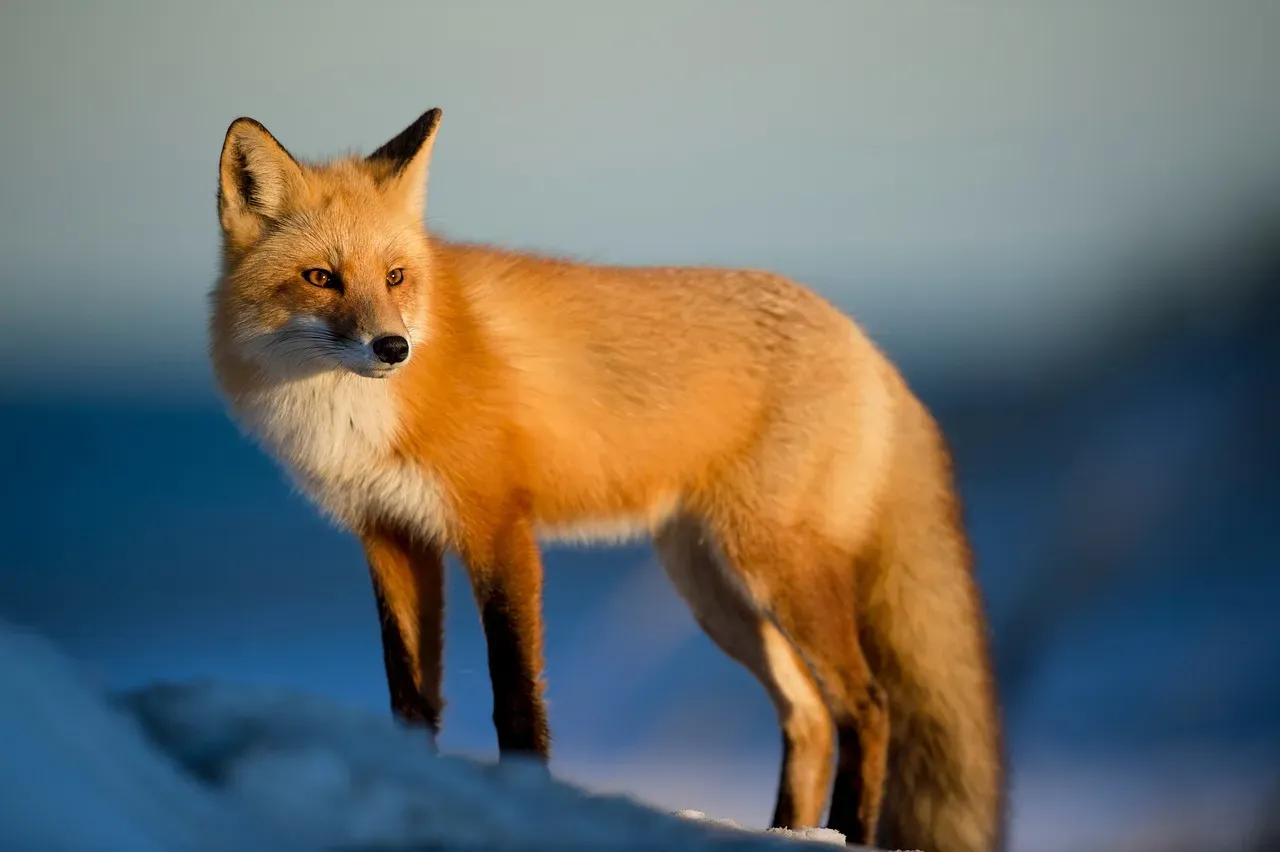
Red foxes may live next to or under your house. I know it sounds crazy, but these rusty-orange canines have become remarkably comfortable in suburban settings.
Foxes are increasingly making their homes in suburban areas, with these intelligent animals primarily coming out at dusk or dawn and known for their capability to adapt as urban environments encroach on their traditional habitats. They’re incredibly secretive. You might catch a glimpse of movement at twilight and wonder if you saw a dog or a cat.
Here’s the thing: foxes are actually beneficial. While they generally prefer to avoid humans, foxes help control populations of rodents and other small mammals. They’re keeping your mouse and vole populations in check without you even knowing.
Their ability to disappear into the landscape is truly impressive. Foxes are naturally curious and have no problem navigating backyards, alleys, and even busy streets, with their sleek bodies and quiet movements allowing them to blend into urban landscapes.
Opossums: North America’s Only Marsupial
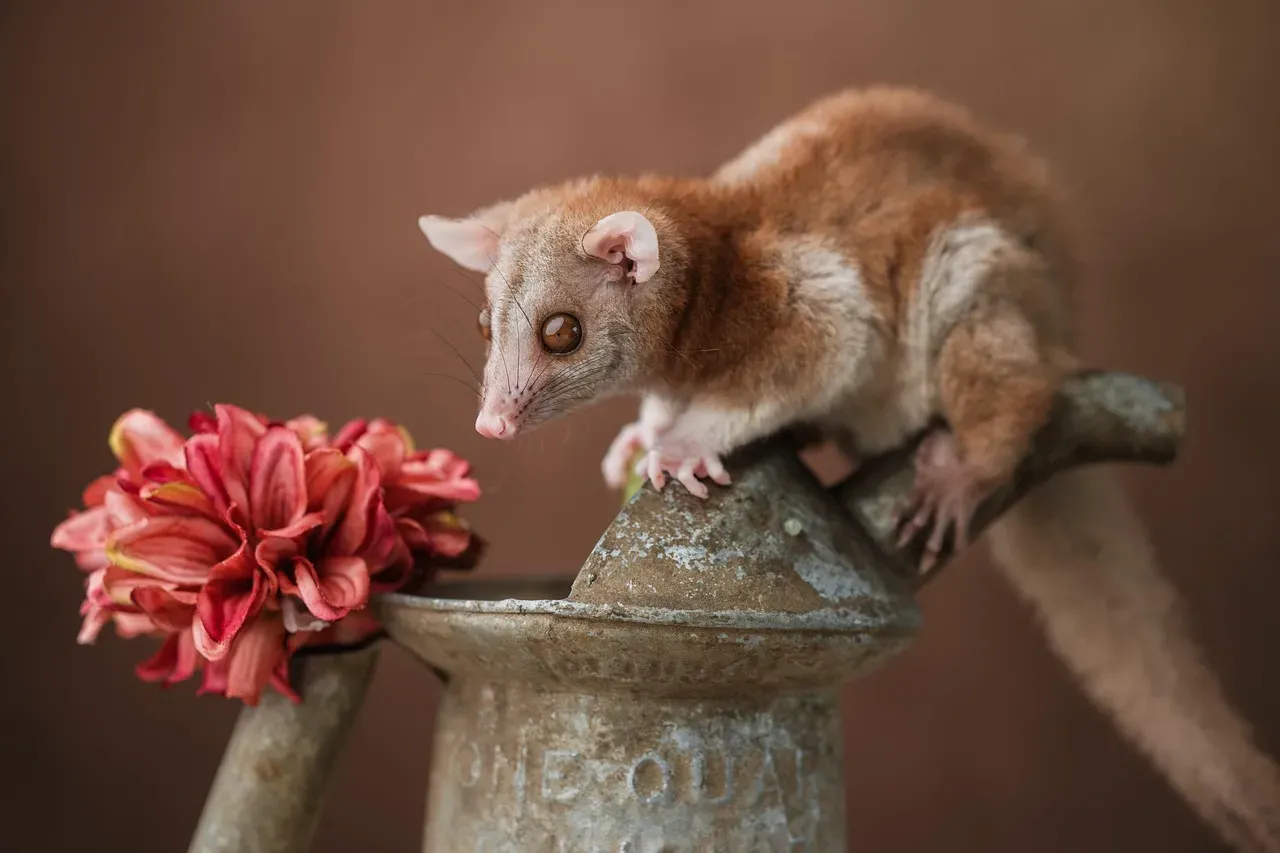
Opossums are frequent backyard visitors. Despite their somewhat odd appearance, these creatures are doing you a huge favor.
The only marsupial in North America, the opossum is an opportunistic omnivore known for playing dead in the face of potential danger, and the mammal plays a vital role in protecting human health by eating up to 5,000 ticks in a single season. That alone should make you appreciate having them around. Fewer ticks means less risk of Lyme disease for you and your family.
Opossums are usually nocturnal in nature, always looking for food, so they are often out during dawn and dusk, found in tree cavities, culverts or hollow logs or scavenging garbage cans in urban and suburban areas. They waddle through yards with their hairless tails dragging behind, looking prehistoric and a little peculiar.
These misunderstood creatures consume thousands of ticks annually and are naturally resistant to rabies and snake venom. Pretty remarkable for an animal that most people consider ugly or creepy.
Coyotes: The Stealthy Predators
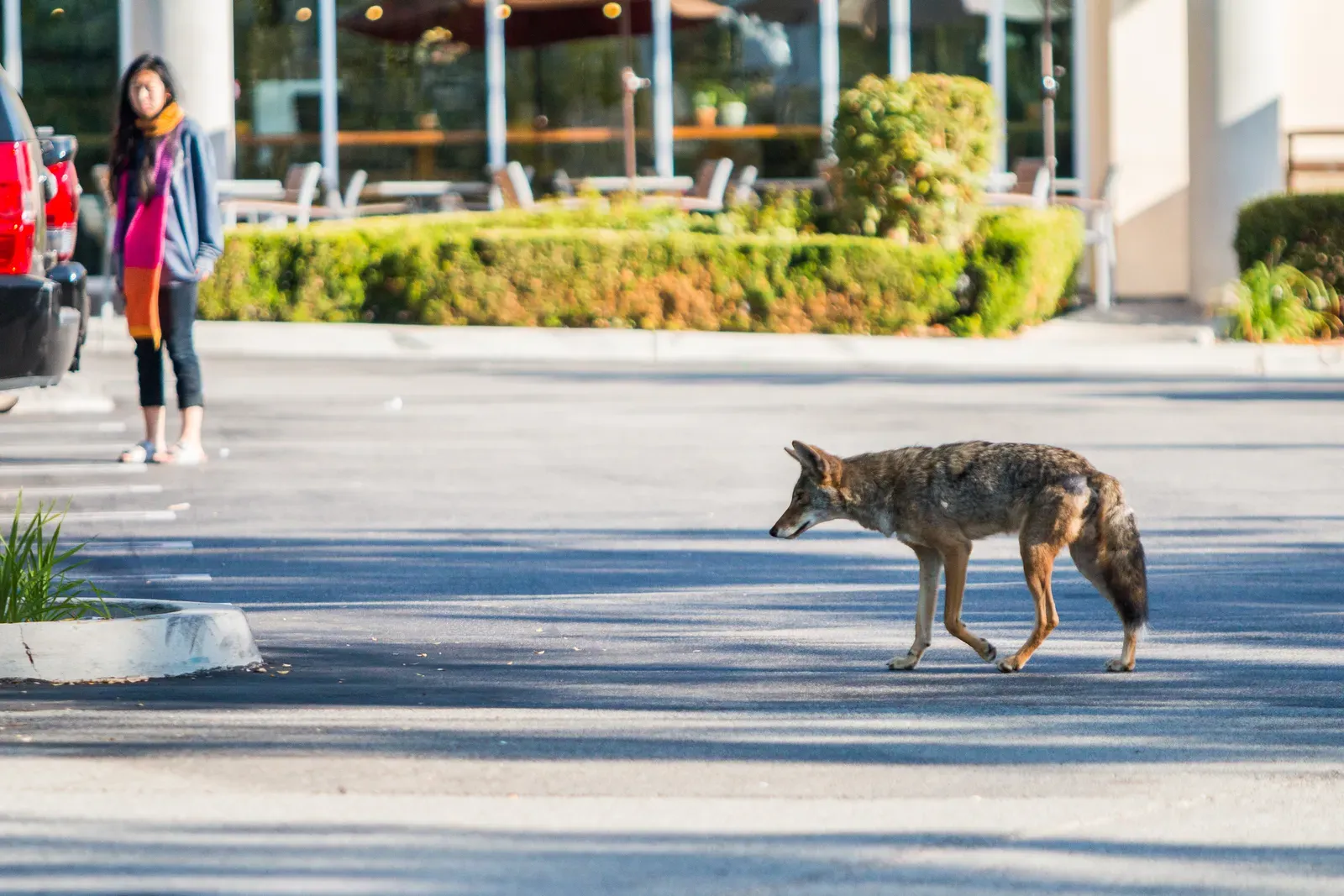
Coyotes have become increasingly common in suburban and urban areas, adapting to environments once dominated by humans. This surprises most people because they think of coyotes as wilderness animals.
The coyote has managed to adapt quite well to urban environments, and people would not know since they’ve managed to stay quite hidden, only coming out at night to get food and avoiding people as much as possible. They’re remarkably elusive. Even in densely populated areas, coyotes manage to remain nearly invisible.
These clever canines are omnivorous, eating everything from rodents to leftover fast food. They’re opportunistic feeders, which is exactly why they thrive near humans. Our garbage, our landscaping that attracts rodents, our discarded food – it all creates a buffet for coyotes.
Coyotes are often mistaken for dogs, especially when seen in twilight. If you’ve ever seen what you thought was a stray dog trotting through your neighborhood at dawn, there’s a decent chance it was actually a coyote.
White-Tailed Deer: Elegant Garden Raiders
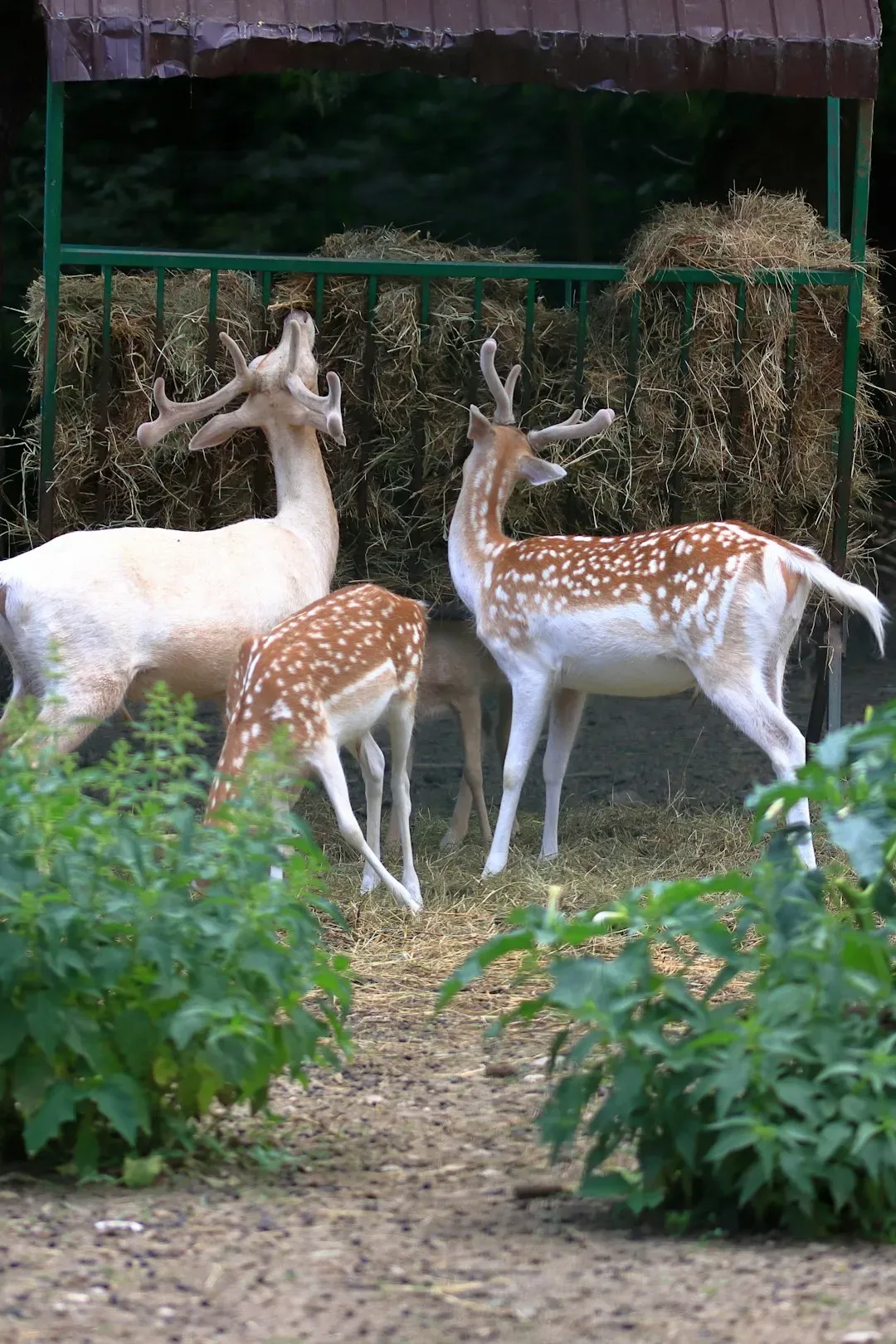
White-tailed deer are common in some suburban areas. They’re graceful, beautiful, and absolutely terrible for your garden.
Suburban whitetails don’t need much to survive, and as long as their nutritional and safety needs are met, they can live almost anywhere. Suburban environments actually provide ideal conditions: lots of ornamental plants to browse, fewer natural predators, and minimal hunting pressure.
These deer have become so comfortable around humans that they’ll stroll through neighborhoods in broad daylight. White-tailed deer often used people’s bird feeders or bird baths. They’re not shy about helping themselves to whatever’s available.
The problem is they can be more dangerous than people realize. They can be physically aggressive at times and often carry ticks. During mating season, bucks can become territorial. Plus, deer are major vectors for ticks, which means more deer equals more tick-borne diseases.
Striped Skunks: The Infamous Diggers
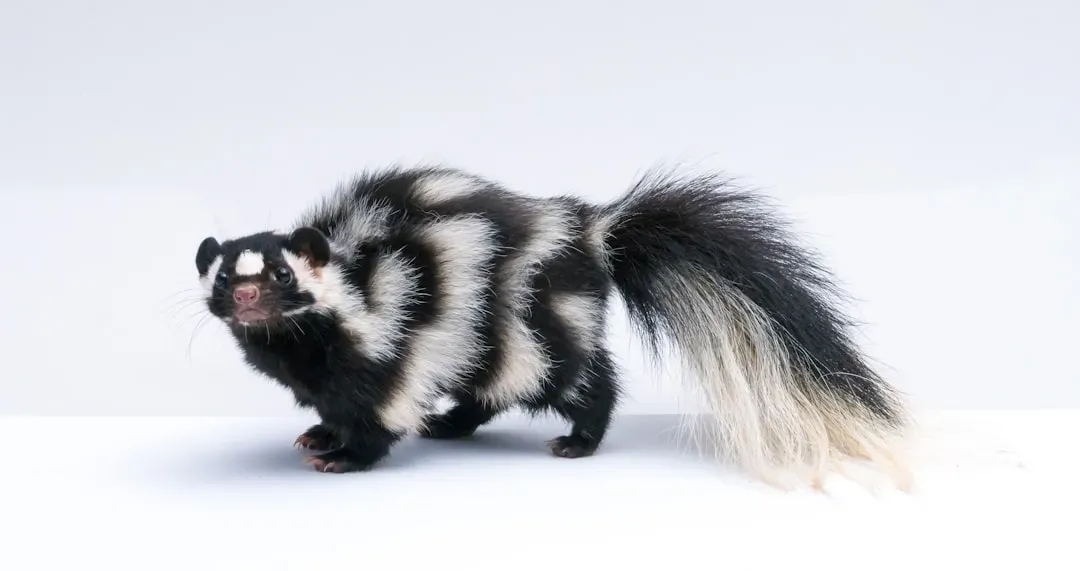
The striped skunk, notorious for emitting an intense odor when threatened, is so distinctly colored that animals who have had an unpleasant encounter with them remember to keep their distance. That evolutionary adaptation works on humans too.
Usually nocturnal in nature, skunks are often found scurrying along suburban homes during the early morning and evening hours, making their homes in hollow logs, under overturned trees, shrubs, and in the unfortunate case of some homeowners, under porches and sheds. Check under your deck – you might have a tenant you don’t know about.
Skunks are omnivorous in their feeding habits, with insects being very important, particularly for striped skunks. They’re actually helping control pest populations. Those cone-shaped holes you find in your lawn in the morning? That’s skunks digging for grubs.
Nobody wants a skunk encounter, but they generally avoid conflict. The presence of skunks can be identified not only by their burrows but also by their distinctive odor.
Cooper’s Hawks: The Backyard Aerial Predators
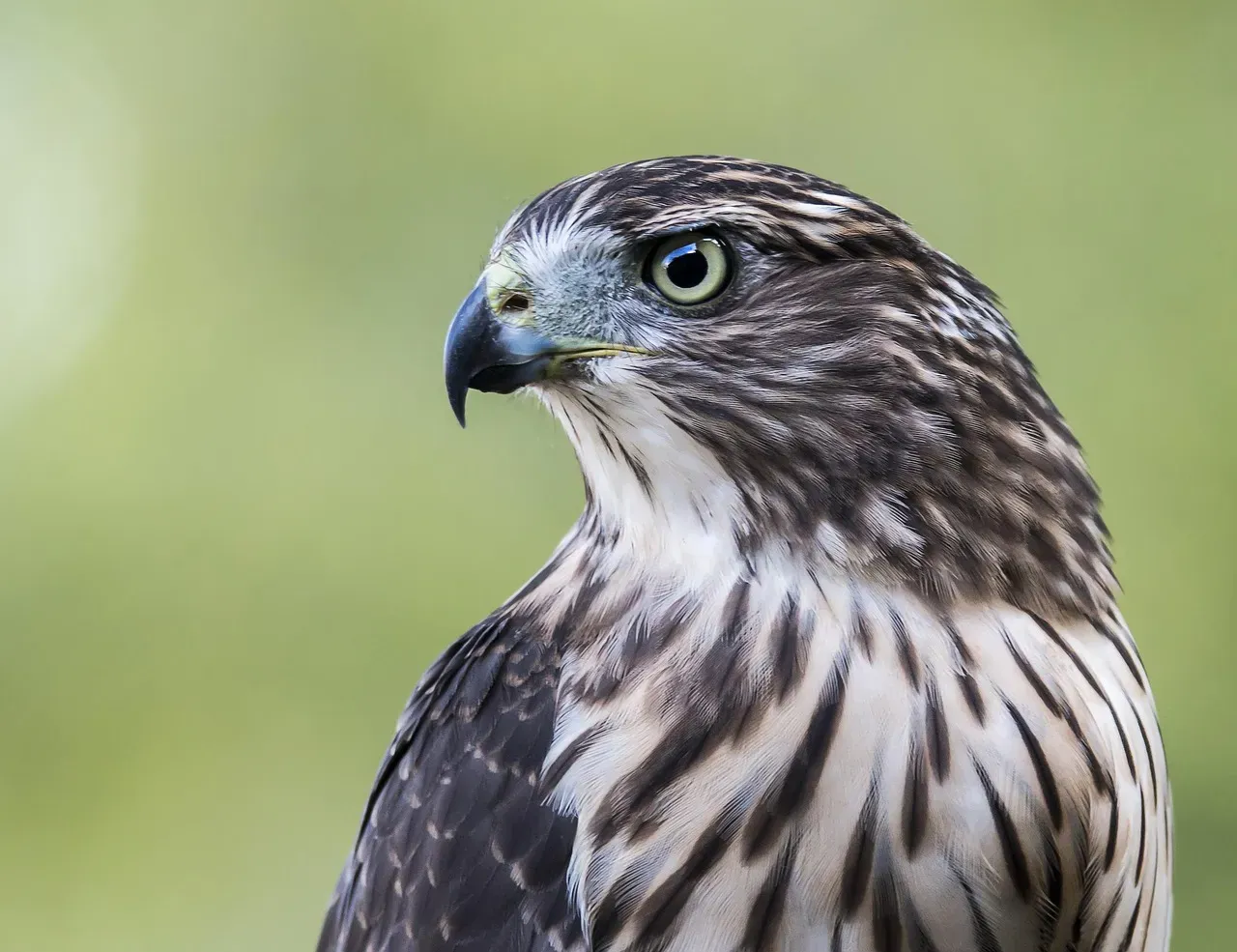
Bird feeder enthusiasts often spot these medium-sized hawks patrolling backyard feeding stations, with Cooper’s hawks specializing in hunting other birds, making busy feeders prime hunting territory for these agile predators. If your songbirds suddenly scatter in a panic, look up.
Once rare in urban areas, these woodland hawks have adapted remarkably well to city living, building well-concealed nests in tall trees throughout neighborhoods and learning to navigate between buildings and through parks with impressive speed and precision. They’re incredibly skilled fliers, able to maneuver through dense suburban landscapes at high speed.
Birds of prey, such as red-tailed hawks and American kestrels, and even the occasional wild turkey can be drawn to your yard. These raptors have discovered that backyards with bird feeders are essentially hunting preserves stocked with prey.
It’s honestly thrilling to have a top predator hunting in your backyard, even if it means your feeder birds occasionally become someone’s lunch. That’s nature, even in the suburbs.
Bats: Your Nighttime Mosquito Control
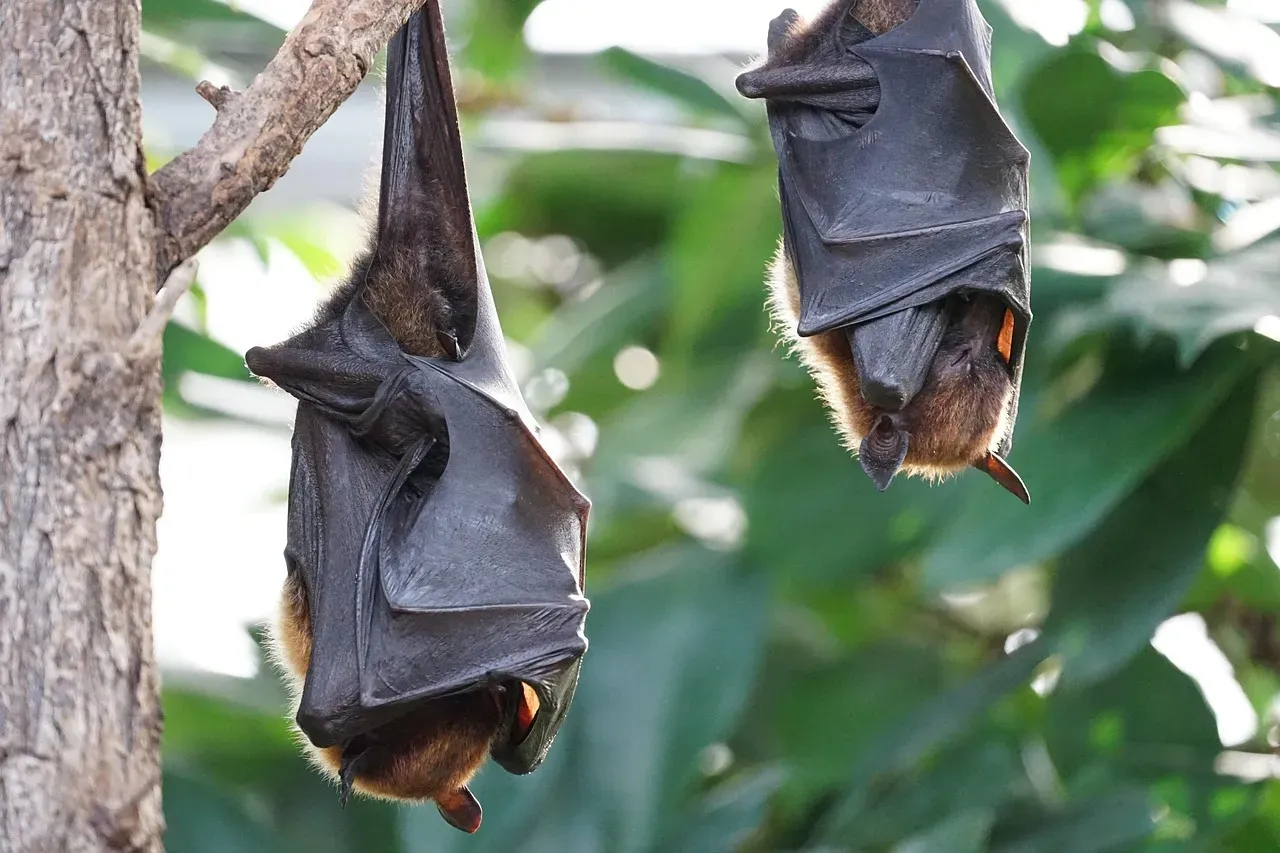
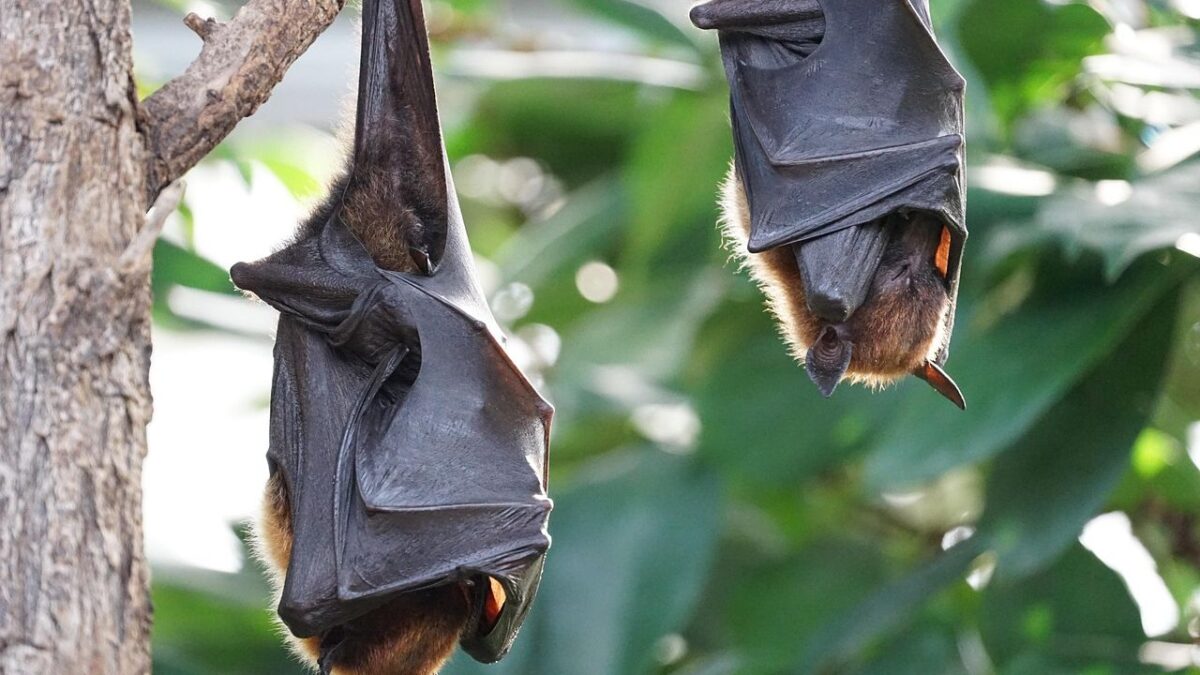
Bats might be the most underappreciated guests in your backyard, emerging at twilight to feast on thousands of insects, including mosquitoes, and despite often being misunderstood due to myths and folklore, bats are crucial for pest control and even assist in pollination. They’re doing incredible work while you’re completely unaware.
It is not uncommon to see bats in suburban areas. They roost in trees, under eaves, in attics, and anywhere else that provides shelter during the day. Then they emerge at dusk for their nightly feeding.
A single bat can consume thousands of insects in one night. Think about that the next time you’re outside on a summer evening without being swarmed by mosquitoes. You might have bats to thank.
Encouraging bats by installing a bat house can lead to mosquito-free evenings in your yard. They’re genuinely beneficial neighbors, though most people never even notice they’re there because bats are so secretive and nocturnal.
Groundhogs: The Burrow Engineers
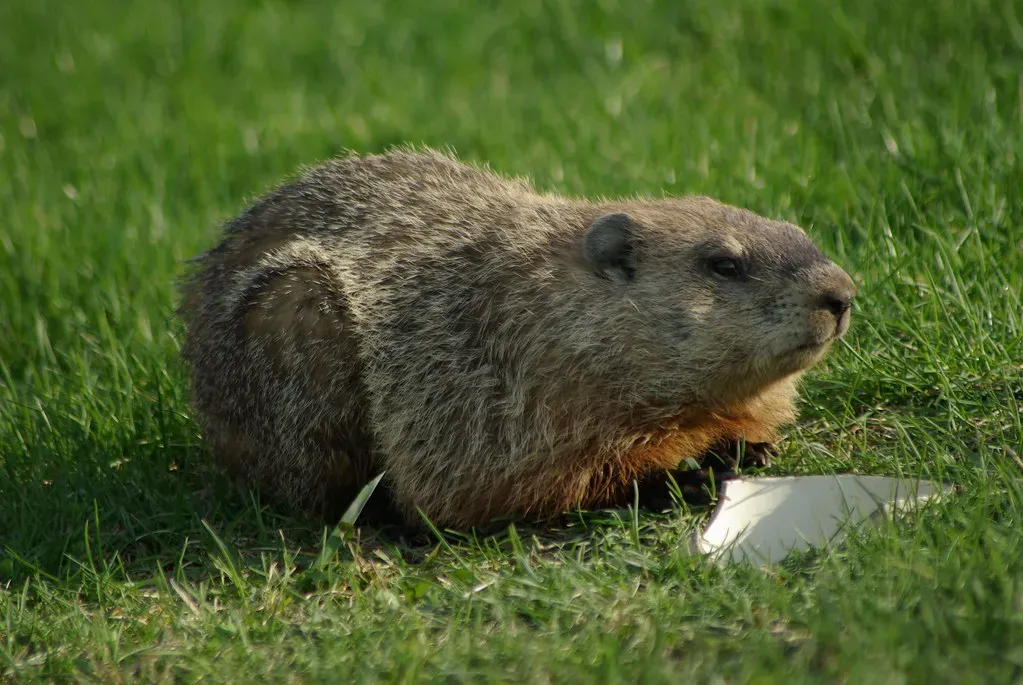
Sometimes known as woodchucks or whistle pigs, groundhogs are expert burrowers. These chunky rodents are more common in backyards than most people realize.
Seven species – including squirrels, gray and red foxes, Virginia opossums, eastern cottontail rabbits, woodchucks, and eastern chipmunks – were more frequently seen in yards compared to forests. Groundhogs, also called woodchucks, fall into this category of animals that actually prefer suburban environments.
They create extensive burrow systems underground. These tunnels can be quite elaborate, with multiple entrances, chambers for sleeping, and even separate bathroom areas. While their digging can damage lawns and create hazards, groundhogs are fascinating engineers.
They’re most active during the day, unlike many backyard animals. You’ll often spot them standing upright on their hind legs, surveying their territory. They’re herbivores that love gardens, which doesn’t make them popular with people who grow vegetables.
Eastern Cottontail Rabbits: The Garden Nibblers
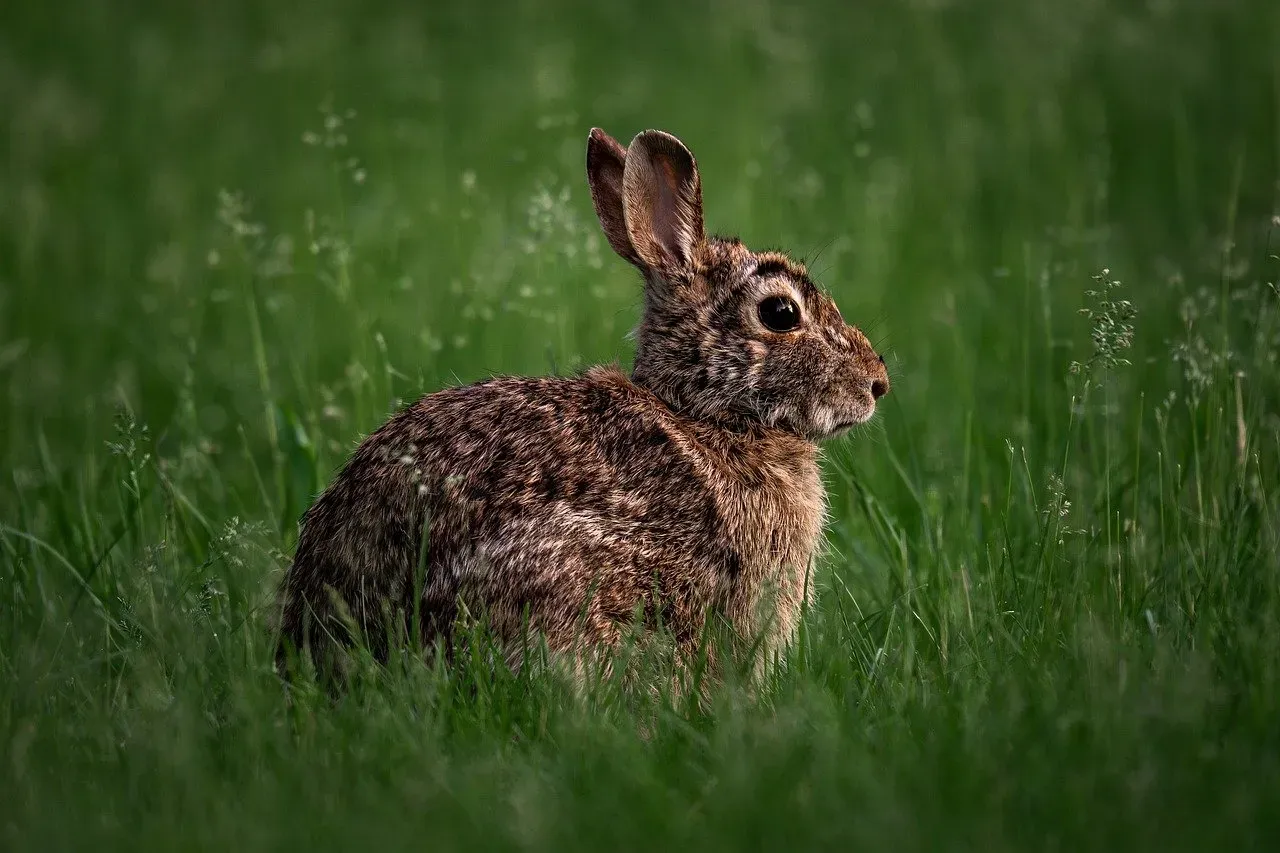
Camera traps found cottontails among the usual suspects in backyards. These fluffy-tailed hoppers are incredibly common, though they’re masters at staying hidden.
Many surveys report rabbits to fall somewhere between mice and squirrels on the irritation level because they are super cute, and they don’t cause problems for people in apartments or without land, however, for farmers or gardeners, they are a nuisance pest for sure, eating up all the plants carefully grown in no time. They’re adorable until they decimate your vegetable garden overnight.
Cottontails are prey animals, which means they’re constantly alert and quick to flee. They freeze when they sense danger, relying on their camouflage coloring to hide them in plain sight. You’ve probably walked past dozens without ever seeing them.
They’re most active at dawn and dusk, those in-between times when lighting makes them harder to spot. Their diet consists of grasses, clover, and garden vegetables, which is why suburban lawns and gardens provide ideal habitat.
Conclusion
Your backyard is wilder than you ever imagined. While you’re going about your daily routine, a hidden world of adapted wildlife is thriving right outside your door.
Wildlife is part of an urban ecosystem, and most people enjoy sharing the city with wildlife, with having wildlife visit your backyard being exciting and providing you and your family with a connection to the natural world, even if your backyard is in town. These animals have figured out how to survive and even thrive alongside us. They’ve learned our patterns, adapted to our structures, and found ways to exploit the resources we unintentionally provide.
The next time you look out your window, remember that you’re not seeing an empty yard. You’re seeing a complex ecosystem filled with creatures that have become expert at staying hidden. From the raccoons raiding garbage at midnight to the bats silently consuming mosquitoes at dusk, your backyard is teeming with wild neighbors.
Did you have any idea so many wild animals were living right under your nose? What do you think about sharing your space with them?

- 14 Signs the Backyard Birds That Left Your Yard Are Quietly Coming Back - July 21, 2026
- 12 Cat Breeds Vets Refuse To Recommend to First Time Owners - July 21, 2026
- 6 US States With the Most Alligators - July 21, 2026