
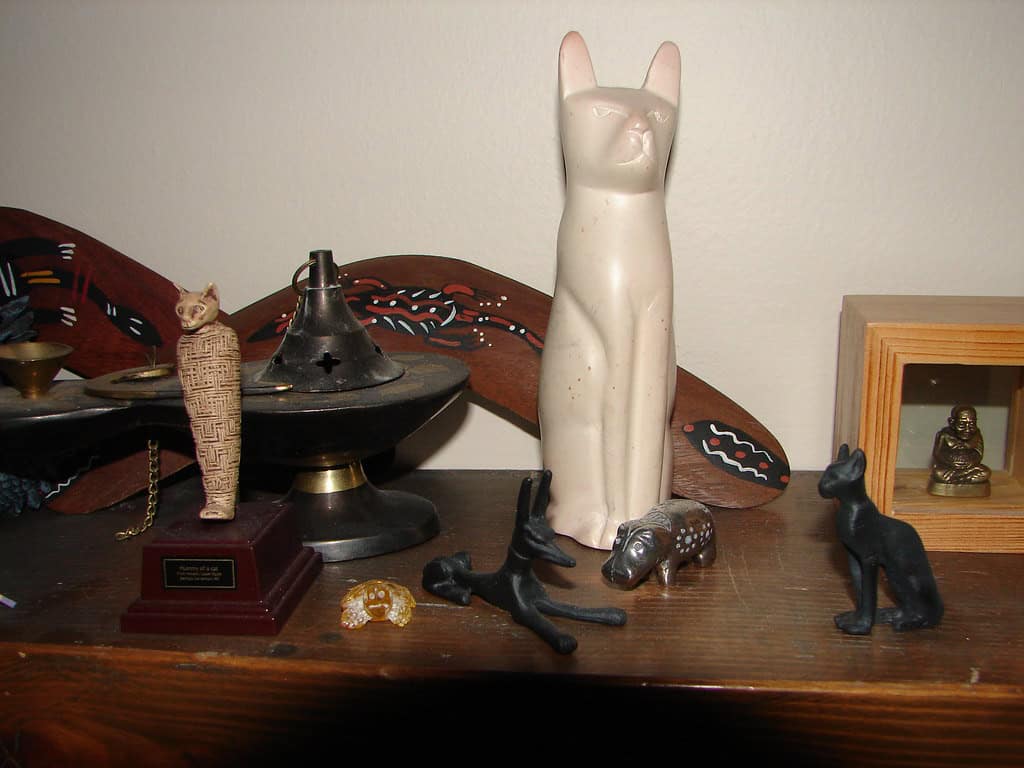
The relationship between cats and humans stretches back thousands of years, but perhaps nowhere was this connection more profound than in ancient Egypt. From humble beginnings as rodent hunters to their eventual elevation to divine status, cats occupied a unique position in Egyptian society that still fascinates us today. The transformation of these animals from practical pest controllers to revered deities reflects the complex and evolving relationship Egyptians had with the natural world around them. This journey from the granaries to the temples offers a compelling window into one of history’s most captivating civilizations and their distinctive worldview.
The Arrival of Cats in Egyptian Society

Cats first appeared in Egyptian settlements around 4,000 BCE, though they weren’t immediately the beloved companions we might imagine. Archaeological evidence suggests that the African wildcat (Felis silvestris lybica), the ancestor of our modern domestic cat, was initially attracted to human settlements due to the presence of rodents that thrived among stored grains. This natural form of pest control didn’t go unnoticed by early Egyptians, who were primarily an agricultural society dependent on successful grain harvests and storage. Rather than a deliberate domestication process, cats essentially “domesticated themselves” by choosing to live near humans where food was abundant. By around 2,000 BCE, wall paintings and artifacts begin to show cats in domestic settings, suggesting that by the Middle Kingdom period, cats had firmly established themselves as both working animals and companions within Egyptian households.
Practical Protectors of Egyptian Prosperity

The practical value of cats in ancient Egyptian society cannot be overstated. Egypt’s economy was built on agriculture, particularly the cultivation of grains along the fertile banks of the Nile. Rodents posed a significant threat to stored grain supplies, potentially causing famine if left unchecked. A single pair of rats can produce up to 15,000 descendants in a year, making their control essential for survival. Cats proved remarkably efficient at this task, with their keen hunting instincts, exceptional night vision, and agile bodies perfectly suited for catching mice and rats. Beyond rodent control, cats also hunted snakes, including venomous species that threatened Egyptian households. This practical utility formed the foundation of the cat’s elevated status in Egyptian society. They weren’t merely pets; they were guardians of the food supply and protectors against dangerous creatures, making them indispensable to daily life and survival in ancient Egypt.
The Rise of Bastet: From Fierce Lioness to Cat Goddess
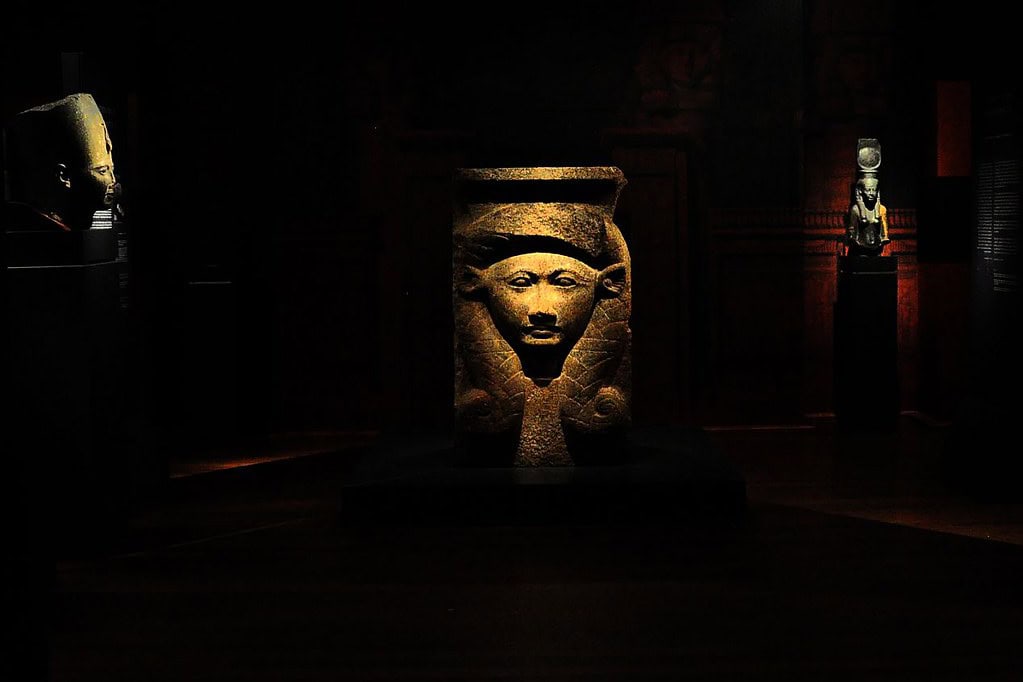
The evolution of the goddess Bastet reflects the changing perception of cats in Egyptian culture. Originally depicted as a fierce lioness goddess named Bast in the Third Dynasty (around 2686-2613 BCE), she was associated with the sun god Ra and embodied his vengeful power. As domestic cats became more integrated into Egyptian homes, Bastet’s image gradually transformed. By the Second Dynasty, artistic representations began showing her with a woman’s body and a cat’s head, though the lioness imagery persisted in some contexts. During the Late Period (664-332 BCE), Bastet had fully transformed into the cat goddess most familiar to us today, now associated with home, fertility, childbirth, and feminine sexuality, while retaining aspects of protection. Her cult center was at Bubastis (modern Tell Basta) in the Nile Delta, where a massive temple complex attracted thousands of pilgrims. This transformation from fierce lioness to domestic cat paralleled the increasingly intimate relationship between Egyptians and their feline companions, as well as reflecting broader shifts in Egyptian religious thought over centuries.
Life as a Household Cat in Ancient Egypt
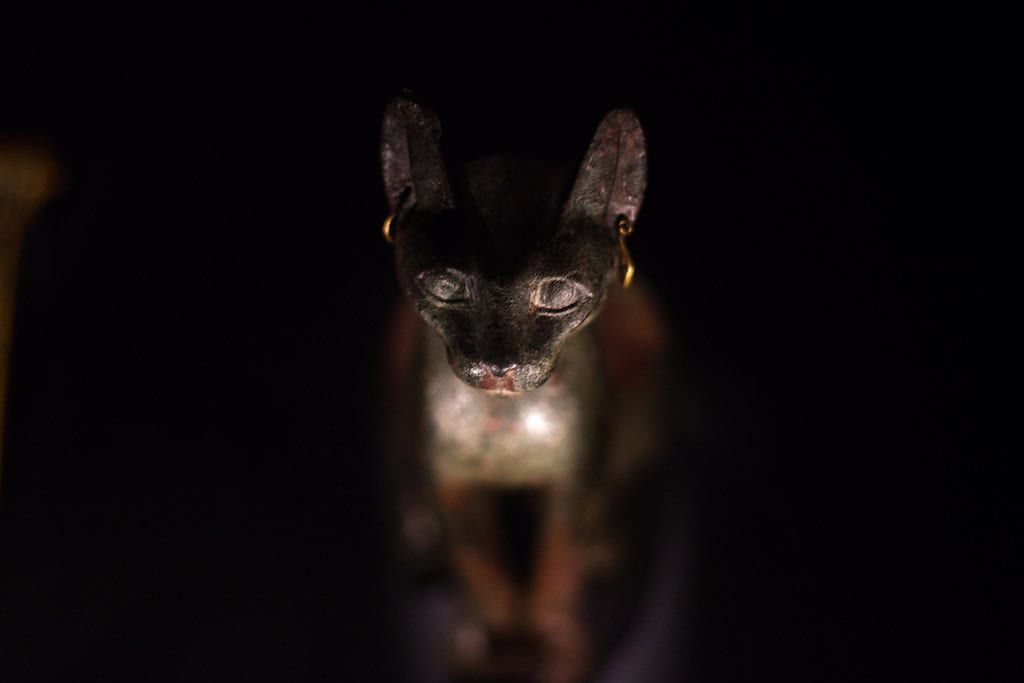
For cats fortunate enough to become household companions in ancient Egypt, life could be remarkably comfortable. Egyptian homes often had special spaces designated for their feline residents, and archaeological evidence suggests cats were frequently adorned with jewelry, including custom-made collars and earrings. Their diet was carefully attended to, with fish and milk being common offerings. Tomb paintings show cats seated beneath their owners’ chairs at meals, sometimes tied with light leashes, waiting for treats. The level of care extended to Egyptian cats is evidenced by mummified remains that show signs of extended lifespans—many lived beyond 15 years, remarkable for cats of that era. They were not confined to elite households either; evidence suggests cats were present across various social strata, though they likely received different levels of care depending on a family’s resources. Perhaps most telling about the status of household cats is that they were often given names, with terms like “Miut” (small one) or “Tai-Miuwette” (the female cat) appearing in ancient texts, indicating the personal bonds formed between Egyptians and their feline companions.
Legal Protection for Felines
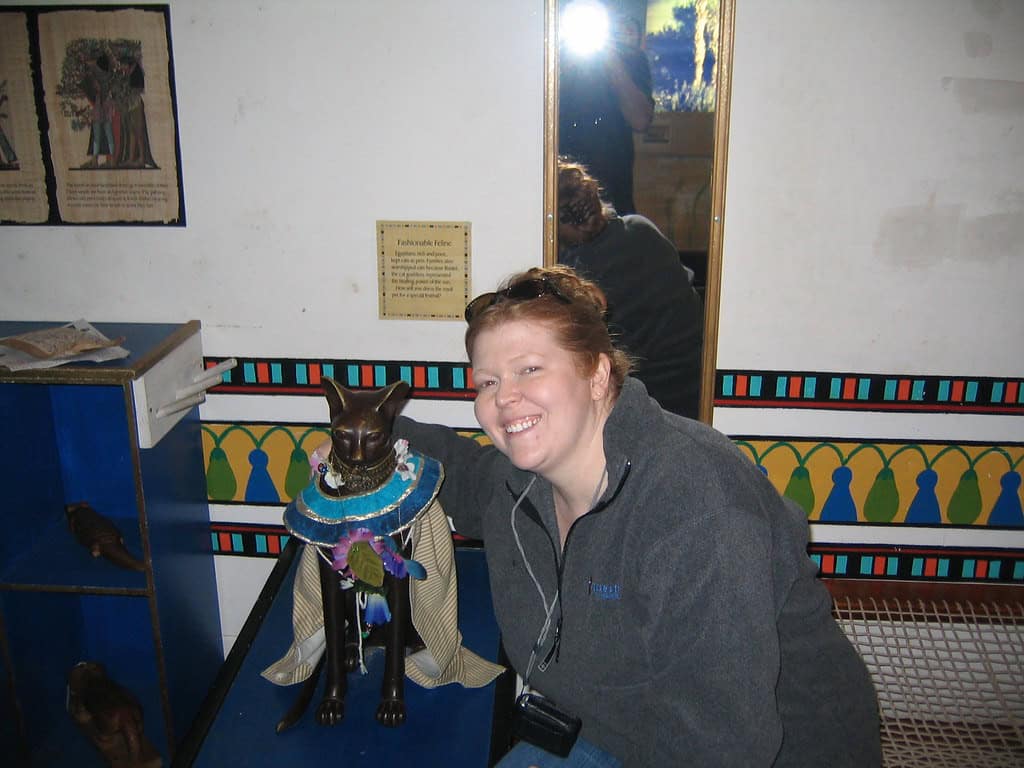
The reverence for cats in ancient Egypt extended into the legal realm, with some of history’s earliest animal protection laws created specifically for their benefit. During certain periods, killing a cat—even accidentally—was considered a capital offense punishable by death. The Greek historian Diodorus Siculus, writing in the 1st century BCE, described an incident where a Roman accidentally killed a cat and was subsequently killed by an angry mob, despite intervention attempts by Egyptian officials fearing Roman reprisal. Export of cats was strictly prohibited, effectively making them a protected national resource. Archaeological evidence suggests these laws were enforced across multiple dynasties, with varying degrees of severity. Cat theft was similarly treated as a serious crime, reflecting both their practical value and religious significance. These legal protections contributed to the stable domestication of cats in Egypt and created a cultural environment where feline welfare was considered a matter of both practical importance and religious obligation. The comprehensive nature of these laws suggests that by the New Kingdom period (1550-1070 BCE), cats had achieved a status in Egyptian society unparalleled by any other animal.
Cat Mummification: An Industry of Devotion
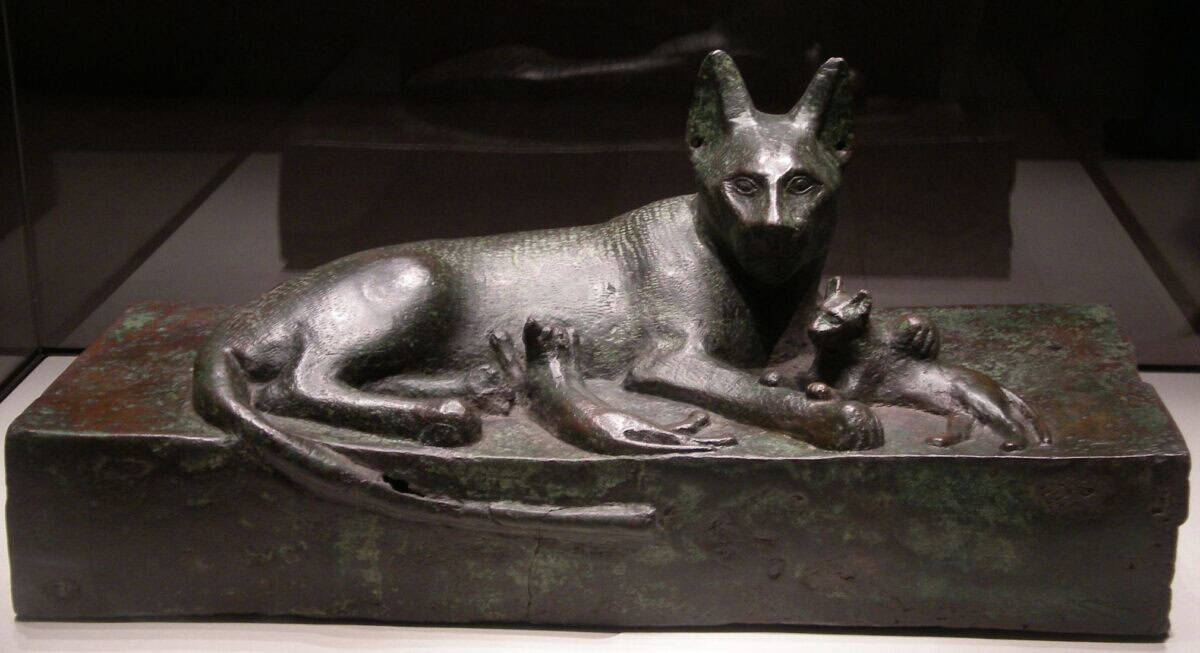
The practice of cat mummification in ancient Egypt reached industrial proportions, particularly during the Late Period and Ptolemaic era (664-30 BCE). Unlike the carefully prepared mummies of beloved household pets, which were wrapped with precious ornaments and sometimes placed in miniature coffins, most cat mummies were produced as votive offerings to Bastet. Archaeological discoveries have revealed staggering numbers—at the sacred cat cemetery in Bubastis and nearby sites, millions of mummified cats have been discovered. Scientific analysis of these remains reveals specialized facilities dedicated to breeding cats specifically for mummification. The process involved dehydrating the body with natron salt, treating it with oils and resins, and wrapping it in linen bandages. X-ray studies of these mummies show varying levels of care—some contain complete cat skeletons, while others hold only partial remains or even completely different animals. This has led researchers to conclude that the demand for cat mummies sometimes exceeded supply, creating something akin to a “fake mummy” market. The scale of this practice not only demonstrates the religious significance of cats but also reveals an entire economic sector dedicated to feline worship, employing embalmers, priests, cat breeders, and artisans who created cat-themed amulets and figurines for pilgrims.
Bastet’s Festivals: Celebrating the Cat Goddess
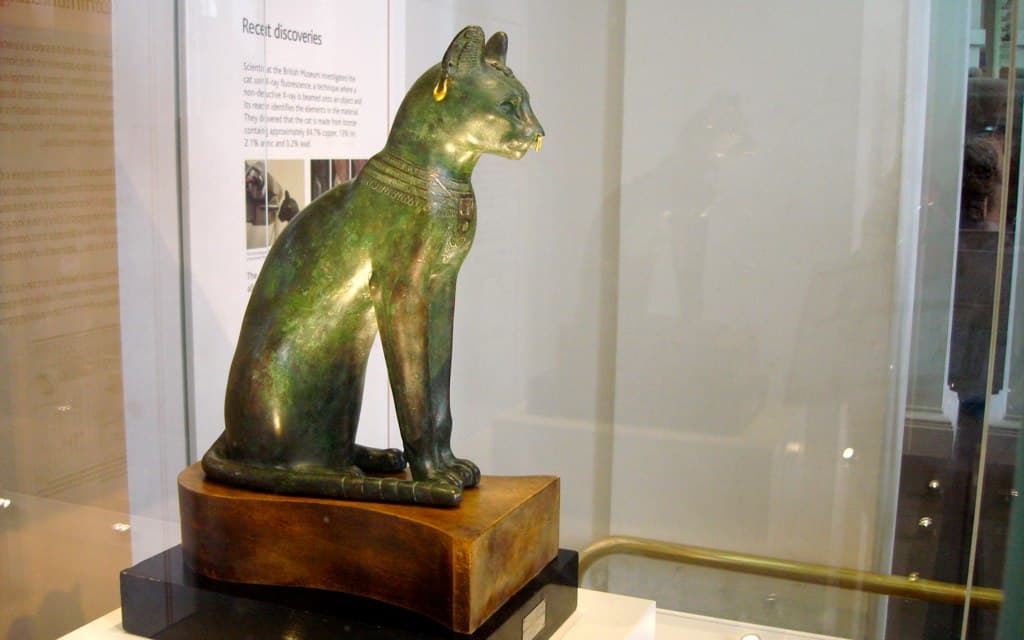
Festivals honoring Bastet were among the most popular religious celebrations in ancient Egypt, drawing hundreds of thousands of pilgrims to her sacred city of Bubastis. The Greek historian Herodotus, visiting Egypt around 450 BCE, described these festivities in detail, noting that they were more enthusiastically celebrated than almost any other religious event in Egypt. According to his account, men and women would travel by boat to Bubastis, with women shaking sacred rattles called sistra and men playing flutes. As they passed other towns, participants would engage in dancing, singing, and what Herodotus delicately termed “jesting”—likely referring to sexual innuendo and behavior that reflected Bastet’s association with fertility and sexuality. Upon arrival at Bubastis, attendees would make offerings at the temple, participate in rituals, and consume vast quantities of wine—reportedly more than during the rest of the year combined. Archaeological evidence confirms Herodotus’s descriptions, with remains showing temporary structures erected to accommodate the massive crowds. The festival likely incorporated ritual processions of cats, music, dance, and the purchase of cat mummies as offerings. These celebrations reinforced the cultural significance of cats and provided regular opportunities for Egyptians to express their devotion to Bastet and, by extension, to cats themselves.
Cat Imagery in Egyptian Art and Decoration
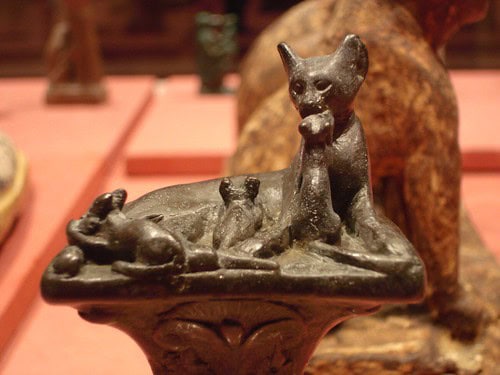
Cats permeate ancient Egyptian visual culture, appearing in virtually every art form from monumental temple reliefs to intimate personal jewelry. In tomb paintings, cats are frequently depicted in domestic scenes, often sitting beneath the chair of the tomb owner or hunting birds in papyrus thickets—a motif that appears as early as the Old Kingdom (2686-2181 BCE). By the New Kingdom period, artists began portraying cats with increasingly realistic and individualized features, suggesting they were painting specific animals rather than generic representations. Small bronze figurines of seated or standing cats, often with gold earrings or ornate collars, became popular votive offerings during the Late Period. Amulets shaped like cats were worn for protection, especially by women and children under Bastet’s care. Even everyday items incorporated feline imagery—cosmetic containers, mirrors, and furniture often featured cat motifs. Perhaps most charming are the limestone ostraca from the artisans’ village of Deir el-Medina, which include informal sketches of cats in playful poses or nursing kittens, revealing the affectionate observation of cats in daily life. This ubiquitous presence of cats in Egyptian visual culture reflects their integration at every level of society, from religious iconography to personal adornment to casual artistic expression.
Cats in Egyptian Literature and Texts

While images of cats abound in Egyptian art, written references provide additional insights into how ancient Egyptians perceived their feline companions. In the “Book of the Dead,” cats appear in various spells and illustrations, most famously in Spell 17, where the cat god slays the serpent Apophis, representing the eternal struggle between order and chaos. This text describes the cat as “Ra himself,” emphasizing the divine associations. More intimately, poems and love songs sometimes use cat imagery as metaphors for beauty and grace. One Middle Kingdom text compares a beautiful woman to “a cat in the lap,” suggesting both desirability and a certain independence of spirit. Practical medical papyri include cats in various treatments—cat fat appears in remedies for burns, while cat hair is prescribed for certain eye ailments. Administrative records mention cats as valuable property, sometimes listed in inheritance documents alongside other household goods. Perhaps most telling are the names Egyptians gave their cats, preserved in various inscriptions and papyri. Names like “Nefer” (beautiful), “Miit” (sweet one), or “Ta-Miu” (the female cat) reveal the affectionate relationships between Egyptians and their cats. These written sources, spanning religious, literary, medical, and administrative contexts, demonstrate the multifaceted role cats played in Egyptian culture, valued simultaneously as divine beings, beloved pets, and practical resources.
The Cat’s Role in Egyptian Afterlife Beliefs
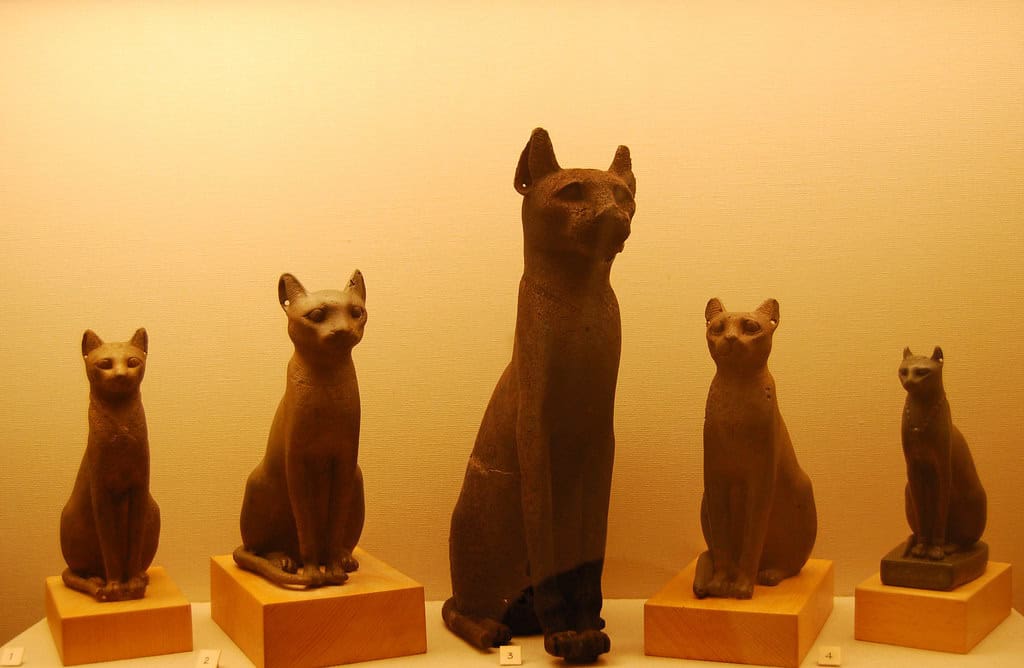
In a culture intensely focused on the afterlife, cats held significant positions in Egyptian conceptions of what followed death. Tomb paintings frequently show cats accompanying their owners into the next world, suggesting the belief that the human-feline bond would continue eternally. In some tombs, small mummified cats were included among grave goods, presumably to provide companionship in the afterlife. The “Book of the Dead” contains spells allowing the deceased to transform into various animals, including cats, which were considered advantageous forms due to their connection to Ra. Chapter 125 of this text, containing the famous “negative confessions” where the deceased declares their innocence of various sins, sometimes includes statements like “I have not caught fish with bait made of the bodies of the same kind of fish” and “I have not caught birds with bait made of cat’s flesh”—prohibitions that reflect the protected status of cats. Perhaps most significantly, cats appear in scenes of the judgment hall of Osiris, where souls were weighed against the feather of Ma’at (truth). The presence of cats in these critically important religious contexts demonstrates how deeply they were integrated into Egyptian understanding of cosmic order and divine judgment. Far from being merely animals, cats were seen as essential participants in the spiritual landscape that awaited Egyptians after death.
The Decline of Cat Worship and Its Legacy
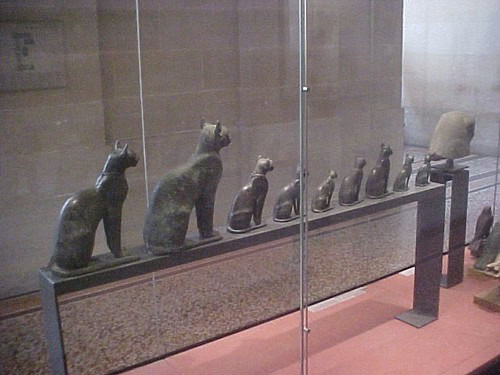
The extraordinary status of cats in Egyptian culture eventually faced challenges with the arrival of new religious and political powers. The rise of Christianity in Egypt beginning in the 1st century CE gradually eroded traditional Egyptian religious practices, including cat worship. By the time the Roman Emperor Theodosius I banned pagan cults in 391 CE, the formal worship of Bastet had largely disappeared, though domestic appreciation for cats continued. The Arab conquest of Egypt in the 7th century brought Islamic influences, which generally regarded cats positively (following the Prophet Muhammad’s reported fondness for cats), but not as divine beings. Despite these changes, the cultural impact of Egyptian cat reverence spread throughout the ancient world. Greek and Roman visitors to Egypt commented extensively on Egyptian cat worship, sometimes with fascination and sometimes with mockery. Cat figurines and motifs inspired by Egyptian designs have been found throughout the Mediterranean, indicating the spread of at least some aspects of Egyptian cat culture. More enduringly, the specialized breeding of cats that began in Egypt eventually led to their global domestication and dissemination. Modern genetic studies confirm that most domestic cats worldwide share ancestry with the Egyptian cats domesticated thousands of years ago, making their influence perhaps the most tangible legacy of ancient Egypt’s remarkable feline devotion.
Conclusion
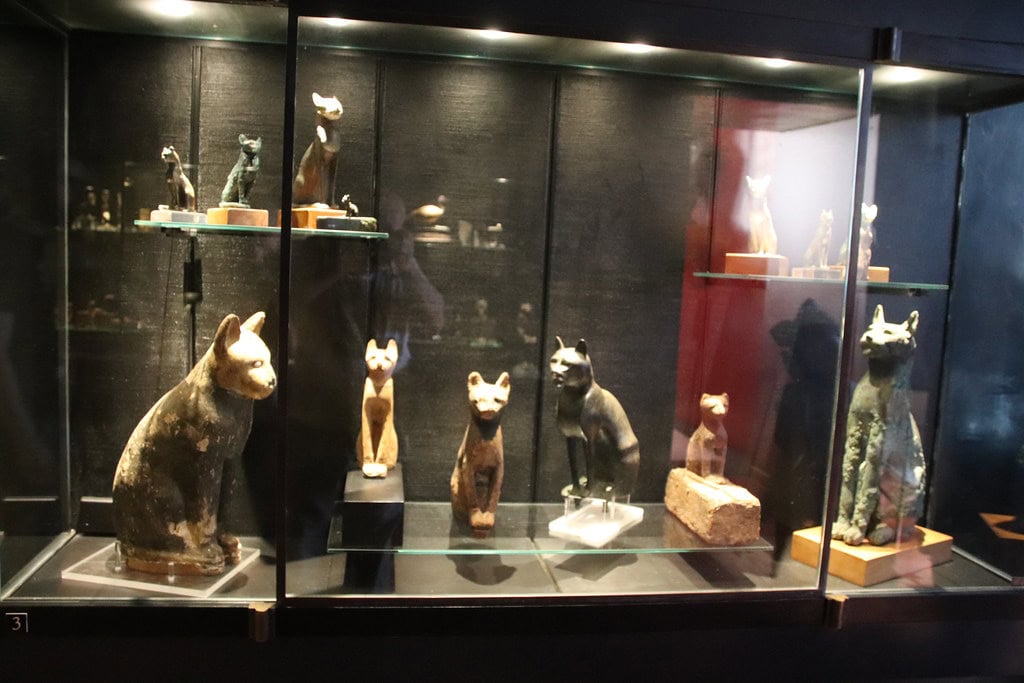
The journey of cats in ancient Egypt—from practical pest controllers to deified beings—represents one of history’s most fascinating examples of human-animal relationships transformed by cultural and religious significance. Over thousands of years, Egyptians developed a multifaceted relationship with cats that encompassed practical utility, emotional companionship, artistic inspiration, and profound spiritual meaning. This unique bond not only shaped Egyptian society but also ensured the successful domestication and global spread of cats as companion animals. Today, as millions of people welcome cats into their homes, they participate in a tradition with roots stretching back to those first wild felines that prowled Egyptian granaries in search of mice. While we may no longer worship cats as manifestations of Bastet, the special place they hold in human affection and culture—their air of mystery, their grace, their independent yet affectionate nature—suggests that something of the ancient Egyptian perspective continues to resonate in our modern relationship with these remarkable animals.

- Could the Tasmanian Tiger Be Brought Back to Life? - July 21, 2026
- Why You Should Never Approach a Sleeping Hippo - July 21, 2026
- The Truth About Hyena Intelligence and Social Power - July 21, 2026