

Australia’s iconic koalas have faced unprecedented threats from increasingly severe bushfires in recent years. The devastating 2019-2020 “Black Summer” bushfires brought international attention to the plight of these marsupials, with heartbreaking images of burned koalas being rescued from charred landscapes. While all wildlife suffers during bushfires, koalas face a unique set of vulnerabilities that make them particularly susceptible to fire events. Their specialized biology, behavior patterns, and habitat requirements combine to create a perfect storm of vulnerability when bushfires rage through their eucalyptus forest homes. Understanding these factors is crucial for developing effective conservation strategies to protect koalas in an era of climate change and increasing fire severity.
Koalas’ Limited Mobility and Escape Strategies
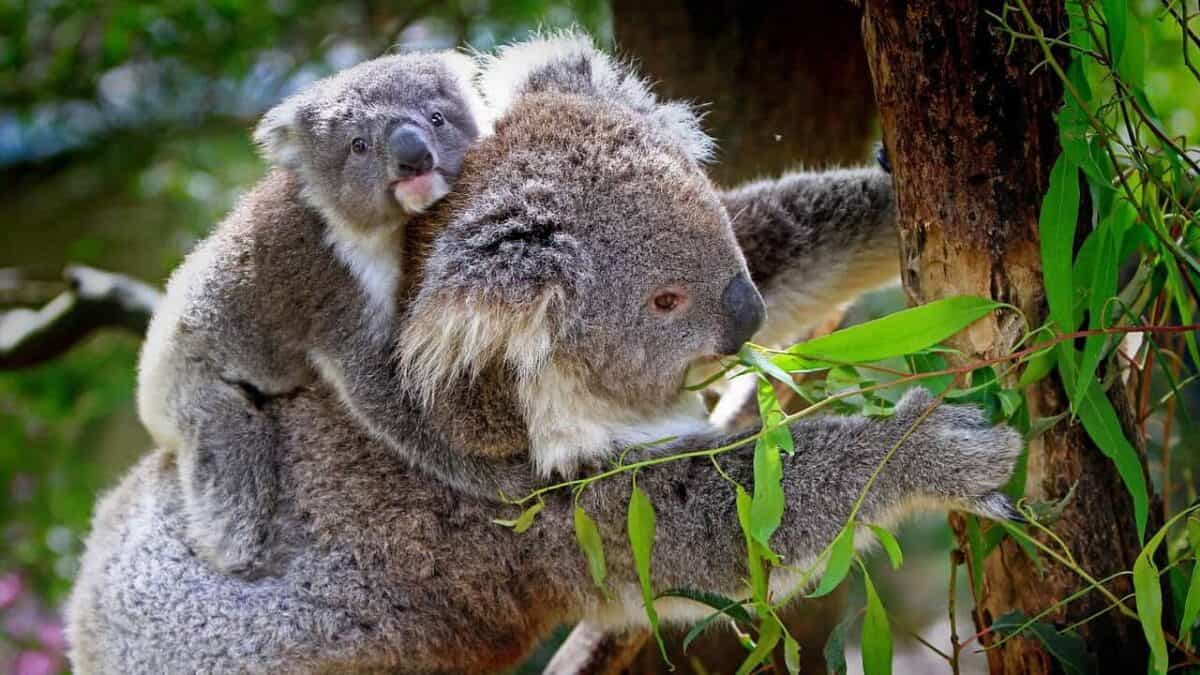
Unlike many animals that can quickly flee approaching fires, koalas have relatively limited mobility on the ground. They are primarily arboreal (tree-dwelling) creatures, spending about 20 hours a day sleeping and the remainder feeding in eucalyptus trees. When fires approach, koalas’ instinctual response is often to climb higher into trees rather than descend and flee on the ground. This strategy, which normally helps them avoid predators, becomes deadly during bushfires as flames and intense heat rise upward through the canopy. Koalas can only move at approximately 2.8 km/h on the ground – significantly slower than the speed at which bushfires can spread, which can exceed 20 km/h under extreme conditions. Their slow movement makes outrunning fires virtually impossible once they’re caught in a fire zone.
Eucalyptus-Dependent Diet and Habitat

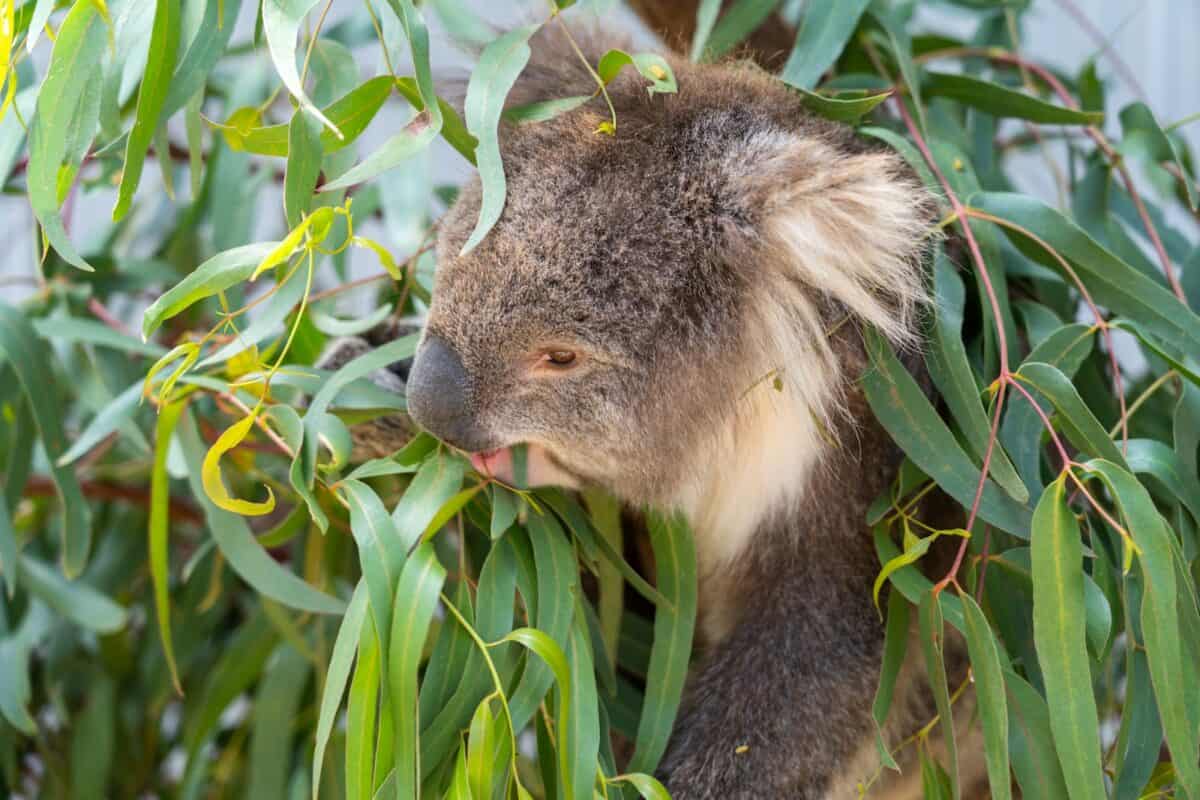
Koalas have one of the most specialized diets in the animal kingdom, feeding almost exclusively on eucalyptus leaves. This dietary specialization restricts them to eucalyptus forests, which are among Australia’s most fire-prone ecosystems. Eucalyptus trees contain highly flammable oils that actually promote fire – a natural adaptation that helps these species regenerate. The trees literally fuel fires, with oil-rich leaves and peeling bark that create perfect kindling for spreading flames rapidly through the canopy. This means koalas are inextricably tied to a habitat that is naturally designed to burn. When fires sweep through these forests, koalas have nowhere else to go, as they cannot survive without their specific food source. Post-fire, surviving koalas often face starvation as their food trees may take months or years to regenerate enough foliage to support them.
Physiological Limitations During Fire Events

Koalas have several physiological characteristics that make them particularly vulnerable during bushfires. Their fur, while thick and water-resistant, can quickly ignite when exposed to flames or extreme heat. Koalas have relatively small lungs for their body size – an adaptation linked to their low-energy lifestyle and diet – which makes them especially susceptible to smoke inhalation. During intense bushfires, smoke can blanket large areas for days or weeks, causing respiratory damage even to koalas that escape the direct flames. Their slow metabolic rate, another adaptation to their nutrient-poor diet, means they process toxins slowly and have limited energy reserves for healing after injuries. Research has shown that koalas suffer higher mortality rates than many other native species both during fires and in the weeks following, largely due to these physiological limitations.
Impact of Habitat Fragmentation

Decades of land clearing have fragmented koala habitat across Australia, creating isolated populations with limited genetic diversity. This fragmentation significantly impacts koalas’ ability to escape bushfires and recolonize areas after fire events. Historical data shows that koalas once had more continuous habitat, allowing them to move between areas in response to environmental pressures. Today, many koala populations are isolated in forest patches surrounded by agricultural land, suburbs, or roads. These barriers prevent koalas from escaping approaching fires and make recolonization of burned areas extremely difficult. Studies have documented that koala populations in fragmented landscapes suffer higher mortality during bushfires than those in continuous forest systems. Additionally, small isolated populations lack the genetic diversity needed to adapt to changing conditions, including increasing fire frequency.
Behavioral Responses to Fire

Koalas’ behavioral responses to fire events further compound their vulnerability. Unlike some Australian wildlife that has evolved sophisticated fire avoidance behaviors, koalas show relatively limited adaptive responses to approaching bushfires. They typically remain in their home ranges until fire is imminent, often freezing in place or climbing higher rather than fleeing. Research tracking koalas during fire events has shown they may become disoriented by smoke and heat, making poor escape decisions. Their strong attachment to specific home ranges and individual trees further reduces their willingness to flee approaching danger. This behavioral pattern stands in contrast to more mobile species like kangaroos, which have been observed actively moving away from fire fronts well before they arrive. Conservation biologists have noted that these behavioral limitations are particularly problematic as climate change drives more frequent and intense fire events.
Reproductive Biology and Population Recovery

Koalas’ reproductive biology creates additional challenges for population recovery after bushfire events. Female koalas typically produce just one joey per year, and young koalas remain dependent on their mothers for about a year. This slow reproductive rate means populations rebuild very gradually after catastrophic events. Additionally, koalas reach sexual maturity relatively late (around 2-3 years) compared to many mammals of similar size. Population modeling has demonstrated that even under ideal conditions, a decimated koala population might take decades to recover to pre-fire numbers. After the 2019-2020 bushfires, some local koala populations lost over 70% of individuals, pushing them below the threshold needed for natural recovery. The slow reproductive rate also means that each breeding female lost in fires represents a significant blow to future population growth potential.
Climate Change and Increasing Fire Frequency

Climate change is dramatically altering fire regimes across Australia, creating conditions that exacerbate koalas’ vulnerability. Historical data shows Australia’s fire seasons are becoming longer and more intense, with larger areas burning under extreme conditions. The 2019-2020 bushfire season burned over 18.6 million hectares, an unprecedented scale that overwhelmed koalas’ already limited coping mechanisms. Rising temperatures and changing rainfall patterns are creating more frequent extreme fire weather days, while simultaneously stressing koalas through heat waves and drought. Climate scientists project these trends will intensify, potentially creating fire conditions beyond what koalas have evolved to survive. The combination of more frequent fires and shorter recovery periods between fire events creates a compounding threat, as habitat has insufficient time to regenerate before being burned again. This changed fire regime represents perhaps the most significant long-term threat to koala survival.
Dehydration and Heat Stress Vulnerabilities

Koalas are particularly susceptible to dehydration and heat stress, conditions that often precede and accompany bushfires. While koalas can obtain most of their water needs from eucalyptus leaves under normal conditions, prolonged drought forces them to seek supplementary water sources. During extreme heat events, koalas have been observed descending from trees to drink from water sources or even approaching humans for water – behaviors that indicate severe physiological stress. Their thermal tolerance is relatively narrow, and heat waves preceding bushfires can cause mass mortality events even before flames arrive. During the 2019-2020 bushfire season, wildlife rescuers reported finding numerous koalas suffering from dehydration and heat stress in fire-affected regions. This pre-existing physiological stress reduces koalas’ already limited capacity to cope with fire events, as their bodies are already compromised before facing the additional challenges of flames, smoke, and habitat destruction.
Impacts of Burns and Smoke Inhalation

When caught in bushfires, koalas suffer particularly severe injuries that lead to high mortality rates both immediately and in the weeks following fire events. Their paws, which are specialized for gripping tree branches, have sensitive pads that are easily burned when climbing on hot or smoldering trees. These paw injuries often prevent koalas from climbing effectively to feed, leading to starvation even if they survive the initial fire. Smoke inhalation causes severe respiratory damage, with koalas developing conditions similar to chronic obstructive pulmonary disease in humans. Wildlife veterinarians report that smoke-affected koalas may develop infections weeks after fire exposure, as their compromised respiratory systems cannot clear pathogens effectively. Burns to koalas’ eyes can cause blindness, while fur loss exposes them to hypothermia during cool nights. The combination of these injuries creates complex medical challenges that, even with human intervention, often prove fatal in the long term.
Post-Fire Survival Challenges

Koalas that survive the immediate dangers of bushfires face a new set of challenges that continue to threaten their survival. When fires destroy large areas of forest, surviving koalas often must travel across burned landscapes in search of food, exposing themselves to predators and additional hazards. Research tracking post-fire koala movements has documented increased predation by dogs and foxes as koalas spend more time on the ground between remnant food trees. Nutritional stress becomes critical as remaining eucalyptus trees put energy into trunk recovery rather than producing nutritious leaves. The loss of the forest canopy exposes koalas to temperature extremes without their normal shade protection. Additionally, burned forests experience altered water flows and microclimate changes that can stress surviving koalas. Studies monitoring post-fire koala populations have found that mortality continues at elevated rates for up to a year after fire events, with survivors showing reduced body condition, increased disease susceptibility, and lower reproductive rates.
Conservation Strategies for Fire Protection
Recognizing koalas’ extreme vulnerability to bushfires, conservation organizations and government agencies have begun implementing specialized protection strategies. Identification and mapping of koala refugia – areas that naturally resist burning due to topography or vegetation type – has become a priority in conservation planning. Some regions have established rapid response teams that can enter fire zones to rescue injured koalas as soon as conditions permit. Fire management has evolved to include strategic protection of known koala habitats through controlled burns in surrounding areas and establishment of firebreaks. Innovative approaches include the creation of artificial water sources in koala habitats that can help both during drought conditions and provide potential refuge during fires. Wildlife corridors connecting forest patches are being restored to allow koala movement between areas in response to fire threats. Advanced tracking technologies are being deployed to understand koala movements during fire events, helping refine protection strategies for future fire seasons.
Conclusion: The Future of Koalas in a Fire-Prone Landscape
The fate of koalas in Australia’s increasingly fire-prone landscapes hangs in a delicate balance. Their unique vulnerabilities to bushfires – from their limited mobility and specialized habitat requirements to their slow reproductive rate and physiological limitations – create a perfect storm of susceptibility that has pushed some populations to the brink of local extinction. Climate change projections suggesting more frequent and intense fire seasons present an existential threat to this iconic species without significant intervention. However, there is hope in the growing understanding of koalas’ specific vulnerabilities, which is informing more targeted conservation approaches. The combination of habitat protection, connectivity restoration, emergency response protocols, and climate action offers pathways to enhance koala resilience in the face of fire threats. As Australians and the global community increasingly recognize the koala’s cultural and ecological significance, the political will to implement these protective measures may represent these marsupials’ best hope for navigating the fiery challenges of the coming decades.

- The Secret Language of Dolphins Decoded by Researchers - July 20, 2026
- 7 Animals That Can Survive Extreme Environments You Couldn’t - July 20, 2026
- The Longest Snake Ever Found in the U.S. - July 20, 2026