


As the sun dips below the horizon, one of nature’s most spectacular phenomena begins: the emergence of bats from their daytime roosts. These remarkable mammals, often misunderstood, create breathtaking displays as they pour out in massive numbers to begin their nightly hunt. From limestone caves in Southeast Asia to urban bridges in North America, bat emergences represent some of wildlife’s most awe-inspiring spectacles. This natural event not only offers incredible viewing opportunities but also reminds us of the ecological importance of these flying mammals that consume tons of insects nightly and pollinate countless plants. If you’re seeking an unforgettable wildlife experience, here are 15 extraordinary locations around the world where you can witness the magical sight of bats taking flight en masse.
Bracken Cave, Texas, USA
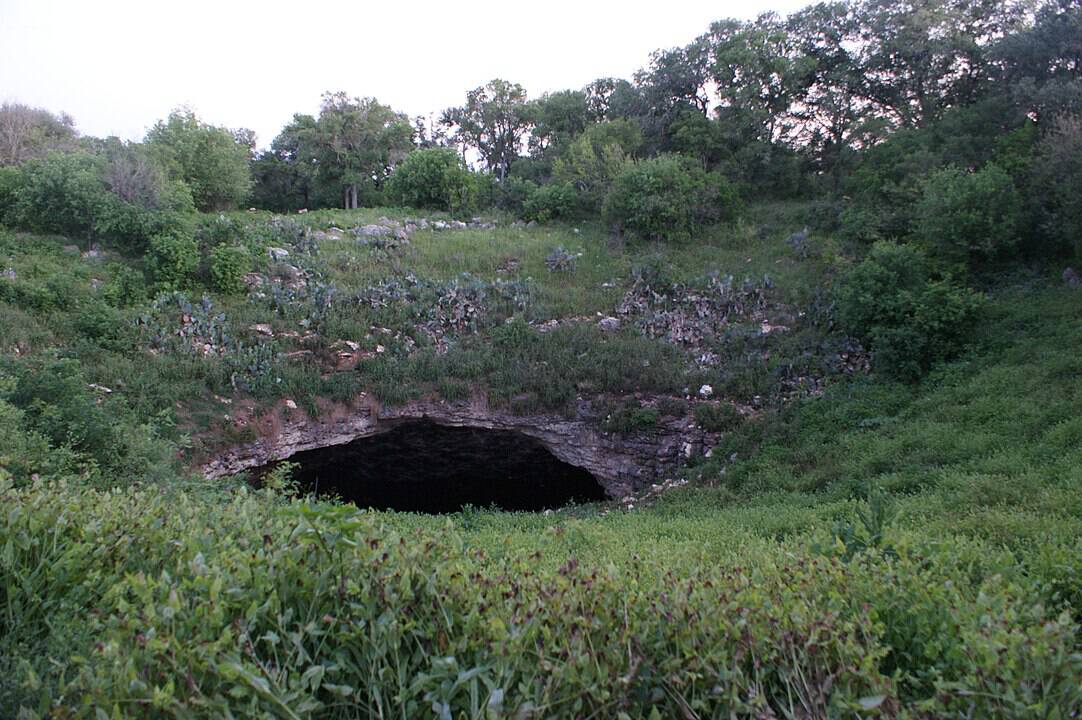
Home to the largest bat colony in the world, Bracken Cave near San Antonio hosts an estimated 15-20 million Mexican free-tailed bats during summer months. As twilight approaches, visitors witness what locals call a “batnado” – a swirling vortex of bats spiraling out of the cave entrance that continues for hours. This spectacular emergence can be so dense that it appears on weather radar! The colony consumes approximately 140 tons of insects nightly, providing natural pest control for surrounding agricultural areas. Owned by Bat Conservation International, access requires advance reservations, with guided viewing experiences available from May through September. The organization’s careful management ensures both bat protection and unforgettable visitor experiences.
Gomantong Caves, Borneo, Malaysia
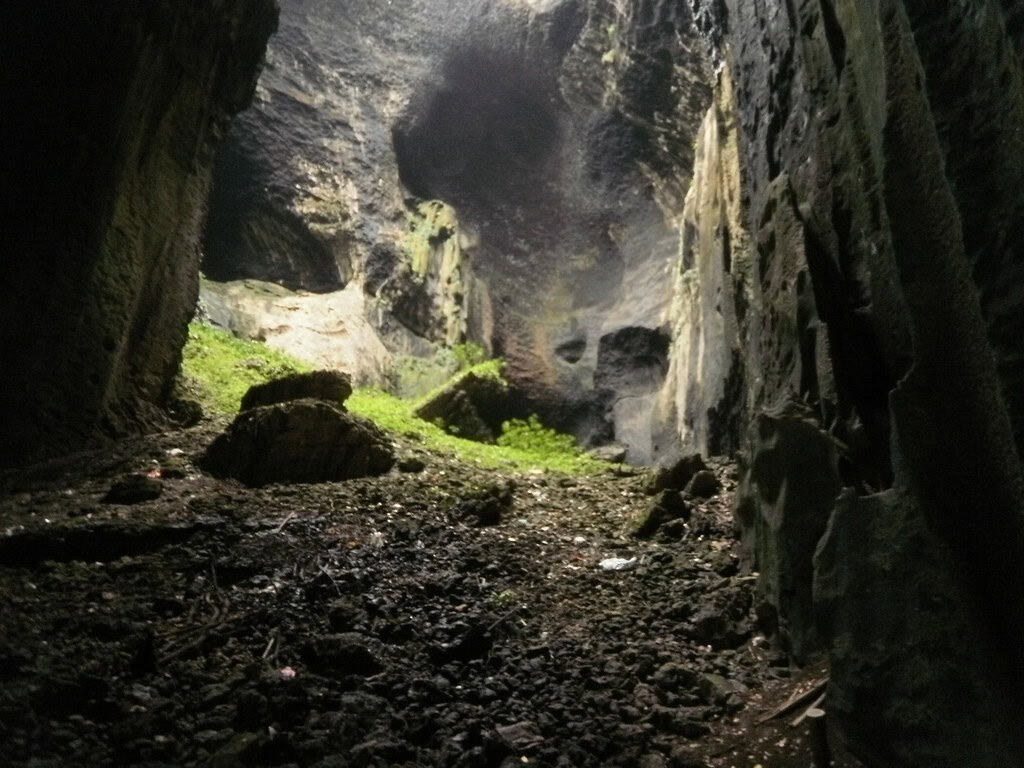
Deep within Borneo’s rainforest, Gomantong Caves offer an intensely wild bat-viewing experience. These enormous limestone caverns house approximately two million wrinkle-lipped free-tailed bats alongside massive colonies of swiftlets, whose nests are harvested for bird’s nest soup. Around sunset, streams of bats pour from the cave entrances in ribbon-like formations, creating dark, undulating patterns against the twilight sky. What makes this emergence especially dramatic is the presence of waiting predators – eagles, bat hawks, and other raptors – that swoop through the columns of emerging bats in thrilling hunting displays. The caves themselves are not for the faint-hearted, with slippery boardwalks, pungent guano piles, and abundant cave-dwelling invertebrates, but the spectacle of the emergence makes the challenging environment worthwhile.
Congress Avenue Bridge, Austin, Texas, USA

In the heart of downtown Austin, the Congress Avenue Bridge houses approximately 1.5 million Mexican free-tailed bats, forming the largest urban bat colony in North America. What makes this location unique is its accessibility – no hiking or special arrangements required. From March through October, visitors gather along the bridge’s walkways and the nearby grassy hillsides of the Butler Hike and Bike Trail to watch as the bats stream out from beneath the bridge’s expansion joints. The emergence typically begins around sunset, with bats flying eastward over Lady Bird Lake. The colony consumes an estimated 10-20 tons of insects nightly, including agricultural pests. This phenomenon has transformed from local curiosity to major tourist attraction, generating approximately $10 million annually in tourism revenue for Austin, demonstrating how bat conservation can benefit both ecology and economy.
Khao Yai National Park, Thailand

Thailand’s first national park, Khao Yai, offers one of Southeast Asia’s most accessible bat spectacles. Each evening around sunset, millions of wrinkle-lipped free-tailed bats emerge from limestone caves near the park’s northern boundary, creating river-like streams in the sky that extend for kilometers. What distinguishes Khao Yai’s bat emergence is its pristine setting within a UNESCO World Heritage site, surrounded by lush rainforest that houses elephants, gibbons, and hornbills. Local guides know the best viewing spots along Route 2090, where visitors can watch the bats while listening to the chorus of forest insects beginning their nightly symphony. The bats’ flight patterns are particularly dramatic here, with distinct columns weaving and undulating against the backdrop of jungle-covered mountains, often continuing for nearly two hours after initial emergence.
Monfort Bat Cave, Samal Island, Philippines

Holding the Guinness World Record for the largest colony of Geoffrey’s Rousette fruit bats, Monfort Bat Cave on Samal Island houses an estimated 1.8-2.3 million bats within its five cave entrances. Unlike many bat caves that require challenging access, Monfort is remarkably visitor-friendly, with concrete pathways and protective barriers that allow guests to view the dense carpet of bats clinging to virtually every surface of the cave ceiling. The fruit bat emergence differs from insectivorous bat colonies; rather than forming tight columns, these larger bats exit in smaller groups throughout the evening. The sanctuary’s founder, Norma Monfort, has transformed what locals once feared into a conservation success story and educational resource. Visitors learn about the ecological importance of these fruit bats, which play critical roles in seed dispersal and forest regeneration throughout the Philippines.
Gunung Mulu National Park, Sarawak, Malaysia
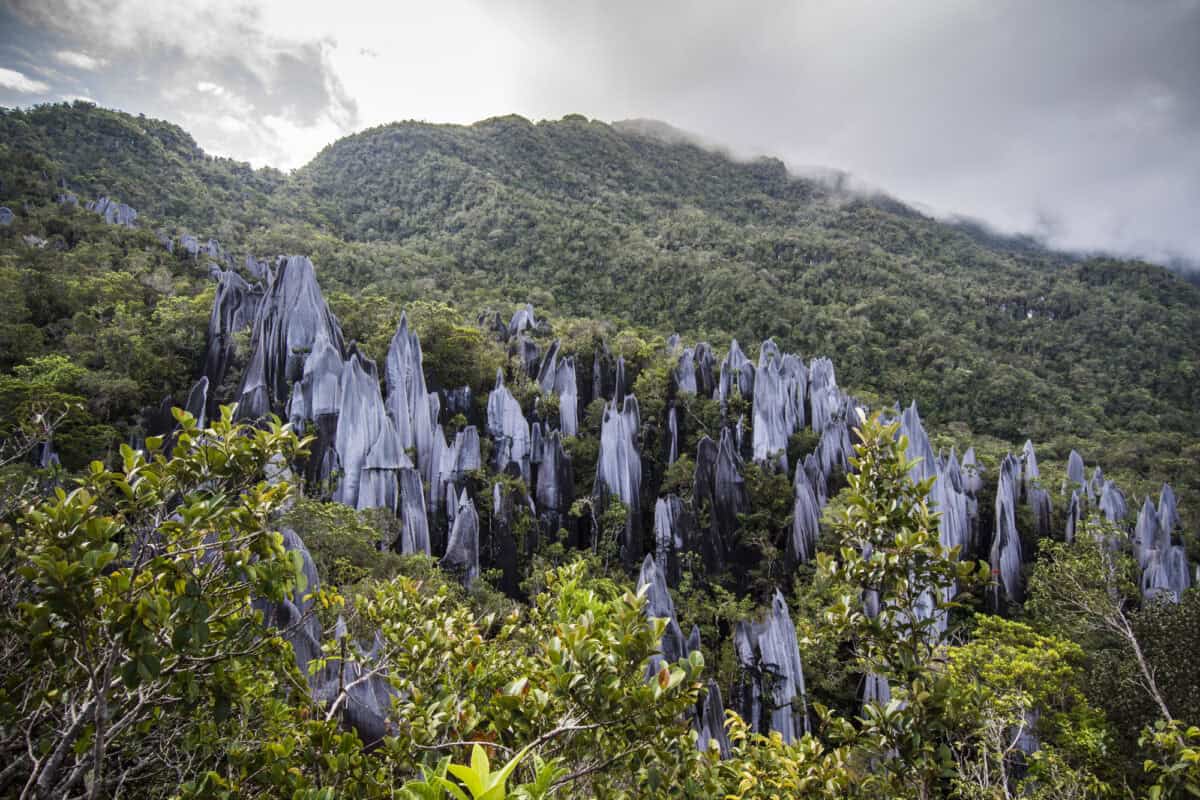
Within this UNESCO World Heritage site lies Deer Cave, home to between 2-3 million wrinkle-lipped free-tailed bats. The cave itself is massive – one of the world’s largest cave passages – with an entrance measuring 150 meters wide and 120 meters high. The evening bat emergence here has been nicknamed the “black snake” as millions of bats stream out in distinct, ribbon-like formations that twist and turn in unison, sometimes traveling up to 40 miles in search of food. What makes Mulu particularly special is the complete experience: visitors take a scenic 3 km plankwalk through pristine rainforest to reach the comfortable viewing area, accompanied by knowledgeable guides who explain the complex ecology of the cave system. The emergence typically begins between 5:30 and 6:30 pm, weather permitting, with the bats performing aerial acrobatics above the massive cave entrance before heading out to hunt.
Carlsbad Caverns National Park, New Mexico, USA

Beyond its famous underground chambers, Carlsbad Caverns National Park offers one of North America’s most reliable bat viewing experiences. From May through October, approximately 400,000 Brazilian free-tailed bats emerge nightly from the natural cave entrance. The National Park Service has created an amphitheater-like seating area where rangers provide educational programs before the emergence begins. What makes Carlsbad unique is the combination of comfortable viewing with wilderness setting – visitors watch from a designated seating area as bats spiral upward from the cave before dispersing into the Chihuahuan Desert to feed. The park’s protected status ensures minimal light pollution, allowing clear views of the bats against the twilight sky. For particularly dedicated bat enthusiasts, the park also offers dawn return viewings, when the bats perform impressive aerial dives to re-enter the cave after their night of foraging.
Yarra Bend Park, Melbourne, Australia

In the heart of Melbourne, Yarra Bend Park houses one of Australia’s largest urban colonies of grey-headed flying foxes, with numbers fluctuating between 15,000 and 50,000 depending on the season. Unlike cave-dwelling microbats, these large fruit bats (with wingspans reaching up to one meter) roost in trees along the Yarra River, creating a spectacular display when they depart at dusk to feed on nectar, pollen, and fruit throughout the city and surrounding forests. The Bellbird Picnic Area provides excellent viewing opportunities, with a dedicated platform overlooking the colony. What makes this location special is the accessibility – it’s reachable by public transportation within a major city – and the opportunity to observe these remarkable mammals, which are listed as vulnerable due to habitat loss across Australia. Rangers frequently offer educational programs about the ecological importance of these keystone pollinators and seed dispersers.
Kasanka National Park, Zambia

While most famous bat emergences involve insect-eating species, Zambia’s Kasanka National Park hosts a different phenomenon – the world’s largest mammal migration. Every October to December, approximately 10 million straw-colored fruit bats converge on a small area of swamp forest within the park. At sunset, these massive bats (with wingspans up to 2.5 feet) fill the sky as they leave to forage throughout the surrounding regions, traveling up to 30 miles each night. What makes Kasanka extraordinary is the sheer biomass – an estimated 700 tons of flying mammals – and the dramatic contrast of these large golden-furred bats against the sunset. The park has constructed viewing platforms in trees adjacent to the roosting area, allowing visitors to experience bats flying at eye-level. This spectacle has significant ecological importance, as the bats disperse millions of seeds nightly, contributing to forest regeneration across large portions of Central Africa.
Battambang Bat Caves, Cambodia

Near the Cambodian city of Battambang, Phnom Sampeau mountain contains several limestone caves that house millions of small insectivorous bats. What makes this emergence distinctive is its cultural context – the caves are adjacent to Buddhist temples, and the evening emergence has become integrated into local spiritual practices and tourism. Around sunset, visitors gather at designated viewing areas after exploring the mountain’s temples and tragic historical sites (some caves were used during the Khmer Rouge regime). The bat emergence creates serpentine columns that stretch for kilometers across rice paddies and rural landscapes. Local guides provide cultural context, explaining how the bats feature in Cambodian folklore and agricultural traditions, as farmers have long recognized their value in controlling rice paddy pests. The setting offers photographers exceptional opportunities, with the possibility of capturing bats flowing past golden temple spires as the sun sets over agricultural landscapes.
Waitomo Glowworm Caves, New Zealand
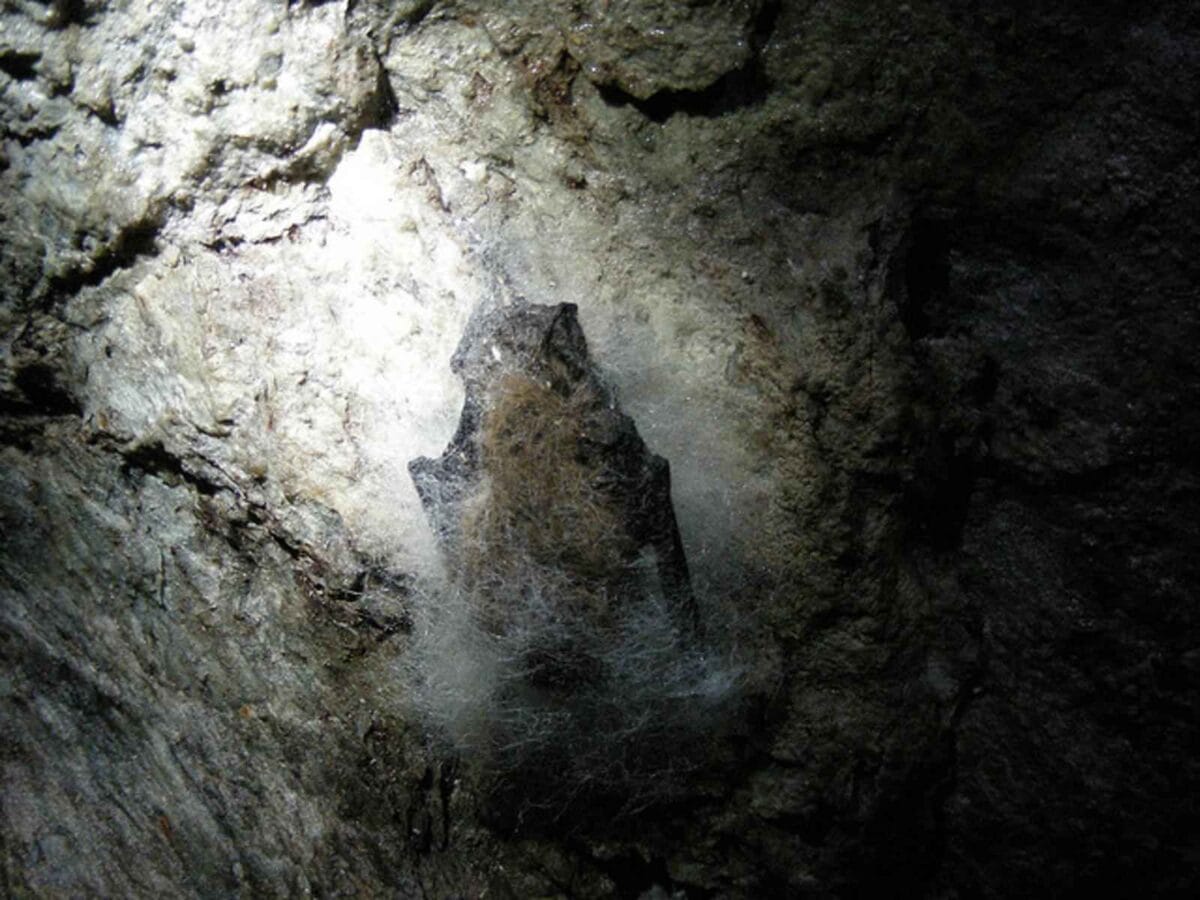
The Waitomo cave system offers a unique twist on bat viewing – here, visitors can observe the relationship between two nocturnal cave inhabitants: the New Zealand long-tailed bat and the famous glowworms. The Ruakuri Cave section of the system houses a protected colony of these endangered bats, New Zealand’s only native land mammals. Unlike massive emergences elsewhere, Waitomo offers intimate bat encounters as the bats navigate through caverns illuminated by the bioluminescent glow of thousands of arachnocampa luminosa (glowworms). Evening tours along the spiral entrance pathway provide opportunities to witness bats flying through the ethereal blue light created by the glowworms – a truly magical convergence of two remarkable evolutionary adaptations to cave life. Conservation programs at Waitomo focus on protecting the declining long-tailed bat population, with portions of tourism revenue supporting habitat restoration and predator control in surrounding forests.
Ankarana National Park, Madagascar
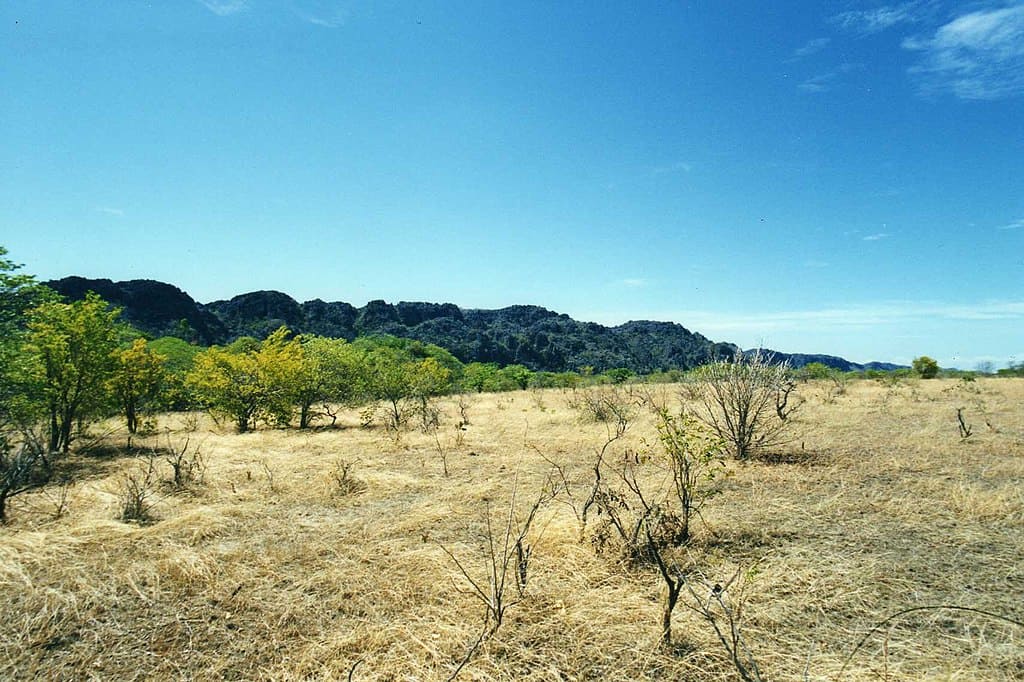
Madagascar’s isolation has produced unique evolutionary paths for its wildlife, including its 44 bat species found nowhere else on Earth. Ankarana National Park, with its distinctive limestone karst formations called “tsingy,” houses large colonies of Madagascar rousette fruit bats and insectivorous species in caves throughout the protected area. What makes bat viewing at Ankarana exceptional is the diversity – multiple species emerge from different cave systems, with varying flight patterns and behaviors. The park offers guided sunset tours to several emergence points, where visitors may simultaneously witness fruit bats heading to baobab forests while insectivorous species form tight hunting formations. The dramatic landscape adds to the experience, with bats streaming out against the backdrop of the surreal forest of limestone spires. Conservation efforts here are crucial, as Madagascar’s bats face threats from habitat loss and traditional hunting, making this not just a spectacular viewing opportunity but an important conservation education experience.
Kalong Island (Bat Island), Indonesia
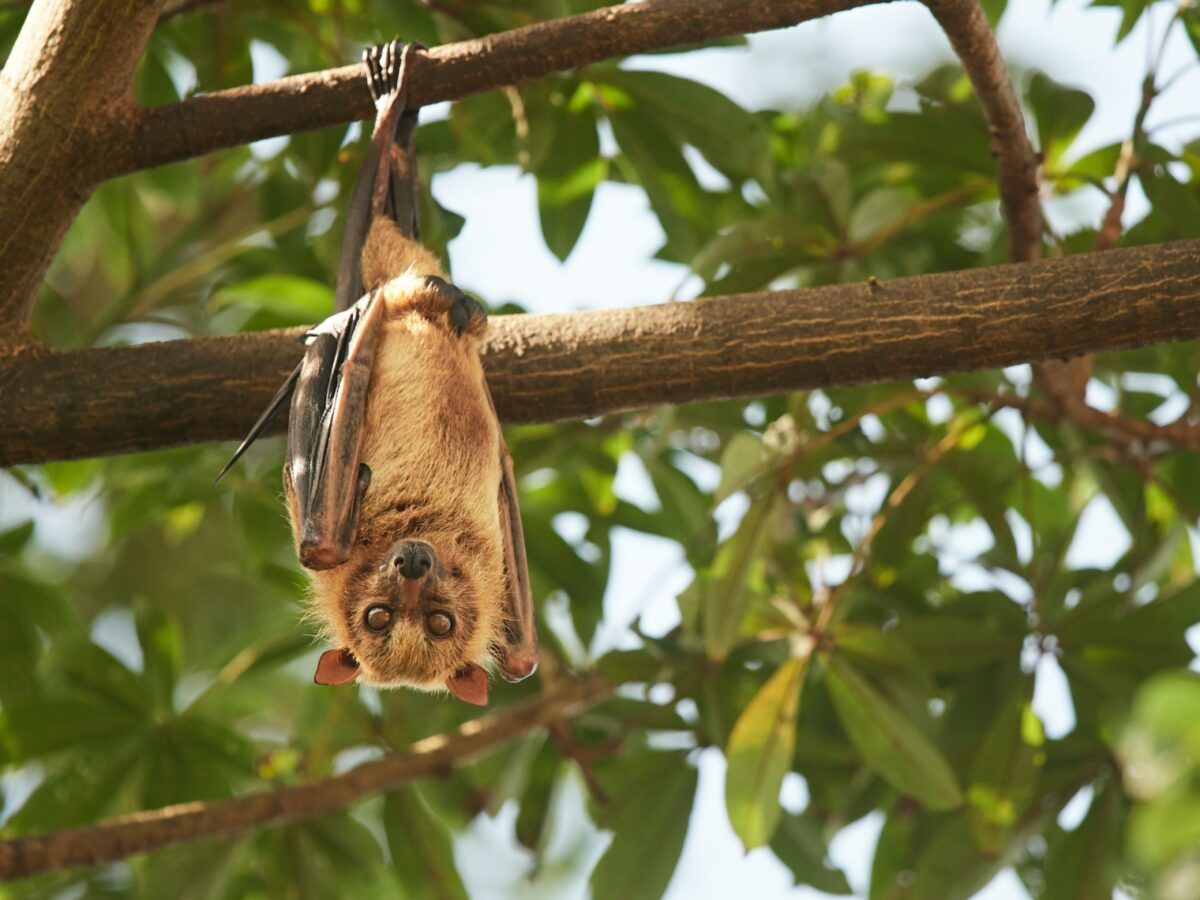
Near Komodo National Park lies Kalong Island (literally “Bat Island”), offering one of the most unique bat viewing experiences in the world – from boats on the surrounding waters. As sunset approaches, thousands of flying foxes (primarily Pteropus vampyrus) leave their mangrove roosts and fly across the water to reach feeding grounds on Flores and other nearby islands. Tour boats position themselves strategically around the island, allowing visitors to watch waves of these large fruit bats with wingspans up to 1.5 meters passing directly overhead. What distinguishes this experience is the marine setting – the combination of tropical waters, island landscapes, and flying mammals creates unparalleled photography opportunities. The bats’ journey is particularly meaningful ecologically, as they serve as the primary pollinators and seed dispersers for many plant species across Indonesia’s fragmented islands, effectively connecting ecosystems that would otherwise remain isolated.
Nyaru Menteng Arboretum, Borneo, Indonesia

While many bat viewing sites focus on cave emergences, Nyaru Menteng Arboretum near Palangkaraya offers a different experience – the spectacle of fruit bats returning to their daytime roosts at dawn. The arboretum, originally established as a orangutan rehabilitation center, has unexpectedly become home to one of Borneo’s largest flying fox colonies, with thousands of bats roosting in trees throughout the protected area. Early morning boat trips along the Rungan River provide opportunities to witness streams of large fruit bats returning from their nightly foraging, creating dramatic silhouettes against the sunrise as they settle into the canopy. What makes this location special is the combination of bat viewing with broader wildlife experiences – the same early morning excursions often include sightings of proboscis monkeys, hornbills, and other wildlife along the river edges. The site demonstrates the importance of protected areas for multiple species, with the arboretum now actively managing its forest to accommodate both primate rehabilitation and bat conservation.
Mammoth Cave National Park, Kentucky, USA

The world’s longest known cave system offers a more intimate bat viewing experience focused on conservation comeback stories. Mammoth Cave historically housed millions of bats before white-nose syndrome devastated populations throughout eastern North America. Today, as some species begin to recover, the park offers specialized ranger-led programs that focus on responsible bat viewing at various emergence points throughout the extensive system. Unlike mass emergences elsewhere, Mammoth Cave provides opportunities to observe diverse behaviors among its eight resident bat species, including Indiana bats, gray bats, and big brown bats. Evening programs at specific cave entrances include acoustic monitoring demonstrations, allowing visitors to hear the ultrasonic echolocation calls converted to audible frequencies. The park’s ongoing research programs highlight conservation challenges, with rangers explaining recovery efforts and the ecological importance of these once-abundant mammals to eastern American forests.
Conclusion: The Vital Importance of Bat Conservation Worldwide
These 15 remarkable locations represent not just extraordinary wildlife viewing opportunities, but windows into understanding creatures that play crucial roles in ecosystems worldwide. From the massive insect control provided by Mexican free-tailed bats in Texas to the forest regeneration facilitated by flying foxes in Southeast Asia, each emergence reminds us of the ecological services these often-misunderstood mammals provide. As bat populations face increasing threats from habitat loss, climate change, and diseases like white-nose syndrome, these viewing sites have taken on additional importance as conservation education centers. By witnessing these spectacular emergences firsthand, visitors develop appreciation for animals that have historically suffered from fear and misconception, ultimately supporting conservation efforts that protect both bats and the ecological systems that depend on them. Whether you seek the world’s largest colonies or more intimate encounters, experiencing a bat emergence offers an unforgettable connection to one of nature’s most remarkable daily transitions.

As a little kid, I fell in love with nature, wildlife, and animals. Living in the USA, South Africa, Italy, China and Germany gave me the opportunity to discover the world's Wildlife. My favorite animals are Mountain Gorillas, Siberian Tigers, and Great White Sharks.
I'm a certified PADI Open Water Diver, went to Everest Base Camp and Trekked Gorillas in Uganda. I hold a Master of Science in Economics and Finance.
Please send any feedback to feedback@animalsaroundtheglobe.com
- 13 Cat Breeds That Get Along with Dogs - July 20, 2026
- The 12 Largest Dog Breeds That Still Love to Cuddle - July 20, 2026
- 12 Pet Habits That Secretly Mean They Love You - July 20, 2026