

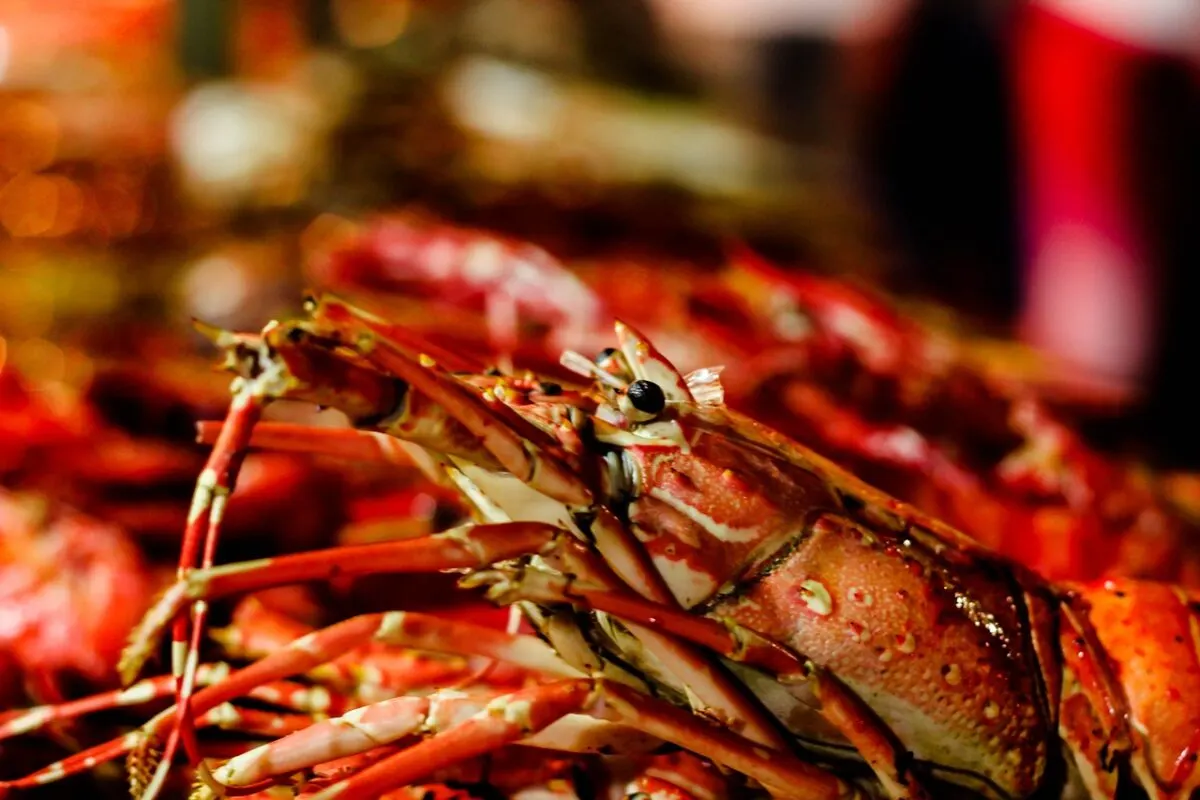
Maine and rock lobsters are two distinct types of crustaceans that often get confused due to their similar appearance and culinary popularity. Despite both being called “lobsters,” these creatures belong to different taxonomic families and have evolved unique characteristics suited to their respective habitats. Maine lobsters, scientifically known as Homarus americanus, are true lobsters native to the cold waters of the North Atlantic. Rock lobsters, also called spiny lobsters or langoustes, belong to the Palinuridae family and thrive in warmer waters worldwide. Understanding the differences between these fascinating marine creatures not only enhances our appreciation of marine biodiversity but also helps consumers make informed choices about the seafood they purchase. This article explores ten key differences between Maine and rock lobsters, delving into their biology, habitat, culinary attributes, and commercial significance.
Taxonomic Classification

Maine lobsters and rock lobsters belong to entirely different taxonomic families, making them distant relatives rather than variations of the same creature. Maine lobsters (Homarus americanus) are members of the Nephropidae family, classified as true lobsters. They share this classification with European lobsters and Norwegian lobsters. Rock lobsters, on the other hand, belong to the Palinuridae family and are not true lobsters in the scientific sense. With over 60 species, including the California spiny lobster (Panulirus interruptus), Caribbean spiny lobster (Panulirus argus), and Southern rock lobster (Jasus edwardsii), rock lobsters represent a diverse group of crustaceans that evolved along a separate evolutionary path from true lobsters. This fundamental taxonomic difference accounts for many of the physical and behavioral distinctions between these two marine creatures.
Physical Appearance

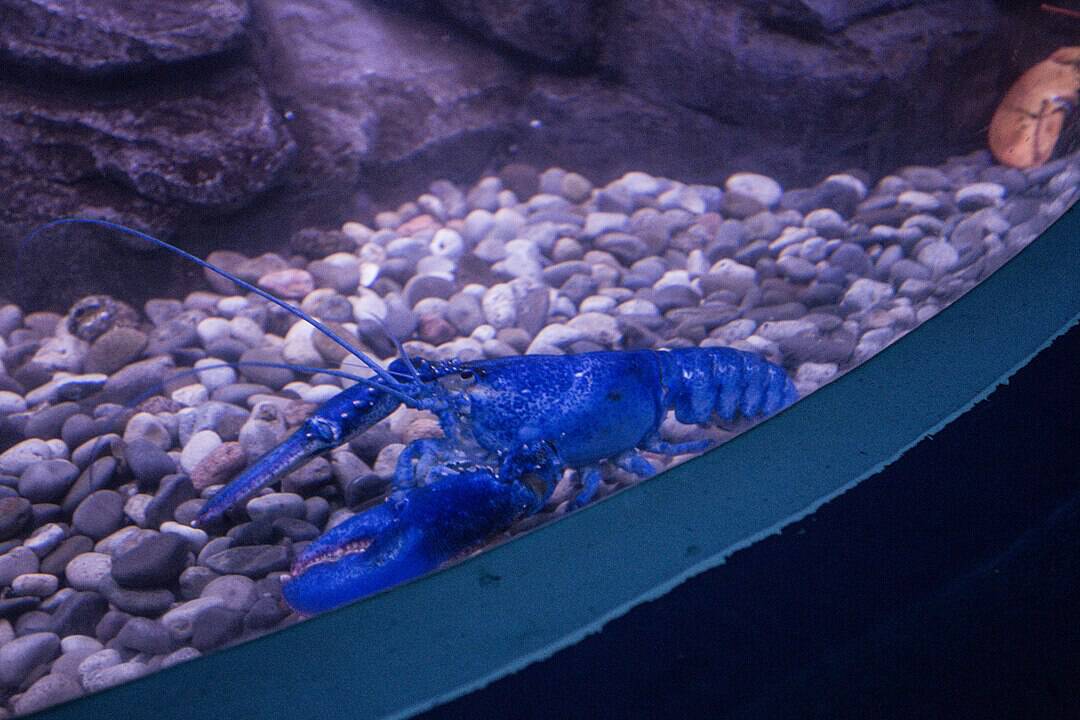
The most obvious difference between Maine and rock lobsters lies in their physical appearance. Maine lobsters possess large, powerful claws on their first pair of legs—one crusher claw for breaking hard shells of prey and one cutter claw for tearing food. Their bodies are covered with a relatively smooth carapace that ranges in color from greenish-brown to blue-black, occasionally displaying rare color mutations like blue or calico patterns. Rock lobsters, conversely, lack the large front claws that characterize true lobsters. Instead, they feature notably long, spiny antennae that are often longer than their bodies, which they use for defense and sensing their environment. Their carapaces are distinctively covered with forward-pointing spines, which give them their common name “spiny lobsters.” Rock lobsters typically display more vibrant colors than their northern counterparts, ranging from reddish-brown to mottled patterns with hints of blue, yellow, and cream, depending on the species and their habitat.
Habitat and Geographic Distribution

Maine lobsters and rock lobsters have evolved to thrive in dramatically different marine environments. Maine lobsters inhabit the cold waters of the North Atlantic Ocean, particularly along the northeastern coast of North America from Labrador, Canada, to North Carolina, with the highest concentrations found in Maine and the Canadian Maritimes. They prefer temperatures between 39°F and 52°F (4°C and 11°C) and can be found from the intertidal zone down to depths of about 1,500 feet (457 meters). Rock lobsters, as warm-water species, have a much broader global distribution. Different species of rock lobsters can be found in tropical and subtropical waters worldwide, including the Caribbean Sea, Mediterranean Sea, along the coasts of Australia, New Zealand, South Africa, and throughout much of the Pacific Ocean. They typically inhabit rocky reefs and crevices in relatively shallow waters, though some species can be found at depths of up to 900 feet (274 meters). This distinct geographic separation reflects their evolutionary adaptation to different temperature regimes and ecological niches.
Reproduction and Life Cycle

The reproductive strategies of Maine and rock lobsters differ significantly. Maine lobsters mate after the female molts, with the male depositing sperm packets that the female stores until she’s ready to fertilize her eggs, which can be months later. A female Maine lobster can carry between 5,000 and 100,000 eggs, depending on her size, attached to her swimmerets under her tail for 9-11 months before they hatch. Maine lobster larvae go through several planktonic stages before settling to the ocean floor as juveniles. Rock lobsters follow a different reproductive pattern. After mating, female rock lobsters carry their fertilized eggs externally for about four to eight weeks, depending on the species and water temperature. Rock lobsters produce significantly more eggs than Maine lobsters, with some species laying up to 500,000 eggs per spawning. Perhaps most notably, rock lobster larvae undergo a remarkable metamorphosis, developing into transparent, flat, leaf-like creatures called phyllosoma that drift in ocean currents for up to two years—one of the longest larval phases of any marine creature—before transforming into the juvenile form called puerulus that settles on the seafloor. This extended larval phase contributes to the wide distribution of rock lobster species across ocean basins.
Growth Rate and Lifespan

Maine and rock lobsters differ considerably in their growth rates and longevity. Maine lobsters are remarkably long-lived crustaceans, with some individuals estimated to reach ages of 50 years or more in the wild. They grow throughout their lives, albeit more slowly as they age, and can reach impressive sizes exceeding 20 pounds (9 kg) and measuring over 3 feet (0.9 meters) in length, though such specimens are increasingly rare due to fishing pressure. Maine lobsters grow by molting—shedding their old exoskeletons and growing new ones—approximately 25 times in their first 5-7 years, after which molting becomes less frequent. Rock lobsters generally have shorter lifespans, typically ranging from 15 to 30 years depending on the species. They also grow through molting but reach smaller maximum sizes than Maine lobsters, with most species maxing out at around 10 pounds (4.5 kg). The Southern rock lobster (Jasus edwardsii) demonstrates particularly slow growth, taking up to 10 years to reach legal harvesting size in cooler waters. These differences in growth patterns and longevity reflect the distinct evolutionary pressures and ecological niches these crustaceans occupy.
Diet and Feeding Habits

The dietary preferences and feeding mechanisms of Maine and rock lobsters reflect their different anatomical structures. Maine lobsters are opportunistic feeders that primarily use their powerful claws to crush and tear prey. Their diet consists mainly of fish, other crustaceans, mollusks, sea urchins, and occasionally plant matter. They’re known to be cannibalistic when crowded or when food is scarce. Maine lobsters are primarily nocturnal hunters that use their acute sense of smell, detected through sensory hairs on their antennules, to locate food. Rock lobsters, lacking the crushing claws of their northern counterparts, have developed different feeding strategies. They are primarily scavengers and opportunistic omnivores that use their walking legs and mouthparts to manipulate food. Their diet includes algae, mollusks, worms, other crustaceans, and carrion. Many rock lobster species are more social than Maine lobsters and may forage in groups, particularly during their nocturnal feeding excursions. Some species, like the Caribbean spiny lobster, engage in remarkable seasonal migrations in single-file lines, moving to deeper waters during storms or to breeding grounds, a behavior not observed in Maine lobsters.
Flavor and Culinary Uses
The culinary profiles of Maine and rock lobsters offer distinct gastronomic experiences, making each prized for different reasons in global cuisine. Maine lobster meat is renowned for its sweet, delicate flavor and tender texture. The tail meat is firm yet tender, while the claw meat is softer and particularly sweet. This versatility makes Maine lobster suitable for a wide range of preparations, from the simple perfection of a traditional lobster boil served with melted butter to more elaborate dishes like lobster thermidor or lobster rolls. Rock lobster, by comparison, offers a more robust, minerally flavor profile that some describe as slightly sweeter than Maine lobster but with a firmer, more dense texture that holds up well to grilling and strong seasonings. Since rock lobsters lack claws, culinary attention focuses on their substantial tails, which contain all of the meat. These tails are particularly popular in Mediterranean, Caribbean, and Asian cuisines, where they’re often grilled, stir-fried, or incorporated into paellas and curries. The distinct flavor profiles of these two types of lobster reflect their different diets and the varying water temperatures and conditions of their natural habitats.
Commercial Value and Fishing Practices

The fishing industries surrounding Maine and rock lobsters have developed distinct practices adapted to the biology and habitats of these crustaceans. The Maine lobster fishery is one of the most sustainable seafood industries in the world, employing strict conservation measures including minimum and maximum size limits, protection of egg-bearing females (which must be notched and returned to the water), and the use of biodegradable escape panels in traps. Harvested primarily using baited traps (pots) set on the ocean floor, Maine lobster represents a significant economic engine for coastal New England, with the industry valued at approximately $500 million annually. Rock lobster fisheries operate worldwide under varying management regimes, with major commercial operations in Australia, New Zealand, South Africa, and throughout the Caribbean. These fisheries often employ different harvesting techniques, including diving and specialized traps designed for rocky terrain. The Southern rock lobster fishery of Australia and New Zealand is particularly valuable, with individual lobsters commanding premium prices in Asian markets, especially Japan and China, where they’re highly prized for their presentation and flavor. The global rock lobster industry faces greater challenges with illegal fishing and sustainability compared to the more centralized and regulated Maine lobster fishery.
Behavioral Differences

Maine and rock lobsters exhibit notable differences in behavior that reflect their evolutionary adaptations and ecological niches. Maine lobsters are generally solitary and territorial creatures that establish and defend individual shelters under rocks or in crevices. They communicate primarily through chemical signals in their urine, which they use to establish dominance hierarchies and signal reproductive availability. Maine lobsters are known to engage in complex ritualized combat when establishing territory, using their claws in pushing contests that rarely result in serious injury. Rock lobsters, by contrast, often demonstrate more social behaviors. Many species, particularly the Caribbean spiny lobster (Panulirus argus), are known to aggregate in groups within shared dens, especially during daylight hours when they seek shelter from predators. These communal shelters may house dozens of individuals, with the lobsters using their long antennae to maintain contact with each other. Perhaps the most remarkable behavioral difference is the migratory pattern observed in some rock lobster species, which form single-file “lobster lines” during seasonal movements or in response to approaching storms—a sophisticated collective behavior not seen in Maine lobsters.
Conservation Status and Challenges

Maine and rock lobsters face different conservation challenges reflecting their distinct biologies and the fisheries that target them. The Maine lobster fishery has maintained relatively stable populations through a combination of effective management practices and favorable environmental conditions in recent decades. However, climate change poses a significant threat, as warming waters in the Gulf of Maine—which is heating faster than 99% of the world’s oceans—are causing lobsters to shift northward and potentially disrupting their reproductive cycles. Additionally, the Maine lobster industry faces challenges related to right whale conservation, with new regulations aimed at reducing entanglement risks threatening to alter traditional fishing practices. Rock lobster species worldwide generally face more severe conservation concerns. Many rock lobster populations have experienced significant declines due to overfishing, habitat degradation, and illegal harvesting. The Caribbean spiny lobster has seen substantial population reductions in parts of its range, while the Mediterranean spiny lobster is listed as vulnerable on the IUCN Red List. Climate change affects rock lobsters differently, with ocean acidification potentially impacting the development of their larvae and changing ocean currents disrupting their complex life cycles. The diversity of rock lobster species and their global distribution make coordinated conservation efforts particularly challenging compared to the more geographically concentrated Maine lobster.
Cultural Significance
Both Maine and rock lobsters hold significant places in the cultural identities of their respective regions, though in markedly different ways. The Maine lobster has transcended its status as mere seafood to become an iconic symbol of New England’s maritime heritage and a cornerstone of regional identity. Lobster boats dotting the harbors of coastal Maine communities represent not just a livelihood but a way of life passed down through generations. The annual Maine Lobster Festival in Rockland attracts thousands of visitors, while the image of the Maine lobster appears on everything from license plates to tourist merchandise. In New England cuisine, the lobster represents both everyday fare and celebratory feasting, with traditions like the lobster bake bringing communities together. Rock lobsters hold similar cultural significance in their respective regions, though often with different associations. In the Caribbean, the spiny lobster is central to local cuisines and festivals, such as the Lobster Fest in Belize, which celebrates the opening of the lobster fishing season. In Australia and New Zealand, the Southern rock lobster (known locally as crayfish or “crays”) features prominently in coastal community identities and indigenous foodways. The Māori people of New Zealand have harvested rock lobster (kōura) for centuries, incorporating it into traditional practices and creation stories. These cultural associations reflect the deep connections between these marine creatures and the human communities that have depended on them for sustenance, commerce, and cultural identity.
Economic Impact
The economic footprints of Maine and rock lobster industries reveal different scales and structures of commercial importance. The Maine lobster industry represents one of the most valuable single-species fisheries in the United States, generating approximately $500 million in direct harvesting value annually and supporting an estimated total economic impact exceeding $1 billion when including processing, distribution, and tourism. The industry employs over 4,500 licensed lobstermen and thousands more in related sectors, serving as the economic backbone of many coastal Maine communities. The supply chain is relatively consolidated, with most Maine lobster sold within North America, though export markets, particularly to Asia and Europe, have grown in importance. Rock lobster fisheries, being more globally distributed, create a more diffuse but collectively substantial economic impact across multiple countries and regions. The Western Australian rock lobster fishery alone is valued at approximately AUD$400 million annually, making it Australia’s most valuable single-species fishery. Unlike Maine lobster, rock lobster industries are heavily export-oriented, with the majority of the premium product destined for Asian markets, particularly China, Japan, and Hong Kong, where they command premium prices that can exceed $100 per pound for live specimens. In developing regions like the Caribbean, rock lobster fisheries provide critical livelihoods for small-scale fishers and support local tourism economies through restaurants and resorts that feature this prized seafood.
Conclusion

Maine and rock lobsters, despite sharing a common name, represent fascinatingly different evolutionary paths in the crustacean world, each adapted to unique ecological niches and providing distinct culinary experiences. Their differences—from the Maine lobster’s powerful claws and cold-water habitat to the rock lobster’s spiny carapace and warm-water distribution—illustrate the remarkable diversity of marine life that has evolved on our planet. These differences extend beyond biology to impact how these creatures are harvested, prepared in kitchens worldwide, and valued in various cultures and economies. Understanding these distinctions enhances our appreciation not only of these remarkable marine creatures but also of the complex relationships between humans and the ocean’s resources. As climate change and fishing pressures continue to affect marine ecosystems, recognizing the unique characteristics and challenges facing both Maine and rock lobsters becomes increasingly important for ensuring their survival and sustainable management for future generations to study, harvest, and enjoy.

As a little kid, I fell in love with nature, wildlife, and animals. Living in the USA, South Africa, Italy, China and Germany gave me the opportunity to discover the world's Wildlife. My favorite animals are Mountain Gorillas, Siberian Tigers, and Great White Sharks.
I'm a certified PADI Open Water Diver, went to Everest Base Camp and Trekked Gorillas in Uganda. I hold a Master of Science in Economics and Finance.
Please send any feedback to feedback@animalsaroundtheglobe.com
- 15 Unique Dog Breeds Built for Surviving Extreme Weather - July 23, 2026
- Top 14 Weirdest Looking Fish Ever Discovered - July 23, 2026
- A Tribute How Wolf 907 F Outlived Her Lifespan to become Yellowstone’s Queen of Wolves - July 23, 2026